Low-dose nicotine can help alleviate Long COVID symptoms.
Could this explain why?🧵
Could this explain why?🧵

To understand the nicotine hypothesis, we must start with the spike protein.
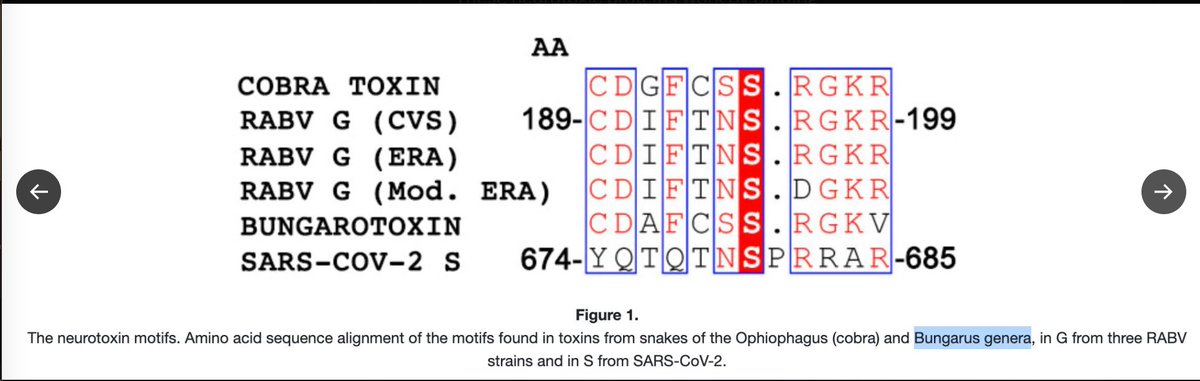
The SARS-CoV-2 spike protein contains a region similar to neurotoxic proteins found in:
- Rabies virus
- Cobra venom
- Indian krait snake venom
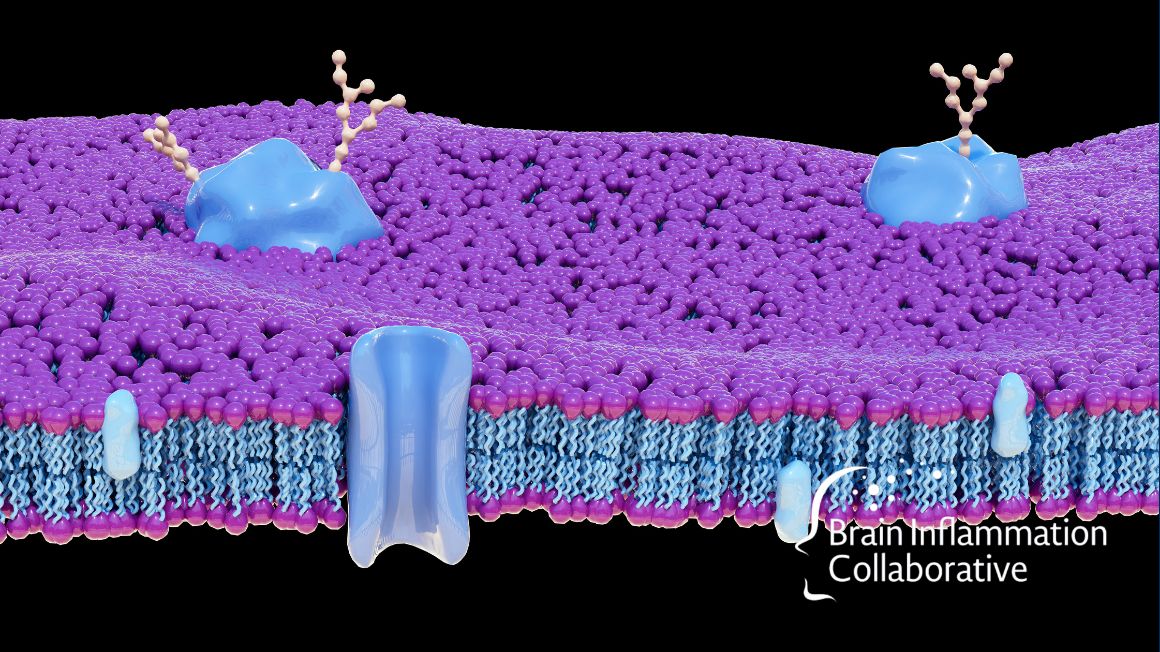
These neurotoxic proteins work by binding and blocking the nicotinic acetylcholine receptors (nAChR) from functioning.
Can the spike protein do the same?
The SARS-CoV-2 spike protein contains a region similar to neurotoxic proteins found in:
- Rabies virus
- Cobra venom
- Indian krait snake venom
These neurotoxic proteins work by binding and blocking the nicotinic acetylcholine receptors (nAChR) from functioning.
Can the spike protein do the same?


When you align the amino acid sequence of the spike with the neurotoxins, you see some similarities (red letters).
In addition, functional studies suggest spike protein fragments bind and inhibit nAChR (1,2).
Also, injecting mice with the 11 amino acid spike fragment caused an inflammatory response and a decrease in memory (3).
This was reversed by injecting choline, an activator of nAChRs (4).
In addition, functional studies suggest spike protein fragments bind and inhibit nAChR (1,2).
Also, injecting mice with the 11 amino acid spike fragment caused an inflammatory response and a decrease in memory (3).
This was reversed by injecting choline, an activator of nAChRs (4).
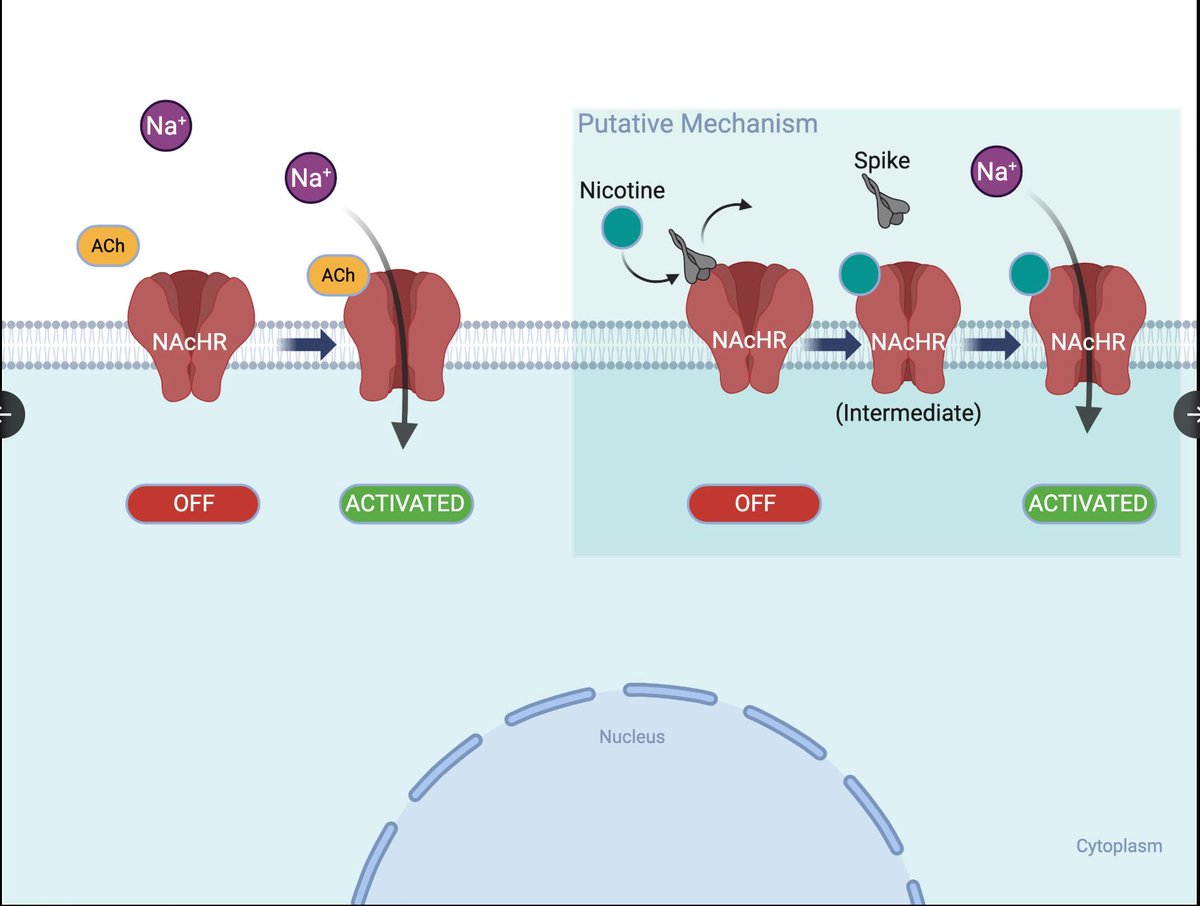
Could the spike protein be causing some Long COVID symptoms in part by interacting with and blocking nAChRs from functioning?
If so, nicotine, able to tightly bind nAChRs, might be able to displace the spike protein/spike fragment, turning on nAChRs.
Why might blocking nAChRs contribute to LC?
If so, nicotine, able to tightly bind nAChRs, might be able to displace the spike protein/spike fragment, turning on nAChRs.
Why might blocking nAChRs contribute to LC?
nAChRs play a role in:
- Cognitive function
- Inflammation control
- Autonomic nervous system regulation
Thus, activating nAChRs could:
- reduce inflammation
- improve brain fog
- Cognitive function
- Inflammation control
- Autonomic nervous system regulation
Thus, activating nAChRs could:
- reduce inflammation
- improve brain fog
The anecdotal evidence of nicotine in Long COVID isn't only on Reddit (image from 1st post).
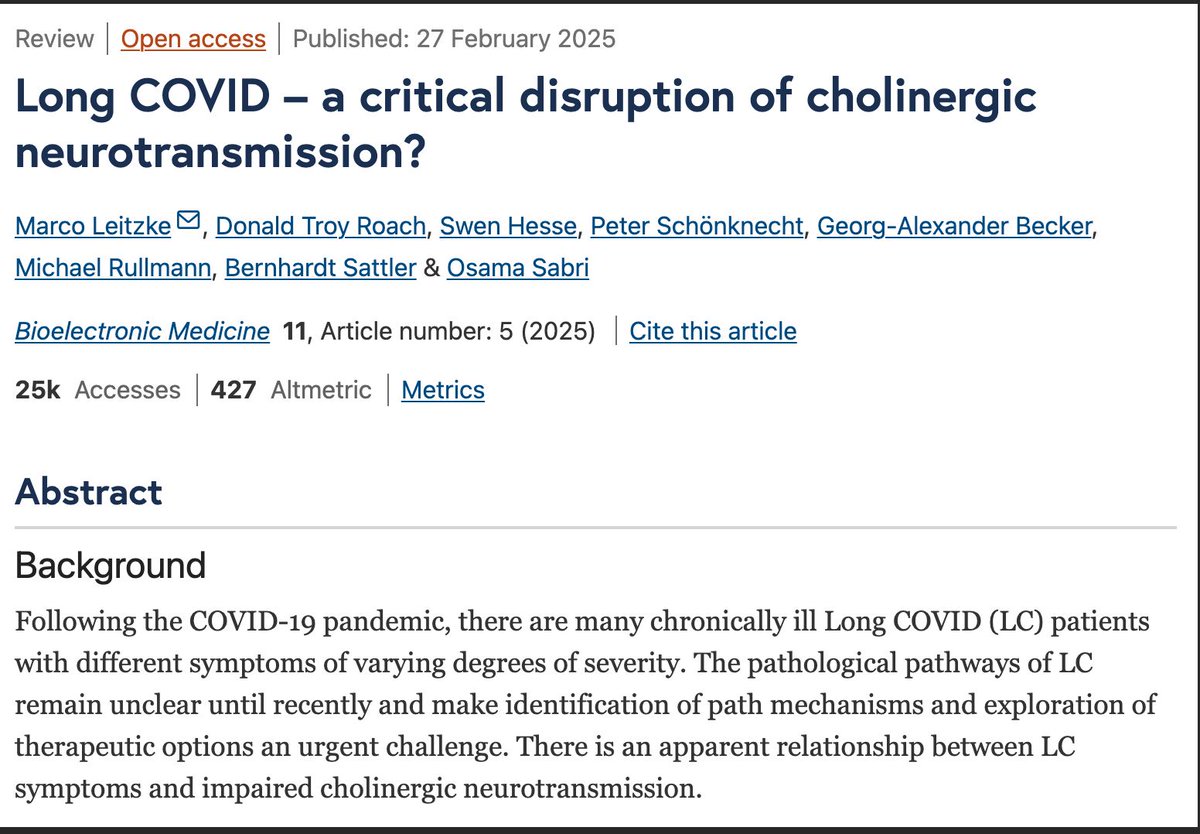
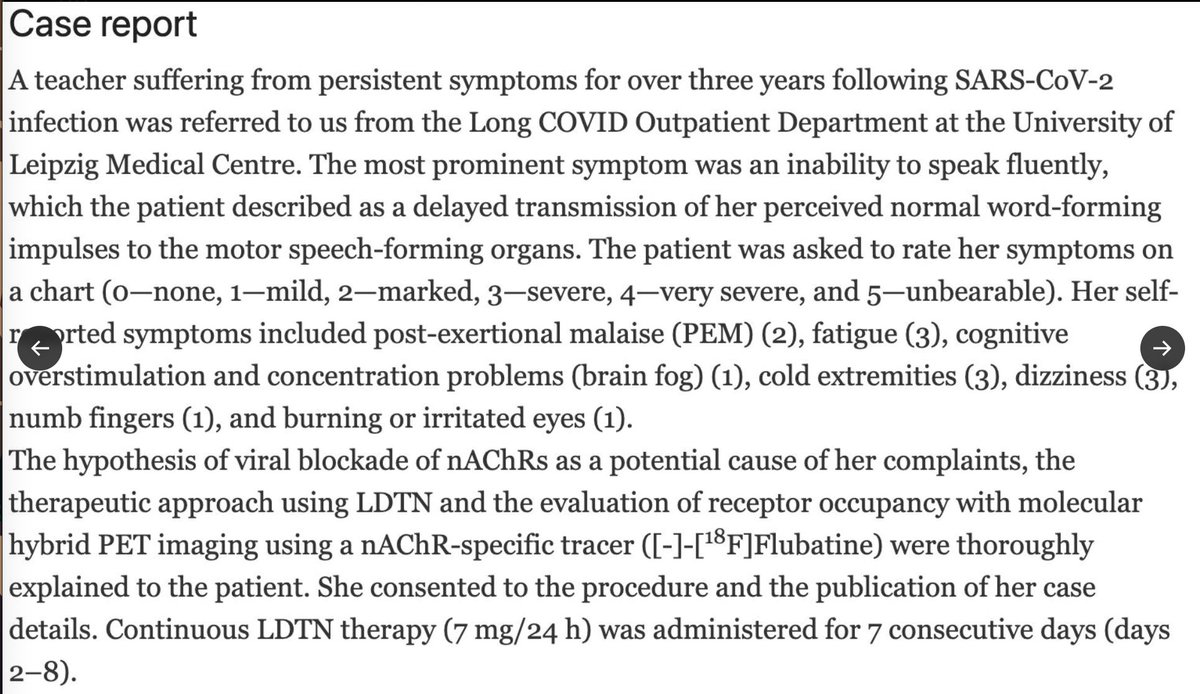
For instance, a published case report found that it helped a Long COVID patient (below).
The symptoms presented before treatment were: [1-5 rating, 1-mild > 5-unbearable]:
fatigue [3]
dizziness [3]
numb fingers [1]
cold extremities [3]
burning or irritated eyes [1]
post-exertional malaise (PEM) [2]
concentration problems (brain fog) [1]
After 7 days of continuous low dose nicotine, her complaints were reduced to:
- dizziness [1]
- irritated eyes [1]
For instance, a published case report found that it helped a Long COVID patient (below).
The symptoms presented before treatment were: [1-5 rating, 1-mild > 5-unbearable]:
fatigue [3]
dizziness [3]
numb fingers [1]
cold extremities [3]
burning or irritated eyes [1]
post-exertional malaise (PEM) [2]
concentration problems (brain fog) [1]
After 7 days of continuous low dose nicotine, her complaints were reduced to:
- dizziness [1]
- irritated eyes [1]
There are different flavors of nAChRs.
It's hypothesized that the alpha7 nAChRs are inhibited in some with Long COVID.
α7 nAChRs activation can:
- control neuroinflammation in a way that influences learning and memory
- reduce pro-inflammatory cytokines
- etc.
It's hypothesized that the alpha7 nAChRs are inhibited in some with Long COVID.
α7 nAChRs activation can:
- control neuroinflammation in a way that influences learning and memory
- reduce pro-inflammatory cytokines
- etc.

Robust clinical studies are needed to rigorously test the efficacy of nicotine in those with Long COVID.
We would speculate that nicotine would only help patients whose symptoms are caused by viral persistence.
Have you tried low-dose nicotine to treat your Long COVID (or ME/CFS)?
We would speculate that nicotine would only help patients whose symptoms are caused by viral persistence.
Have you tried low-dose nicotine to treat your Long COVID (or ME/CFS)?
Literature Cited:
1. Farsalinos K, et al. IJMS. 2020. PMID: 32823591
2. Carlson EC, et al. IJMS. PMID: 36982671
3. Lykhmus, O., et al. Biochem. Biophys. Res. Commun. 2022. PMID: 35843095
4. Lykhmus, O., et al. J. Neuroimmunol. 2023. PMID: 38016403
1. Farsalinos K, et al. IJMS. 2020. PMID: 32823591
2. Carlson EC, et al. IJMS. PMID: 36982671
3. Lykhmus, O., et al. Biochem. Biophys. Res. Commun. 2022. PMID: 35843095
4. Lykhmus, O., et al. J. Neuroimmunol. 2023. PMID: 38016403
• • •
Missing some Tweet in this thread? You can try to
force a refresh