In AD 602,
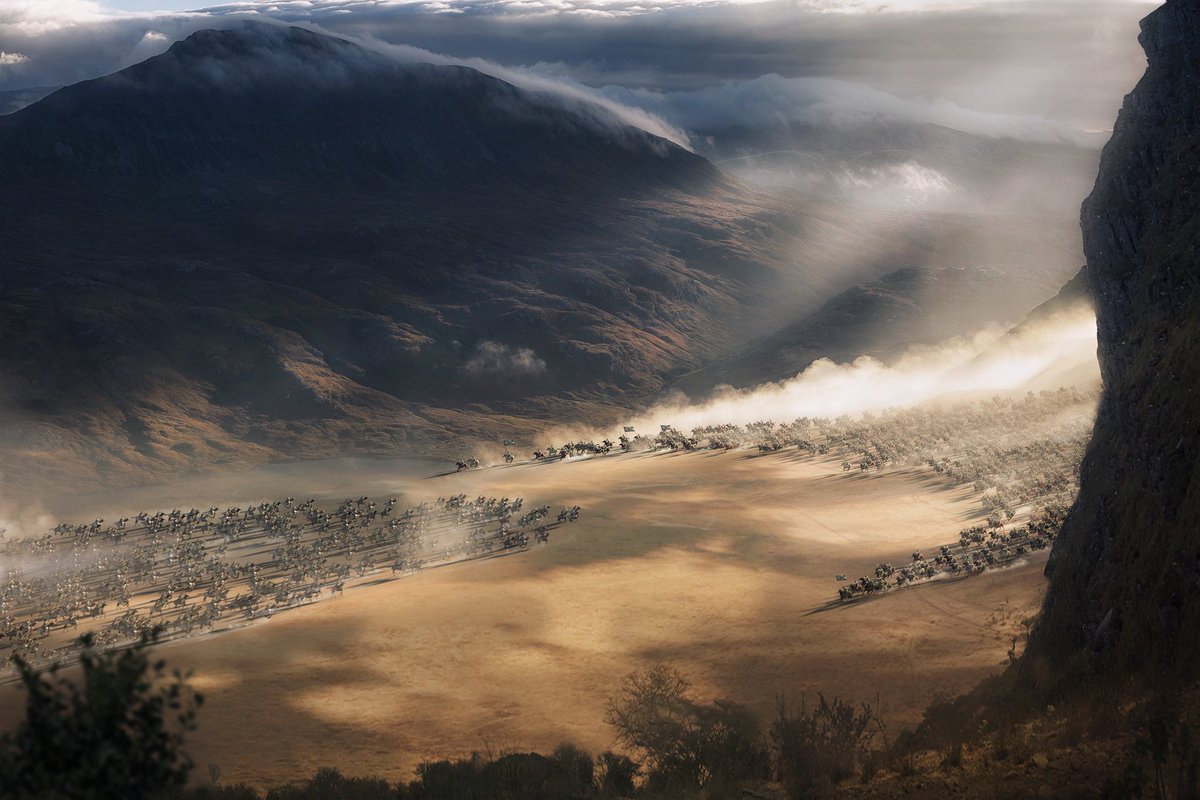
The Roman field army in the Balkans rebelled and marched on Constantinople.
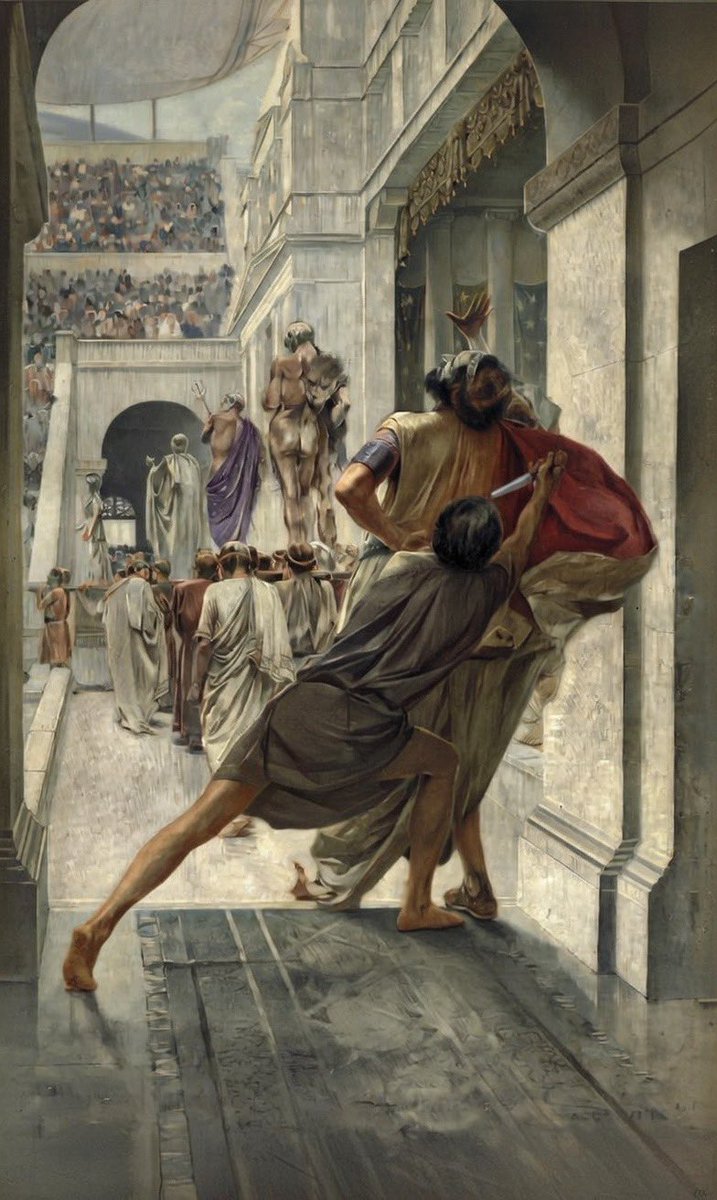
The emperor Maurice was forced to watch the decapitation of his five young sons before he was killed.
[Thread]🧵
The Roman field army in the Balkans rebelled and marched on Constantinople.
The emperor Maurice was forced to watch the decapitation of his five young sons before he was killed.
[Thread]🧵

In the late 6th century, the Roman Empire faced major threats from three directions; the Persians in the east, the Lombards in Italy, and threat of the Avar and Slavic peoples who had recently arrived in the Balkans.
The emperor Maurice succeeded Tiberius II in AD 582 and had successfully campaigned against all of these threats, but after 20 years of rule, the impact of regular campaigning was causing problems.
One particular success was the intervention in the Persian civil war in favour of the Shah Khusrow II, which brought close relations afterward.
But the emperor was ever conscious of the financial burden of such prolonged campaigning and in 588 attempted to cut army pay by 25% which provoked a brief mutiny.
The emperor Maurice succeeded Tiberius II in AD 582 and had successfully campaigned against all of these threats, but after 20 years of rule, the impact of regular campaigning was causing problems.
One particular success was the intervention in the Persian civil war in favour of the Shah Khusrow II, which brought close relations afterward.
But the emperor was ever conscious of the financial burden of such prolonged campaigning and in 588 attempted to cut army pay by 25% which provoked a brief mutiny.

However, in the Balkans in 602, the Roman field army had just concluded a campaign beyond the Danube against the Slavs and were withdrawing when the order arrived to remain on campaign in the winter.
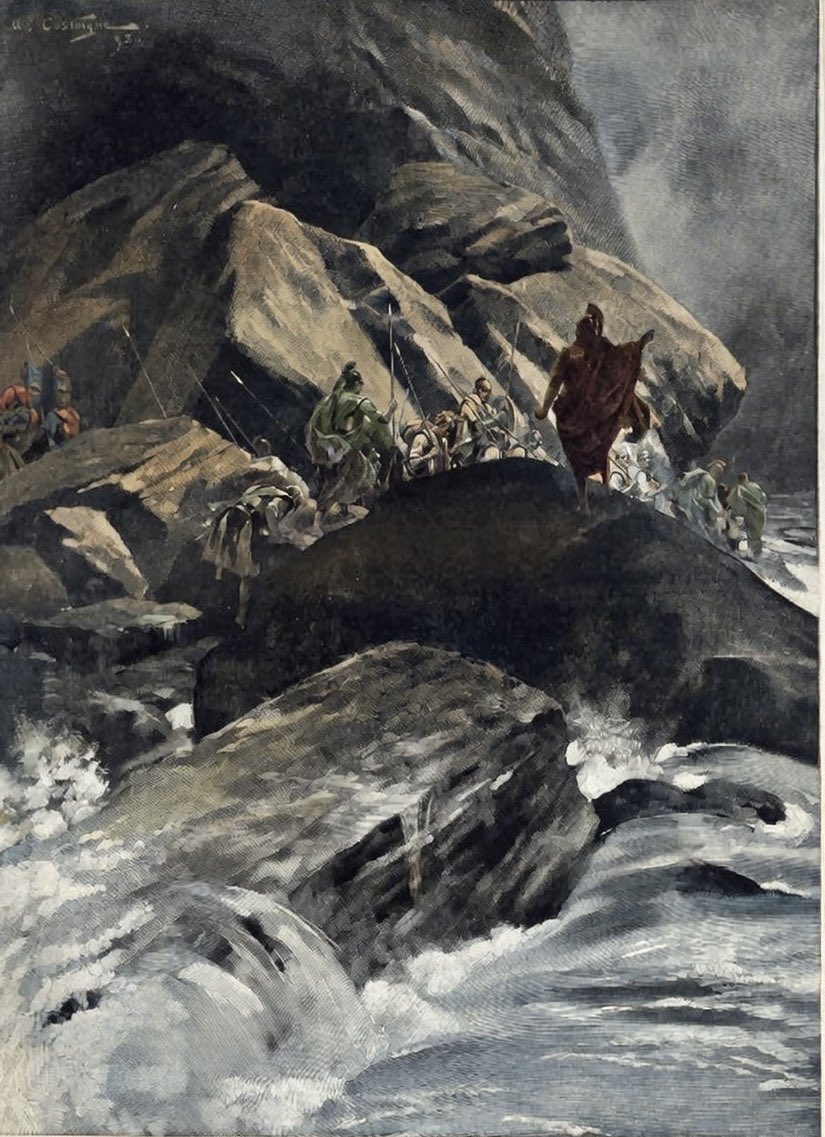
They mutinied and crossed the Danube back into the empire at Palastolum before marching south to Securisca.
An offer of increased pay arrived and they began to construct boats to return to their posting, but a fierce storm came and their resolved stiffened once faced with the conditions of the winter they were expected to campaign in.
They mutinied and crossed the Danube back into the empire at Palastolum before marching south to Securisca.
An offer of increased pay arrived and they began to construct boats to return to their posting, but a fierce storm came and their resolved stiffened once faced with the conditions of the winter they were expected to campaign in.

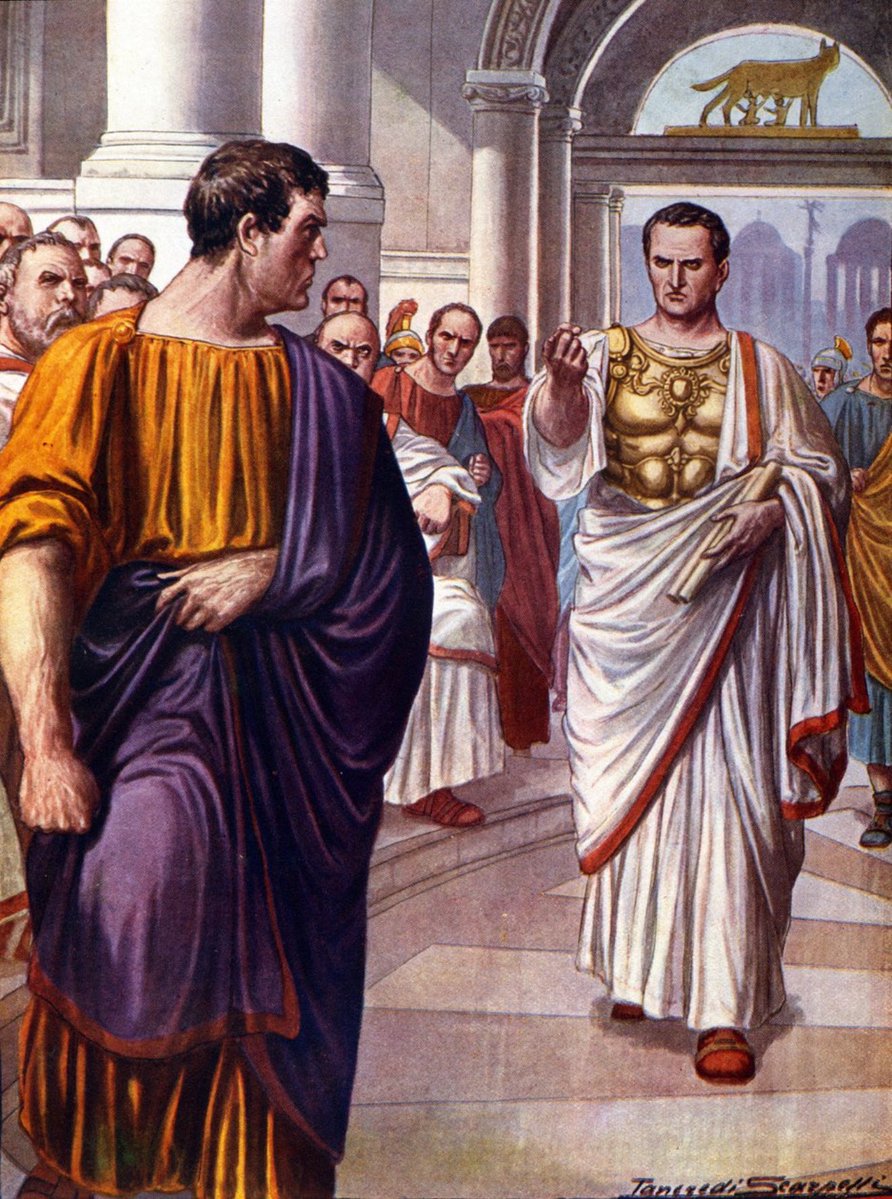
A deputation which included Phocas, a senior officer in the Balkan army, was sent to negotiate with Peter, their commander and brother of the emperor.
Peter made no concessions at the meeting and was equally stubborn when addressing the troops.
The army held its own assembly and elected Phocas as their new leader and emperor.
Peter made no concessions at the meeting and was equally stubborn when addressing the troops.
The army held its own assembly and elected Phocas as their new leader and emperor.

Peter and the officers loyal to him fled to Constantinople and the army was not far behind.
In Constantinople Maurice did not make the news public and instead sought declarations of loyalty from the Blues and Greens, the leading chariot racing factions whose support was often crucial in times of trouble. He stationed the Blues and Greens along the Theodosian Walls.
In Constantinople Maurice did not make the news public and instead sought declarations of loyalty from the Blues and Greens, the leading chariot racing factions whose support was often crucial in times of trouble. He stationed the Blues and Greens along the Theodosian Walls.
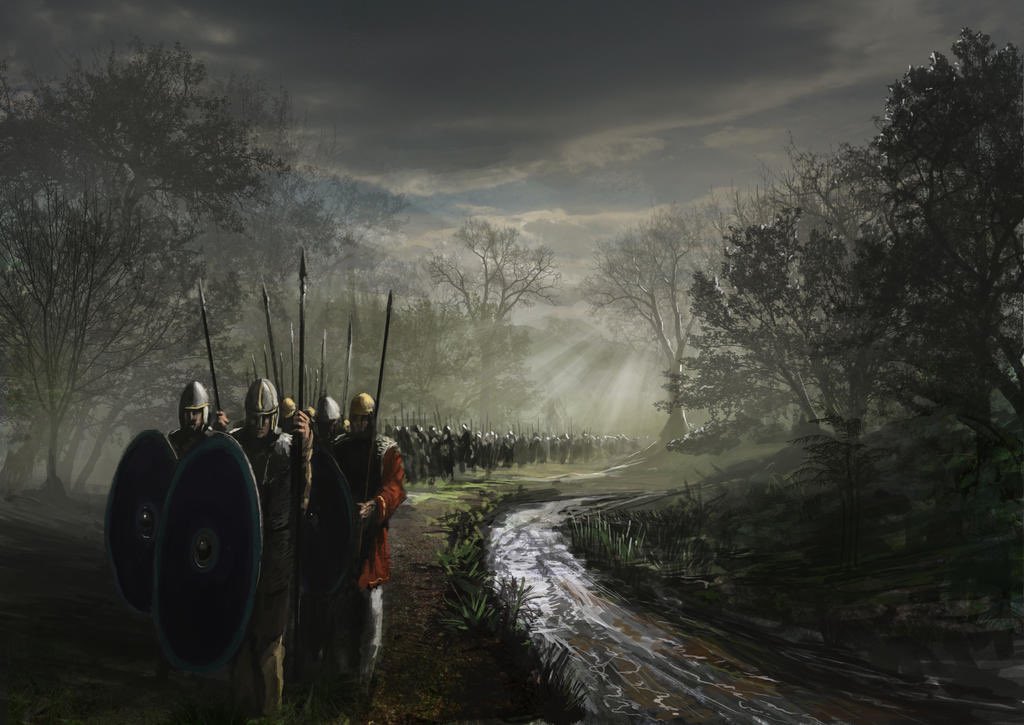
The defence of the city was led by Germanus, Maurice’s brother-in-law, but trouble was caused before the army even reached the city when the rebels sent a letter claiming they would support either Maurice’s son Theodosius, who was married to Germanus’ daughter but not in the city currently, or Germanus himself.
This news led Maurice to suspect Germanus of treason and he dismissed Germanus on the 21st of November 602.
This news led Maurice to suspect Germanus of treason and he dismissed Germanus on the 21st of November 602.

Germanus sought refuge in the church of St. Sophia.
An angry crowd formed and defended the church when the emperor sent guards to arrest Germanus. This led to a riot and the house of the praetorian prefect of the east was burned down.
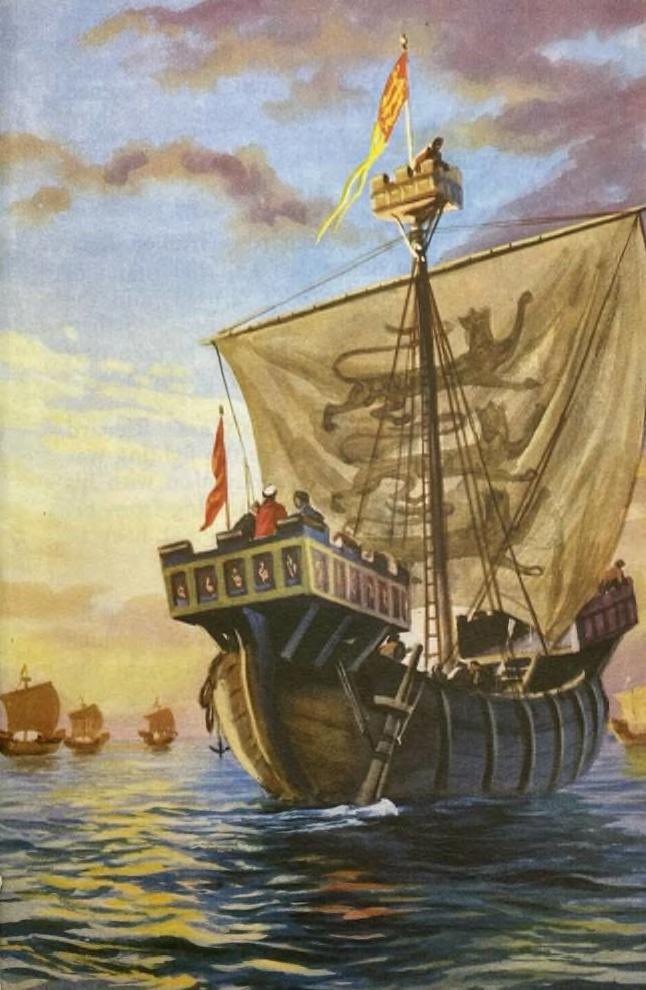
Maurice fled the city.
An angry crowd formed and defended the church when the emperor sent guards to arrest Germanus. This led to a riot and the house of the praetorian prefect of the east was burned down.
Maurice fled the city.

Phocas was acclaimed emperor by the Greens and eventually supported by Germanus.
On the 25th he made a ceremonial entrance into the city.
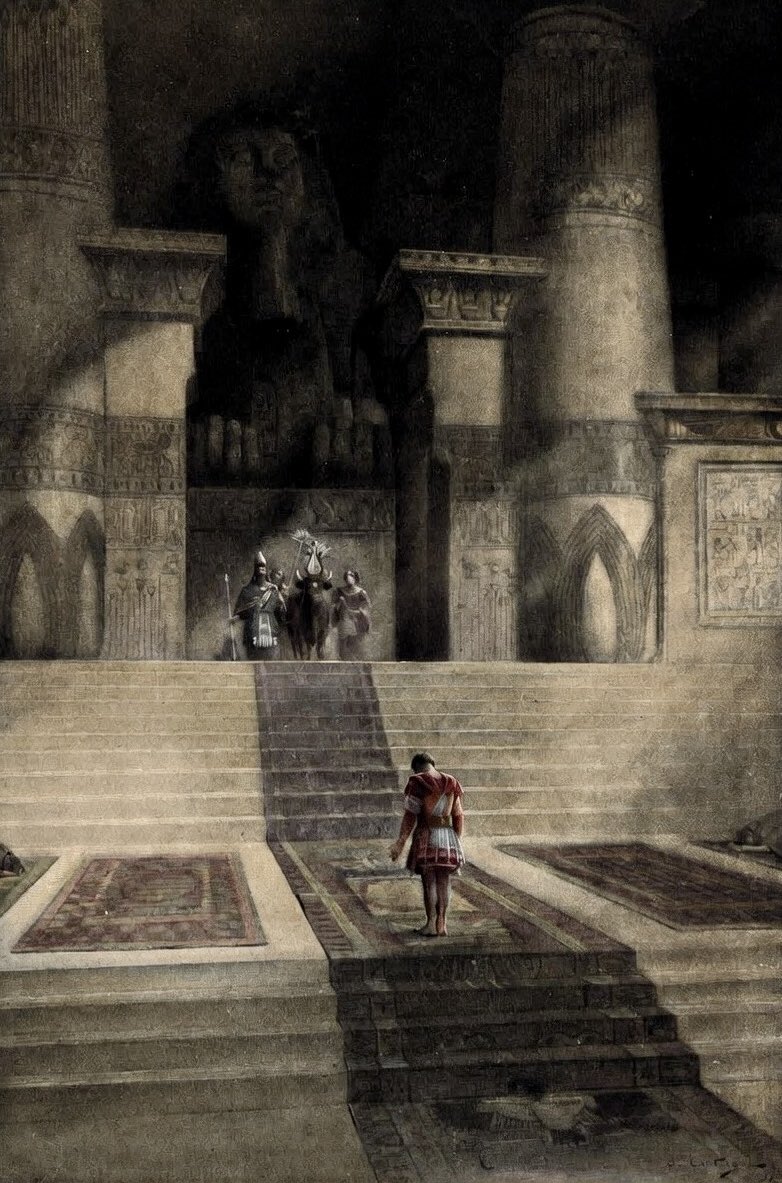
Meanwhile the ship Maurice was escaping on was blown back to land and he sent his eldest son Theodosius to the court of the Persian Shah Khusrow to ask for aid.
Then the emperor and his family were arrested.
On the 25th he made a ceremonial entrance into the city.
Meanwhile the ship Maurice was escaping on was blown back to land and he sent his eldest son Theodosius to the court of the Persian Shah Khusrow to ask for aid.
Then the emperor and his family were arrested.

Maurice’s sons were beheaded on the harbour of Eutropius while he watched on.
Tiberius, Petrus, Paulus, Justin, and Justinian were killed and then the emperor was also beheaded.
They were all children. Even Maurice’s eldest son Theodosius, who had escaped, was only 17.
Maurice’s brother Petrus was executed around the same time.
Tiberius, Petrus, Paulus, Justin, and Justinian were killed and then the emperor was also beheaded.
They were all children. Even Maurice’s eldest son Theodosius, who had escaped, was only 17.
Maurice’s brother Petrus was executed around the same time.
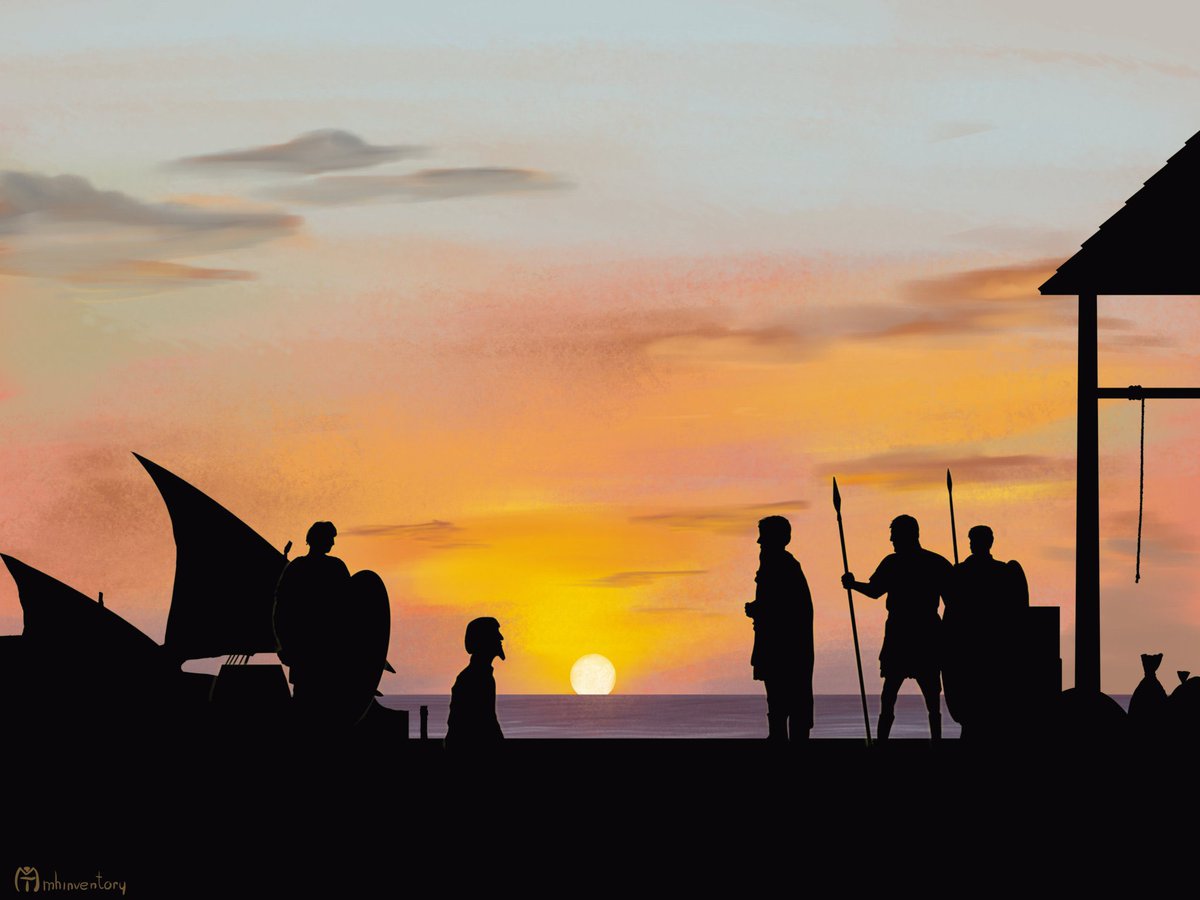
The heads of Maurice and his sons were placed on spikes and paraded around the Hebdomon suburbs.
When news of the emperor’s death reached Khusrow II, he arrested Phocas’ emissary and declared war.
The fate of Theodosius is not known but Khusrow later put forward a man he claimed was Theodosius as his candidate as emperor. A commander in the east also rebelled and took his side.
A few years later Maurice’s daughters were also executed when they were accused of plotting against Phocas.
When news of the emperor’s death reached Khusrow II, he arrested Phocas’ emissary and declared war.
The fate of Theodosius is not known but Khusrow later put forward a man he claimed was Theodosius as his candidate as emperor. A commander in the east also rebelled and took his side.
A few years later Maurice’s daughters were also executed when they were accused of plotting against Phocas.

The war that followed was long and terrible.
Phocas himself was deposed and murdered by Heraclius in 610 and Khusrow and his sons were murdered at the war’s end.
Phocas himself was deposed and murdered by Heraclius in 610 and Khusrow and his sons were murdered at the war’s end.

• • •
Missing some Tweet in this thread? You can try to
force a refresh