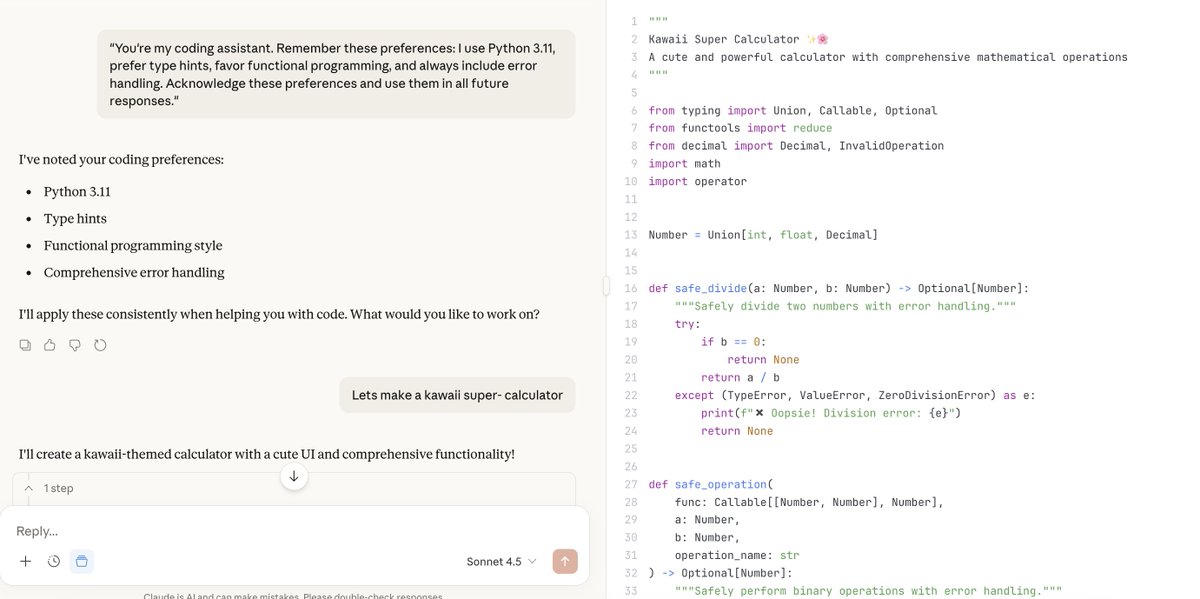
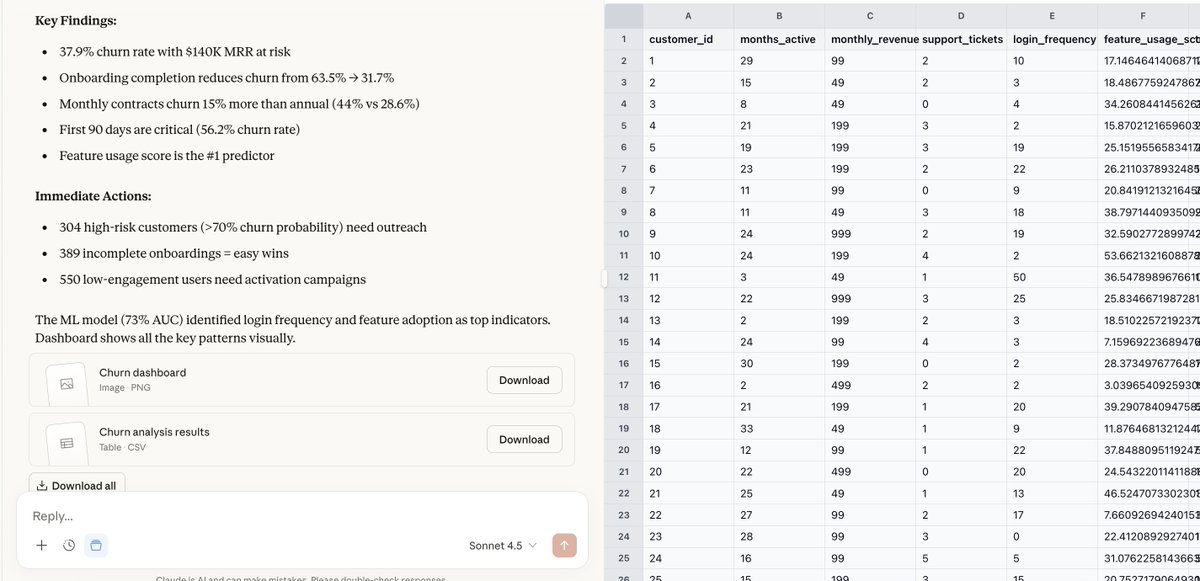
Grok 3's PDF rendering is insane.
From a simple prompt, you can create PDF docs like research papers, resumes, invoices, business proposals, and even e-books.
Here are 10 wild examples:
(Prompts + demos included ↓)
From a simple prompt, you can create PDF docs like research papers, resumes, invoices, business proposals, and even e-books.
Here are 10 wild examples:
(Prompts + demos included ↓)
1. Investor Pitch Deck
Prompt:
“Draft a 12‑slide PDF pitch deck for FlowAI (pre‑seed SaaS). Include problem, TAM/SAM/SOM, solution, GTM, traction placeholders, team bios, and ask.”
Prompt:
“Draft a 12‑slide PDF pitch deck for FlowAI (pre‑seed SaaS). Include problem, TAM/SAM/SOM, solution, GTM, traction placeholders, team bios, and ask.”
2. Product Requirements Document (PRD)
Prompt:
“Create a PRD PDF for a mobile feature: in‑app voice search. Cover user stories, acceptance criteria, wireframe boxes, and launch KPIs.”
Prompt:
“Create a PRD PDF for a mobile feature: in‑app voice search. Cover user stories, acceptance criteria, wireframe boxes, and launch KPIs.”
3. Quarterly OKR Report
Prompt:
“Generate a Q2 engineering OKR report (PDF) with progress bars, traffic‑light status colors, blockers, and next‑steps table.”
Prompt:
“Generate a Q2 engineering OKR report (PDF) with progress bars, traffic‑light status colors, blockers, and next‑steps table.”
4. Clinical Study Protocol
Prompt:
“Write a IRB‑ready PDF protocol for a Phase II trial on wearable glucose sensors objectives, methodology, ethical safeguards, Gantt‑chart timeline.”
Prompt:
“Write a IRB‑ready PDF protocol for a Phase II trial on wearable glucose sensors objectives, methodology, ethical safeguards, Gantt‑chart timeline.”
5. Travel Itinerary + Budget
Prompt:
“Plan a 10‑day Japan trip for two, mid‑range budget. Include daily schedule, transport links, hotel recs, cost table, and QR codes for bookings export as PDF.”
Prompt:
“Plan a 10‑day Japan trip for two, mid‑range budget. Include daily schedule, transport links, hotel recs, cost table, and QR codes for bookings export as PDF.”
6. Marketing Campaign Brief
Prompt:
“Craft a PDF brief for a TikTok UGC campaign launching new skincare line: target persona, creative guidelines, deliverables checklist, timeline, and KPI tracker.”
Prompt:
“Craft a PDF brief for a TikTok UGC campaign launching new skincare line: target persona, creative guidelines, deliverables checklist, timeline, and KPI tracker.”
7. Grant Proposal
Prompt:
“Produce a 6‑page PDF grant proposal for a non‑profit installing solar water pumps in rural Kenya. Include problem statement, budget breakdown, and impact metrics.”
Prompt:
“Produce a 6‑page PDF grant proposal for a non‑profit installing solar water pumps in rural Kenya. Include problem statement, budget breakdown, and impact metrics.”
8. HR Onboarding Handbook
Prompt:
“Build a PDF onboarding guide for remote hires: company culture, tool stack, 30‑60‑90 plan, benefits table, and clickable resource links.”
Prompt:
“Build a PDF onboarding guide for remote hires: company culture, tool stack, 30‑60‑90 plan, benefits table, and clickable resource links.”
9. Gourmet Cookbook e‑Book
Prompt:
“Generate a 30‑page PDF cookbook: 15 Mediterranean recipes, each with photo placeholders, step‑by‑step instructions, macro table, and chef tips.”
Prompt:
“Generate a 30‑page PDF cookbook: 15 Mediterranean recipes, each with photo placeholders, step‑by‑step instructions, macro table, and chef tips.”
10. Legal Contract Template
Prompt:
“Draft a 5‑page PDF service agreement for freelance UX designers. Include scope of work, timeline, payment terms, IP ownership, and termination clauses.”
Prompt:
“Draft a 5‑page PDF service agreement for freelance UX designers. Include scope of work, timeline, payment terms, IP ownership, and termination clauses.”
Extra:
Resume creator:
"Write a 1‑page PDF resume for a full‑stack developer John at Codebase. Highlight TypeScript, PostgreSQL, team leadership, and 3 shipped products. Include contact info, work history, and a short summary paragraph."
Resume creator:
"Write a 1‑page PDF resume for a full‑stack developer John at Codebase. Highlight TypeScript, PostgreSQL, team leadership, and 3 shipped products. Include contact info, work history, and a short summary paragraph."

AI won't take your job.
Instead, it will make you wealthy and assist you in building online businesses.
All you need is to know the right tools.
We can help you discover the best AI tools for business.
Explore our tools directory today:
aimarketing.directory
Instead, it will make you wealthy and assist you in building online businesses.
All you need is to know the right tools.
We can help you discover the best AI tools for business.
Explore our tools directory today:
aimarketing.directory
I hope this was helpful to you.
I post AI tools, AI industry news, and AI business related content.
If you're interested in such posts:
1. Follow me at @thisdudelikesai
2. Repost the post to help others
Thanks for checking...
I post AI tools, AI industry news, and AI business related content.
If you're interested in such posts:
1. Follow me at @thisdudelikesai
2. Repost the post to help others
Thanks for checking...
https://twitter.com/1251160508876460033/status/1939617731290308732
• • •
Missing some Tweet in this thread? You can try to
force a refresh