RTHM Profile picture
Jun 30, 2025 9 tweets 3 min read Read on X
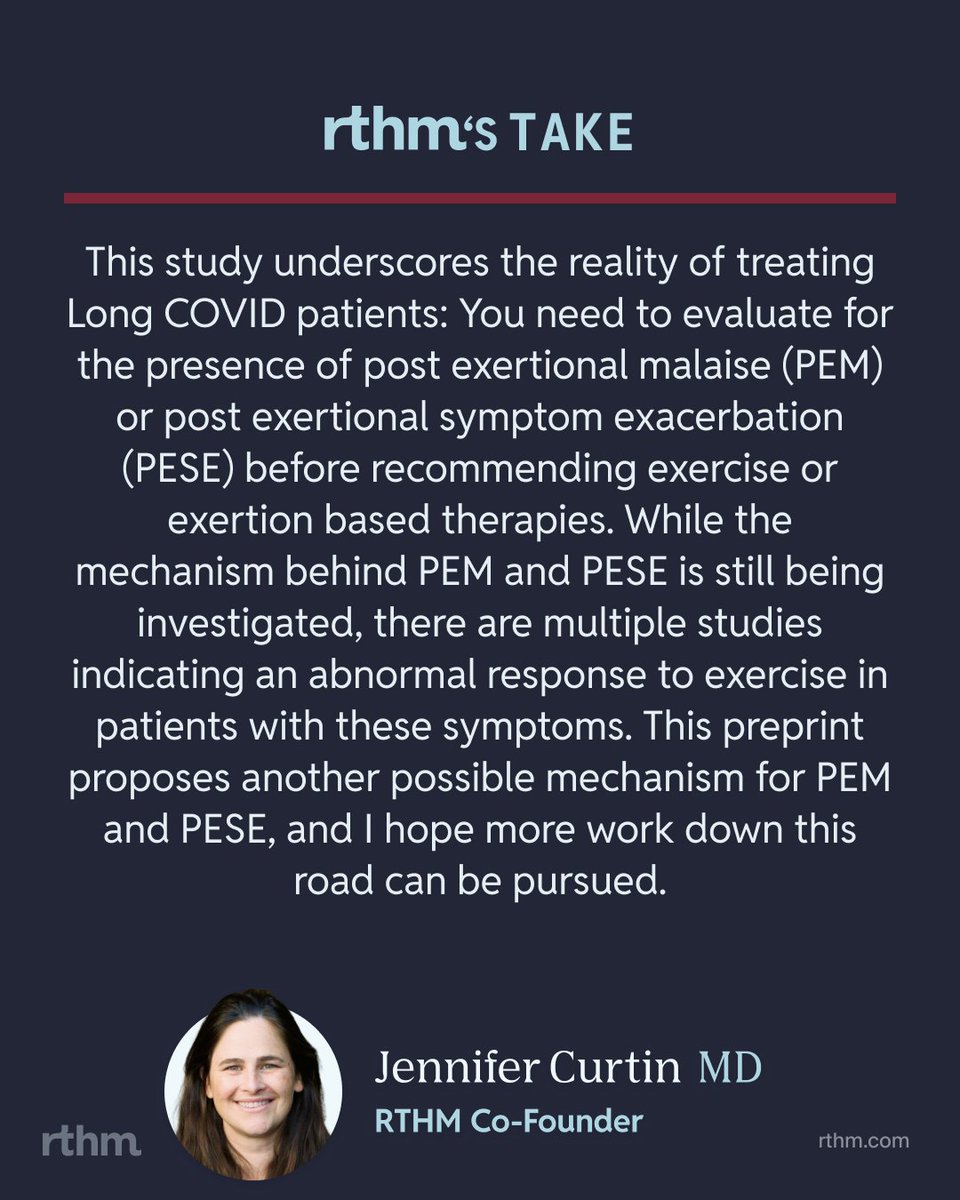
A new study suggests that exercise doesn’t clear microclots in people with Long COVID—it just fragments them into smaller ones. These smaller clots are linked to increased inflammation and impaired oxygen transport, which may help explain post-exertional malaise (PEM) and post-exertional symptom exacerbation (PESE)—a worsening of symptoms after even mild physical or mental effort.

Researchers observed these microclot and inflammatory changes even after submaximal exertion, highlighting the need for caution when recommending exercise-based therapies.

Want more research breakdowns like this? Sign up for our email list at linktr.ee/rthm_health

🔗 DOI: doi.org/10.21203/rs.3.…

#LongCOVID #ChronicFatigue #pwLC #PostCOVID #rthm_health #LongCOVIDResearch #PESE #PEM #IACC #COVID19 #MicroclotsExercise Increases Microclots In Long COVID.    (Arrow pointing right) Picture of someone exhausted on an exercise bike
Description of the Study  46 people living with Long COVID with a low risk of experiencing post-exertional malaise (PEM) completed two submaximal cardiopulmonary exercise tests (CPET), separated by 24 hours.  They had blood drawn before starting the exercise test (CPET) and after, to look for microclots and cytokines.
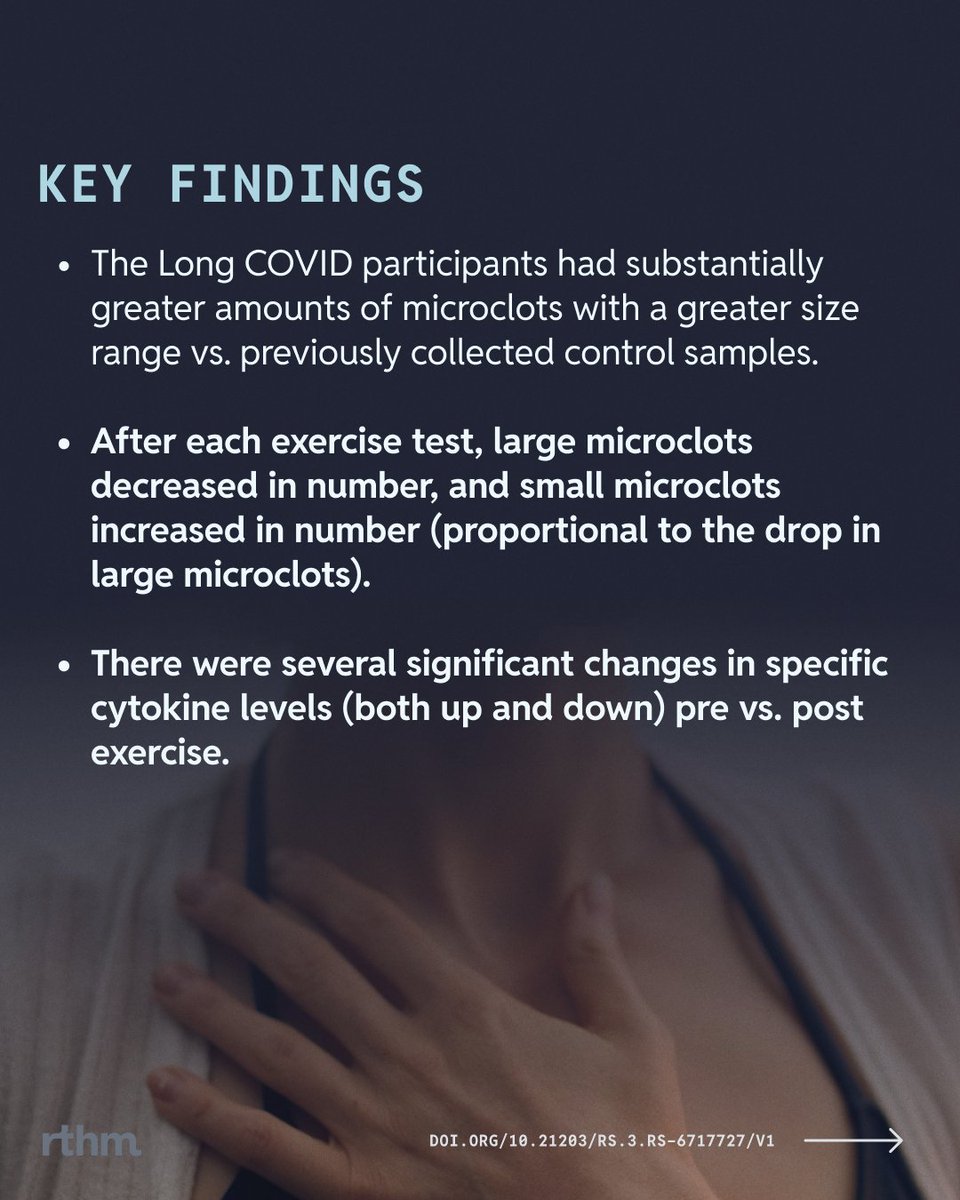
Key Findings:  The Long COVID participants had substantially greater amounts of microclots with a greater size range vs. previously collected control samples.  After each exercise test, large microclots decreased in number, and small microclots increased in number (proportional to the drop in large microclots).   There were several significant changes in specific cytokine levels (both up and down) pre vs. post exercise.
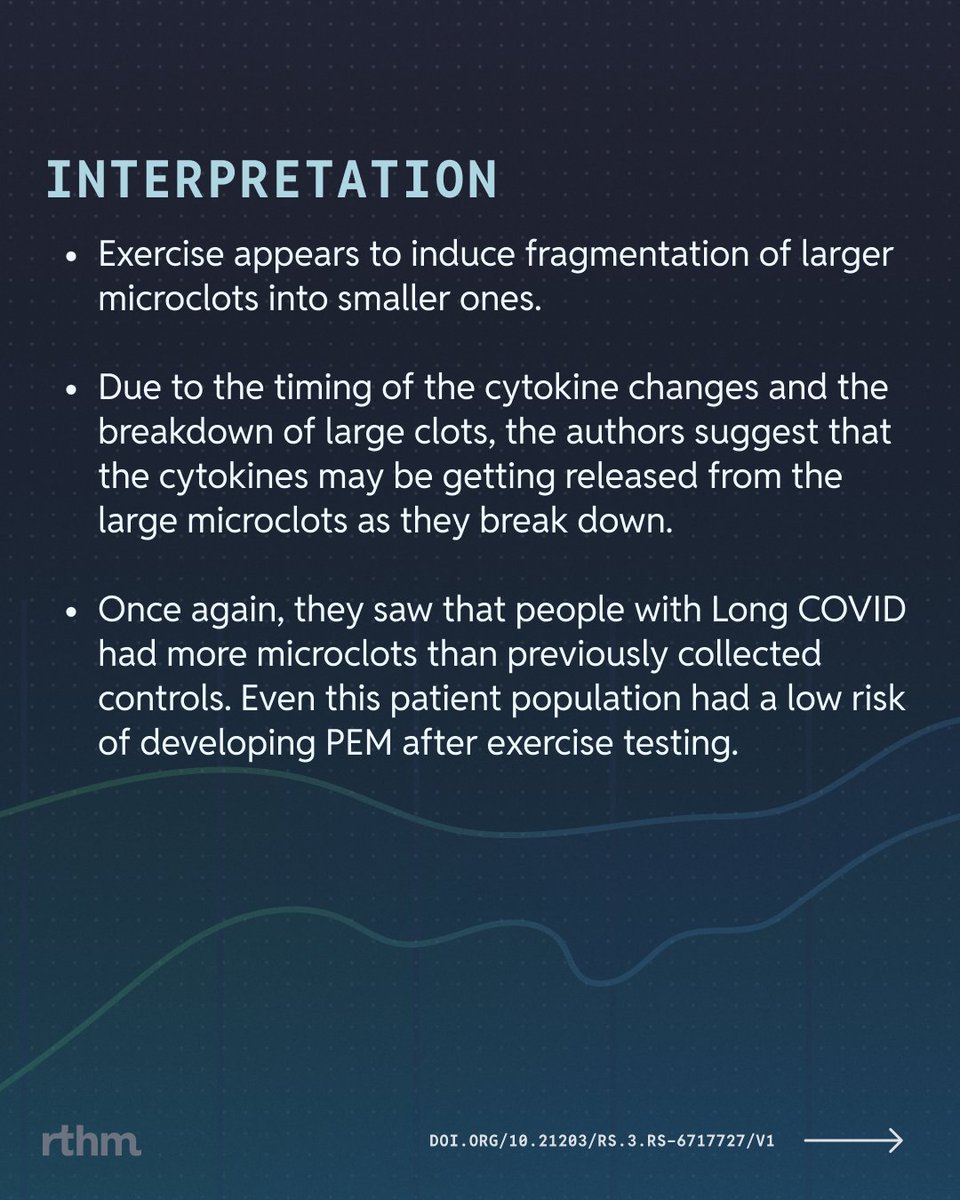
Interpretation  Exercise appears to induce fragmentation of larger microclots into smaller ones.  Due to the timing of the cytokine changes and the breakdown of large clots, the authors suggest that the cytokines may be getting released from the large microclots as they break down.  Once again, they saw that people with Long COVID had more microclots than previously collected controls. Even this patient population had a low risk of developing PEM after exercise testing.   (Arrow pointing right) Small Citation
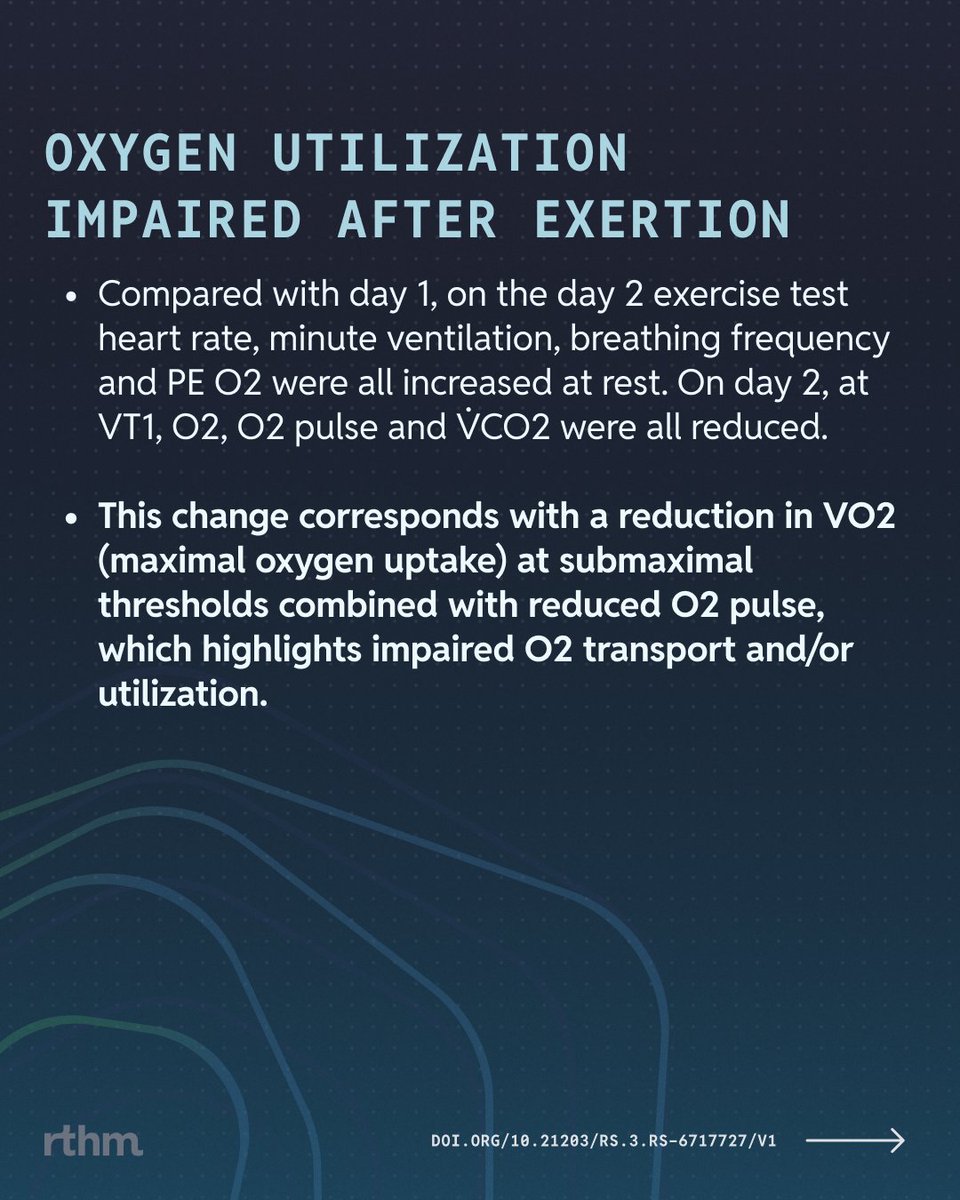
Oxygen Utilization Impaired After Exertion:  Compared with day 1, on the day 2 exercise test heart rate, minute ventilation, breathing frequency and PE O2 were all increased at rest. On day 2, at VT1, O2, O2 pulse and V̇CO2 were all reduced.  This change corresponds with a reduction in VO2 (maximal oxygen uptake) at submaximal thresholds combined with reduced O2 pulse, which highlights impaired O2 transport and/or utilization.  (Arrow pointing right) Small Citation
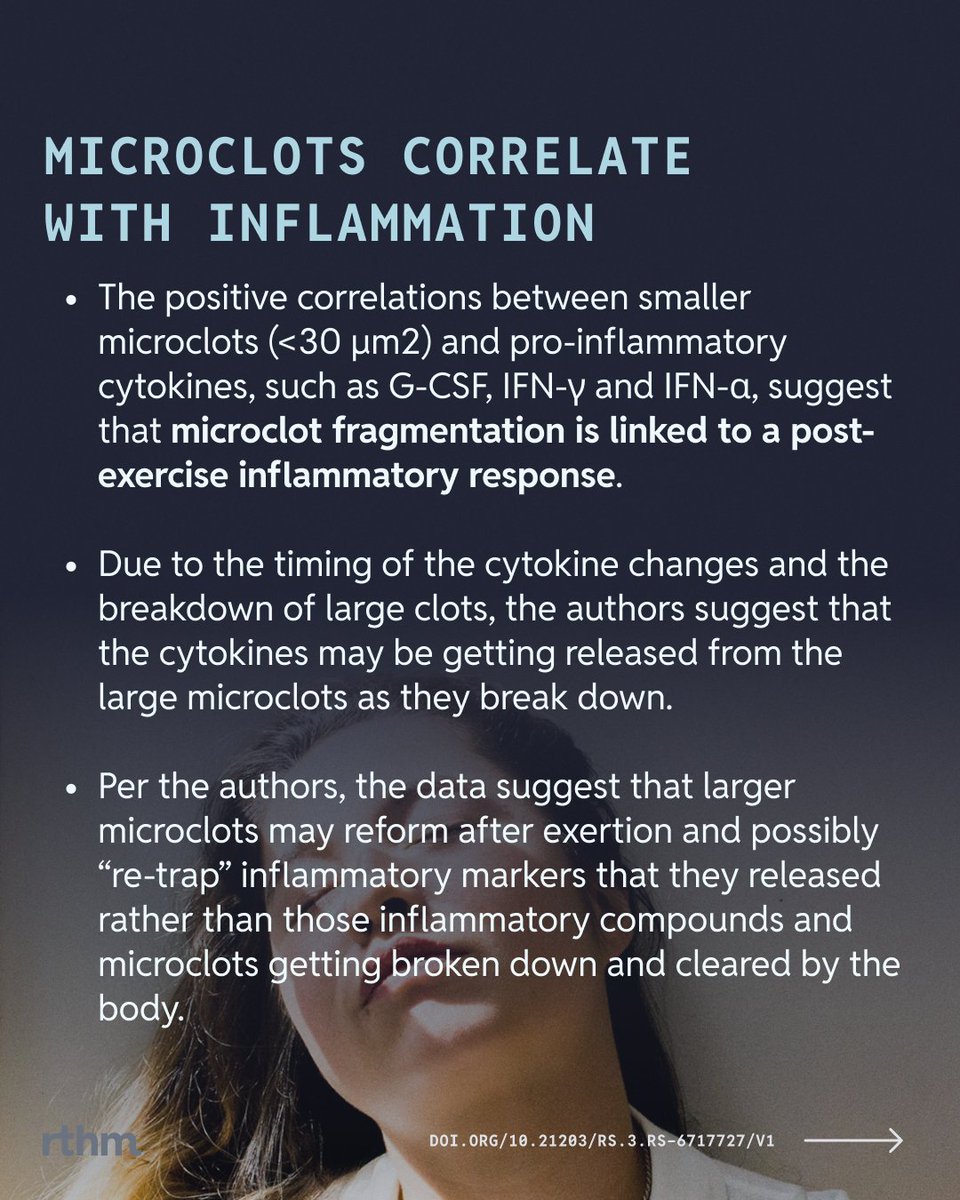
Microclots Correlate with Inflammation  The positive correlations between smaller microclots (< 30 µm2) and pro-inflammatory cytokines, such as G-CSF, IFN-γ and IFN-α, suggest that microclot fragmentation is linked to a post-exercise inflammatory response.   Due to the timing of the cytokine changes and the breakdown of large clots, the authors suggest that the cytokines may be getting released from the large microclots as they break down.  Per the authors, the data suggest that larger microclots may reform after exertion and possibly “re-trap” inflammatory markers that they released rather...
Possible Explanation for Post Exertional Malaise (PEM)   The worsening of symptoms reported by some Long COVID patients following physical exertion may, at least in part, be explained by these shifts in microclot size distribution and the resultant inflammatory interactions.  Symptoms related to muscle pathologies and PESE & PEM may be explained by microclots moving into tissues, especially into muscle and surrounding connective tissues via damaged vasculature, where the disease has degraded the physiological barrier function.
Image
Image

• • •

Missing some Tweet in this thread? You can try to force a refresh

 

Keep Current with RTHM

RTHM Profile picture

Stay in touch and get notified when new unrolls are available from this author!

Read all threads

This Thread may be Removed Anytime!

PDF

Twitter may remove this content at anytime! Save it as PDF for later use!

Try unrolling a thread yourself!

how to unroll video
  1. Follow @ThreadReaderApp to mention us!

  2. From a Twitter thread mention us with a keyword "unroll"
@threadreaderapp unroll

Practice here first or read more on our help page!

More from @RTHM_Health

Mar 19
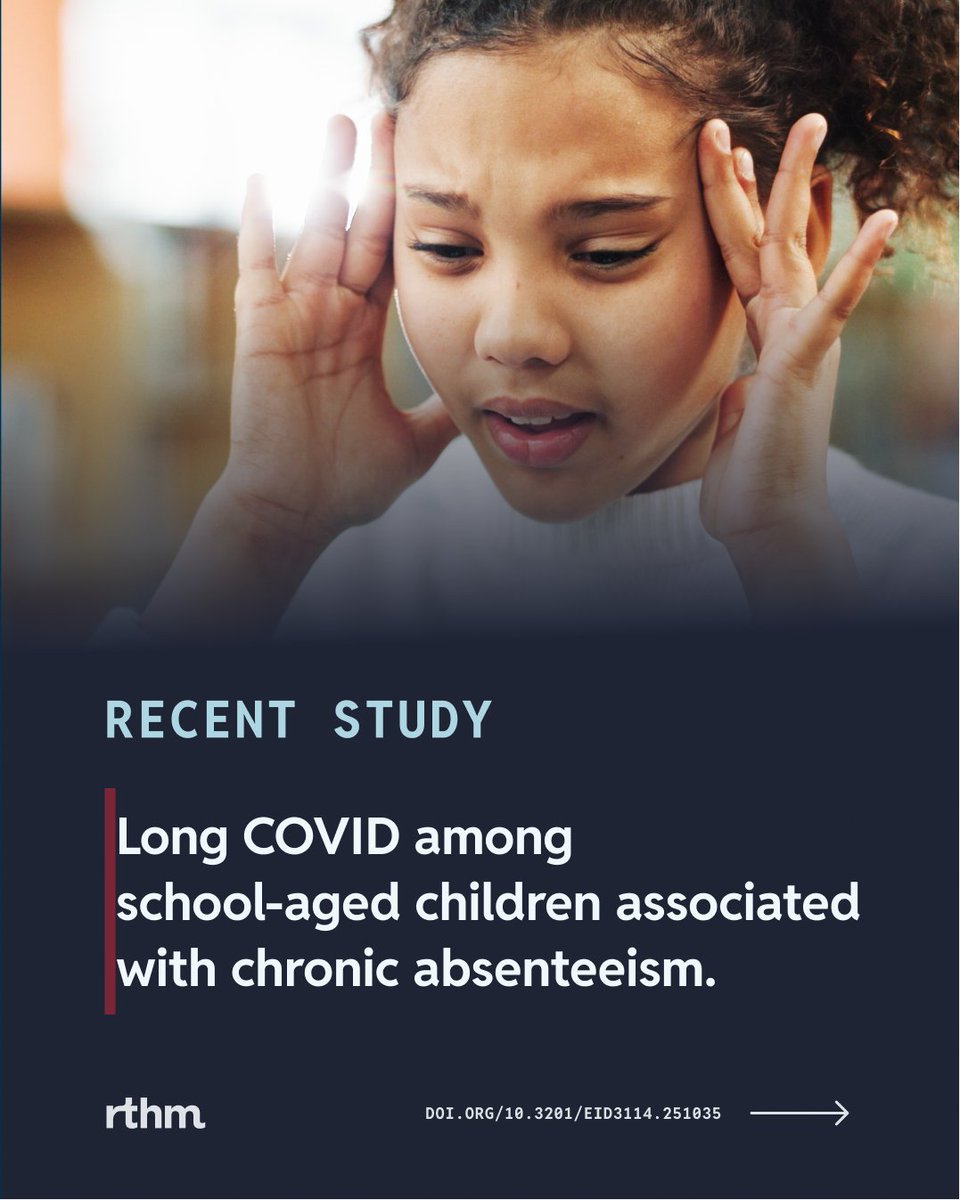
Long COVID may be affecting how some children learn and participate in school.

In a survey of 11,000+ U.S. kids, those with Long COVID were 2.5× more likely to experience chronic illness-related absenteeism and reported higher rates of learning, memory, and concentration difficulties.

Authors: Nicole D. Ford, Regina M. Simeone, Caroline Pratt, and Sharon Saydah

doi.org/10.3201/eid311…

#LongCOVID #PublicHealthRecent Study:  Long COVID among school-aged children associated with chronic absenteeism.   Authors: Nicole D. Ford, Regina M. Simeone, Caroline Pratt, and Sharon Saydah  (Arrow pointing right) Small Citation
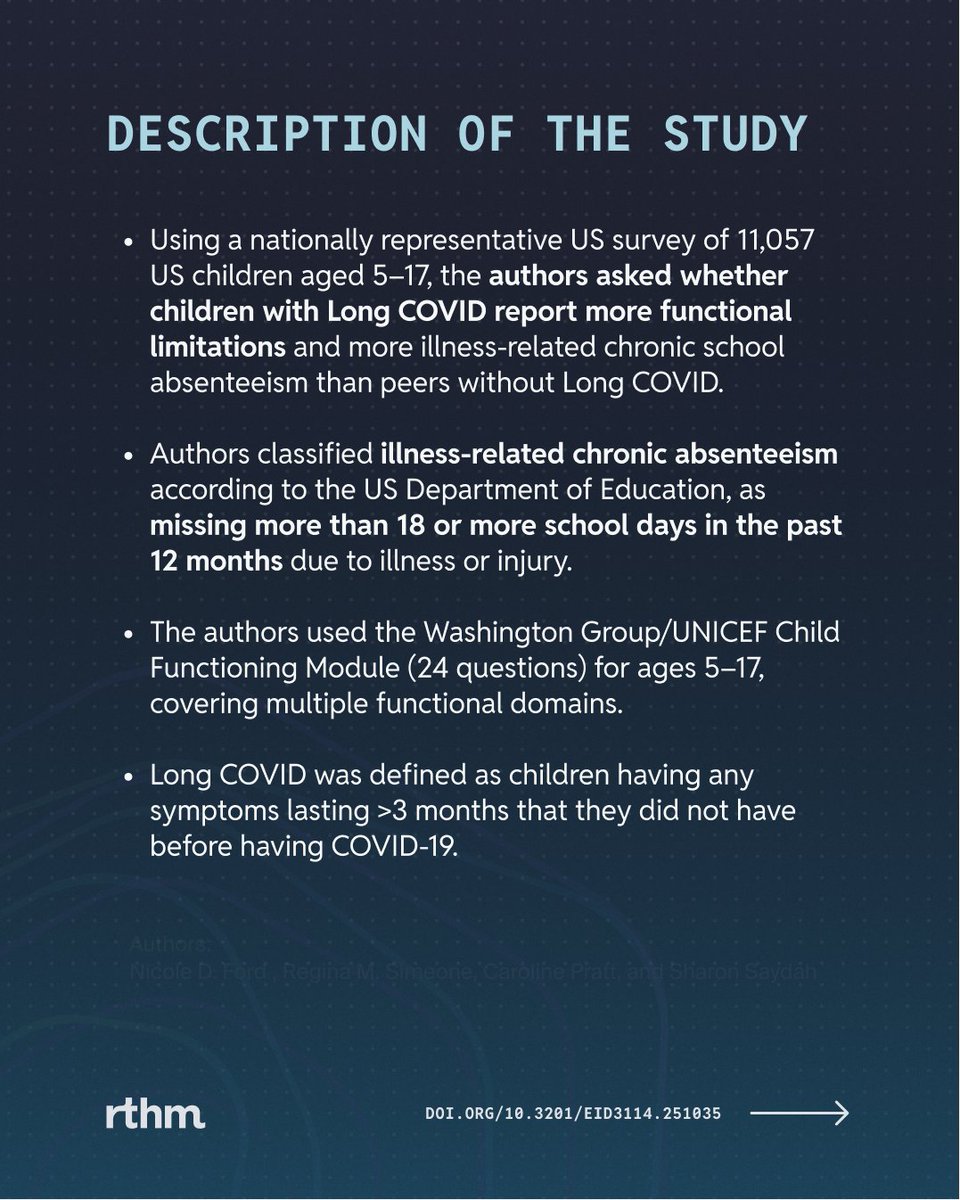
Description of the Study: Using a nationally representative US survey of 11,057 US children aged 5–17 years, the authors asked whether children with Long COVID report more functional limitations and more illness-related chronic school absenteeism than peers without Long COVID.    Authors classified illness-related chronic absenteeism, according to the US Department of Education, as missing 18 or more school days in the past 12 months due to illness or injury.   The authors used the Washington Group/UNICEF Child Functioning Module (24 questions) for ages 5–17 years, covering multiple functio...
Key finding: Long COVID is linked to higher rates of functional limitations Compared with children who never had Long COVID, those who ever had Long COVID showed higher prevalence in multiple domains, including: Learning difficulty: 19.8% vs 10.4% Difficulty concentrating: 14.3% vs 7.7% Difficulty with memory: 18.3% vs 8.6% Weekly/daily depression: 18.9% vs 6.2%   (Arrow pointing right) Small Citation
Read 7 tweets
Feb 19
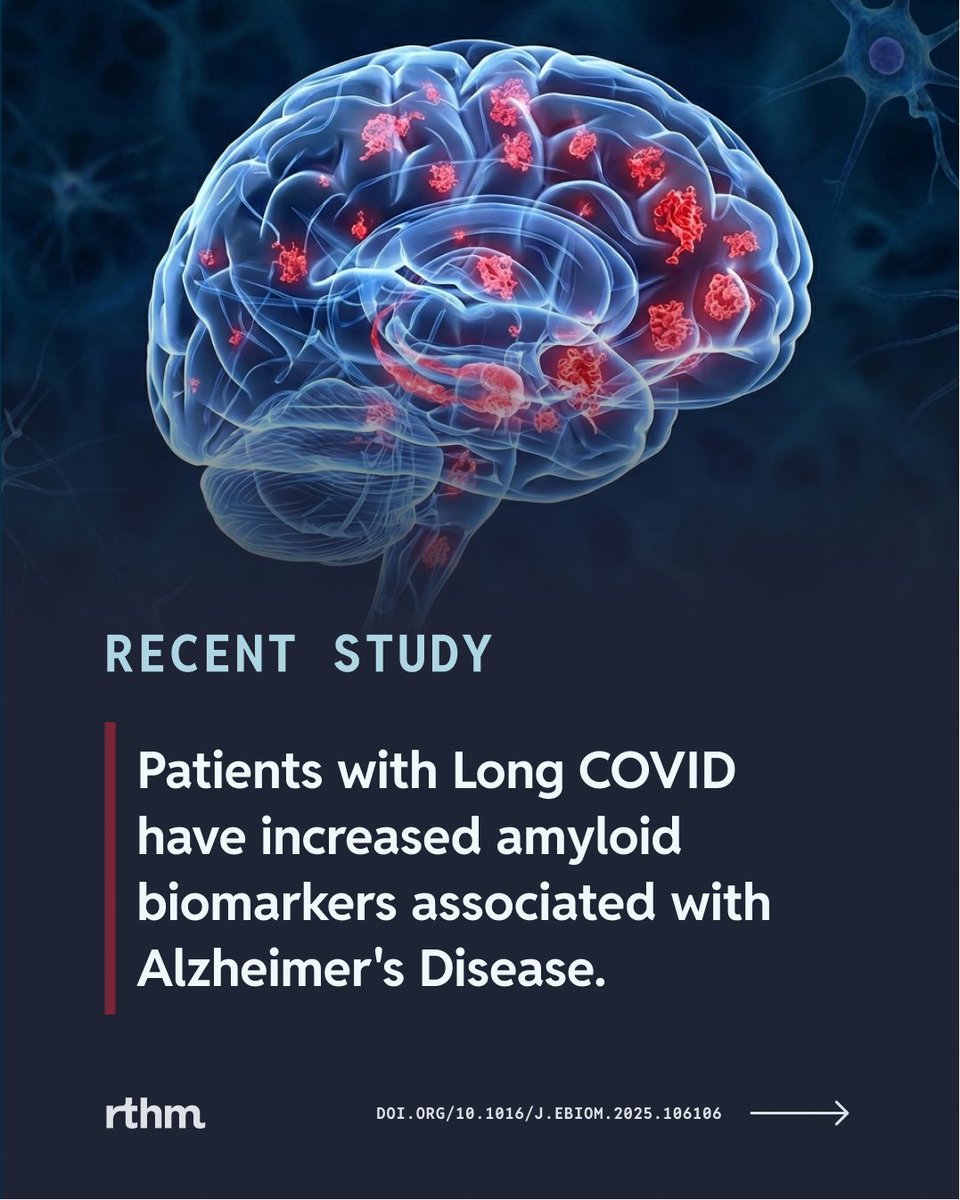
A recent study found that people with neurological #LongCOVID show blood biomarker changes linked to brain cell stress and Alzheimer’s biology. Tau and amyloid levels rose after infection and tracked with brain fog and cognitive symptoms, suggesting measurable neurological effects, not just deconditioning.

👉doi.org/10.1016/j.ebio…

Authors: Xiaohua Yang, Ashley Fontana, Sean A.P. Clouston, Benjamin J. LuftImage of a Brain  Recent Study:  Patients who develop Long COVID have increased amyloid biomarkers consistent with Alzheimer's Disease.    Authors: Xiaohua Yang,  Ashley Fontana, Sean A.P. Clouston, Benjamin J. Luft  (Arrow pointing right) Small Citation   Citation: 10.1016/j.ebiom.2025.106106
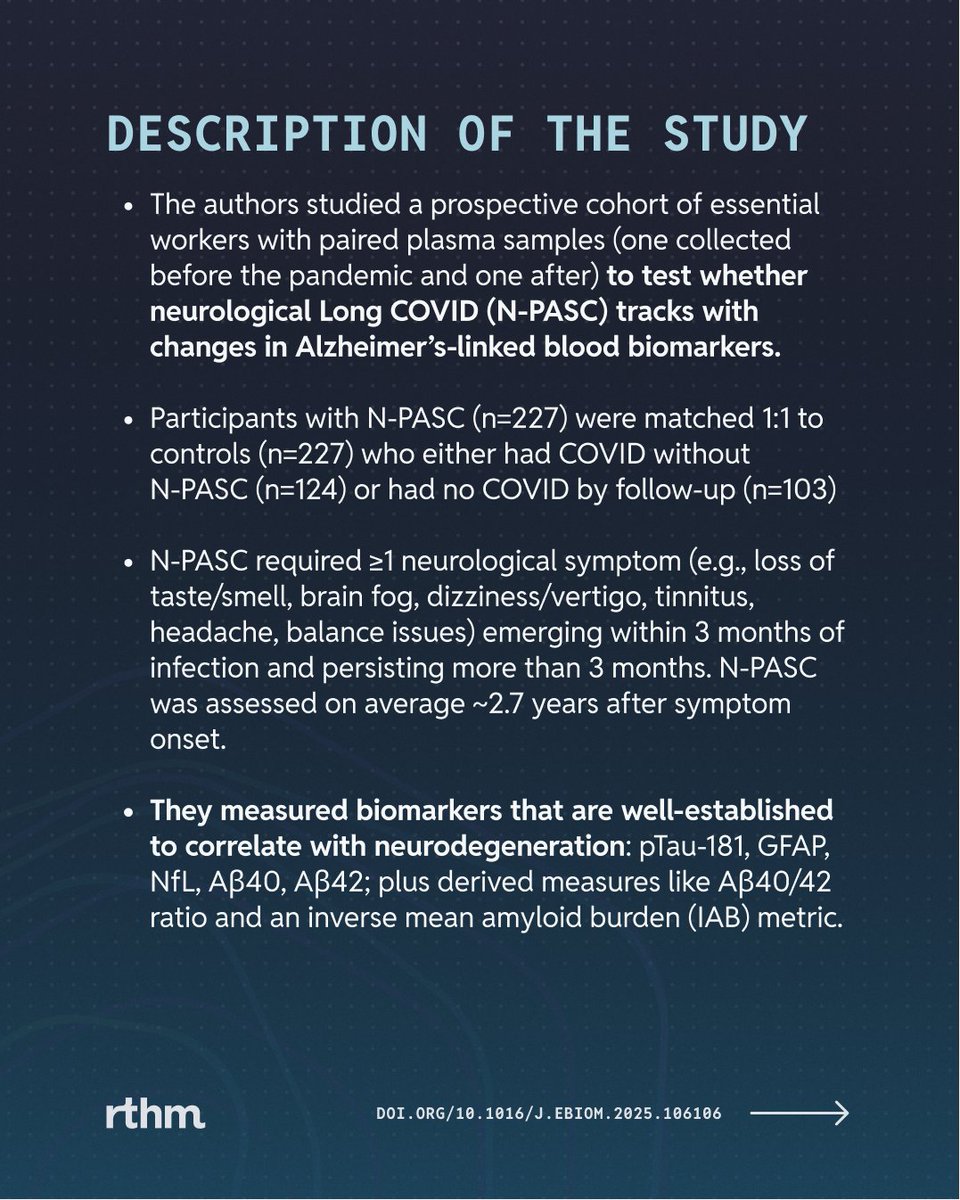
Description of the Study: The authors studied a prospective cohort of essential workers with paired plasma samples (one collected before the pandemic and one after) to test whether neurological Long COVID (N‑PASC) tracks with changes in Alzheimer’s-linked blood biomarkers.   Participants with N‑PASC (n=227) were matched 1:1 to controls (n=227) who either had COVID without N‑PASC (n=124) or had no COVID by follow-up (n=103)   N‑PASC required ≥1 neurological symptom (e.g., loss of taste/smell, brain fog, dizziness/vertigo, tinnitus, headache, balance issues) emerging within 3 months of infect...
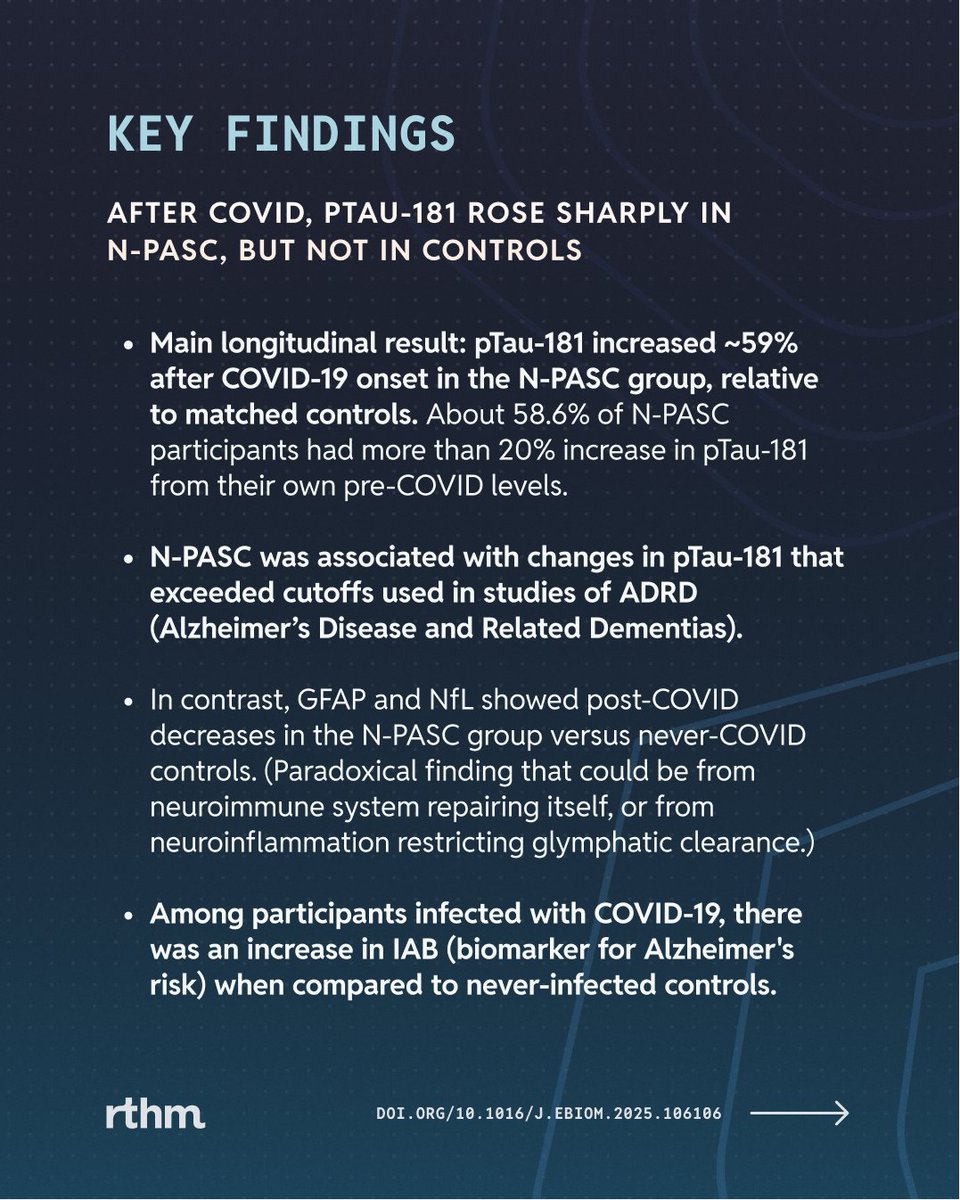
Key Finding: After COVID, pTau‑181 rose sharply in N‑PASC, but not in controls Main longitudinal result: pTau‑181 increased ~59% after COVID-19 onset in the N‑PASC group, relative to matched controls. About 58.6% of N‑PASC participants had more than 20% increase in pTau‑181 from their own pre‑COVID levels.   N-PASC was associated with changes in pTau-181 that exceeded cutoffs used in studies of ADRD (Alzheimer’s Disease and Related Dementias).   In contrast, GFAP and NfL showed post‑COVID decreases in the N‑PASC group versus never‑COVID controls. (Paradoxical finding that could be from neur...
Read 9 tweets
Jan 15
Recent research shows blood from people with ME/CFS and Long COVID directly harms healthy muscle, reducing force, stressing mitochondria, and causing structural breakdown. Results implicate blood-borne drivers of muscle weakness, exertion intolerance, and PEM, and introduce a non-invasive lab model that mirrors push-crash dynamics.

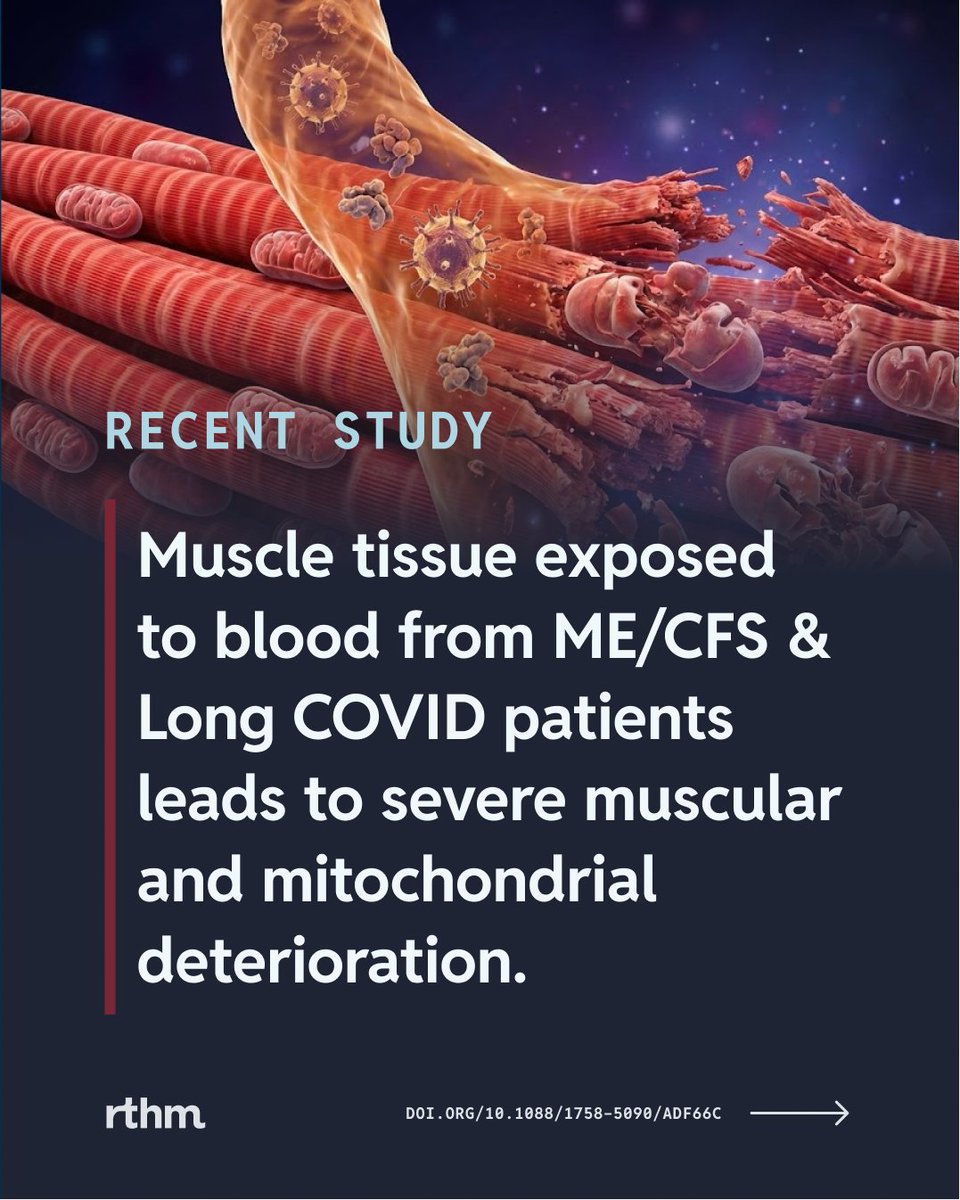
🔗 doi.org/10.1088/1758-5…Title: Muscle tissue exposed to blood from ME/CFS & Long COVID patients leads to severe muscular and mitochondrial deterioration.  Image of muscle tissue deteriorating.  Site sourced at the bottom: https://doi.org/10.1088/1758-5090/adf66c  Arrow pointing to swipe right
Description of the Study  Researchers exposed 3D healthy human skeletal muscle tissues to serum (a component of blood) from people with ME/CFS, Long COVID, or healthy donors and watched how the muscle tissue functioned/changed over the course of 48, 96, or 144 hours of exposure to the serum.   Exposing tissues to patient serum allowed the researchers to see the impact of patient blood components on healthy muscle tissue in a controlled environment without potentially confounding factors such as physical deconditioning from reduced activity.   The contractile profile (tissue health) of the m...
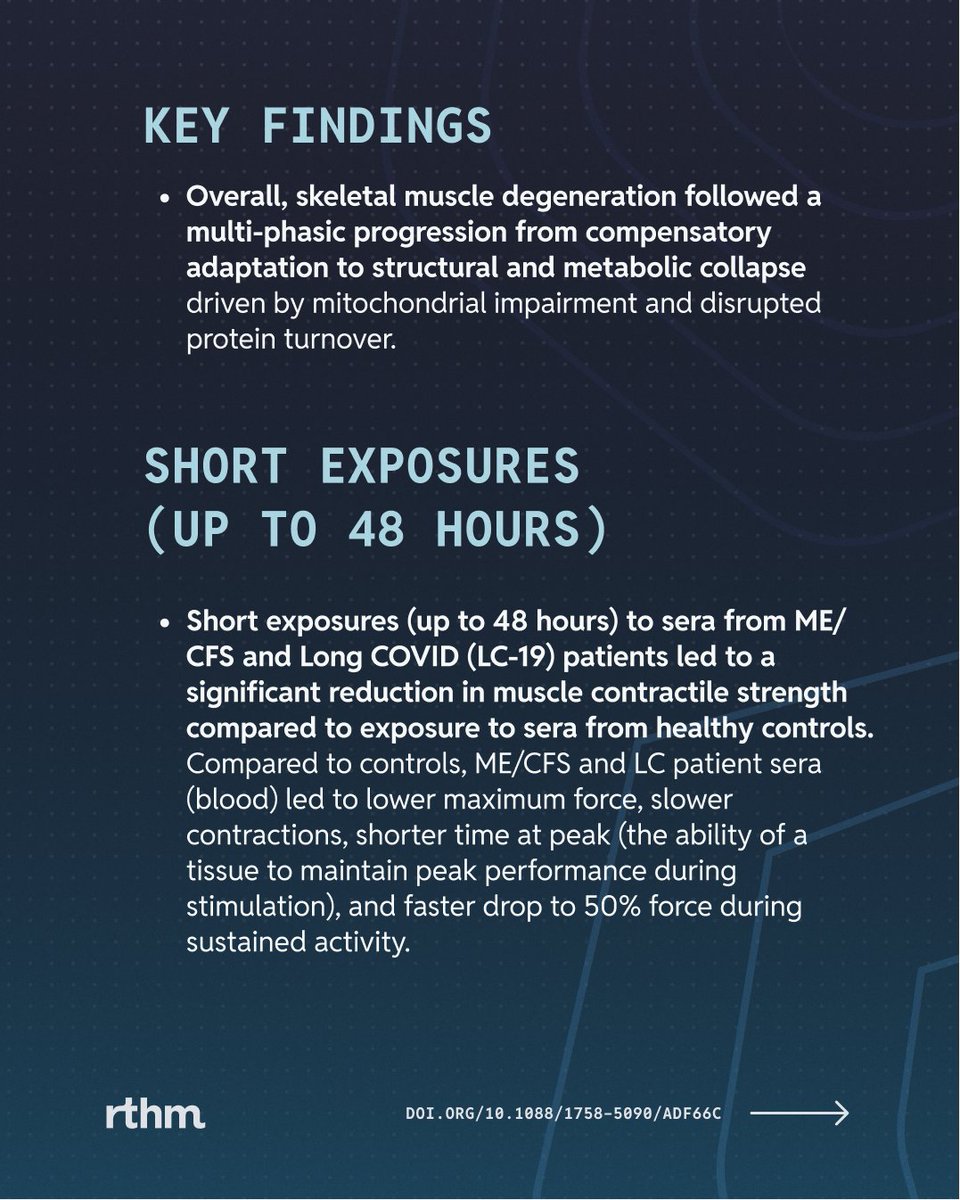
Key Findings   Overall, skeletal muscle degeneration followed a multi-phasic progression from compensatory adaptation to structural and metabolic collapse driven by mitochondrial impairment and disrupted protein turnover.  Short exposures (48 hours) to serum from ME/CFS and Long COVID (LC-19) patients led to a significant reduction in muscle contractile strength compared to exposure to serum from healthy controls. Compared to controls, ME/CFS and LC patient sera (blood) led to lower maximum force, slower contractions, shorter time at peak (the ability of a tissue to maintain peak performanc...
Read 10 tweets
Dec 10, 2025
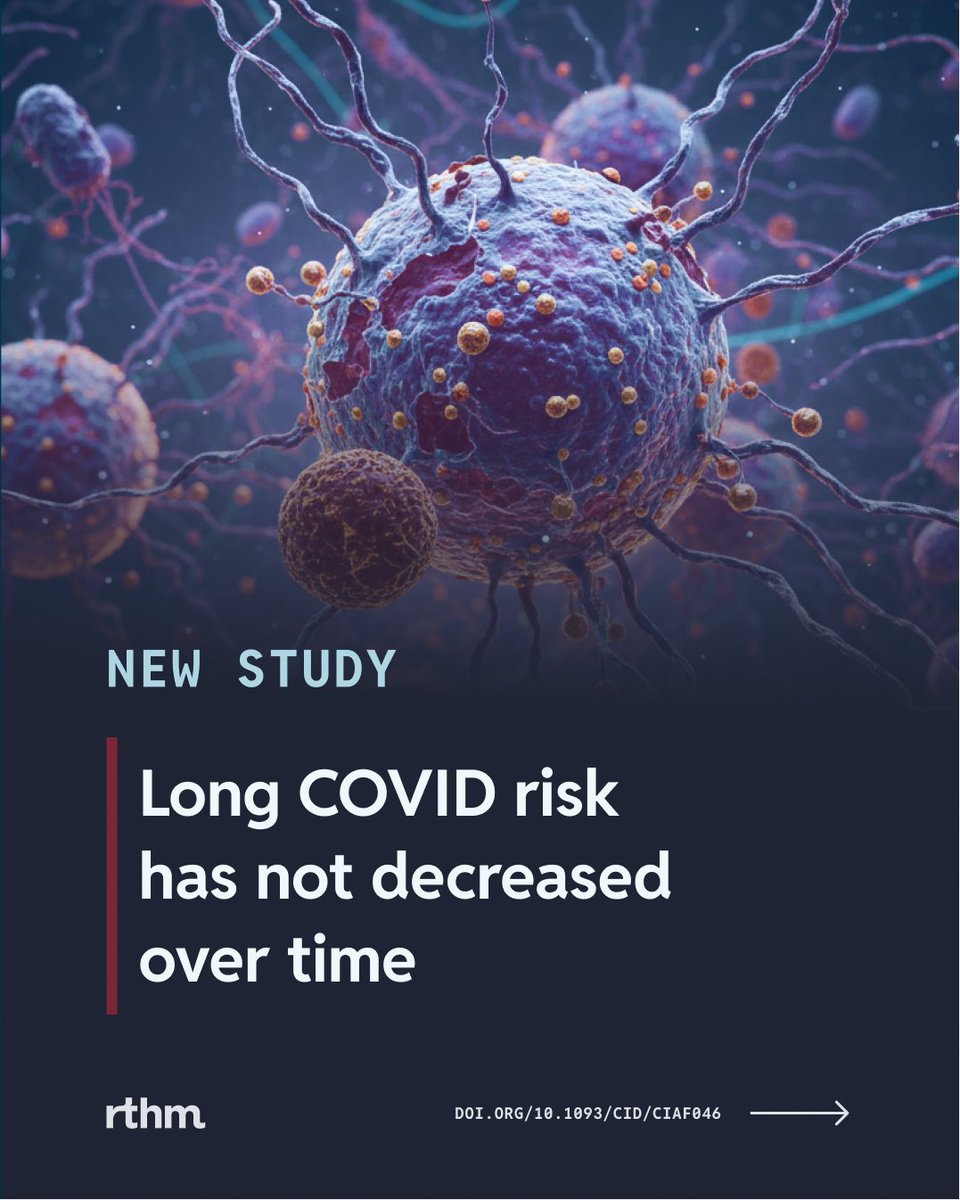
A new RECOVER study of 6.4M health records shows Long COVID risk has not decreased from 2020–2024. Incidence stayed stable across variants, reinforcing Long COVID as an ongoing public health priority.
Read the study: doi.org/10.1093/cid/ci…New Study:  Long COVID Risk Has Not Decreased Over Time  Image of a virus  (Arrow pointing right) Small Citation
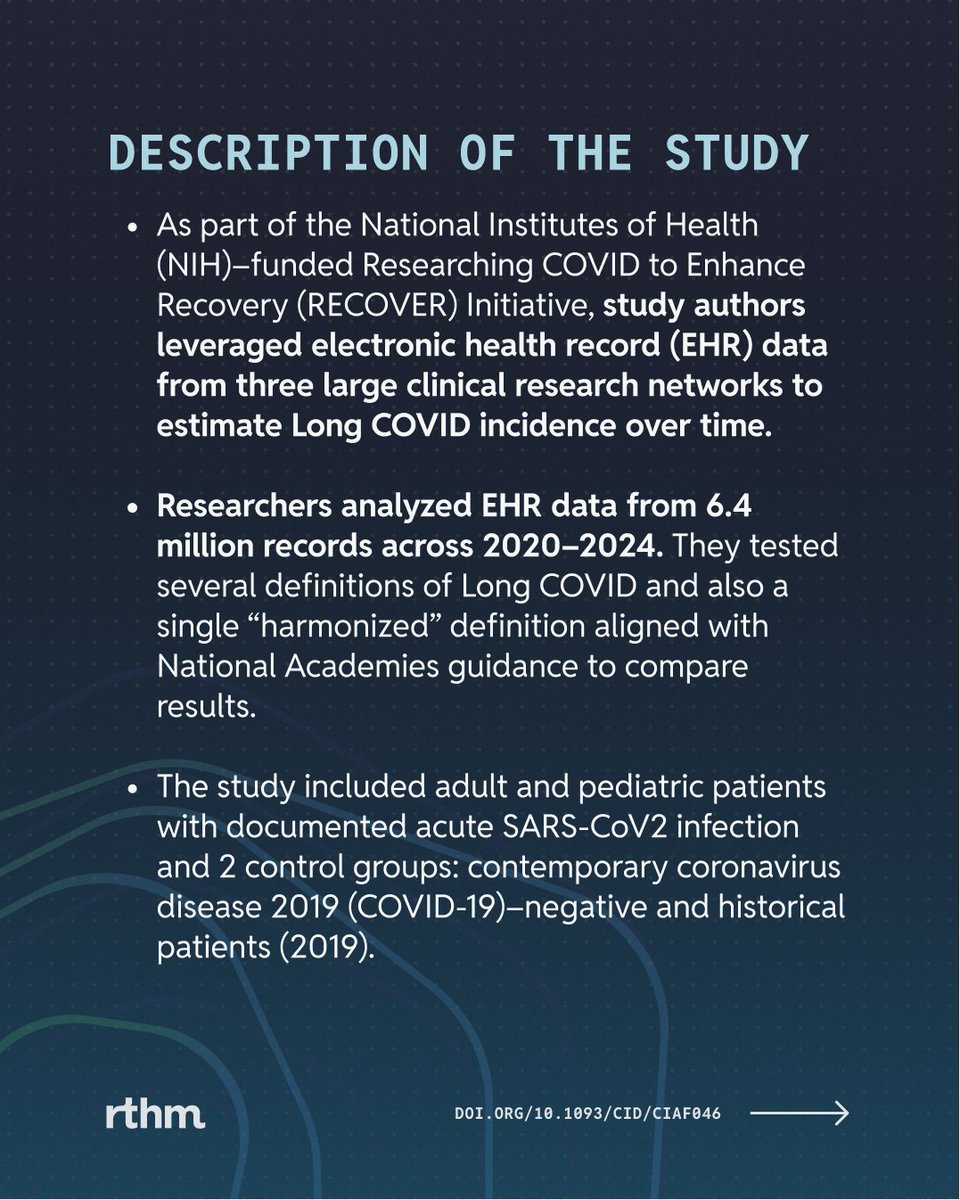
Description of the Study  As part of the National Institutes of Health (NIH)–funded Researching COVID to Enhance Recovery (RECOVER) Initiative, study authors leveraged electronic health record (EHR) data from three large clinical research networks to estimate Long COVID incidence over time.    Researchers analyzed EHR data from 6.4 million records across 2020–2024. They tested several definitions of Long COVID and also a single “harmonized” definition aligned with National Academies guidance to compare results.   The study included adult and pediatric patients with documented acute SARS-CoV...
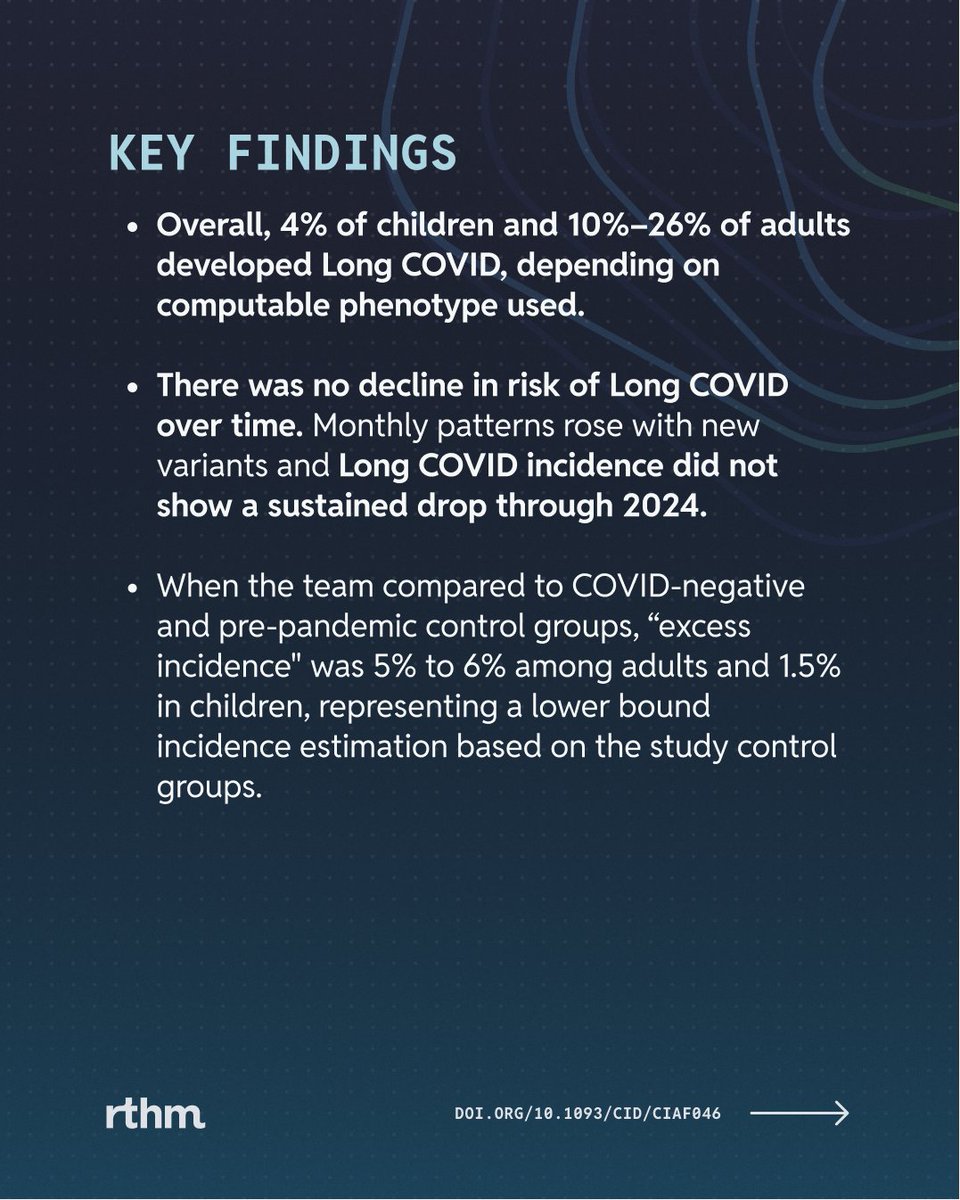
Key Findings:   Overall, 4% of children and 10%–26% of adults developed Long COVID, depending on computable phenotype used.     There was no decline in risk of Long COVID over time. Monthly patterns rose with new variants and Long COVID incidence did not show a sustained drop through 2024.    When the team compared to COVID‑negative and pre‑pandemic control groups, “excess incidence" was 5% to 6% among adults and 1.5% in children, representing a lower bound incidence estimation based on the study control groups  (Arrow pointing right) Small Citation
Read 6 tweets
Aug 1, 2025
A new study by @moriahphd et.al. finds that babies whose mothers had COVID-19 during pregnancy are at increased risk of developmental delays.

Cognitive, communication, and motor delays were linked to changes in cytokines and chemokines found in umbilical cord blood—pointing to possible biomarkers for early intervention.

COVID-19 during pregnancy may have significant negative implications for child development.

Stay informed on the latest COVID-19 research and findings—sign up for our email list for more updates like this. 👉linktr.ee/rthm_health

Full study: doi.org/10.1038/s41390…

#PregnancyAndCOVID #ChildDevelopment #Neurodevelopment #COVID19 #MaternalHealth #LongCOVID #Pediatrics #PublicHealth #EarlyIntervention #RTHMNew Study:  SARS-COV-2 infection in pregnant women is linked to developmental delays in toddlers  (Photo of a pregnant woman with a cold)
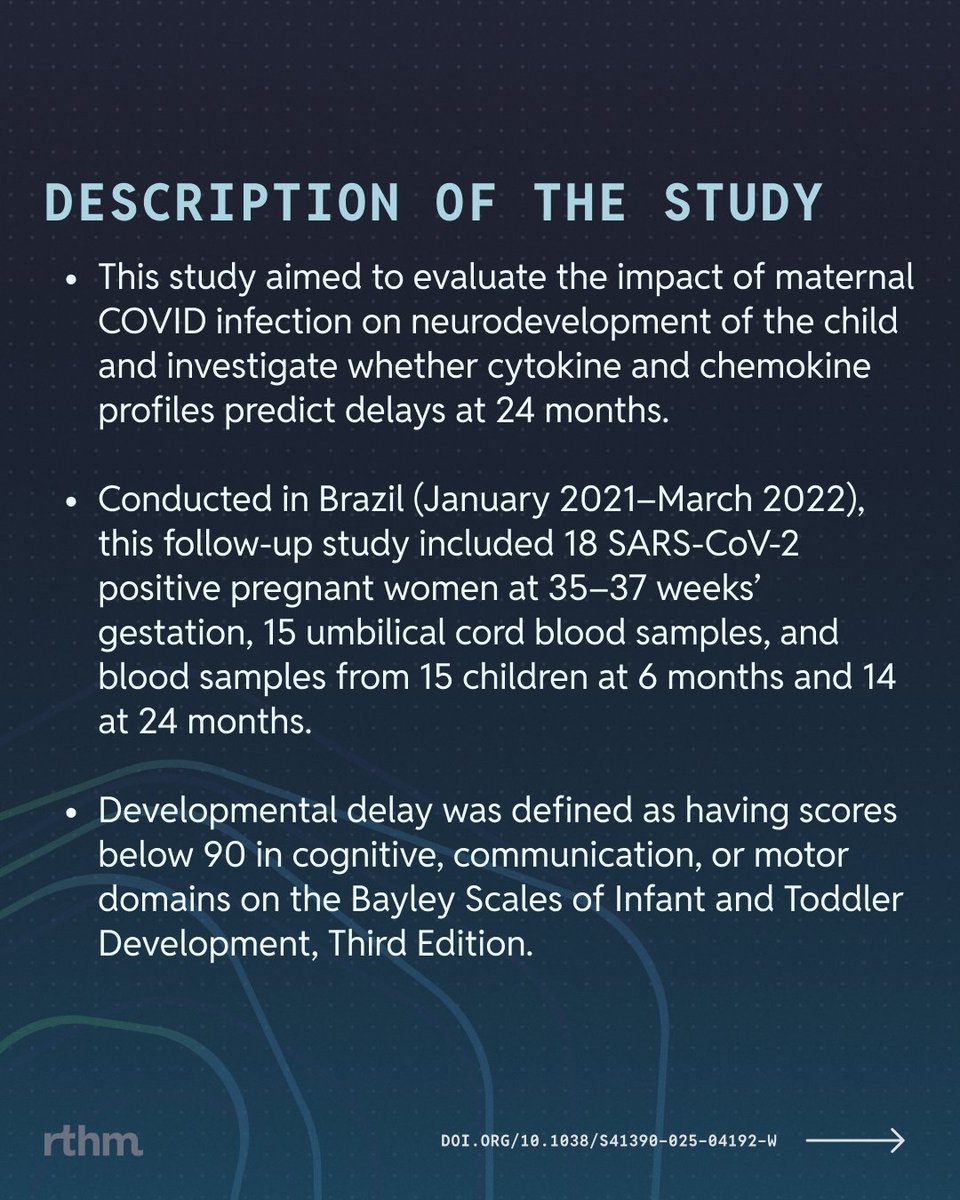
Description of the Study  This study aimed to evaluate the impact of maternal infection on neurodevelopment and investigate whether cytokine and chemokine profiles predict delays at 24 months.  Conducted in Brazil (January 2021–March 2022), this follow-up study included 18 SARS-CoV-2 positive pregnant women at 35–37 weeks’ gestation, 15 umbilical cord blood samples, and blood samples from 15 children at 6 months and 14 at 24 months.  Developmental delay was defined using the Bayley Scales of Infant and Toddler Development, Third Edition, with scores below 90 in cognitive, communication, or ...
Key Findings:  At 6 months 33.3% of infants exhibited cognitive delays 20% communication delays 40% motor delays  At 24 months 35% of infants exhibited cognitive delays 64% communication delays 57% motor delays
Read 6 tweets
Jul 16, 2025
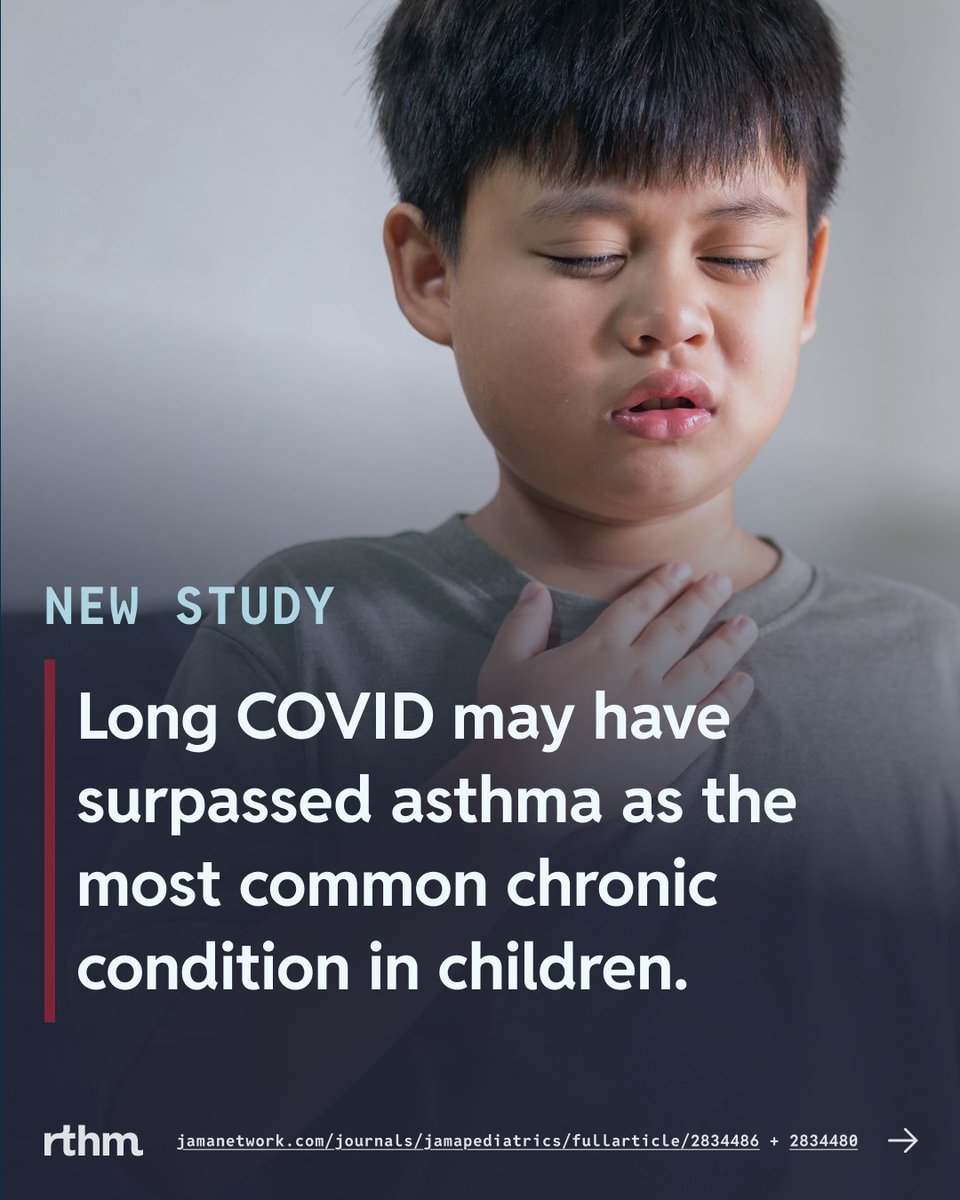
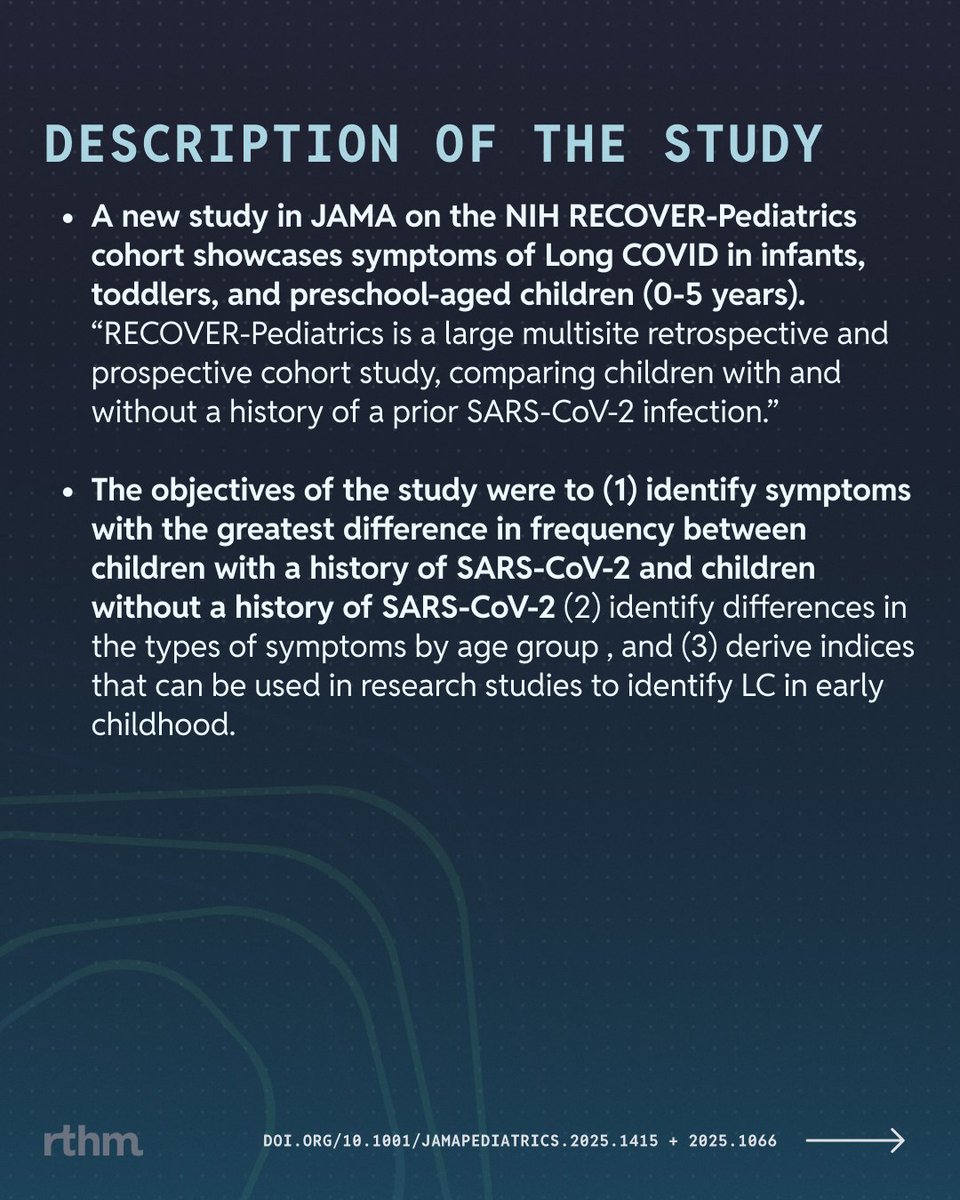
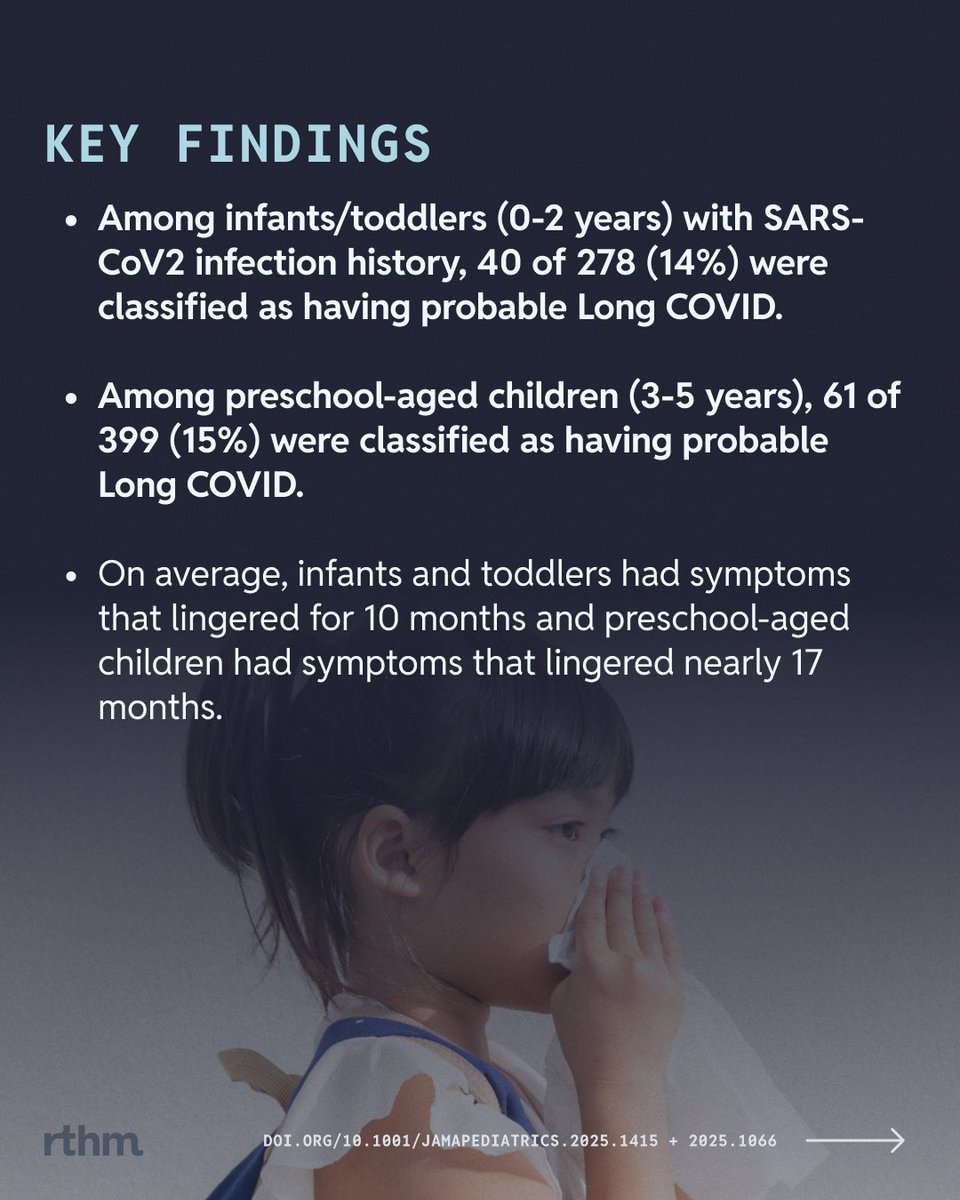
A new NIH RECOVER study followed hundreds of children under 6 and found that up to 15% met criteria for probable Long COVID—many with symptoms lasting over a year.

Distinct symptom patterns were seen by age group. Poor appetite, chronic cough, sleep issues, and fatigue were strongly linked to prior COVID-19 infection.

The authors estimate nearly 6 million U.S. children may be affected by Long COVID — surpassing Asthma as the most common chronic condition in kids today.

If you think your child may be showing signs of Long COVID, @JAMANetwork Pediatrics created a resource to help you prepare: 🔗 jamanetwork.com/journals/jamap…

Want research updates like this in your inbox? Sign up at rthm.com

🔗 DOI: 10.1001/jamapediatrics.2025.1066

@RachelGrossMD @tthaweethai @DrLarryK

#LongCOVID #PediatricLongCOVID #LongCOVIDKids #MEcfs #Pediatrics #ChronicIllnessAwareness #COVID19 #RTHM #MedicalResearch #MCAS #POTS #PEM #PESEImage
Image
Image
Read 9 tweets

Did Thread Reader help you today?

Support us! We are indie developers!


This site is made by just two indie developers on a laptop doing marketing, support and development! Read more about the story.

Become a Premium Member ($3/month or $30/year) and get exclusive features!

Become Premium

Don't want to be a Premium member but still want to support us?

Make a small donation by buying us coffee ($5) or help with server cost ($10)

Donate via Paypal

Or Donate anonymously using crypto!

Ethereum

0xfe58350B80634f60Fa6Dc149a72b4DFbc17D341E copy

Bitcoin

3ATGMxNzCUFzxpMCHL5sWSt4DVtS8UqXpi copy

Thank you for your support!

Follow Us!

:(