RTHM Profile picture
Jun 30 9 tweets 3 min read Read on X
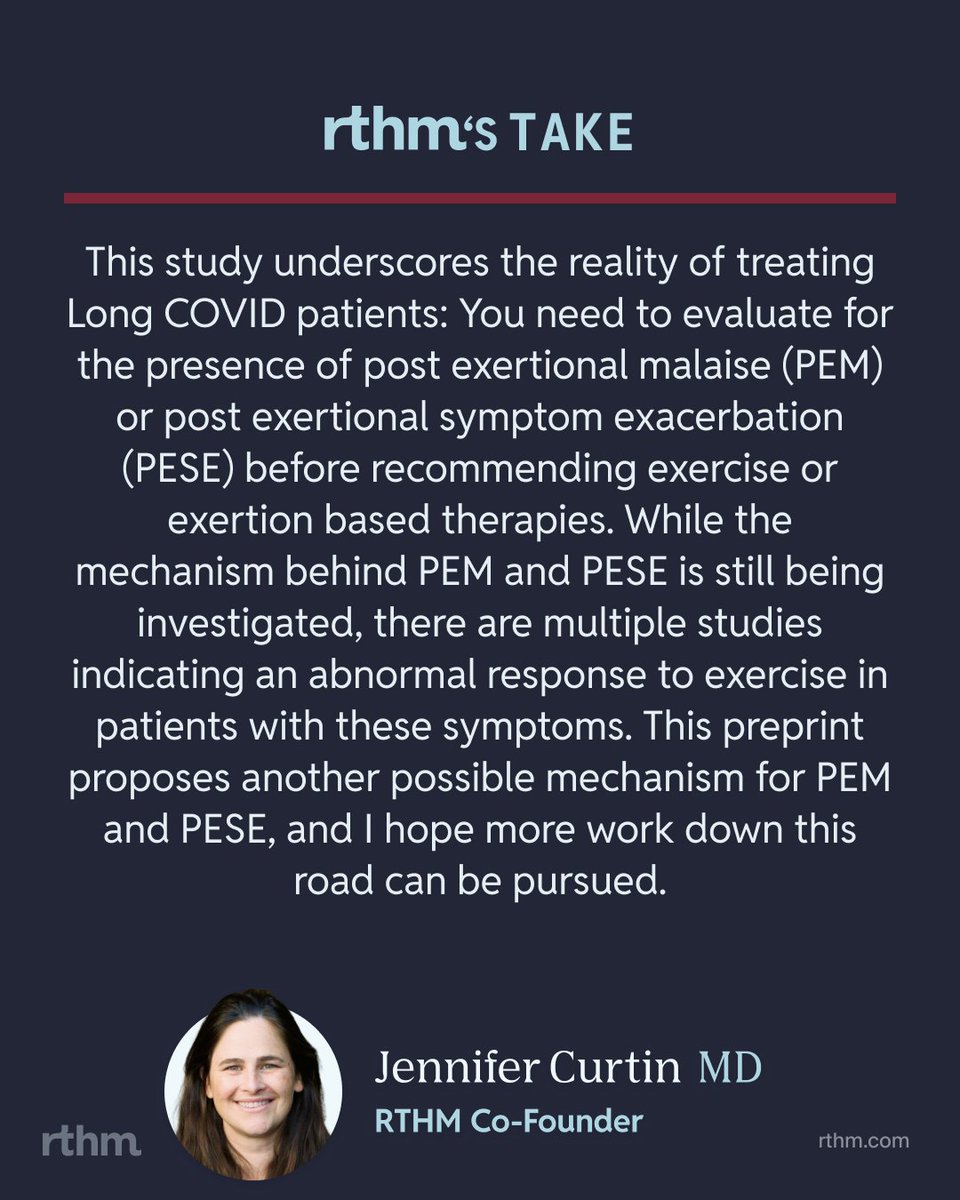
A new study suggests that exercise doesn’t clear microclots in people with Long COVID—it just fragments them into smaller ones. These smaller clots are linked to increased inflammation and impaired oxygen transport, which may help explain post-exertional malaise (PEM) and post-exertional symptom exacerbation (PESE)—a worsening of symptoms after even mild physical or mental effort.

Researchers observed these microclot and inflammatory changes even after submaximal exertion, highlighting the need for caution when recommending exercise-based therapies.

Want more research breakdowns like this? Sign up for our email list at linktr.ee/rthm_health

🔗 DOI: doi.org/10.21203/rs.3.…

#LongCOVID #ChronicFatigue #pwLC #PostCOVID #rthm_health #LongCOVIDResearch #PESE #PEM #IACC #COVID19 #MicroclotsExercise Increases Microclots In Long COVID.    (Arrow pointing right) Picture of someone exhausted on an exercise bike
Description of the Study  46 people living with Long COVID with a low risk of experiencing post-exertional malaise (PEM) completed two submaximal cardiopulmonary exercise tests (CPET), separated by 24 hours.  They had blood drawn before starting the exercise test (CPET) and after, to look for microclots and cytokines.
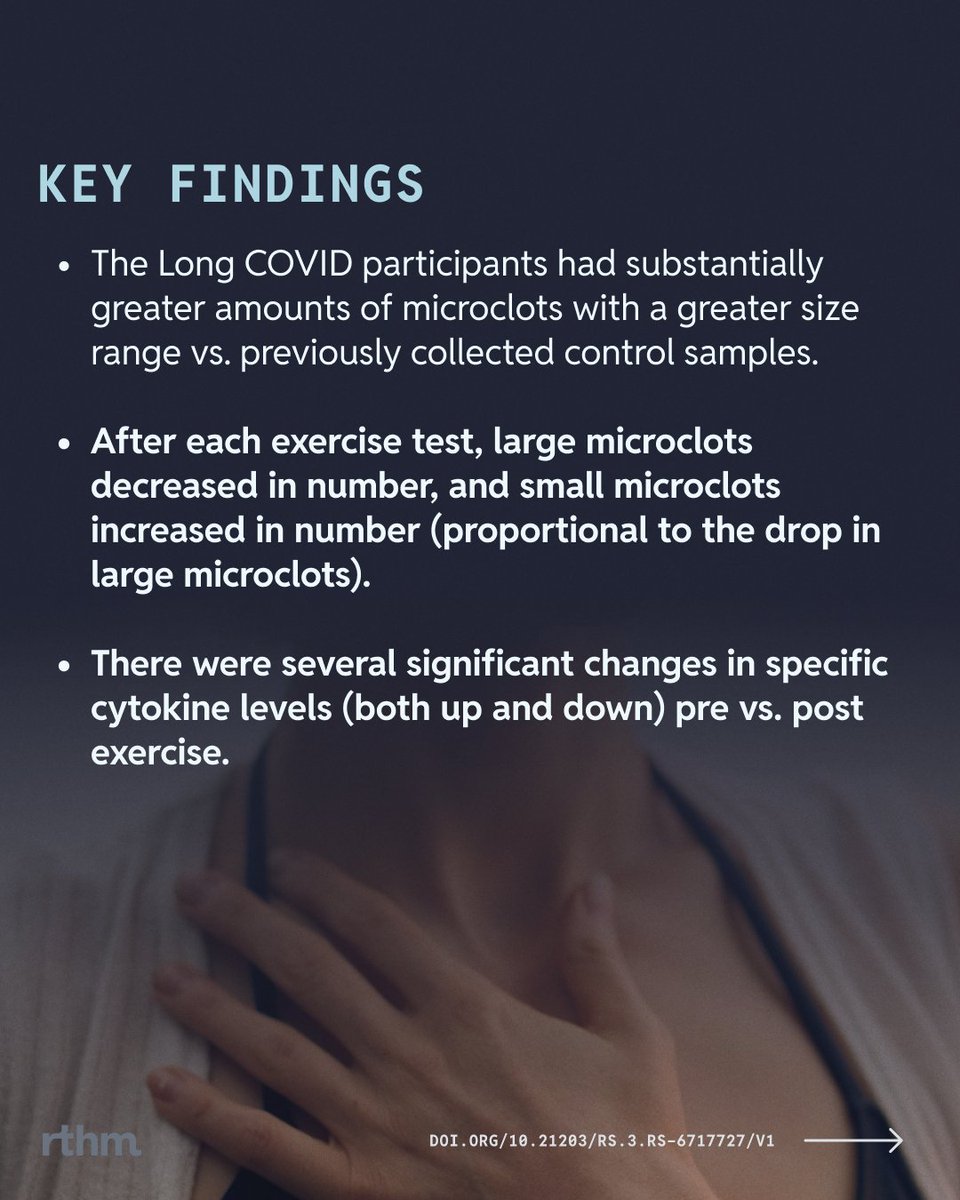
Key Findings:  The Long COVID participants had substantially greater amounts of microclots with a greater size range vs. previously collected control samples.  After each exercise test, large microclots decreased in number, and small microclots increased in number (proportional to the drop in large microclots).   There were several significant changes in specific cytokine levels (both up and down) pre vs. post exercise.
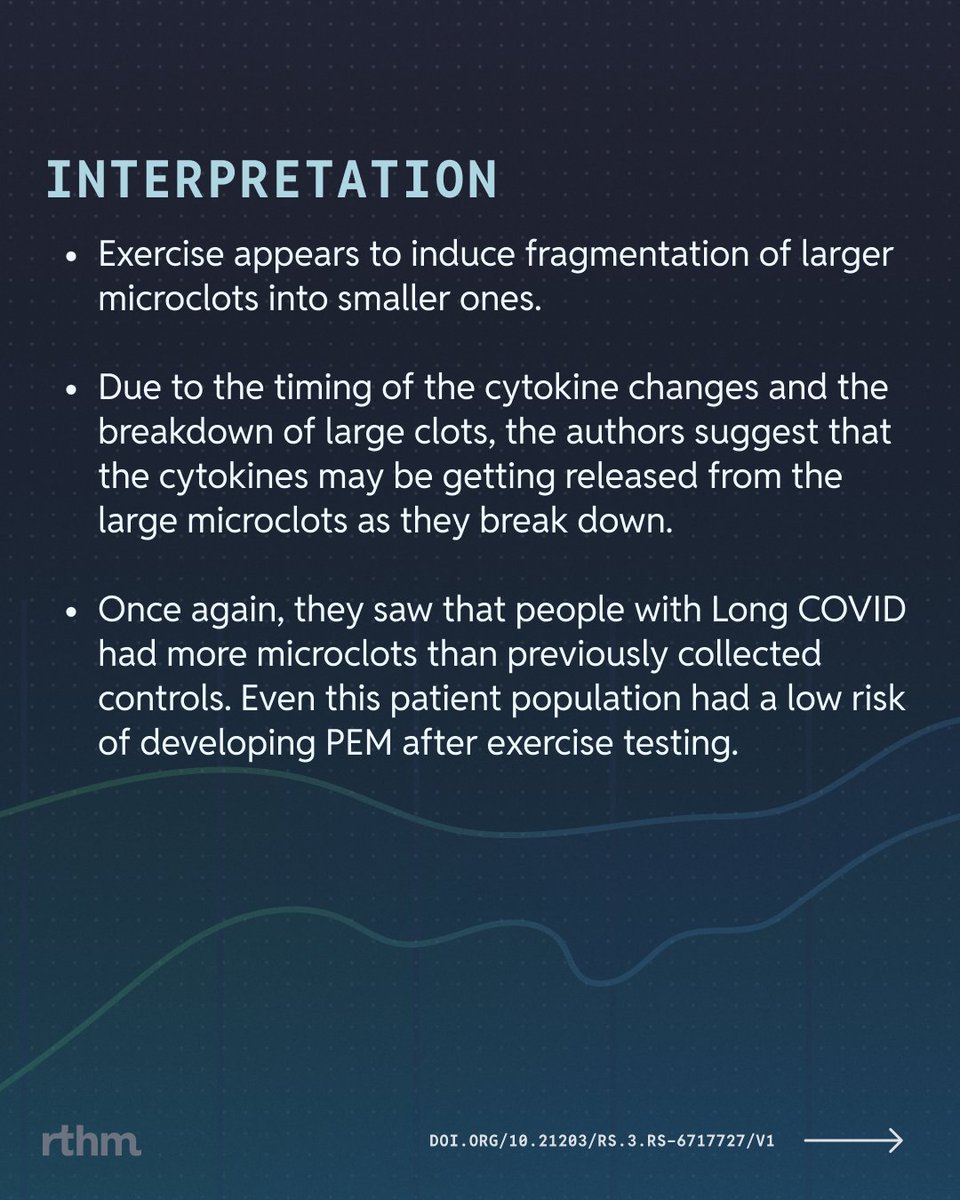
Interpretation  Exercise appears to induce fragmentation of larger microclots into smaller ones.  Due to the timing of the cytokine changes and the breakdown of large clots, the authors suggest that the cytokines may be getting released from the large microclots as they break down.  Once again, they saw that people with Long COVID had more microclots than previously collected controls. Even this patient population had a low risk of developing PEM after exercise testing.   (Arrow pointing right) Small Citation
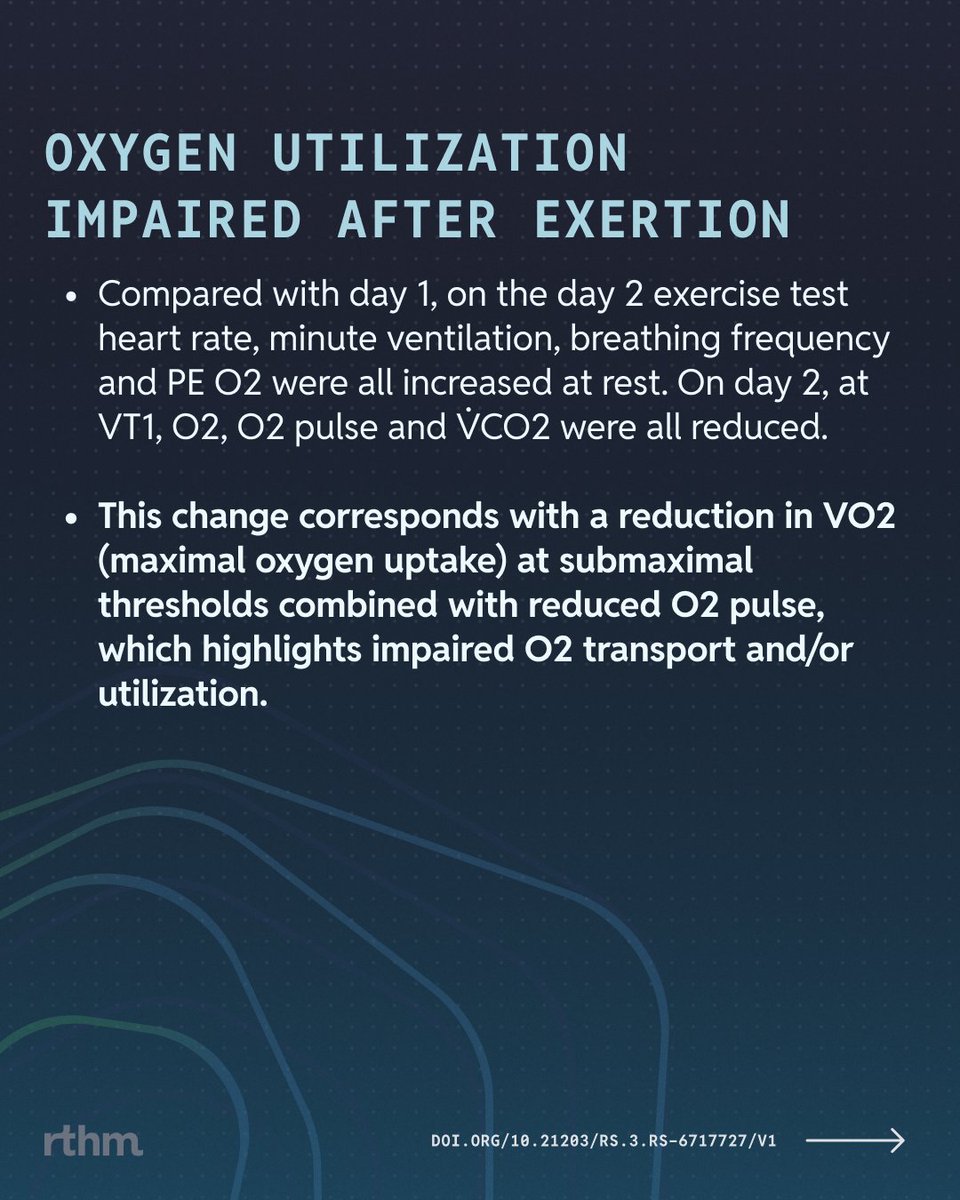
Oxygen Utilization Impaired After Exertion:  Compared with day 1, on the day 2 exercise test heart rate, minute ventilation, breathing frequency and PE O2 were all increased at rest. On day 2, at VT1, O2, O2 pulse and V̇CO2 were all reduced.  This change corresponds with a reduction in VO2 (maximal oxygen uptake) at submaximal thresholds combined with reduced O2 pulse, which highlights impaired O2 transport and/or utilization.  (Arrow pointing right) Small Citation
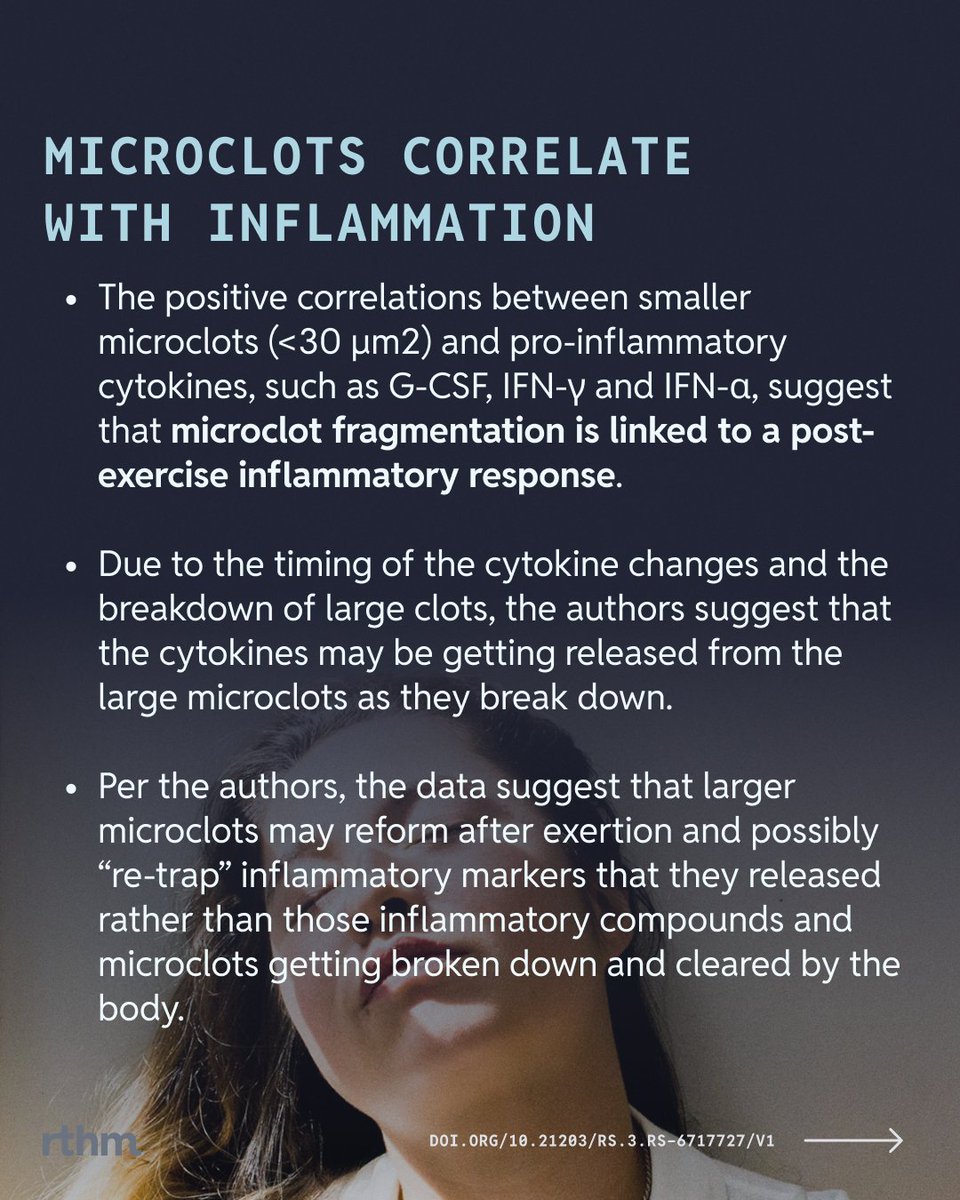
Microclots Correlate with Inflammation  The positive correlations between smaller microclots (< 30 µm2) and pro-inflammatory cytokines, such as G-CSF, IFN-γ and IFN-α, suggest that microclot fragmentation is linked to a post-exercise inflammatory response.   Due to the timing of the cytokine changes and the breakdown of large clots, the authors suggest that the cytokines may be getting released from the large microclots as they break down.  Per the authors, the data suggest that larger microclots may reform after exertion and possibly “re-trap” inflammatory markers that they released rather...
Possible Explanation for Post Exertional Malaise (PEM)   The worsening of symptoms reported by some Long COVID patients following physical exertion may, at least in part, be explained by these shifts in microclot size distribution and the resultant inflammatory interactions.  Symptoms related to muscle pathologies and PESE & PEM may be explained by microclots moving into tissues, especially into muscle and surrounding connective tissues via damaged vasculature, where the disease has degraded the physiological barrier function.
Image
Image

• • •

Missing some Tweet in this thread? You can try to force a refresh

 

Keep Current with RTHM

RTHM Profile picture

Stay in touch and get notified when new unrolls are available from this author!

Read all threads

This Thread may be Removed Anytime!

PDF

Twitter may remove this content at anytime! Save it as PDF for later use!

Try unrolling a thread yourself!

how to unroll video
  1. Follow @ThreadReaderApp to mention us!

  2. From a Twitter thread mention us with a keyword "unroll"
@threadreaderapp unroll

Practice here first or read more on our help page!

More from @RTHM_Health

Jun 9
A new study from New Zealand found that over one-third of university students experienced measurable cognitive deficits—especially in executive function—up to 17 months after COVID-19 infection.

Even in a young, healthy population, the impacts on brain function were objectively detectable using neuropsych testing and brain oxygenation data.

Want insights like this sent straight to your inbox? Click on our linktree to join our email list for research breakdowns, treatment updates, and tools for navigating Long COVID and ME/CFS.

🔗 DOI: 10.1016/j.bbi.2024.12.002

#LongCOVID #ChronicFatigue #PostCOVID #rthm_health #LongCOVIDResearch #CognitiveDysfunction #BrainFog #IACC #COVID19New Study:  37% of undergrads experienced cognitive impairment up to 17 months after COVID-19 infection  (Arrow pointing right) young person sleeping on pile of books
Key Findings:  The study investigated whether past COVID-19 infections influence cognitive performance in undergrads from University of Otago (New Zealand) by measuring neuropsychological performance, and cerebral haemodynamics (brain blood flow and oxygenation) using NIRS.     40% of participants in the COVID group reported brain fog due to COVID-19 (subjective cognitive impairment).   37% of participants in the COVID group exhibited objective cognitive impairment in at least 1 cognitive task (mainly related to executive functions).   NIRS worn during cognitive testing found differences in...
Objective Findings:  Participants completed broad neuropsychological testing while wearing the NIRS device to record prefrontal haemodynamics (frontal brain blood flow and oxygenation).   Average neurocognitive task performance differences between COVID and control groups were not statistically significant. However, when participants in the COVID group were analysed at an individual level, the frequency of objective cognitive impairment in at least one of the cognitive tasks was 37.33%.    (Arrow pointing right)
Read 8 tweets
May 14
New research shows SARS-CoV-2 infection particles can persist in semen for up to 8 months after infection, raising critical questions about viral reservoirs and potential sexual transmission. The virus remained detectable in over half the study participants and was confirmed as infectious through cell culture. While decreased sperm quality showed signs of recovery by 6 months, the implications of viral persistence in the male genital tract remain under investigation.

This study adds to growing evidence that the male reproductive system may serve as an immune privileged site for virus reservoirs, similar to findings in Post-Ebola Syndrome.

Click below to sign up for our email list to receive updates about the latest research.

✍️: linktr.ee/rthm_health

#LongCOVID #ChronicFatigue #PostCOVID #rthm_health #LongCOVIDResearch #IACC #ViralPersistence #COVID19New Study:  “SARS-CoV-2 infectious viral particles detected in semen for up to 8 months after infection.”    (Arrow pointing right) with an image of a man sitting on a bed looking down with his hands clasped at his thighs
 Key Findings:  SARS-CoV-2 RNA was detected in the semen of 55% (21/38) of the patients, with a higher detection rate in the moderate (acute severity) group (91%).  Viral persistence was confirmed through Vero cell culture in 47% (17/38) patients, with infectious viral particles detected for up to 8 months after infection.    (Arrow pointing right) Small Citation
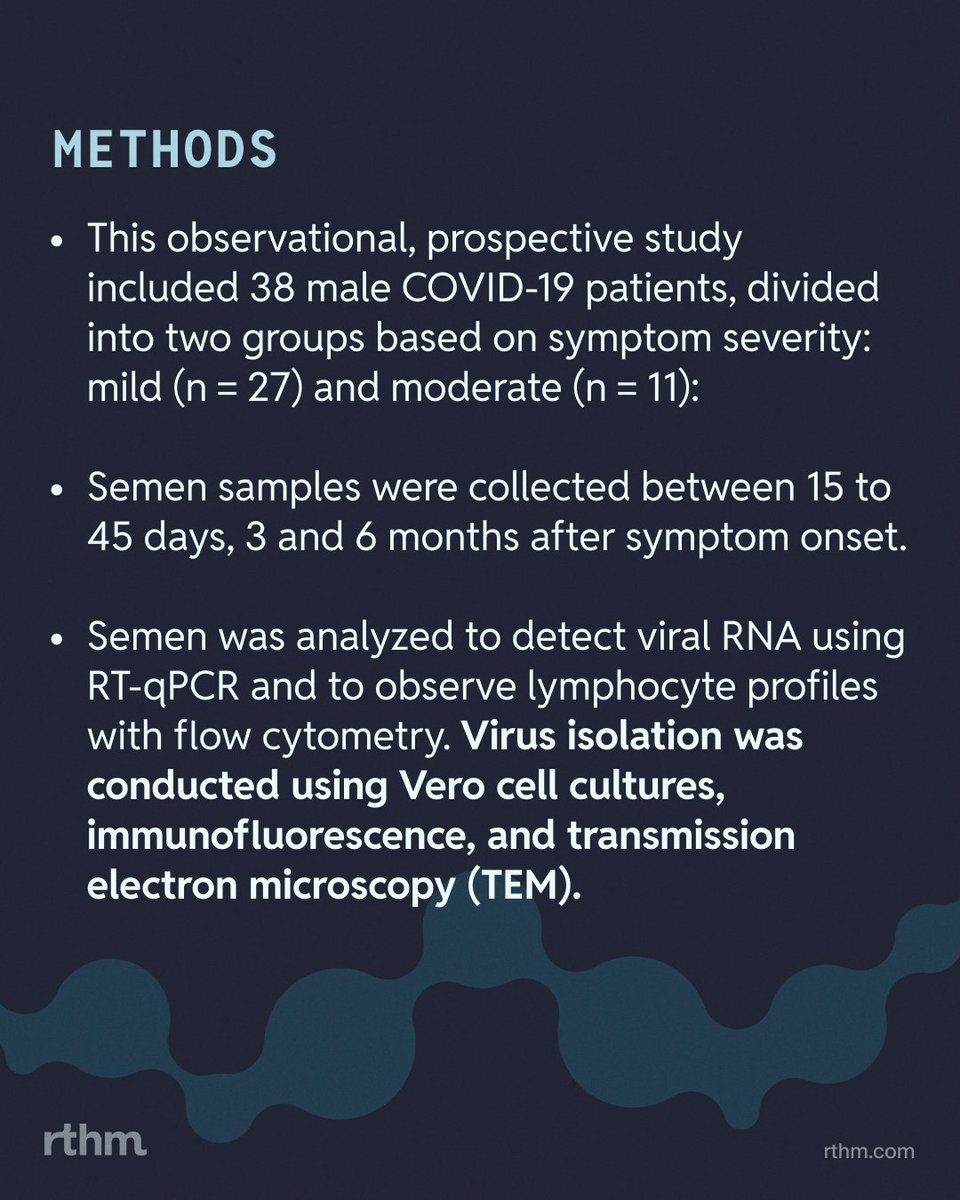
Methods:  This observational, prospective study included 38 male COVID-19 patients, divided into two groups based on symptom severity: mild (n = 27) and moderate (n = 11):  Semen samples were collected between 15 to 45 days, 3 and 6 months after symptom onset.  Semen was analyzed to detect viral RNA using RT-qPCR and to observe lymphocyte profiles with flow cytometry. Virus isolation was conducted using Vero cell cultures, immunofluorescence, and transmission electron microscopy (TEM).  (Arrow pointing right) Small Citation
Read 6 tweets
Apr 24
Even Olympic athletes aren’t bouncing back from COVID.

A new study out of Germany found that nearly 40% of elite athletes across several sports had reduced performance lasting >4 months after acute COVID-19. This was despite the majority having mild acute infections and none of the athletes having pre-existing health conditions.

Fatigue, shortness of breath, and pain were common, persisting symptoms, indicating a need to change current return-to-play protocols for athletes.
Want updates on the latest research and treatment options? Join our email list.

CTA: linktr.ee/rthm_health

#LongCOVID #ChronicFatigue #PostCOVID #rthm_health #LongCOVIDResearch #IACC #OlympicGames #OlympicsNew Study:  40% of Olympians experienced reduced sports performance for at least 4 months after COVID infection.    (Arrow pointing right) Picture of an olympian out of breath?
In a study aimed to describe the impact of SARS-CoV‑2 infection on sports performance in elite athletes, researchers found the following:  37% reported symptoms lasting > 4 weeks  25% had symptoms persisting for > 8 weeks  20% were still symptomatic 16 weeks after initial infection.
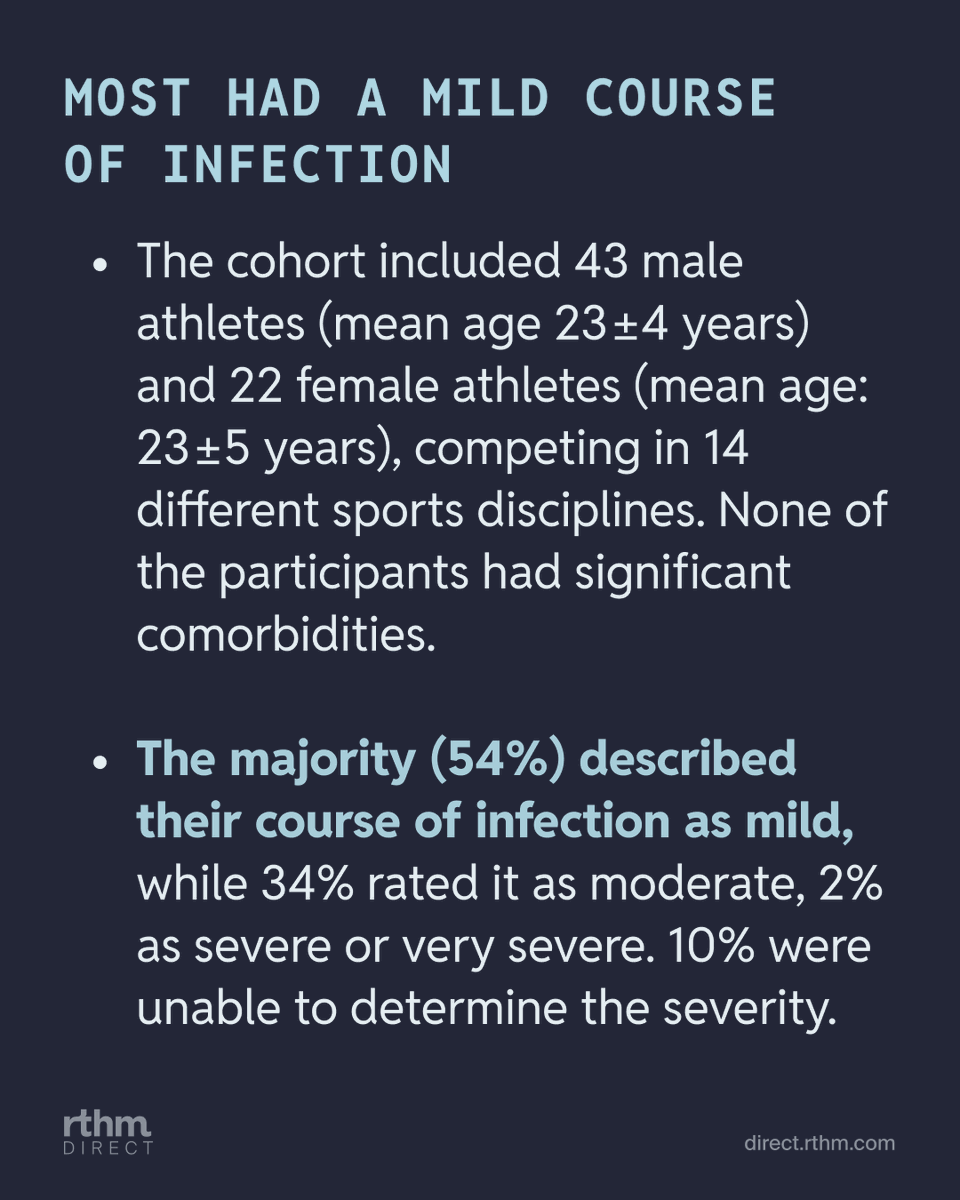
Most had a mild course of infection:  The cohort included 43 male athletes (mean age 23 ± 4 years) and 22 female athletes (mean age: 23 ± 5 years), competing in 14 different sports disciplines. None of the participants had significant comorbidities.  The majority (54%) described their course of infection as mild, while 34% rated it as moderate, 2% as severe or very severe. 10% were unable to determine the severity.  (Arrow pointing right) Small Citation
Read 7 tweets
Jan 30
We’re excited to announce RTHM Direct is now offering Ivabradine. We’ve seen this medication make a significant difference for patients with #LongCovid, #POTS, & #MECFS — and are excited to expand its access. Here’s everything you need to know 👇🧵
What Is Ivabradine?

It is an FDA-approved medication designed to reduce heart rate without affecting blood pressure that works by slowing the activity of the “pacemaker cells” in the heart. It specifically reduces heart rate without lowering blood pressure.
How Does Ivabradine Work?

1. Reduces Tachycardia: Slows the heart rate by inhibiting the "funny channel" (If) ion current in the sinoatrial (SA) node

2. Improves Oxygen Delivery: Increases the time for coronary perfusion (blood flow to the heart itself) during each heartbeat.

3. Boosts Energy: Reduces lactate levels and improves me
Read 12 tweets
Dec 13, 2024
Is #LongCovid a national security issue?

The CHARM 2.0 study conducted reveals striking findings about Long COVID’s impact on even the fittest among us. Among 899 young, healthy Marines, nearly 25% developed Long COVID, with lasting effects on productivity, physical fitness, and overall performance—despite most having mild initial infections.
Swipe to learn more about this pivotal study and why Long COVID must remain a public health priority.

Find the full study here: thelancet.com/journals/lanam…

#LongCOVID #COVID19 #pwLC #pwME #MECFS #IACC #StaySafe #rthm_healthA new study finds 1 in 4 US Marines Infected with COVID Have Long COVID a Year Later
Findings:   The study enrolled 899 otherwise young, healthy US Marine participants, and 88.8% had a SARS-CoV-2 infection.   Almost a quarter (24.7%) of the infected individuals developed Long COVID, and had significantly decreased physical fitness test scores up to approximately one year post-infection.  https://www.thelancet.com/journals/lanam/article/PIIS2667-193X(24)00236-9/fulltext
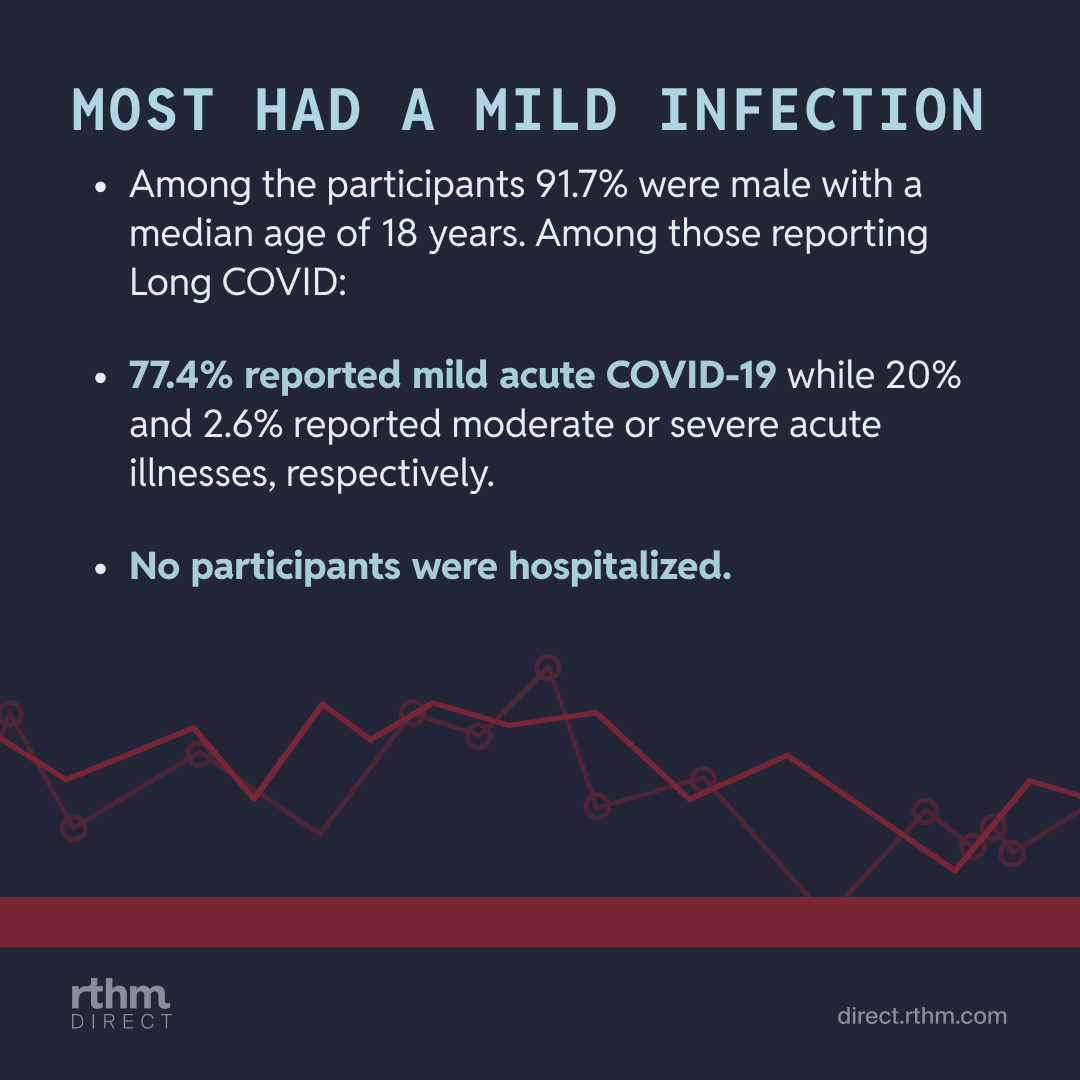
Most had a mild infection:  Among the participants 91.7% were male with a median age of 18 years. Among those reporting Long COVID  77.4% reported mild acute illness while 20% and 2.6% reported moderate or severe acute illnesses, respectively.   No participants were hospitalized.   https://www.thelancet.com/journals/lanam/article/PIIS2667-193X(24)00236-9/fulltext
Read 6 tweets

Did Thread Reader help you today?

Support us! We are indie developers!


This site is made by just two indie developers on a laptop doing marketing, support and development! Read more about the story.

Become a Premium Member ($3/month or $30/year) and get exclusive features!

Become Premium

Don't want to be a Premium member but still want to support us?

Make a small donation by buying us coffee ($5) or help with server cost ($10)

Donate via Paypal

Or Donate anonymously using crypto!

Ethereum

0xfe58350B80634f60Fa6Dc149a72b4DFbc17D341E copy

Bitcoin

3ATGMxNzCUFzxpMCHL5sWSt4DVtS8UqXpi copy

Thank you for your support!

Follow Us!

:(