Decades ago, a doctor cured THOUSANDS from conditions they were told were unknown & incurable.
The root cause? Hypothyroidism.
No bloodwork. No scans.
His diagnosis instead was based off of signs + symptoms.
Here are the 10 most common ones he documented (& how he solved it):
The root cause? Hypothyroidism.
No bloodwork. No scans.
His diagnosis instead was based off of signs + symptoms.
Here are the 10 most common ones he documented (& how he solved it):

1. Weakness - in 98-99% of people with low thyroid.
Thyroid hormones have important actions on muscle cells:
➞ Increase energy production
➞ Promote differentiation into mature muscle fibers
➞ Stimulates type II muscle fibers
➞ Multiplies mitochondria
Without them, your muscles suffer, and you feel weakness.
Thyroid hormones have important actions on muscle cells:
➞ Increase energy production
➞ Promote differentiation into mature muscle fibers
➞ Stimulates type II muscle fibers
➞ Multiplies mitochondria
Without them, your muscles suffer, and you feel weakness.


2. Dry / coarse skin - in 79-97% of people with low thyroid.
Thyroid hormones (mainly T3) stimulate epidermal proliferation.
With hypothyroidism, skin cells renew more slowly, leading to:
➜ Accumulation of dead skin cells
➜ Thickened stratum corneum (outer skin layer)
Giving a rough, flaky, dull appearance.
Thyroid hormones (mainly T3) stimulate epidermal proliferation.
With hypothyroidism, skin cells renew more slowly, leading to:
➜ Accumulation of dead skin cells
➜ Thickened stratum corneum (outer skin layer)
Giving a rough, flaky, dull appearance.

3. Lethargy - in 85-91% of people with low thyroid.
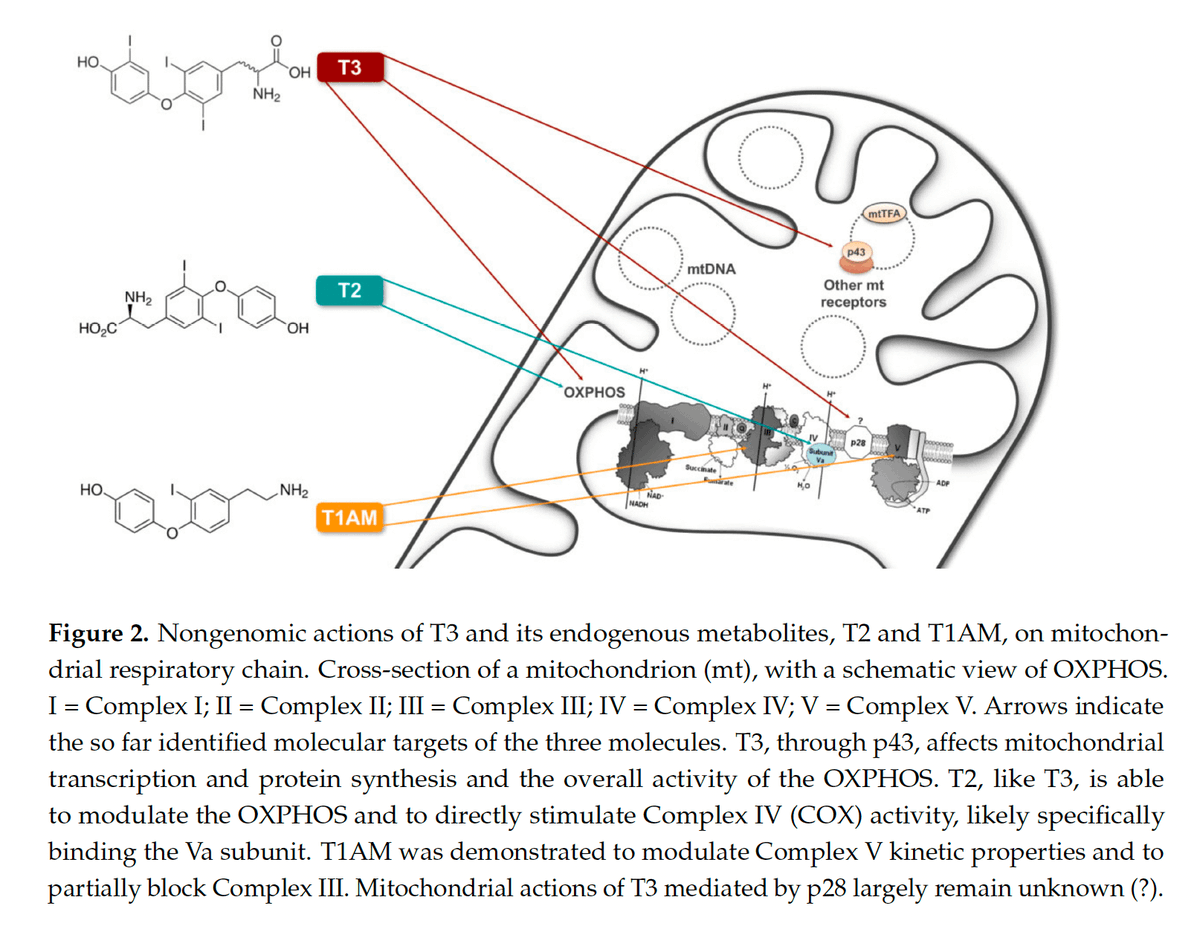
The primary function of thyroid is to increase how much energy you produce.
It goes into your mitochondria and helps them pump out more ATP in the oxidative phosphorylation process.
Without enough, you'll feel low energy.
The primary function of thyroid is to increase how much energy you produce.
It goes into your mitochondria and helps them pump out more ATP in the oxidative phosphorylation process.
Without enough, you'll feel low energy.

4. Edema / swelling - 86-90%
Low thyroid function can:
◈ Increase capillary permeability ➞ fluid leaks into tissues
◈ Reduce lymph drainage ➞ lymph swells up
The puffy face is common in hypothyroidism.
Low thyroid function can:
◈ Increase capillary permeability ➞ fluid leaks into tissues
◈ Reduce lymph drainage ➞ lymph swells up
The puffy face is common in hypothyroidism.

5. Being cold - in 89-95% of people with low thyroid.
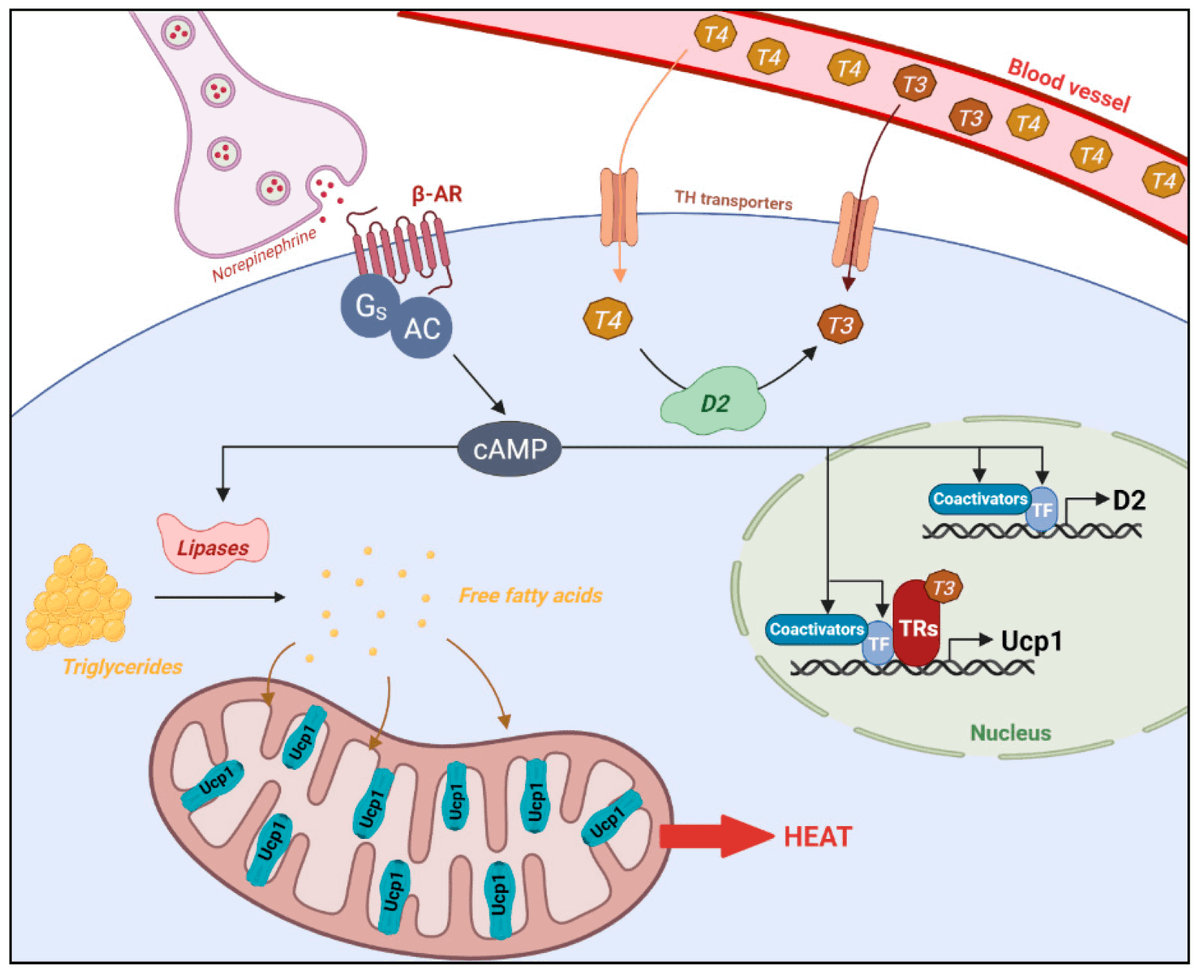
One of thyroid hormones' primary roles is to increase heat generation in the mitochondria of your cells.
Dr. Barnes would routinely diagnose people with hypothyroidism on morning temperature alone.
If for multiple mornings, the underarm temperature was <97.8 °F (36.6 °C) - the person would likely benefit from thyroid therapy
One of thyroid hormones' primary roles is to increase heat generation in the mitochondria of your cells.
Dr. Barnes would routinely diagnose people with hypothyroidism on morning temperature alone.
If for multiple mornings, the underarm temperature was <97.8 °F (36.6 °C) - the person would likely benefit from thyroid therapy
6. Thick tongue - in 60-82% of people with low thyroid.
Low thyroid hormone levels lead to reduced degradation of glycosaminoglycans (GAGs).
These GAGs accumulate in interstitial tissues - including the tongue.
These molecules attract water → non-pitting edema → tissue thickening.
Low thyroid hormone levels lead to reduced degradation of glycosaminoglycans (GAGs).
These GAGs accumulate in interstitial tissues - including the tongue.
These molecules attract water → non-pitting edema → tissue thickening.

7. Coarse hair - in 75-76% of people with low thyroid.
↓ Thyroid hormone → ↓ metabolic rate in follicle cells
↓ Keratin production → weaker hair
↓ sebaceous gland activity → less oil → hair becomes dry and brittle
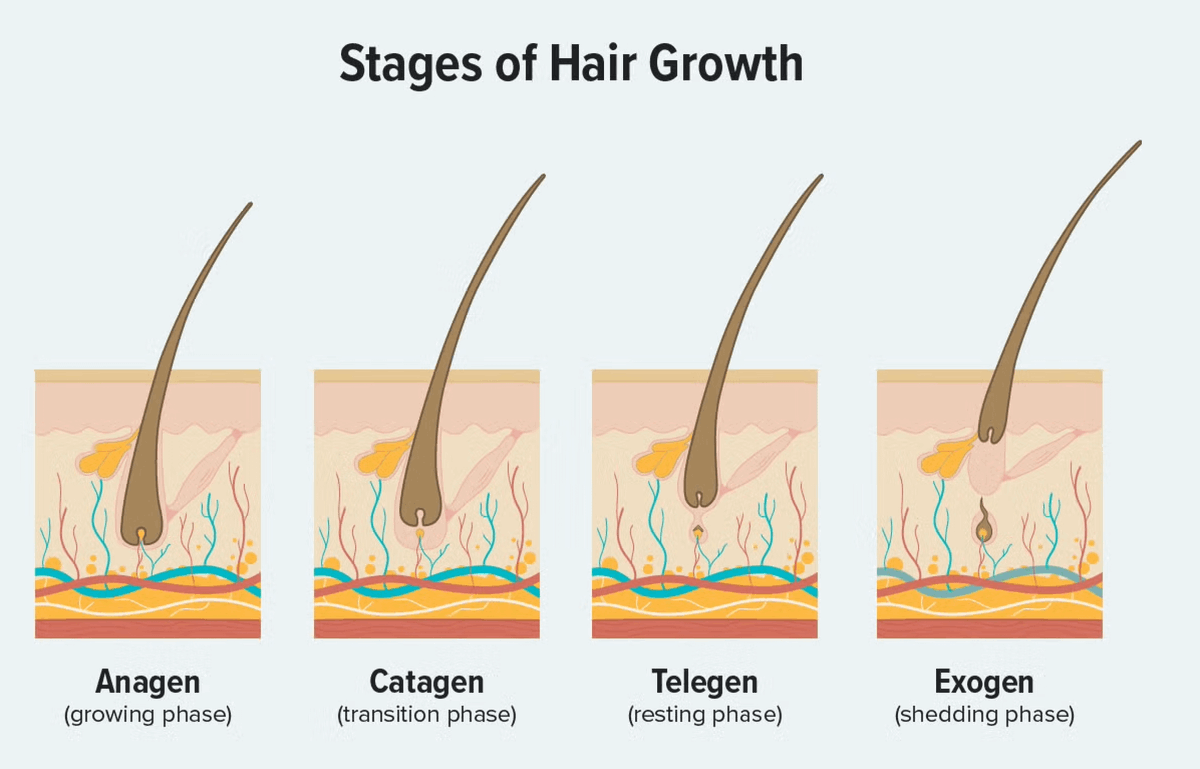
Altered hair cycle → more hairs prematurely shift to telogen (resting phase).
Hair loss is also common.
↓ Thyroid hormone → ↓ metabolic rate in follicle cells
↓ Keratin production → weaker hair
↓ sebaceous gland activity → less oil → hair becomes dry and brittle
Altered hair cycle → more hairs prematurely shift to telogen (resting phase).
Hair loss is also common.
8. Impaired memory - in 65-66% of people with low thyroid.
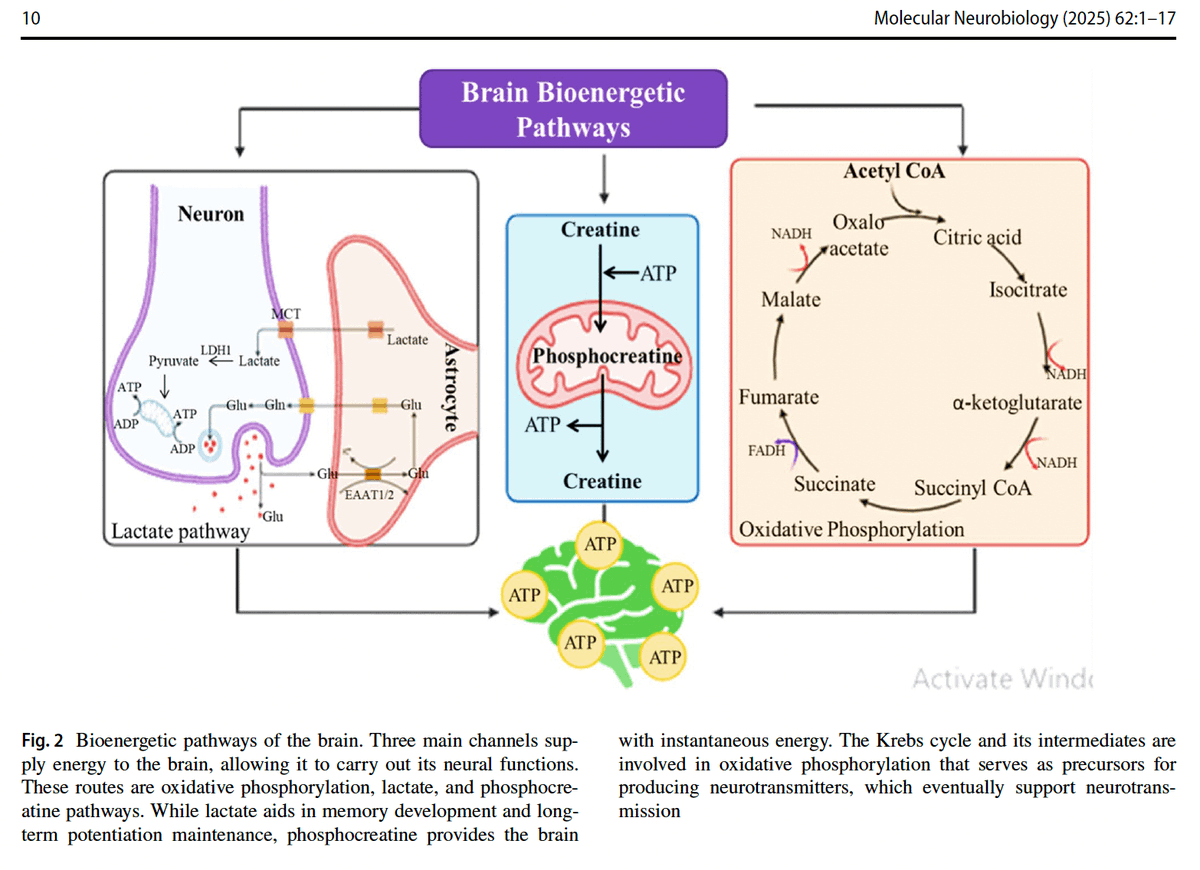
The brain is the most energy intensive organ in the body.
It requires it for producing neurotransmitters and forming strong synapses.
Without enough thyroid hormone, the entire energy system ceases.
Brain fog is one of the most common symptoms of hypothyroidism.
The brain is the most energy intensive organ in the body.
It requires it for producing neurotransmitters and forming strong synapses.
Without enough thyroid hormone, the entire energy system ceases.
Brain fog is one of the most common symptoms of hypothyroidism.
9. Constipation - in 54-61% of people with low thyroid.
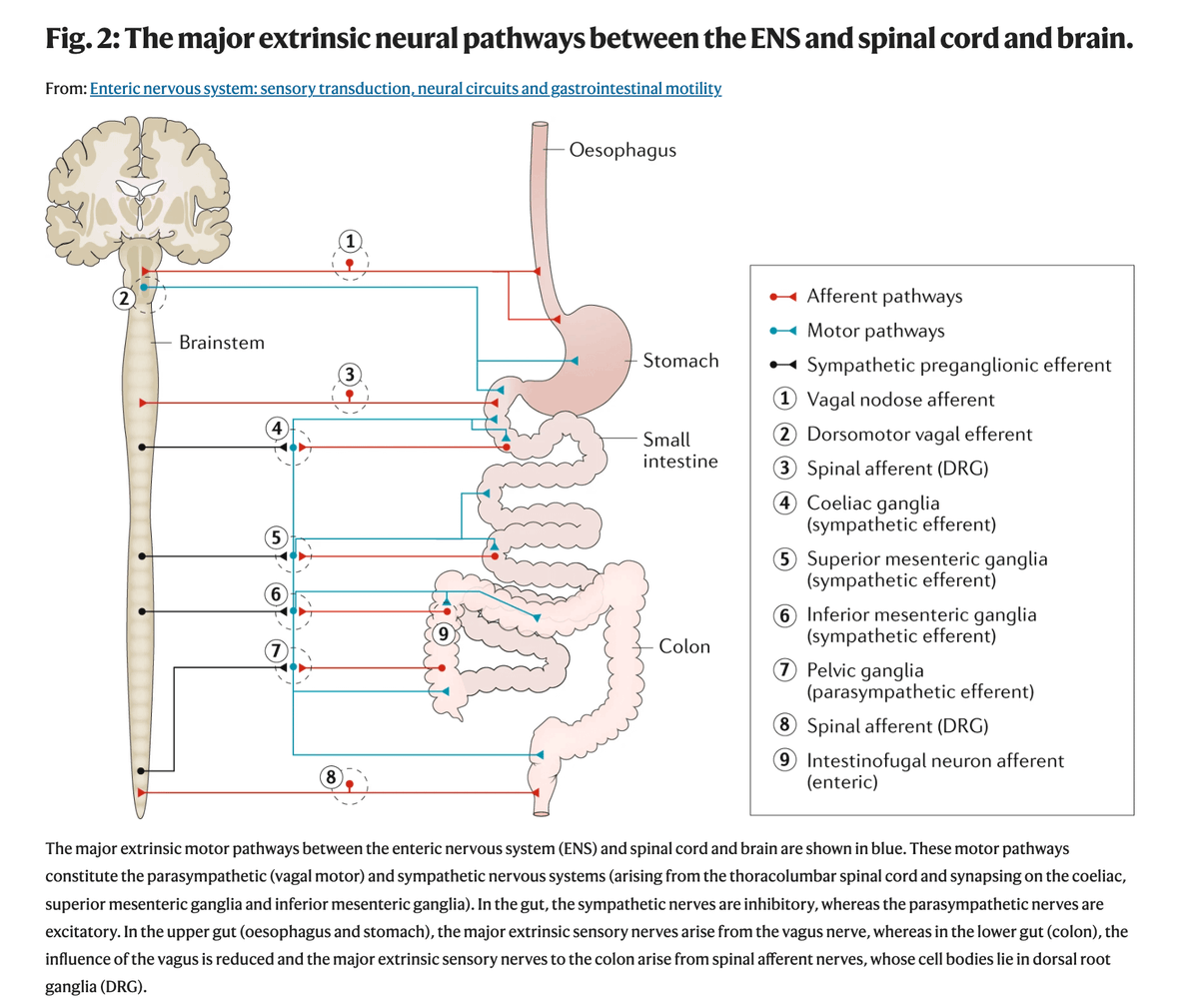
Thyroid hormones regulate the activity of the nervous system, which extends into the gut and controls motility.
If you're low on thyroid, this leaves you susceptible to:
➜ SIBO
➜ IBS
➜ Constipation
➜ Candida
& more.
Thyroid hormones regulate the activity of the nervous system, which extends into the gut and controls motility.
If you're low on thyroid, this leaves you susceptible to:
➜ SIBO
➜ IBS
➜ Constipation
➜ Candida
& more.
10. Weight gain - in 59-76% of people with low thyroid.
Dr. Barnes documented countless cases of people losing stubborn weight with thyroid therapy.
Low thyroid function is the number 1 cause of a sluggish metabolism, and thus can cause you to put on weight easily.
Dr. Barnes documented countless cases of people losing stubborn weight with thyroid therapy.
Low thyroid function is the number 1 cause of a sluggish metabolism, and thus can cause you to put on weight easily.


Now, how did he solve these issues?
Dr. Barnes routinely used natural desiccated thyroid to solve these issues, which I've written about below on how to dose and use properly.
Dr. Barnes routinely used natural desiccated thyroid to solve these issues, which I've written about below on how to dose and use properly.
https://x.com/Outdoctrination/status/1903475859605864861
The product we typically use is this one lifegivingstore.com/grass-fed-beef…
You also don't need to directly jump into desiccated thyroid off the bat.
There are a number of other dietary + lifestyle factors that can help you up your thyroid function, which I've covered here:
There are a number of other dietary + lifestyle factors that can help you up your thyroid function, which I've covered here:
https://x.com/Outdoctrination/status/1887885563719504209
Solving thyroid issues, or any other health problems, can be difficult on your own, but we can help.
If YOU want personalized help from us with your health, click where it says “schedule a free call” here: prism.miami
If YOU want personalized help from us with your health, click where it says “schedule a free call” here: prism.miami
• • •
Missing some Tweet in this thread? You can try to
force a refresh