🇺🇸🇺🇦 Yesterday, POLITICO broke that the Pentagon paused some shipments of ammo to Ukraine. The decision, driven by the Under Secretary of Defense for Policy, is claimed by DoD to be in response to concerns about their own stockpiles.
Is that true?
No. It is not.
🧵 ⬇️ 1/19
Is that true?
No. It is not.
🧵 ⬇️ 1/19

Department of Defense stocks of a wide variety of munitions are undoubtedly depleted due to the War in Ukraine and the conflict in the Middle East, but the devil is always in the details. POLITICO reports that the pause has impacted both deliveries under PDA & USAI.
2/19
2/19

PDA (Presidential Drawdown Authority) is the mechanism for delivery of defense articles to Ukraine from DoD stocks. USAI (Ukraine Security Assistance Initiative) allows for the procurement of defense articles from industry or partner countries.
3/19
3/19
Deliveries from past Drawdowns authorized by the Biden Admin have long been expected to conclude this summer. Sec Def Hegseth recently stated that they are currently executing on PDAs #71-74, implying that previous PDA execute orders have been completed.
4/19
4/19
https://twitter.com/701156462177947652/status/1932814351507075500
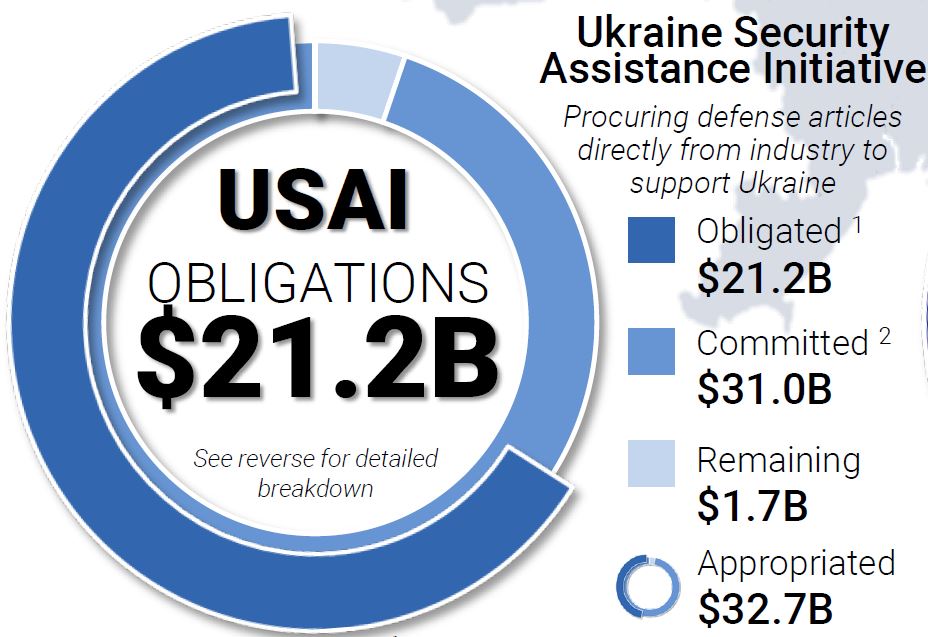
Deliveries from USAI, if allowed to proceed unmolested, would continue for years to come. As of December, there was still $10 billion in committed funding that was still not obligated (put on contract). I'd be surprised if this has substantially changed since then.
5/19
5/19
We now come to what specific munitions have been held up due to these supposed concerns about the DoD's own depleted inventory levels. The weapons are sitting in Poland, and NPR has acquired an exact list of whats being held back.
6/19
6/19
92 AIM-7 Sparrow missiles
30 PAC-3 MSEs
8496 155mm rounds
142 AGM-114 Hellfire missiles
252 GMLRS
25 Stinger missiles
125 AT-4 recoilless anti-tank guns
7/19
30 PAC-3 MSEs
8496 155mm rounds
142 AGM-114 Hellfire missiles
252 GMLRS
25 Stinger missiles
125 AT-4 recoilless anti-tank guns
7/19


This is a very modest list of ammunition; nothing that is going to compromise the DoD's own readiness. AIM-7 in particular is scarcely used by US fighter aircraft, if at all. MSE was not included in PDAs 71-74, meaning it is coming via USAI and not US stocks.
8/19
8/19
Hellfire, which was not previously known to be provided to Ukraine by the US, has not been procured since 2023/2024 due to inventory requirements being met. The only item on the list that is likely having an impact on inventory requirements are the 252 GMLRS.
9/19
9/19
GMLRS is interesting because there have been anecdotes from Ukraine observing a recent increase in GMLRS fire missions. This is likely due to the first lot of contracted GMLRS via USAI being delivered this year. That first lot (FY23) is scheduled to conclude next month.
10/19
10/19

With Lockheed Martin producing 14,000 GMLRS per year, the US Army can afford to give up 250 more from their inventory now; assuming that all of them are from inventory, and not a mix of both PDA & new production from USAI.
11/19
11/19
This decision is just another example of Trump Admin officials actively working against the President's own agenda. At the NATO summit he pledged to work on sourcing additional PATRIOT assets for Ukraine, and scored a big win with the Alliance adopting the 5% target.
12/19
12/19
Any delay to the delivery of what has previously been promised to Ukraine is going to impact confidence in the United States as a supplier of arms to allies & partners. With the OMB sabotaging Trump's desire to see a strong military, the US needs those arms sales badly.
13/19
13/19
This is all beyond Hegseth's comprehension though. Whereas Bridge and Vought are malicious actors, deliberately sabotaging both Ukraine and the entire Department of Defense under false pretenses. This isn't about the US' own readiness, its about harming Ukraine.
14/19
14/19


One important detail in POLITICO's piece that has gone overlooked is this:
"The drawdowns from current stockpiles have continued under the Trump administration, which has been using up the last of the $61 billion in funding to replenish U.S. stocks of weapons"
15/19
"The drawdowns from current stockpiles have continued under the Trump administration, which has been using up the last of the $61 billion in funding to replenish U.S. stocks of weapons"
15/19
There is no evidence that the Trump Admin has committed any of the $5.2 billion in PDA replacement funding that remained as of December. The Pentagon Comptroller has only published 1 technical correction to previous reprogramming actions since January 20.
16/19
16/19

If there is such concern about the Department giving too much ammo to Ukraine, why are they not using the $5 billion sitting on the shelf to fix that problem? Moreover, why haven't they asked for more money?
17/19
17/19
The DoD is still actually tens of billions of dollars in the hole on Ukraine replacement requirements. The Biden Admin never requested enough money for that purpose, so even if the Trump Admin doesn't send 1 new bullet, they need to ask Congress for more money.
18/19
18/19
But again, the civilian leadership at the DoD doesn't care about this. They aren't interested in fixing the actual problems. They are only making things worse for themselves, Ukraine, and all of the US' other allies. We can only hope that Bridge and Hegseth are overruled.
19/19
19/19
• • •
Missing some Tweet in this thread? You can try to
force a refresh