A dirt-cheap remedy with astonishing healing power has been buried for decades because it works too well.
DMSO has been shown to eliminate pain, restore vision, and even treat cancer.
One man with severe COPD said he was “ready to die.”
But then something remarkable happened.
He started taking DMSO as an inhalation solution prepared by his neighbor.
In just two weeks, he was breathing so well he could talk in full sentences—without gasping for air.
He even thought about exercising, something unimaginable before.
This report reveals the life-changing benefits of DMSO—and why Big Pharma worked so hard to keep it from you.
🧵 THREAD
DMSO has been shown to eliminate pain, restore vision, and even treat cancer.
One man with severe COPD said he was “ready to die.”
But then something remarkable happened.
He started taking DMSO as an inhalation solution prepared by his neighbor.
In just two weeks, he was breathing so well he could talk in full sentences—without gasping for air.
He even thought about exercising, something unimaginable before.
This report reveals the life-changing benefits of DMSO—and why Big Pharma worked so hard to keep it from you.
🧵 THREAD

The information in this thread comes from the work of medical researcher @MidwesternDoc. For all the sources and details, read the full report below.
midwesterndoctor.com/p/therapeutic-…
midwesterndoctor.com/p/therapeutic-…
Dimethyl sulfoxide (DMSO) is a natural solvent derived from trees. It penetrates the skin, delivers drugs deep into tissues, and even across the blood-brain barrier.
It’s powerfully anti-inflammatory, pain-relieving, and boosts circulation.
A true “umbrella remedy” capable of treating a wide range of challenging ailments.
It’s powerfully anti-inflammatory, pain-relieving, and boosts circulation.
A true “umbrella remedy” capable of treating a wide range of challenging ailments.

That wide range of challenging ailments includes Chronic Obstructive Pulmonary Disease (COPD).
Just recently, Daniel, a 74-year-old man with stage-3 COPD, shared a powerful testimony. Before trying anything new, he could barely walk 40 feet without stopping to catch his breath, struggled even to get dressed in the morning, and often felt depressed, saying he was “just ready to die.”
After inhaling a DMSO solution (prepared by his neighbor) in his nebulizer for about two weeks, he noticed dramatic improvement. He could talk in full sentences without gasping, carry groceries again, clean his house, and even consider exercising—something unimaginable before.
Just recently, Daniel, a 74-year-old man with stage-3 COPD, shared a powerful testimony. Before trying anything new, he could barely walk 40 feet without stopping to catch his breath, struggled even to get dressed in the morning, and often felt depressed, saying he was “just ready to die.”
After inhaling a DMSO solution (prepared by his neighbor) in his nebulizer for about two weeks, he noticed dramatic improvement. He could talk in full sentences without gasping, carry groceries again, clean his house, and even consider exercising—something unimaginable before.
@MidwesternDoc Read more about how DMSO heals the lungs and cures chronic respiratory diseases here.
https://x.com/MidwesternDoc/status/1941967848324075856
Powerful DMSO success stories are everywhere if you bother to look.
So why has the FDA spent decades smearing it?
Because it worked too well, and it’s too cheap.
It threatened to replace countless overpriced drugs.
Big Pharma isn’t in the business of healing. It’s in the business of protecting its profits, and anything that truly helps people is a threat they’re quick to crush.
So why has the FDA spent decades smearing it?
Because it worked too well, and it’s too cheap.
It threatened to replace countless overpriced drugs.
Big Pharma isn’t in the business of healing. It’s in the business of protecting its profits, and anything that truly helps people is a threat they’re quick to crush.

The range of conditions that DMSO treats is hard to believe because it’s just so comprehensive.
✅ Pain (arthritis, injuries)
✅ Neurological disorders (stroke, dementia)
✅ Skin diseases (acne, burns, ulcers)
✅ Autoimmune conditions
✅ Chronic infections (herpes, shingles)
✅ Cancer
And over a thousand studies back all of this up.
60 Minutes even reported on it.
✅ Pain (arthritis, injuries)
✅ Neurological disorders (stroke, dementia)
✅ Skin diseases (acne, burns, ulcers)
✅ Autoimmune conditions
✅ Chronic infections (herpes, shingles)
✅ Cancer
And over a thousand studies back all of this up.
60 Minutes even reported on it.
@MidwesternDoc Want the hard evidence? Dive into @MidwesternDoc’s remarkable research on DMSO—it’s all there, study by study.
midwesterndoctor.com/p/therapeutic-…
midwesterndoctor.com/p/therapeutic-…
@MidwesternDoc DMSO is a true medical multitool.
It blocks pain signals, reduces inflammation, enhances blood flow, regenerates aging cells, carries other substances deep into the body, and a lot more.
It blocks pain signals, reduces inflammation, enhances blood flow, regenerates aging cells, carries other substances deep into the body, and a lot more.

@MidwesternDoc DMSO is a vehicle for other drugs.
It lets medications normally needing injections to be applied topically as creams.
And it bypasses barriers—without damaging them—including the blood brain barrier.
It brings drugs exactly where they’re needed!
It lets medications normally needing injections to be applied topically as creams.
And it bypasses barriers—without damaging them—including the blood brain barrier.
It brings drugs exactly where they’re needed!

Once DMSO contacts the skin, it rapidly spreads throughout the body.
Within an hour of being applied to the skin, it can be found within the bones and teeth!
Wow.
This is why it is extremely important to clean the skin thoroughly before applying DMSO.
It can also work wonders on the skin itself.
Within an hour of being applied to the skin, it can be found within the bones and teeth!
Wow.
This is why it is extremely important to clean the skin thoroughly before applying DMSO.
It can also work wonders on the skin itself.

Given the incredible ability of DMSO to break barriers and carry other medications, is it safe to take alongside other drugs?
Due to a lack of studies, most combinations just haven’t been studied.
While some recommend never taking DMSO when taking pharmaceuticals (which is silly considering those are the people who need it), @MidwesternDoc recommends a two hour window between them. Unless of course the drug is very toxic, then it is best to avoid taking it with DMSO.
Overall, start slow with a low dose and keep an eye out for any negative effects.
Regardless of what exactly you decide, it is essential to monitor the effects of the drugs you’re taking and determine if lower doses would be possible due to both DMSO’s healing power and its ability to make drugs work better.
Due to a lack of studies, most combinations just haven’t been studied.
While some recommend never taking DMSO when taking pharmaceuticals (which is silly considering those are the people who need it), @MidwesternDoc recommends a two hour window between them. Unless of course the drug is very toxic, then it is best to avoid taking it with DMSO.
Overall, start slow with a low dose and keep an eye out for any negative effects.
Regardless of what exactly you decide, it is essential to monitor the effects of the drugs you’re taking and determine if lower doses would be possible due to both DMSO’s healing power and its ability to make drugs work better.

@MidwesternDoc For more on possible drug interactions, check out @MidwesternDoc’s full article and make sure to have a plan before using DMSO.
midwesterndoctor.com/p/therapeutic-…
midwesterndoctor.com/p/therapeutic-…
@MidwesternDoc DMSO is a breakthrough for infections!
It restores antibiotic sensitivity in resistant bacteria—including tuberculosis.
It transports antibiotics deeper, kills biofilms, and even neutralizes drug resistance.
Imagine if this was standard care.
It restores antibiotic sensitivity in resistant bacteria—including tuberculosis.
It transports antibiotics deeper, kills biofilms, and even neutralizes drug resistance.
Imagine if this was standard care.

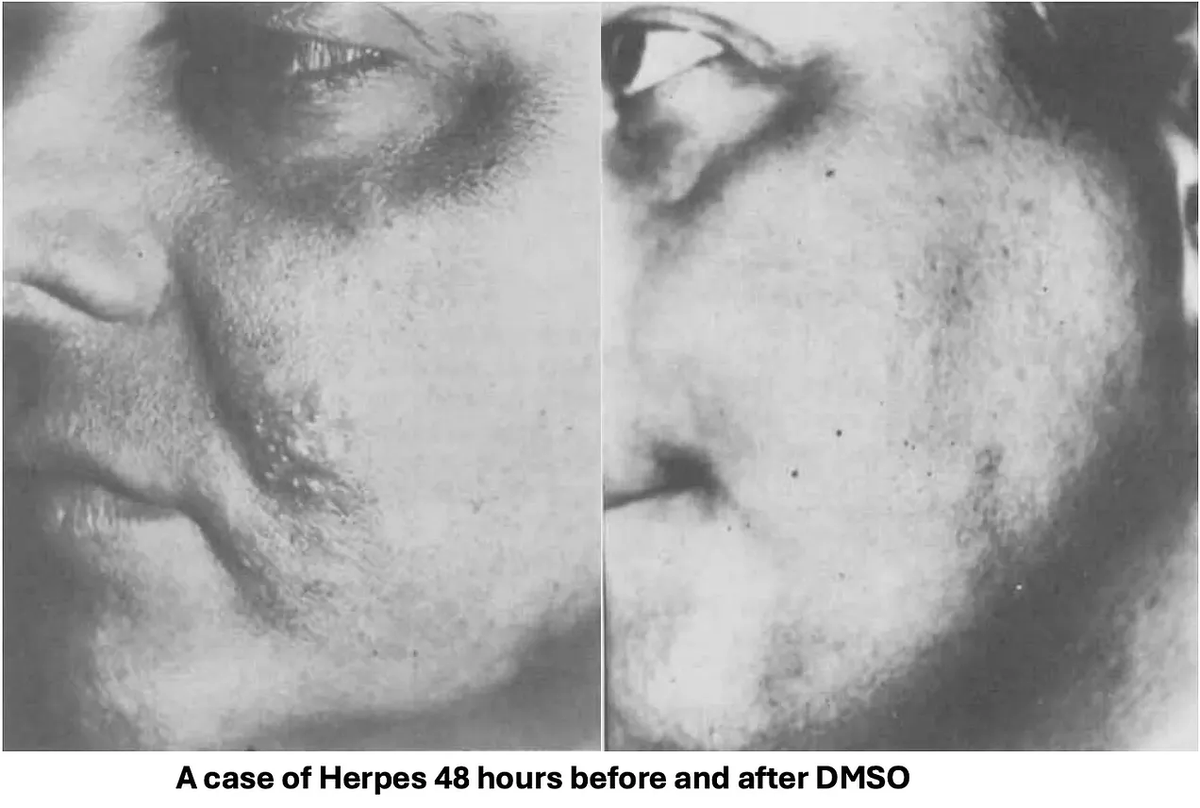
@MidwesternDoc DMSO is also a forgotten herpes cure.
Studies have shown that DMSO plus IDU slashes herpes and shingles flare-ups, prevented recurrences, and outperformed acyclovir.
Studies have shown that DMSO plus IDU slashes herpes and shingles flare-ups, prevented recurrences, and outperformed acyclovir.
@MidwesternDoc DMSO makes stubborn fungal infections treatable by delivering antifungals directly into infected tissues—helping when nothing else does.
It has been used successfully for ringworm, nail fungus, and even brain infections.
It has been used successfully for ringworm, nail fungus, and even brain infections.

@MidwesternDoc DMSO concentrates in tumors, enhances chemotherapy, reduces doses, and lowers toxicity.
Studies show dramatic improvements—even in brain cancers!
Some doctors now pair it with ivermectin and fenbendazole for powerful synergy.
Studies show dramatic improvements—even in brain cancers!
Some doctors now pair it with ivermectin and fenbendazole for powerful synergy.

@MidwesternDoc As always, if you’re looking for the studies that back up these claims, @MidwesternDoc has them all laid out.
You’ll also find clear guidance on preparing a DMSO-ivermectin paste for cancer treatment.
midwesterndoctor.com/p/therapeutic-…
You’ll also find clear guidance on preparing a DMSO-ivermectin paste for cancer treatment.
midwesterndoctor.com/p/therapeutic-…
The FDA once said DMSO would “make you blind.”
But in reality, it’s been shown to improve vision!
DMSO helps with cataracts, glaucoma, macular degeneration, and retinitis pigmentosa.
It has even restored lost sight in some cases!
If that’s not a miracle drug, I don’t know what is.
Check out these images of a dog’s eye ulcer healing in a very short time.
But in reality, it’s been shown to improve vision!
DMSO helps with cataracts, glaucoma, macular degeneration, and retinitis pigmentosa.
It has even restored lost sight in some cases!
If that’s not a miracle drug, I don’t know what is.
Check out these images of a dog’s eye ulcer healing in a very short time.

@MidwesternDoc Mixed with anesthetics, DMSO allows deep, long-lasting numbing from topical use.
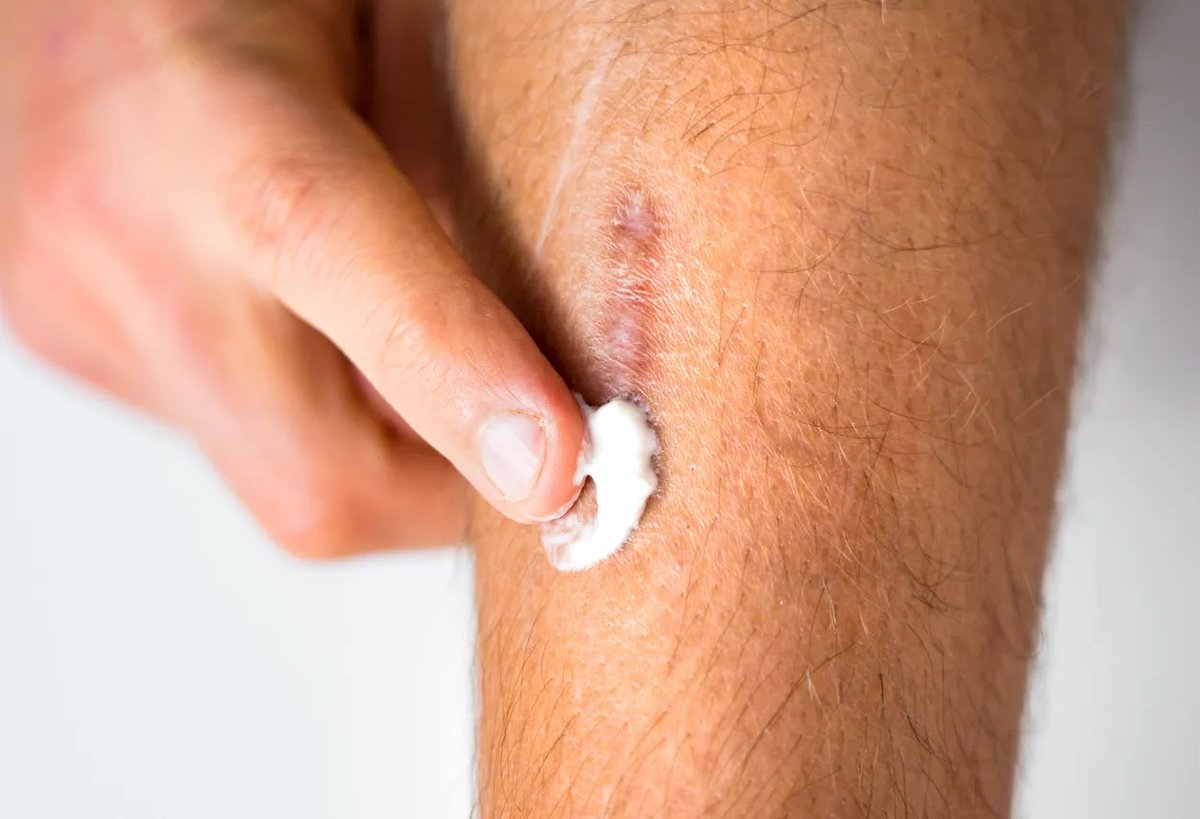
German doctors even use it to treat scars that disrupt nerves and trigger chronic pain.
The list goes on, and on, and on, and on.
German doctors even use it to treat scars that disrupt nerves and trigger chronic pain.
The list goes on, and on, and on, and on.
@MidwesternDoc Thinking about trying DMSO but not sure which brands are safe or where to buy? Subscribe to @MidwesternDoc for the full guide with everything you need—and more!
midwesterndoctor.com/p/therapeutic-…
midwesterndoctor.com/p/therapeutic-…
@MidwesternDoc DMSO is a game-changer.
Thousands of readers have shared stunning recoveries using DMSO—often after mainstream medicine failed them.
More than 2,000 personal success stories have been collected by @MidwesternDoc alone.
Thousands of readers have shared stunning recoveries using DMSO—often after mainstream medicine failed them.
More than 2,000 personal success stories have been collected by @MidwesternDoc alone.

@MidwesternDoc DMSO isn’t magic—though it might seem like it.
It’s real science. Ignored, buried, and now rediscovered.
If medicine truly cared about healing, DMSO would be everywhere.
It’s time to take back what works.
It’s real science. Ignored, buried, and now rediscovered.
If medicine truly cared about healing, DMSO would be everywhere.
It’s time to take back what works.

@MidwesternDoc Thanks for reading! This information was based on a report originally published by @MidwesternDoc.
Key details were streamlined and editorialized for clarity and impact. Read the original report here.
midwesterndoctor.com/p/therapeutic-…
Key details were streamlined and editorialized for clarity and impact. Read the original report here.
midwesterndoctor.com/p/therapeutic-…
@MidwesternDoc For a deeper dive into what modern medicine has overlooked—or intentionally buried—check out these other eye-opening reports by @MidwesternDoc:
Statins Exposed: The Truth Behind America’s Most Prescribed Drug
midwesterndoctor.com/p/the-great-ch…
Statins Exposed: The Truth Behind America’s Most Prescribed Drug
midwesterndoctor.com/p/the-great-ch…
@MidwesternDoc What’s The Healthiest Water To Drink?
midwesterndoctor.com/p/whats-the-he…
midwesterndoctor.com/p/whats-the-he…
@MidwesternDoc What They Don’t Tell You About C-Sections
midwesterndoctor.com/p/what-the-don…
midwesterndoctor.com/p/what-the-don…
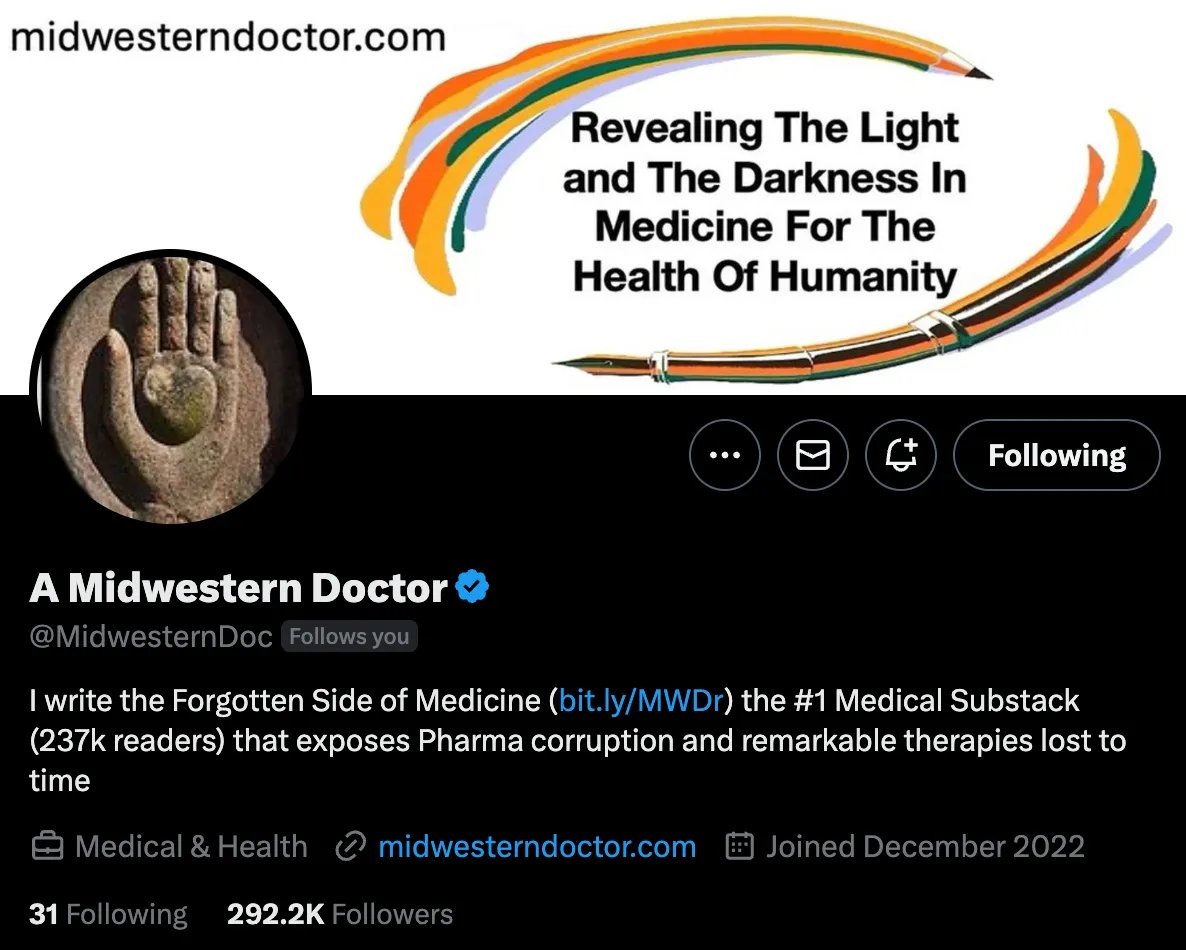
@MidwesternDoc While you’re at it, give @MidwesternDoc a follow.
No one brings more research, clinical insight, or historical context when it comes to exposing the health myths we’ve all been fed.
This is easily one of the most valuable accounts you’ll ever follow.
--> @MidwesternDoc
No one brings more research, clinical insight, or historical context when it comes to exposing the health myths we’ve all been fed.
This is easily one of the most valuable accounts you’ll ever follow.
--> @MidwesternDoc
• • •
Missing some Tweet in this thread? You can try to
force a refresh