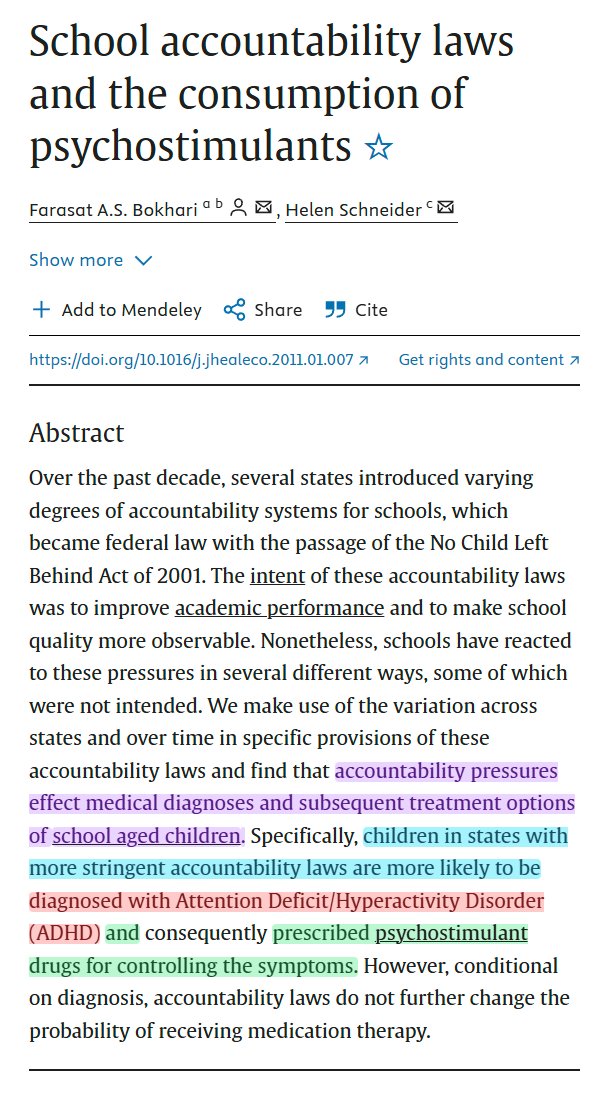
The Atlantic was once a credible news outlet.
One of their best pieces came out 99 years ago, written by "A Woman Resident in Russia".
It describes the chaos that followed the Communists destroying the institution of marriage.
Let's read about the Soviets ruining marriage🧵
One of their best pieces came out 99 years ago, written by "A Woman Resident in Russia".
It describes the chaos that followed the Communists destroying the institution of marriage.
Let's read about the Soviets ruining marriage🧵

"To clear the family out of the accumulated dust of the ages we had to give it a good shakeup, and we did."
Russia boasted it had no illegitimate children. True. They eliminated the "illegitimate" category.
Russia boasted it had no illegitimate children. True. They eliminated the "illegitimate" category.

"Men took to changing wives" and 300,000 abandoned children resulted.

"It was not... unusual... for a boy of twenty to have had three or four wives, or for a girl of the same age to have had three or four abortions."

"I recall another victim of the breakdown of families ties.... She was divorced by her husband after their first child was born. He then married another woman, had a child by her, deserted both, and returned to his first wife, by whom he had a second child."

Not all women suffered from the breakdown. Some exploited it.
"Women of light behavior" would blackmail men into paying alimony.
"Women of light behavior" would blackmail men into paying alimony.
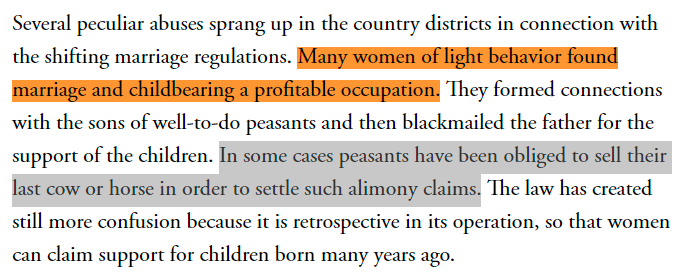
Some men found ways to profit from this as well.
They would trick a woman into marriage, use her as an employee on the farm, and then divorce her when the season was through.
They would trick a woman into marriage, use her as an employee on the farm, and then divorce her when the season was through.

It wasn't just rural areas that buckled under the effects of marriage dissolution.
One group of students became indignant at accusations of licentiousness and declared that having sex was the only real amusement left, so they deserved free abortions.
One group of students became indignant at accusations of licentiousness and declared that having sex was the only real amusement left, so they deserved free abortions.

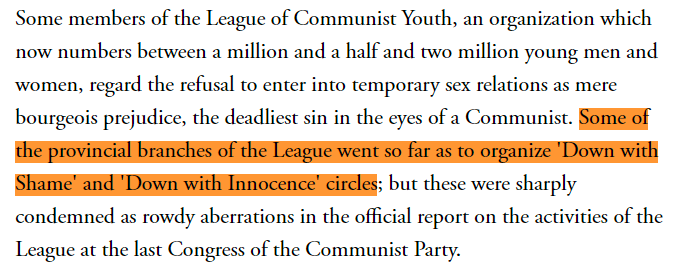
Some chapters of the League of Communist Youth decried people who wouldn't do hook-ups and even organized circles to encourage free loving.
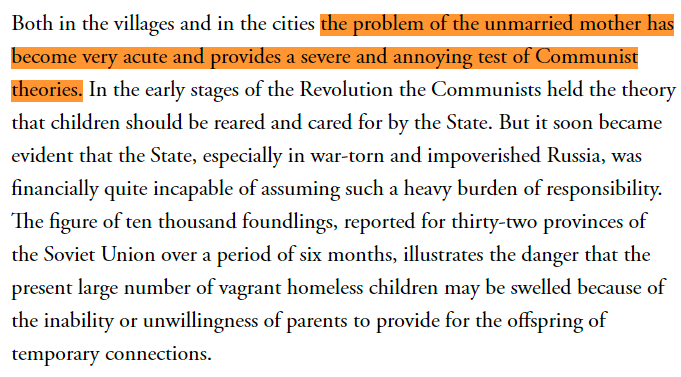
The Communists were ideologically committed to the idea that the state should rear the children.
This proved too expensive, so this "annoying test of Communist theories" could be given a failing grade.
This proved too expensive, so this "annoying test of Communist theories" could be given a failing grade.
The debates over a new, free-love abiding law took place in the Tsar's throneroom, with its gilded walls and vaulted ceilings, and the throne, replaced with a simple wooden platform.

The opposition to the law suggested it would abolish marriage, destroy the family, legalize polygamy, and ruin the peasantry.
Trotsky and Soltz offered contradictory explanations for their positions.
Trotsky and Soltz offered contradictory explanations for their positions.

Smidovich and Kollontai provided their own opinions as well.
Kollontai wanted a social insurance scheme, like a sovereign fund for abandoned kids. Incidentally, she was the ambassador to Norway.
Kollontai wanted a social insurance scheme, like a sovereign fund for abandoned kids. Incidentally, she was the ambassador to Norway.

"If opinion on the proposed law is divided in the cities, the feeling in the villages, where eighty per cent of the Russians live, is overwhelmingly against it."
Here's what one peasant spokesman had to say:
Here's what one peasant spokesman had to say:

"The... circulation of revolutionary ideas on the desirability of abolishing the family has not... eliminated old-fashioned passions of love and jealousy."
"Even Communist women have been known to commit suicide because their husbands' attentions were diverted elsewhere."
"Even Communist women have been known to commit suicide because their husbands' attentions were diverted elsewhere."

The Soviets eventually did crack down. Free love could not last, and this brief experiment in it led them to abandon attempts to bring it about.
The Communists simply couldn't uproot human nature.
The Communists simply couldn't uproot human nature.
The Atlantic of today won't either, but they will continue to lie about it and smear those of us interested in its study.
https://x.com/cremieuxrecueil/status/1943038467232940278
You can go read the article here: theatlantic.com/magazine/archi…
• • •
Missing some Tweet in this thread? You can try to
force a refresh