Tim is right and wrong here. I'll tell you where he's right and where he's wrong. 🧵 

It's perfectly fine to wear slip-on shoes without socks. Those who suggest otherwise are simply ignorant and unaware about the history of men's dress.
You don't have to take my word for it. We can go back to Apparel Arts.
You don't have to take my word for it. We can go back to Apparel Arts.

Apparel Arts was an early 20th century trade publication that taught men how to dress well. It was sent to clothiers and tailors so they could smartly advise their clients, but it later became a public-facing publication under the title "Esquire."


If you flip through old issues of Apparel Arts, you'll find many outfits without socks. Some even involve tailored jackets. However, one running theme: these were all casual outfits for their day, some even resort wear. Business clothes, such as dark suits, required socks.


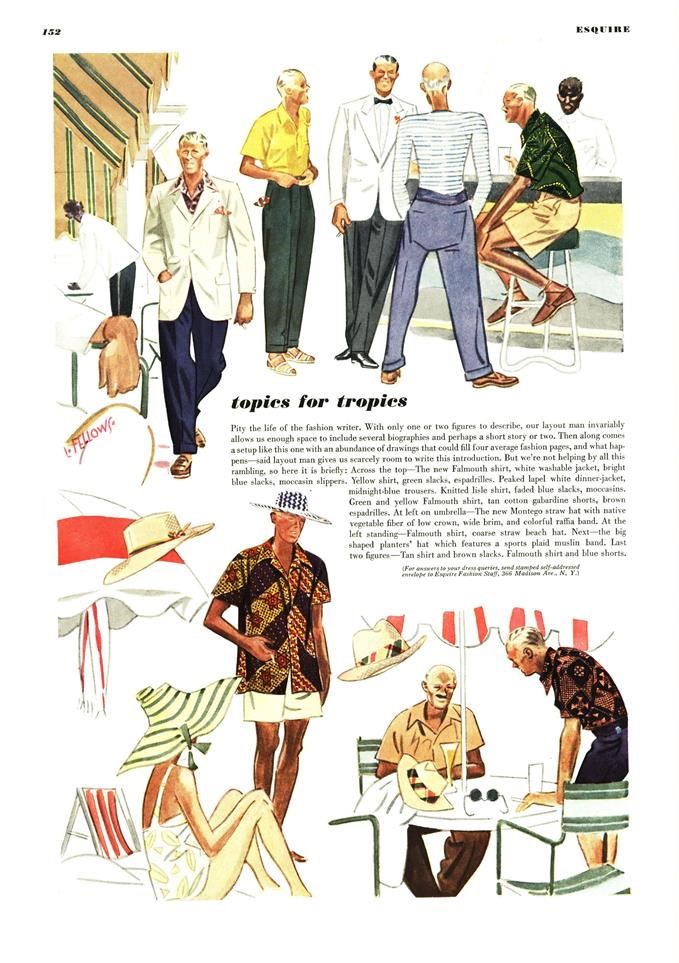

This theme continues throughout the history of men's dress. None of these outfits involve socks, which is perfectly fine because they are casual. Some even involve tailored jackets, but they are, again, the more casual variants of men's tailoring.


However, Tim is wrong here for a few reasons: first, he does not have a tailor (misspelled here as "Taylor"). Second, this is not standard attire at "high class events."
IMO, no real tailor would approve of Andrew Tate's outfit.
IMO, no real tailor would approve of Andrew Tate's outfit.

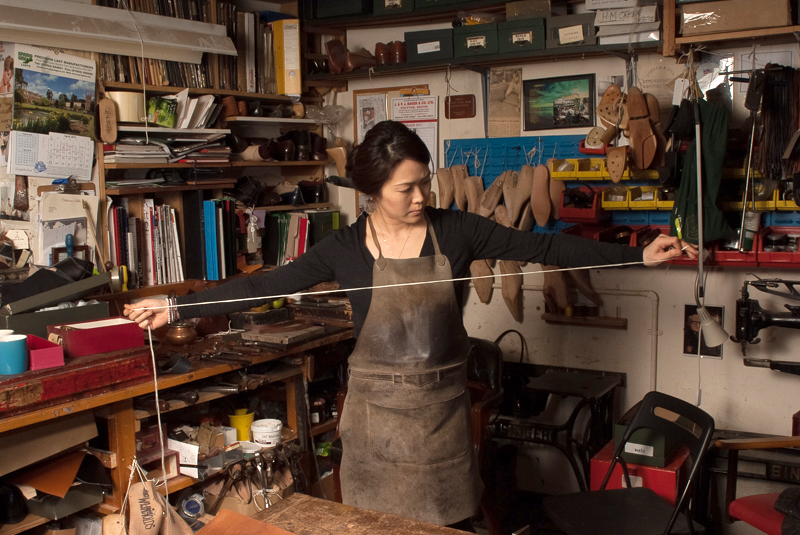
First, what is a tailor? A simple definition is someone who makes or alters clothing. This includes your local alterations tailor (such as who would hem your pants). It also includes bespoke tailors, such as the people who work on Savile Row.

We can better understand the term through its etymology.
The modern English term tailor derives from the Anglo-Norman French term taillour (meaning "cutter"), which derives from the Late Latin or old Medieval Latin term taliare (meaning "to split").
The modern English term tailor derives from the Anglo-Norman French term taillour (meaning "cutter"), which derives from the Late Latin or old Medieval Latin term taliare (meaning "to split").
From this, we understand the central role of a tailor: to cut cloth.
Before ready-to-wear, men had clothes made for them either in the home or, if they could afford one, by a tailor. Ready-made clothing was mostly limited to workwear, such as what was worn by sailors or miners.
Before ready-to-wear, men had clothes made for them either in the home or, if they could afford one, by a tailor. Ready-made clothing was mostly limited to workwear, such as what was worn by sailors or miners.


In the trade, the work of tailoring is typically done by two people:
1) the cutter, who drafts your pattern and cuts your cloth
2) the tailor, who sews loose pieces of fabric together to create jackets and trousers (hence why they're also called coat makers and trouser makers)
1) the cutter, who drafts your pattern and cuts your cloth
2) the tailor, who sews loose pieces of fabric together to create jackets and trousers (hence why they're also called coat makers and trouser makers)
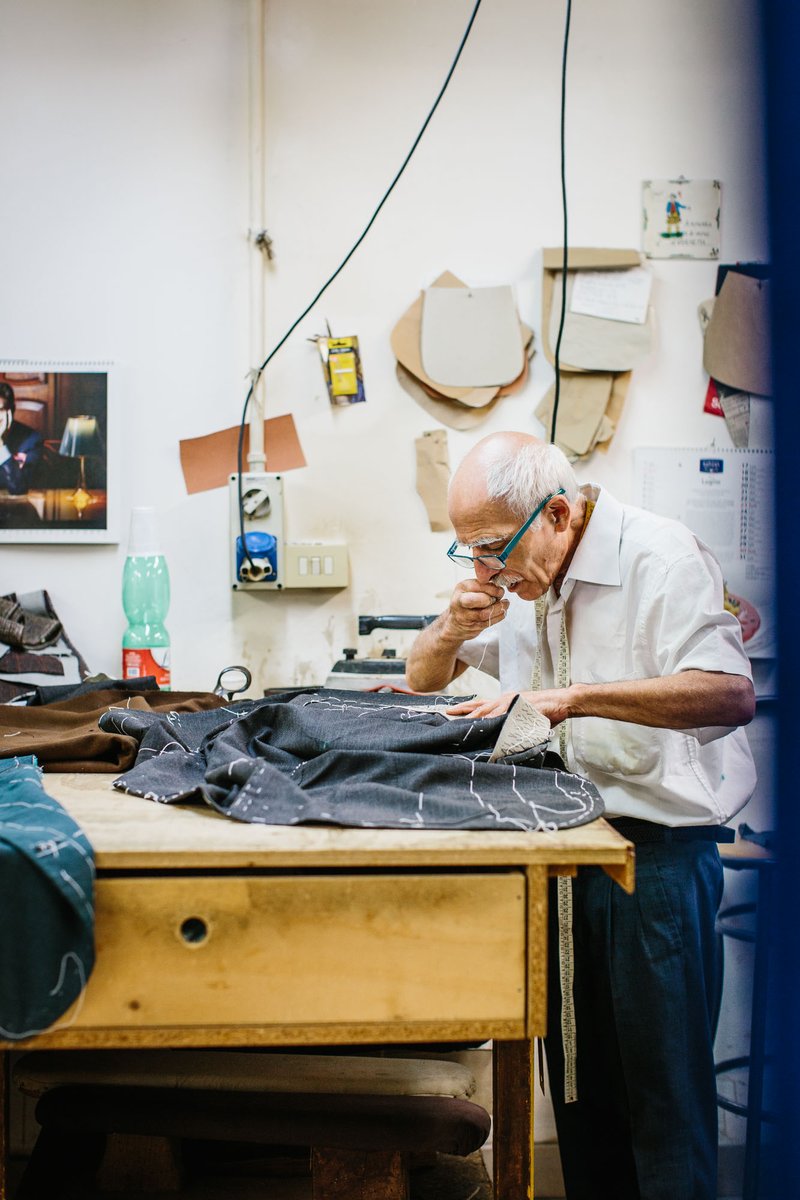

Of course, there are other people in this process, such as finishers, pressers, and even pocket makers, but the cutter and tailor are the two main people on the team.
Hence the name of this influential 20th century trade publication: Tailor & Cutter.
Hence the name of this influential 20th century trade publication: Tailor & Cutter.


Sophisticated clients might make the distinction between their cutter and tailor. In fact, when a cutter leaves a tailoring house, it's not uncommon for clients to follow them to their new firm, as your cutter is as important to you as your barber. It's a close relationship.


However, most men who buy bespoke clothes will simply refer to the person at the tailoring house as their tailor — even if the person is actually their cutter. This is fine.
Unfortunately, the term tailor has been bastardized in the last ~50 years, often by made-to-measure shops
Unfortunately, the term tailor has been bastardized in the last ~50 years, often by made-to-measure shops


MTM is distinct from bespoke. In this system, someone measures you and sends those numbers to factory, often located overseas. The factory then adjusts a block pattern and makes the garment straight to finish. The garment is then sent to the retail partner for your fitting.

This system is typically mechanized and computerized to create efficiencies and lower cost. The person below is adjusting a block pattern using a computer aided design program (CAD). They are not a cutter or a tailor. They will also never see the client in-person.

The person at the clothing shop is also not a tailor or cutter, as they don't know how to sew fabric, draft patterns, or cut cloth. Doesn't matter if they take your measurements or fit you. They can be described as a fitter, sales person, or business person, but not tailor.


I bring this up because I have a lot of respect for real tailors and would like to see this craft survive. If MTM shops start calling themselves bespoke or if salespeople start calling themselves tailors, it makes it harder for real tailors to distinguish themselves.
The market nowadays is full of hucksters who play up the idea of custom clothing ("You can get a contrast buttonhole or wacky lining! Oo la la, an expensive fabric sir!). But they are not tailors. There are many honest MTM operations that are good — but also many that are bad.
Tim doesn't have a tailor; he has a MTM clothier. We can judge this because the armhole here is too low, causing the lapel to buckle off his chest when he hugs his friend. The back of the top buttonhole is machine made. Pick stitching was done with an AMF machine, not by hand.

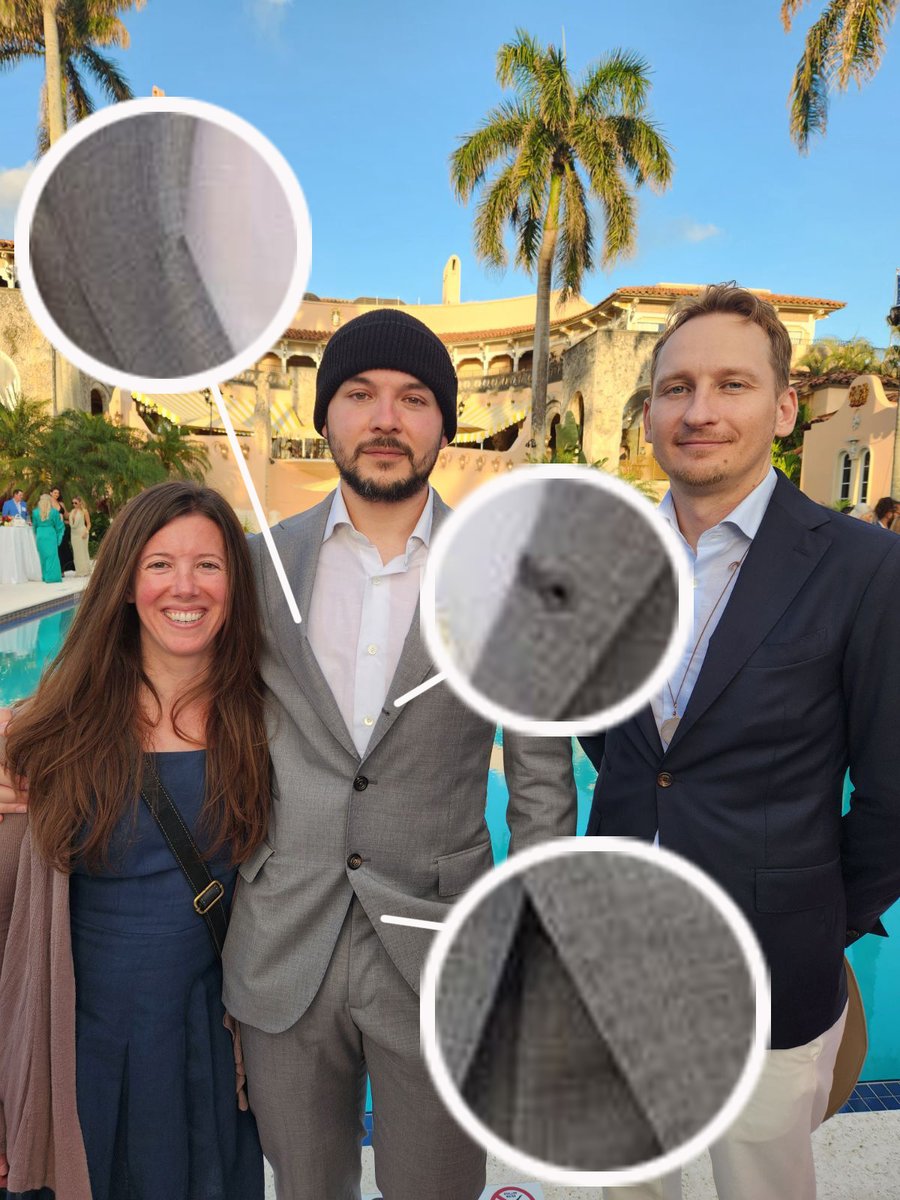
It's very important to stress: there's nothing wrong with using a MTM clothier. In fact, you are better off with a good MTM clothier than a bad bespoke tailor. Do not confuse these terms with "quality." I only lay it out because it's important to know what is a tailor.
A real tailor is unlikely to say this is "proper attire at high class events." Tate uses MTM clothiers and ready-to-wear shops. His clothes are mostly derivative of early 2000 trends, once labeled as "metrosexual."
Carlson's jackets fit fairly well, but his pants are too small.
Carlson's jackets fit fairly well, but his pants are too small.

In such cases, whether they wear socks is irrelevant, as they should simply get new clothes. Compare these two outfits, which are relatively similar except for the cut of the pants. Carlson would look better with a higher rise and looser straight cut.


Here is a real bespoke tailor: Gennaro Solito. I think he's one of the best tailors in Naples, Italy (although much of the work now is done by his son, Luigi). He wears a brown wool-silk-linen jacket with a white shirt, tan trousers, and brown shell cordovan loafers. No socks.


The outfit works because it follows in that old tradition: a semi-casual outfit with semi-casual shoes. It's a look men have worn over a century — even the King of Spain agrees.
However, socks or no socks doesn't matter if the overall outfit is ugly. Tate should see a tailor.
However, socks or no socks doesn't matter if the overall outfit is ugly. Tate should see a tailor.


• • •
Missing some Tweet in this thread? You can try to
force a refresh