Some people are incredulous that you can wear certain shoes without socks, such as leather loafers. Much depends on your body and climate. But I'll tell you one reason why you find this difficult to believe: you buy low quality footwear. 🧵 

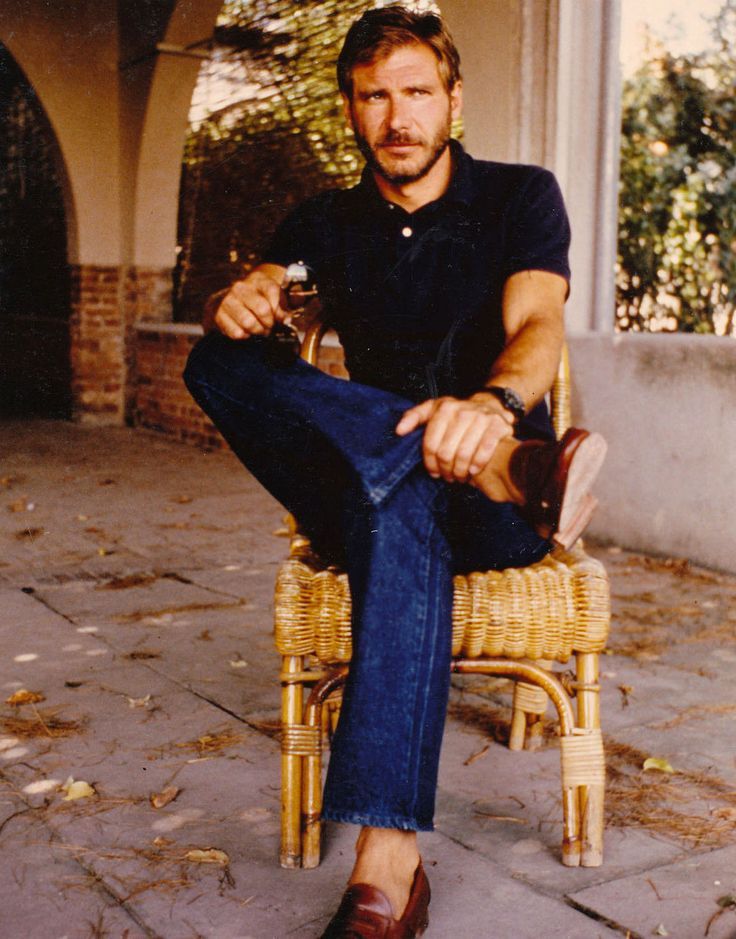
It's absolutely possible to wear certain shoes without socks. As mentioned in an earlier thread, men have been doing this for over a hundred years. Going sockless makes sense if the outfit is semi-casual (not business clothes).

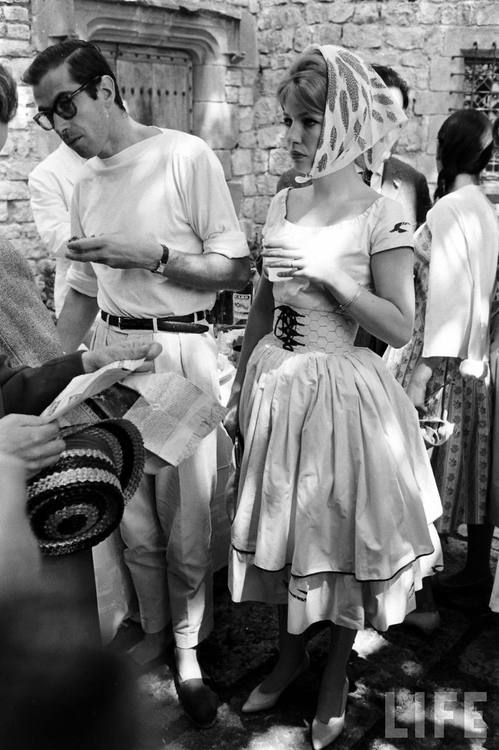


In fact, if you wear socks with certain footwear styles, such as espadrilles, you will look like you don't know what you're doing.


Go back to old issues of Apparel Arts and Esquire, published in the 1920s through 30s, and you'll find many examples of men wearing shoes without socks. These were often resort or vacation clothes. Business clothes in town required socks.


But how is it possible for so many men in the past to wear shoes without socks, and for the concept to seem so foreign to many today? I think there are a few things at play. First, what was considered casual in the past (e.g. linen suit) is now considered "formal."
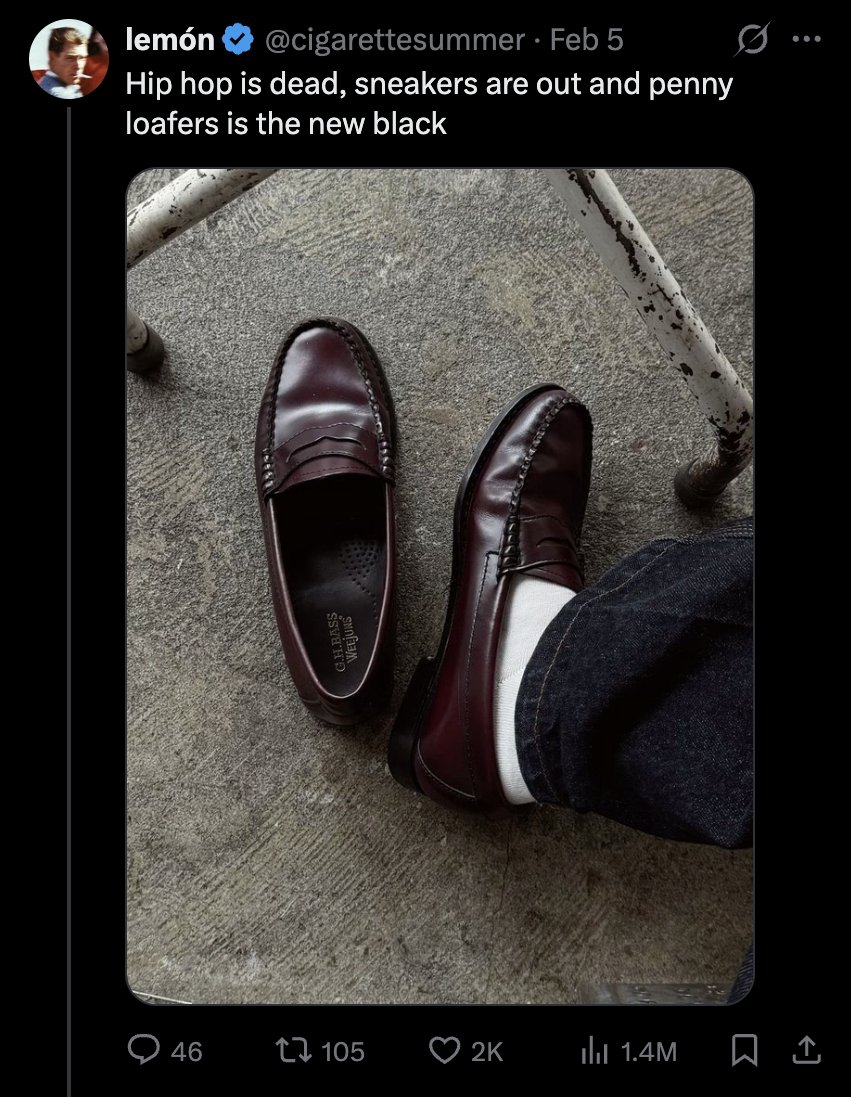
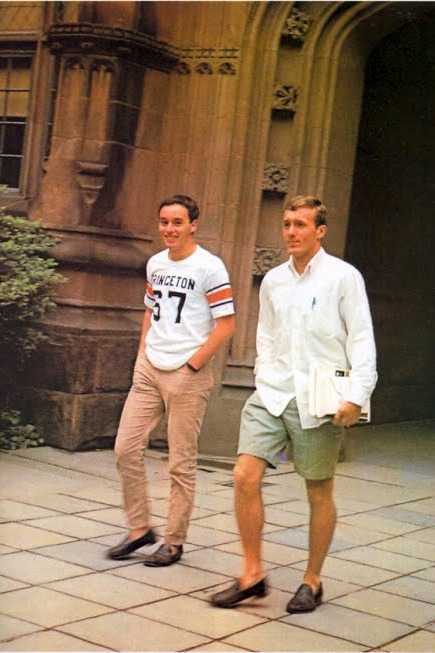
If you're wearing a dark worsted business suit, you need to wear socks (pic 1 is bad). But there's nuance in tailoring. A linen suit with espadrilles or a wool-silk-linen sport coat with loafers can be worn sans socks because they are on the casual side of the spectrum.


So the first step is to know how to read the language of tailoring. IMO, many ppl lack this nuance.
Second, when you look at old photos of men wearing shoes without socks, they are often taken during an age when footwear met certain quality standards.
What are those standards?
Second, when you look at old photos of men wearing shoes without socks, they are often taken during an age when footwear met certain quality standards.
What are those standards?


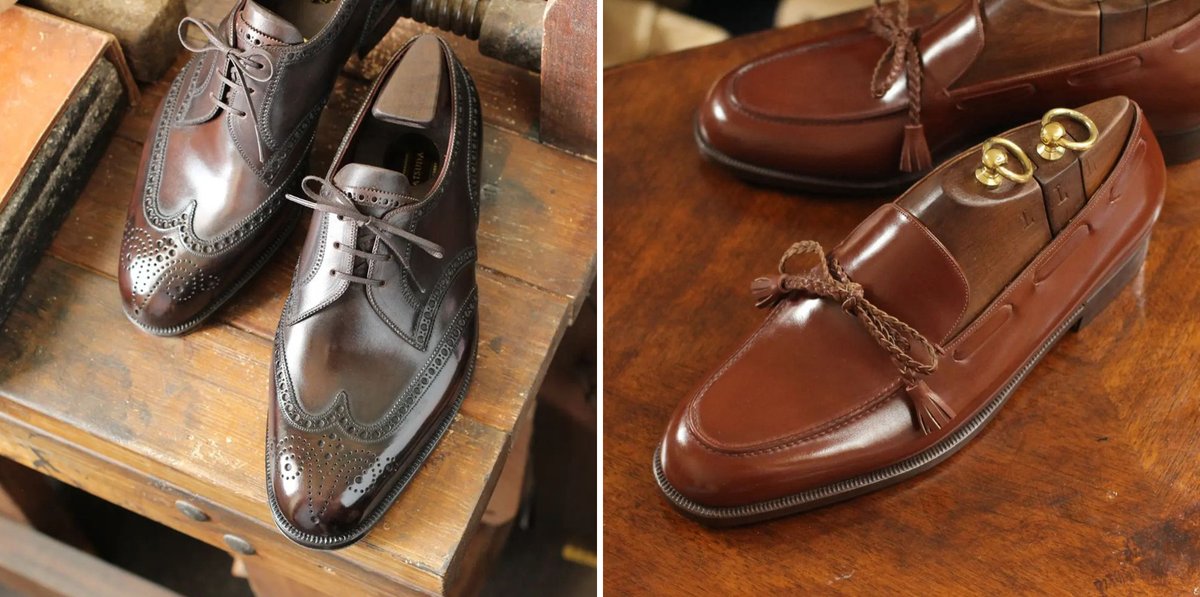
First, the uppers were made from full grain leather, whereas cheap footwear today is made from corrected grain.
What's the difference? To understand, we have to go back to the animal. Throughout an animal's life, they may develop scars from tick bites or barbed wire.
What's the difference? To understand, we have to go back to the animal. Throughout an animal's life, they may develop scars from tick bites or barbed wire.


These damaged hides will be sold at a lower price. To get the most yield out of the hide, a tannery will commonly sand down the skin's surface to make it uniform, then coat it with some chemical. Hence "corrected grain leather."

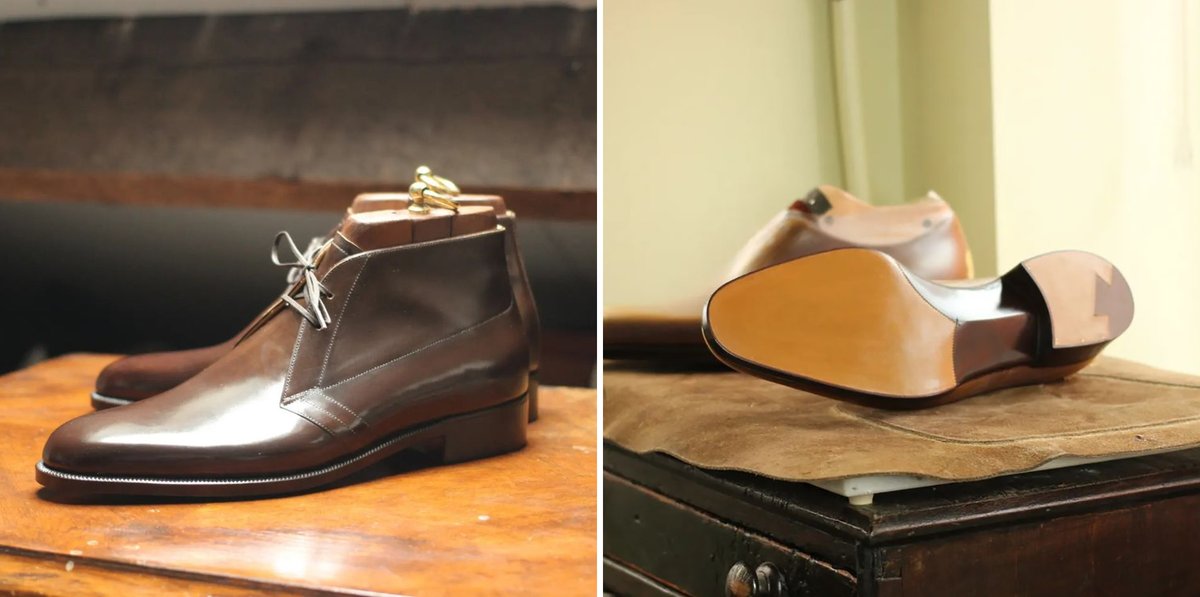
Corrected grain leather may look great on day one, but over time, the chemical coating can crack and flake off. That's why it's better to go for full grain leather, where the material develops a patina and looks better with time.
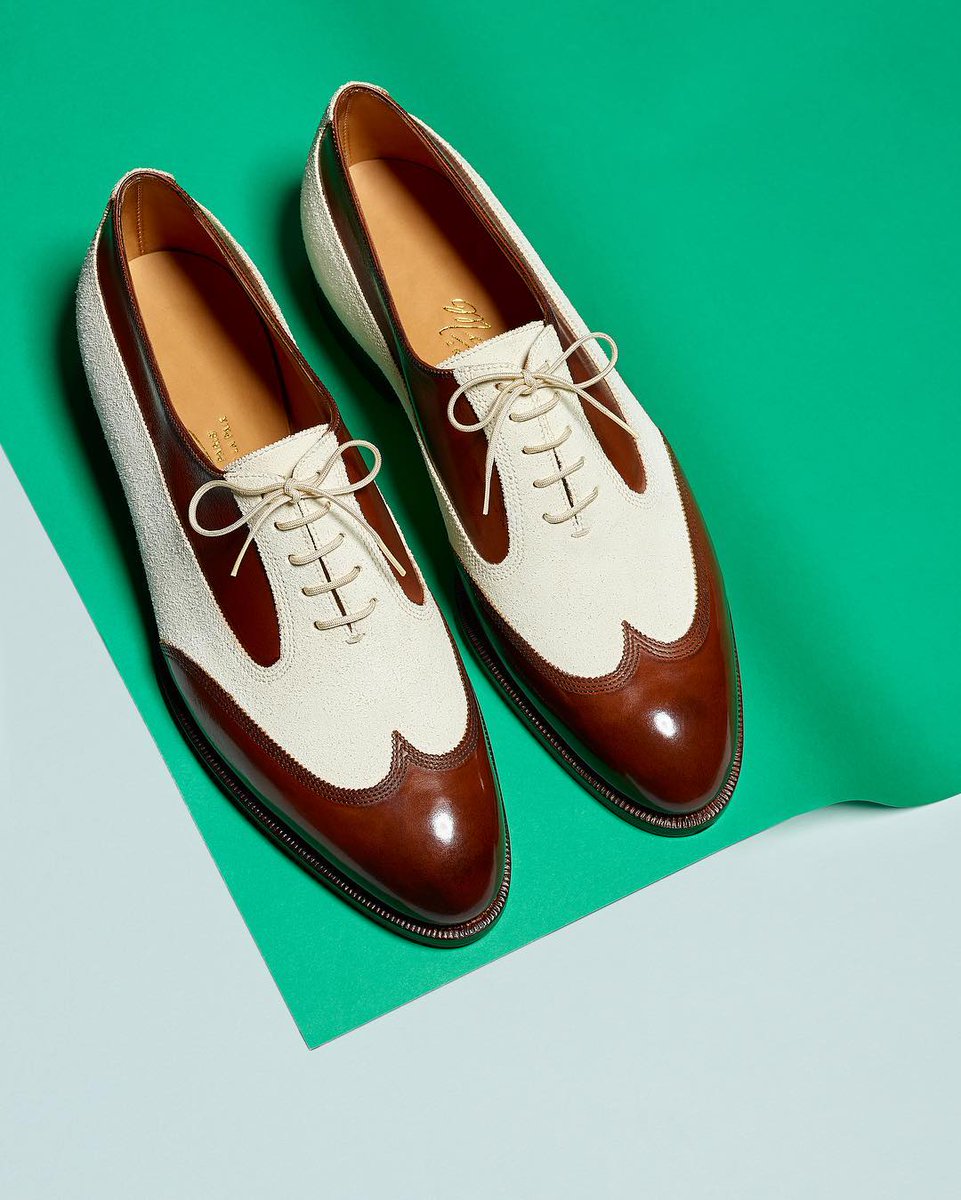
Pic 1: corrected; Pic 2: full grain.
Pic 1: corrected; Pic 2: full grain.


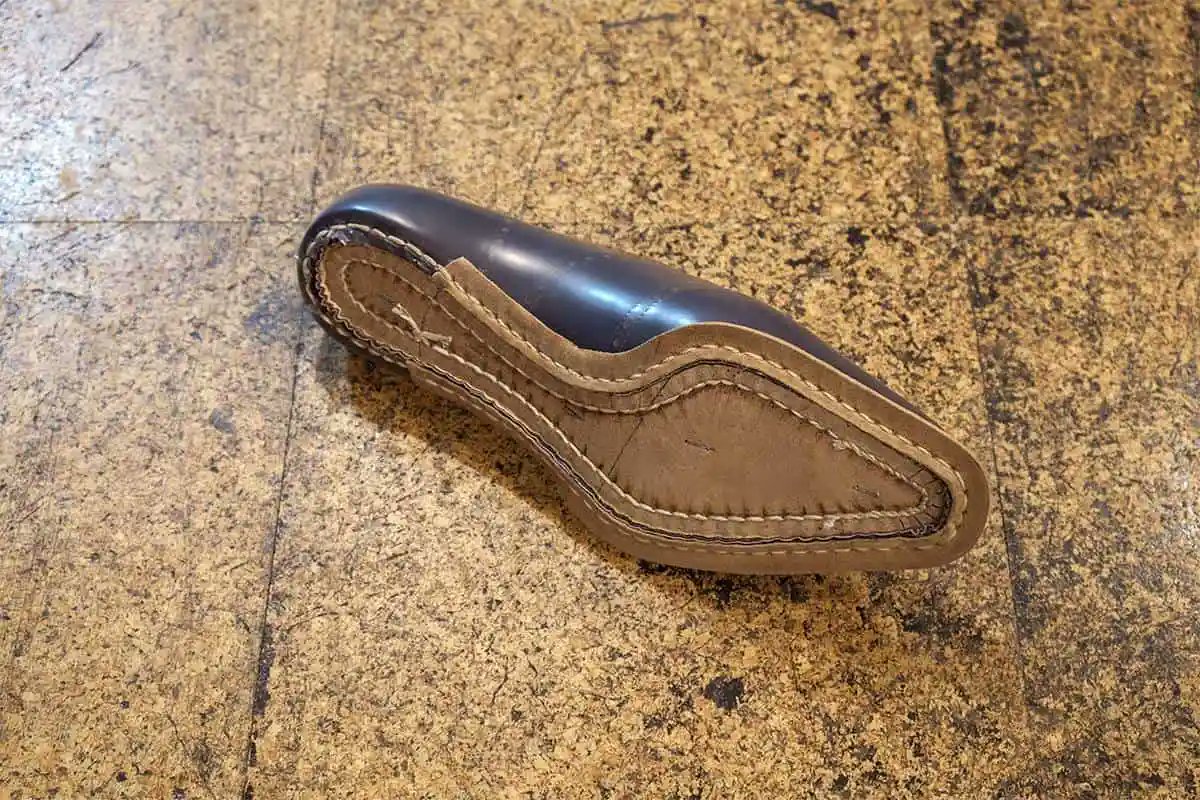
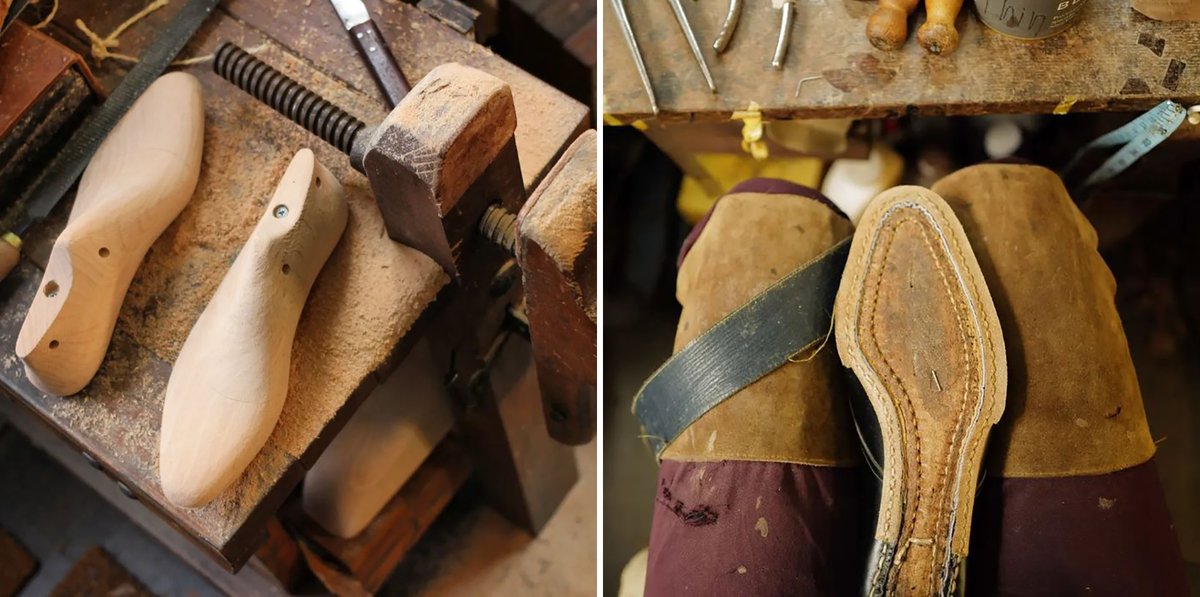
The other aspect is how the soles have been attached to the uppers. Back in the day, shoes were made by attaching the soles using some kind of stitch — methods such as Goodyear welted, Blake stitching, or handwelting. In this way, you can more easily resole the shoes.

Today, cheap footwear is commonly made by just slapping the sole onto the uppers and attaching them using glue.
For sneakers, the sole may also be rubber, not leather.
For sneakers, the sole may also be rubber, not leather.

Now, imagine what happens when you buy cheap shoes. The top of your foot is covered in corrected grain leather, which has been coated with some kind of chemical. The bottom of your shoes might be rubber, which have been attached using glue.

Is it any wonder why you sweat so much in your shoes? You've covered your foot in non-breathable materials.
Compare that with a full grain leather shoe attached to a leather sole that has been sewn on. The footbed is natural cork. This construction will breathe better.
Compare that with a full grain leather shoe attached to a leather sole that has been sewn on. The footbed is natural cork. This construction will breathe better.

Of course, I can't say for sure whether you can wear shoes without socks. I don't know your body (maybe you sweat profusely), your climate (maybe you live in a very humid, hot climate), or your wardrobe (sneakers are sometimes the best choice for certain outfits).
But plenty of men wear shoes without socks (hopefully, not with dark worsted suits, as that will look stupid). And they are comfortable. If you are looking for an in-between solution, you can use terry cloth insoles and sprinkle in some Gold Bond powder. The insoles are washable.

• • •
Missing some Tweet in this thread? You can try to
force a refresh