In 1990, the woman with history's highest IQ (228) made a "stupid mistake" in the Monty Hall problem.
Everyone laughed and mocked her.
But she was right and everyone was wrong.
Once you understand what she saw, you can't unsee it: 🧵
Everyone laughed and mocked her.
But she was right and everyone was wrong.
Once you understand what she saw, you can't unsee it: 🧵
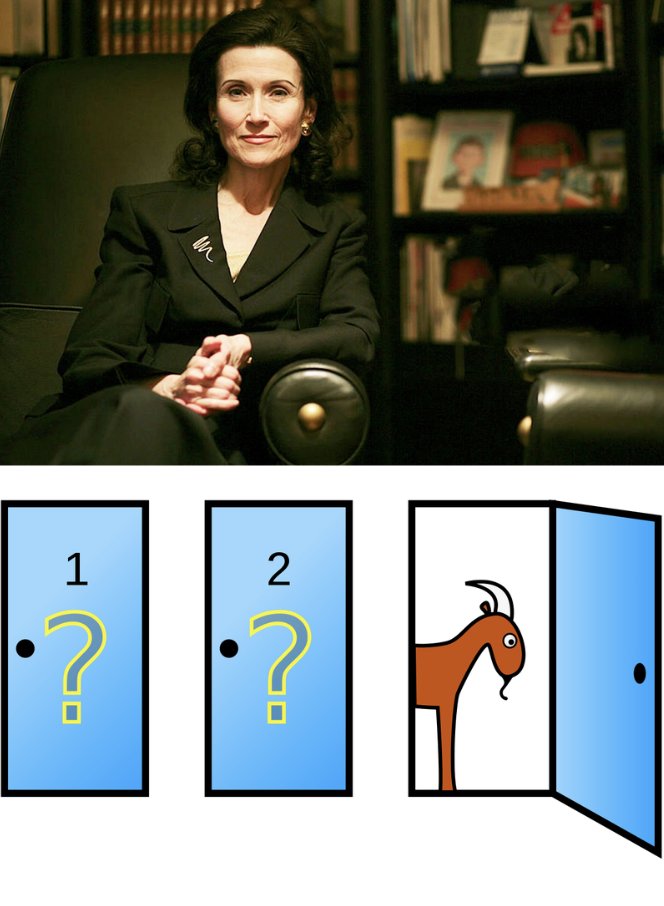
Born Marilyn Mach in 1946, she tested at genius level by age 10—with the mind of a 22-year-old.
Her parents kept it quiet to protect her childhood.
They didn’t know she'd need every bit of that brilliance to survive what came next.
Her parents kept it quiet to protect her childhood.
They didn’t know she'd need every bit of that brilliance to survive what came next.
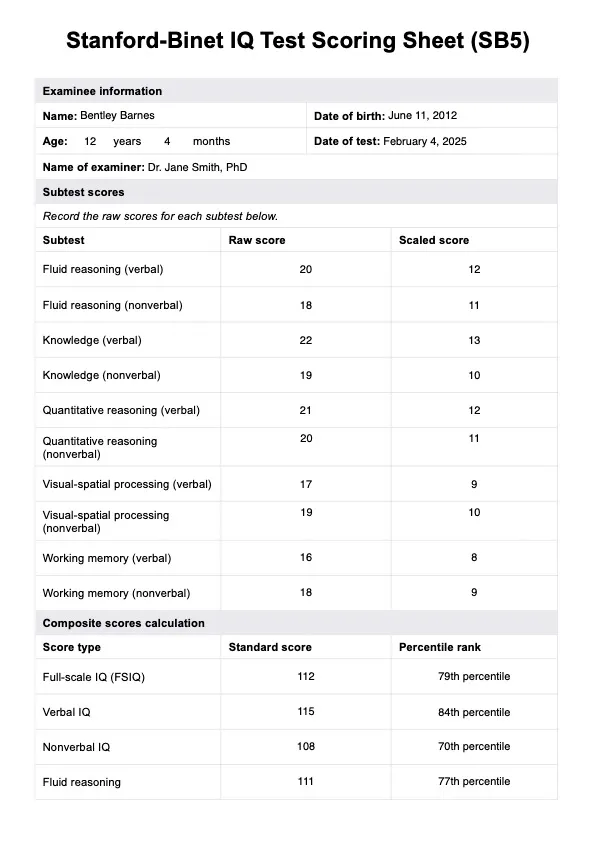

By the 1980s, the Guinness Book of World Records officially recognized her IQ of 228.
The highest ever recorded in human history.
This launched her into fame and led to her "Ask Marilyn" column in Parade magazine.
But fame would soon become a battlefield.
The highest ever recorded in human history.
This launched her into fame and led to her "Ask Marilyn" column in Parade magazine.
But fame would soon become a battlefield.
In 1990, a reader asked Marilyn Vos Savant:
"You're on a game show with 3 doors—1 has a car, 2 have goats.
You pick door #1. The host opens door #3: it’s a goat.
Should you switch to door #2?"
Marilyn’s answer was clear: “Yes, you should switch.”
"You're on a game show with 3 doors—1 has a car, 2 have goats.
You pick door #1. The host opens door #3: it’s a goat.
Should you switch to door #2?"
Marilyn’s answer was clear: “Yes, you should switch.”

What happened next shocked even Marilyn.
The letters started pouring in.
First dozens, then hundreds, then thousands.
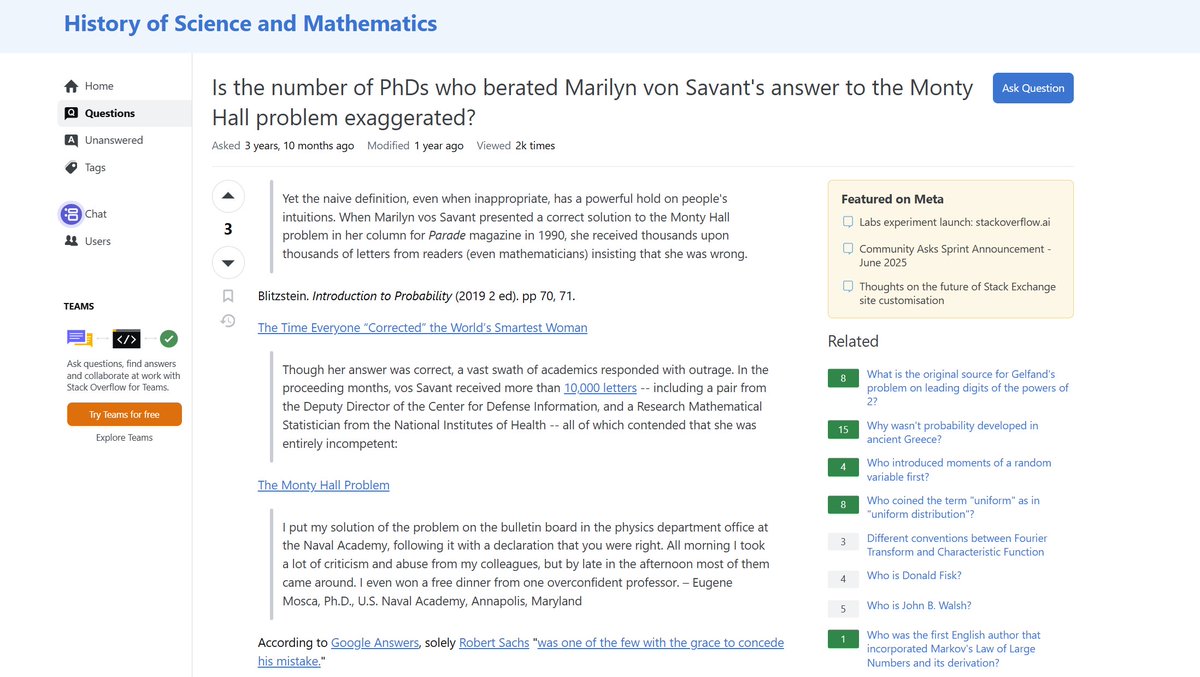
Over 10,000 letters arrived - nearly 1,000 from PhD holders.
The letters started pouring in.
First dozens, then hundreds, then thousands.
Over 10,000 letters arrived - nearly 1,000 from PhD holders.
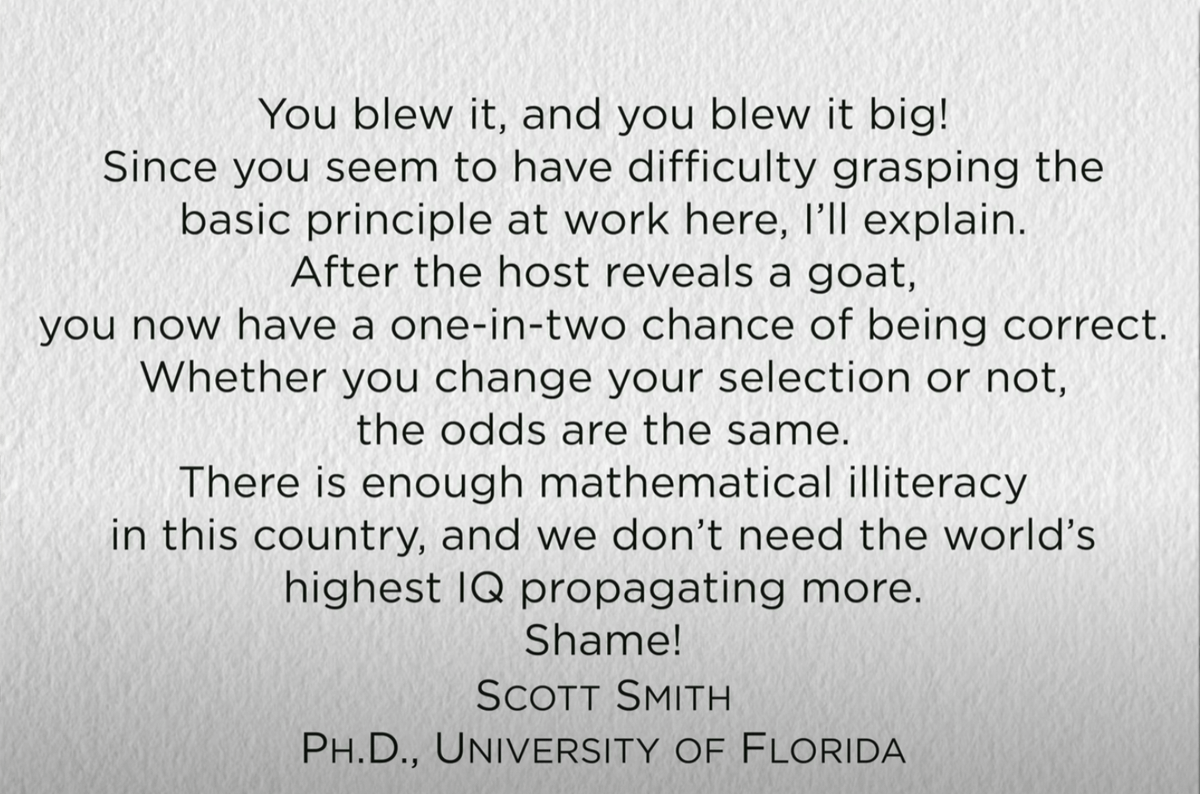
“You blew it big.”
“Female logic.”
“Shame on you.”
They doubted a woman could do math.
Marilyn Vos Savant answered:
“Yes, you should switch.”
“Female logic.”
“Shame on you.”
They doubted a woman could do math.
Marilyn Vos Savant answered:
“Yes, you should switch.”
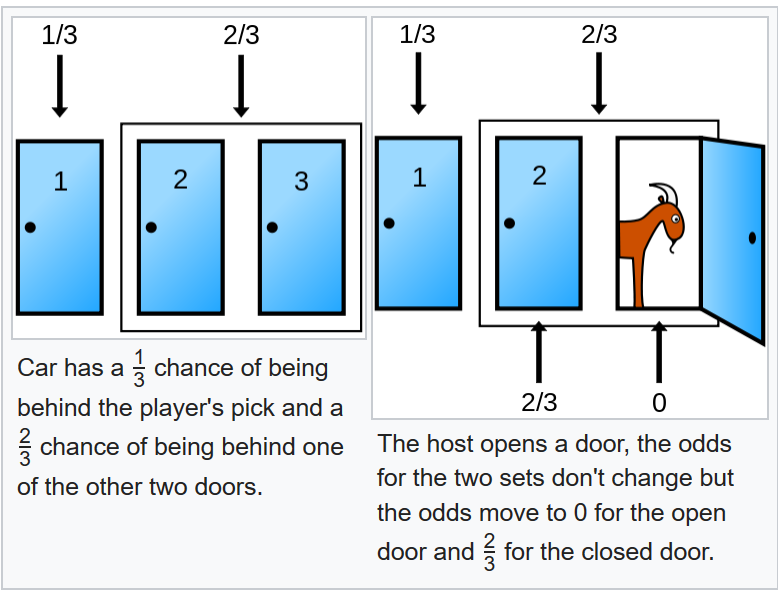
What everyone missed:
Marilyn was 100% right.
Most people reset the scenario in their heads — "Two doors left = 50/50."
But probability doesn’t reset.
It accumulates.
That’s why her answer felt wrong, but was dead accurate.
Marilyn was 100% right.
Most people reset the scenario in their heads — "Two doors left = 50/50."
But probability doesn’t reset.
It accumulates.
That’s why her answer felt wrong, but was dead accurate.

Think of it with 100 doors instead of 3:
You pick one door (1% chance of being right).
The host opens 98 doors with goats.
Would you really stick with your original 1% door over the remaining door with 99% probability?
Suddenly, the logic becomes crystal clear.
You pick one door (1% chance of being right).
The host opens 98 doors with goats.
Would you really stick with your original 1% door over the remaining door with 99% probability?
Suddenly, the logic becomes crystal clear.
The vindication came slowly, then all at once.
MIT ran computer simulations proving her right.
MythBusters tested it experimentally - she was correct.
MIT ran computer simulations proving her right.
MythBusters tested it experimentally - she was correct.

Mathematics departments worldwide began teaching the problem.
Even the physicists who initially mocked her had to concede.
Even the physicists who initially mocked her had to concede.
By 1992, the tide had turned:
56% of general readers accepted her answer.
71% of academics finally agreed with her.
Some professors even publicly apologized.
She had been right all along, standing alone against thousands.
56% of general readers accepted her answer.
71% of academics finally agreed with her.
Some professors even publicly apologized.
She had been right all along, standing alone against thousands.
But this wasn't just about math - it revealed something deeper.
Our education system teaches us to memorize, not question.
When faced with counterintuitive truth, we attack the messenger rather than examine our assumptions.
Marilyn saw through the illusion.
Our education system teaches us to memorize, not question.
When faced with counterintuitive truth, we attack the messenger rather than examine our assumptions.
Marilyn saw through the illusion.
The woman with the world's highest IQ didn't just solve a probability puzzle.
She demonstrated:
True genius isn't just intelligence - it's the courage to stand by truth when the whole world disagrees.
Even when they're shouting you down.
She demonstrated:
True genius isn't just intelligence - it's the courage to stand by truth when the whole world disagrees.
Even when they're shouting you down.
If this thread grabbed you, join my mission:
"Schools hide the best history stories. I dig up the wild, forgotten moments that shaped our world."
Follow @GeniusGTX for the genius moments history class never taught you.
Written by @ToanTruongGTX.
"Schools hide the best history stories. I dig up the wild, forgotten moments that shaped our world."
Follow @GeniusGTX for the genius moments history class never taught you.
Written by @ToanTruongGTX.
https://twitter.com/1616717958411059202/status/1945483622158631411
Thank you for reading this thread.
What’s your ONE big takeaway from this story?
Follow me @GeniusGTX for more threads about the hidden brilliance of ancient civilizations.
What’s your ONE big takeaway from this story?
Follow me @GeniusGTX for more threads about the hidden brilliance of ancient civilizations.
• • •
Missing some Tweet in this thread? You can try to
force a refresh