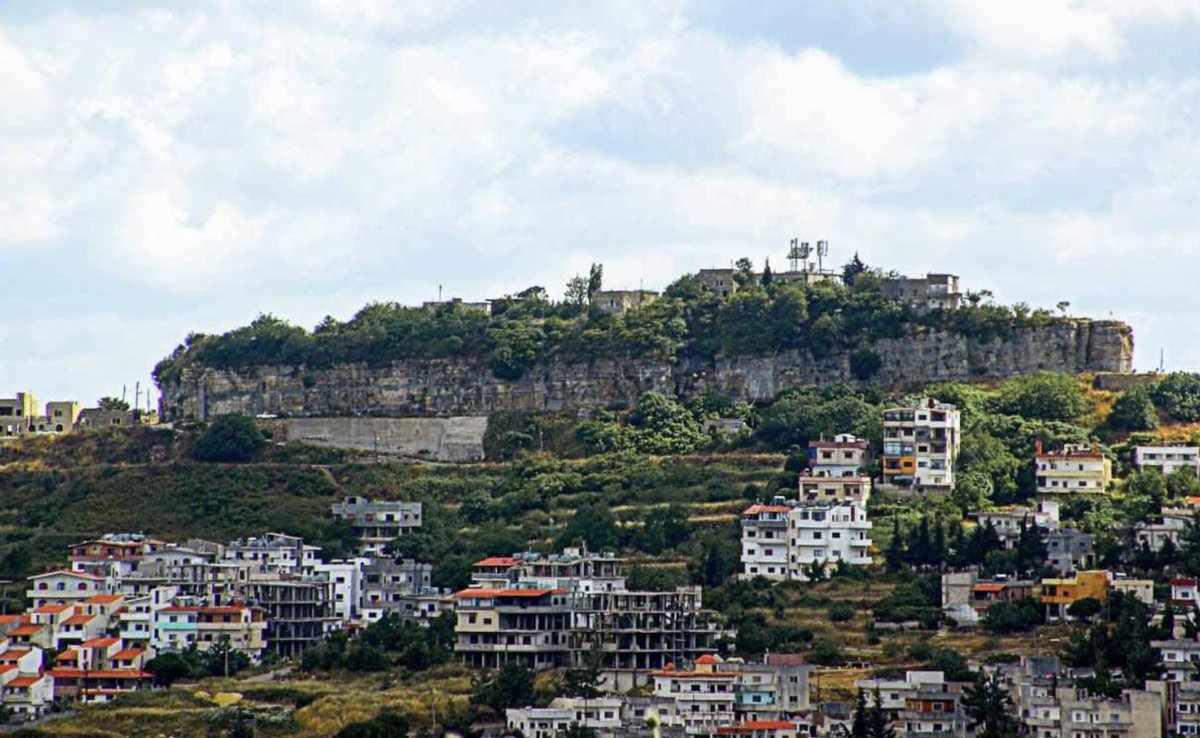
How to Understand the battle between Damascus and the Jabal Druze
Read this thread 🧵
History provides important context for the battle being waged today in the Jabal Druze
This is not the first time that the Druze demand regional autonomy and a federal system. Let's see what happened to them the first time they demanded autonomy in 1946.
Read this thread 🧵
History provides important context for the battle being waged today in the Jabal Druze
This is not the first time that the Druze demand regional autonomy and a federal system. Let's see what happened to them the first time they demanded autonomy in 1946.
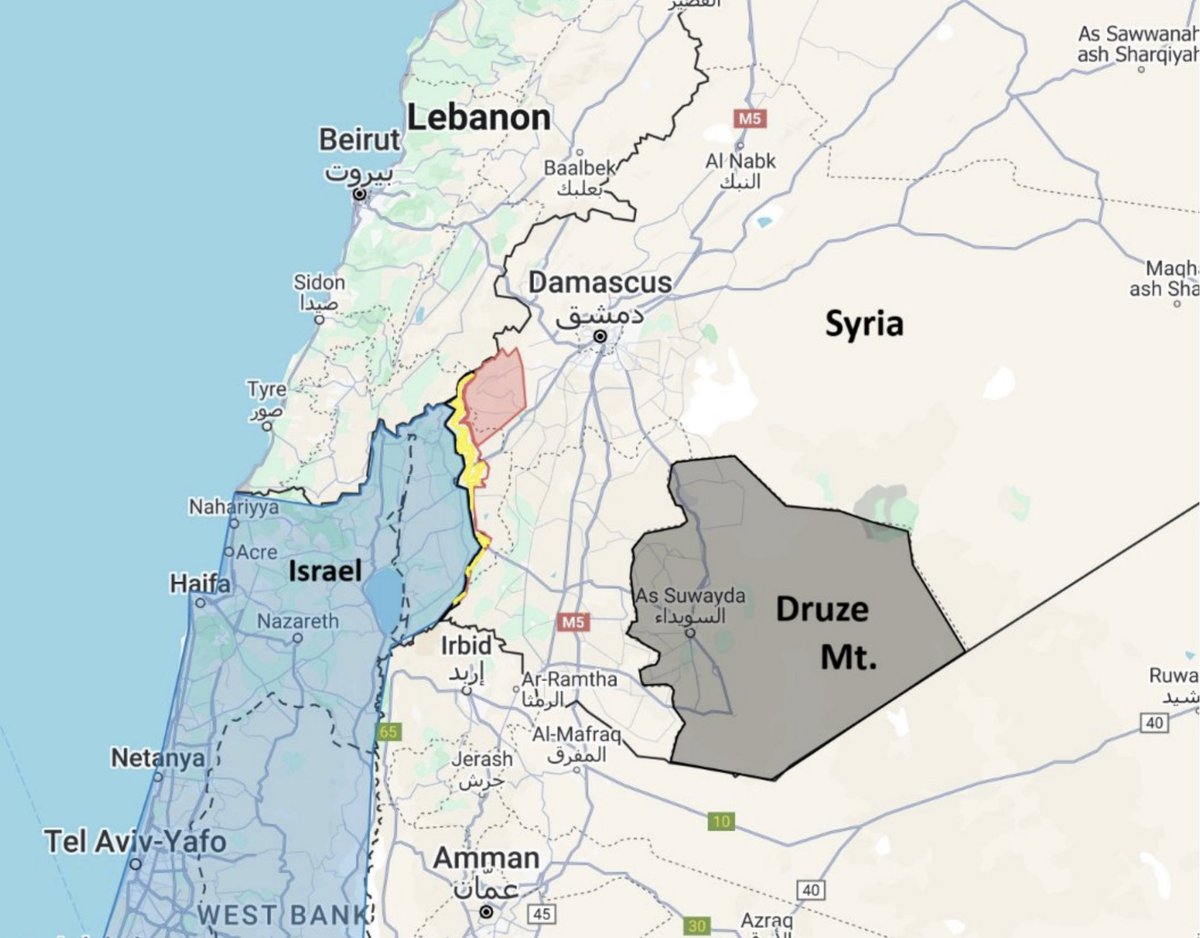
The leaders of the Druze demanded autonomy in 1946 at #Syrian independence.
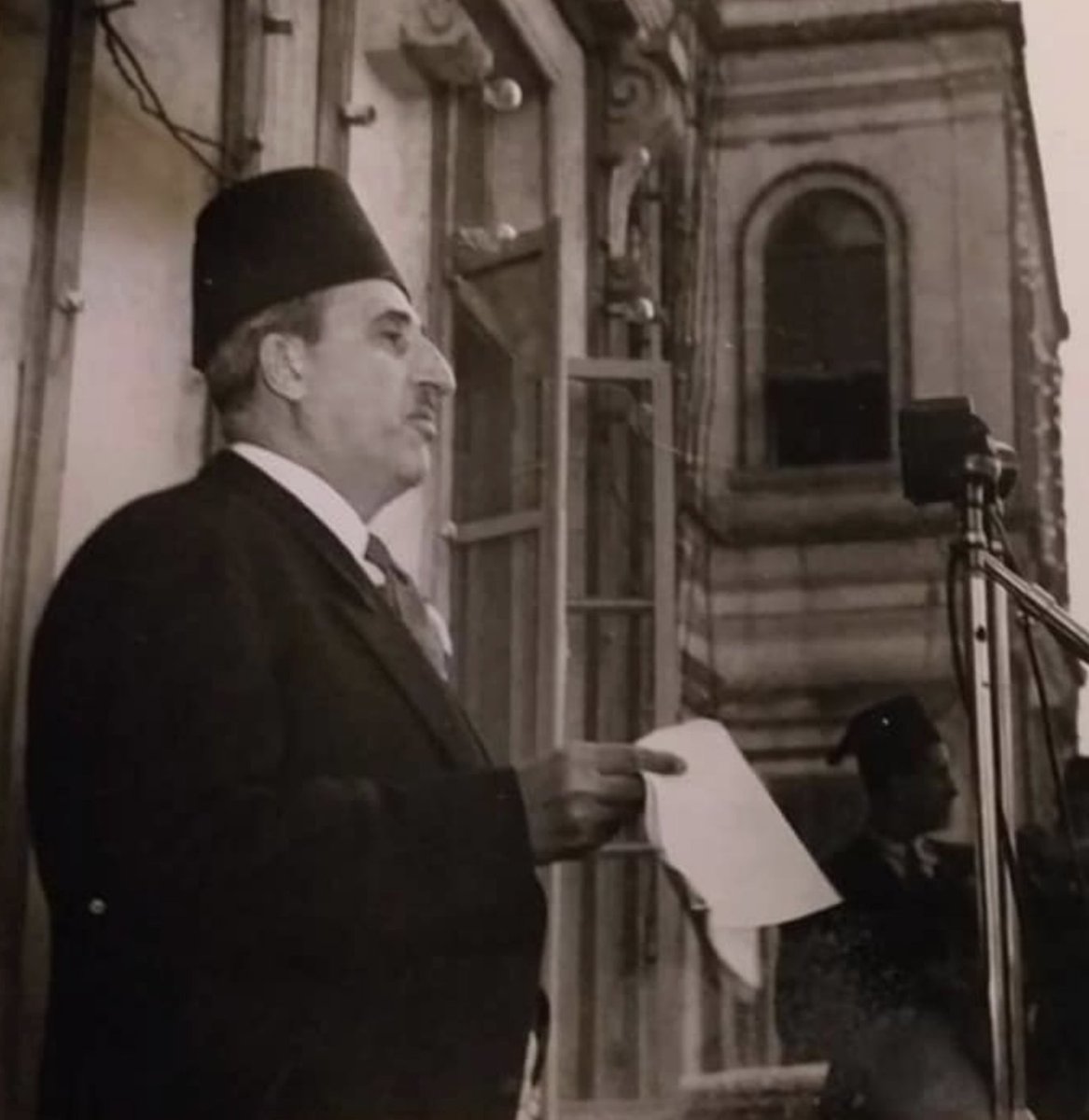
President Quwatli refused it and relations between the two quickly turned to war, ending with the bombardment of the Jabal Druze by President Shishakli in 1954. Most issues were the same then as they are today.
(These events are quotes are taken from my article: "Shishakli and the Druze: Integration and Intransigence." joshualandis.oucreate.com/Joshua_Landis_…
President Quwatli refused it and relations between the two quickly turned to war, ending with the bombardment of the Jabal Druze by President Shishakli in 1954. Most issues were the same then as they are today.
(These events are quotes are taken from my article: "Shishakli and the Druze: Integration and Intransigence." joshualandis.oucreate.com/Joshua_Landis_…
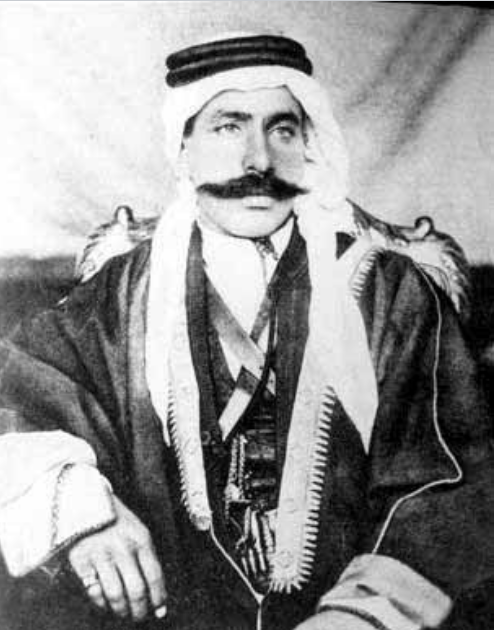
Under the military leadership of Sultan Pasha al-Atrash, the Druzes provided much of the military force behind the Great Syrian Revolt against the French that raged from 1925 to 1927.
In 1945 Amir Hasan al-Atrash, the paramount political leader of the Jabal, led the Druze military units in a successful revolt against the French, making the Jabal Druze the first and only region in Syria to liberate itself without British assistance from French rule. Because of the Druze success in arresting all the French soldiers in the Jabal, months before other parts of Syria, it was able to establish an autonomous administration and self rule well before President Quwatli was able to proclaim Syrian independence in April 1946.
No Syrians played a more heroic role in the struggle against colonialism or shed more blood for independence than the Druzes. The Druzes, made confident by their successes, demanded to keep their autonomous administration and many political privileges accorded them by the French. They also sought generous economic assistance from the newly independent Syrian government.
Sultan al-Atrash and Hasan al-Atrash
In 1945 Amir Hasan al-Atrash, the paramount political leader of the Jabal, led the Druze military units in a successful revolt against the French, making the Jabal Druze the first and only region in Syria to liberate itself without British assistance from French rule. Because of the Druze success in arresting all the French soldiers in the Jabal, months before other parts of Syria, it was able to establish an autonomous administration and self rule well before President Quwatli was able to proclaim Syrian independence in April 1946.
No Syrians played a more heroic role in the struggle against colonialism or shed more blood for independence than the Druzes. The Druzes, made confident by their successes, demanded to keep their autonomous administration and many political privileges accorded them by the French. They also sought generous economic assistance from the newly independent Syrian government.
Sultan al-Atrash and Hasan al-Atrash

In contrast to the Druzes, the Alawites of Syria's western mountains had little political clout during the early independence era. Although they constituted 12% of Syria's population and its largest compact minority, they did not form a cohesive society as did the Druzes, and their tribal leaders held no weight in nationalist circles. Following the suppression of the 1946 Alawite Revolt and the hanging of Sulayman al-Murshid, local Alawite autonomy was dismantled and the Alawite community all but disappeared from the national stage until the 1960s, when Alawite military officers would organize within the military to take power from Syria's Sunni urban elites.
The Kurds, Syria's other important compact minority constituting close to 10% of the population in the 1950s, were even less influential than the Alawites.
The Director General of Syrian Tribal Affairs in 1948 explained why the Kurdish community situated on Syria's northeast boarder with Turkey was no threat to Syria.
Because the "Kurdish tribes were in reality akin to feudal institutions," he said, the tribal chieftains owned all the land and could control their "serfs." In turn the government had firm control over the tribal leaders, he explained.
"Practically without exception the principal Kurdish leaders are under death sentence in Turkey and were they to show signs of asserting too much independence of action or to disregard the wishes of the Syrian Government in any important matter they could be conveniently disposed of by arranging to have them fall into Turkish hands."
As is the case today, the Damascus government in 1946 was worried about Syria's three compact minorities: the Alawites, Kurds and Druze. Today, it is the Kurds who present the greatest challenge to Damascus. In 1946, the Druze presented the greatest challenge.
The Kurds, Syria's other important compact minority constituting close to 10% of the population in the 1950s, were even less influential than the Alawites.
The Director General of Syrian Tribal Affairs in 1948 explained why the Kurdish community situated on Syria's northeast boarder with Turkey was no threat to Syria.
Because the "Kurdish tribes were in reality akin to feudal institutions," he said, the tribal chieftains owned all the land and could control their "serfs." In turn the government had firm control over the tribal leaders, he explained.
"Practically without exception the principal Kurdish leaders are under death sentence in Turkey and were they to show signs of asserting too much independence of action or to disregard the wishes of the Syrian Government in any important matter they could be conveniently disposed of by arranging to have them fall into Turkish hands."
As is the case today, the Damascus government in 1946 was worried about Syria's three compact minorities: the Alawites, Kurds and Druze. Today, it is the Kurds who present the greatest challenge to Damascus. In 1946, the Druze presented the greatest challenge.

What did the Druze want in 1946?
The Druzes were determined that they would not be humiliated and excluded from power like the Alawites and Kurds.
Ably led by the Atrash household and jealous of their reputation as Arab nationalists and proud warriors, the Druze leaders refused to be beaten into submission by Damascus or cowed by Quwatli's threats.
When a local paper in 1945 reported that President Quwatli (1943-1949) had called the Druzes a "dangerous minority," Sultan Pasha al-Atrash flew into a rage and demanded a public retraction.
If the retraction were not forthcoming, he announced, the Druzes would indeed become "dangerous," and a force of 4,000 Druze warriors would "occupy the city of Damascus."
In negotiations between the Syrian Minister of the Interior and Amir Hasan al-Atrash, Druze demands were two-fold: economic and political.
Amir Hasan insisted that Damascus pay for better schooling, roads, and a running water system in the Druze region.
Most importantly, the Atrashes did not want the government to destroy their authority in the Jabal or to marginalize the Druze in the name of Arab nationalism and the centralization of power.
The Druzes were determined that they would not be humiliated and excluded from power like the Alawites and Kurds.
Ably led by the Atrash household and jealous of their reputation as Arab nationalists and proud warriors, the Druze leaders refused to be beaten into submission by Damascus or cowed by Quwatli's threats.
When a local paper in 1945 reported that President Quwatli (1943-1949) had called the Druzes a "dangerous minority," Sultan Pasha al-Atrash flew into a rage and demanded a public retraction.
If the retraction were not forthcoming, he announced, the Druzes would indeed become "dangerous," and a force of 4,000 Druze warriors would "occupy the city of Damascus."
In negotiations between the Syrian Minister of the Interior and Amir Hasan al-Atrash, Druze demands were two-fold: economic and political.
Amir Hasan insisted that Damascus pay for better schooling, roads, and a running water system in the Druze region.
Most importantly, the Atrashes did not want the government to destroy their authority in the Jabal or to marginalize the Druze in the name of Arab nationalism and the centralization of power.
Amir Hasan al-Atrash in 1946 demanded that a quasi-independent Druze Ministry of Defense be established with a minister chosen from the Jabal Druze. This is not much different from the demands of both the Druze and Kurdish leaders today.
During the four years of his presidency, Quwwatli remained locked in a destructive and inconclusive struggle with the Druze chieftains over control of the Jabal. He did not have the military means to destroy the Atrashes or conquer the Jabal.
At the outset of independence, the Jabal was, as one observer put it, "ruled absolutely by the Atrash family, whose members, or their nominees, fill all the important posts." Atrashes staffed the top twenty positions in the local administration, including the head of the 350 Druze gendarmes and the Druze police force; the qa'immaqams (county commissioners) and lessor district administrators were clan leaders appointed by Amir Hasan.
The 850 strong Groupement Druze stationed in the Jabal had been renamed the Druze Cavalry Battalion by the Amir, following its expulsion of the French in 1945. Major Hamid al-Atrash was its commander.
When Hasan al-Atrash was asked to abandon his feudal authority and the monopoly over office-holding in the Jabal enjoyed by his family, he flew into a rage. "The Atrash family by right of conquest and tradition are the natural and historical leaders" of the Druzes, he proclaimed.
He ridiculed the notion that anyone but an Atrash could rule the Jabal, and insisted that only the community's traditional rulers could safeguard the interests of the Druzes. The mistrust separating the two sides was profound and precluded either from negotiating seriously over power-sharing arrangements.
President Quwatli devoted all the government's money spent in the Jabal on activities designed to destroy the power of the Atrashes, rather than to develop the economy and raise the standard of living.
At the outset of independence, the Jabal was, as one observer put it, "ruled absolutely by the Atrash family, whose members, or their nominees, fill all the important posts." Atrashes staffed the top twenty positions in the local administration, including the head of the 350 Druze gendarmes and the Druze police force; the qa'immaqams (county commissioners) and lessor district administrators were clan leaders appointed by Amir Hasan.
The 850 strong Groupement Druze stationed in the Jabal had been renamed the Druze Cavalry Battalion by the Amir, following its expulsion of the French in 1945. Major Hamid al-Atrash was its commander.
When Hasan al-Atrash was asked to abandon his feudal authority and the monopoly over office-holding in the Jabal enjoyed by his family, he flew into a rage. "The Atrash family by right of conquest and tradition are the natural and historical leaders" of the Druzes, he proclaimed.
He ridiculed the notion that anyone but an Atrash could rule the Jabal, and insisted that only the community's traditional rulers could safeguard the interests of the Druzes. The mistrust separating the two sides was profound and precluded either from negotiating seriously over power-sharing arrangements.
President Quwatli devoted all the government's money spent in the Jabal on activities designed to destroy the power of the Atrashes, rather than to develop the economy and raise the standard of living.
When national elections held in July 1947 resulted in a stunning victory for the five Atrash candidates in the Jabal districts, the government announced that the voting process in the Jabal had been fraudulent, despite claims to the contrary by its own election supervisor in the region.
President Quwatli insisted that new elections would have to be held for the five Jabal seats. New elections were never held and the Druze seats in the Syrian Parliament remained vacant until the end of Quwatli's presidency in 1949, when he was overthrown by the head of the Syrian Army, Husni al-Zaim.
President Quwatli insisted that new elections would have to be held for the five Jabal seats. New elections were never held and the Druze seats in the Syrian Parliament remained vacant until the end of Quwatli's presidency in 1949, when he was overthrown by the head of the Syrian Army, Husni al-Zaim.
Because President Quwatli could not defeat the Druze outright, he decided to provoked a civil war among the Druze clans. (The analog today is the fighting between the Bedouin and Druze in Suwayda, which the government has used as a pretext to invade the region and impose Damascus's control.)
Quwatli established a secret fund to finance his divide and conquer scheme. The government armed and funded a collection of secondary Druze clan leaders from the northern Jabal who called themselves the Jabha al-Sha`biyya (Peoples' Front) or more simply the Sha`biyyun, or Populars.
The Populars wanted to supplant the Atrash and catapult themselves into the first rank of Druze society and politics. They accused the Atrashes of being traitors who were conspiring with the Jordanians to invade Syria and establish a throne for King `Abdallah in Damascus.
Today, the Druze are being accused of being traitors by Syria's Sunni majority because Israel is backing them.
The conflict between the Populars and the Atrashes led to a number of full pitched battles during the Fall of 1947. In July a Popular militia overran the town of Salkhad, shooting 20 Atrash supporters and expelling all its Atrash administrators. In November, they killed an additional 20 in an attack on Qraya, Sultan Pasha's village.
But the Atrashes completely routed the Populars by the end of 1947, capturing their four principal leaders. The Atrashes shut the Jabal off from the rest of Syria by cutting the phone lines, roads, and railway connections to Damascus to prevent the Syrian army from intervening.
At the height of the fighting in the Jabal, the French Minister to Syria exclaimed: "We tried to split the Jabal for 25 years. Is the Syrian Government going to succeed in 18 months?" He need not have worried. The broader Druze community's faith in and support for its traditional leaders was not to be undermined so easily by the Syrian government.
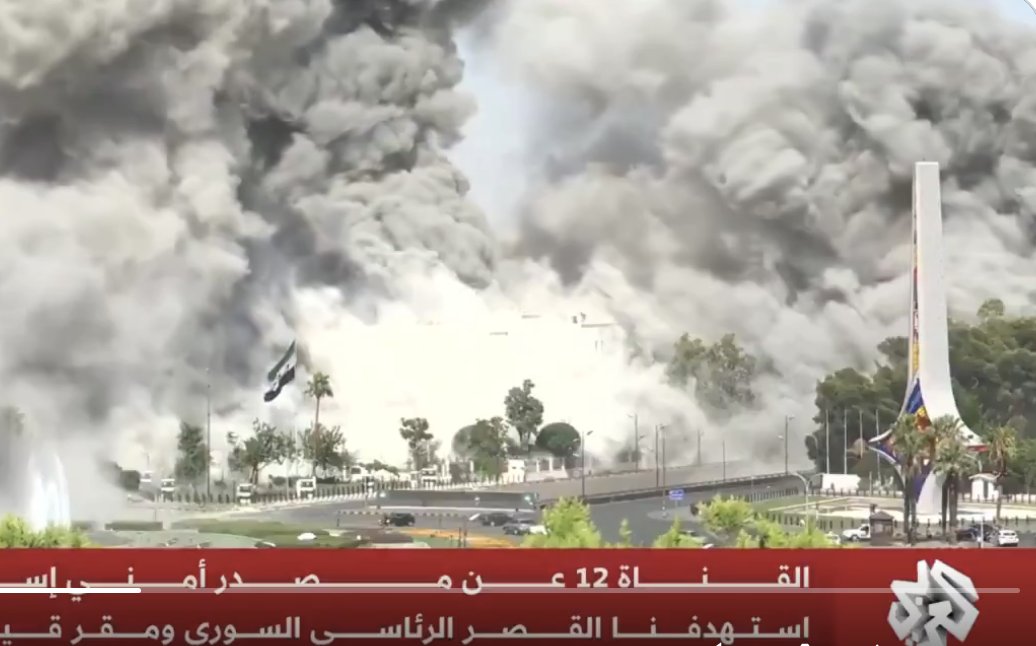
(Israel's bombing around the Ministry of Defense in Damascus in 2025 is performative. Israel cannot "defend the Druze," as it said it would.)
Quwatli established a secret fund to finance his divide and conquer scheme. The government armed and funded a collection of secondary Druze clan leaders from the northern Jabal who called themselves the Jabha al-Sha`biyya (Peoples' Front) or more simply the Sha`biyyun, or Populars.
The Populars wanted to supplant the Atrash and catapult themselves into the first rank of Druze society and politics. They accused the Atrashes of being traitors who were conspiring with the Jordanians to invade Syria and establish a throne for King `Abdallah in Damascus.
Today, the Druze are being accused of being traitors by Syria's Sunni majority because Israel is backing them.
The conflict between the Populars and the Atrashes led to a number of full pitched battles during the Fall of 1947. In July a Popular militia overran the town of Salkhad, shooting 20 Atrash supporters and expelling all its Atrash administrators. In November, they killed an additional 20 in an attack on Qraya, Sultan Pasha's village.
But the Atrashes completely routed the Populars by the end of 1947, capturing their four principal leaders. The Atrashes shut the Jabal off from the rest of Syria by cutting the phone lines, roads, and railway connections to Damascus to prevent the Syrian army from intervening.
At the height of the fighting in the Jabal, the French Minister to Syria exclaimed: "We tried to split the Jabal for 25 years. Is the Syrian Government going to succeed in 18 months?" He need not have worried. The broader Druze community's faith in and support for its traditional leaders was not to be undermined so easily by the Syrian government.
(Israel's bombing around the Ministry of Defense in Damascus in 2025 is performative. Israel cannot "defend the Druze," as it said it would.)
The Atrashes were able to beat back President Quwatli's and the Popular Front's challenge, but at the cost of becoming ever more isolated in the Jabal.
The British, historic allies of the Druzes, refused to aid the Atrashes, despite entreaties that they do so.
More damaging to the Druze, however, was King `Abdallah's refusal to come to their aid. The Jordanian monarch had promised repeatedly to send the Arab Legion into the Jabal and annex it to Jordan if the Druzes so requested.
Atrash defiance of the Syrian government depended on the credibility of `Abdallah's threat to move into the Jabal with his army much as today's Druze depend on Israel's promise to keep the forces of Syria's new strongmen from moving south of Damascus.
The Druzes discovered that they were alone in their battle with the Syrian government, much as the Druze today are learning the same. Israel cannot protect them, neither will the Americans or the international community.
The British, historic allies of the Druzes, refused to aid the Atrashes, despite entreaties that they do so.
More damaging to the Druze, however, was King `Abdallah's refusal to come to their aid. The Jordanian monarch had promised repeatedly to send the Arab Legion into the Jabal and annex it to Jordan if the Druzes so requested.
Atrash defiance of the Syrian government depended on the credibility of `Abdallah's threat to move into the Jabal with his army much as today's Druze depend on Israel's promise to keep the forces of Syria's new strongmen from moving south of Damascus.
The Druzes discovered that they were alone in their battle with the Syrian government, much as the Druze today are learning the same. Israel cannot protect them, neither will the Americans or the international community.
• • •
Missing some Tweet in this thread? You can try to
force a refresh