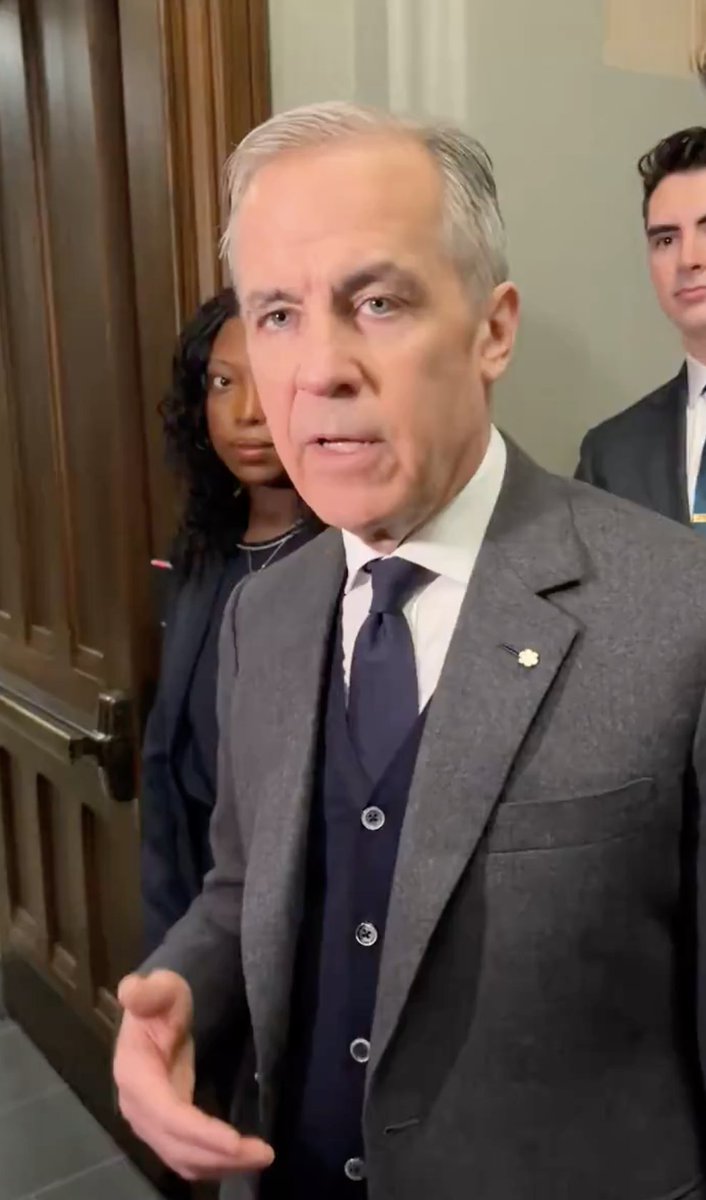
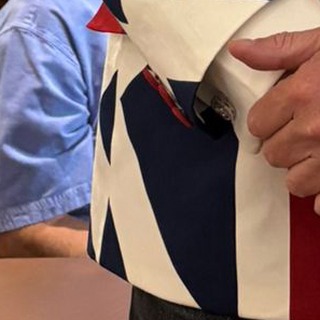
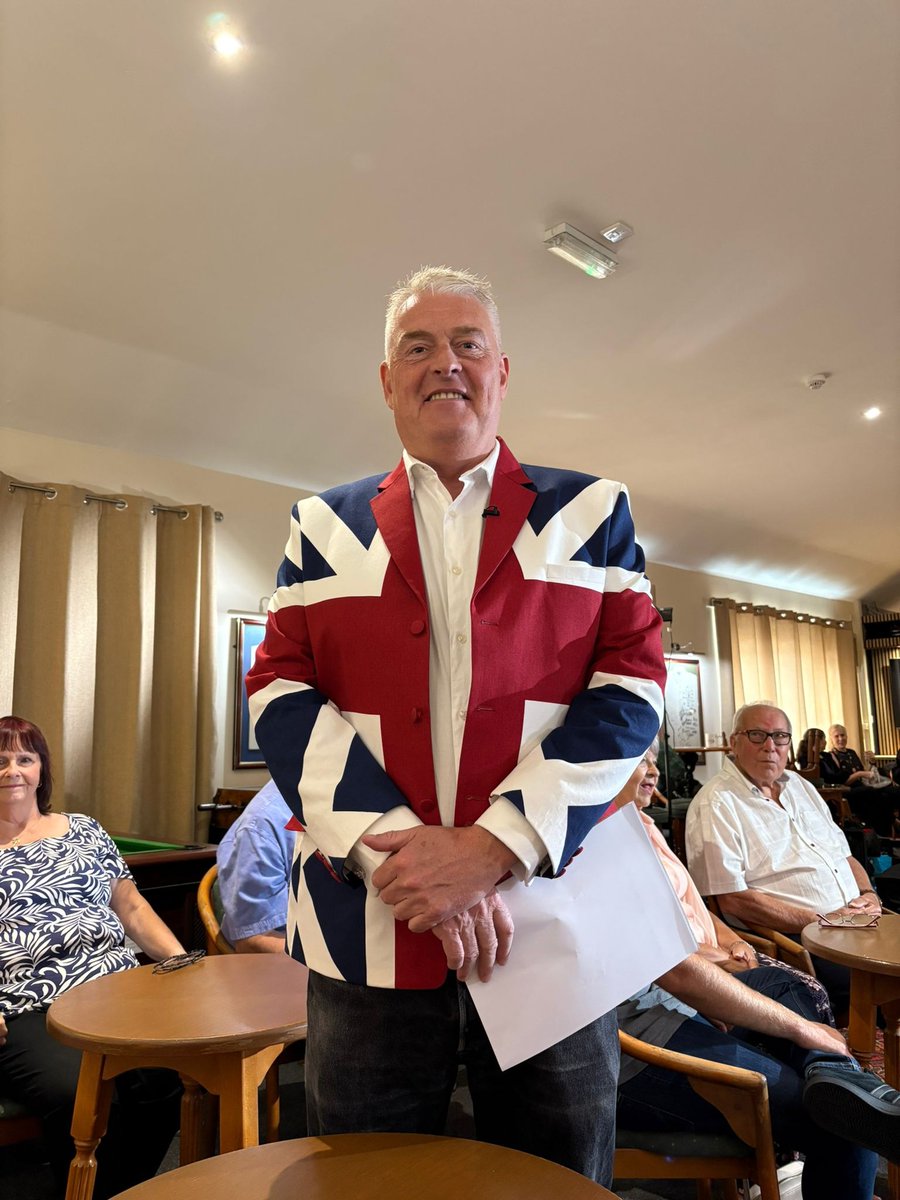
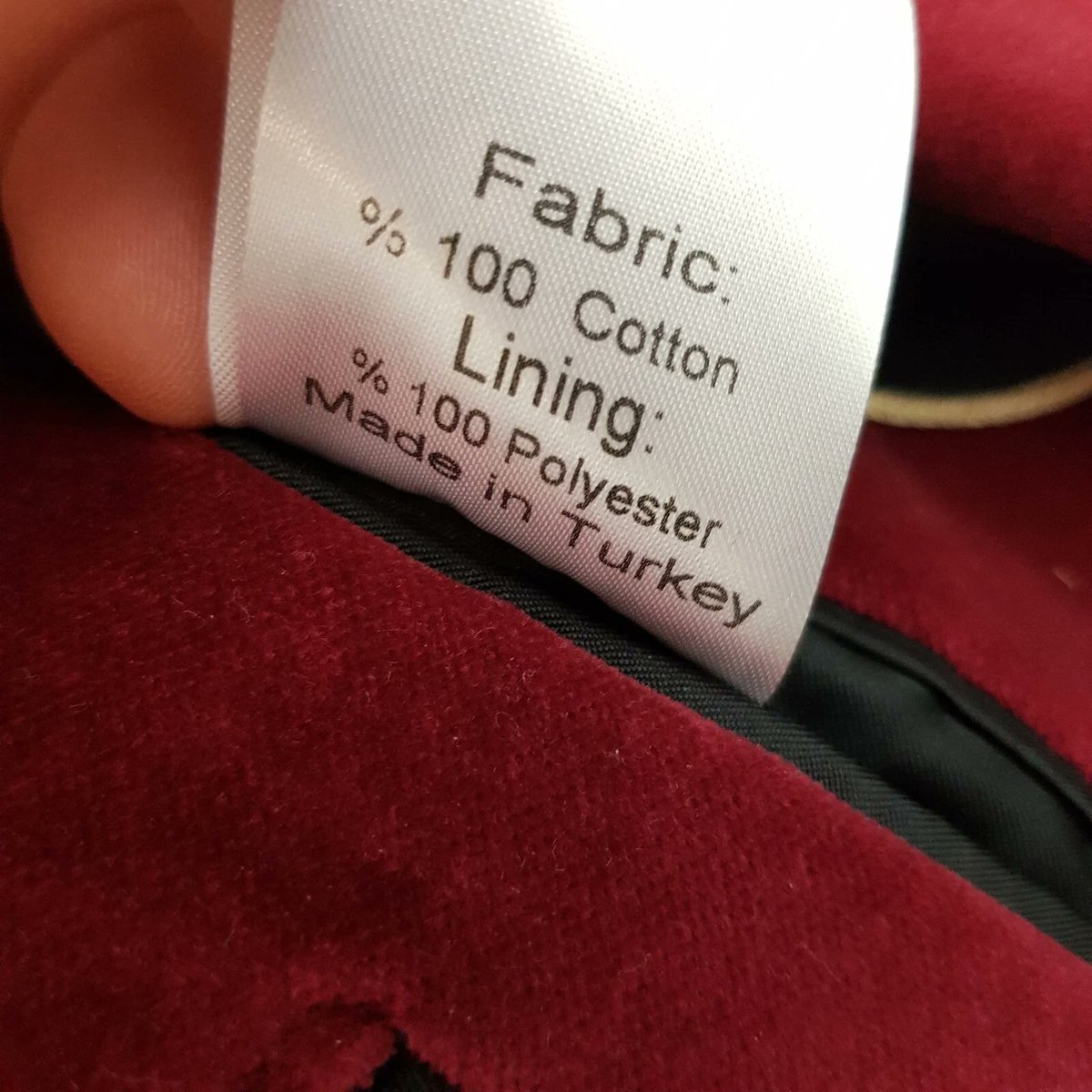
I believe this jacket is from Dobell, a company that produces their tailoring in Turkey. I'll show you some telltale signs of quality and where you can buy a tailored jacket made in Britain. 🧵
https://twitter.com/LeeAndersonMP_/status/1945884508261158949
I don't think there's anything wrong with buying clothes made abroad (I believe in free trade). However, I think it's strange when people rail against "globalism" and free trade, while benefitting from these things. Talk is cheap; one should put their money where their mouth is. 


I asked Lee where he bought his jacket, but have thus far received no word. However, we can guess whether this is a high-end or low-end garment from two things.
Can you spot them?
Can you spot them?
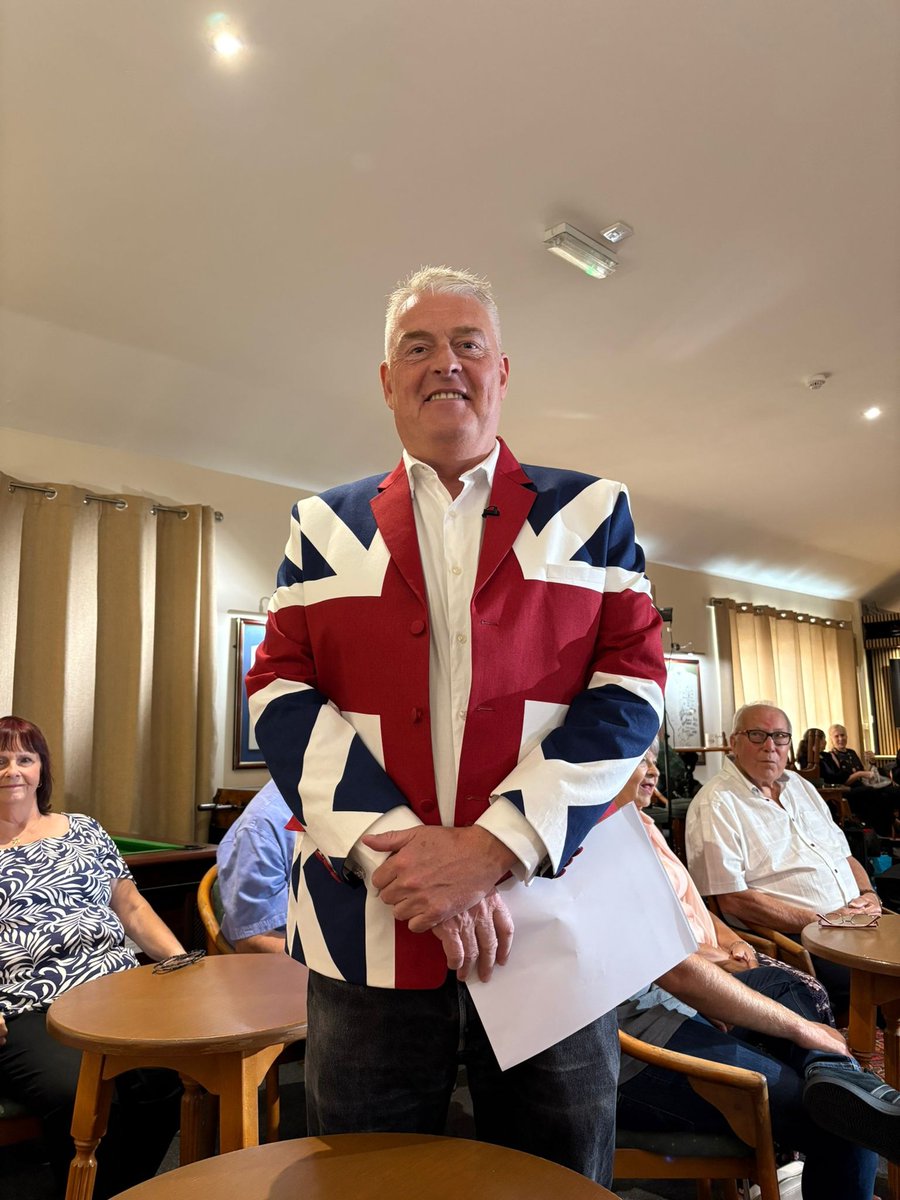
The first is the lack of pattern matching. A quality maker will always take the time to match a pattern across all possible areas, including side seams and pockets. The lack of pattern matching here suggests that cost was a concern, so worker didn't spent much time on the jacket.
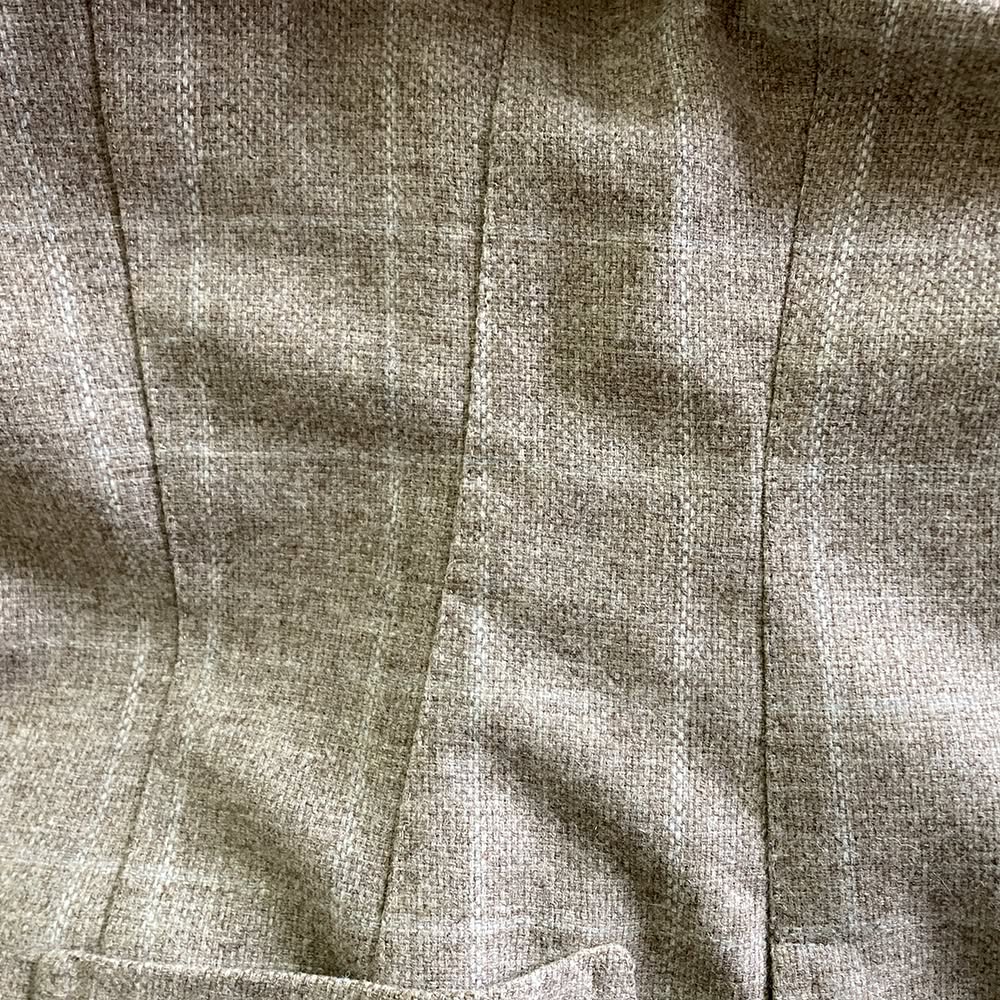
Some people will go to great lengths to match a pattern! Although, the video below is a bit extreme and I don't suggest asking this from your tailor. They would be right to kick you out.
IG salve.studios
IG salve.studios
The other telltale sign is the white lip between the two edges of the buttonhole. Handmade buttonholes won't have this because you cut the fabric *and then* sew. Many machine-made buttonholes will have this because you sew *and then* cut, leaving the tuffs of white fabric exposed
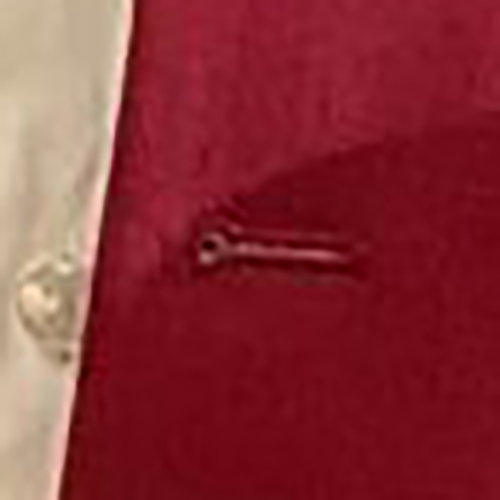
If this jacket isn't from Dobell, then it's from a similar company that produces abroad. It's unlikely a British-made jacket would have such features because labor cost is high. If a company wanted to cut cost, they would first move production, not skip pattern matching.
So, where can one get an UK-made suit or sport coat? First stop is obviously Savile Row, home to traditional men's tailoring. Sadly, I don't think the houses on this historic street deliver the quality they once did, largely bc of skyrocketing rents and a shrinking labor pool
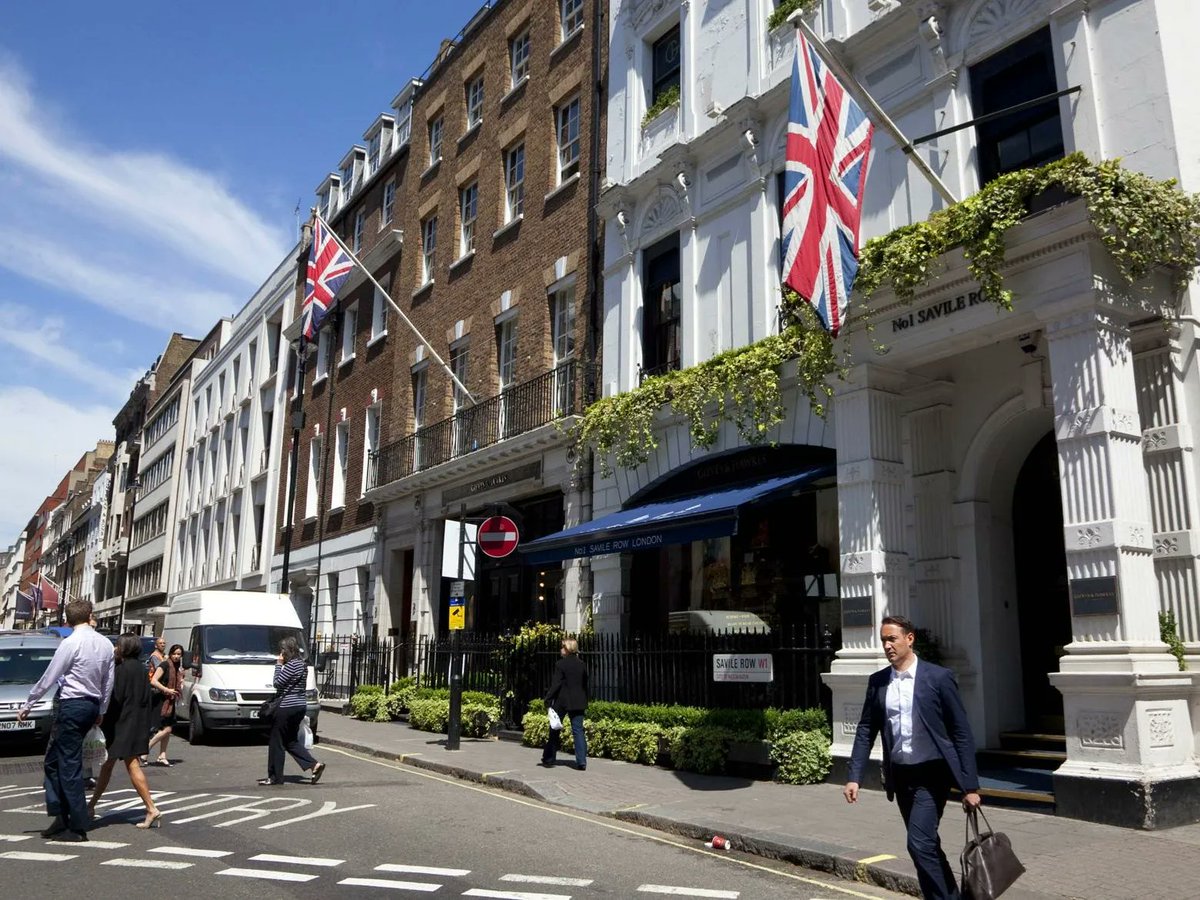
However, Henry Poole, the oldest tailor on the street, is still very reliable. Their house style is decidedly middle of the road: shoulders that aren't too padded or soft; chest that's not too tight or drapey; proportions that never hew too much towards one direction or another.
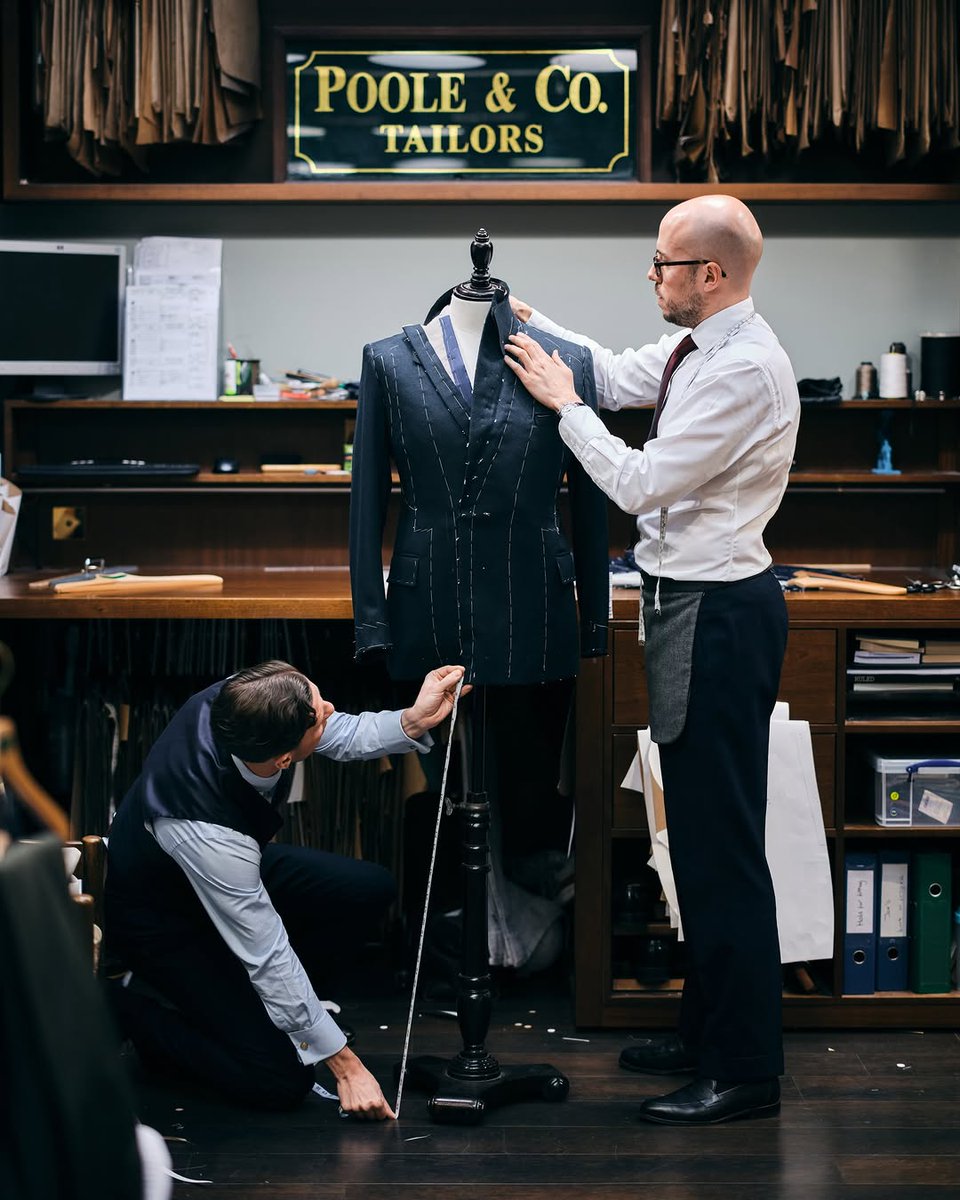


It's here where i think Starmer and Sunak should have gotten their clothes. Since their suits always fit well, but have middle-of-the-road proportions, there's nothing to comment on. This is what you want as a politician: clothes to not be a distraction. (Just pay full price)
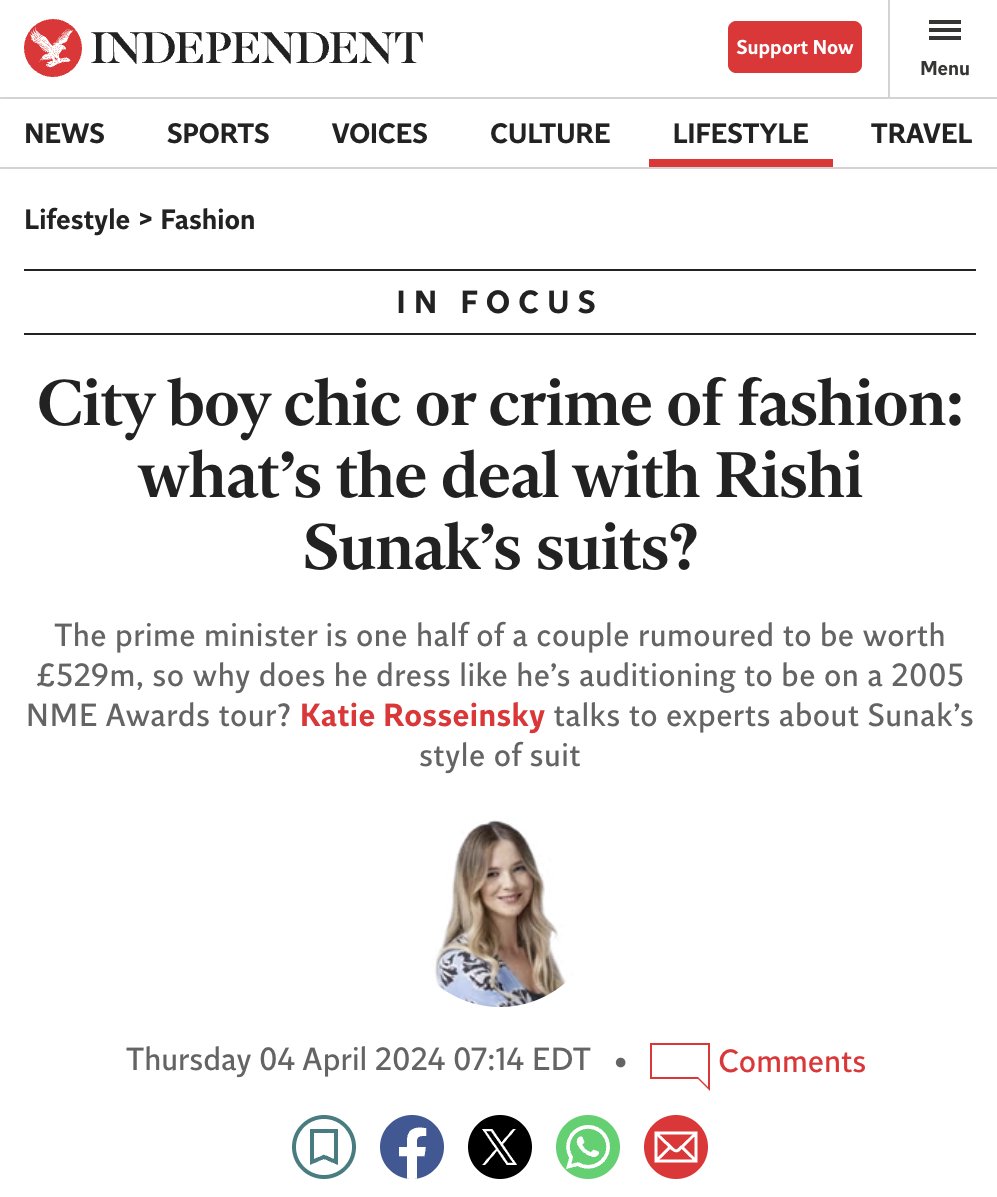
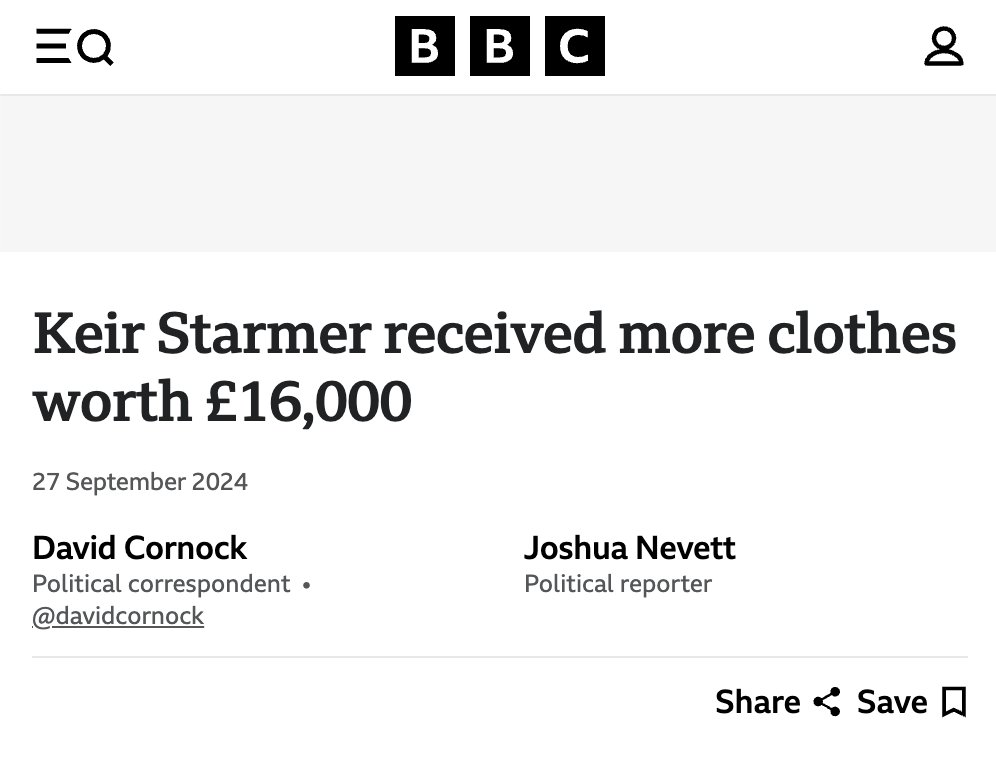
Any of the big houses on Savile Row will be expensive. Thankfully, London has plenty of tailors who are headquartered off the Row and thus can offer better prices. Such tailors include Steed, Redmayne, Steven Hitchcok, Taillour, Nina Penlingtonn, and Kent & Haste.
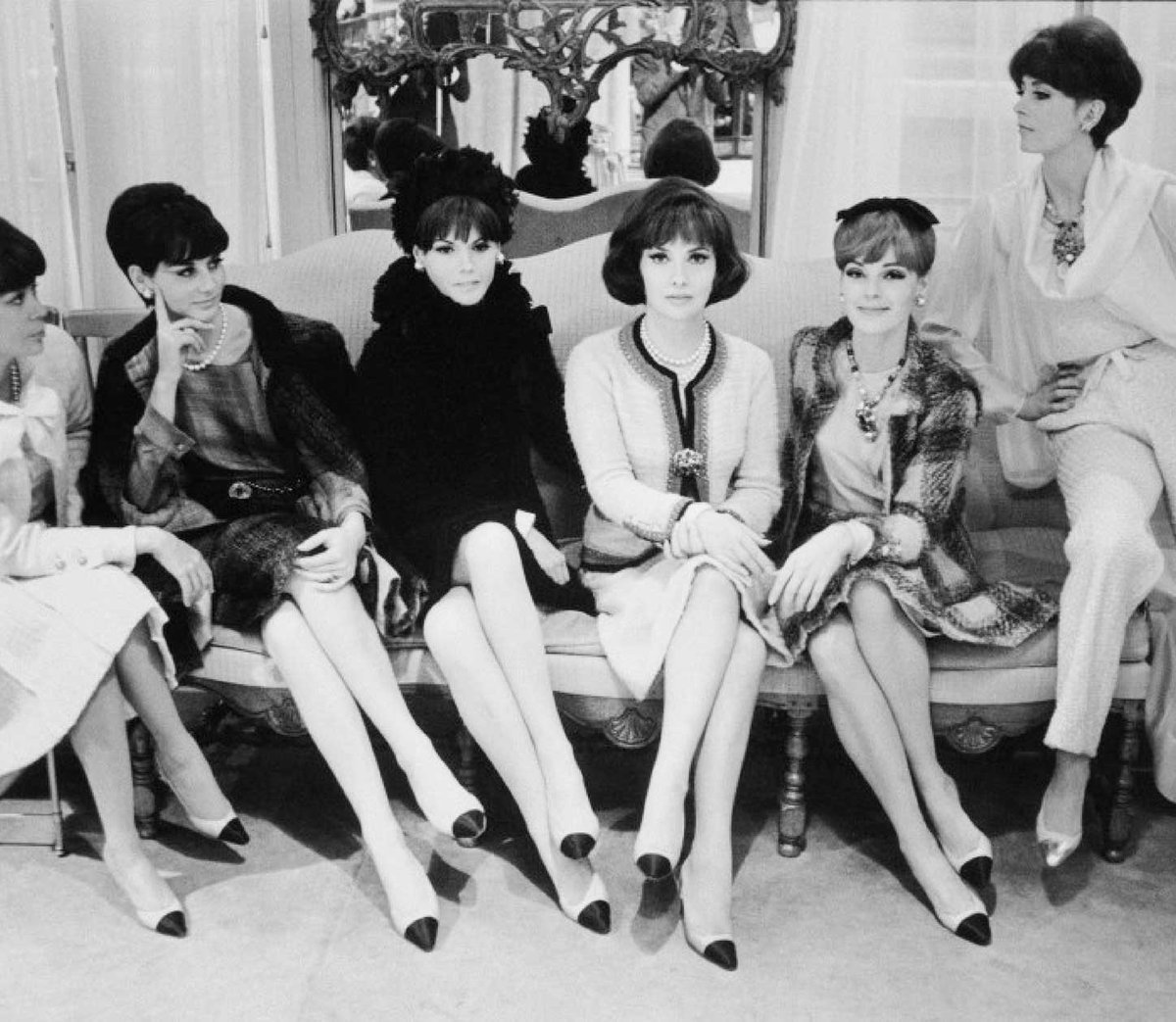
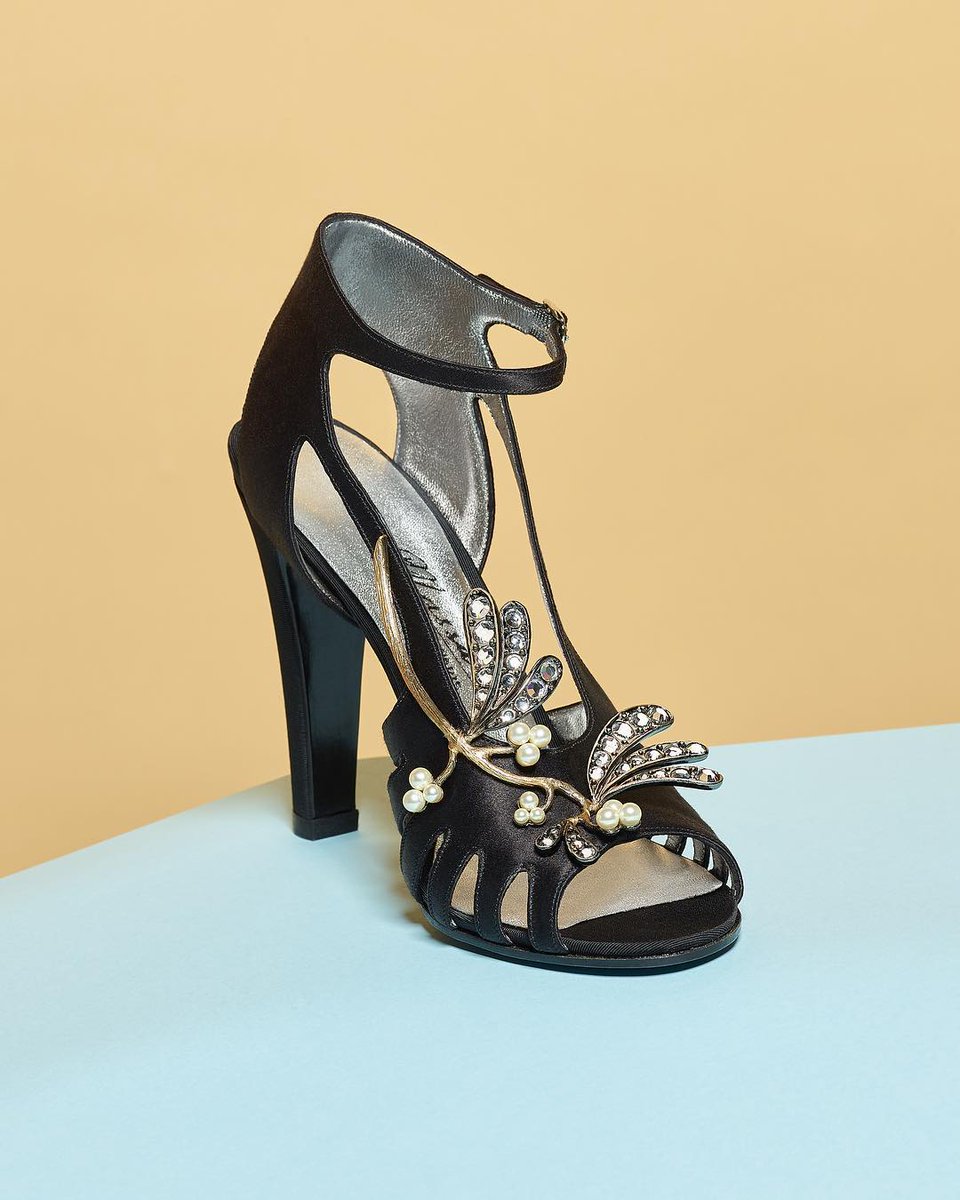
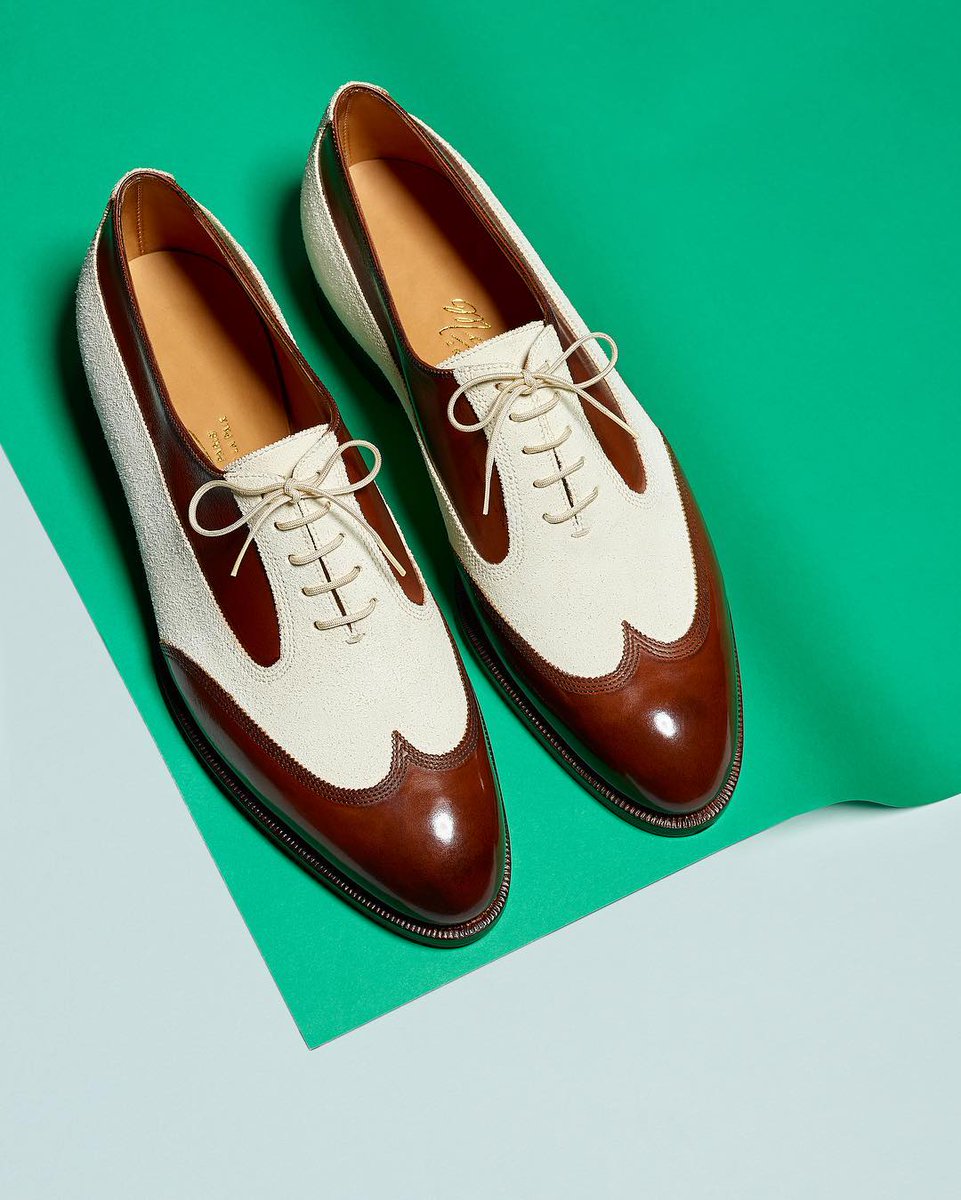
All UK made:
All UK made:
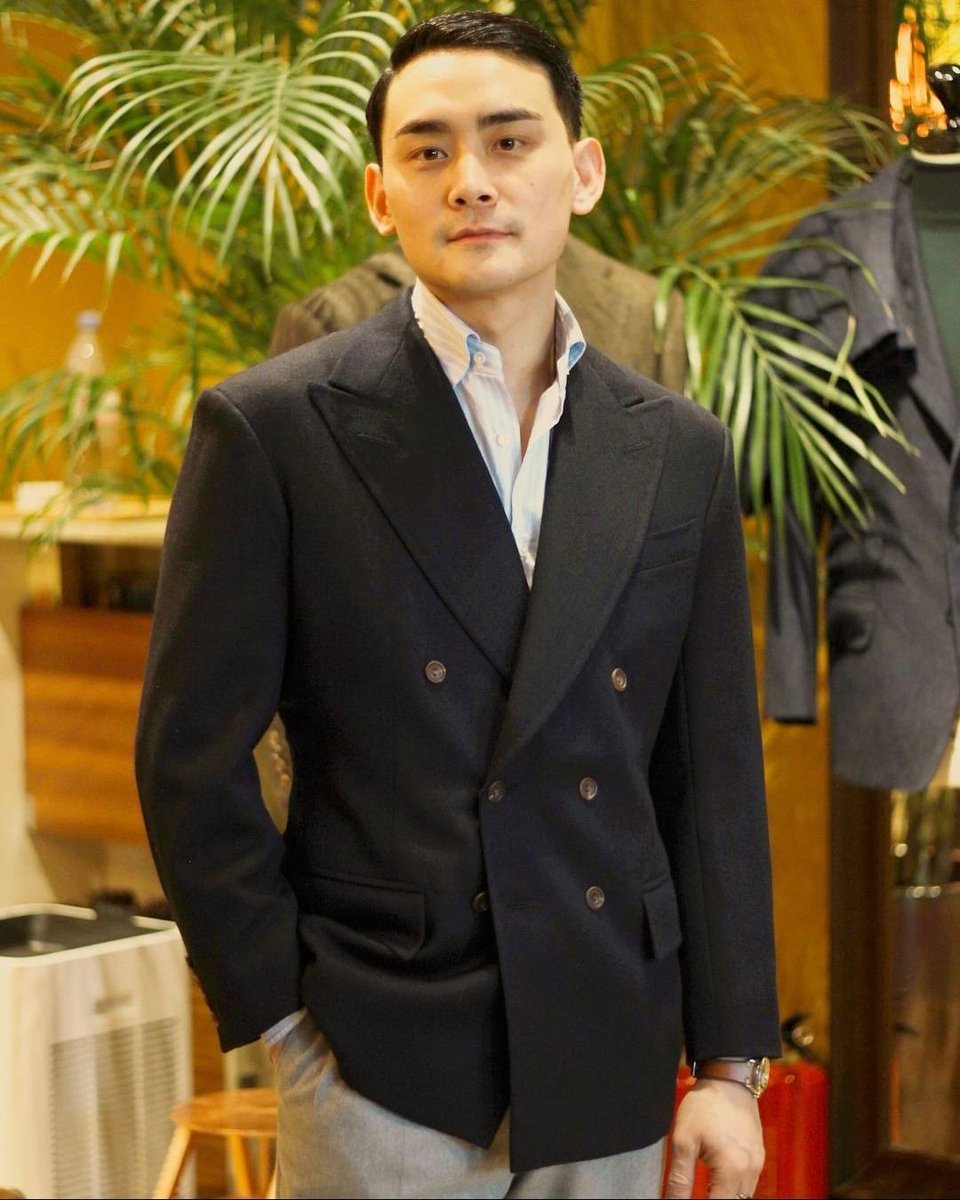
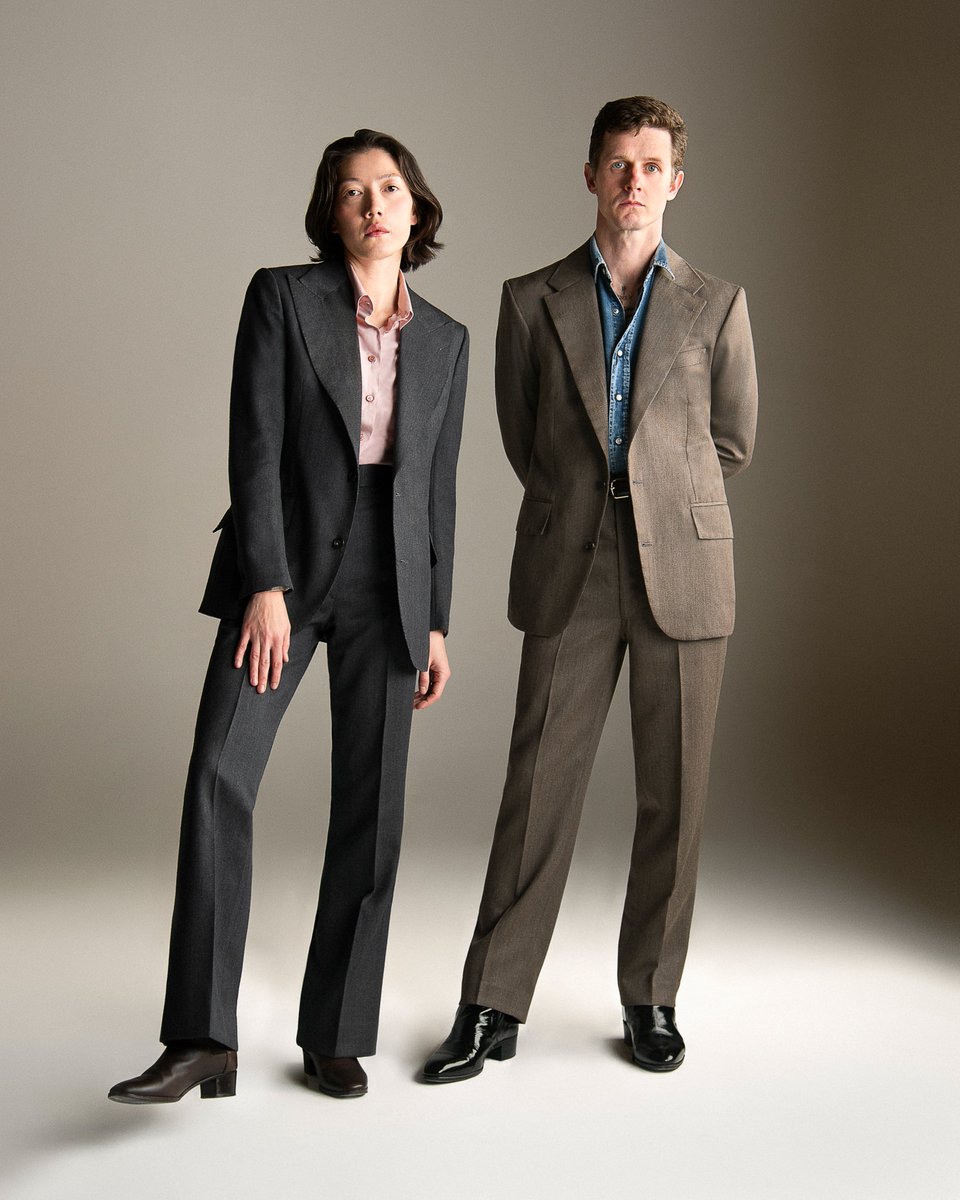
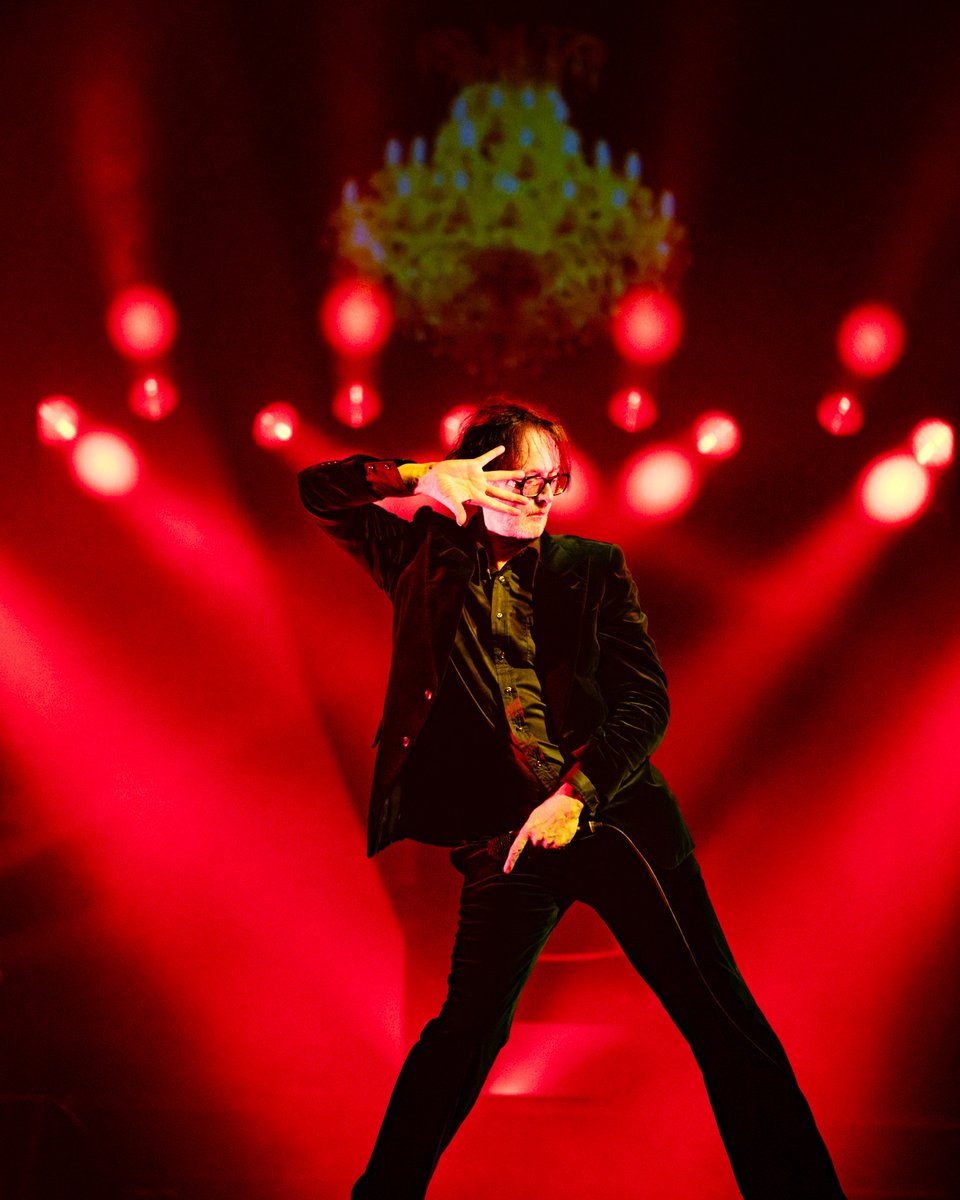
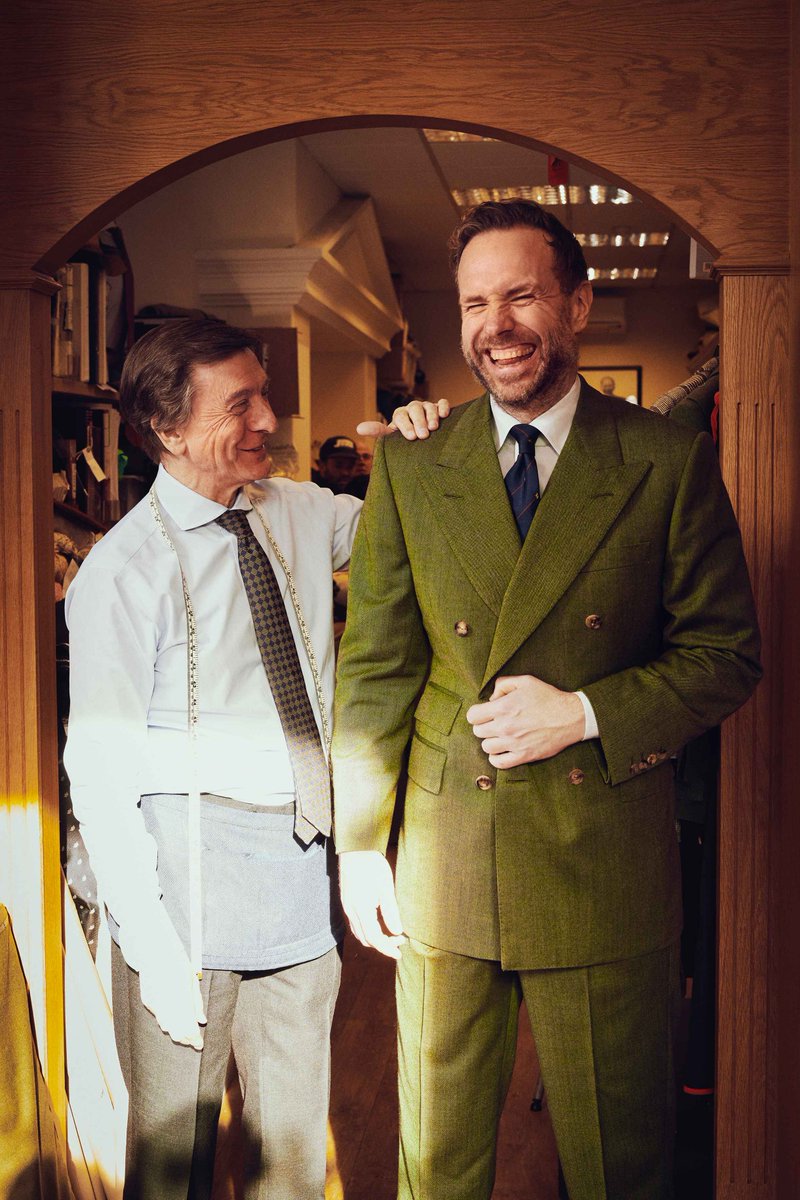
Whitcomb & Shaftesbury made this this Solaro suit for Kumar Sangakkara, which I think looks quite nice. They offer two custom tailoring programs: one fully made in Britain, and a lower-priced service where the cutting is done in London, but the make is done in India (still good)

Unfortunately, I don't know any affordable UK-made tailoring, as tailoring is labor intensive and thus will be expensive with UK wages. If Anderson wants to show a bit of UK pride but not splurge on UK tailoring, I suggset the following:
The first is Community Clothing, the in-house label for Blackburn factory Cookson & Clegg. Patrick Grant bought the factory about ten years ago, narrowly saving it from closure after they lost a government contract. Cookson & Clegg mainly makes clothes for other brands.
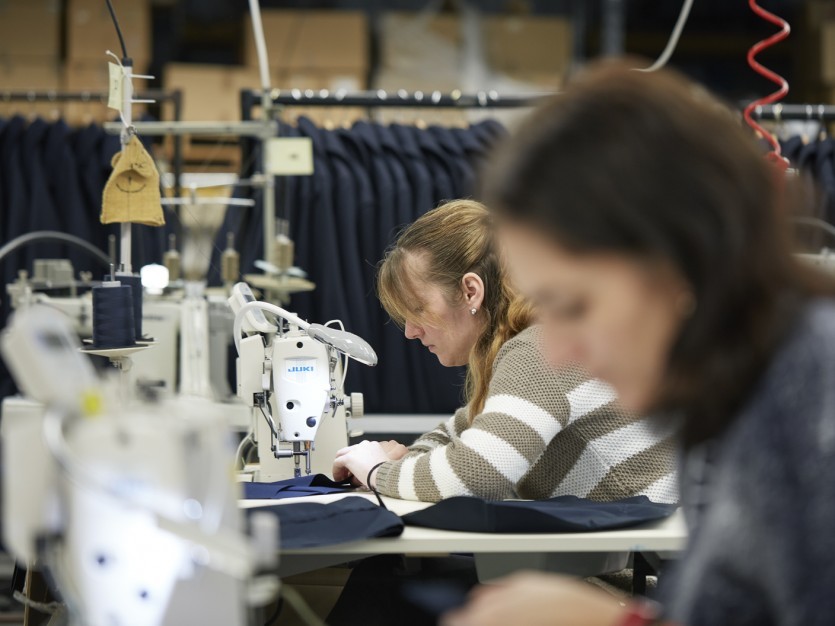
However, fashion runs on a calendar with the bulk of work made for spring/ summer and fall/ winter deliveries. To keep the machines running and workers employed during the troughs between these peak periods, Cookson & Clegg produces clothes under their Community Clothing label.
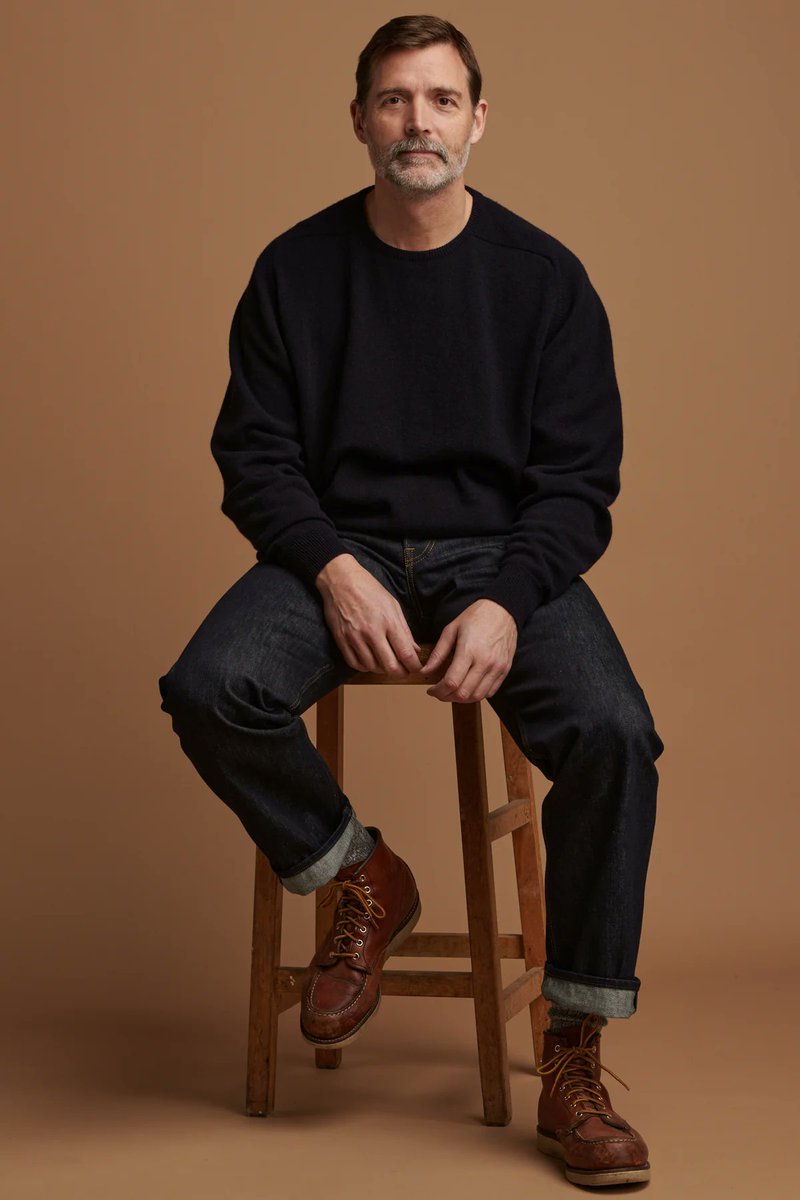
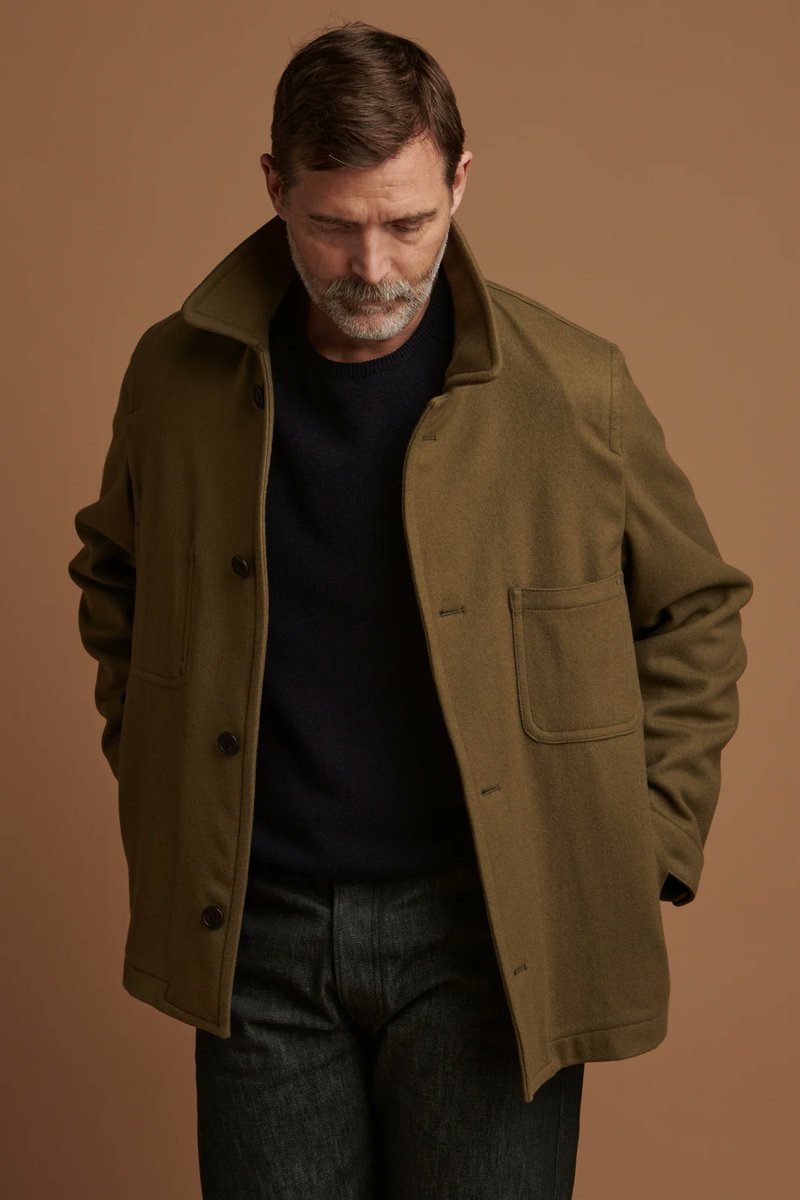
Since you're buying clothes direct from the factory, prices are quite affordable. Inventory is light at the moment, but they often have jackets, jeans, and chinos.
I like that @paddygrant is genuinely concerned about labor and the environment (check his new book, Less)
I like that @paddygrant is genuinely concerned about labor and the environment (check his new book, Less)
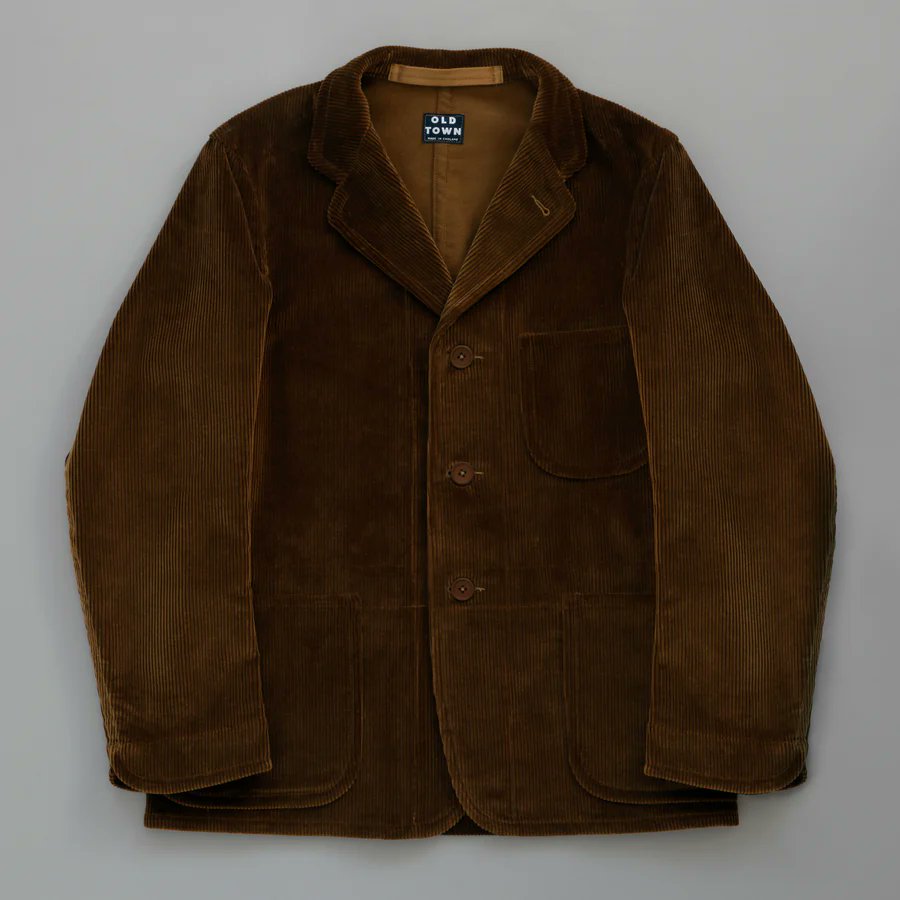
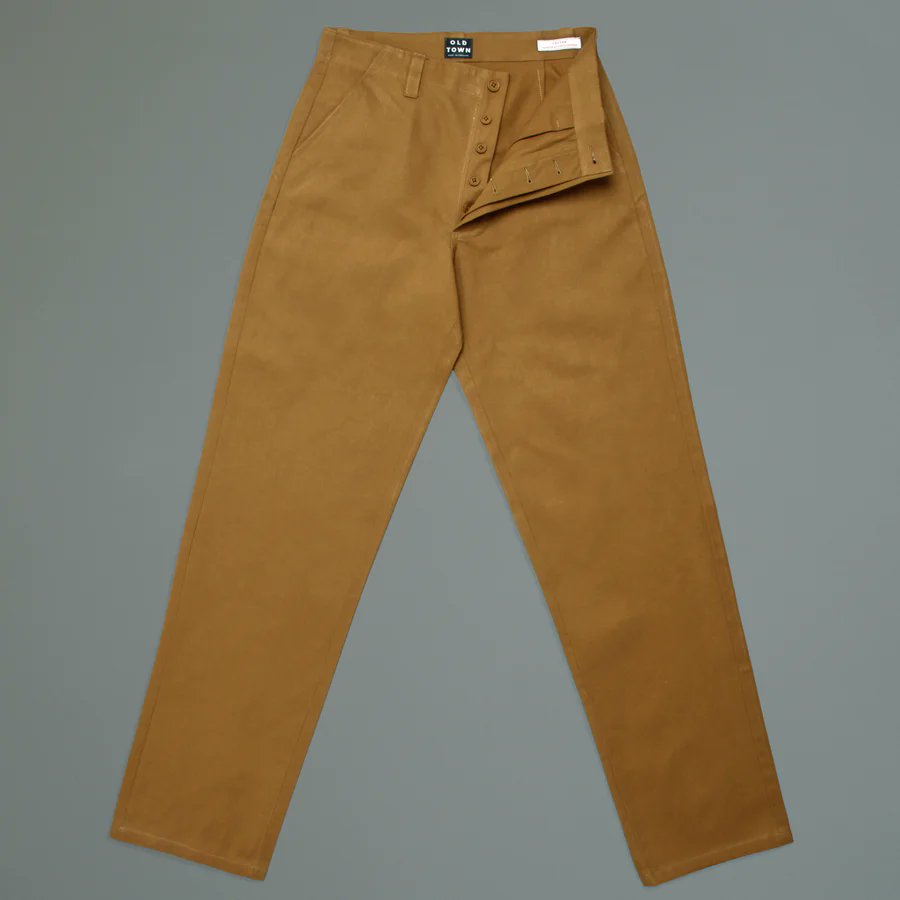
There's also Old Town, a favorite of Monty Don (who I think is very stylish). The clothes are modeled after vintage workwear, so they're a bit old-timey, but they look great on certain people. Available at Labour & Wait, a wonderful shop in London's Marylebone.
Or how about Carrier Company? They sell clothes I imagine would be worn by a gardener living in a walkable neighborhood. Their exploded plaid chore coats offer something a little different from your standard issue "bleu de travail" French workwear. I also like their knitwear.
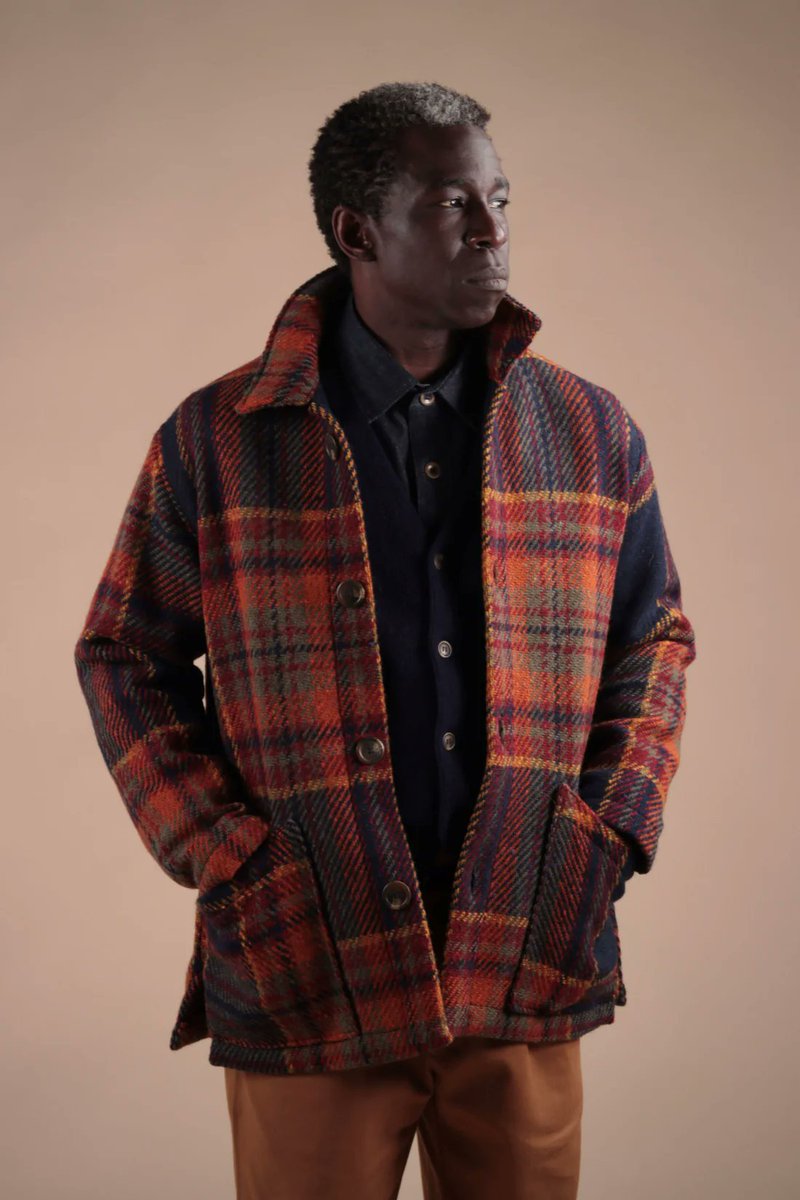
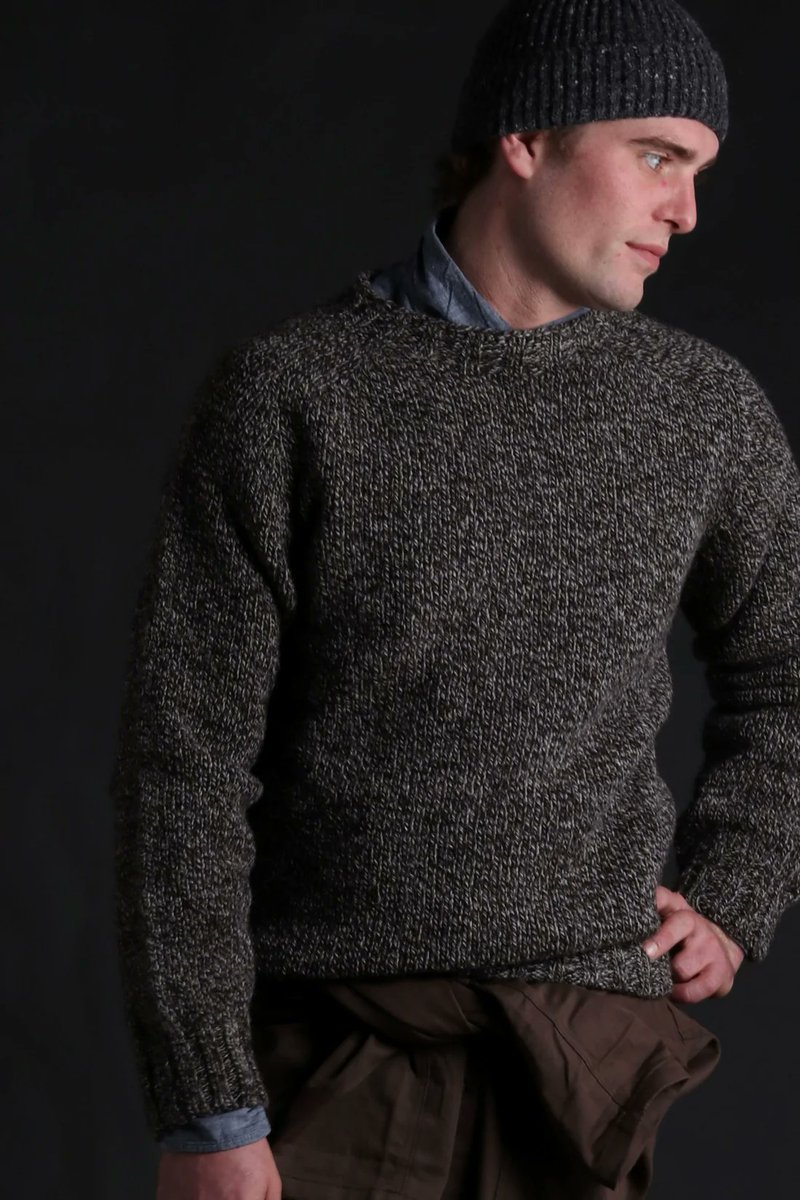
One doesn't need to wear domestic-made clothes to be a patriot. But if wanted to show their patriotism on their sleeve, in the literal sense, I think it would make more sense to buy clothes made in Britain, rather than just styling the symbols.

• • •
Missing some Tweet in this thread? You can try to
force a refresh