The one mineral that over 50% of Americans are deficient in… but that they desperately need.
Here’s what it is and why it matters: 🧵
Here’s what it is and why it matters: 🧵
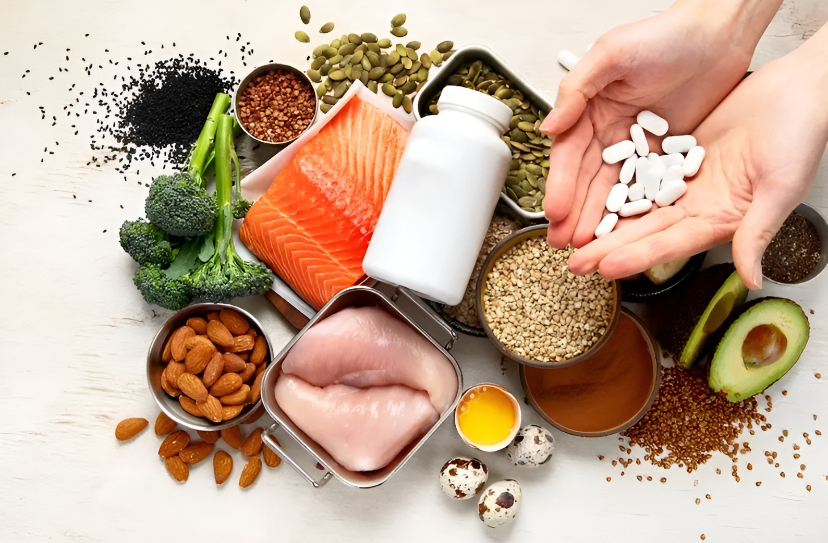
Over 48% of Americans are deficient in magnesium, and most don’t know it.
NHANES data from the NIH shows nearly half of U.S. adults fall short of the recommended intake.
Standard blood tests often miss it, since over 99% of magnesium is stored inside cells, not in the blood.
NHANES data from the NIH shows nearly half of U.S. adults fall short of the recommended intake.
Standard blood tests often miss it, since over 99% of magnesium is stored inside cells, not in the blood.
Magnesium supports over 300 enzyme reactions and helps with:
• Energy production
• Muscle and nerve function
• Sleep and mood regulation
• DNA and protein synthesis
• Blood sugar and blood pressure control
Deficiency affects sleep, stress, insulin sensitivity, and more.
• Energy production
• Muscle and nerve function
• Sleep and mood regulation
• DNA and protein synthesis
• Blood sugar and blood pressure control
Deficiency affects sleep, stress, insulin sensitivity, and more.
Not all forms of magnesium are effective.
Poorly absorbed types include:
• Magnesium oxide
• Magnesium sulfate
• Magnesium carbonate
• Magnesium hydroxide
These can cause digestive issues, pass through the gut unabsorbed, and offer little benefit.
So what’s the best form?
Poorly absorbed types include:
• Magnesium oxide
• Magnesium sulfate
• Magnesium carbonate
• Magnesium hydroxide
These can cause digestive issues, pass through the gut unabsorbed, and offer little benefit.
So what’s the best form?
The best form is magnesium glycinate, made from magnesium and glycine, an amino acid with calming effects.
It stands out for being:
• Highly absorbable
• Gentle on the stomach
• Non-laxative
• Effective even with low stomach acid
• Safe with or without food
It stands out for being:
• Highly absorbable
• Gentle on the stomach
• Non-laxative
• Effective even with low stomach acid
• Safe with or without food
Key benefits of magnesium glycinate:
• Promotes restful sleep
• Relaxes muscles, prevents cramps
• Supports steady, non-drowsy energy
• Reduces anxiety, stabilizes mood
• Helps manage blood pressure and insulin sensitivity
• Lowers kidney stone risk by balancing calcium
• Promotes restful sleep
• Relaxes muscles, prevents cramps
• Supports steady, non-drowsy energy
• Reduces anxiety, stabilizes mood
• Helps manage blood pressure and insulin sensitivity
• Lowers kidney stone risk by balancing calcium
The glycine in magnesium glycinate adds key benefits:
• Calms neurotransmitters
• Boosts cognition
• Supports collagen and blood sugar
• Enhances detoxification and fat absorption
Together, magnesium and glycine form a powerful combination for stress relief and metabolism.
• Calms neurotransmitters
• Boosts cognition
• Supports collagen and blood sugar
• Enhances detoxification and fat absorption
Together, magnesium and glycine form a powerful combination for stress relief and metabolism.
Here’s how to take it:
• Best taken before bed to support sleep and relaxation.
• Can also be taken during the day without causing drowsiness.
• Works with or without food.
• Typical dose: 100–400 mg daily, based on your needs.
Want to get the most out of every dose?
• Best taken before bed to support sleep and relaxation.
• Can also be taken during the day without causing drowsiness.
• Works with or without food.
• Typical dose: 100–400 mg daily, based on your needs.
Want to get the most out of every dose?
For better absorption, choose magnesium glycinate combined with:
• Vitamin D3
• Vitamin B6
Both improve magnesium uptake and how your cells use it.
Note: Magnesium bisglycinate is the same as glycinate. Different name, same effect.
But can you get enough from food alone?
• Vitamin D3
• Vitamin B6
Both improve magnesium uptake and how your cells use it.
Note: Magnesium bisglycinate is the same as glycinate. Different name, same effect.
But can you get enough from food alone?
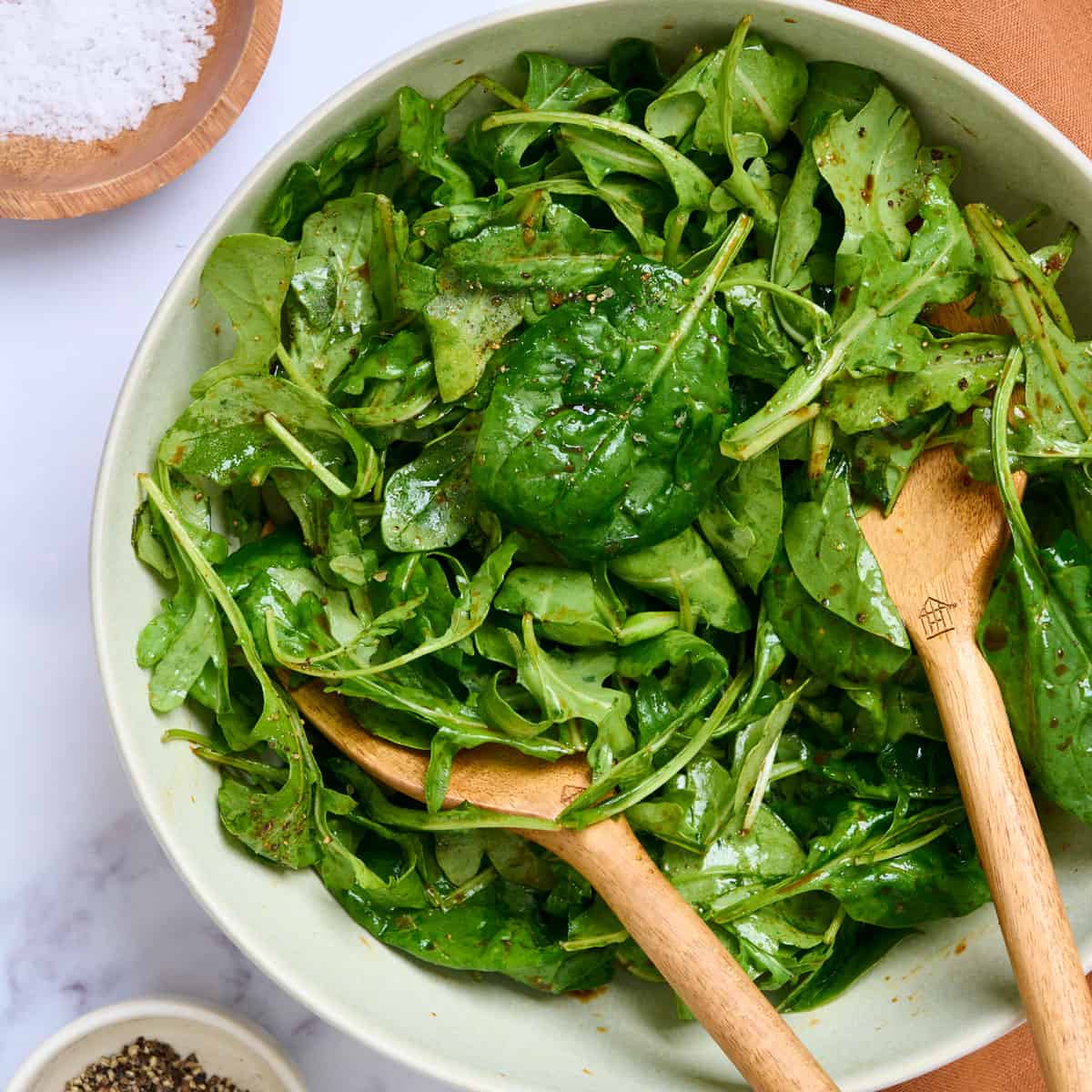
Leafy greens are the best natural source of magnesium.
It’s found at the center of chlorophyll, the green pigment in plants.
Top sources include:
• Spinach
• Kale
• Swiss chard
• Arugula
You’ll also find magnesium in nuts (especially cashews), seeds, and fish.
It’s found at the center of chlorophyll, the green pigment in plants.
Top sources include:
• Spinach
• Kale
• Swiss chard
• Arugula
You’ll also find magnesium in nuts (especially cashews), seeds, and fish.
But here’s a catch.
Even with a healthy diet, many don’t absorb enough magnesium due to:
• Depleted soil reducing magnesium in plants
• Low stomach acid
• Poor gut health
• Stress, caffeine & certain medications that deplete it
That’s why supplementation is often needed.
Even with a healthy diet, many don’t absorb enough magnesium due to:
• Depleted soil reducing magnesium in plants
• Low stomach acid
• Poor gut health
• Stress, caffeine & certain medications that deplete it
That’s why supplementation is often needed.
Magnesium glycinate is one of the most effective and well-tolerated forms of magnesium.
If you experience stress, poor sleep, cramps, low energy, or metabolic issues, it could be what you’re missing.
Learn more about magnesium glycinate in this video:
If you experience stress, poor sleep, cramps, low energy, or metabolic issues, it could be what you’re missing.
Learn more about magnesium glycinate in this video:
A bit about me:
I’m the creator of Healthy Keto® and Intermittent Fasting protocols, helping over 100M people make healthier choices.
Follow me @dr_ericberg for more evidence-based insights to improve your health and longevity.
I’m the creator of Healthy Keto® and Intermittent Fasting protocols, helping over 100M people make healthier choices.
Follow me @dr_ericberg for more evidence-based insights to improve your health and longevity.
Thank you for reading!
What is one key takeaway you gained from this thread? Share it in the comments below.
If you have any health questions, feel free to ask. I read every comment and often use them to create future content that matters to you.
What is one key takeaway you gained from this thread? Share it in the comments below.
If you have any health questions, feel free to ask. I read every comment and often use them to create future content that matters to you.
• • •
Missing some Tweet in this thread? You can try to
force a refresh