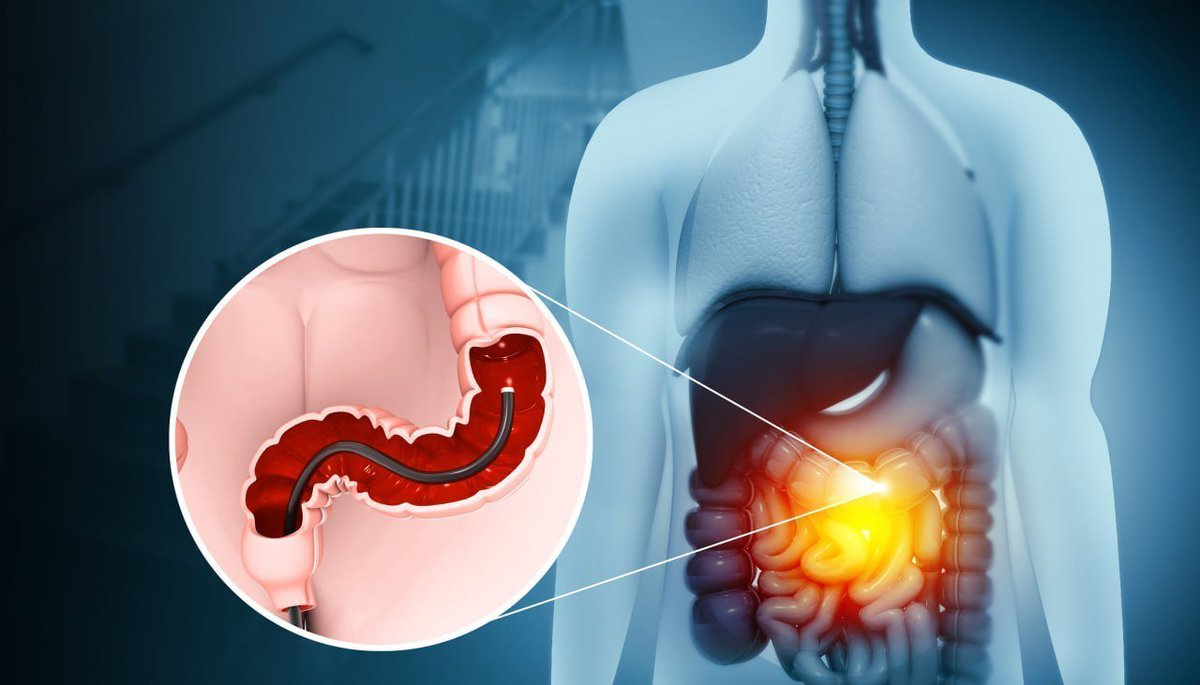
There’s one nerve that controls your anxiety, digestion, inflammation—even your immune system.
It’s called the vagus nerve.
And almost no one talks about it.
Understanding how it works could be the missing link to feeling your best—naturally.
🧵 THREAD
It’s called the vagus nerve.
And almost no one talks about it.
Understanding how it works could be the missing link to feeling your best—naturally.
🧵 THREAD
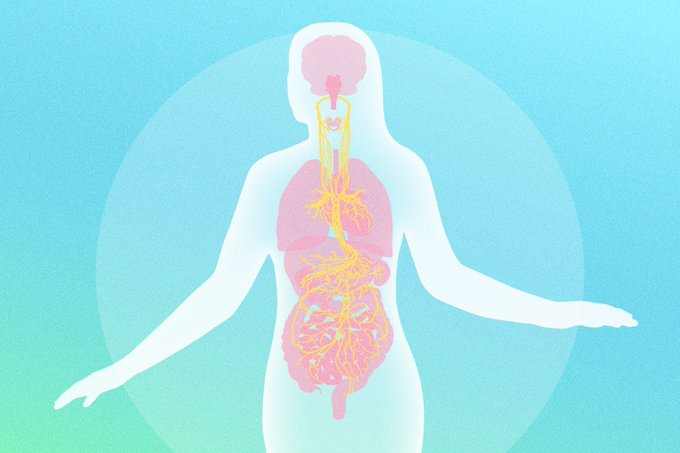
The vagus nerve quietly orchestrates and regulates essential bodily functions, often without your awareness.
It connects to key organs such as the brain, heart, lungs, gut, and pancreas, supporting health and standing ready to address a range of challenges with both immediate and long-lasting effects.
By understanding the vagus nerve’s role and learning how to stimulate it effectively, you can access greater calm, healing, and resilience.
As the vagus nerve originates from the brain and travels throughout the body, it branches into various organ systems.
It’s part of the parasympathetic nervous system, which means that its primary role is to calm and restore your body’s balance. When the vagus nerve stimulates these organs, the parasympathetic (rest and digest) response is activated, Dr. Priyal Modi, an integrative medicine practitioner, told The Epoch Times.
It connects to key organs such as the brain, heart, lungs, gut, and pancreas, supporting health and standing ready to address a range of challenges with both immediate and long-lasting effects.
By understanding the vagus nerve’s role and learning how to stimulate it effectively, you can access greater calm, healing, and resilience.
As the vagus nerve originates from the brain and travels throughout the body, it branches into various organ systems.
It’s part of the parasympathetic nervous system, which means that its primary role is to calm and restore your body’s balance. When the vagus nerve stimulates these organs, the parasympathetic (rest and digest) response is activated, Dr. Priyal Modi, an integrative medicine practitioner, told The Epoch Times.
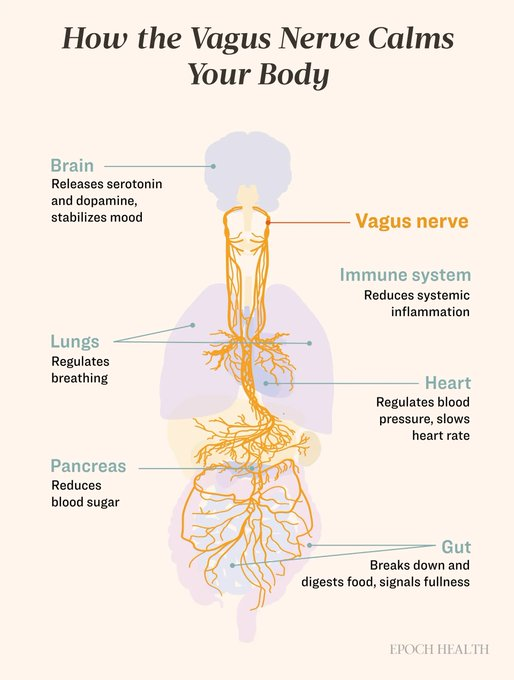
Stimulating the vagus nerve relieves symptoms of depression and anxiety and builds stress resilience.
This is likely because of the nerve’s connection with brain regions that regulate mood. Activating the vagus nerve is linked to the release of dopamine. It also results in higher levels of serotonin and 5-hydroxytryptophan (5-HTP), the precursor to serotonin, leading to improved quality of life, including better emotional adjustment and enhanced social functioning.
A healthy vagus nerve is also linked to sharp cognitive function and creative thinking, Modi said.
This is likely because of the nerve’s connection with brain regions that regulate mood. Activating the vagus nerve is linked to the release of dopamine. It also results in higher levels of serotonin and 5-hydroxytryptophan (5-HTP), the precursor to serotonin, leading to improved quality of life, including better emotional adjustment and enhanced social functioning.
A healthy vagus nerve is also linked to sharp cognitive function and creative thinking, Modi said.
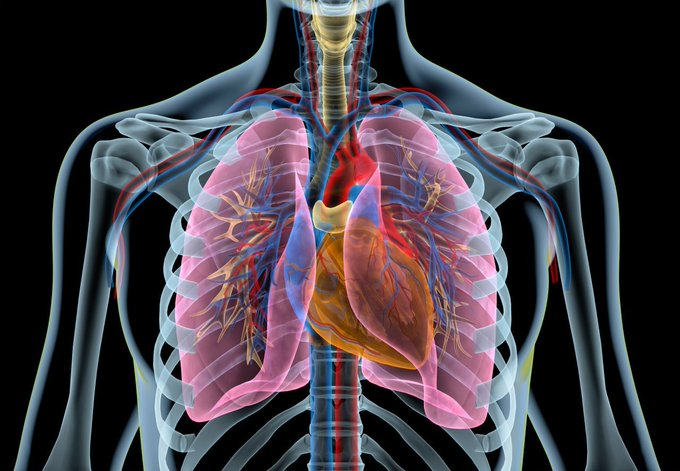
The vagus nerve keeps both heart rate and breathing steady to ensure that all tissues get a steady supply of oxygen.
It is “a major conduit between the heart and brain,” according to a review published in Seminars in Cell & Developmental Biology. It forms specialized sensory endings on the heart and blood vessels to detect and regulate the cardiovascular environment, including blood pressure and heart rhythm.
The vagus nerve is also a main messenger for sending sensory information from the lungs to the brain, controls how the airway muscles constrict and relax, and adjusts both the rate and depth of breathing. If the vagus nerve senses a threat, such as airway damage or blockage, it triggers protective reflexes, such as swallowing or coughing, to keep the airways clear.
It is “a major conduit between the heart and brain,” according to a review published in Seminars in Cell & Developmental Biology. It forms specialized sensory endings on the heart and blood vessels to detect and regulate the cardiovascular environment, including blood pressure and heart rhythm.
The vagus nerve is also a main messenger for sending sensory information from the lungs to the brain, controls how the airway muscles constrict and relax, and adjusts both the rate and depth of breathing. If the vagus nerve senses a threat, such as airway damage or blockage, it triggers protective reflexes, such as swallowing or coughing, to keep the airways clear.
A little about us: We’re a team of journalists and researchers on a mission to give you REAL and honest information about your health.
Side effects of reading our posts may include: critical thinking.
Follow us for more daily threads—backed by hard data.
—> @EpochHealth
Side effects of reading our posts may include: critical thinking.
Follow us for more daily threads—backed by hard data.
—> @EpochHealth

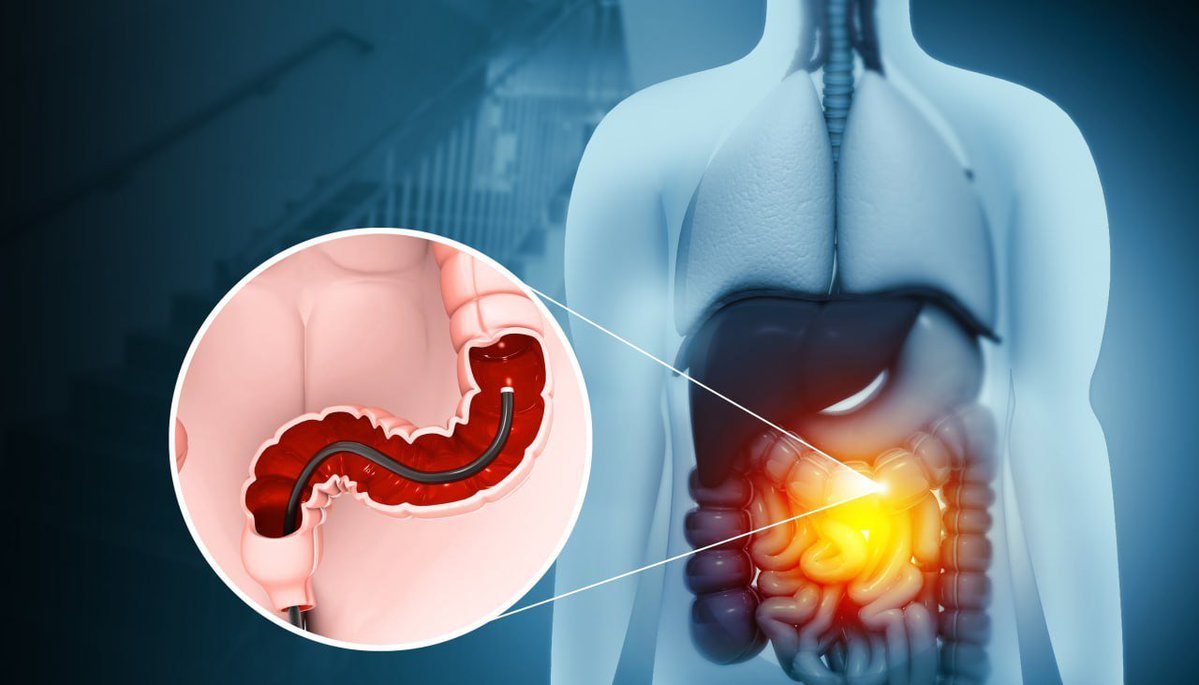
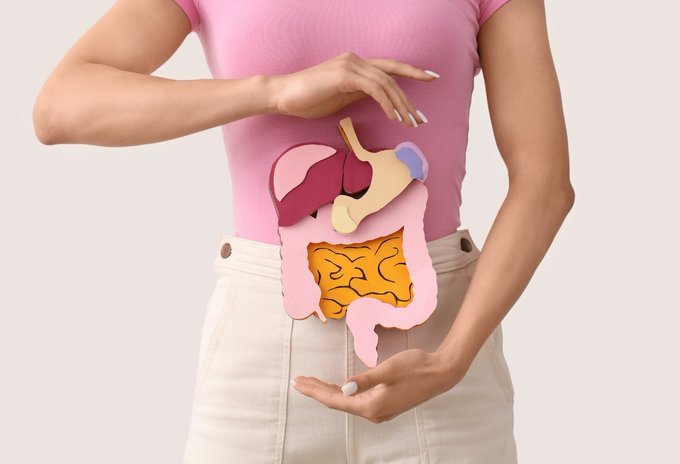
The vagus nerve coordinates energy use, digestion, and appetite.
It mobilizes food through the digestive tract and breaks it down. It is also connected to the brain regions that influence hunger and satiety, helping you know when you are hungry or full.
This system can even affect your body’s preference for certain flavors or textures based on nutritional needs. It helps detect the body’s need for things such as water and salt and can sense danger from food allergens and toxins.
Furthermore, the vagus nerve regulates the release of insulin and controls blood glucose levels and glucose storage.
It mobilizes food through the digestive tract and breaks it down. It is also connected to the brain regions that influence hunger and satiety, helping you know when you are hungry or full.
This system can even affect your body’s preference for certain flavors or textures based on nutritional needs. It helps detect the body’s need for things such as water and salt and can sense danger from food allergens and toxins.
Furthermore, the vagus nerve regulates the release of insulin and controls blood glucose levels and glucose storage.
Stimulating the vagus nerve helps reduce inflammation and maintain a healthy immune system.
The vagus nerve’s anti-inflammatory signaling reduces systemic inflammation, a factor often linked to chronic illnesses, Jodi Duval, an Australia-based naturopathic physician and founder of Revital Health, told The Epoch Times.
The vagus nerve’s anti-inflammatory signaling reduces systemic inflammation, a factor often linked to chronic illnesses, Jodi Duval, an Australia-based naturopathic physician and founder of Revital Health, told The Epoch Times.

Vagal tone—or the influence that the vagus nerve has on the body—is a reflection of the health of the vagus nerve itself, according to Modi.
The most common and accessible way to measure vagal tone is through heart rate variability (HRV), which tracks the variation in time between heartbeats.
This variation naturally fluctuates in response to breathing and other signals from the autonomic nervous system. Generally, higher HRV suggests stronger vagal tone and better vagus nerve function, “which allows a person to respond and adapt to physiological and environmental challenges,” Modi said. She added that HRV can be measured with a fitness tracker, smartwatch, or electrocardiogram.
The most common and accessible way to measure vagal tone is through heart rate variability (HRV), which tracks the variation in time between heartbeats.
This variation naturally fluctuates in response to breathing and other signals from the autonomic nervous system. Generally, higher HRV suggests stronger vagal tone and better vagus nerve function, “which allows a person to respond and adapt to physiological and environmental challenges,” Modi said. She added that HRV can be measured with a fitness tracker, smartwatch, or electrocardiogram.

The state of the vagus nerve is linked to various conditions, ranging from mental health disorders to Alzheimer’s disease.
theepochtimes.com/health/how-the…
theepochtimes.com/health/how-the…
There are many approaches to improve vagus nerve function, such as vagus nerve stimulation—often defined as mechanical stimulation using a vagus nerve stimulator—and natural stimulation methods.
Breathing, for example, is a distinct natural stimulator because it’s the only part of the autonomic nervous system that operates both automatically and consciously, giving us direct access to influence the vagus nerve system.
People respond to different types of therapies in unique ways; treatments, in general, must be tailored to a person’s needs and what’s accessible to them. However, stimulating the vagus nerve is something that everyone can try, according to Lidalize Grobler, an educational psychologist.
“It’s something I rely on most in my own practice because, in our modern lives, many of us are constantly in a fight-or-flight state. Stimulating the vagus nerve can help regulate this response, making it valuable for nearly everyone,” she said.
Upcoming articles in this series will explore ways to improve vagus nerve function to alleviate a number of conditions.
Breathing, for example, is a distinct natural stimulator because it’s the only part of the autonomic nervous system that operates both automatically and consciously, giving us direct access to influence the vagus nerve system.
People respond to different types of therapies in unique ways; treatments, in general, must be tailored to a person’s needs and what’s accessible to them. However, stimulating the vagus nerve is something that everyone can try, according to Lidalize Grobler, an educational psychologist.
“It’s something I rely on most in my own practice because, in our modern lives, many of us are constantly in a fight-or-flight state. Stimulating the vagus nerve can help regulate this response, making it valuable for nearly everyone,” she said.
Upcoming articles in this series will explore ways to improve vagus nerve function to alleviate a number of conditions.

Thanks for reading! If you found this valuable, here's a special deal:
Unlock our ENTIRE library of @EpochHealth articles for just $1/week—plus unlimited access to @EpochTV and everything else on our site.
Claim it here: subscribe.theepochtimes.com/p/?page=digita…
Unlock our ENTIRE library of @EpochHealth articles for just $1/week—plus unlimited access to @EpochTV and everything else on our site.
Claim it here: subscribe.theepochtimes.com/p/?page=digita…

• • •
Missing some Tweet in this thread? You can try to
force a refresh