Thread with excerpts from "Fall of the Double Eagle: The Battle for Galicia and the Demise of Austria-Hungary." 

The multiethnic nature of Austria-Hungary meant that it could not separate domestic and foreign policy; every foreign issue had a domestic lobby and vice-versa.


The military was a complex, highly-bureaucratic, inefficient, and unwieldy behemoth, the natural result of a dozen ethnic groups and countless dialects. The army was bound together by dynastic loyalty, and Franz Joseph saw it more as a domestic than a foreign instrument.

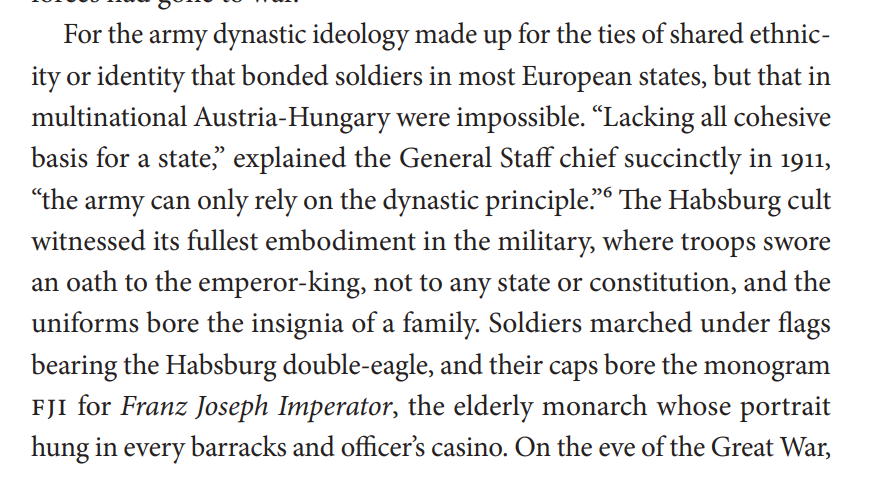

A-H had three different armies: an Austrian one, a Hungarian one (Honved), and a joint one (KuK). The first two were supposed to be symbolic, but gradually became major forces in their own right due to Hungarian intransigence. This posed obvious problems for unity of command.

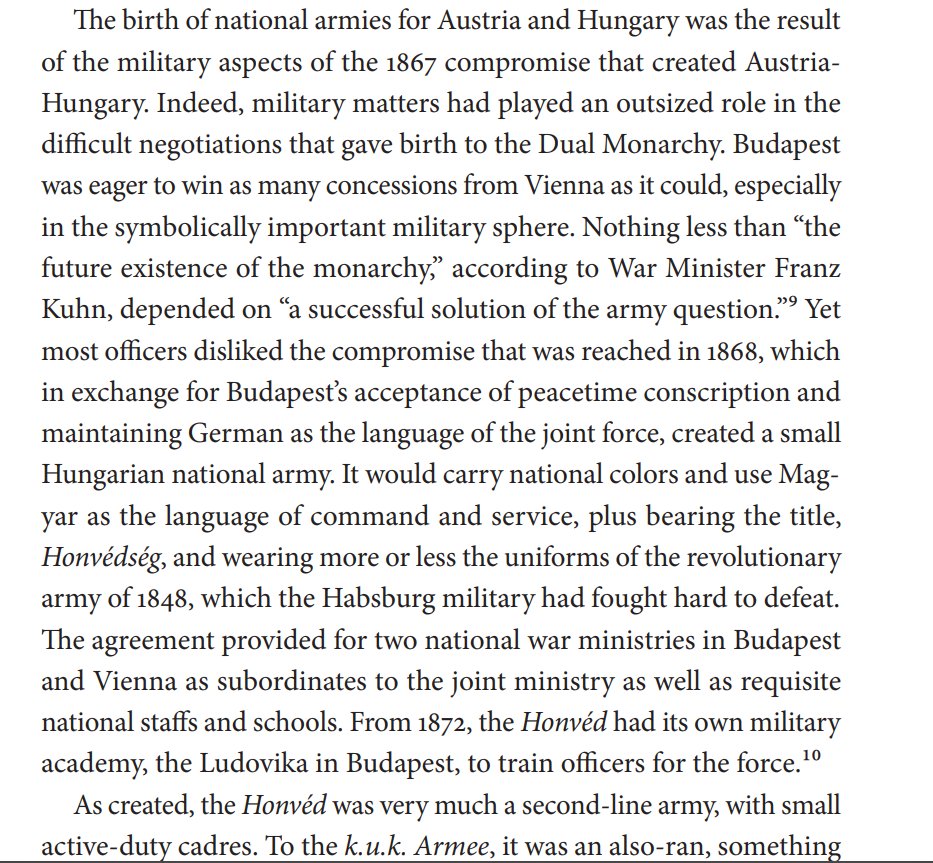
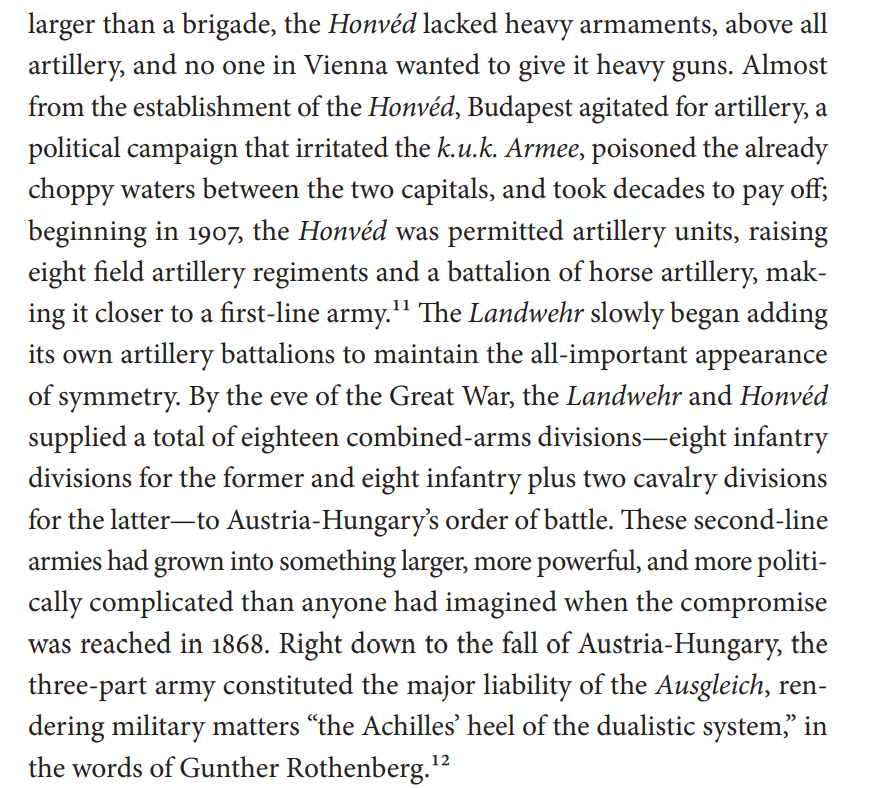
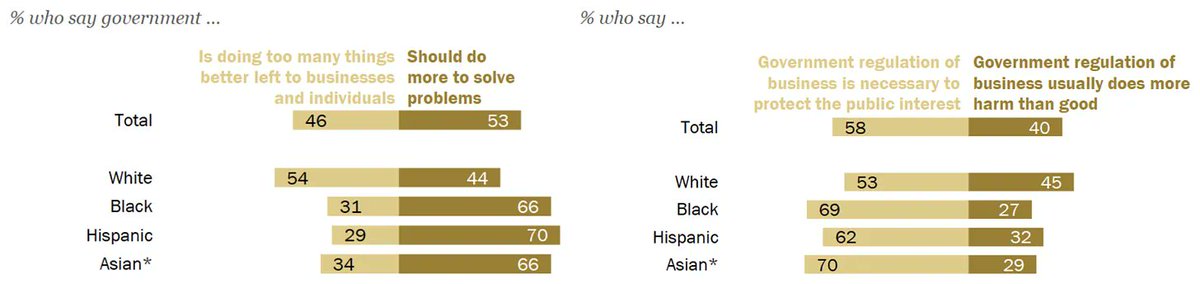
Even worse, military laws required assent from both halves of the monarchy, and the Hungarians used funding/training/conscription as a bargaining chip for other concessions, leaving it weak and unready. Chart unrelated (race provisions in the National Defense Acquisition Act).


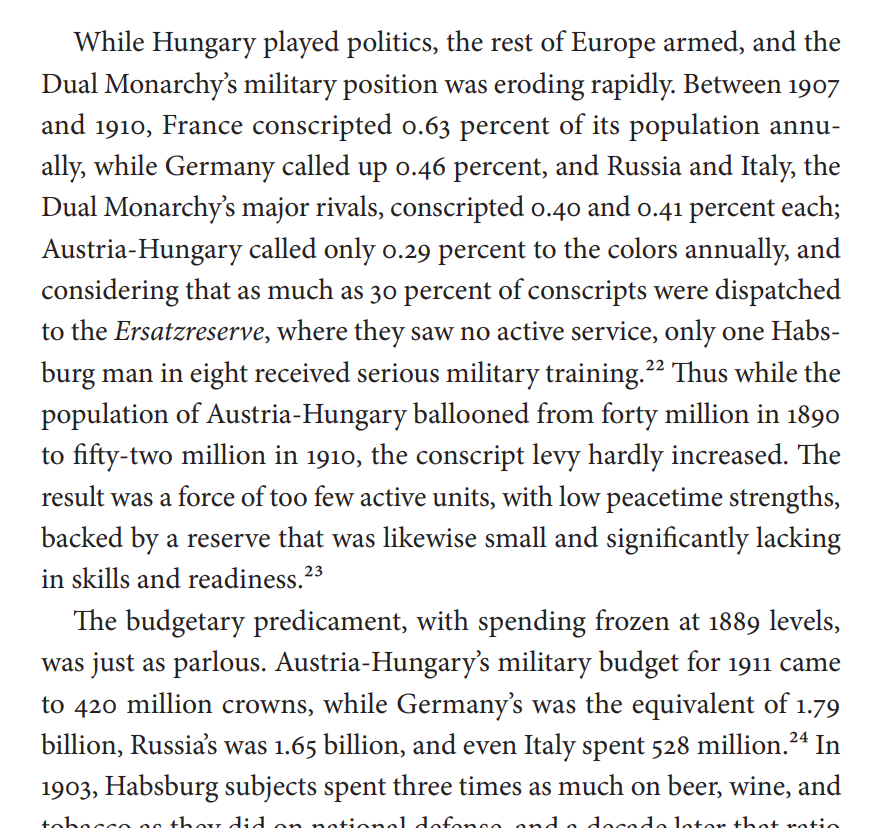

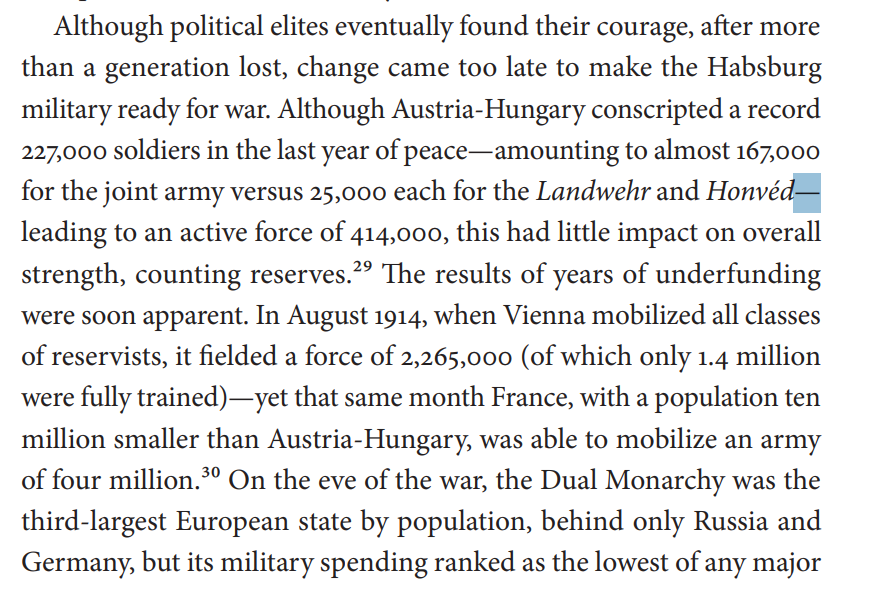
As such, when war came, Austro-Hungary had the weakest military of the great powers, despite a large population and economy. However, at least the military had spiffy uniforms (useful for the domestic repression role) and was extremely diverse.
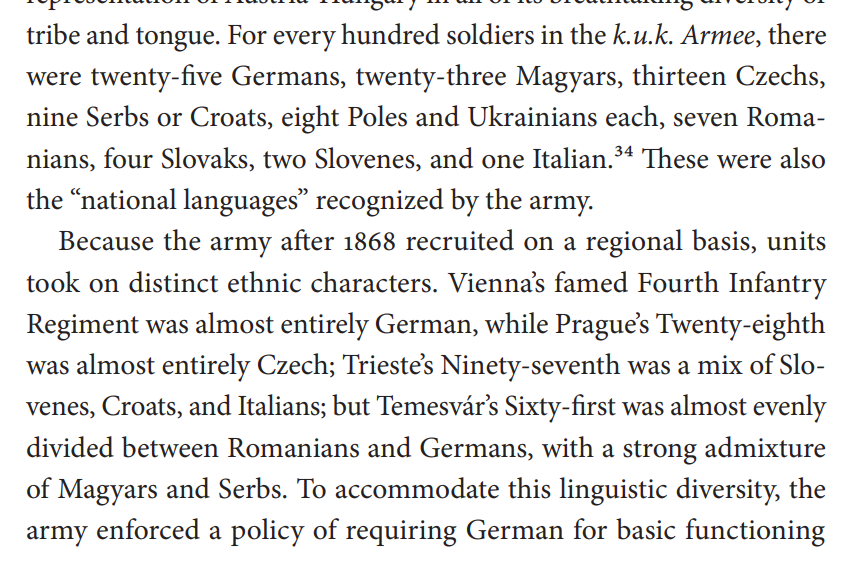
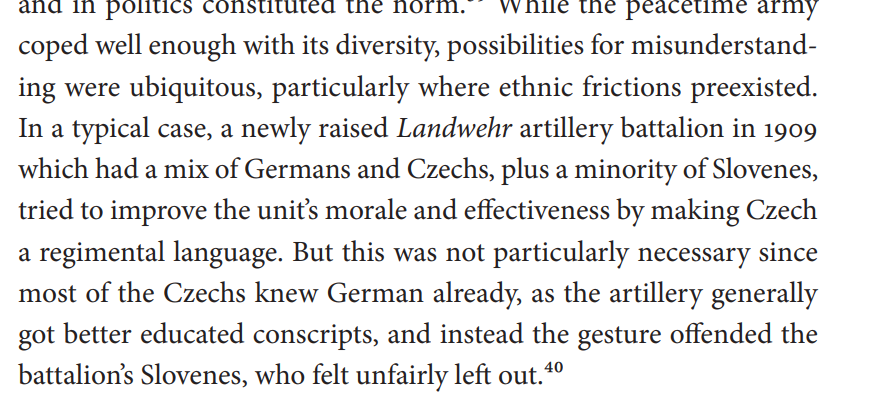
The linguistic diversity in particular led to amusing misunderstandings, and trying to figure out the right languages for each unit often offended left-out groups.

Jews were highly overrepresented among reserve officers, especially in the Honved. There were six Jewish officers for every Jewish common soldier.

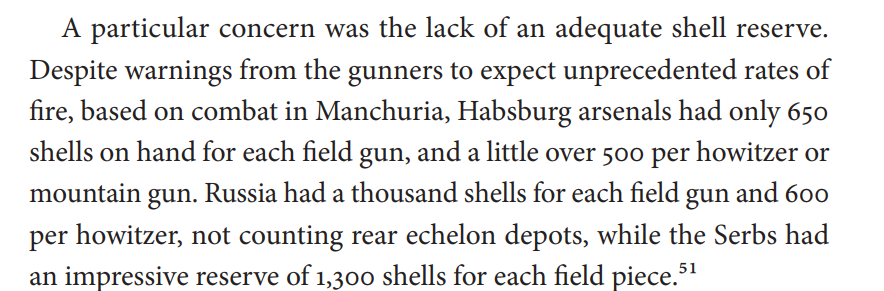
Austria's weakest arm was artillery.

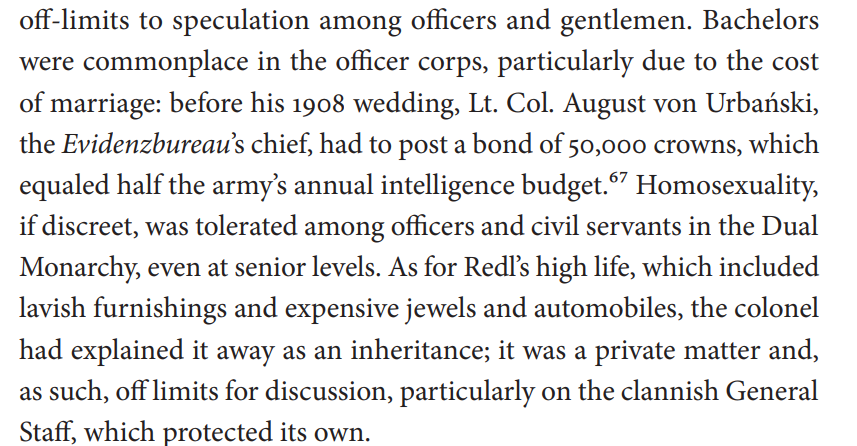
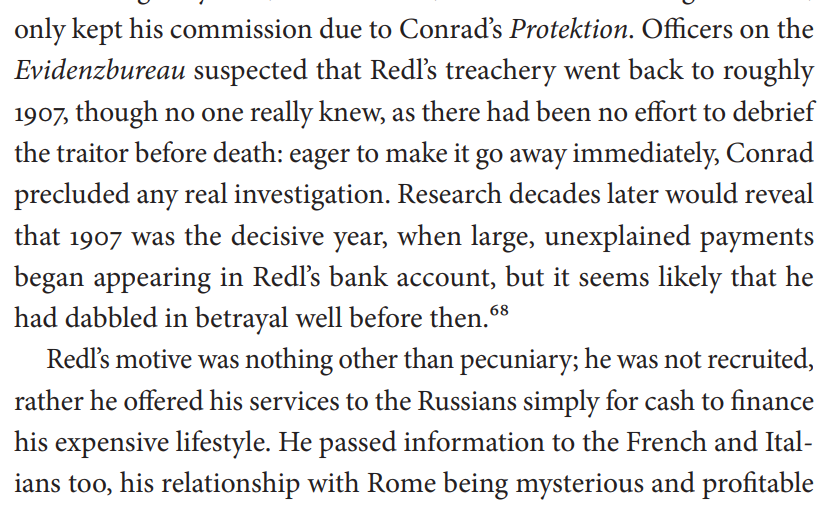
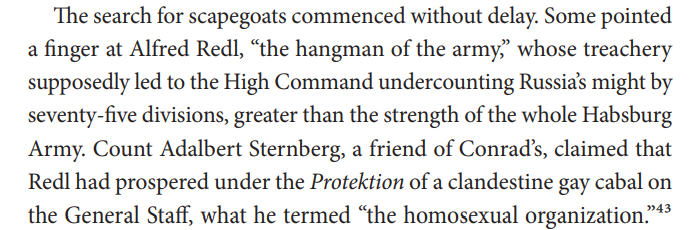
Very successful Russian espionage ring, with prominent General Staff officers, including Redl, the head of the Hapsburg espionage arm for 7 years. The traitors: a Serb with ethnic sympathies for Russia and a "notorious homosexual." If only there were signs.
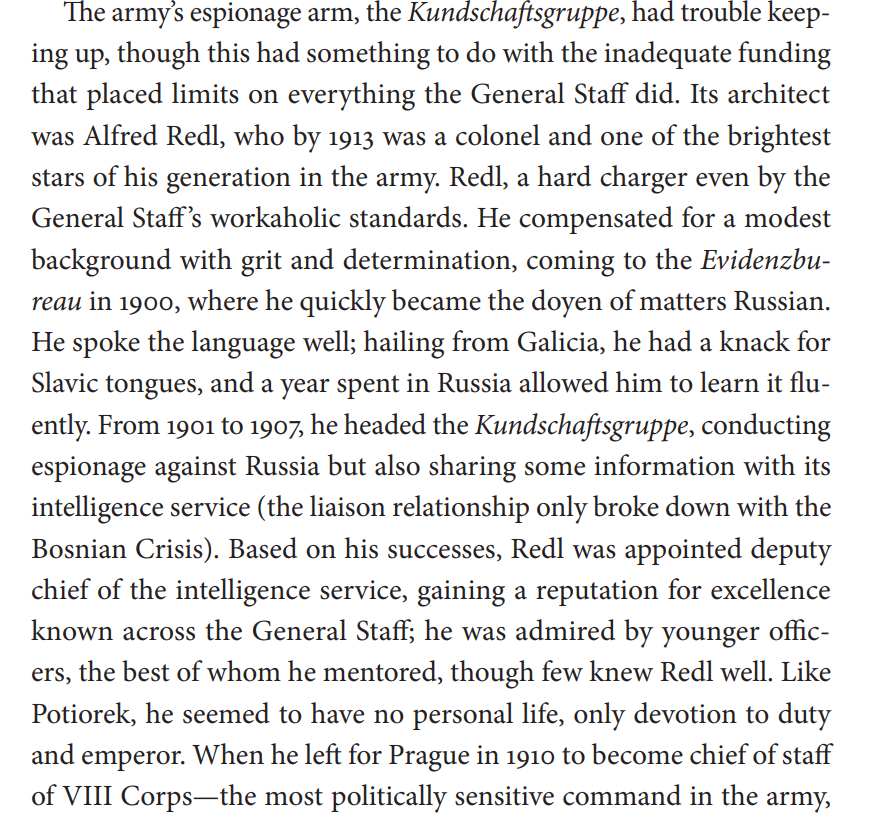


Homosexuality was apparently fairly common in the Hapsburg officer corps, and Redl turned to treachery to pay for his lifestyle, turning over KuK's secrets and destroying the entire Austrian espionage network in Russia. Unrelated: Project Veritas.

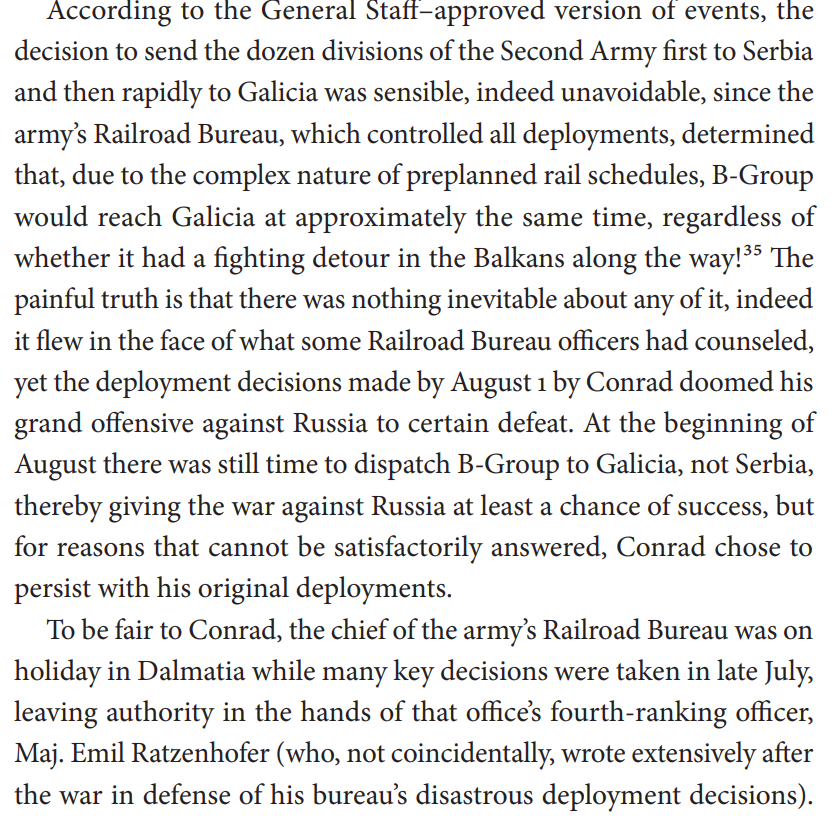
Deployment plan chosen was awful. Initially deployed primarily vs Serbia, even though Russian support for Serbia was well-known, then had to pivot back when the Russians showed up, failing on both fronts.

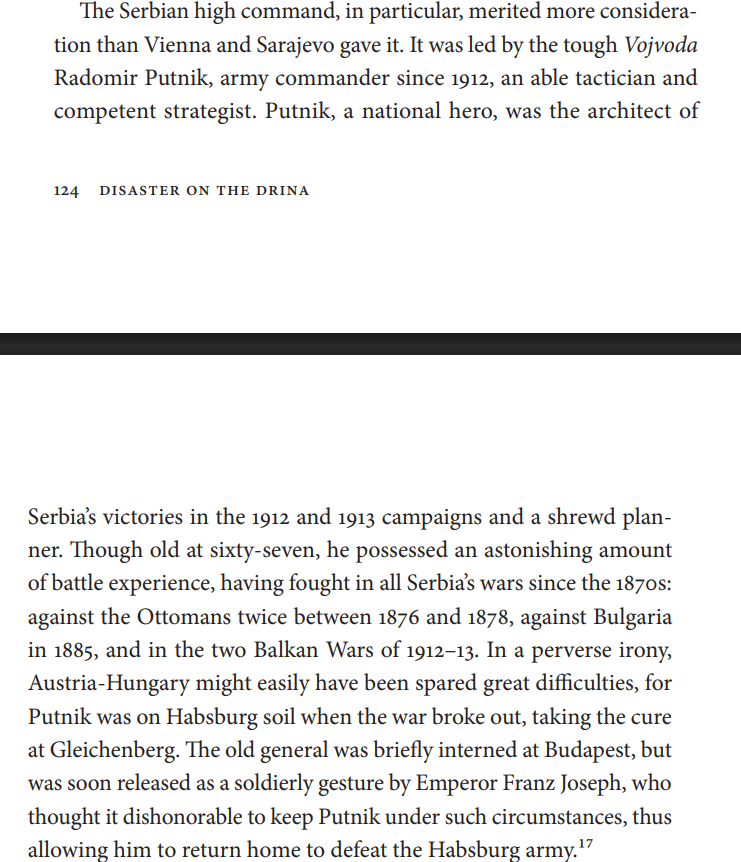
The head of the Serbian military, who would go on to beat the Hapsburg invasion, was on Hapsburg soil when the war started and interned, only to be allowed to leave by Franz Joseph. The Serbs mobilized faster and had a comparable force to the invasion.
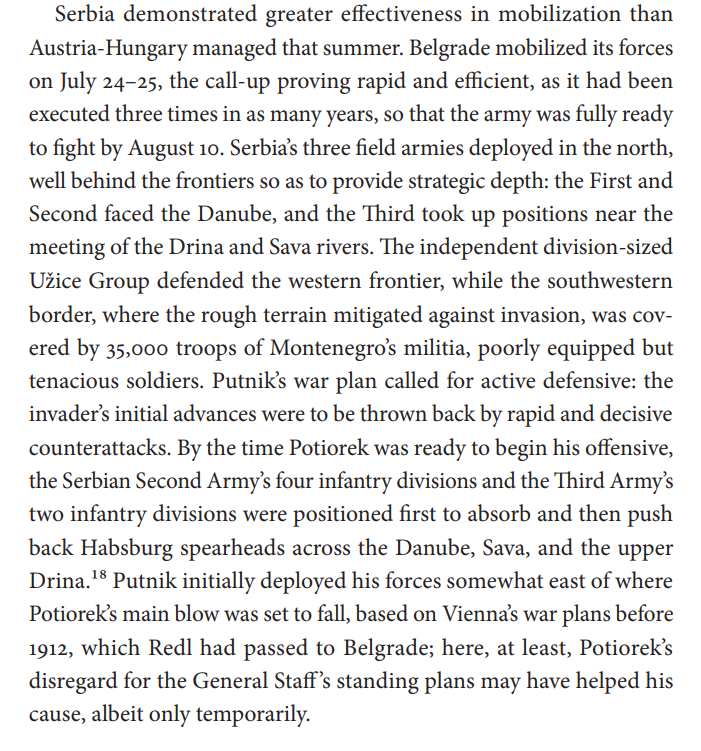
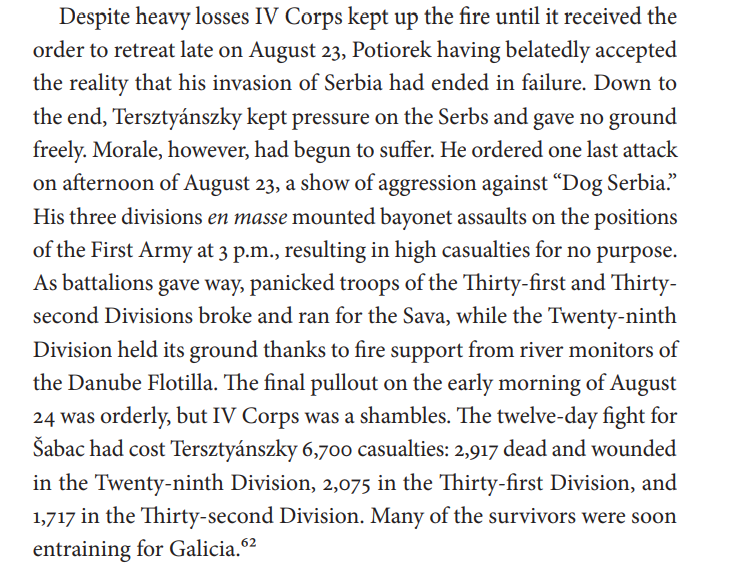
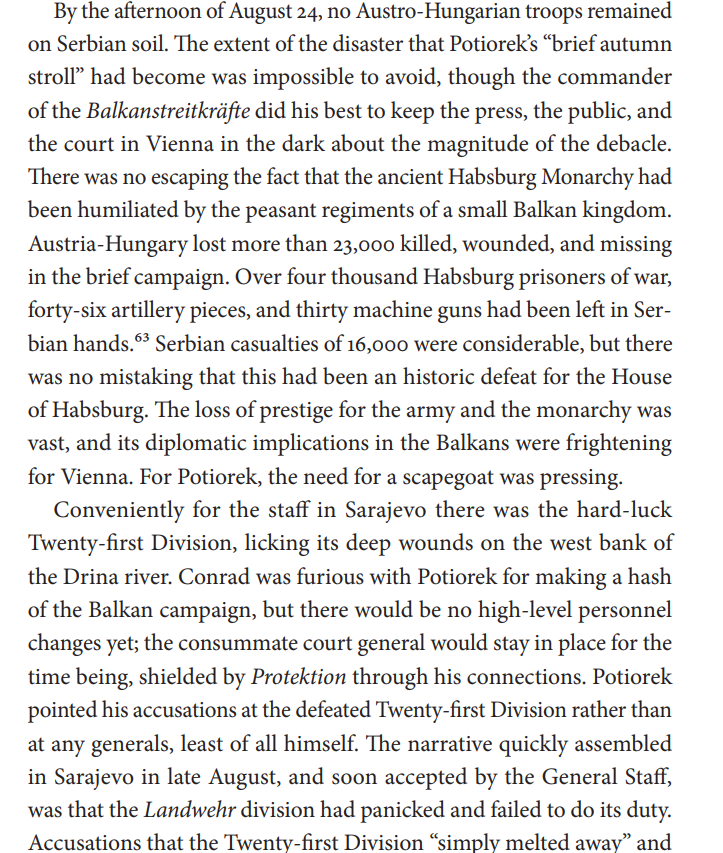
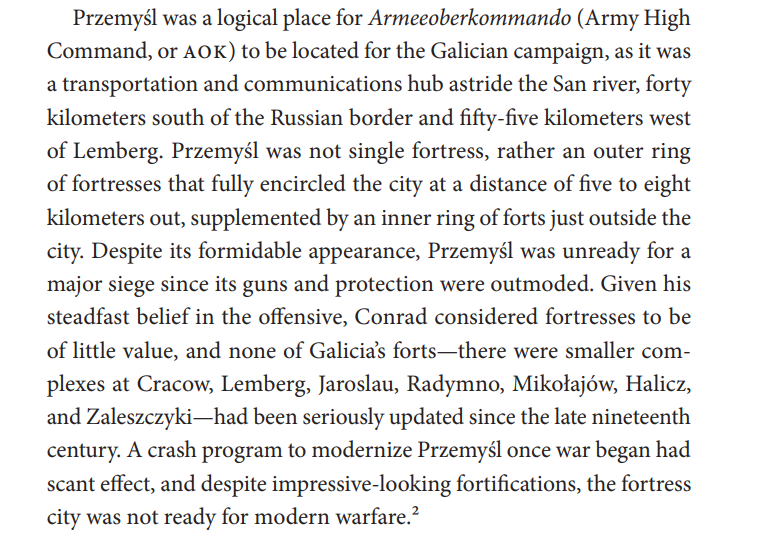
Galicia's fortresses were not well-maintained or modernized due to the faith in the offensive. KuK plan was an attack into Poland.

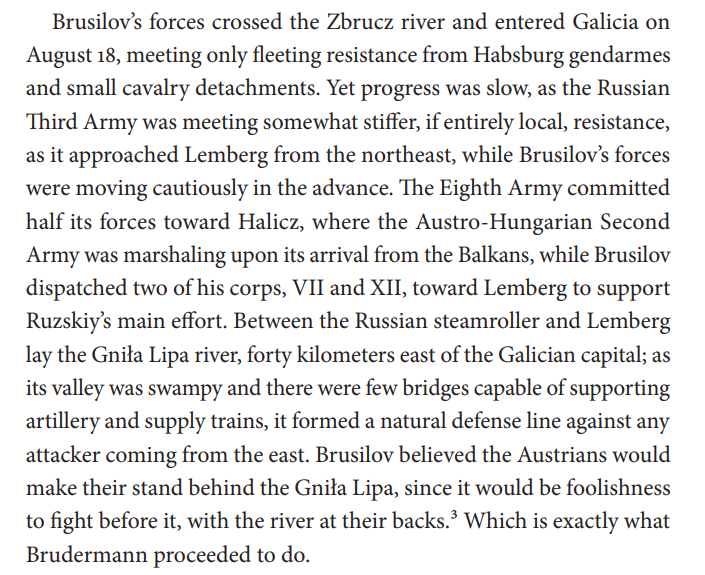
When Brusilov, the finest Russian general of the war, advanced into Galicia, he assumed the KuK would defend from behind the river Gnila Lipa, rather than in front of it, because to do otherwise would be retarded. He was wrong.
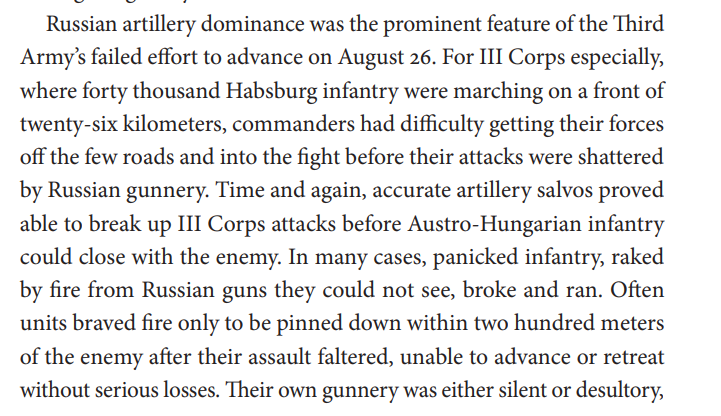
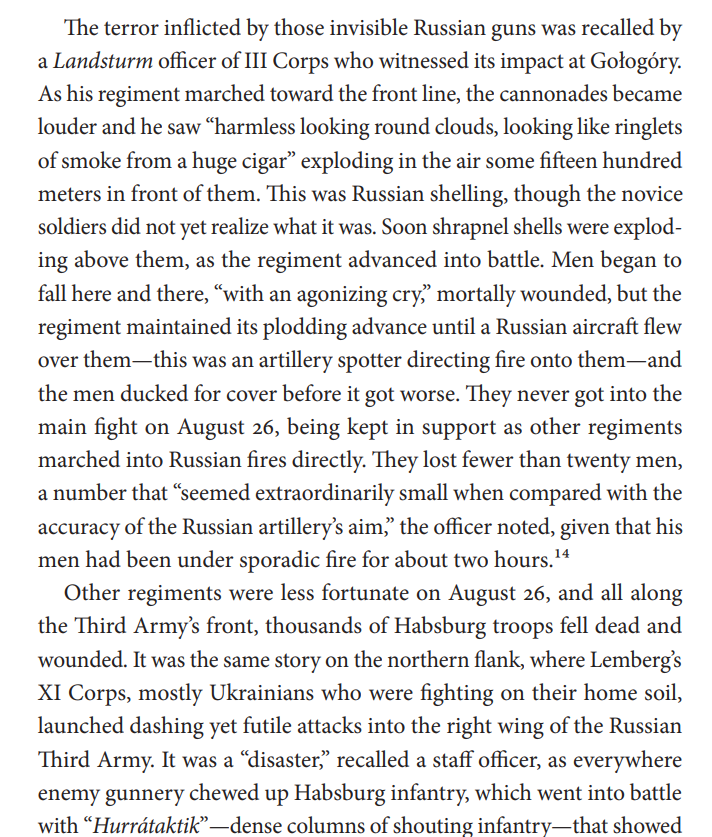
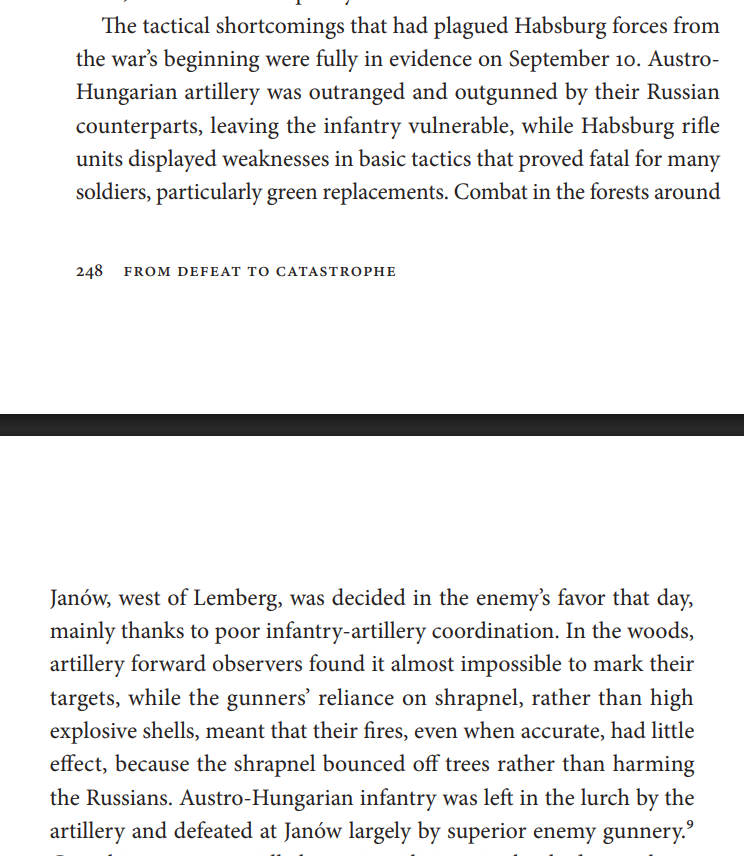
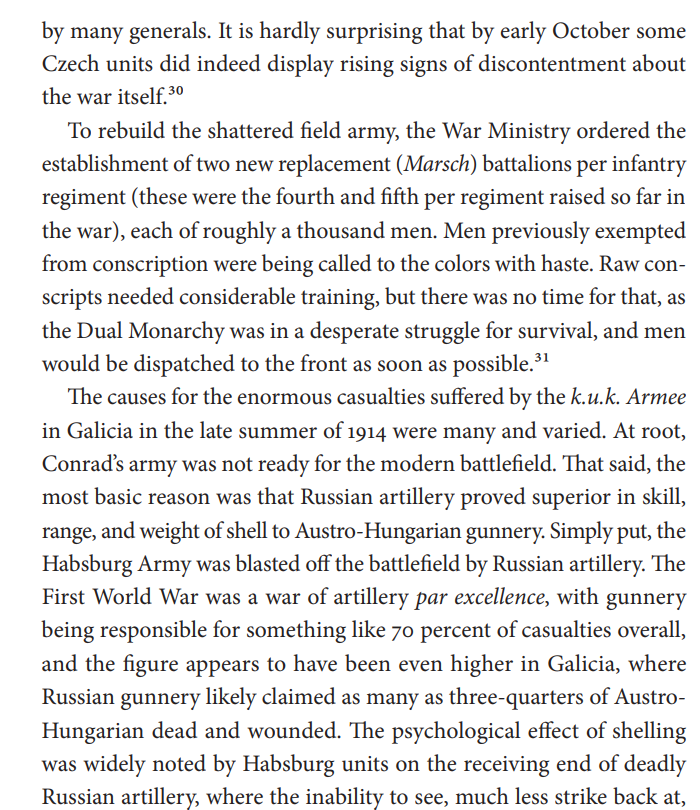
The Russians had more, more modern, and better-used artillery, and put it to good use again and again.
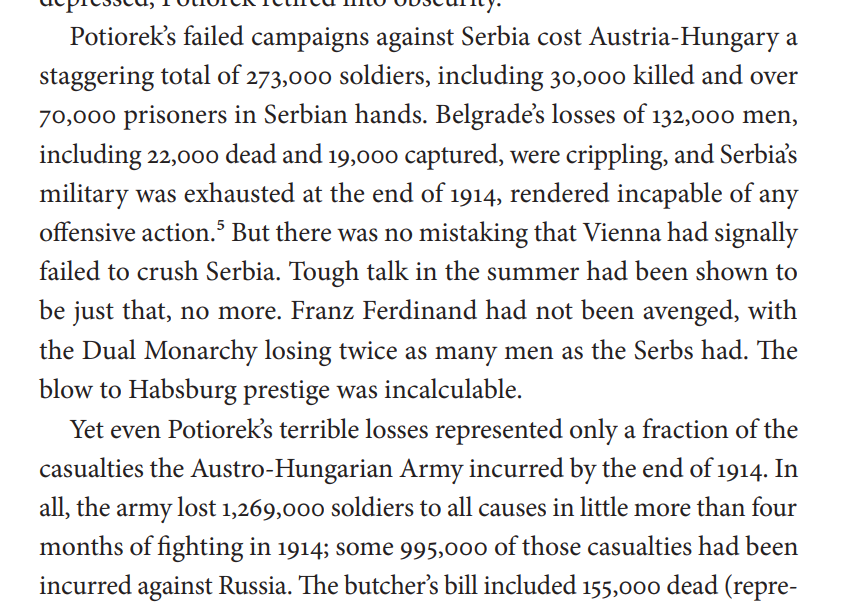
Austria-Hungary took 420,000 casualties against Russia in three weeks of fighting, more than the entire prewar standing army.
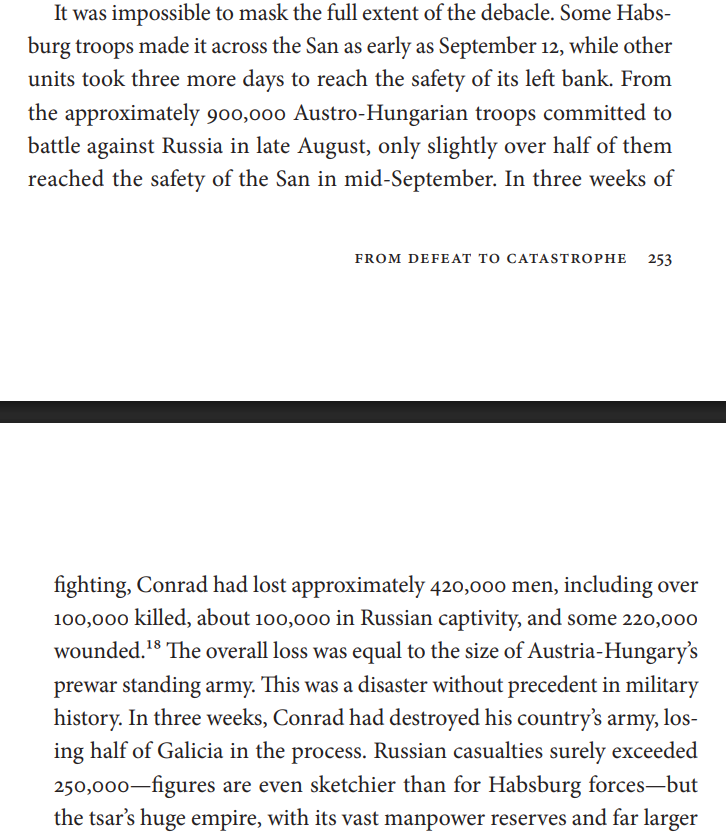
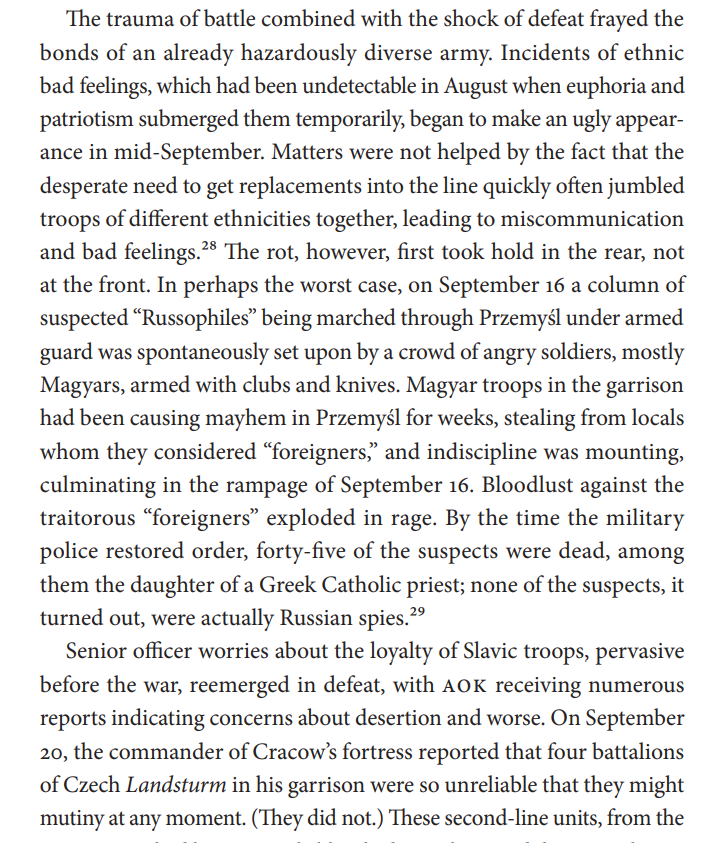
Defeat in Galicia brought forth A-H's ethnic tensions. One feature of multiethnic agglomerations is that they are fragile - when things are good, they can work, but they tend to crumble at setbacks, and there will always be setbacks.
Defeat in Galicia was blamed on many things; one was the homosexual cabal in the General Staff, as exemplified by Russian spy Redl.
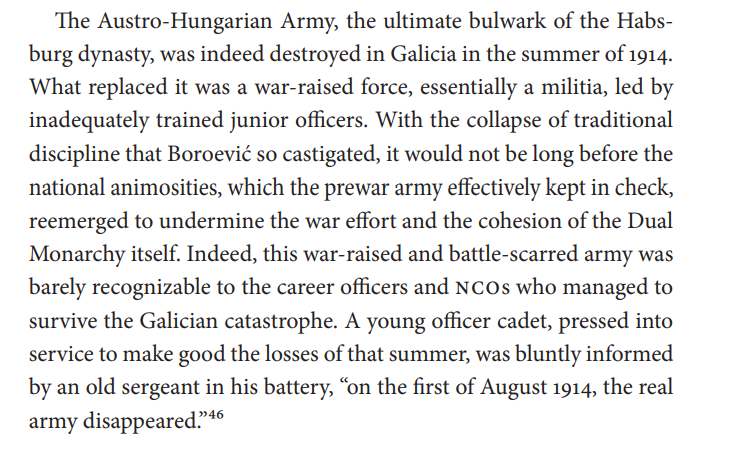
The destruction of the pre-war army, the major institution keeping Austria-Hungary together, turned A-H into a German dependent and eventually doomed the monarchy. Rebuilding the army from scratch brought in broader ethnic hatreds from civilian society.


Gavrilo Princip, probably the most destructive and successful terrorist of all time, was not executed because Austria law forbid the death penalty for teenagers.

• • •
Missing some Tweet in this thread? You can try to
force a refresh