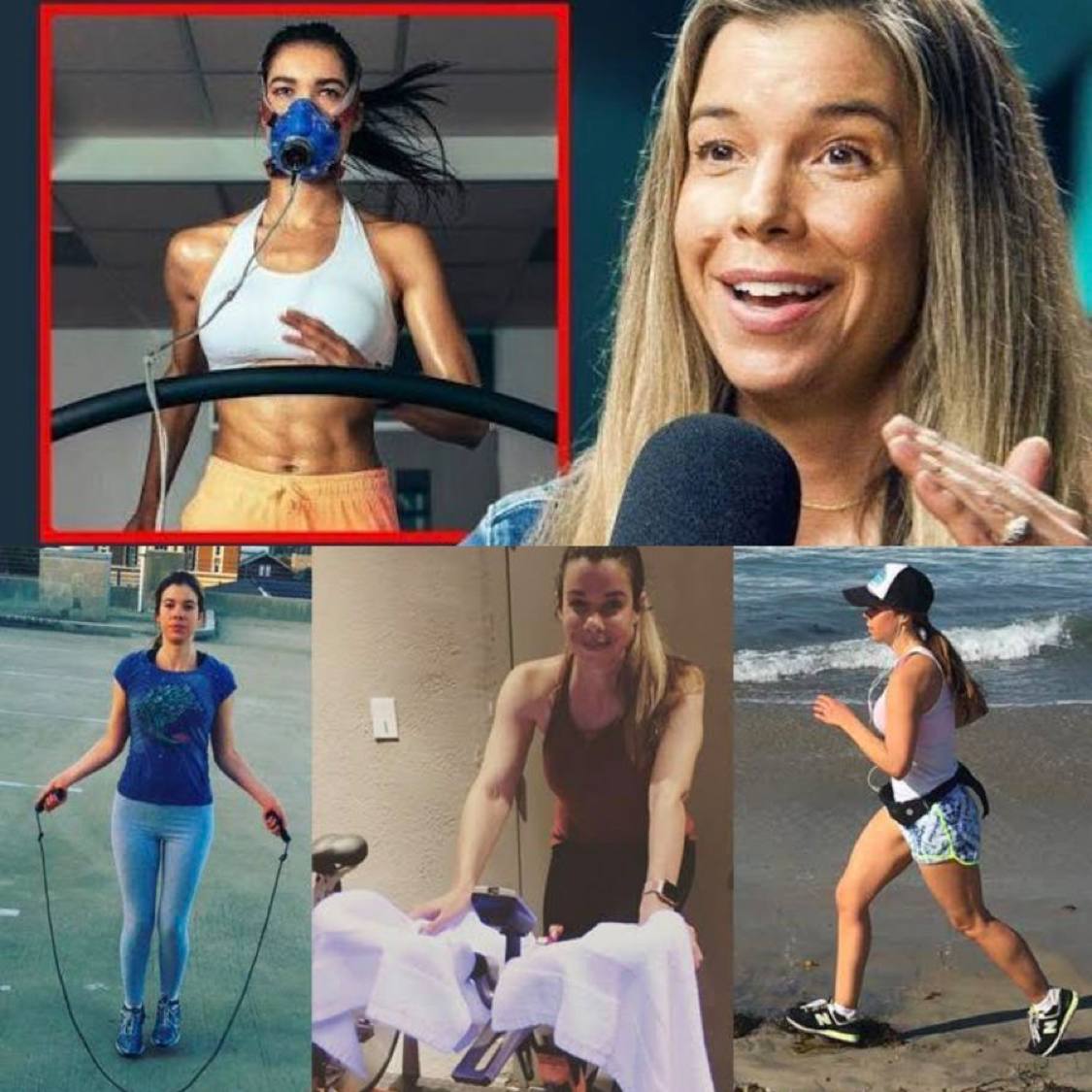
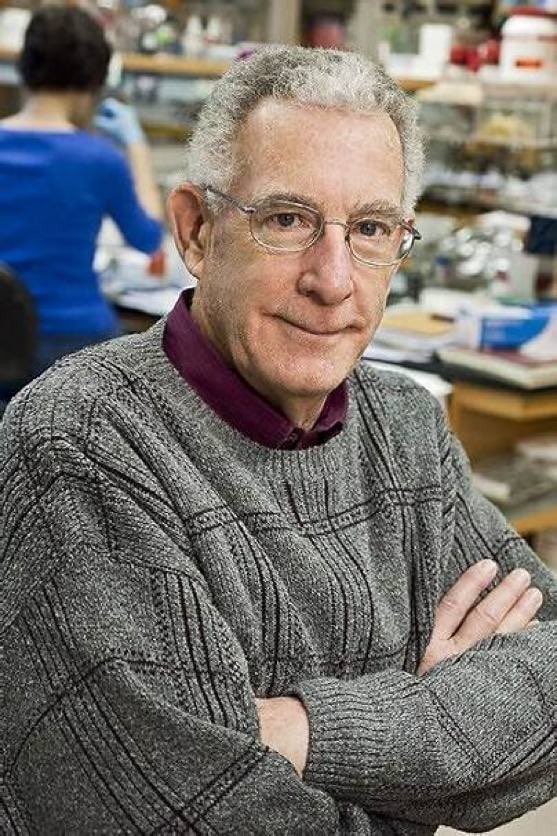
This is Thomas Seyfried.
He’s a professor of biology, who’s studied cancer for 30+ years.
His message? Cancer isn’t bad genes or bad luck—it’s damaged mitochondria.
This flips everything you’ve been told about how to treat & prevent cancer:
He’s a professor of biology, who’s studied cancer for 30+ years.
His message? Cancer isn’t bad genes or bad luck—it’s damaged mitochondria.
This flips everything you’ve been told about how to treat & prevent cancer:
1/ Cancer rates are on the rise, why?
- 1,676 people die daily from cancer in the U.S.
- Young seemingly healthy people are being diagnosed more often than ever.
- Billions spent, yet the "war on cancer" failed.
Seyfried: We're hitting the wrong target.
- 1,676 people die daily from cancer in the U.S.
- Young seemingly healthy people are being diagnosed more often than ever.
- Billions spent, yet the "war on cancer" failed.
Seyfried: We're hitting the wrong target.
2/ Mainstream dogma: "Cancer is a genetic disease caused by DNA mutations.”
Seyfried: Wrong.
DNA damage is a symptom, not cause.
Real cause: Damaged mitochondria
Healthy mitochondria = NO cancer.
Seyfried: Wrong.
DNA damage is a symptom, not cause.
Real cause: Damaged mitochondria
Healthy mitochondria = NO cancer.
3/ Big idea #1: Mitochondria, not the genes, determines if a cell becomes cancerous
When cells can’t make energy with oxygen, they switch to the ancient fermentation pathway.
Cancer thrives by burning glucose & glutamine without oxygen.
Uncontrolled cell growth follows.
When cells can’t make energy with oxygen, they switch to the ancient fermentation pathway.
Cancer thrives by burning glucose & glutamine without oxygen.
Uncontrolled cell growth follows.
4/ Seyfried builds on Otto Warburg’s forgotten theory.
Warburg won the 1931 Nobel Prize in Medicine.
He observed cancer cells ferment sugar even with oxygen (Warburg Effect) and believed cancer was metabolic, not genetic.
Modern science ignored him.
Seyfried didn’t.
Warburg won the 1931 Nobel Prize in Medicine.
He observed cancer cells ferment sugar even with oxygen (Warburg Effect) and believed cancer was metabolic, not genetic.
Modern science ignored him.
Seyfried didn’t.
5/ Proof from research?
Damaged DNA + healthy mitochondria = NO cancer
Healthy DNA + damaged mitochondria = CANCER
DNA isn't the trigger, it's downstream damage
Damaged DNA + healthy mitochondria = NO cancer
Healthy DNA + damaged mitochondria = CANCER
DNA isn't the trigger, it's downstream damage
6/ Research from the visionary biologist Michael Levin supports this:
Cancer is a disease of failed bioelectric signaling, not genes.
Cancer is a disease of failed bioelectric signaling, not genes.
•-Suffering with low testosterone
-Low libido
-Less energy levels
-low muscle mass
-No morning wood
Then You should definitely try this product
boreome.com/energyup
-Low libido
-Less energy levels
-low muscle mass
-No morning wood
Then You should definitely try this product
boreome.com/energyup
7/ Big idea #2: All cancers are one disease: damaged mitochondria.
Yet medicine divides tumors by organs (breast, lung, brain).
We're treating symptoms, not the root cause.
Yet medicine divides tumors by organs (breast, lung, brain).
We're treating symptoms, not the root cause.
8/ Dr. Jason Fung, MD, author of "The Cancer Code", agrees:
Cancer isn’t just a genetic disease, it’s a disease of bioenergetics.
Standard treatments often fail because they ignore the root cause: dysfunctional metabolism.
Cancer isn’t just a genetic disease, it’s a disease of bioenergetics.
Standard treatments often fail because they ignore the root cause: dysfunctional metabolism.
9/ “What about BRCA1 and other inherited cancer genes?”
They also connect back to mitochondrial dysfunction.
These genes influence mitochondrial proteins involved in the electron transport chain, which is essential for energy production.
They increase cancer risk but aren’t sufficient to cause it on their own.
They also connect back to mitochondrial dysfunction.
These genes influence mitochondrial proteins involved in the electron transport chain, which is essential for energy production.
They increase cancer risk but aren’t sufficient to cause it on their own.
10/ What damages mitochondria?
- Ultra-proccessed foods, high carb at wrong seasons
- Insulin resistance
- Chronic inflammation
- Lack of exercise & movement
- Poor sleep
- Chemical toxins, heavy metals, mold
- EMFs (Wi-Fi, 5G)
- Chronic Stress
- Viruses (HPV, Hepatitis)
- Artificial Blue Light
- Ultra-proccessed foods, high carb at wrong seasons
- Insulin resistance
- Chronic inflammation
- Lack of exercise & movement
- Poor sleep
- Chemical toxins, heavy metals, mold
- EMFs (Wi-Fi, 5G)
- Chronic Stress
- Viruses (HPV, Hepatitis)
- Artificial Blue Light
11/ Seyfried’s approach to cancer:
- Get body into nutritional ketosis (Glucose/Ketone Index < 2.0) via ketogenic diet or fasting
- Press glucose & pulse the glutamine with targeted drugs
- Bonus: Hyperbaric oxygen therapy
- Get body into nutritional ketosis (Glucose/Ketone Index < 2.0) via ketogenic diet or fasting
- Press glucose & pulse the glutamine with targeted drugs
- Bonus: Hyperbaric oxygen therapy
12/ Hyperbaric Oxygen Therapy (HBOT)
Seyfried sees it as a metabolic add-on.
When used with keto + glucose restriction, HBOT floods tumors with oxygen.
Normal cells benefit from the oxygen boost.
Cancer cells can’t handle the oxidative stress, they get stressed & die.
Seyfried sees it as a metabolic add-on.
When used with keto + glucose restriction, HBOT floods tumors with oxygen.
Normal cells benefit from the oxygen boost.
Cancer cells can’t handle the oxidative stress, they get stressed & die.
13/ Seyfried’s bottom line:
You don’t get cancer if your mitochondria is healthy.
Period.
Cancer doesn’t happen overnight, start early, protect your mitochondria to prevent cancer.
You don’t get cancer if your mitochondria is healthy.
Period.
Cancer doesn’t happen overnight, start early, protect your mitochondria to prevent cancer.
14/ Protect your mitochondria to prevent cancer:
- Intermittent fasting / longer water fasting
- High-quality sleep (deep + REM)
- Blue light protection after sunset
- Zone 2 cardio + HIIT
- Strength training
- Cold exposure (showers/plunges)
- Sauna
- Seasonal whole foods
- Eliminate seed oils & ultra-processed food
- Limit alcohol, drugs, smoking
- Daily sunlight exposure
- Grounding (barefoot outdoors)
- Intermittent fasting / longer water fasting
- High-quality sleep (deep + REM)
- Blue light protection after sunset
- Zone 2 cardio + HIIT
- Strength training
- Cold exposure (showers/plunges)
- Sauna
- Seasonal whole foods
- Eliminate seed oils & ultra-processed food
- Limit alcohol, drugs, smoking
- Daily sunlight exposure
- Grounding (barefoot outdoors)
DISCLAIMER: This is NOT medical advice. Always consult a qualified professional.
30 days is all you need to change your life.
Get '100 Mental Models' to:
• Make better decisions
• Learn critical thinking
• Excel at everything
• Live a happy life
gumroad.com/a/827761939/Ax…
Get '100 Mental Models' to:
• Make better decisions
• Learn critical thinking
• Excel at everything
• Live a happy life
gumroad.com/a/827761939/Ax…
• • •
Missing some Tweet in this thread? You can try to
force a refresh