The Unexpected Defender Against Kidney Stones
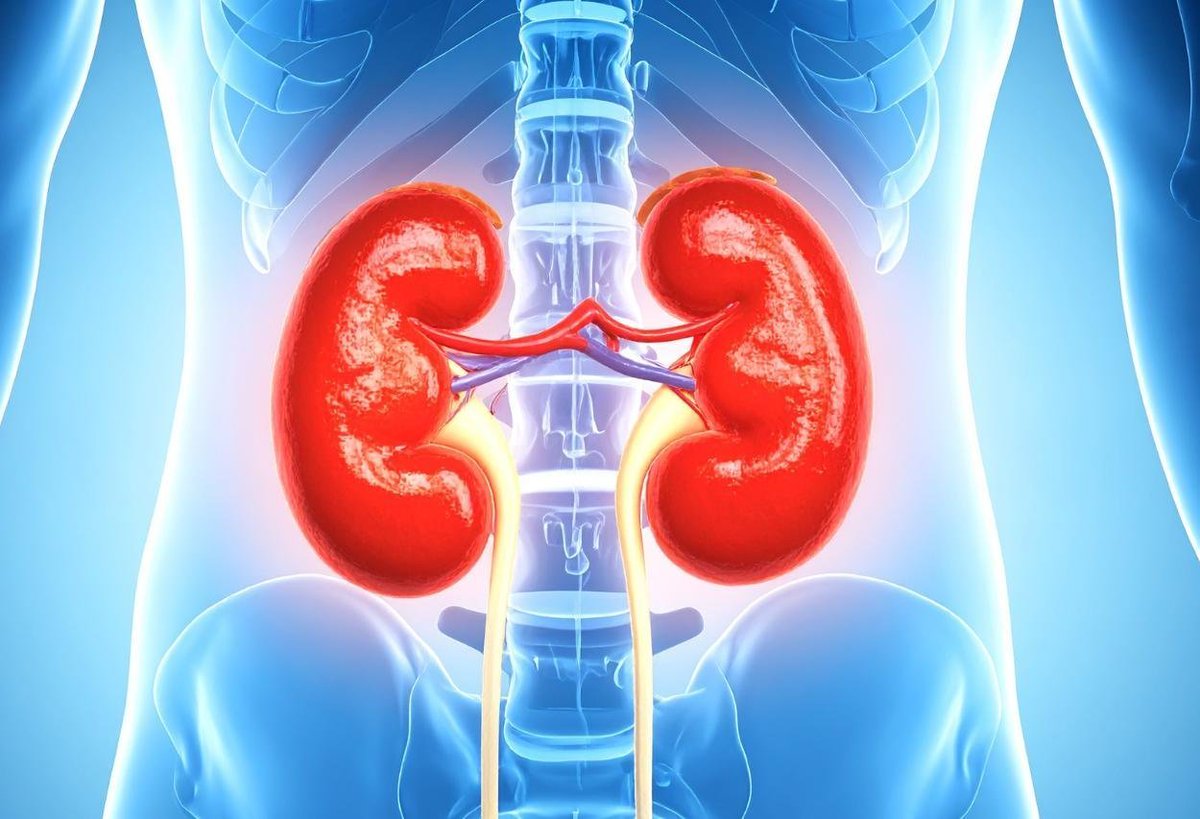
Millions struggle with kidney stones every year. Diet, dehydration, and genetics usually take the blame.
But scientists just found something hiding in your body that plays an even bigger role.
It’s not what you think. And it could change how we prevent kidney stones forever.
🧵 THREAD
Millions struggle with kidney stones every year. Diet, dehydration, and genetics usually take the blame.
But scientists just found something hiding in your body that plays an even bigger role.
It’s not what you think. And it could change how we prevent kidney stones forever.
🧵 THREAD
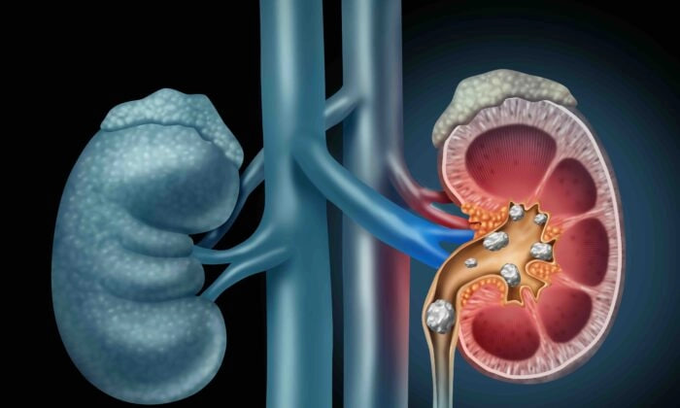
The urinary tract microbiome, also known as the urobiome, is home to various microorganisms. Researchers from Mahidol University in Thailand found that certain bacteria within the urobiome play crucial roles in promoting or preventing kidney stone formation.
The discovery sheds new light on this painful condition that affects approximately 10 percent of the U.S. population.
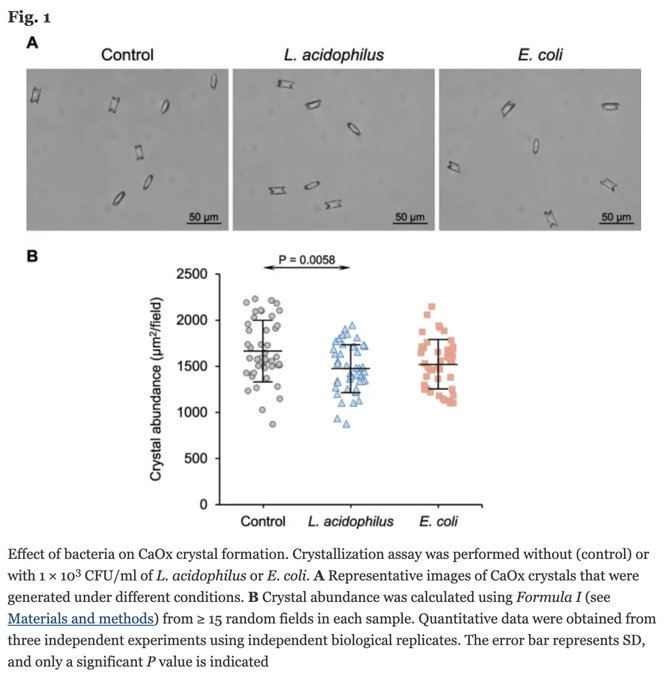
The study, published in the journal Microbiome, showed that Lactobacillus acidophilus (L. acidophilus) helped prevent the formation of calcium crystals that cause kidney stones. In contrast, Escherichia coli (E. coli) promoted kidney stone formation.
“The urinary tract of healthy individuals is known to harbor several bacterial genera,” the authors wrote, citing Lactobacillus. “Alterations in such bacterial community or urinary microbiome have been reported in many kidney diseases, including KSD [kidney stone disease].”
The discovery sheds new light on this painful condition that affects approximately 10 percent of the U.S. population.
The study, published in the journal Microbiome, showed that Lactobacillus acidophilus (L. acidophilus) helped prevent the formation of calcium crystals that cause kidney stones. In contrast, Escherichia coli (E. coli) promoted kidney stone formation.
“The urinary tract of healthy individuals is known to harbor several bacterial genera,” the authors wrote, citing Lactobacillus. “Alterations in such bacterial community or urinary microbiome have been reported in many kidney diseases, including KSD [kidney stone disease].”
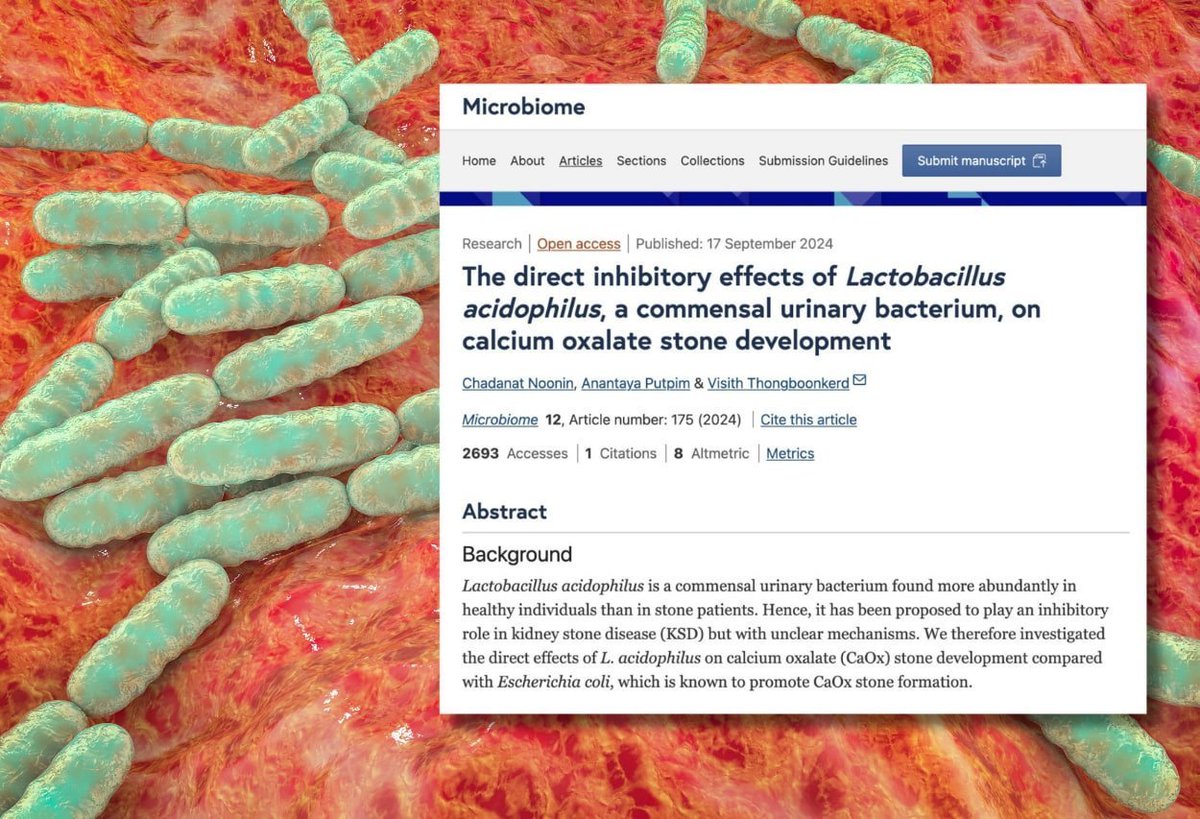
Contrasting Actions of 2 Key Bacteria
Researchers investigated how L. acidophilus, commonly found in the urine of healthy individuals, might prevent kidney stone formation. They compared its effects with E. coli, known to promote stone development.
The study examined their interactions with calcium oxalate crystals—a common component of kidney stones.
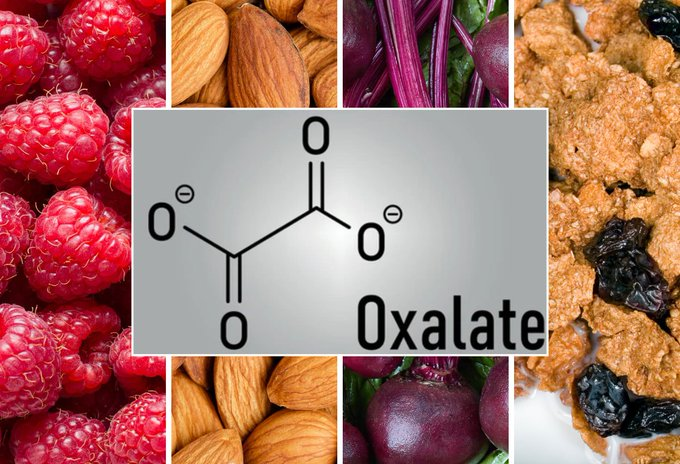
Oxalate, which is obtained through the diet, typically binds with calcium from food and exits through the bowels. In other words, if oxalate binds with calcium in the gut, it’s not a problem. But excess oxalate in the diet, without calcium, can be absorbed into the bloodstream, where it binds with calcium in the urine, forming calcium oxalate kidney stones that can’t exit the body easily.
Researchers investigated how L. acidophilus, commonly found in the urine of healthy individuals, might prevent kidney stone formation. They compared its effects with E. coli, known to promote stone development.
The study examined their interactions with calcium oxalate crystals—a common component of kidney stones.
Oxalate, which is obtained through the diet, typically binds with calcium from food and exits through the bowels. In other words, if oxalate binds with calcium in the gut, it’s not a problem. But excess oxalate in the diet, without calcium, can be absorbed into the bloodstream, where it binds with calcium in the urine, forming calcium oxalate kidney stones that can’t exit the body easily.
The results revealed contrasting effects:
L. acidophilus:
• Reduced the formation, growth, and clumping of calcium oxalate crystals
• Prevented crystals from sticking to kidney cells, which can cause crystals to enlarge and form kidney stones
E. coli:
• Increased the growth and clumping of crystals
Neither bacteria significantly degraded the crystals. This suggests their effects stem from their ability to inhibit or promote crystal formation rather than break them down.
Both bacteria can stick to the crystals due to having adhesive proteins on their outer surface, with L. acidophilus having a higher percentage of bacteria-bound crystals than E. coli. When these surface components were removed, the bacteria lost their ability to affect crystal formation.
Calcium oxalate kidney stones are formed when a person who is not adequately hydrated eats foods high in oxalate with a diet low in calcium. This can cause an inadequate amount of calcium for oxalate to bind to in the gut, causing the concentrated urine to crystalize.
L. acidophilus:
• Reduced the formation, growth, and clumping of calcium oxalate crystals
• Prevented crystals from sticking to kidney cells, which can cause crystals to enlarge and form kidney stones
E. coli:
• Increased the growth and clumping of crystals
Neither bacteria significantly degraded the crystals. This suggests their effects stem from their ability to inhibit or promote crystal formation rather than break them down.
Both bacteria can stick to the crystals due to having adhesive proteins on their outer surface, with L. acidophilus having a higher percentage of bacteria-bound crystals than E. coli. When these surface components were removed, the bacteria lost their ability to affect crystal formation.
Calcium oxalate kidney stones are formed when a person who is not adequately hydrated eats foods high in oxalate with a diet low in calcium. This can cause an inadequate amount of calcium for oxalate to bind to in the gut, causing the concentrated urine to crystalize.
A little about us: We’re a team of journalists and researchers on a mission to give you REAL and honest information about your health.
Side effects of reading our posts may include: critical thinking.
Follow us for more daily threads—backed by hard data.
—> @EpochHealth
Side effects of reading our posts may include: critical thinking.
Follow us for more daily threads—backed by hard data.
—> @EpochHealth

Kidney Stones: The Bacterial Connection
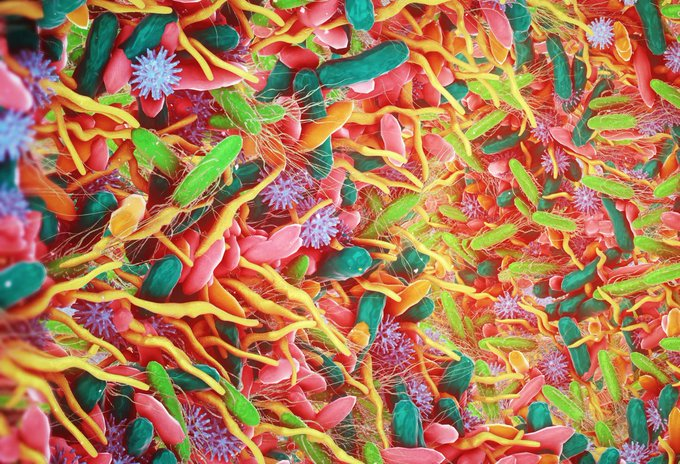
Microorganisms exist at different sites in the body, including the gut, vagina, and the bladder—these areas are called microbiomes. While the role of bacteria in the urine, or the urobiome, is not yet fully understood, it is believed to function similarly to other microbiomes, particularly in maintaining balance and regulating immune responses.
Several studies have linked imbalance in the microbial community that resides in the urinary tract to various urologic diseases, including kidney stones and urinary tract infections.
People with stones have more “bad” bacteria, such as certain strains of E. coli, in their urine and stones. In contrast, healthy people have a more diverse bacterial community, including certain beneficial bacteria that are less common in those who form stones.
For instance, healthy women often have more Lactobacillus species such as L. acidophilus and L. crispatus. Still, people with stones have fewer helpful bacteria—suggesting that some bacteria may be protective against kidney stone formation.
While many emerging studies reveal how different bacteria affect the body, Dr. Sabine Hazan, gastroenterologist and CEO of Progenabiome, said it’s important to understand that individuals are different.
“What’s a good microbe for one ... is actually a bad microbe for another,” she said.
She noted that determining whether a bacteria is beneficial or harmful, or if it plays a significant role in processes, remains a matter for future research.
Microorganisms exist at different sites in the body, including the gut, vagina, and the bladder—these areas are called microbiomes. While the role of bacteria in the urine, or the urobiome, is not yet fully understood, it is believed to function similarly to other microbiomes, particularly in maintaining balance and regulating immune responses.
Several studies have linked imbalance in the microbial community that resides in the urinary tract to various urologic diseases, including kidney stones and urinary tract infections.
People with stones have more “bad” bacteria, such as certain strains of E. coli, in their urine and stones. In contrast, healthy people have a more diverse bacterial community, including certain beneficial bacteria that are less common in those who form stones.
For instance, healthy women often have more Lactobacillus species such as L. acidophilus and L. crispatus. Still, people with stones have fewer helpful bacteria—suggesting that some bacteria may be protective against kidney stone formation.
While many emerging studies reveal how different bacteria affect the body, Dr. Sabine Hazan, gastroenterologist and CEO of Progenabiome, said it’s important to understand that individuals are different.
“What’s a good microbe for one ... is actually a bad microbe for another,” she said.
She noted that determining whether a bacteria is beneficial or harmful, or if it plays a significant role in processes, remains a matter for future research.
Healthier Bacteria for Better Kidney Health
Limited data exist on improving the urobiome, but there may be ways to enhance its health and prevent urinary issues.
Probiotics and the Urobiome
Oral probiotics can travel through the digestive tract, colonize the vagina, and influence the urobiome composition.
While helpful, they may be less effective on the urobiome compared to those delivered directly to the vagina or bladder via a catheter, which more effectively promotes colonization of the urinary bladder and positively shifts the microbial composition.
Given their convenience and noninvasive nature, oral probiotics can still help improve urobiome diversity. Good probiotic sources include yogurt, kimchi, and sauerkraut.
Limited data exist on improving the urobiome, but there may be ways to enhance its health and prevent urinary issues.
Probiotics and the Urobiome
Oral probiotics can travel through the digestive tract, colonize the vagina, and influence the urobiome composition.
While helpful, they may be less effective on the urobiome compared to those delivered directly to the vagina or bladder via a catheter, which more effectively promotes colonization of the urinary bladder and positively shifts the microbial composition.
Given their convenience and noninvasive nature, oral probiotics can still help improve urobiome diversity. Good probiotic sources include yogurt, kimchi, and sauerkraut.

The Role of Prebiotics
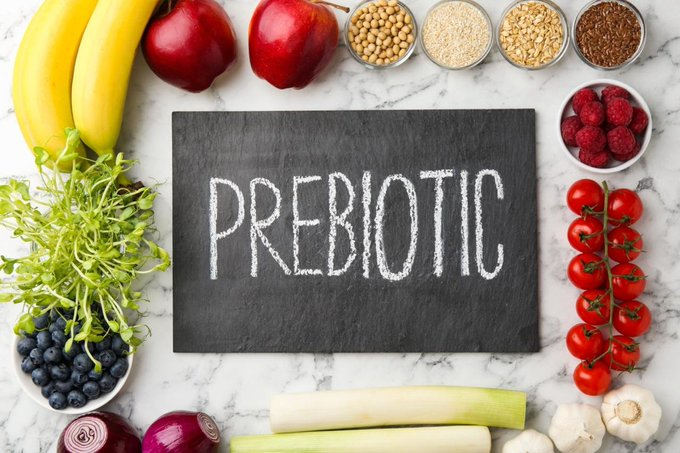
Eating prebiotics is essential to support the growth of the gut microbiome.
“Eating enough fiber (25–32 grams per day), especially from prebiotic fiber sources, is associated with beneficial changes in the gut microbiome for general health,” Melanie Betz, a registered dietitian who specializes in kidney stones and founder and CEO of The Kidney Dietitian in Chicago, told The Epoch Times.
The fiber supporting a healthy gut microbiome is likely why a plant-focused diet can help prevent kidney stones, she added.
Eating prebiotics is essential to support the growth of the gut microbiome.
“Eating enough fiber (25–32 grams per day), especially from prebiotic fiber sources, is associated with beneficial changes in the gut microbiome for general health,” Melanie Betz, a registered dietitian who specializes in kidney stones and founder and CEO of The Kidney Dietitian in Chicago, told The Epoch Times.
The fiber supporting a healthy gut microbiome is likely why a plant-focused diet can help prevent kidney stones, she added.
Probiotics and Kidney Stone Prevention
In addition to influencing the urobiome, certain probiotics have shown promise in directly preventing kidney stones.
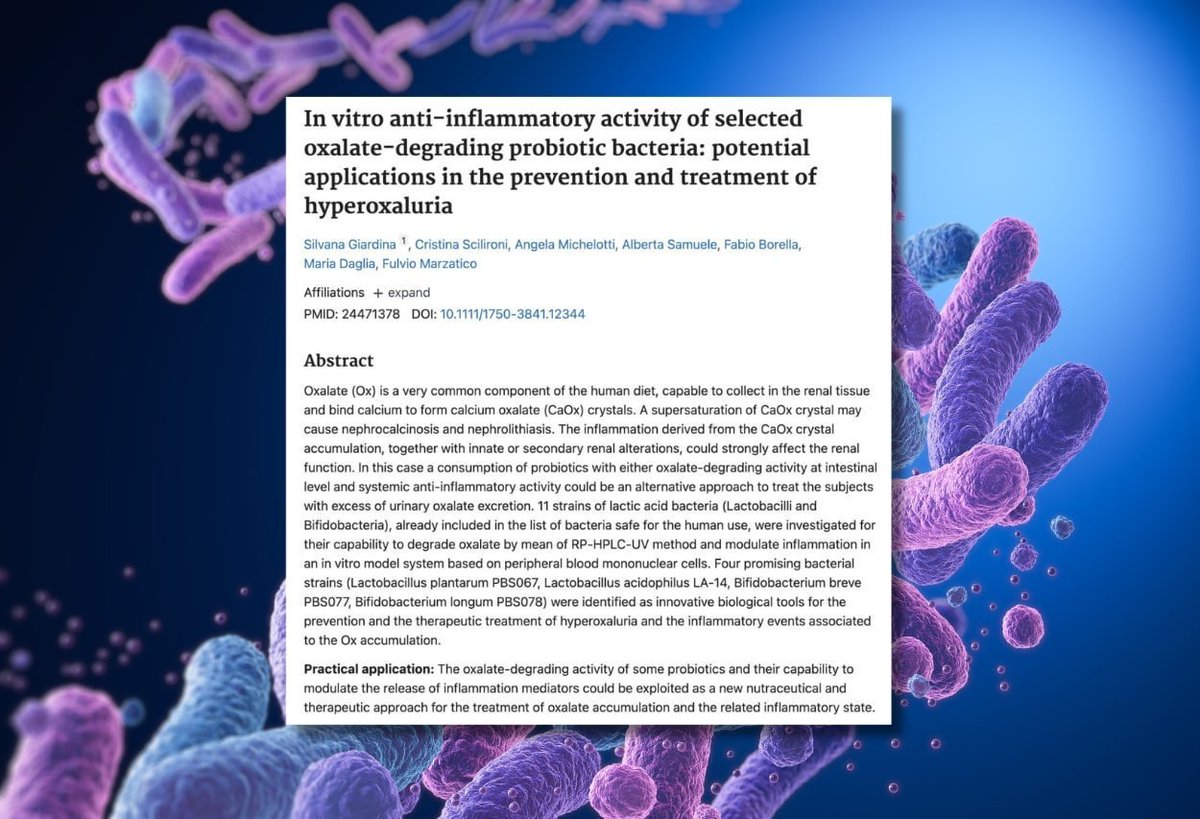
An in vitro study, published in the Journal of Food Science, found that consuming probiotics with oxalate-degrading activity broke down oxalate and reduced inflammation caused by its buildup, suggesting their potential for preventing and treating kidney stones.
“Certain strains of bacteria consume oxalate for energy, which reduces oxalate intestinal absorption—ultimately reducing kidney stones,” Betz said.
In addition to influencing the urobiome, certain probiotics have shown promise in directly preventing kidney stones.
An in vitro study, published in the Journal of Food Science, found that consuming probiotics with oxalate-degrading activity broke down oxalate and reduced inflammation caused by its buildup, suggesting their potential for preventing and treating kidney stones.
“Certain strains of bacteria consume oxalate for energy, which reduces oxalate intestinal absorption—ultimately reducing kidney stones,” Betz said.
Other Lifestyle Changes
Aside from probiotics, other lifestyle changes may also help prevent kidney stones:
Stay hydrated: Adequate hydration helps prevent kidney stones by reducing the oxalate and calcium concentration in the urine. Infrequent urination and dehydration are known causes of kidney stones.
Dietary adjustments:
• If you eat foods high in oxalate—such as beets, potatoes, and grains—combine them with foods high in calcium—such as dairy and fish—together in a meal.
• Cut back on eating meals that combine sodium and oxalate.
• Limit intake of animal protein.
Aside from probiotics, other lifestyle changes may also help prevent kidney stones:
Stay hydrated: Adequate hydration helps prevent kidney stones by reducing the oxalate and calcium concentration in the urine. Infrequent urination and dehydration are known causes of kidney stones.
Dietary adjustments:
• If you eat foods high in oxalate—such as beets, potatoes, and grains—combine them with foods high in calcium—such as dairy and fish—together in a meal.
• Cut back on eating meals that combine sodium and oxalate.
• Limit intake of animal protein.

Dr. Richard Amerling, nephrologist and chief academic officer of The Wellness Company, explained that in addition to excess oxalate, low or absent urinary citrate is a significant factor in kidney stone formation.
“Citrate binds to calcium in the urine and prevents calcium crystal formation,“ he said. ”So, it’s an inhibitor of calcium stone formation. Citrate goes away in the urine when the diet is very high in acid. So, the way to increase urine citrate is to increase your intake of base or alkali such as sodium bicarbonate.”
Uric acid stones, another type of kidney stone, are caused by excess uric acid excretion in the urine.
“The major contributor to uric acid production in the body is actually fructose found in sugar. So, if you want to prevent kidney stones with uric acid, stay away from sugar,” Amerling added.
“Citrate binds to calcium in the urine and prevents calcium crystal formation,“ he said. ”So, it’s an inhibitor of calcium stone formation. Citrate goes away in the urine when the diet is very high in acid. So, the way to increase urine citrate is to increase your intake of base or alkali such as sodium bicarbonate.”
Uric acid stones, another type of kidney stone, are caused by excess uric acid excretion in the urine.
“The major contributor to uric acid production in the body is actually fructose found in sugar. So, if you want to prevent kidney stones with uric acid, stay away from sugar,” Amerling added.
Being mindful of food sources is also important.
“E. coli has a role in digestion. However, at a certain level, it becomes pathogenic,” Hazan said.
She added that certain foods, such as vegetables, fruits, and meats, have more E coli than others.
“There’s a lot of contamination of products out there that could have– that we think we’re taking a natural product, and it may have some contamination in there that basically increases your level of E. coli,” Hazan said.
She said this could be mitigated by being mindful of where people get their products.
“E. coli has a role in digestion. However, at a certain level, it becomes pathogenic,” Hazan said.
She added that certain foods, such as vegetables, fruits, and meats, have more E coli than others.
“There’s a lot of contamination of products out there that could have– that we think we’re taking a natural product, and it may have some contamination in there that basically increases your level of E. coli,” Hazan said.
She said this could be mitigated by being mindful of where people get their products.

• • •
Missing some Tweet in this thread? You can try to
force a refresh