I'm 63.
At 10, I began my 53-year study of ancient Eastern texts—Kashmir Shaivism, Vedanta, and Buddhist sutras...
What I discovered? Most Western "gurus" are reselling kindergarten versions of Eastern philosophies.
Here are my 7 best insights from a lifetime of spiritual work:🧵
At 10, I began my 53-year study of ancient Eastern texts—Kashmir Shaivism, Vedanta, and Buddhist sutras...
What I discovered? Most Western "gurus" are reselling kindergarten versions of Eastern philosophies.
Here are my 7 best insights from a lifetime of spiritual work:🧵


1. Consciousness Creates vs. Consciousness Observes
Modern day: "Consciousness means being aware of the present moment."
vs
Ancient texts: "Consciousness is the creative force that manifests all reality."
This changes everything about how you practice.
Modern day: "Consciousness means being aware of the present moment."
vs
Ancient texts: "Consciousness is the creative force that manifests all reality."
This changes everything about how you practice.
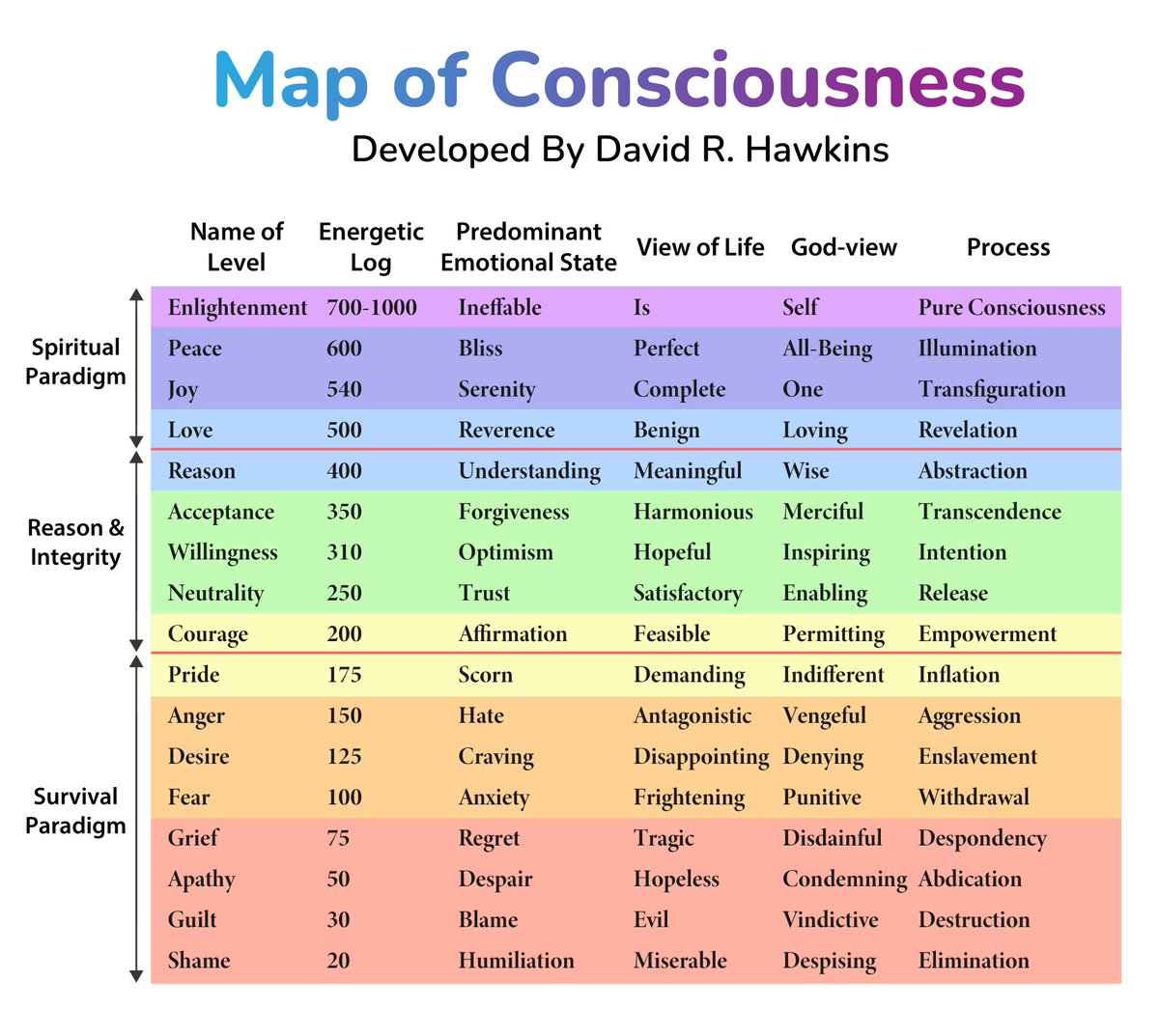
2. Map The Universe vs. Empty Your Mind
Modern day: "Empty your mind of thoughts."
vs
Abhinavagupta: "Here are 36 precise levels from pure consciousness to matter."
They wanted you to understand reality's architecture, not just get calm.
Modern day: "Empty your mind of thoughts."
vs
Abhinavagupta: "Here are 36 precise levels from pure consciousness to matter."
They wanted you to understand reality's architecture, not just get calm.
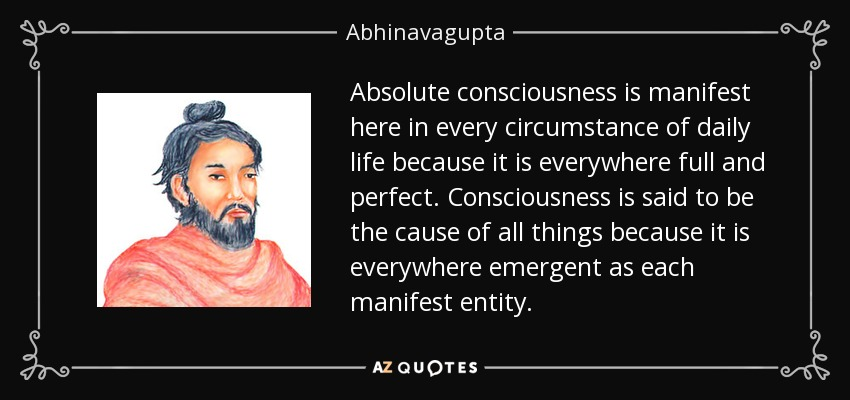
4. Rigorous Philosophy vs. Just Feel Good
Modern day: "Don't intellectualize—just feel."
vs
Shankara: "Use viveka (precise discrimination) to distinguish real from unreal."
The ancients demanded sharp thinking, not fuzzy feelings.
Modern day: "Don't intellectualize—just feel."
vs
Shankara: "Use viveka (precise discrimination) to distinguish real from unreal."
The ancients demanded sharp thinking, not fuzzy feelings.
5. Sacred Lineages vs. Weekend Certifications
Modern day: "Get certified in 200 hours."
vs
Vedanta: "Knowledge passes through unbroken lineages for millennia."
Because getting this wrong can seriously harm people.
Modern day: "Get certified in 200 hours."
vs
Vedanta: "Knowledge passes through unbroken lineages for millennia."
Because getting this wrong can seriously harm people.

6. Complete Systems vs. Random Techniques
Modern day: "Try whatever meditation feels good."
vs
Vijnana Bhairava: "These 112 techniques only work within their philosophical framework."
Like taking pills without knowing what they're for.
Modern day: "Try whatever meditation feels good."
vs
Vijnana Bhairava: "These 112 techniques only work within their philosophical framework."
Like taking pills without knowing what they're for.
7. Confront Terror vs. Seek Comfort
Modern day: "Eastern philosophy brings peace and calm."
vs
Tantra texts: "Face the terrifying aspects of existence head-on."
They weren't selling comfort—they were revealing truth.
Modern day: "Eastern philosophy brings peace and calm."
vs
Tantra texts: "Face the terrifying aspects of existence head-on."
They weren't selling comfort—they were revealing truth.

8. Cosmic Technology vs. Stress Relief
Modern day: "Repeat mantras to feel better."
vs
Sanskrit tradition: "Each sound vibration activates specific cosmic principles."
Mantras were precision instruments, not relaxation tools.
Modern day: "Repeat mantras to feel better."
vs
Sanskrit tradition: "Each sound vibration activates specific cosmic principles."
Mantras were precision instruments, not relaxation tools.

The pattern is clear:
We've turned profound systems for understanding reality into feel-good techniques for stress relief.
Here's what the ancients actually taught:
We've turned profound systems for understanding reality into feel-good techniques for stress relief.
Here's what the ancients actually taught:
• Confronting difficult truths
• Years of philosophical study
• Identity-level transformation
• Practices within complete frameworks
• Direct transmission from teacher to student
Not available in app form.
• Years of philosophical study
• Identity-level transformation
• Practices within complete frameworks
• Direct transmission from teacher to student
Not available in app form.
My most important finding?
Modern day: "Enlightenment means feeling peaceful."
vs
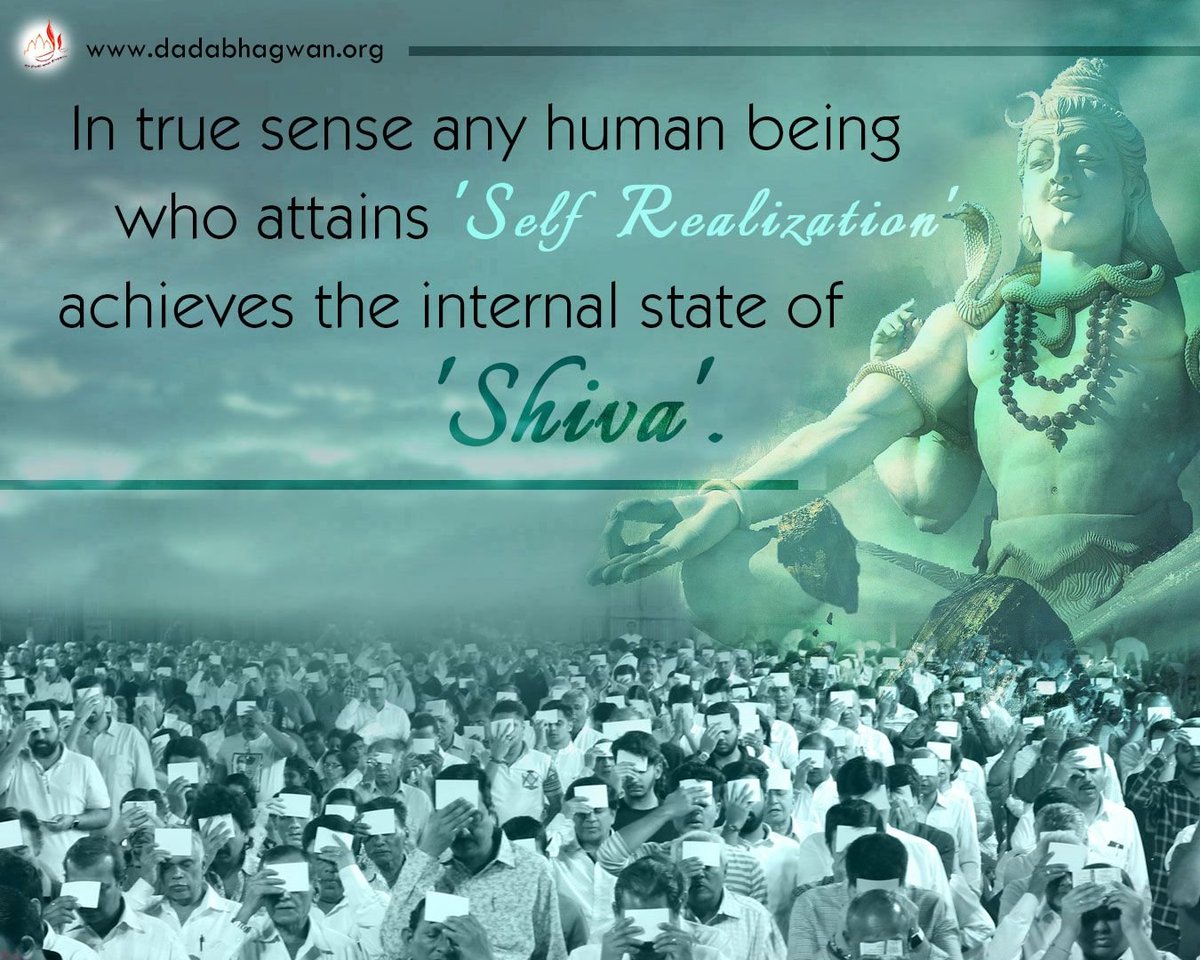
Kashmir Shaivism: "Recognition means knowing yourself as Shiva—pure creative consciousness."
Not a mood. A complete identity shift.
Modern day: "Enlightenment means feeling peaceful."
vs
Kashmir Shaivism: "Recognition means knowing yourself as Shiva—pure creative consciousness."
Not a mood. A complete identity shift.
After 53 years with these texts, my advice:
• Read originals, not interpretations
• Find teachers with real lineages
• Study the philosophy first
• Expect it to be difficult
• Don't settle for comfort
The real teachings will shake you awake.
• Read originals, not interpretations
• Find teachers with real lineages
• Study the philosophy first
• Expect it to be difficult
• Don't settle for comfort
The real teachings will shake you awake.
As a Harvard psychologist who studied with the Dalai Lama, I bridge both worlds.
I see how Western psychology misses consciousness.
I see how Eastern pop spirituality misses depth.
There's a middle way that honors both.
I see how Western psychology misses consciousness.
I see how Eastern pop spirituality misses depth.
There's a middle way that honors both.
Anxiety Relief Transformation™ opens August 4th.
12 modules bridging Eastern wisdom with Western neuroscience—the way these teachings were meant to be transmitted.
Join the waitlist for the 25% off early bird discount:
offers.lorwenharrisnagle.com/anxiety-relief…
12 modules bridging Eastern wisdom with Western neuroscience—the way these teachings were meant to be transmitted.
Join the waitlist for the 25% off early bird discount:
offers.lorwenharrisnagle.com/anxiety-relief…
Hi, I'm Lorwen Nagle.
I've spent 40 years as a Harvard-trained psychologist, studying consciousness with the Dalai Lama, and helping thousands untangle their minds.
Follow @Lorwen108 for threads on anxiety, mindfulness, and the science of inner peace.
I've spent 40 years as a Harvard-trained psychologist, studying consciousness with the Dalai Lama, and helping thousands untangle their minds.
Follow @Lorwen108 for threads on anxiety, mindfulness, and the science of inner peace.

Which teaching surprised you most?
Drop a comment—I love discussing these ancient wisdoms with serious seekers.
Follow @Lorwen108 for more unfiltered truths about consciousness, psychology & spiritual traditions.
Repost if you're tired of Instagram spirituality 🧵
Drop a comment—I love discussing these ancient wisdoms with serious seekers.
Follow @Lorwen108 for more unfiltered truths about consciousness, psychology & spiritual traditions.
Repost if you're tired of Instagram spirituality 🧵
https://twitter.com/3065974983/status/1947672181321961835
• • •
Missing some Tweet in this thread? You can try to
force a refresh