Many Founding Fathers wrote under pseudonyms
Pseudonyms afforded the protection needed to write things that were controversial, to engender debate over things they didn't themselves believe in, and to encourage focus on ideas over reputations
Thread of their known pseudonyms🧵
Pseudonyms afforded the protection needed to write things that were controversial, to engender debate over things they didn't themselves believe in, and to encourage focus on ideas over reputations
Thread of their known pseudonyms🧵
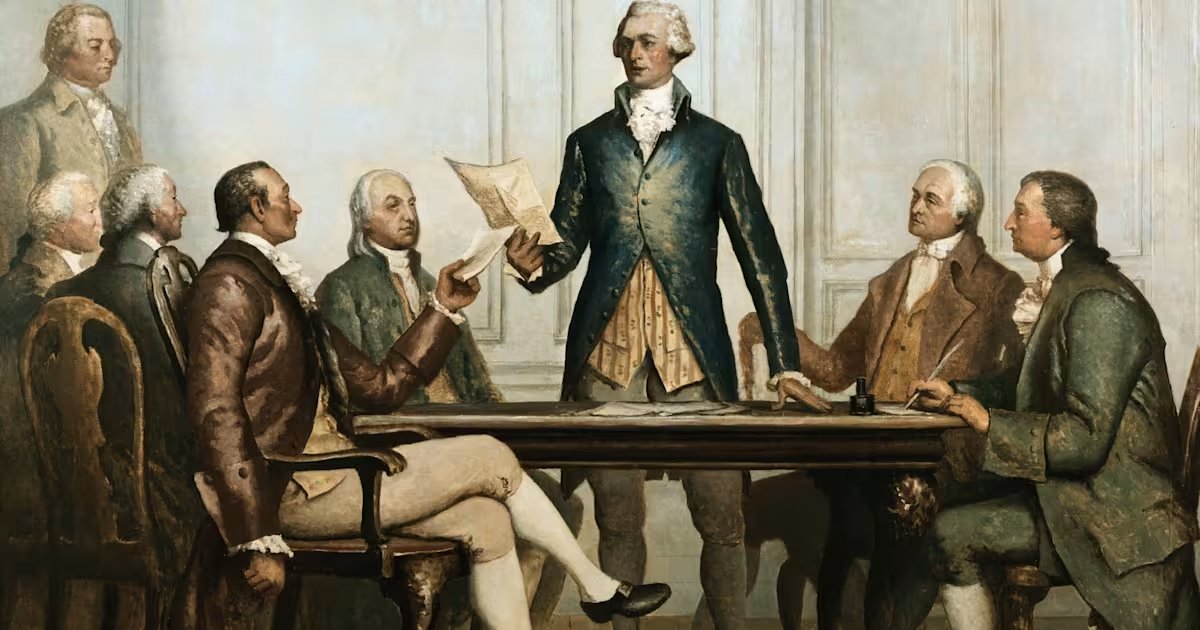
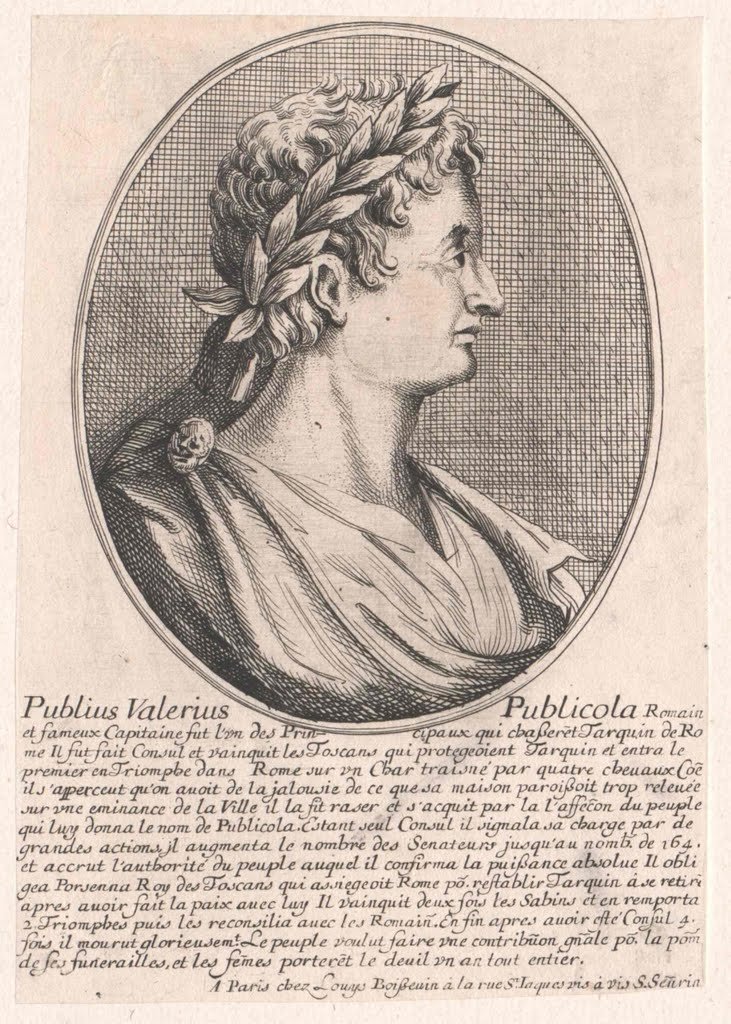
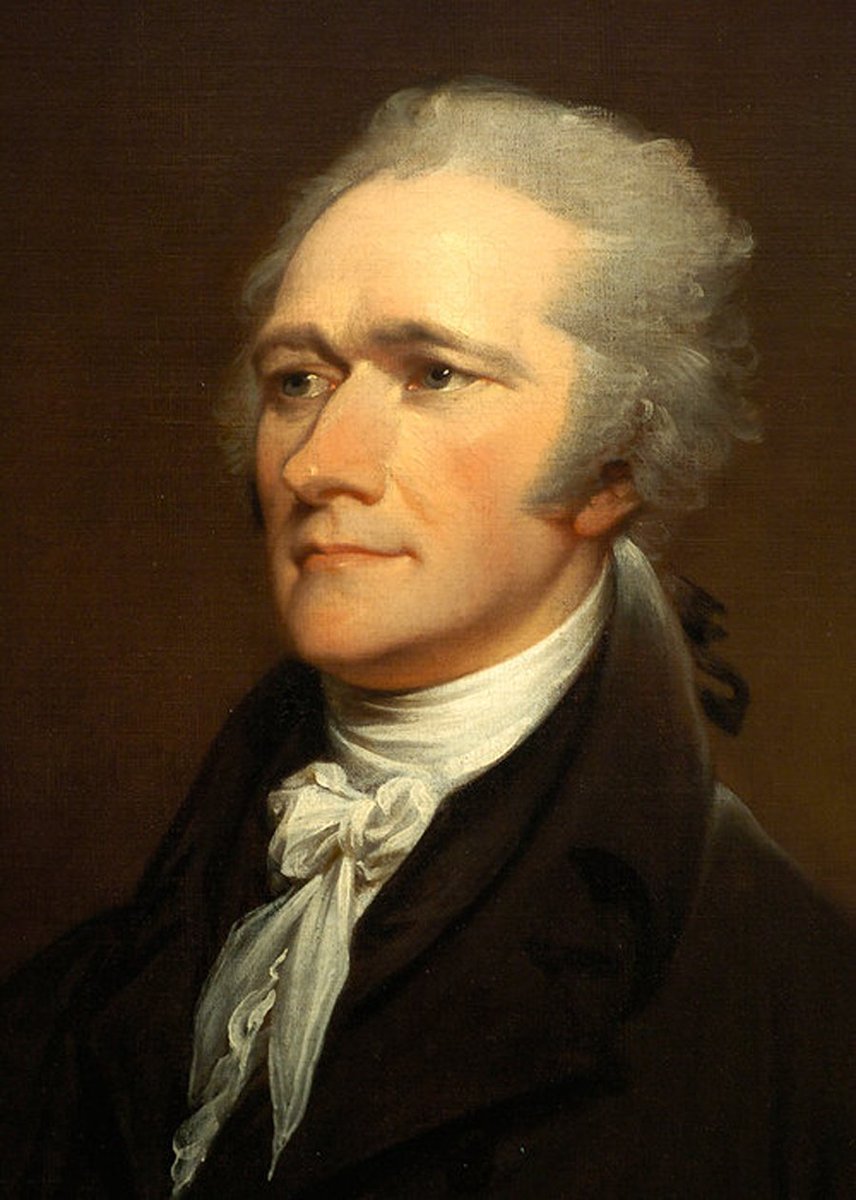
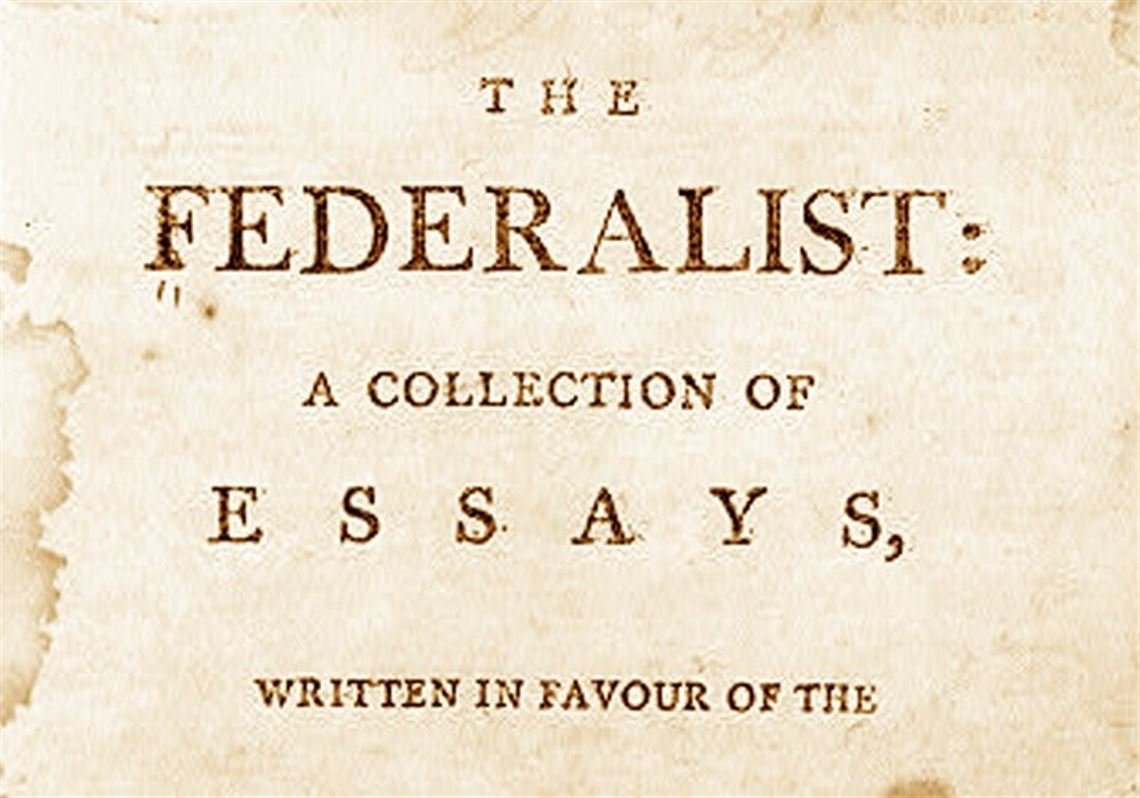
Alexander Hamilton, James Madison, and John Jay all wrote under the name Publius, after the Roman consul Publius Valerius Poplicola.
This shared authorship became known after Hamilton died, but the individual authors of the Federalist Papers Publius entries remain debated.
This shared authorship became known after Hamilton died, but the individual authors of the Federalist Papers Publius entries remain debated.

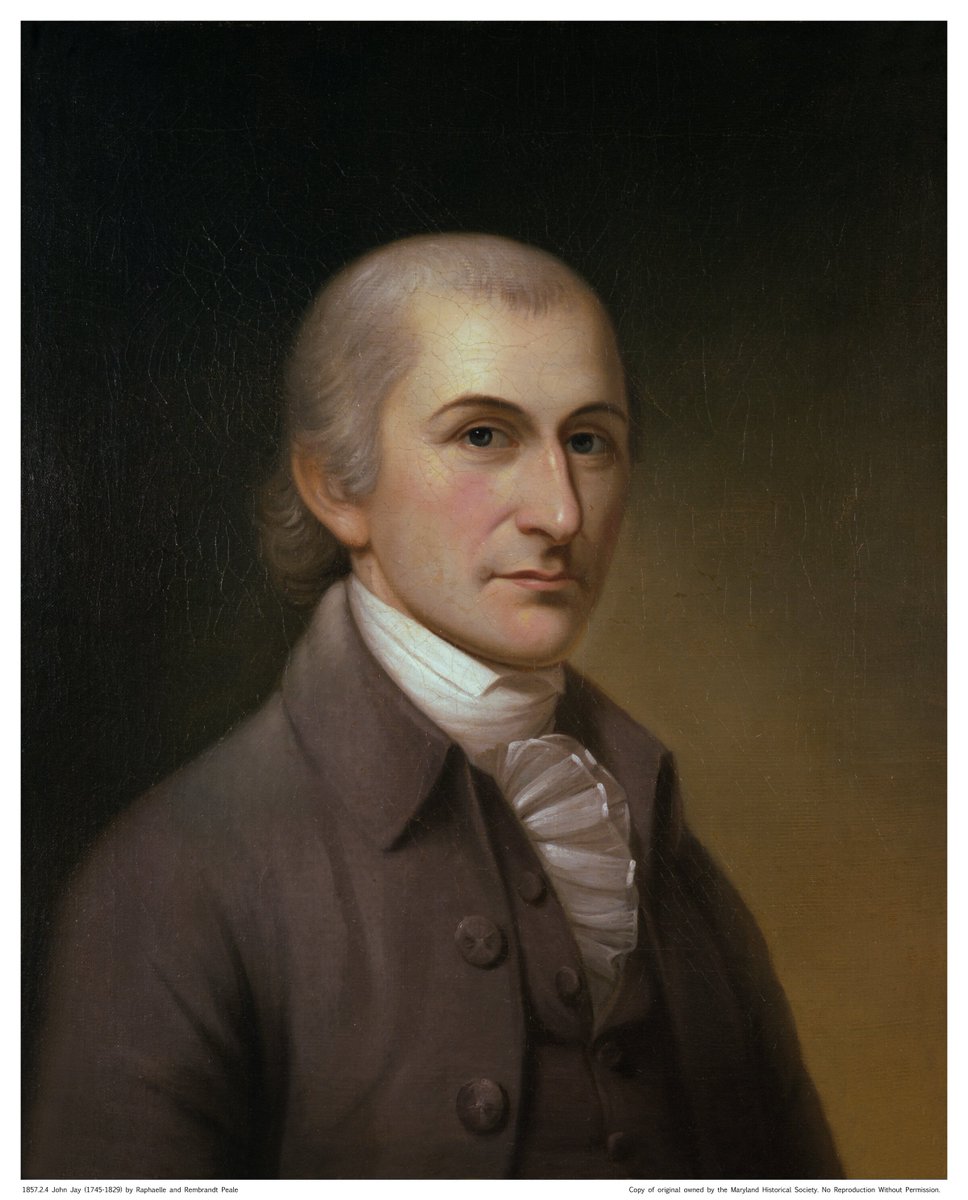
John Jay and John Stevens, Jr. shared the Americanus pseudonym when writing various Federalist essays.
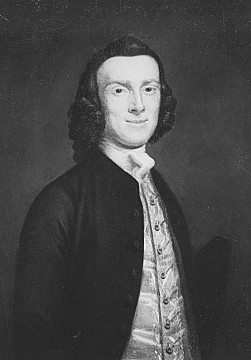
Robert Yates and Melancton Smith co-wrote under the name Brutus, the Roman Republican better known his role in the assassination of Caesar.
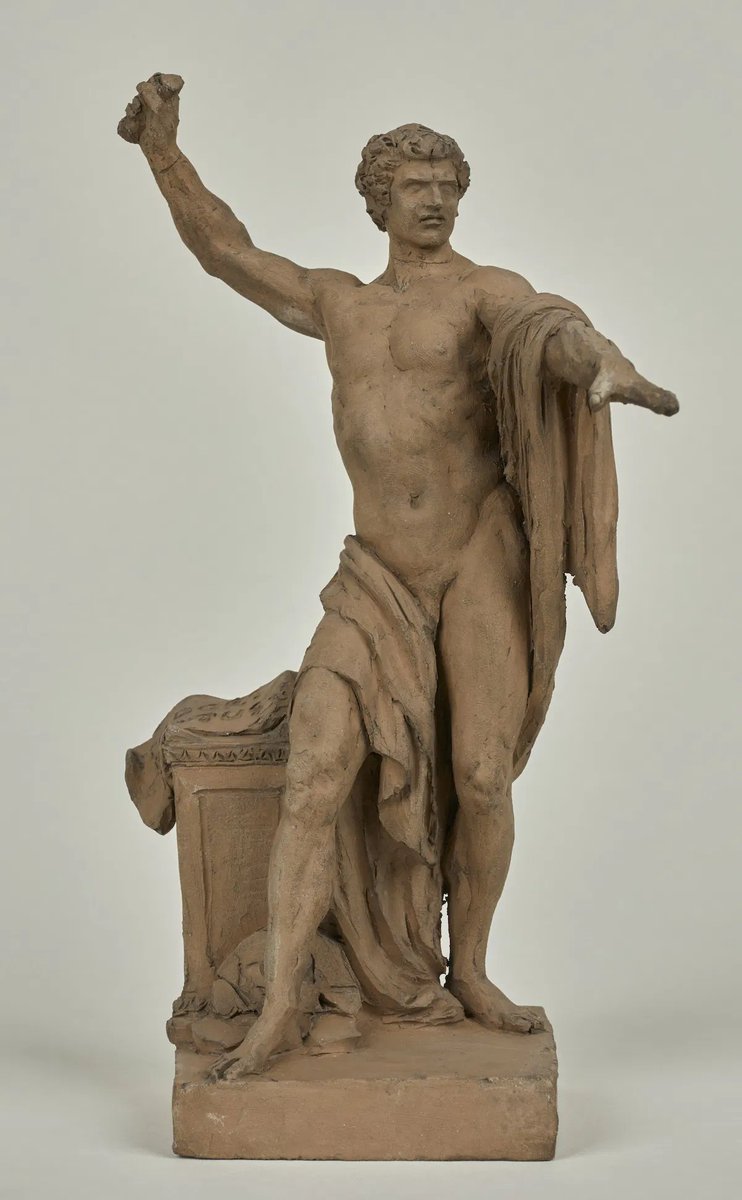

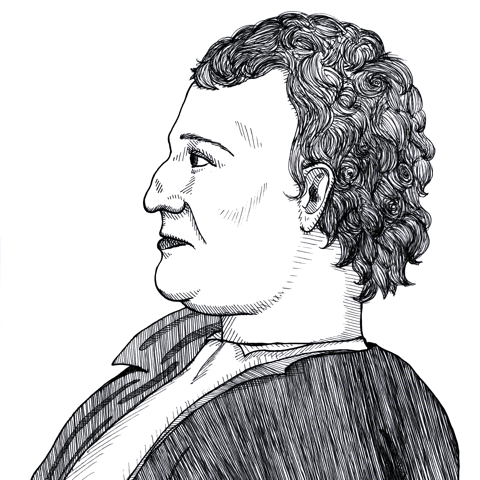
Samuel Bryan wrote the majority of the letters published by the pseudonym "Centinel", but he co-wrote some entries under the name with George Bryan and—perhaps—Eleazer Oswald, too.
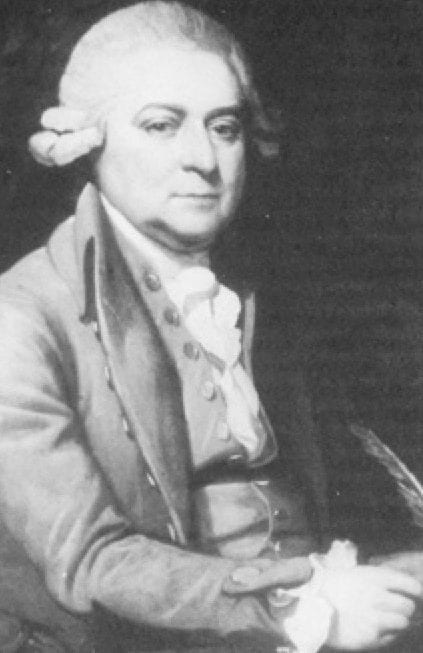
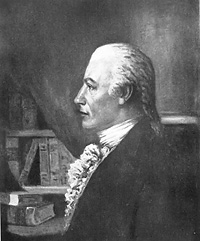
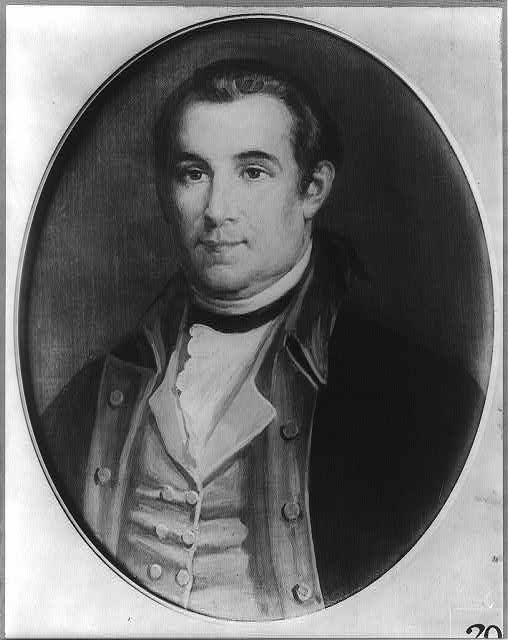
We actually don't know all of the pseudonyms used by some of the Founding Fathers.
For example, Alexander Hamilton wrote as...
Phocion, the Athenian statesman, when defending the Jay Treaty.
For example, Alexander Hamilton wrote as...
Phocion, the Athenian statesman, when defending the Jay Treaty.

Hamilton wrote as Columbus—in defense of the Continental Congress—and as Pacificus—against war.

Curiously, both Hamilton and Franklin wrote separate pieces under the name Historicus.
They had no apparent connection.
The same thing happened with John Adams using the name Poplicola, one and the same as Publius Valerius Poplicola from Hamilton, Madison, and Jay's writings.
They had no apparent connection.
The same thing happened with John Adams using the name Poplicola, one and the same as Publius Valerius Poplicola from Hamilton, Madison, and Jay's writings.
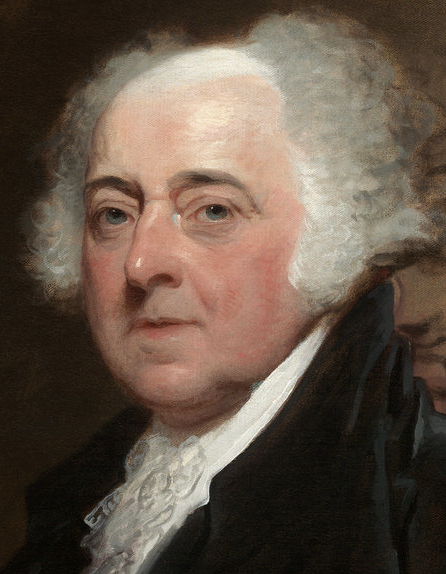
Benjamin Franklin wrote under many pseudonyms, and it's clear no one knows them all.
His pseudonyms like Richard Saunders (i.e., "Poor Richard") were sometimes known to be him, and the pseudonyms would sometimes write that they were not—sometimes seriously, sometimes jokingly.
His pseudonyms like Richard Saunders (i.e., "Poor Richard") were sometimes known to be him, and the pseudonyms would sometimes write that they were not—sometimes seriously, sometimes jokingly.
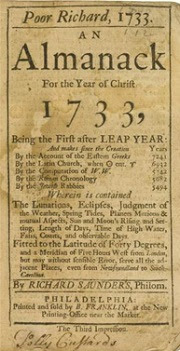
Benjamin Franklin often wrote as a woman.
For example, he wrote as Silence Dogood, to provide social commentary. Sometimes the names were a little sillier, like Martha Careful, or Caelia Shortface.
Under the Shortface name, Franklin even wrote physical threats to himself.
For example, he wrote as Silence Dogood, to provide social commentary. Sometimes the names were a little sillier, like Martha Careful, or Caelia Shortface.
Under the Shortface name, Franklin even wrote physical threats to himself.
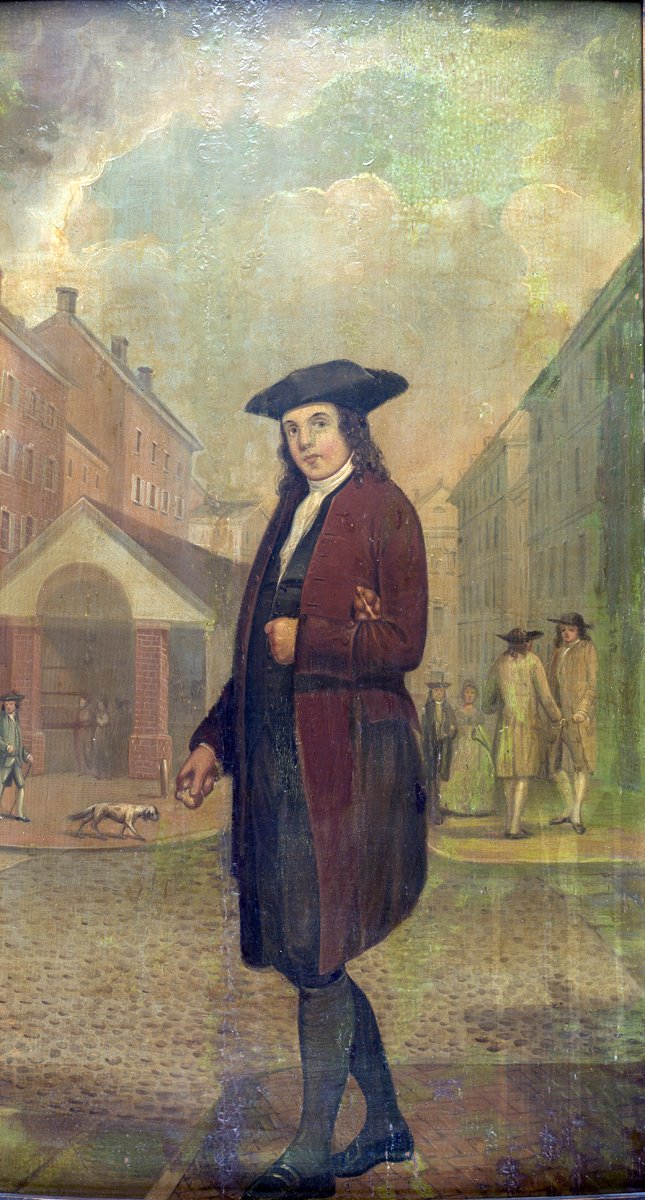
Another humorous instance of name collision came from when two Founding Fathers wrote as an individual with the surname "M'Sarcasm".
Presumably this was named for the character in Love À-la-Mode.
They hyperbolically agreed with positions their real authors disagreed with.
Presumably this was named for the character in Love À-la-Mode.
They hyperbolically agreed with positions their real authors disagreed with.

Some names were just absurd:
Croaker, Roderick Razor, Peep Junior, Skyaugusta, Tom Tell-Truth, Federalissimo, Betsey Cornstalk, Patience, Busy Body, and more.
Perhaps the most absurd pseudonym user was none other than Samuel Adams.
Why? Well...
Croaker, Roderick Razor, Peep Junior, Skyaugusta, Tom Tell-Truth, Federalissimo, Betsey Cornstalk, Patience, Busy Body, and more.
Perhaps the most absurd pseudonym user was none other than Samuel Adams.
Why? Well...

Samuel Adams wrote under no fewer than twenty different pseudonyms, oftentimes to provide the appearance that many people supported his views.
He also wrote under pseudonyms in order to slander people and to write absurd things to drum up readership.
All in good fun!
He also wrote under pseudonyms in order to slander people and to write absurd things to drum up readership.
All in good fun!

Do you know how the New York Post was founded?
Hamilton. Again.
And to kick it off his new publication in 1801, he wrote eighteen articles under the pseudonym "Lucius Crassus", violently criticizing Jefferson's presidency.
Hamilton. Again.
And to kick it off his new publication in 1801, he wrote eighteen articles under the pseudonym "Lucius Crassus", violently criticizing Jefferson's presidency.


The list goes on.
Many Founding Fathers wrote under pseudonyms, before and after the Revolutionary War, for work and for pleasure, and sometimes simply for jokes.
Some even wanted to have a sparring partner when no one else would debate them, so they had to debate themselves.
Many Founding Fathers wrote under pseudonyms, before and after the Revolutionary War, for work and for pleasure, and sometimes simply for jokes.
Some even wanted to have a sparring partner when no one else would debate them, so they had to debate themselves.

In some cases, people sought to limit the 'pseudonym problem'.
For example, Benjamin Russell, printer of the Massachusetts Centinel, announced that he wouldn't print antifederalist essays unless the authors would reveal their names upon request.
None agreed to his terms.
For example, Benjamin Russell, printer of the Massachusetts Centinel, announced that he wouldn't print antifederalist essays unless the authors would reveal their names upon request.
None agreed to his terms.
In another case, a man going by "A Farmer" (a pseudonym!) proposed that the printer of the Gazette of the State of Georgia keep a roster of all of the names of anonymous essay writers.
His goal? To stifle discourse.
Ironically, he wouldn't dare do this under his own name!
His goal? To stifle discourse.
Ironically, he wouldn't dare do this under his own name!

The Founding Fathers were not alone in doing all of this, either.
Literary and scientific greats have written under pseudonyms since time immemorial (and beyond).
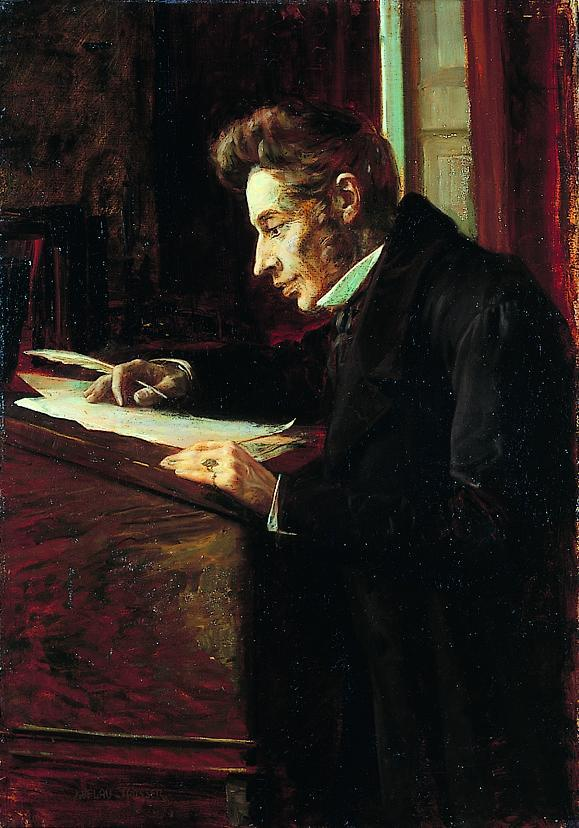
From Isaac Newton to Søren Kierkegaard to Mary Ann Evans—this tradition has been commonplace in Europe for ages.
Literary and scientific greats have written under pseudonyms since time immemorial (and beyond).
From Isaac Newton to Søren Kierkegaard to Mary Ann Evans—this tradition has been commonplace in Europe for ages.


What I want to convey is that there is an American tradition harkening to before the Founding and extending far beyond it.
That tradition is pseudonymous writing, and it's as American as apple pie.
Always has been, and for goodness' sake, let's hope it always will be.
That tradition is pseudonymous writing, and it's as American as apple pie.
Always has been, and for goodness' sake, let's hope it always will be.

A handful of links, for the curious:
allthingsliberty.com/2022/03/will-t…
csac.history.wisc.edu/2022/07/22/pse…
mattrickard.com/pseudonyms-in-…
en.wikipedia.org/wiki/List_of_p…
Many sources used here were books.
allthingsliberty.com/2022/03/will-t…
csac.history.wisc.edu/2022/07/22/pse…
mattrickard.com/pseudonyms-in-…
en.wikipedia.org/wiki/List_of_p…
Many sources used here were books.
• • •
Missing some Tweet in this thread? You can try to
force a refresh