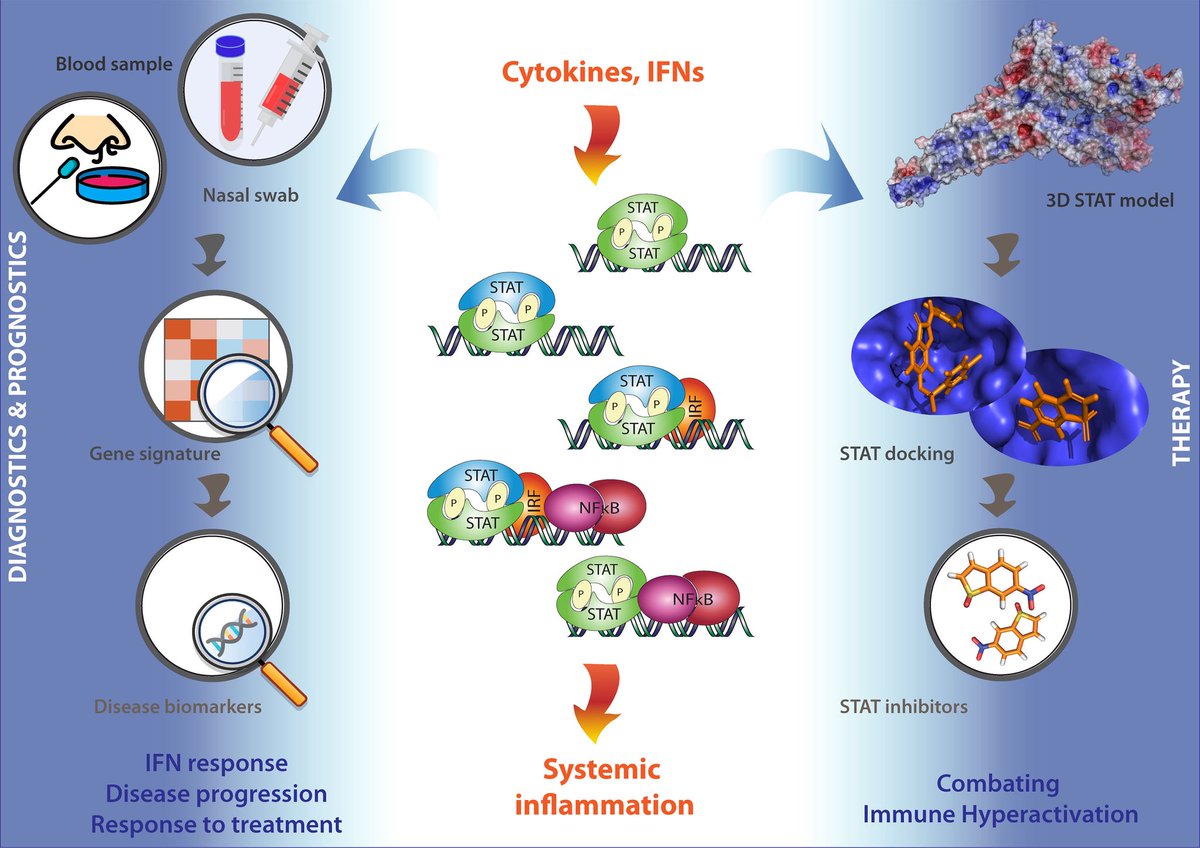
In a small Brazilian study of 15 #LongCOVID patients, 15 recovered individuals, and 15 with acute COVID, researchers found ongoing activation of inflammatory and interferon pathways in the LongCOVID group. 1/
Interferon-stimulated genes IRF7, IRF3, and IFI16 were significantly elevated in #LongCOVID and showed high diagnostic accuracy (AUC ≥ 0.90) as compared to recovered or acutely infected individuals. IRF3 was especially elevated in Long COVID compared to acute COVID cases (p = 0.0036). 2/
These interferon gene signatures may serve as useful biomarkers and highlight immune dysregulation in LongCOVID. 3/3
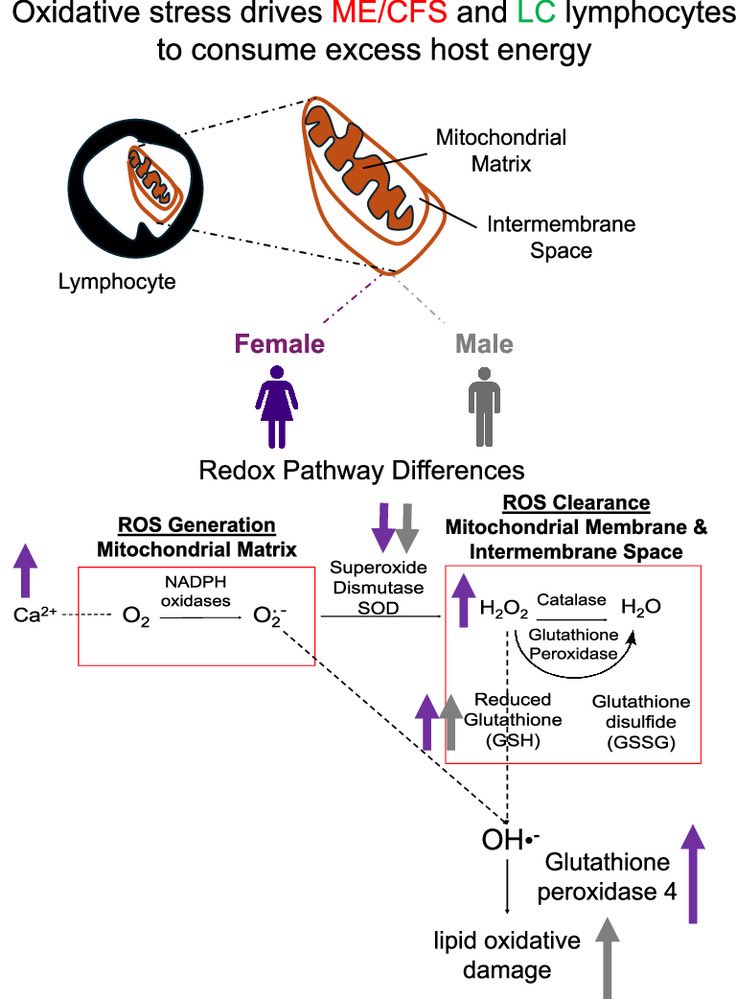
An exceptional study from Stanford found that lymphocytes from ME/CFS & #LongCOVID patients show elevated oxidative stress, disrupted redox balance, and mitochondrial damage.
These abnormalities lead to excess energy use by immune cells, which may contribute to severe fatigue and other symptoms. 1/
The researchers identified increased lipid peroxidation and glutathione metabolism changes, indicating shared metabolic dysfunction in ME/CFS and LongCOVID.
Females show higher mitochondrial ROS levels and insufficient antioxidant levels (GSH), while males show mitochondrial lipid oxidative damage. These findings suggest that the pathophysiology for ME/CFS and LC are distinct between sexes. 2/
The group also tested ROS-targeting therapies. Metforminshowed some benefit on CD4 T cell proliferation in vitro, and the findings suggest oxidative stress could be a target for diagnosis and therapy. 3/
New gene discovery may change cancer and autoimmune treatment!
Researchers have identified the #SDR42E1 gene as crucial for absorbing vitamin D from the gut and metabolizing it into the active hormone calcitriol, which is essential for bone health, immune function, and cellular processes.
They used CRISPR/Cas9 gene editing to disable SDR42E1 in HCT116 colorectal cancer cells, resulting in a dramatic 53% reduction in cancer cell viability while leaving healthy cells unharmed. 1/
The gene disruption triggered widespread molecular changes affecting over 4,600 downstream genes involved in sterol metabolism and cancer-related signaling pathways.
A specific mutation in #SDR42E1 on chromosome 16 has been linked to vitamin D deficiency, causing the protein to be cut short and rendered inactive. 2/
This discovery opens potential new avenues for precision medicine, including targeted cancer therapies and treatments for autoimmune diseases where vitamin D plays a regulatory role. 3/
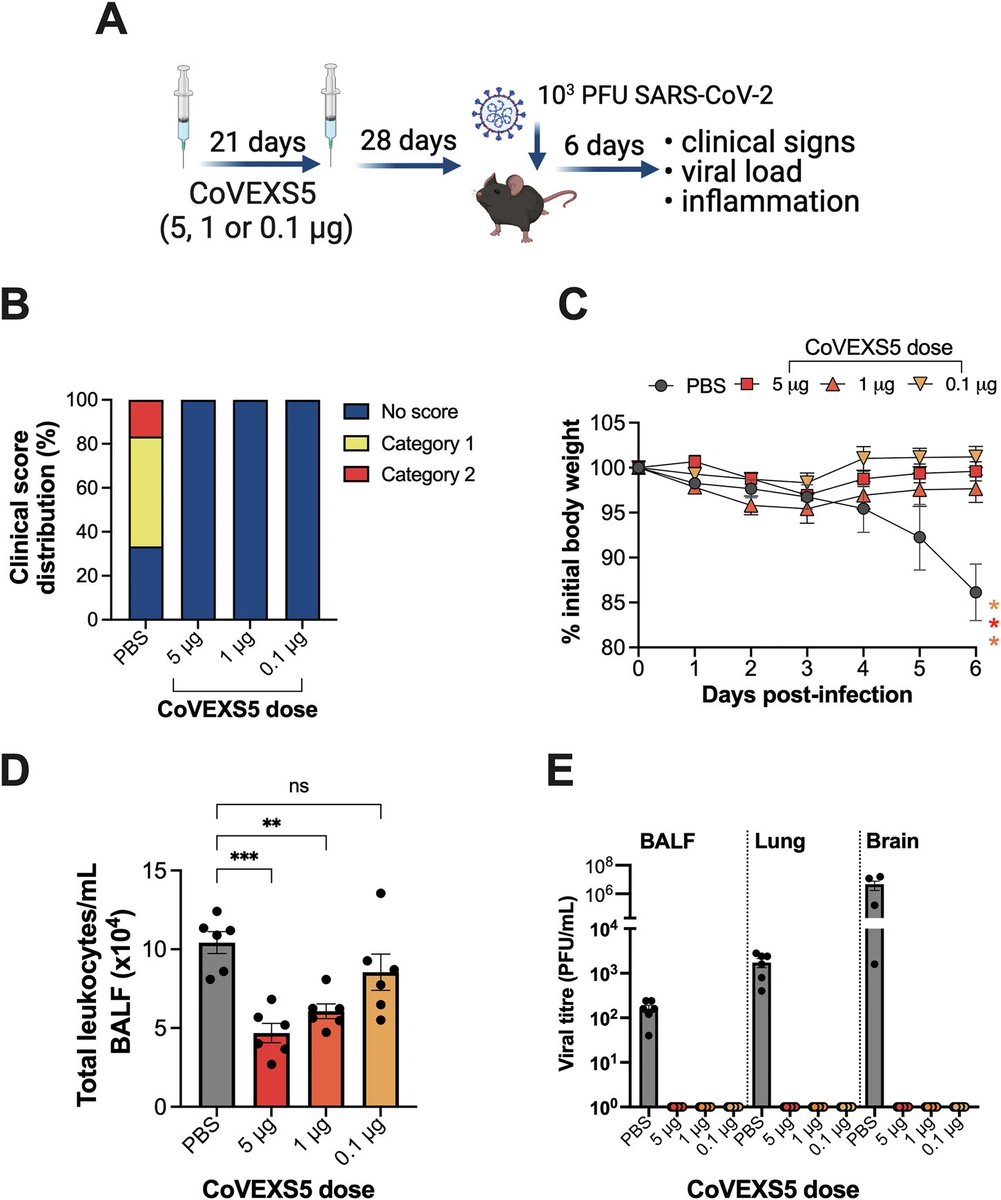
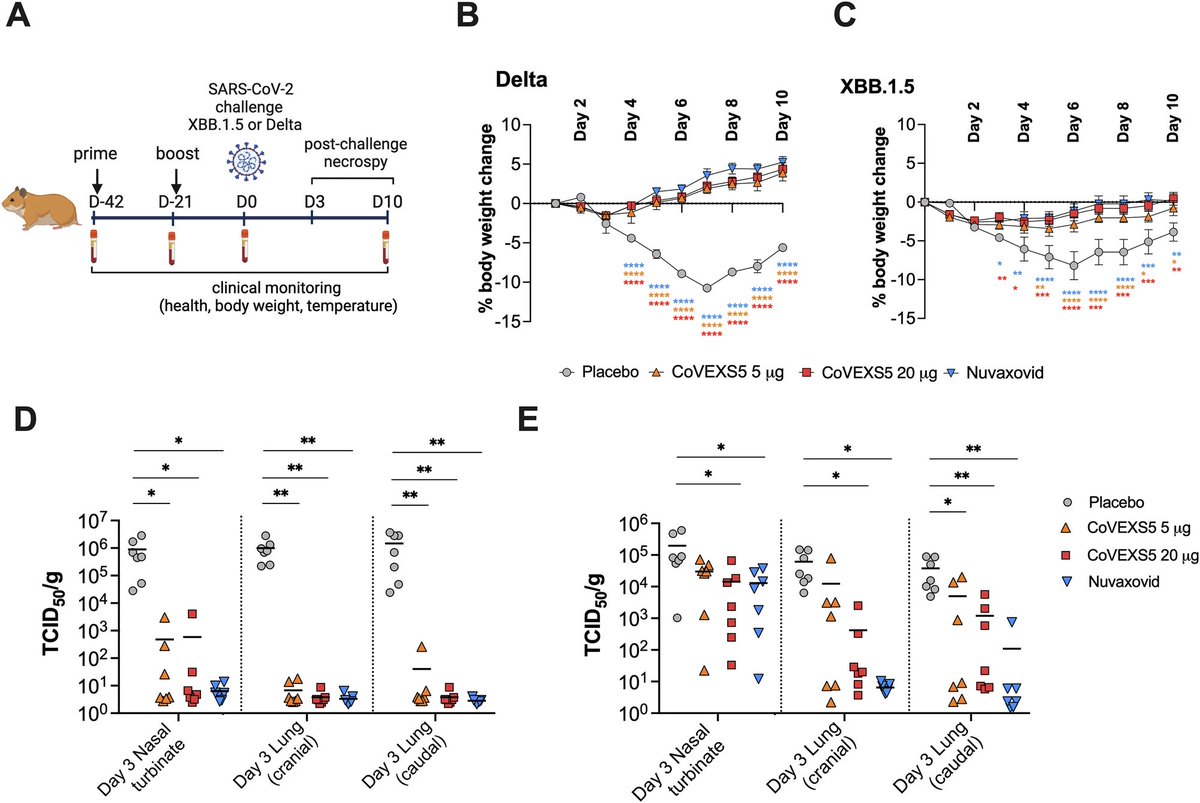
A promising new COVID-19 vaccine candidate developed by researchers at the Centenary Institute and the University of Sydney has shown strong potential to protect against both current and emerging coronavirus variants.
By targeting features shared by a range of coronaviruses, the vaccine is designed to offer broader and longer-lasting protection as the virus continues to evolve. 1/
The new study shows that the vaccine candidate, named #CoVEXS5, protected mice from multiple coronaviruses, including the highly immune-evasive omicron XBB.1.5 variant and SARS-CoV-1, a relative of SARS-CoV-2 that was responsible for the 2002–2004 SARS outbreak. 2/
In laboratory tests, CoVEXS5 reduced virus levels in the lungs of infected mice by approximately 99.9% compared to unvaccinated controls, demonstrating a dramatic protective effect. 3/
A new Yale study has found a promising target for treating the brain fog that can follow COVID-19 and offers new insight into a hypothesis about the origin of Alzheimer's disease.
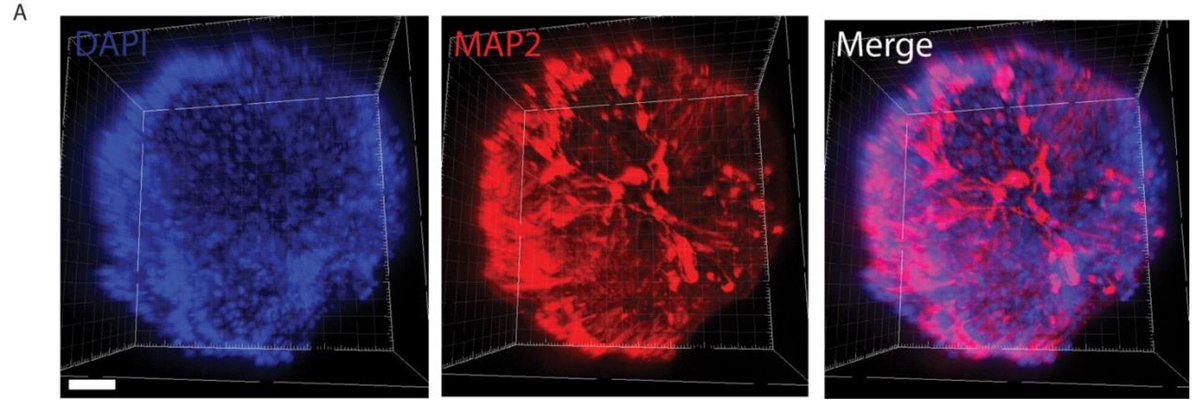
Researchers obtained viable postmortem human retinal tissue and generated human retinal organoids that contain electrophysiologically active neurons.
They demonstrated that SARS-CoV-2 induced amyloid-β extracellular protein aggregates in human retinal explants and retinal organoids. 1/
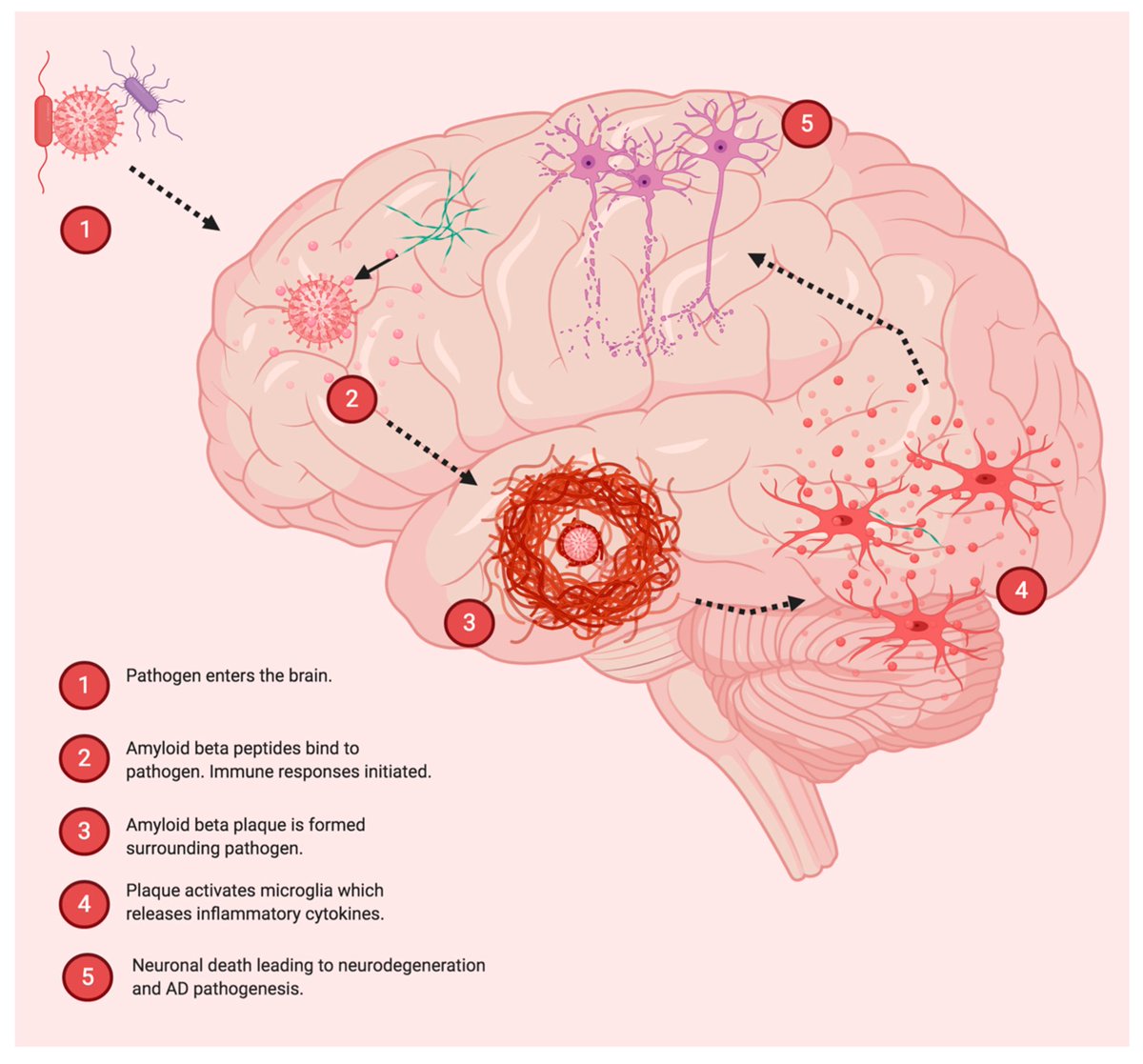
While the etiology of Alzheimer’s disease remains unknown, there is growing support for the amyloid-β antimicrobial hypothesis.
Amyloid-β, the main component of amyloid plaques in Alzheimer’s disease, has been shown to be generated in the presence of microbes.
Entrapment of microbes by aggregated amyloid-β may serve as an innate immune response to pathogenic infections. 2/
Lastly, pharmacological inhibition of neuropilin-1 resulted in reduced amyloid-β deposition in human retinal explants treated with SARS-CoV-2 Spike 1 protein.
These results suggest that Spike 1 protein, during infection with SARS-CoV-2, can induce amyloid-β aggregation, which may be associated with the neurological symptoms experienced in COVID-19. 3/
A new study reviewed skeletal muscle adaptations & post-exertional malaise in #LongCOVID. People with LongCOVID show reduced skeletal muscle oxidative capacity, smaller muscle fibers & increased glycolytic activity, all which may explain fatigue & post-exertional malaise. 1/
Muscle biopsies revealed structural and metabolic changes similar to deconditioning, but also showed unique inflammatory and mitochondrial signatures, suggesting Long COVID involves distinct muscle pathology beyond simple inactivity. 2/
Most research on long COVID has focused on immune function, but skeletal muscle adaptations in these patients are gaining more attention. There is clear evidence of skeletal muscle alterations, including mitochondrial and endothelial abnormalities in patients with long COVID that may underly whole-body exercise responses. 3/
A new study finds that fragments of viral proteins, including SARS-CoV-2 spike peptides, can bind and either inhibit or activate human formyl peptide receptors (FPR1, FPR2, FPR3) which influences innate immune responses like neutrophil migration and NETosis. 1/
Formyl peptide receptors (FPRs) are pattern recognition receptors well-known for bacterial pathogen sensing. Researchers identified activator and inhibitor motifs for FPRs that are present on surface proteins of various viral pathogens. Peptides containing these motifs interact with all FPR family members and modulate various important immune functions in innate immune cells. 2/
Viral breakdown products comprising these motifs were found in COVID-19 patients. In the spike protein many activators are found in highly mutagenic regions, whereas the inhibitor motif is located in a conserved domain that also exists in further unrelated viruses. 3/