The greatest men in history didn’t sit back and watch their men fight from afar — they led from the front.
A thread on courageous leaders who fought alongside their troops🧵
A thread on courageous leaders who fought alongside their troops🧵
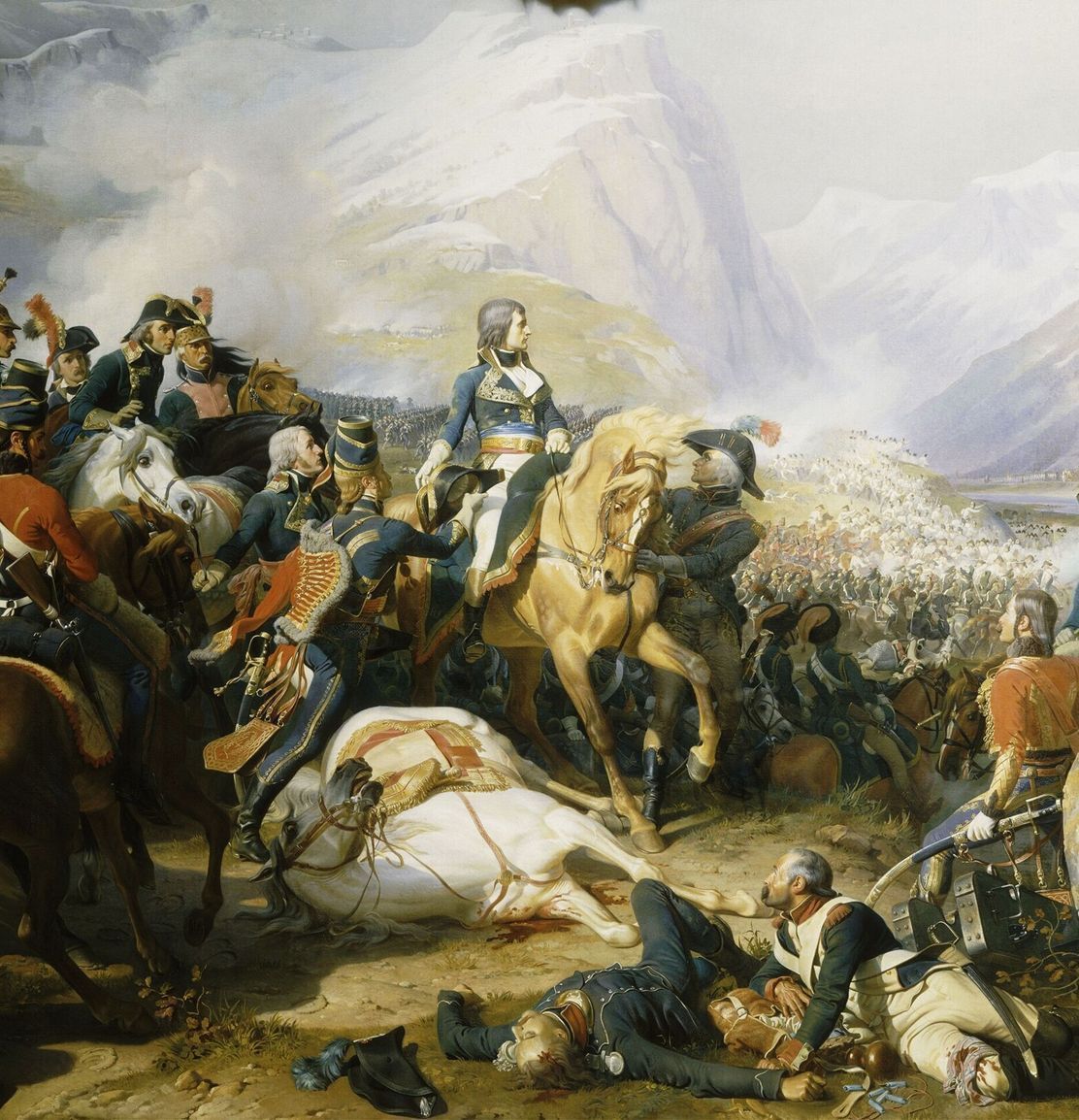
1. Leonidas
The Spartan king showed his willingness to sacrifice for his people when he, along with a cohort of vastly outnumbered Greeks, fought to the death at Thermopylae in 480 BC.
Despite his death, he’s become immortal in the legend that surrounds his epic last stand.
The Spartan king showed his willingness to sacrifice for his people when he, along with a cohort of vastly outnumbered Greeks, fought to the death at Thermopylae in 480 BC.
Despite his death, he’s become immortal in the legend that surrounds his epic last stand.
2. Alexander the Great
Alexander was a huge inspiration to his troops as he led his men from the front during his unprecedented military campaigns.
His bravery came at a cost though—he suffered several injuries, notably a slash to the head and thigh, and an arrow to the lung.
Alexander was a huge inspiration to his troops as he led his men from the front during his unprecedented military campaigns.
His bravery came at a cost though—he suffered several injuries, notably a slash to the head and thigh, and an arrow to the lung.
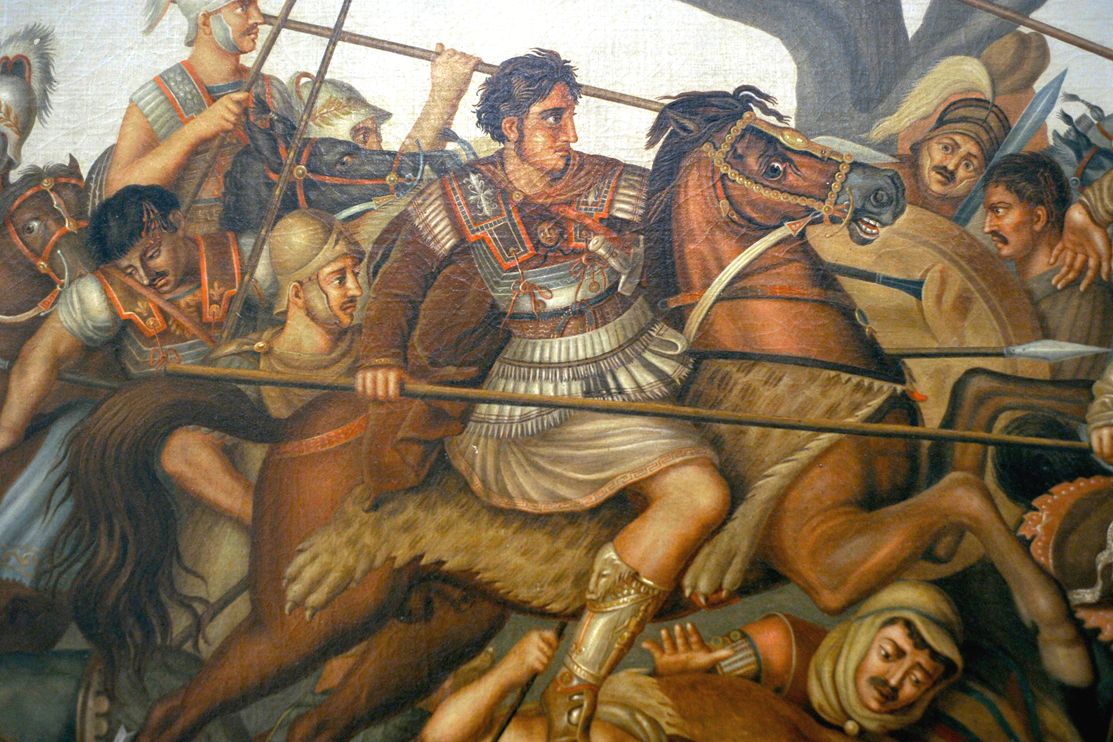
3. Pyrrhus of Epirus
In 289 BC, an enemy commander sought out Pyrrhus on the battlefield:
“After hurling spears at each other they fought it out with swords. Pyrrhus was wounded, but in return wounded his opponent twice…Pantauchus’ bodyguards had to carry him away.“
In 289 BC, an enemy commander sought out Pyrrhus on the battlefield:
“After hurling spears at each other they fought it out with swords. Pyrrhus was wounded, but in return wounded his opponent twice…Pantauchus’ bodyguards had to carry him away.“
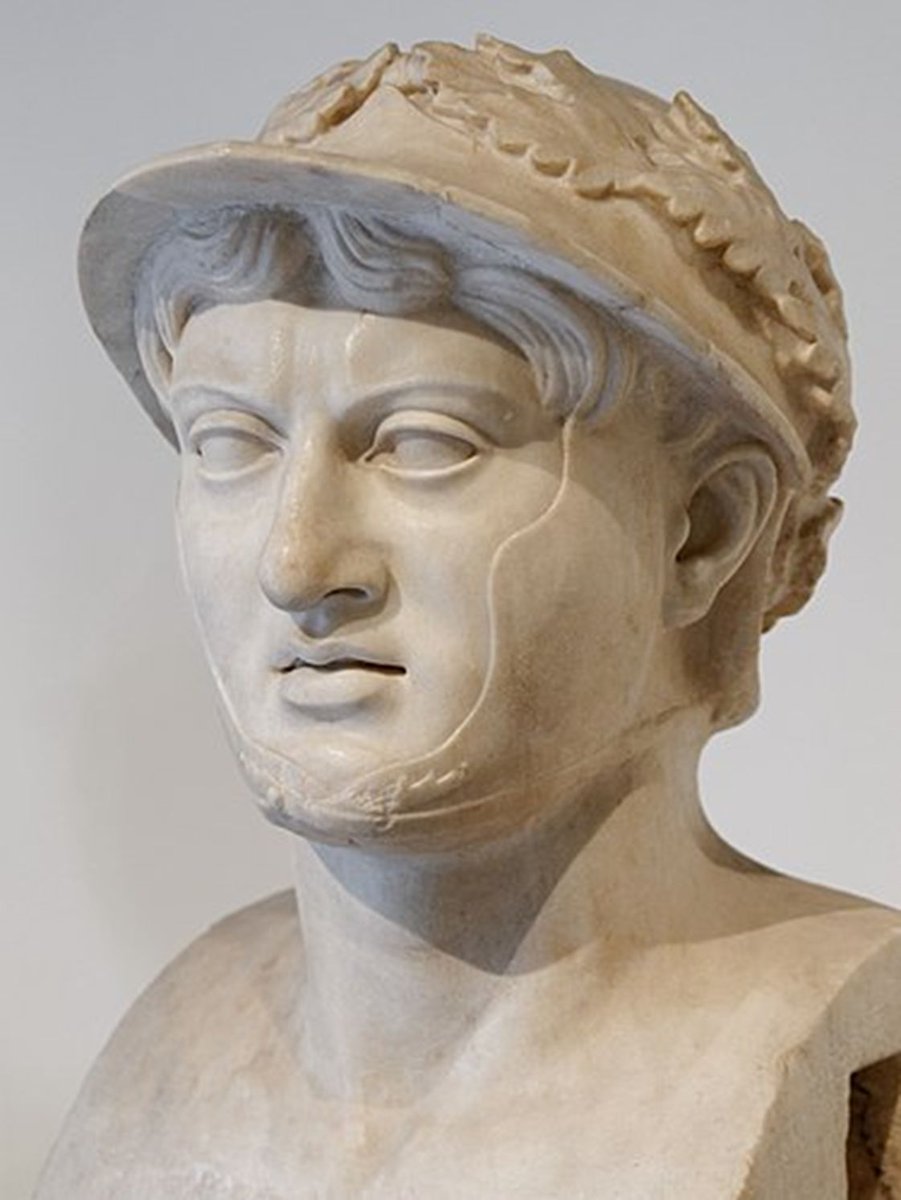
4. Scipio Africanus
Known mostly for his victory against Carthage, Scipio also earned fame in Spain.
In 151 BC he killed a Spanish chieftain in single combat, and later at Intercatia won the corona muralis (“mural crown”), given to the first man over an enemy’s walls.
Known mostly for his victory against Carthage, Scipio also earned fame in Spain.
In 151 BC he killed a Spanish chieftain in single combat, and later at Intercatia won the corona muralis (“mural crown”), given to the first man over an enemy’s walls.
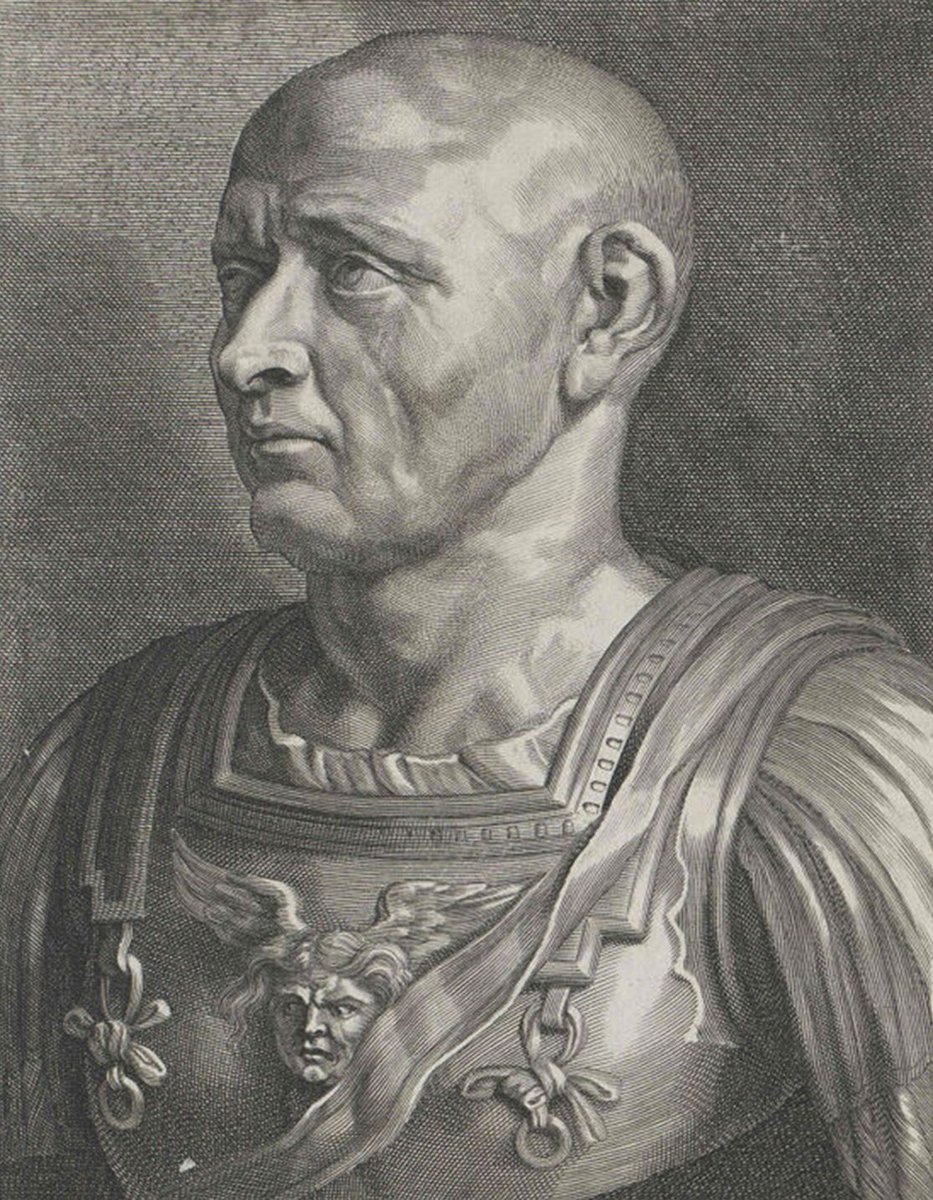
5. Julius Caesar
One reason Caesar's men loved him so much was that he led from the front, often being the first to charge into enemy lines. His willingness to put himself in harm’s way earned him respect and loyalty, so much that his soldiers would “cross the Rubicon” for him.
One reason Caesar's men loved him so much was that he led from the front, often being the first to charge into enemy lines. His willingness to put himself in harm’s way earned him respect and loyalty, so much that his soldiers would “cross the Rubicon” for him.
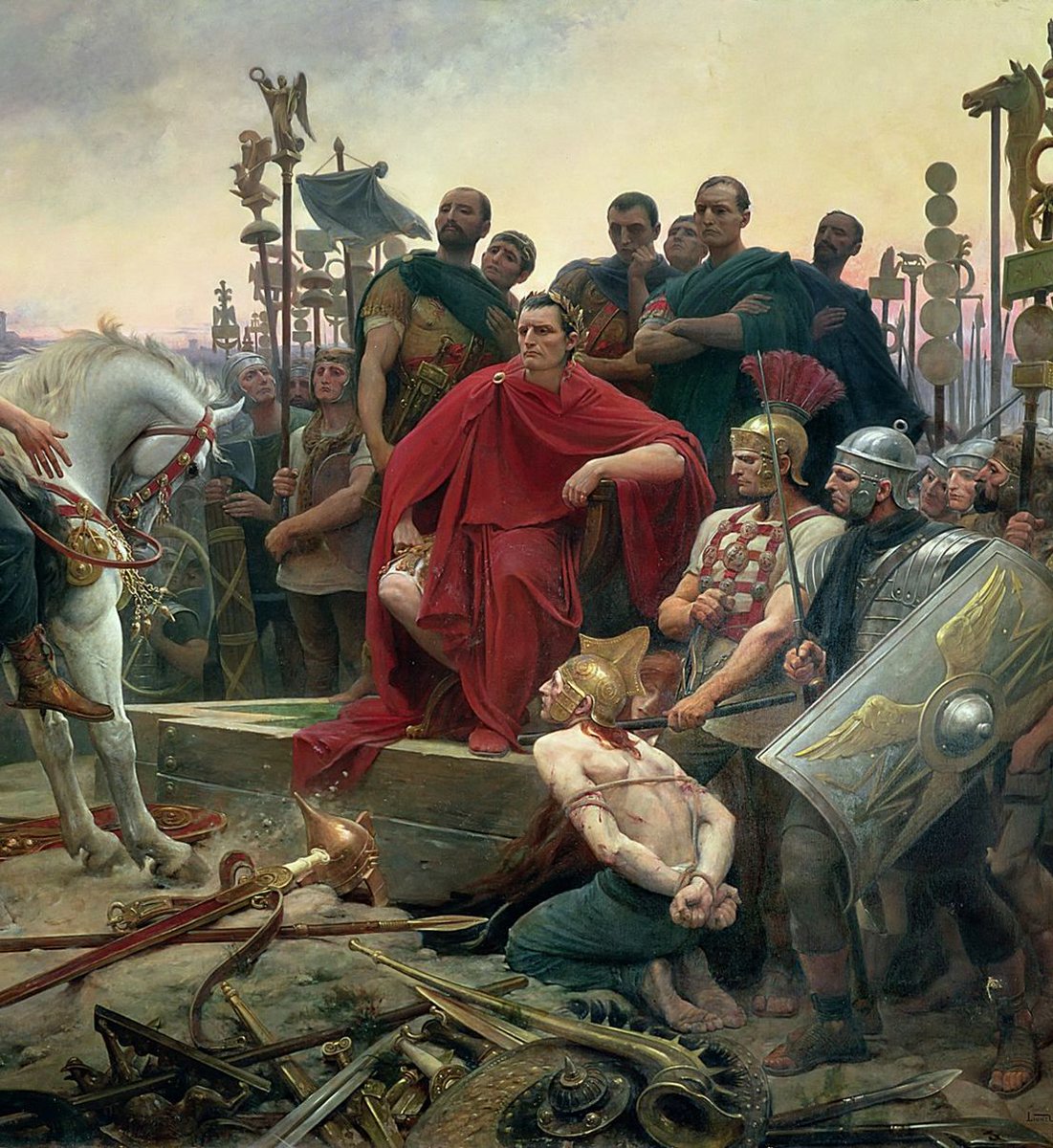
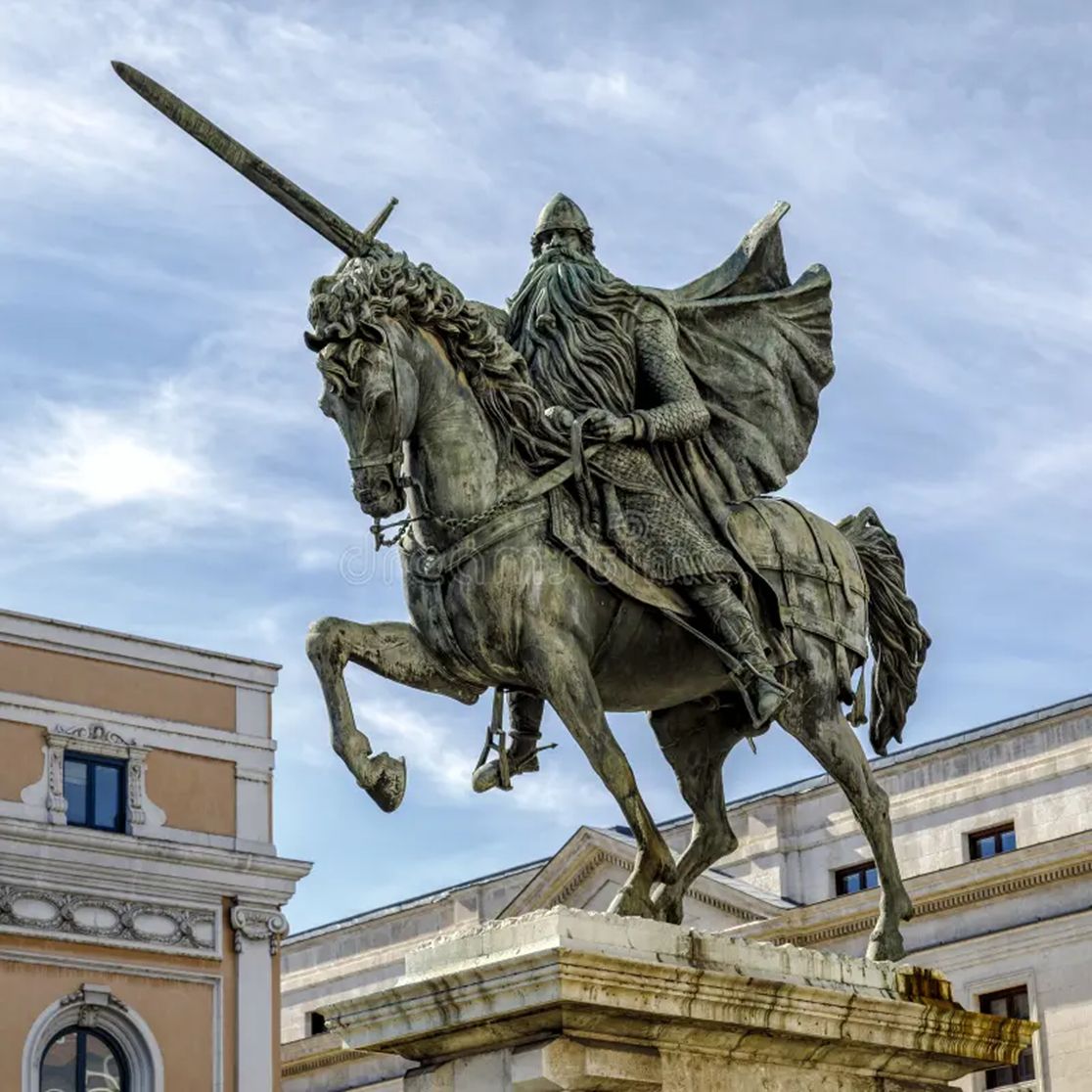
6. El Cid
One of the most legendary warriors of all time and an integral part of the Reconquista, El Cid earned respect from both the Moorish and Spanish sides. He won an impressive number of battles, notably the conquest of Valencia in 1094.
One of the most legendary warriors of all time and an integral part of the Reconquista, El Cid earned respect from both the Moorish and Spanish sides. He won an impressive number of battles, notably the conquest of Valencia in 1094.
7. Richard III
The last English king to die in battle, he fought against Tudor forces in 1485 where he unhorsed Sir John Cheyne, a jousting champion, and killed Henry's standard bearer.
His historian recorded he died "fighting manfully in the thickest press of his enemies."
The last English king to die in battle, he fought against Tudor forces in 1485 where he unhorsed Sir John Cheyne, a jousting champion, and killed Henry's standard bearer.
His historian recorded he died "fighting manfully in the thickest press of his enemies."

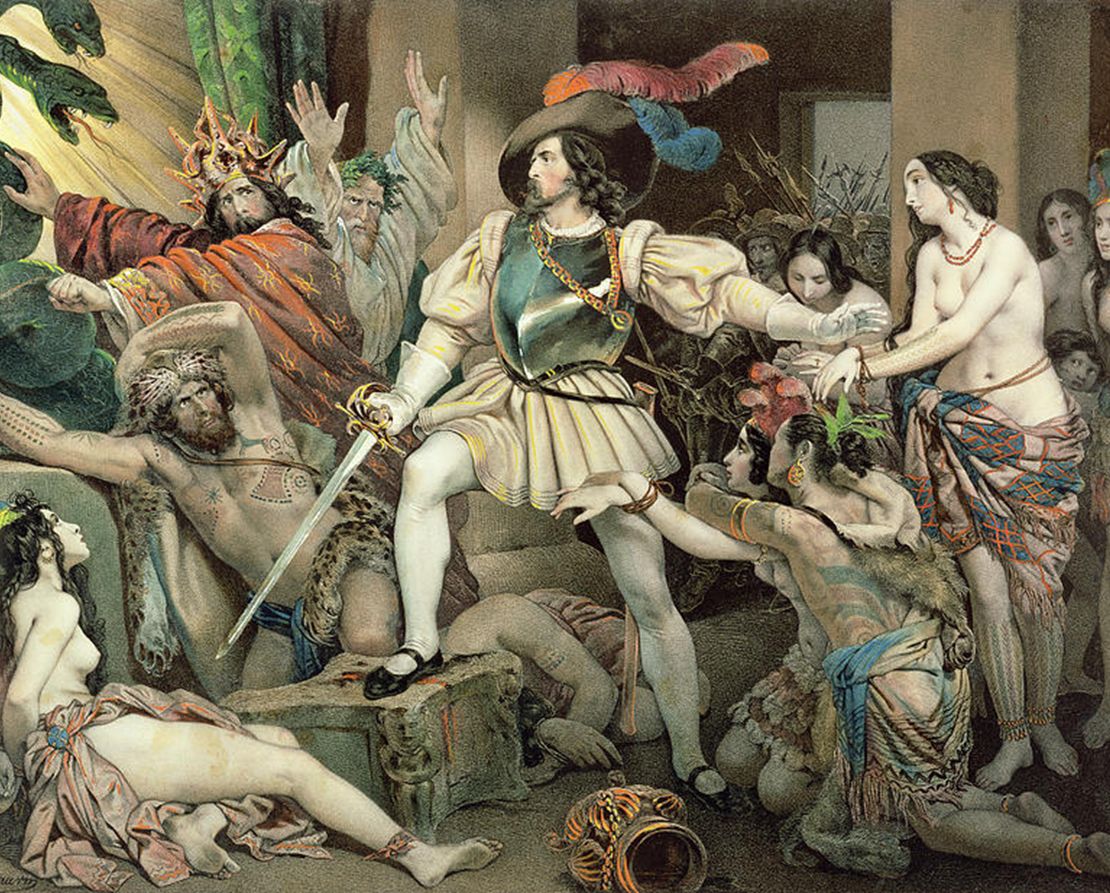
8. Hernán Cortés
In 1519 Cortés famously ordered his men to burn their ships so that they’d know there was no going back.
He went on to overthrow the Aztec Empire with only a small band of Spanish men (and many Native allies), proving he wasn’t afraid to go against the odds.
In 1519 Cortés famously ordered his men to burn their ships so that they’d know there was no going back.
He went on to overthrow the Aztec Empire with only a small band of Spanish men (and many Native allies), proving he wasn’t afraid to go against the odds.
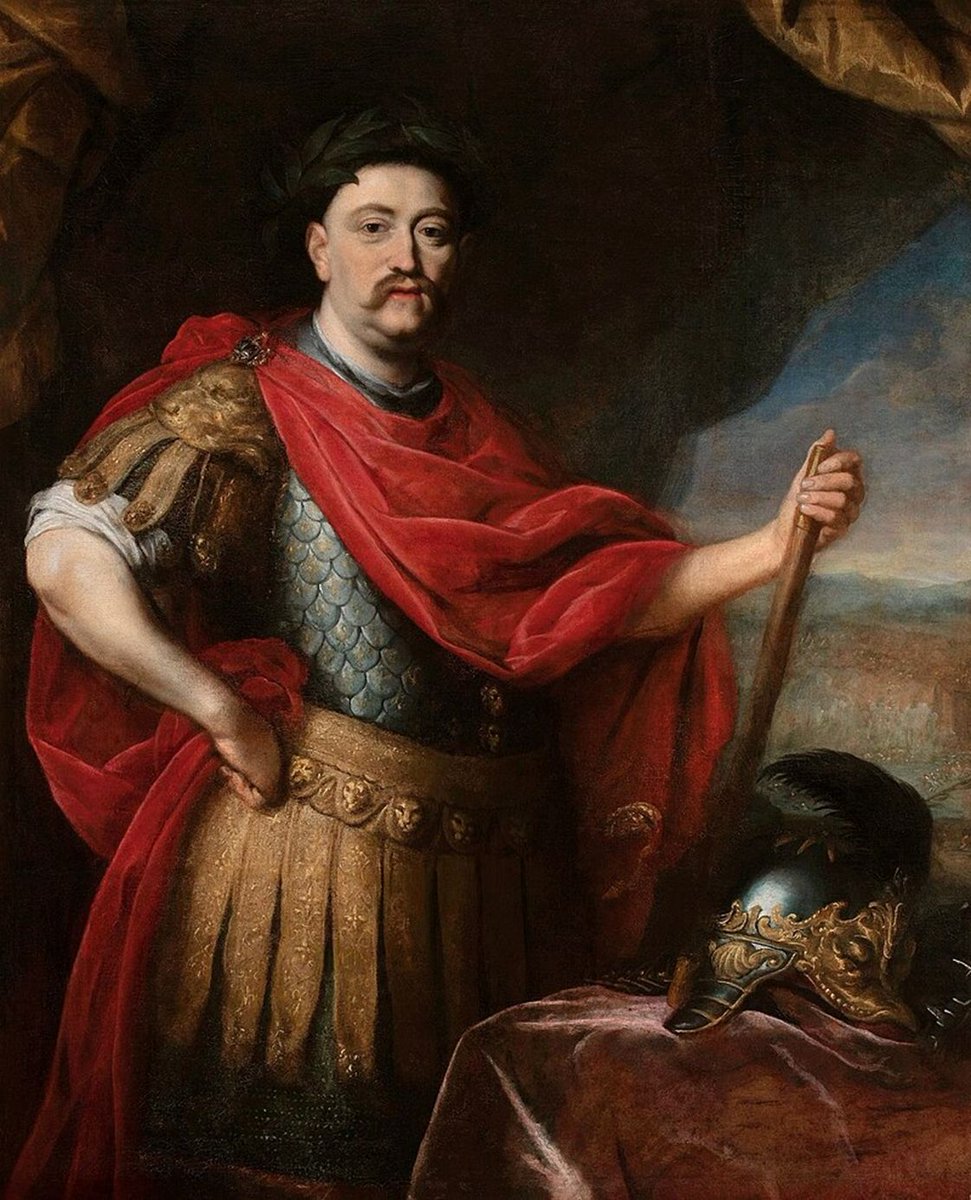
9. John III Sobieski
As the Ottomans besieged Vienna in 1683, Sobieski, king of Poland, rushed to their aid with roughly 25000 men.
He then led an attack against the besiegers which culminated in a cavalry charge 18000 strong, including 3000 of the famous “winged hussars”.
As the Ottomans besieged Vienna in 1683, Sobieski, king of Poland, rushed to their aid with roughly 25000 men.
He then led an attack against the besiegers which culminated in a cavalry charge 18000 strong, including 3000 of the famous “winged hussars”.
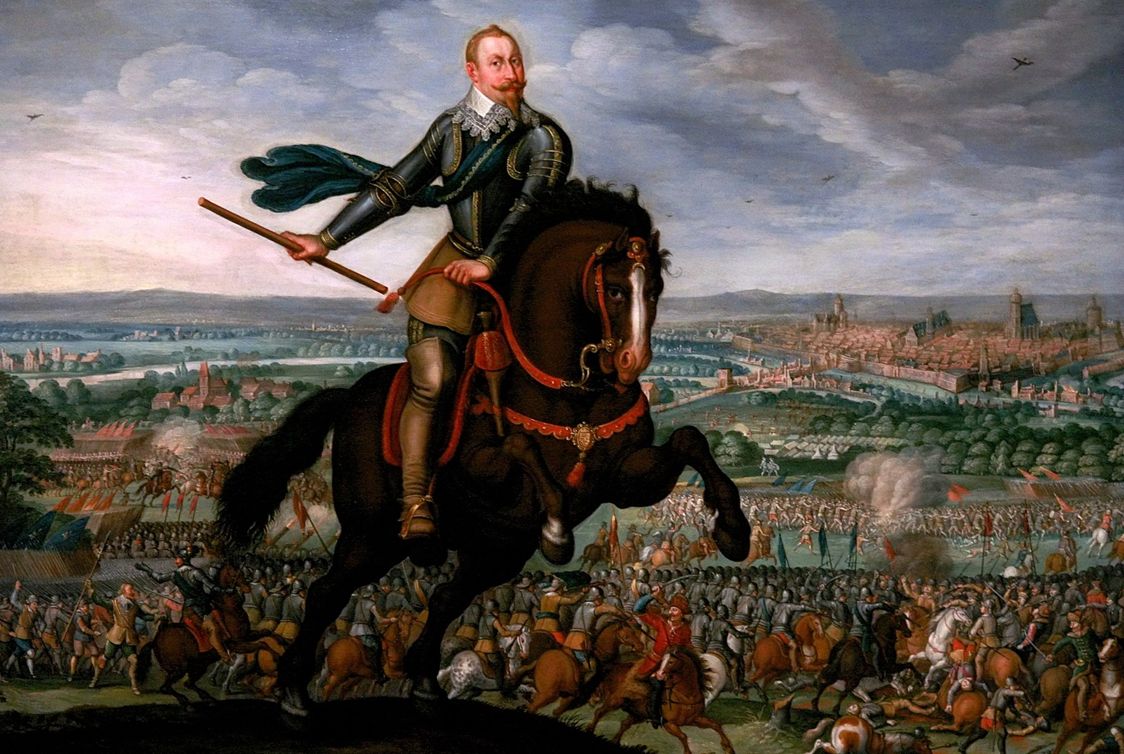
10. Gustavus Adolphus
Known as the “Father of Modern Warfare”, Adolphus helped Sweden become a dominant military power and an integral player in the Thirty Years War.
He reportedly entered battle with little armor, proclaiming "The Lord God is my protector!"
Known as the “Father of Modern Warfare”, Adolphus helped Sweden become a dominant military power and an integral player in the Thirty Years War.
He reportedly entered battle with little armor, proclaiming "The Lord God is my protector!"
11. Washington
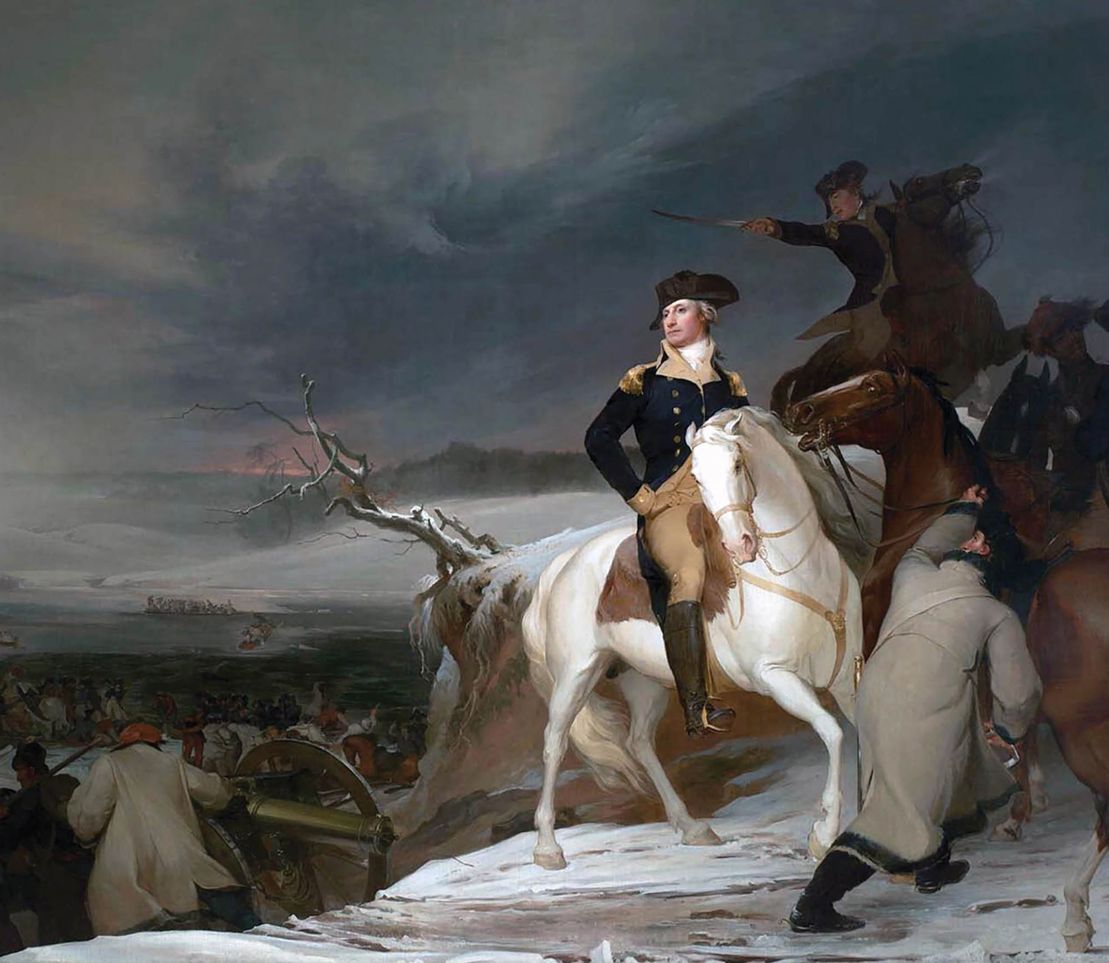
At the Battle of Monongahela in 1755, several officers had been killed, so Washington rode into the fray and reestablished order in the ranks. Two horses were shot underneath him and four musketballs pierced his jacket, but the future president was left unharmed.
At the Battle of Monongahela in 1755, several officers had been killed, so Washington rode into the fray and reestablished order in the ranks. Two horses were shot underneath him and four musketballs pierced his jacket, but the future president was left unharmed.
12. Horatio Nelson
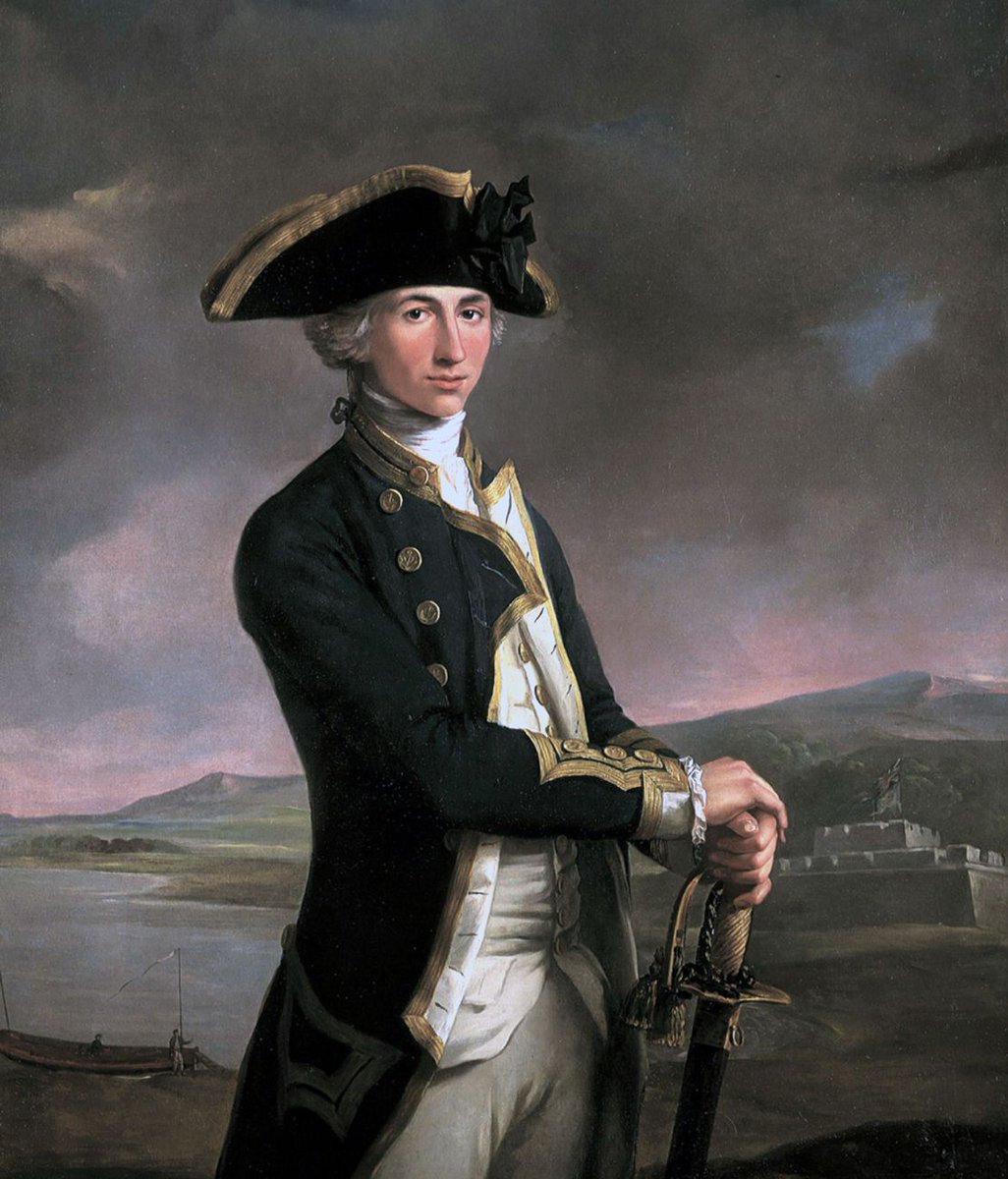
Nelson was instrumental in winning the Battle of Trafalgar in 1805 by sailing his outnumbered British fleet directly into the enemy’s flank, splitting them in two.
His own HMS Victory led the way, and Nelson was shot and killed during the battle.
Nelson was instrumental in winning the Battle of Trafalgar in 1805 by sailing his outnumbered British fleet directly into the enemy’s flank, splitting them in two.
His own HMS Victory led the way, and Nelson was shot and killed during the battle.
13. Napoleon
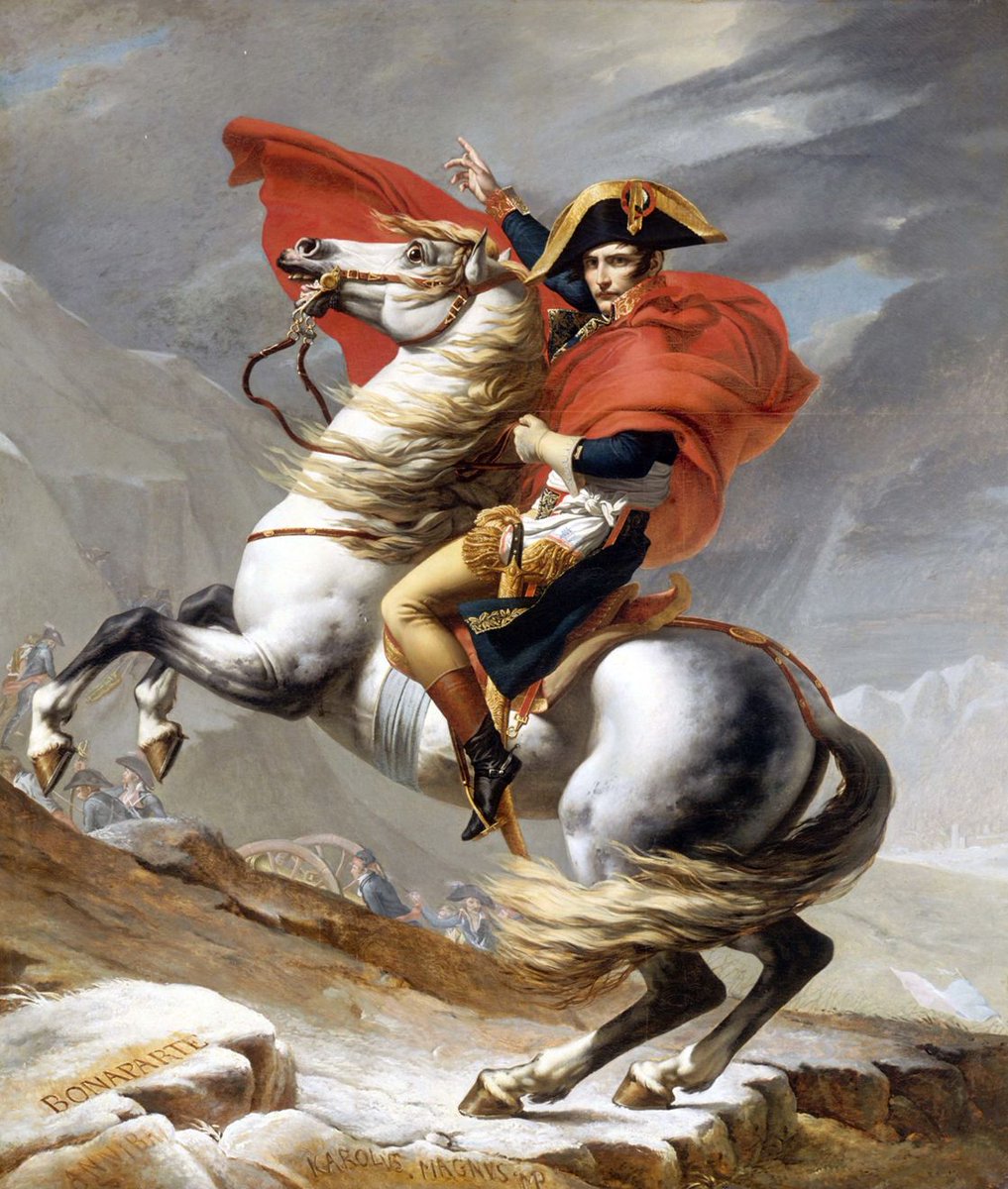
Perhaps the greatest military mind in history, Napoleon was also unquestionably brave. At the Battle of Toulon in 1793, he led the attack and took a bayonet to the thigh. And later at Arlon in 1796 he rushed onto a dike in the line of fire, hoping to inspire his men
Perhaps the greatest military mind in history, Napoleon was also unquestionably brave. At the Battle of Toulon in 1793, he led the attack and took a bayonet to the thigh. And later at Arlon in 1796 he rushed onto a dike in the line of fire, hoping to inspire his men
14. Teddy Roosevelt
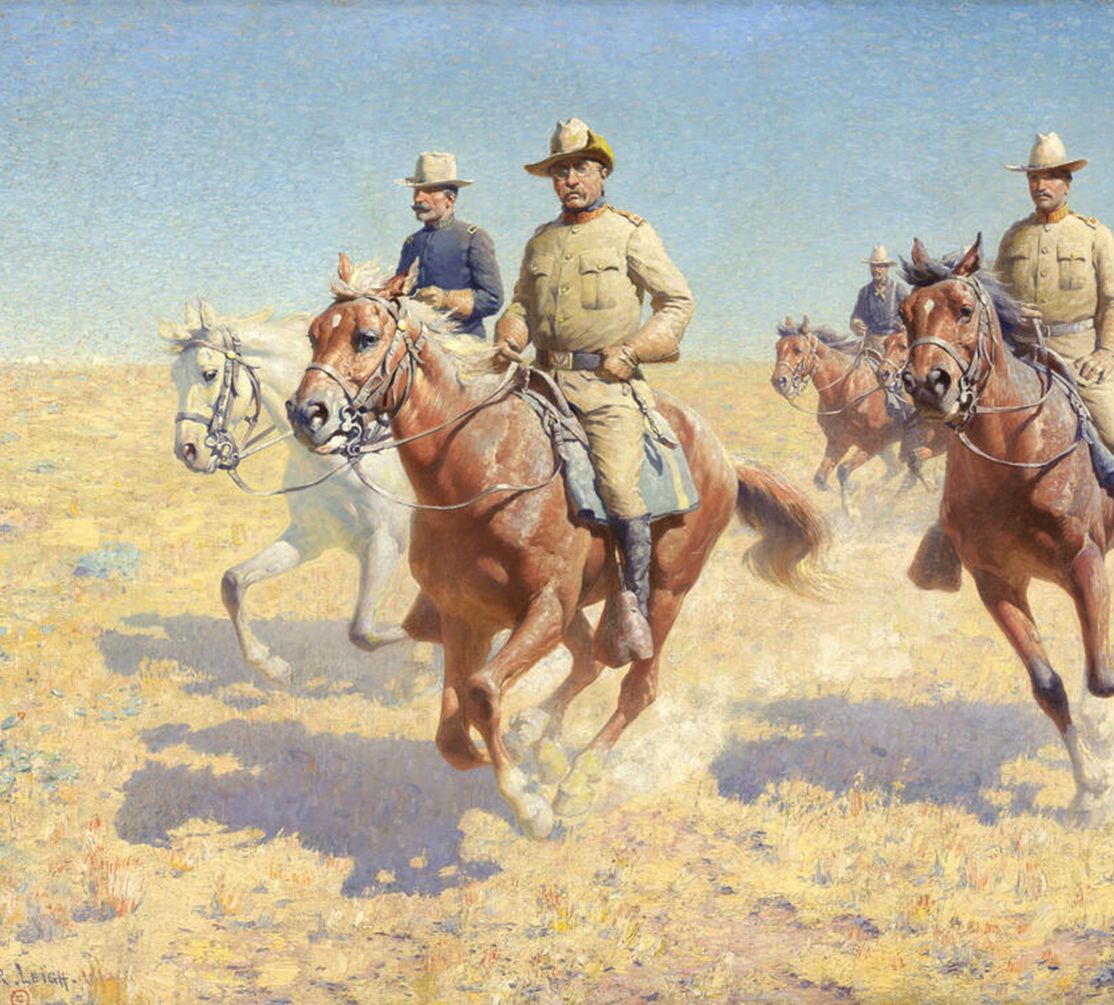
Roosevelt inspired his “Rough Riders” through his bravery during the Spanish-American War.
At Las Gausimas in 1898, Roosevelt narrowly avoided bullets splintering into trees near him. Later at San Juan Heights, he led a charge up Kettle Hill, winning the day
Roosevelt inspired his “Rough Riders” through his bravery during the Spanish-American War.
At Las Gausimas in 1898, Roosevelt narrowly avoided bullets splintering into trees near him. Later at San Juan Heights, he led a charge up Kettle Hill, winning the day
15. Albert I
King Albert commanded the Belgian army during WW1. At the Battle of Liège in 1914, he went to the front lines, inspiring his men due to the presence of their king. They lost the battle, but Albert’s continued to lead his nation from the front throughout the war.
King Albert commanded the Belgian army during WW1. At the Battle of Liège in 1914, he went to the front lines, inspiring his men due to the presence of their king. They lost the battle, but Albert’s continued to lead his nation from the front throughout the war.
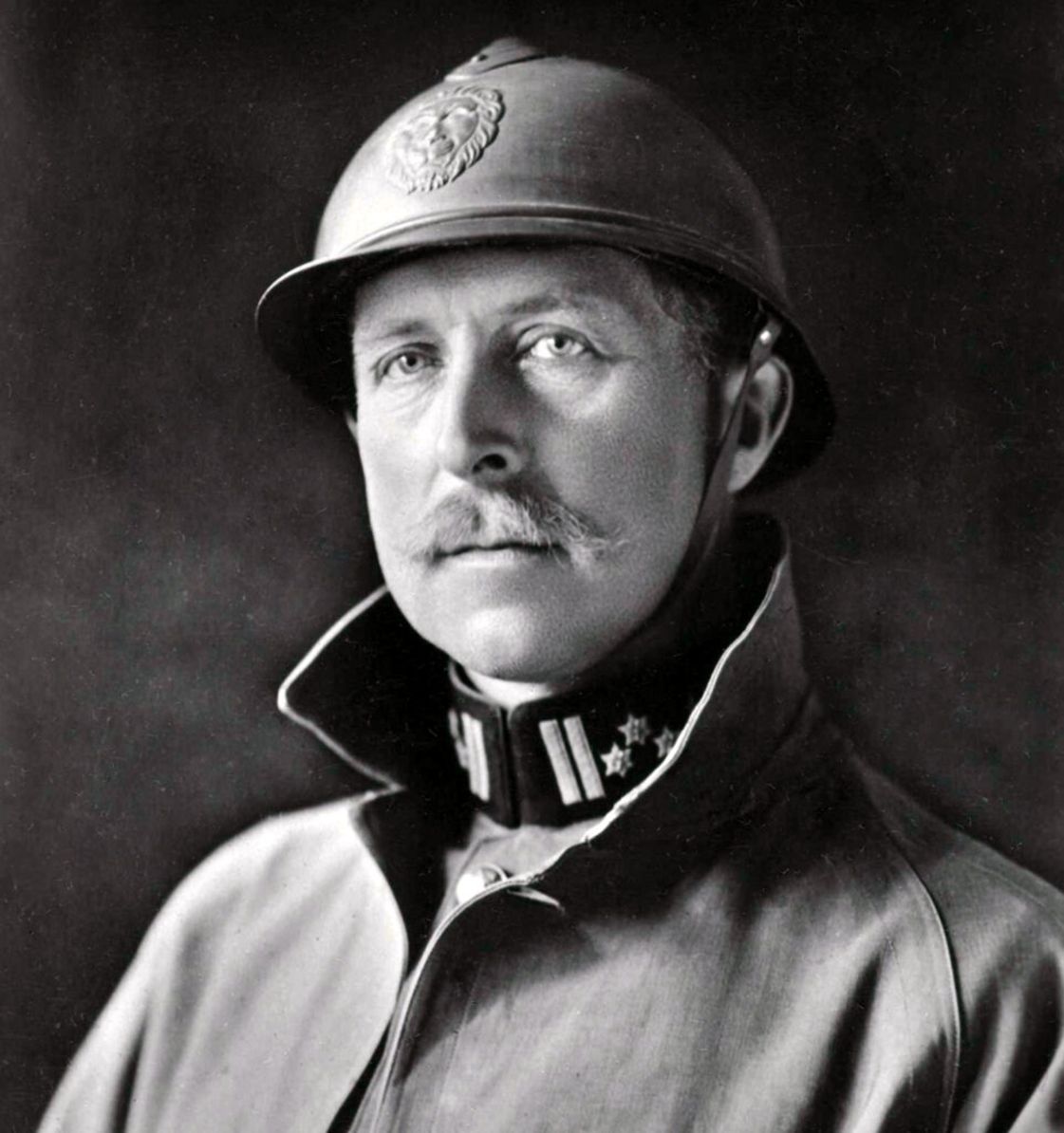
History is full of leaders who weren’t afraid to lead from the front, but we're sorely lacking in it today.
Who would you add to the list?
Who would you add to the list?
We dive deeper into topics like this in our newsletter.
In-depth articles straight to your inbox every week (free)👇
thinkingwest.substack.com
In-depth articles straight to your inbox every week (free)👇
thinkingwest.substack.com
• • •
Missing some Tweet in this thread? You can try to
force a refresh