In 315 BC,
The Samnites of old dealt the Roman Republic a devastating defeat in the Battle of Lautulae just five years after humiliating them at the Caudine Forks…
During the Great Samnite War!
[Thread]🧵
The Samnites of old dealt the Roman Republic a devastating defeat in the Battle of Lautulae just five years after humiliating them at the Caudine Forks…
During the Great Samnite War!
[Thread]🧵
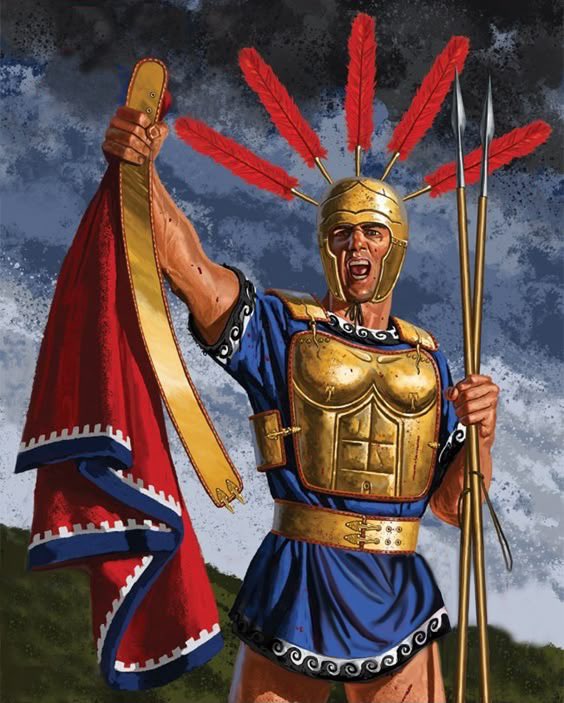
In the 4th century the Romans began to spread their influence into southern Italy, much to the displeasure of the Samnites.
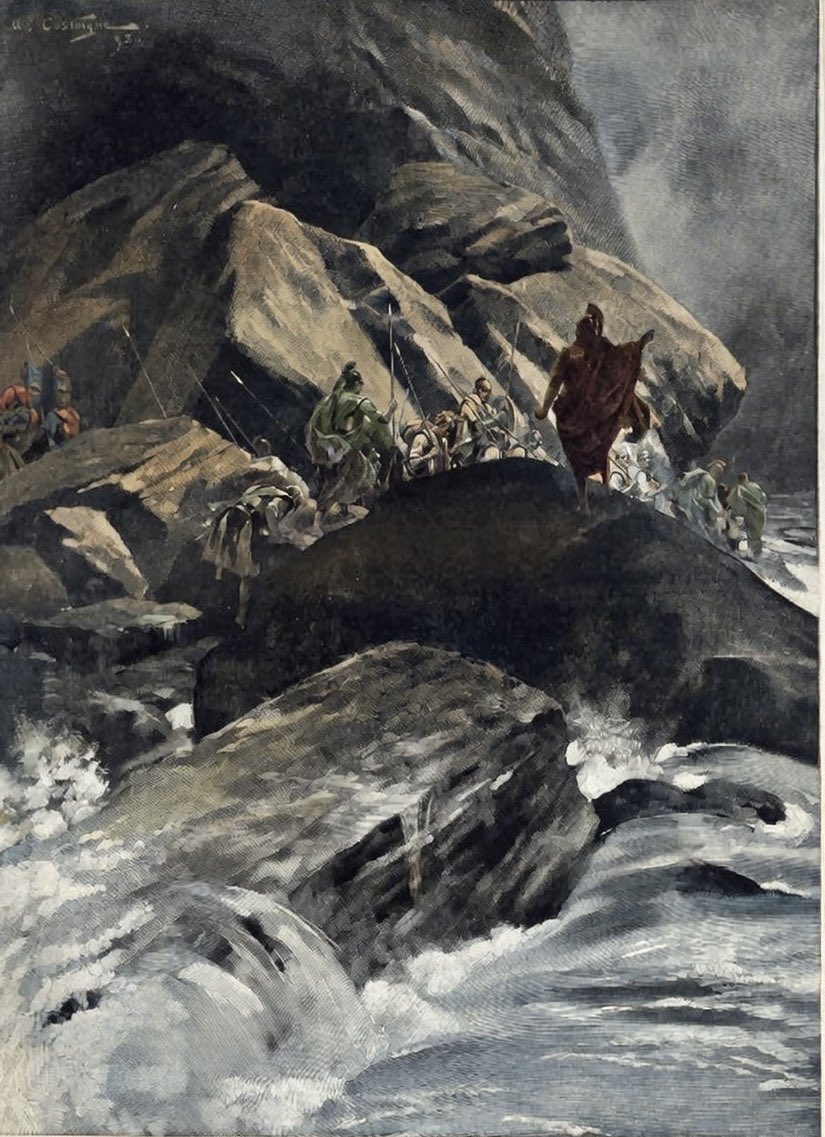
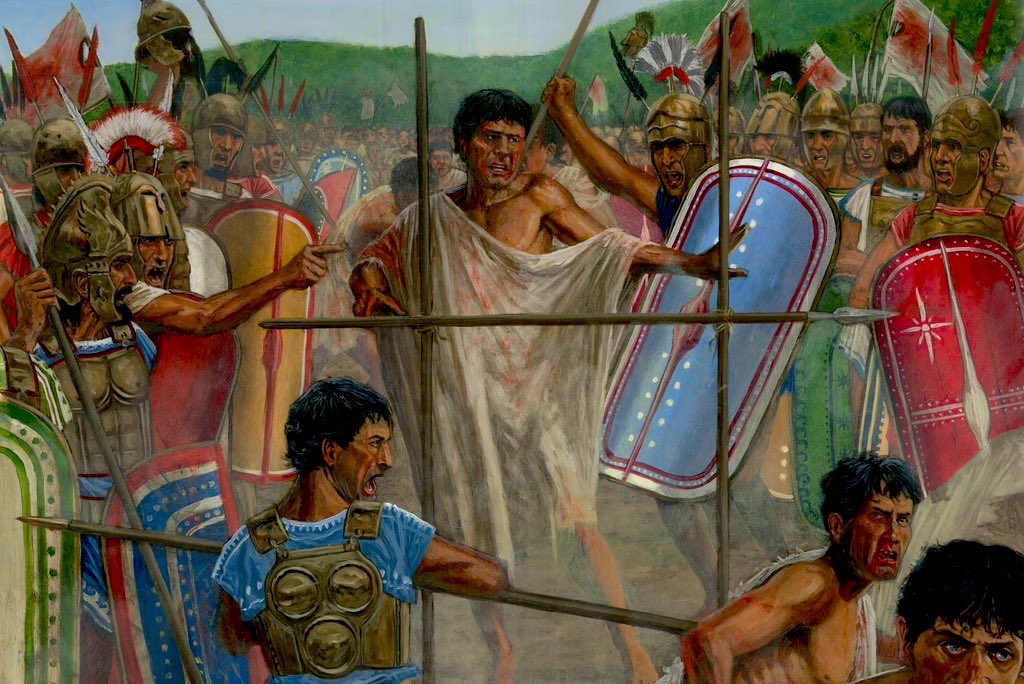
In 321 BC a Roman army had been outmanoeuvred by the Samnites and forced to make terms at the bloodless ‘battle’ of Caudine Forks where the trapped Romans were surrendered and had to pass under a ceremonial yoke, stripped of their arms.
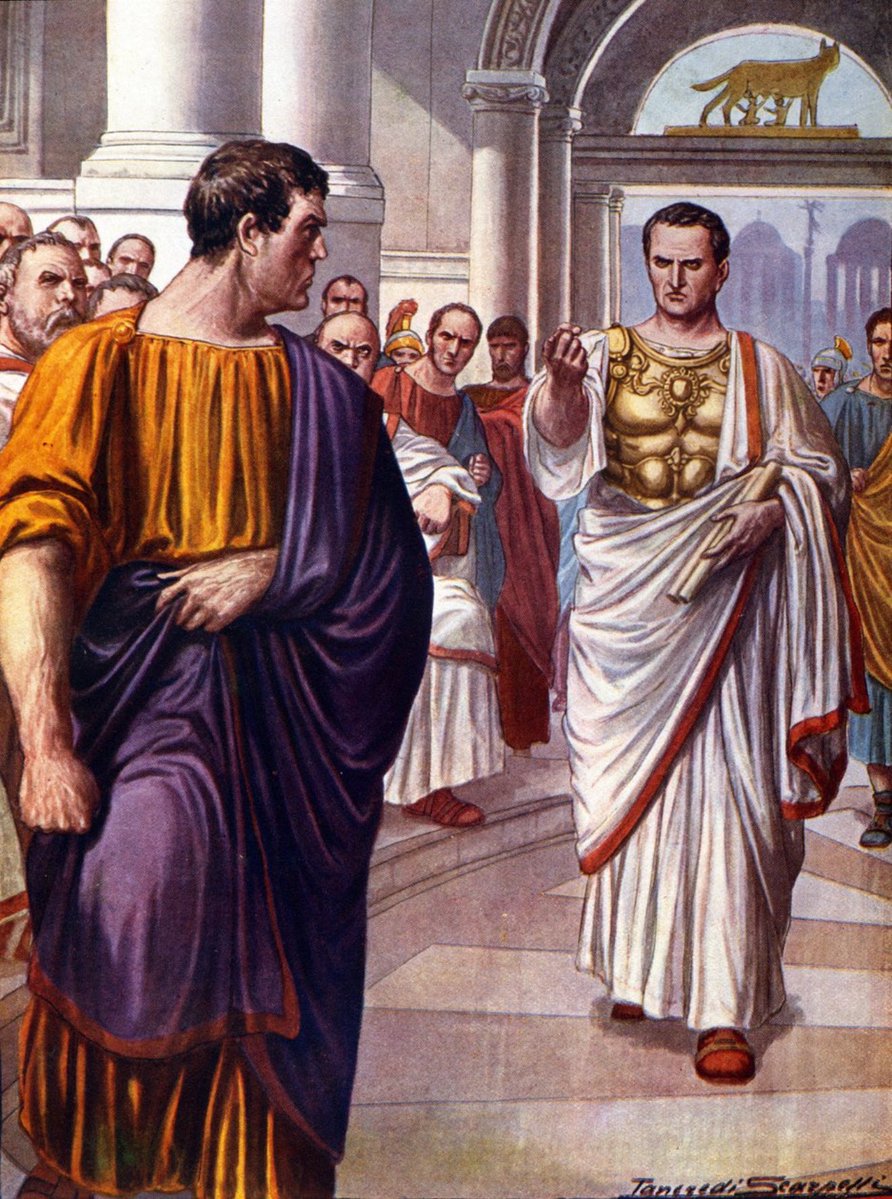
The new consuls elected to deal with this crisis were Lucius Papirius Cursor and Quintus Publilius Philo.
In 321 BC a Roman army had been outmanoeuvred by the Samnites and forced to make terms at the bloodless ‘battle’ of Caudine Forks where the trapped Romans were surrendered and had to pass under a ceremonial yoke, stripped of their arms.
The new consuls elected to deal with this crisis were Lucius Papirius Cursor and Quintus Publilius Philo.
In 315 BC Cursor and Philo were elected consuls again and decided to campaign against the Samnites.
Each consul led an army to a different target and Fabius Maximus Rullianus was sent with an army to attack Satricum.
The Romans were unaware that this deployment was spreading their troops too thin.
Each consul led an army to a different target and Fabius Maximus Rullianus was sent with an army to attack Satricum.
The Romans were unaware that this deployment was spreading their troops too thin.
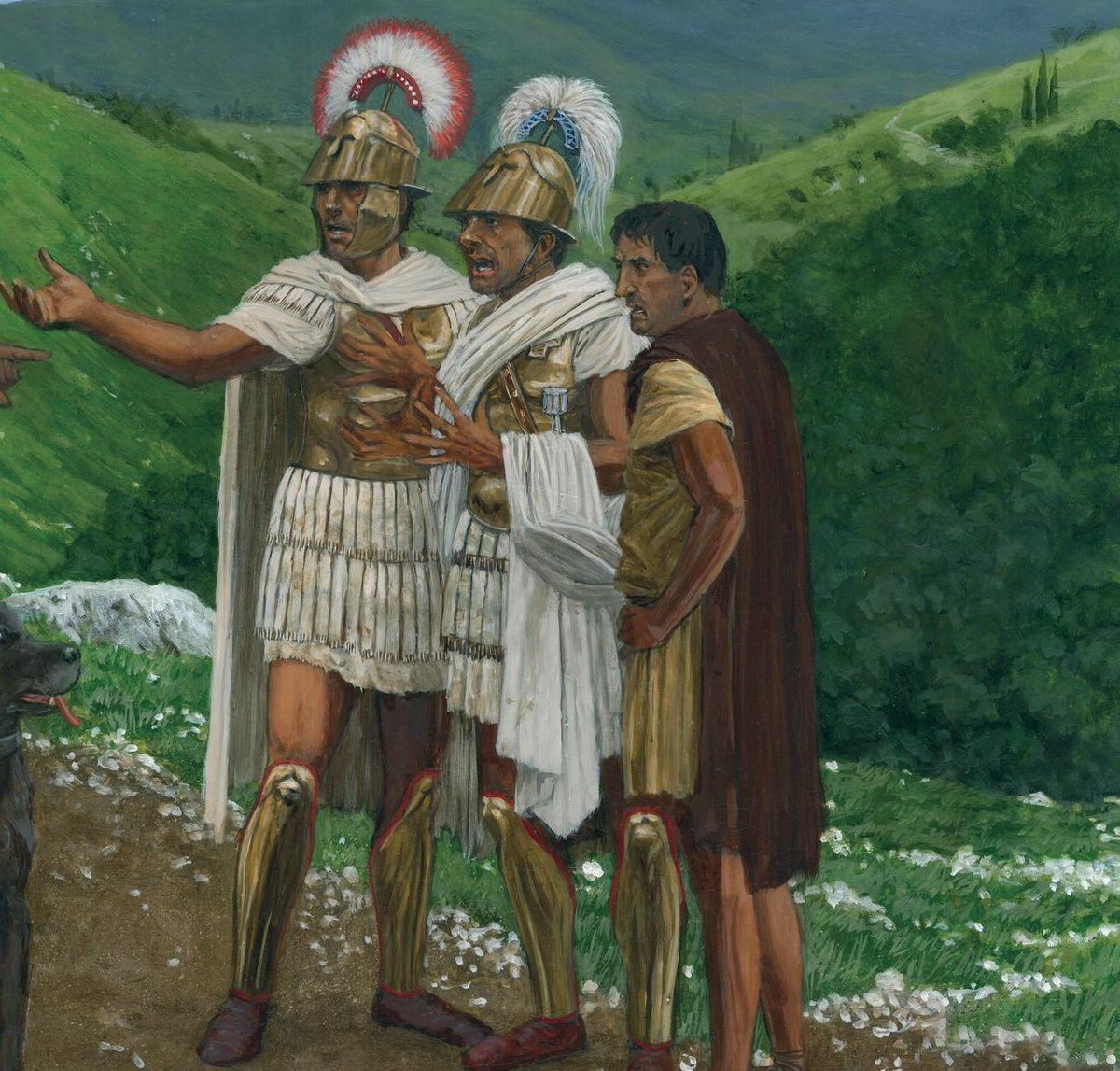
While Cursor was busy besieging Luceria, a report came that the Samnites either defeated or outmanoeuvred Philo and were headed to Roman territory.
The only force close enough to this force of Samnites was Quintus Aulius Cerretanus who was master of the horse under Rullianus. He rushed to face the Samnites.
The only force close enough to this force of Samnites was Quintus Aulius Cerretanus who was master of the horse under Rullianus. He rushed to face the Samnites.
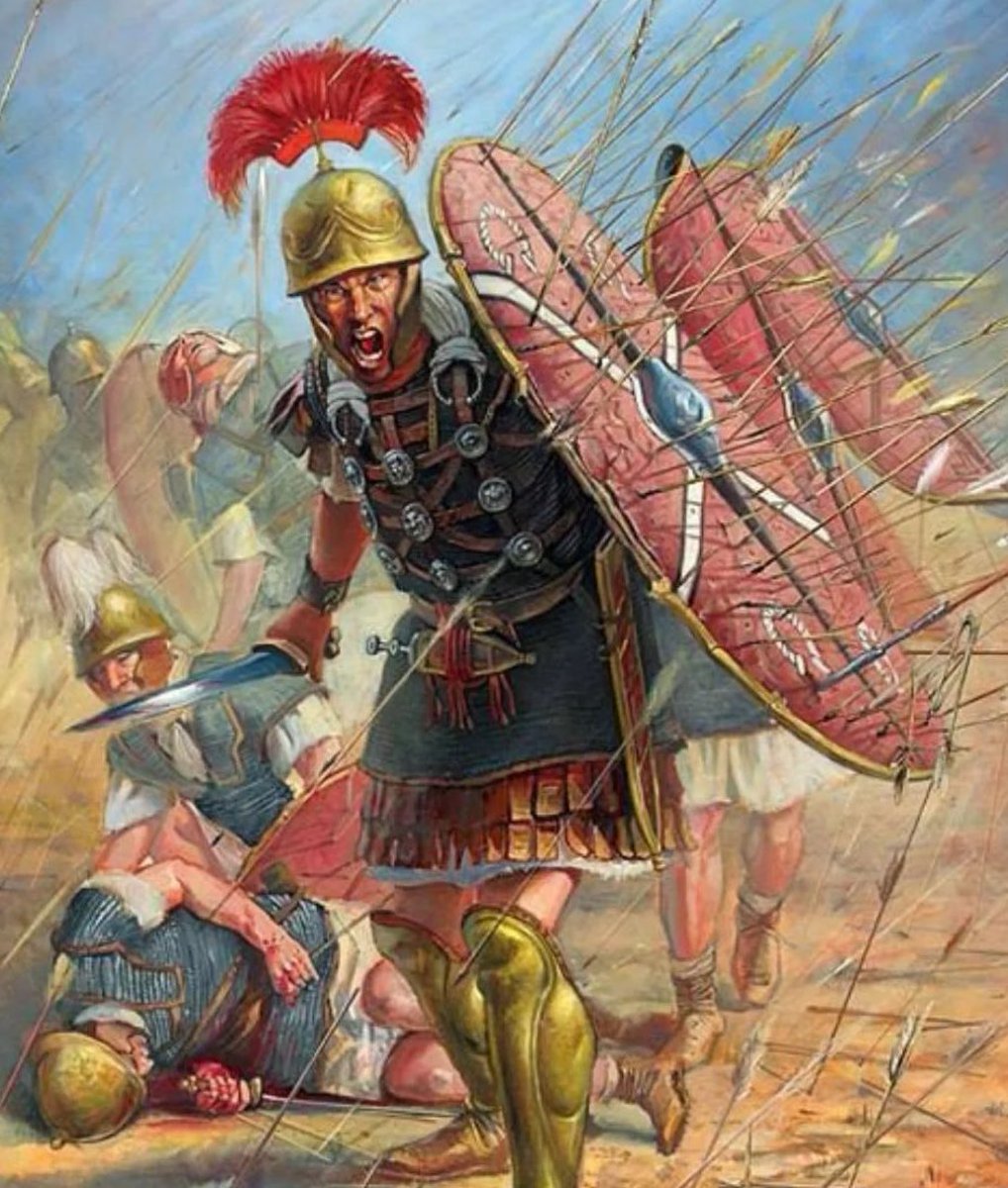
Battle was joined and Livy wrote that ‘Fortune so used her powers as to bring extraordinary losses on both sides, and on the commanders themselves distinguished deaths’
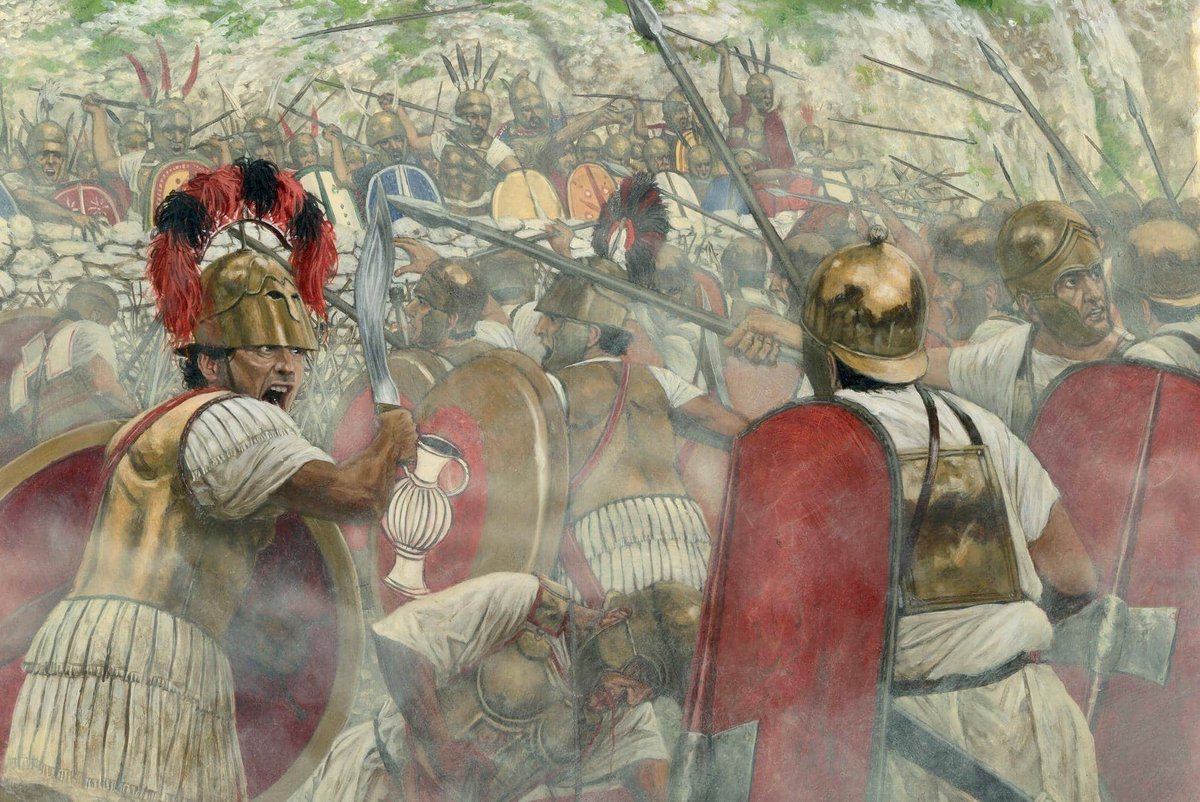
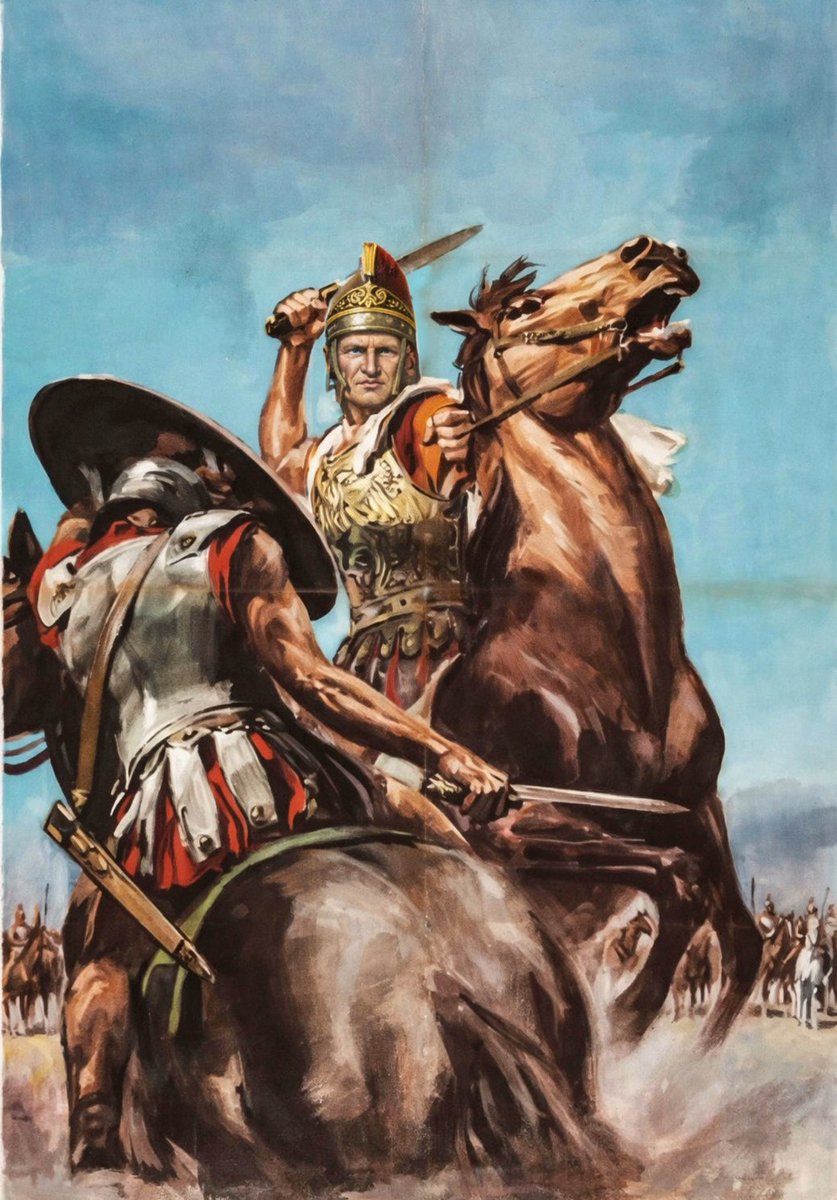
Quintus Aulius Cerretanus and his troops managed to temporarily rout the Samnites whose general was able to re-form his troops and charge against the Romans again.
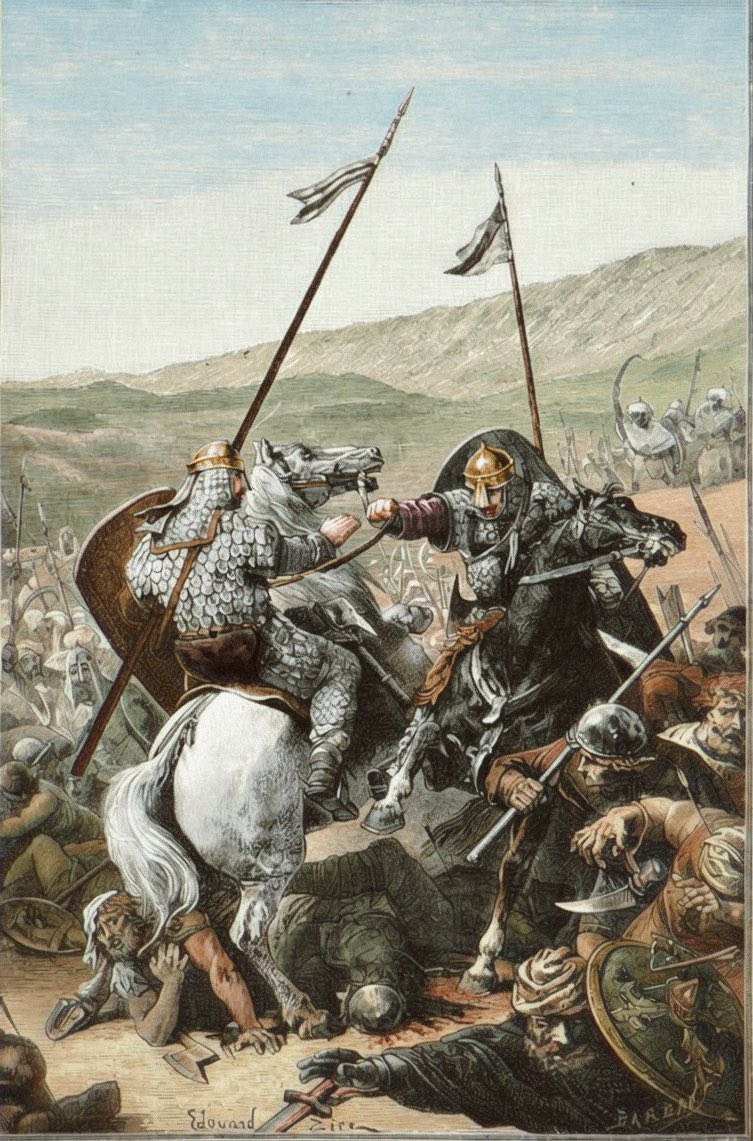
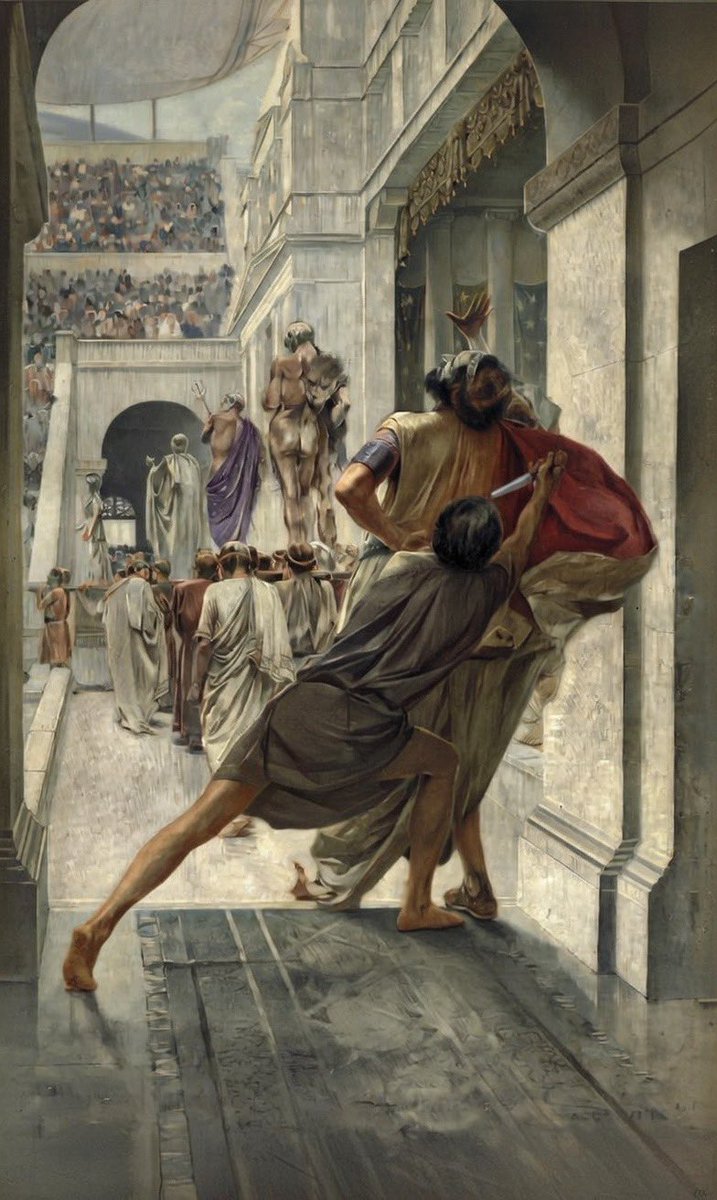
At this point Quintus Aulius Cerretanus charged at the Samnite general and killed him, but, according to Livy:
‘the rank and file were not more dismayed by their leader's death - though it often happens so - than they were angered; and as Aulius rode recklessly on through the enemy's squadrons, all those about him darted their javelins at him.’
At this point Quintus Aulius Cerretanus charged at the Samnite general and killed him, but, according to Livy:
‘the rank and file were not more dismayed by their leader's death - though it often happens so - than they were angered; and as Aulius rode recklessly on through the enemy's squadrons, all those about him darted their javelins at him.’
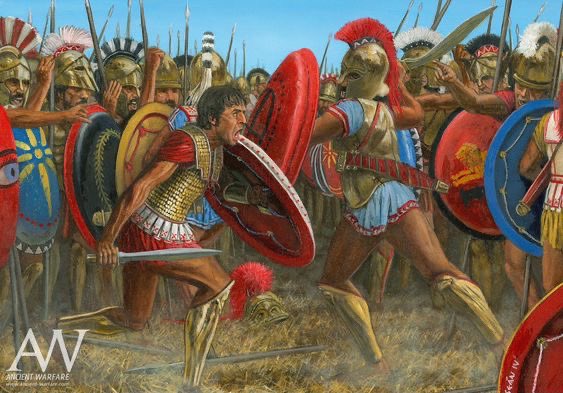
‘…but the glory of avenging the Samnite general was given by Heaven in largest measure to his brother, who, wild with grief and rage, dragged down the victorious Roman from his seat and slew him’
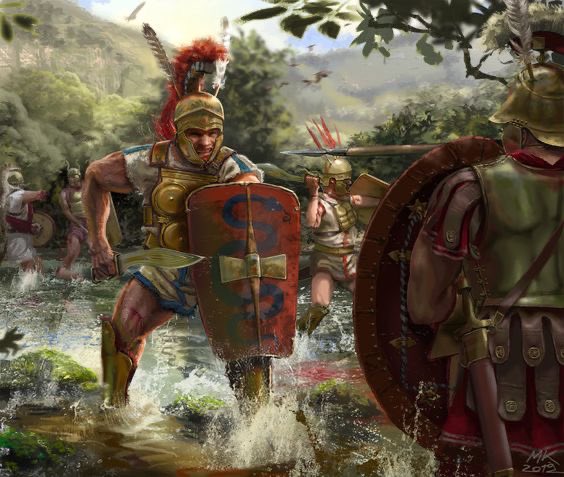
Livy tries to downplay the extent of the Samnite victory by telling of the bravery of the Romans in recovering the body of their commander ‘which they bore back victoriously to their camp, with mingled feelings of sorrow and satisfaction’
But the extent of the Samnite victory was clear and afterward they captured town of Sora. This defeat and the apparent Roman weakness led to revolts by the neighbouring peoples against the Romans.
But the extent of the Samnite victory was clear and afterward they captured town of Sora. This defeat and the apparent Roman weakness led to revolts by the neighbouring peoples against the Romans.
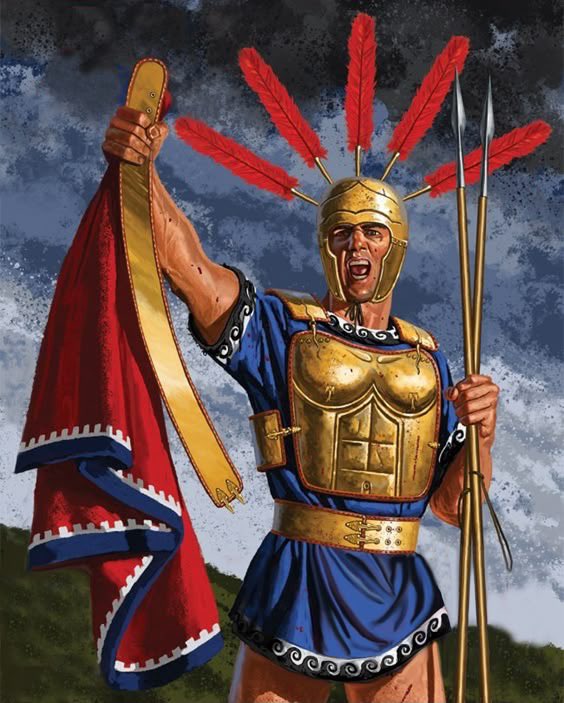
However, the Romans, ever willing to adapt to new threats, studied their losses to the Samnites. Using what they learned from fighting them, the Romans adopted the manipular system of warfare.
They would ultimately emerge victorious over the Samnites and join their peoples together.
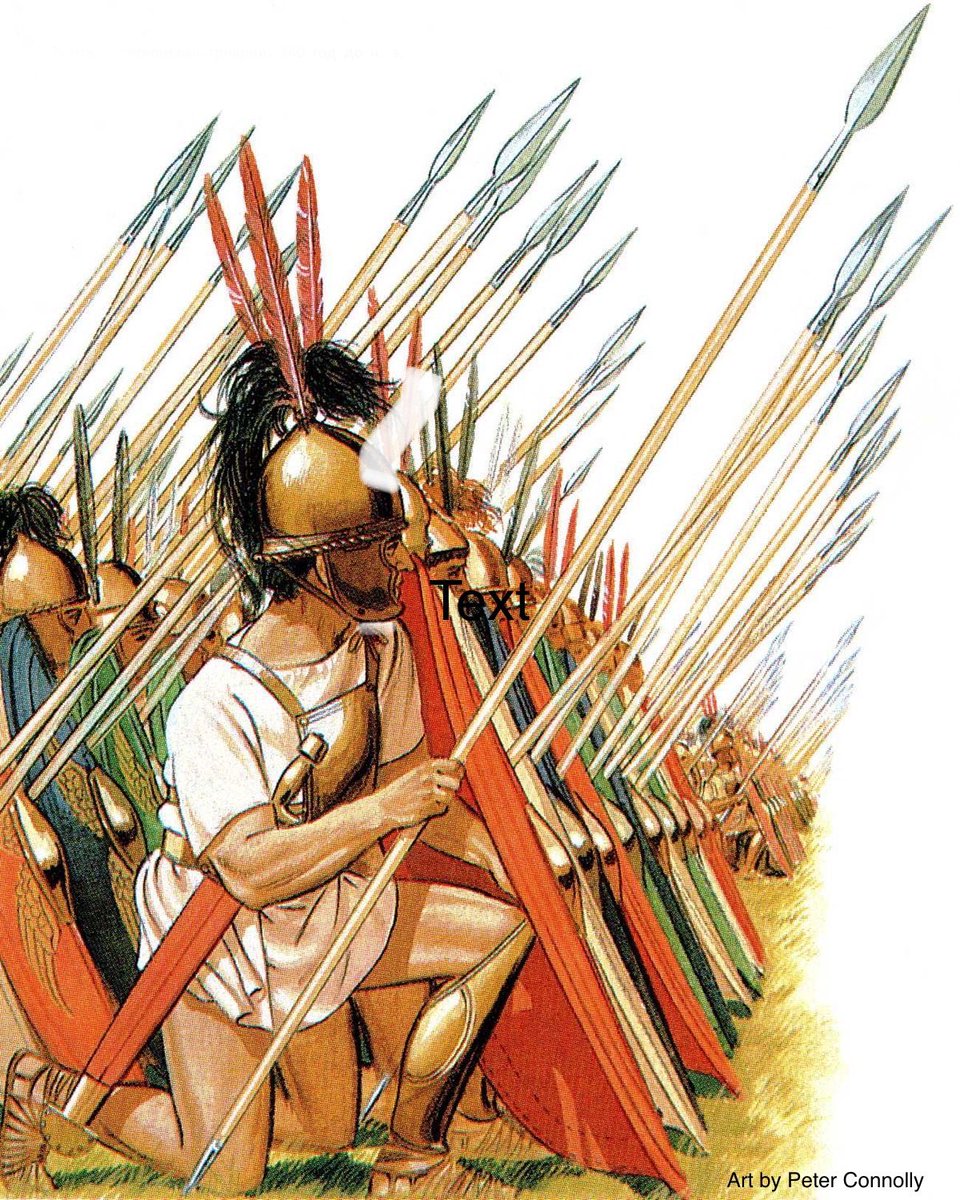
It was the maniple system which allowed to Romans to eventually overcome the legendary phalanx of the Macedonians and expand eastward.
They would ultimately emerge victorious over the Samnites and join their peoples together.
It was the maniple system which allowed to Romans to eventually overcome the legendary phalanx of the Macedonians and expand eastward.
• • •
Missing some Tweet in this thread? You can try to
force a refresh