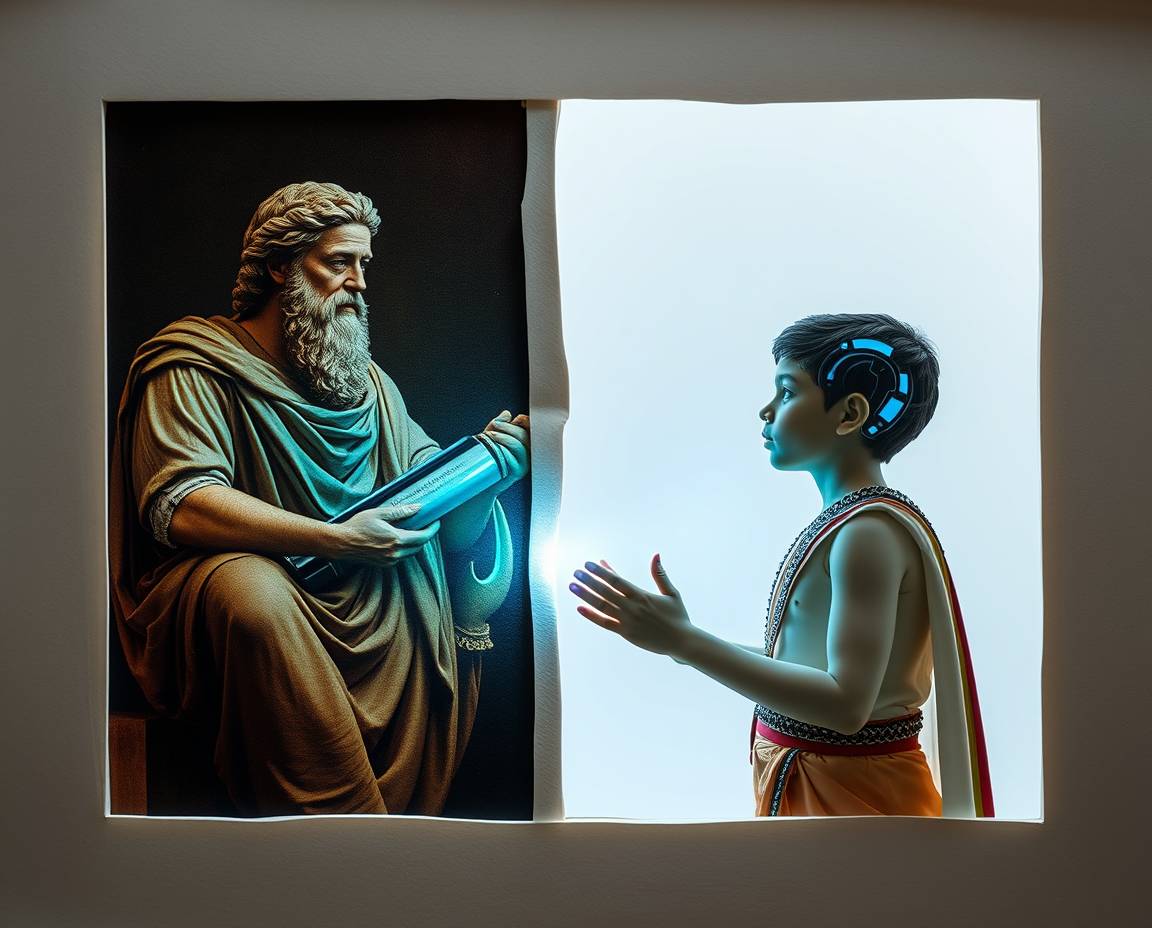
(1/10) That AI homework helper your child loves is quietly eating their brain.
It looks like help. But every "perfect" answer it spits out is one less rep for their brain—one less chance to build the focus, logic, and grit they'll need for the real world.
Welcome to Then-vs-Now Thursday.
Tonight, we expose the battle for our kids' minds by pitting the "Mental Gym" of 1967's LOGO Turtle against the "Magic Vending Machine" of today's AI.
This isn't just a thread. It's a rescue mission for your child's critical thinking skills. And it ends with a playbook you can use tonight.
Read this before their next assignment. It’s that important. 👇
It looks like help. But every "perfect" answer it spits out is one less rep for their brain—one less chance to build the focus, logic, and grit they'll need for the real world.
Welcome to Then-vs-Now Thursday.
Tonight, we expose the battle for our kids' minds by pitting the "Mental Gym" of 1967's LOGO Turtle against the "Magic Vending Machine" of today's AI.
This isn't just a thread. It's a rescue mission for your child's critical thinking skills. And it ends with a playbook you can use tonight.
Read this before their next assignment. It’s that important. 👇

(2/10) ACT I: The Mental Gym 🧠💪
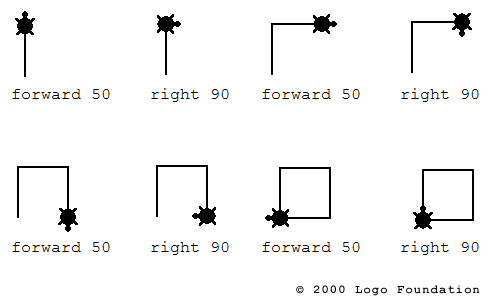
If you remember this green turtle, you were part of a secret experiment.
LOGO wasn't about "learning to code." It was a workout for your brain. Every
FORWARD 50
RIGHT 90
was a rep.
The goal wasn't a perfect square on the first try. The goal was the struggle. The glorious, frustrating, beautiful moment you finally figured out your own mistake.
We weren't building programs. We were building patience. We were building logic. We were building grit.
If you remember this green turtle, you were part of a secret experiment.
LOGO wasn't about "learning to code." It was a workout for your brain. Every
FORWARD 50
RIGHT 90
was a rep.
The goal wasn't a perfect square on the first try. The goal was the struggle. The glorious, frustrating, beautiful moment you finally figured out your own mistake.
We weren't building programs. We were building patience. We were building logic. We were building grit.
(3/10) ACT II: The Instant Everything Store 🧞
Flash forward to tonight. In Delhi, a 14-year-old needs a history project.
She doesn't struggle. She doesn't build. She wishes.
"Give me an A-grade project on the Volcano, with slides, a script, and citations."
Poof.
The AI delivers perfection in 30 seconds. A digital dopamine hit of instant accomplishment.
This is not a tool. This is a temptation. And the hidden cost is the death of the struggle we once called "learning."
Flash forward to tonight. In Delhi, a 14-year-old needs a history project.
She doesn't struggle. She doesn't build. She wishes.
"Give me an A-grade project on the Volcano, with slides, a script, and citations."
Poof.
The AI delivers perfection in 30 seconds. A digital dopamine hit of instant accomplishment.
This is not a tool. This is a temptation. And the hidden cost is the death of the struggle we once called "learning."

(4/10) This is the battle for your child's mind.
Then: The MIRROR 🐢LOGO showed you your own thinking, flaws and all. It forced you to be a detective in your own brain. It was hard. It built character.
Now: The GENIE 🧞AI gives you a perfect answer, hiding all the work. It wants you to be a king with no kingdom. It's easy. It builds dependency.
The urgent question for every parent and teacher tonight: Are we raising thinkers, or just very good wishers?
Then: The MIRROR 🐢LOGO showed you your own thinking, flaws and all. It forced you to be a detective in your own brain. It was hard. It built character.
Now: The GENIE 🧞AI gives you a perfect answer, hiding all the work. It wants you to be a king with no kingdom. It's easy. It builds dependency.
The urgent question for every parent and teacher tonight: Are we raising thinkers, or just very good wishers?

(5/10) But what if you could hijack the genie? What if you could force it to be your mirror?
You can. This is the new secret weapon. Teach your kids these three power-prompts TONIGHT.
The "Prove It" Prompt: "Give me your answer, and now give me three sources that would argue against your answer."
The "Teach Me" Prompt: "Explain this to me like I'm 10. Now explain it like I'm a college professor. Identify what's different."
The "Why" Prompt: "What were the 5 most important decisions you made to generate this? What would have happened if you chose differently at step 3?"
This is how you turn consumption into critical thinking.
You can. This is the new secret weapon. Teach your kids these three power-prompts TONIGHT.
The "Prove It" Prompt: "Give me your answer, and now give me three sources that would argue against your answer."
The "Teach Me" Prompt: "Explain this to me like I'm 10. Now explain it like I'm a college professor. Identify what's different."
The "Why" Prompt: "What were the 5 most important decisions you made to generate this? What would have happened if you chose differently at step 3?"
This is how you turn consumption into critical thinking.

(6/10) A Warning to Parents.
This is more important than screen time. It's about what the screen is doing to their mind.
An unchallenged muscle atrophies. An unchallenged mind does the same.
The world of tomorrow will have two classes of people:
People who are managed by AI.
People who know how to manage AI.
Your child's ability to question, to doubt, and to demand "why" from a machine will determine how well they do in future. The work starts now.
This is more important than screen time. It's about what the screen is doing to their mind.
An unchallenged muscle atrophies. An unchallenged mind does the same.
The world of tomorrow will have two classes of people:
People who are managed by AI.
People who know how to manage AI.
Your child's ability to question, to doubt, and to demand "why" from a machine will determine how well they do in future. The work starts now.

(7/10) A Battle Plan for Teachers.
You are on the front lines in the war for critical thought. Here's your weapon.
Stop grading the final product. Start grading the process.
Add this one line to your assignment descriptions: "Submission must include your final work AND a link to your full AI chat history. Your grade will be based on the quality of your prompts and how you improved upon the AI's first draft."
You're no longer asking "Did you get it right?" You're asking "Did you think deeply?"
You are on the front lines in the war for critical thought. Here's your weapon.
Stop grading the final product. Start grading the process.
Add this one line to your assignment descriptions: "Submission must include your final work AND a link to your full AI chat history. Your grade will be based on the quality of your prompts and how you improved upon the AI's first draft."
You're no longer asking "Did you get it right?" You're asking "Did you think deeply?"

(8/10) The Turing Test at Your Dinner Table.
Try this game this weekend. It’s fun, and it’s revealing.
Pick a topic. ("Describe our dog's personality.")
You write a paragraph.
An AI writes a paragraph.
Your child writes a paragraph.
Put all three on the table. Don't say who wrote what.
Now, as a family, debate: Which is the most creative? The most accurate? The most human?
That conversation is worth more than any computer class.
Try this game this weekend. It’s fun, and it’s revealing.
Pick a topic. ("Describe our dog's personality.")
You write a paragraph.
An AI writes a paragraph.
Your child writes a paragraph.
Put all three on the table. Don't say who wrote what.
Now, as a family, debate: Which is the most creative? The most accurate? The most human?
That conversation is worth more than any computer class.

(9/10) This isn't about fighting the future. It's about creating it.
The goal isn't to beat the machine. It's to become something better with it. A Centaur.
Where the AI is the powerful legs—doing the research, the calculations, the heavy lifting at lightning speed.
And the human is the heart and mind—providing the vision, the ethics, the creativity, the soul.
We're not trying to survive the age of AI. We're learning how to get our upgrade.
The goal isn't to beat the machine. It's to become something better with it. A Centaur.
Where the AI is the powerful legs—doing the research, the calculations, the heavy lifting at lightning speed.
And the human is the heart and mind—providing the vision, the ethics, the creativity, the soul.
We're not trying to survive the age of AI. We're learning how to get our upgrade.

(10/10) The choice is stark. Do we raise a generation of passive consumers, or a generation of active, critical, creative masters of the most powerful tool ever invented?
RT if you believe we must teach our kids to THINK, not just to prompt.
RT if you believe we must teach our kids to THINK, not just to prompt.

Thanks for reading. If you find this thread helpful:
1. Follow me at @AIWithManv
2. Repost the first post.
1. Follow me at @AIWithManv
2. Repost the first post.
• • •
Missing some Tweet in this thread? You can try to
force a refresh