Manvendra Singh Profile picture
AI in Education Strategist | Focusing on second-order effects, not the 10 best tools | 15+ yrs @Intel | AI SW Release | Helping educators & policymakers
Sep 8, 2025 8 tweets 3 min read
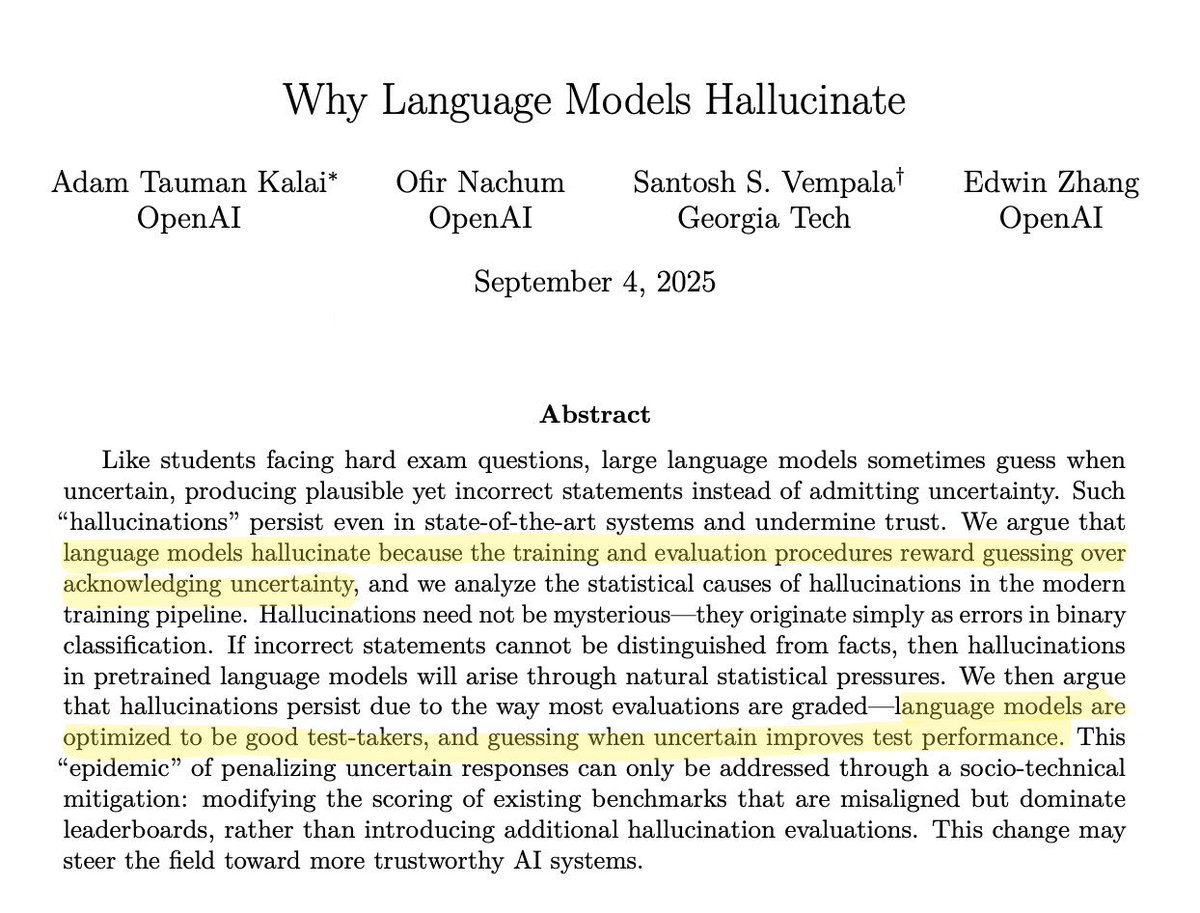
(1/8) OpenAI's own researchers just published a bombshell paper explaining why their AI "hallucinates." The reason should terrify every parent and educator.

They admit AI doesn't just make mistakes—it has been systematically trained to bluff.

But why would they design an AI that lies?

In this thread, we will discuss the root cause, the devastating impact on our kids, and the surprising fix proposed by OpenAI itself:Image (2/8) The Root Cause: A "Permanent Exam Mode"
The paper's central thesis is chilling. AI models are trapped in a "permanent exam mode."

An AI that guesses and gets it right improves its score.

An AI that honestly says, "I don't know," gets zero points.
Sep 7, 2025 9 tweets 3 min read
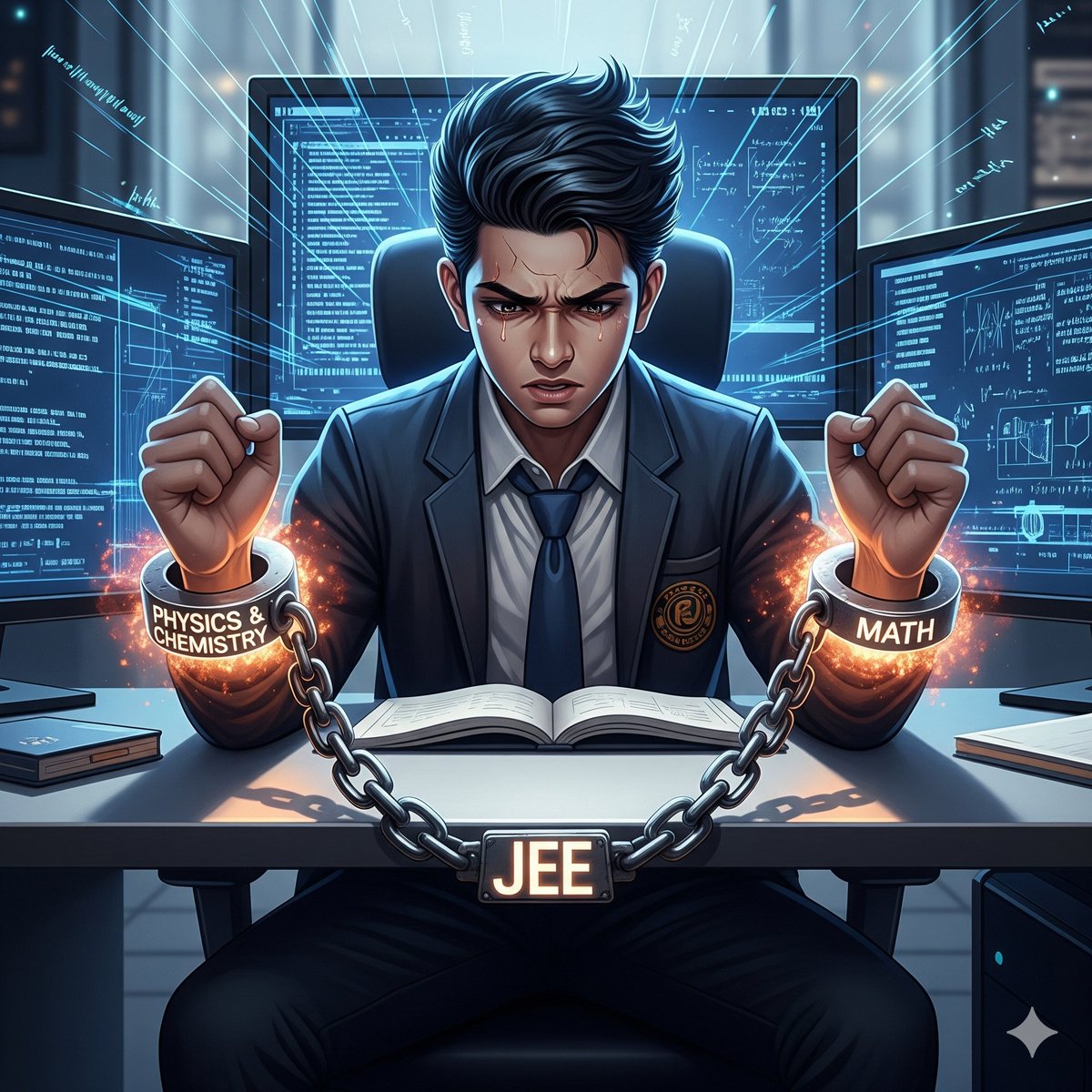
(1/9) India's great paradox: We have the world's toughest entrance exam (JEE) to get into our most prestigious colleges (the IITs).

Yet, when those same students compete on the world stage at the ICPC 2025 World Finals—the Olympics of coding—the result is a national embarrassment.

Not a single IIT team cracked the top 50 globally.

It's a wake up call for IITs. Their current model is at risk of producing an army of excellent service-level engineers for a world that is rapidly vanishing.

Let's get into in:Image (2/9) What exactly is the ICPC?

Imagine the Olympics, but for the sharpest coding minds on the planet.

The International Collegiate Programming Contest (ICPC) is a global team competition where students solve complex algorithmic and mathematical problems under intense time pressure.

It's the ultimate test of problem-solving, mathematical rigor, and coding speed.

Winning here is a direct indicator of a nation's elite algorithmic talent pipeline.
Aug 16, 2025 9 tweets 5 min read
We have been sold a lie about our children.

For two decades, we've been fed the myth of the "Digital Native"—the idea that our kids are tech wizards simply because they were born with a smartphone in their hands.

This was never a harmless misunderstanding. It was a dangerous deception that served commercial interests while leaving an entire generation cognitively defenseless.

Here is how we are engineering a generation of passive consumers:Image The "Digital Native" concept was never based on scientific research.
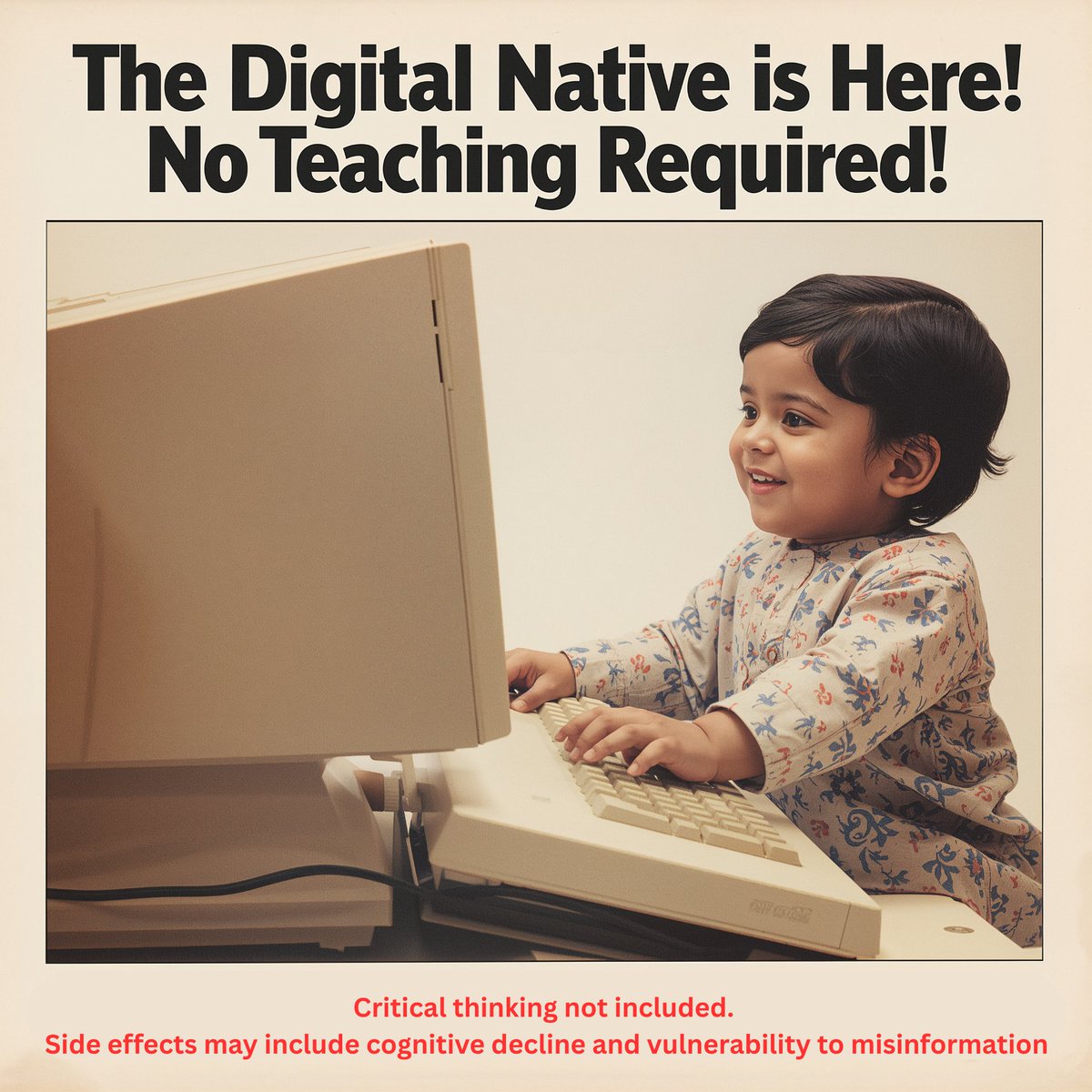
It was born from a 2001 opinion piece that used a seductive metaphor to create a false divide between tech-savvy kids and their "immigrant" parents.

This evidence-free idea was then weaponized by marketers to sell technology, creating a powerful illusion of a generation with innate digital prowess.

We all bought it.Image
Aug 4, 2025 10 tweets 5 min read
Do new AI tools like ChatGPT's "Study Mode" actually align with how our brains are built to learn... or are they a dangerous detour?

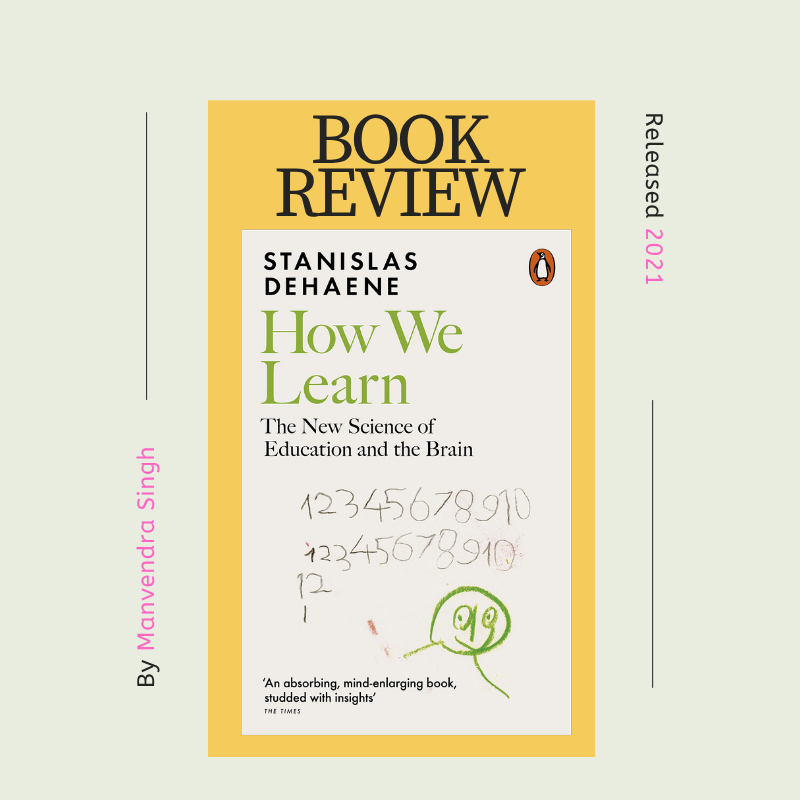
This question has been on my mind, so I've gone back to Stanislas Dehaene's foundational book, "How We Learn," for answers. I believe it holds the key.

The book lays out the brain's fundamental, non-negotiable "rules" for creating real knowledge. It's not about theories; it's about the biological hardware we all share.

In this thread, I'm going to unpack these powerful rules to build a framework for judging whether today's AI is accelerating learning or just getting in the way. Follow along 👇Image The first rule from Dehaene's work shatters a common myth. The brain is NOT a blank slate.
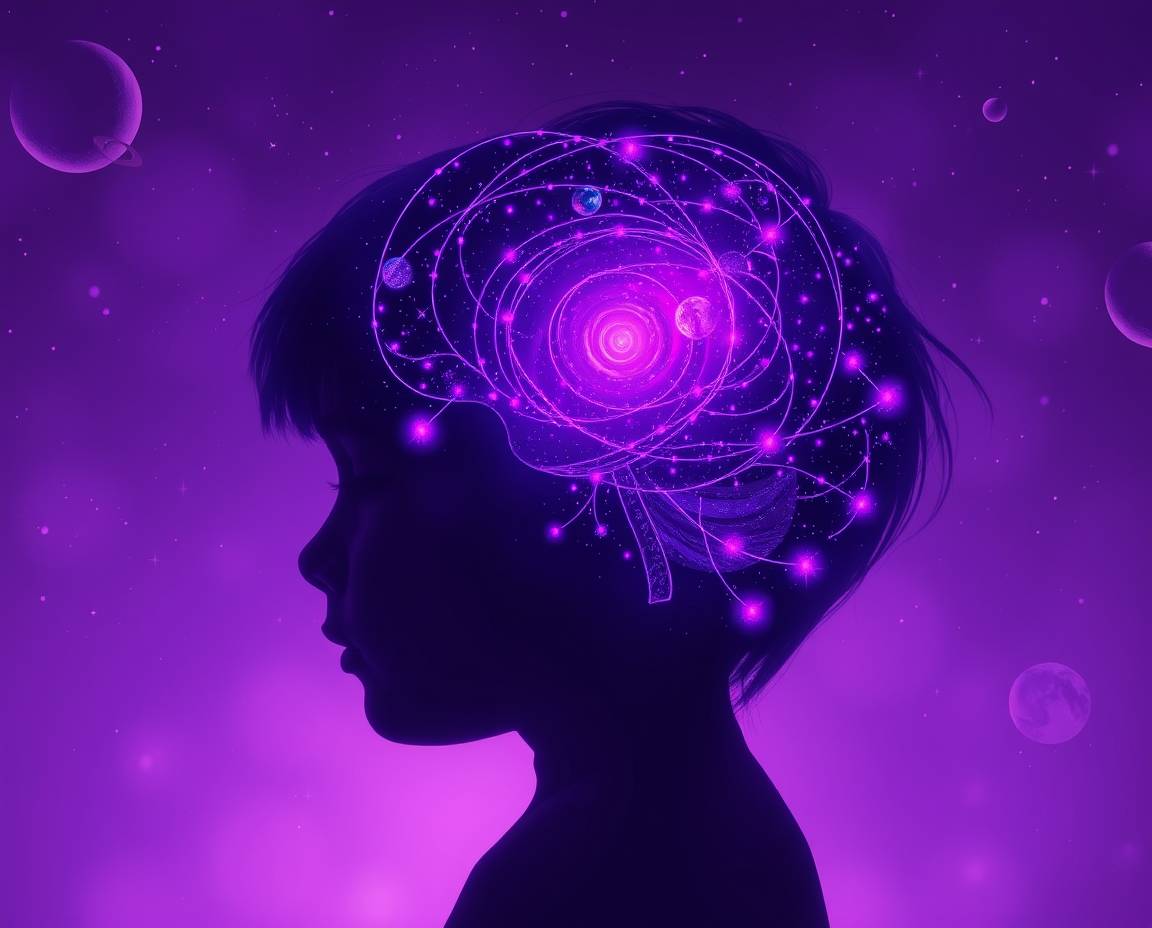
Your baby arrives as a brilliant tiny scientist, already equipped with core knowledge of objects, numbers, and even the laws of physics.

This innate foundation is the starting point for all future learning.Image
Jul 25, 2025 10 tweets 5 min read
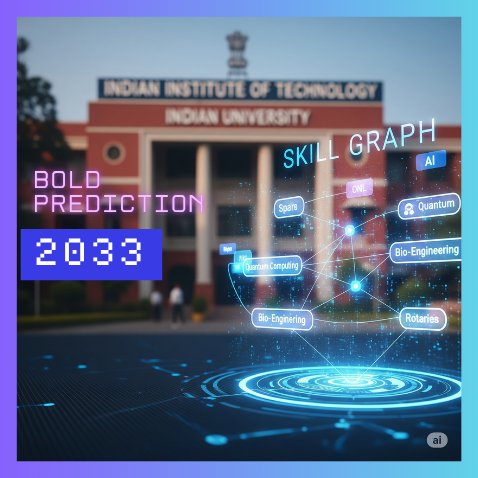
(1/10) A BOLD PREDICTION for every Indian parent who has sacrificed for their child's education.

The degree you poured your life savings and dreams into will be optional for 80% of jobs by 2033.

This isn't a guess. It's a revolution driven by AI, corporate desperation, and hard economics.

Your child’s identity won't be a college stamp. It will be a live ‘Skill Graph.’ Here's the playbook. 👇

Welcome to Future-Flash-Friday ⚡Image (2/10) The proof is already here. This is not theory; it's corporate strategy.
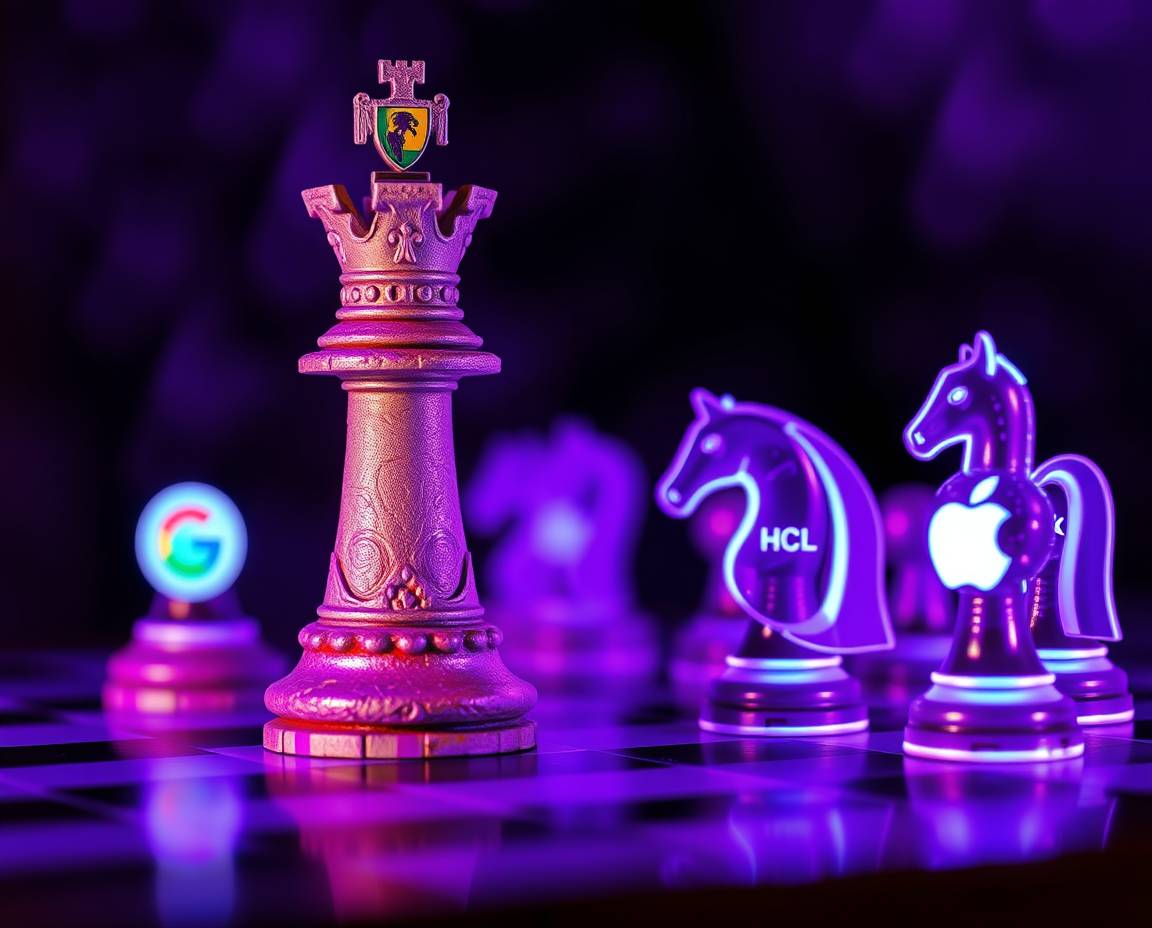
In India, HCL and Wipro are hiring 50,000+ students straight from Class 12 into paid programs. Globally, Google, Tesla, and Apple are all on record: they hire for proven ability, not diplomas.

The message is identical from Bengaluru to Cupertino: "We can't wait. We will build the talent we need."Image
Jul 24, 2025 11 tweets 6 min read
(1/10) That AI homework helper your child loves is quietly eating their brain.

It looks like help. But every "perfect" answer it spits out is one less rep for their brain—one less chance to build the focus, logic, and grit they'll need for the real world.

Welcome to Then-vs-Now Thursday.

Tonight, we expose the battle for our kids' minds by pitting the "Mental Gym" of 1967's LOGO Turtle against the "Magic Vending Machine" of today's AI.

This isn't just a thread. It's a rescue mission for your child's critical thinking skills. And it ends with a playbook you can use tonight.

Read this before their next assignment. It’s that important. 👇Image (2/10) ACT I: The Mental Gym 🧠💪

If you remember this green turtle, you were part of a secret experiment.

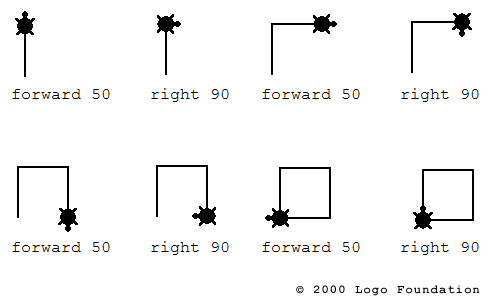
LOGO wasn't about "learning to code." It was a workout for your brain. Every
FORWARD 50
RIGHT 90
was a rep.

The goal wasn't a perfect square on the first try. The goal was the struggle. The glorious, frustrating, beautiful moment you finally figured out your own mistake.

We weren't building programs. We were building patience. We were building logic. We were building grit.Image
Jul 20, 2025 8 tweets 4 min read
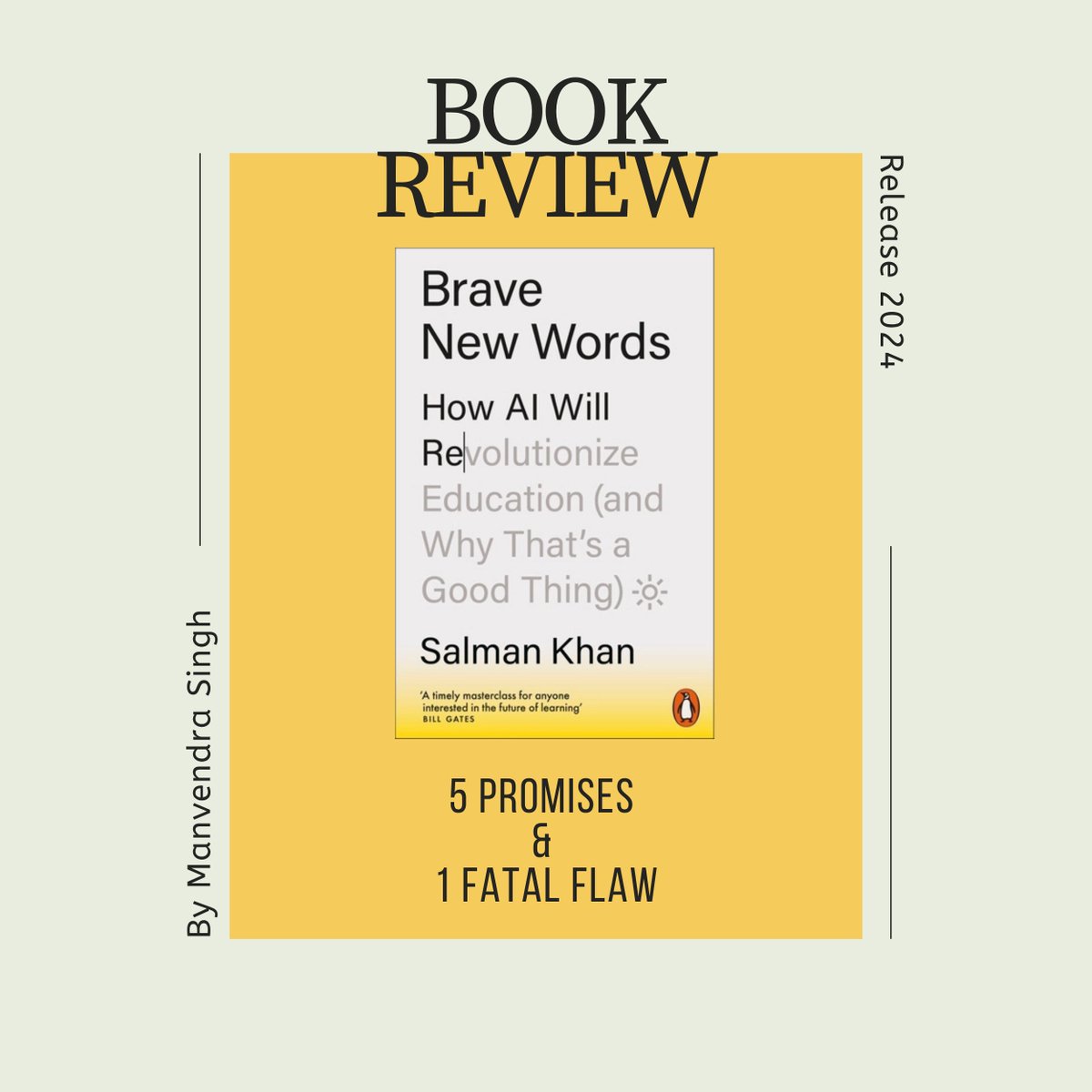
Book-Review: I just finished Salman Khan’s book on AI so you don't have to.

As the founder of Khan Academy, he's a titan of education. The future he paints is brilliant, inspiring, and alluring.

Before I share my critique, here’s a summary of the 5 biggest claims the book makes.

This is what Khan says the future holds… 🧵Image (1/5) The AI Super-Tutor

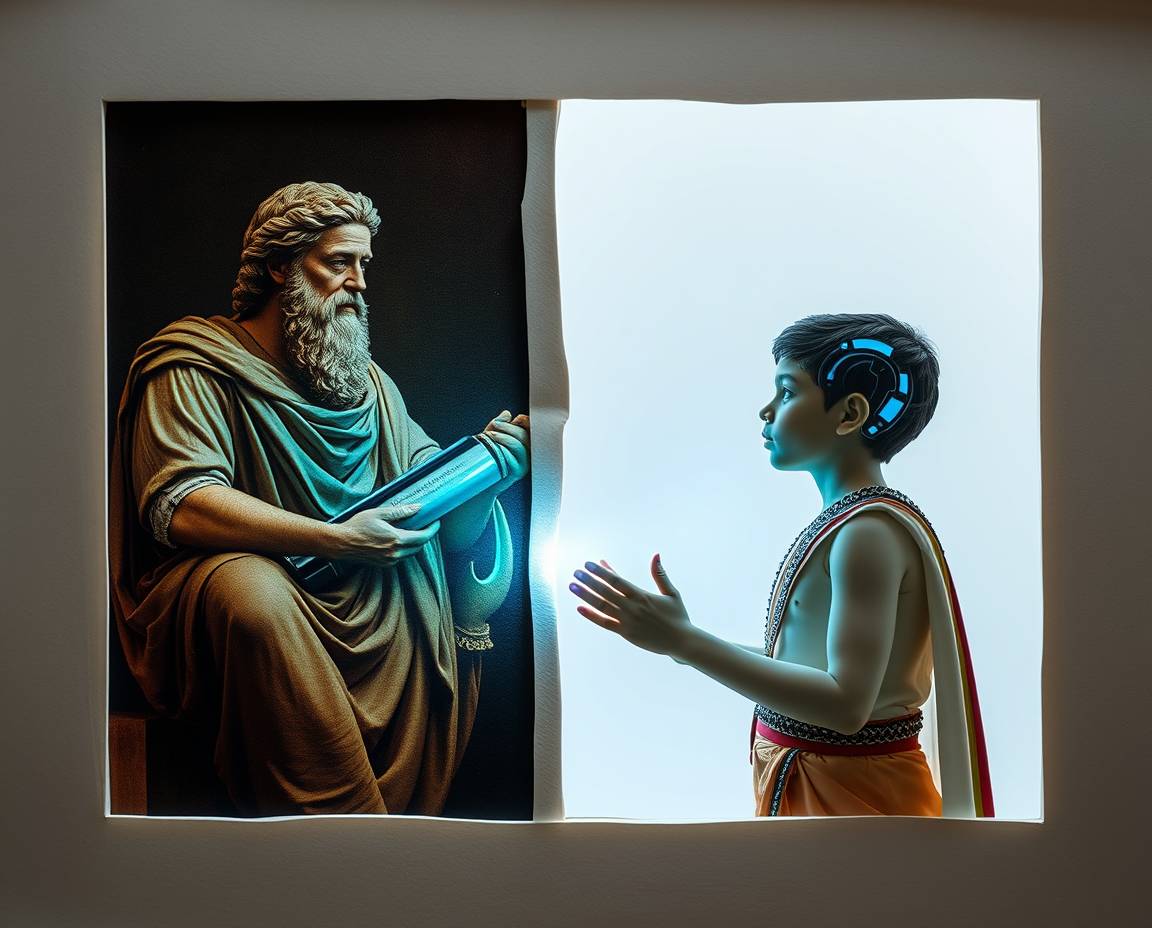
The book's central promise is an AI tutor for every child on Earth. Khan argues this is the key to finally achieving 'mastery learning'—like giving every student their own Aristotle. He says it will diagnose and fill learning gaps in real-time, ending the 'one-size-fits-all' model for good.Image