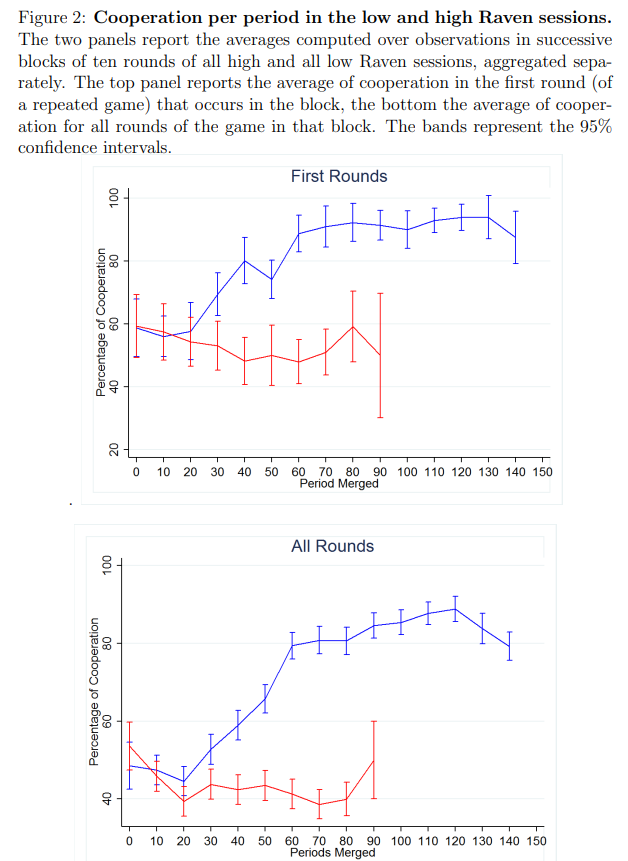
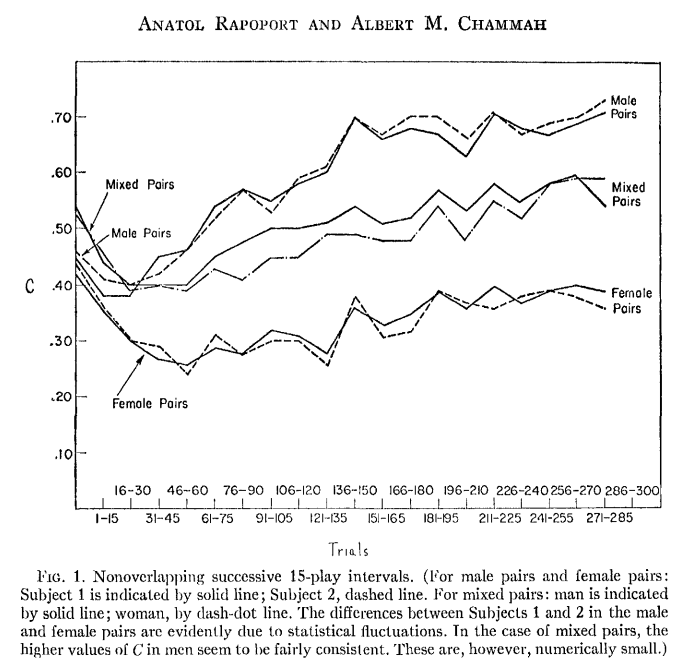
Smarter people learn to cooperate more in Prisoner's Dilemmas over iterations (blue: higher Raven's Matrices score, red: lower Raven's Matrices score). This is plausibly one of the reasons for the "Hive Mind" effect (national IQ being more important than personal IQ).
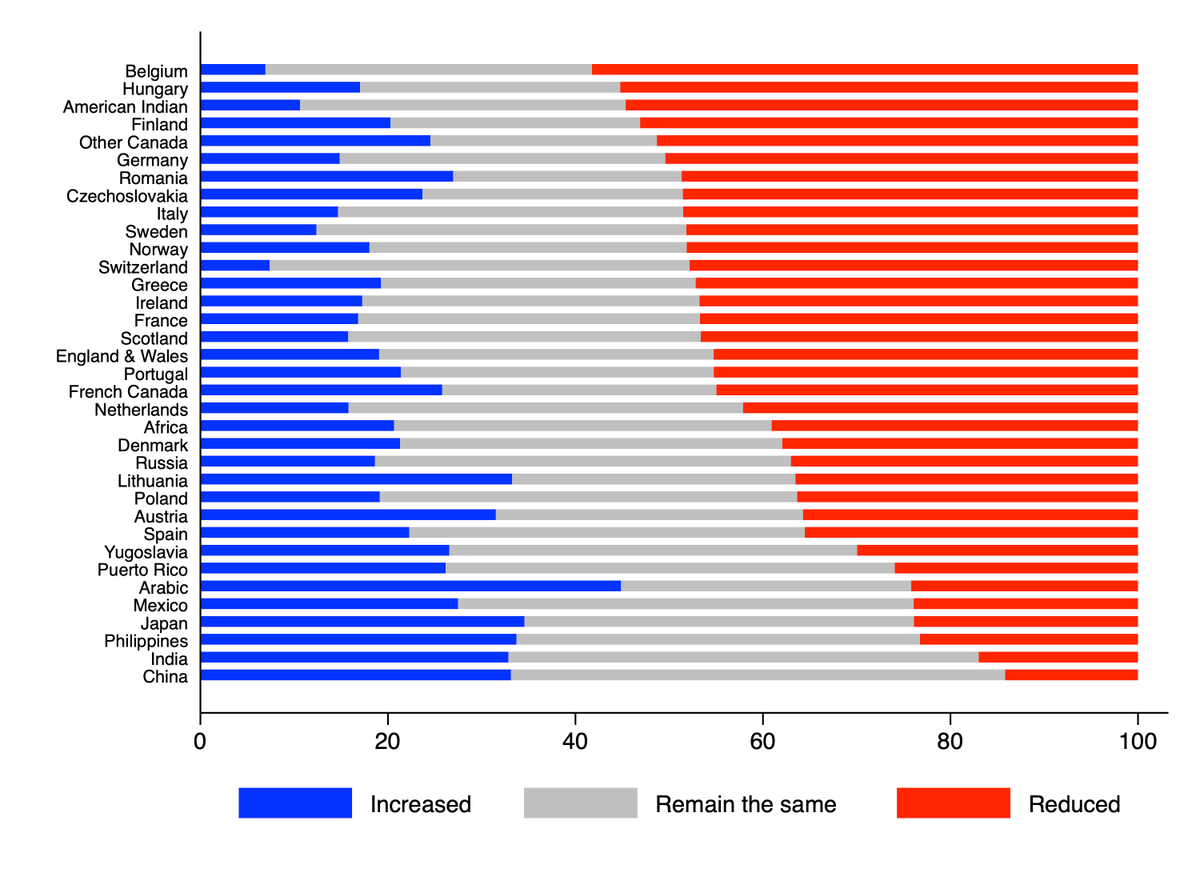
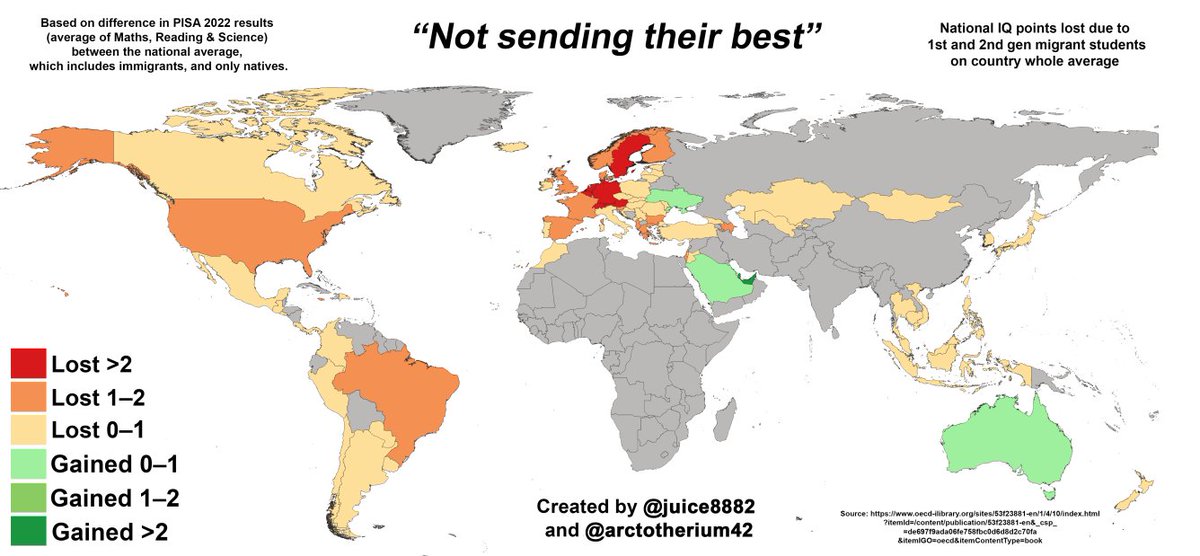
Apropos of nothing: immigration lowers national IQ almost everywhere.
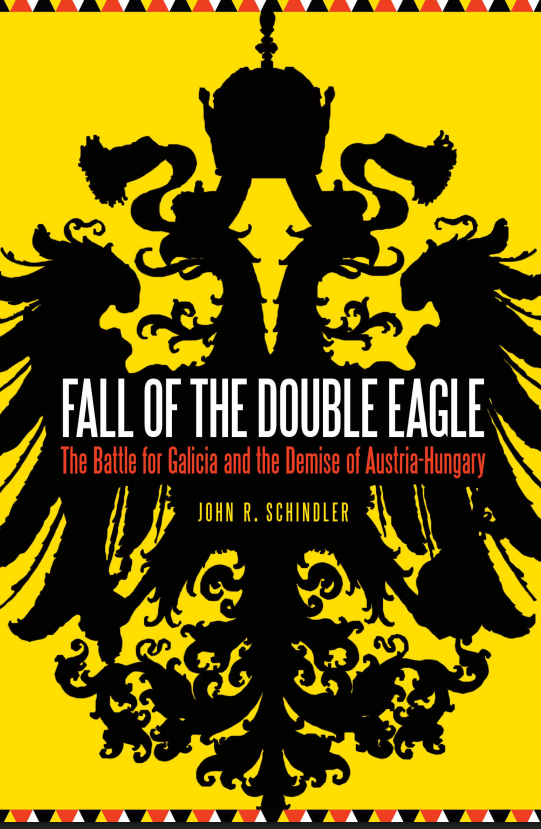
Thread with excerpts from "Fall of the Double Eagle: The Battle for Galicia and the Demise of Austria-Hungary."
The multiethnic nature of Austria-Hungary meant that it could not separate domestic and foreign policy; every foreign issue had a domestic lobby and vice-versa.
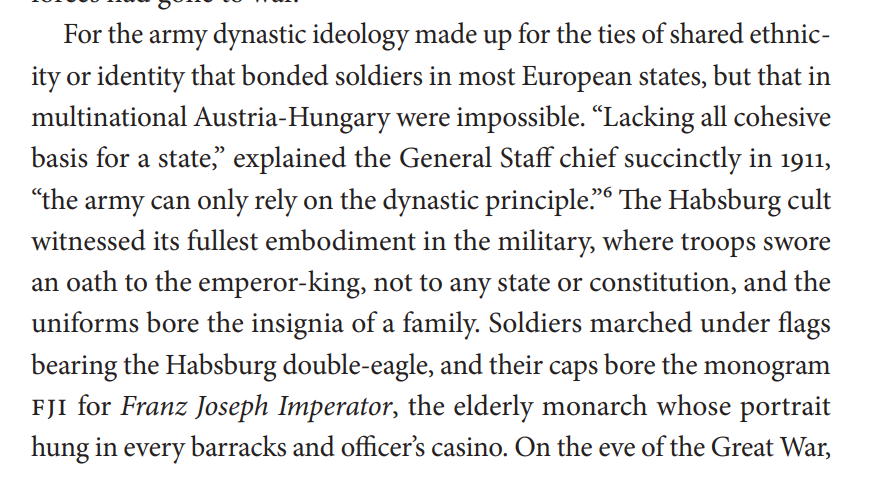
The military was a complex, highly-bureaucratic, inefficient, and unwieldy behemoth, the natural result of a dozen ethnic groups and countless dialects. The army was bound together by dynastic loyalty, and Franz Joseph saw it more as a domestic than a foreign instrument.
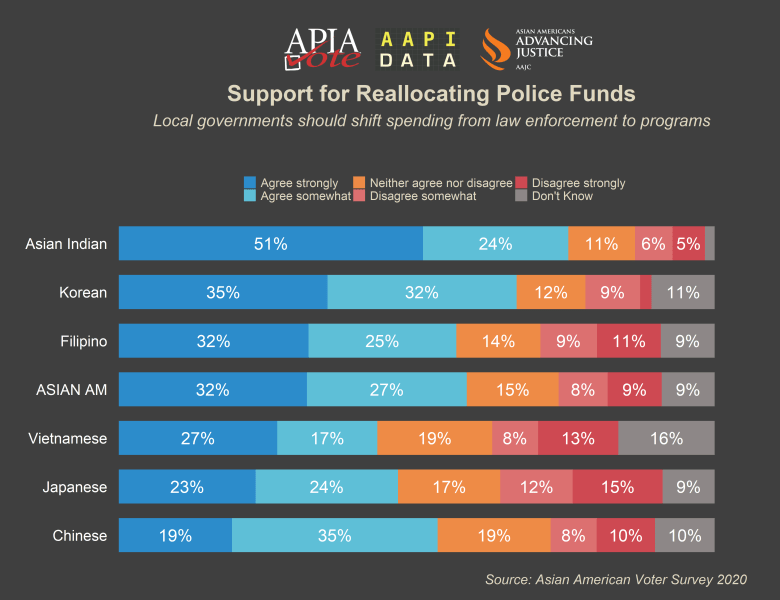
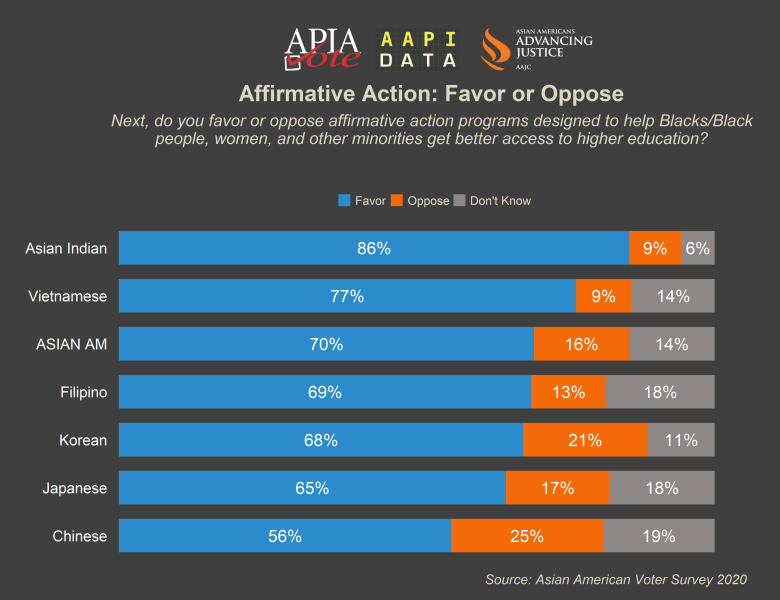
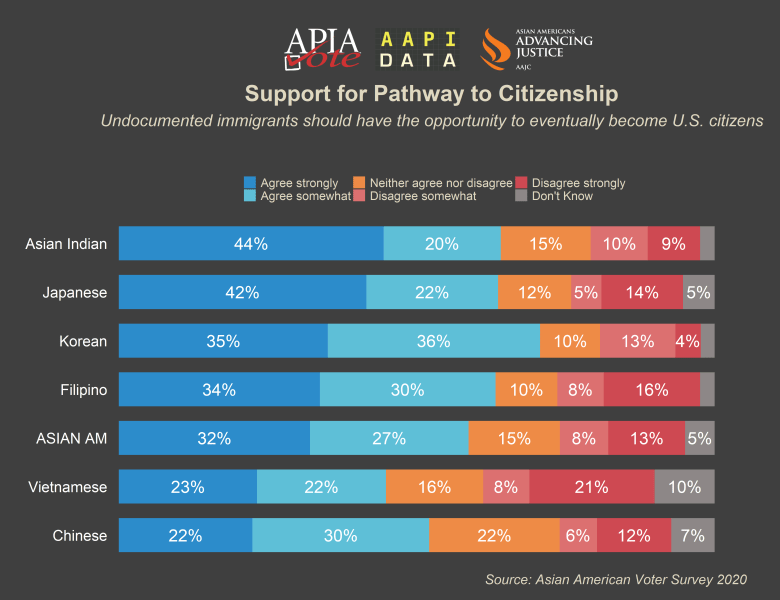
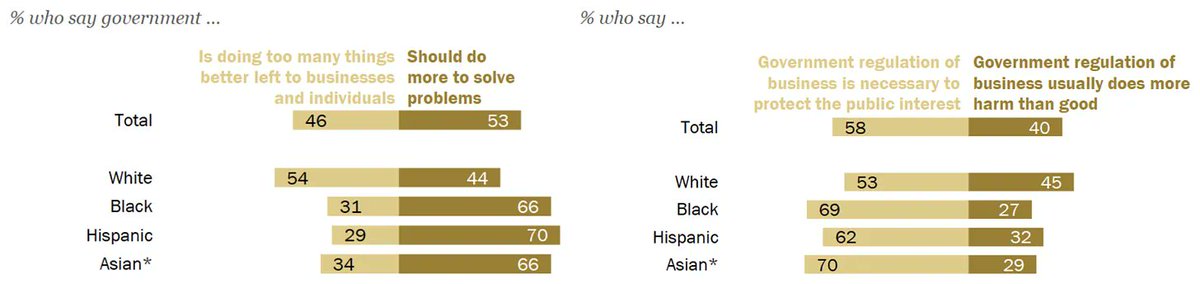
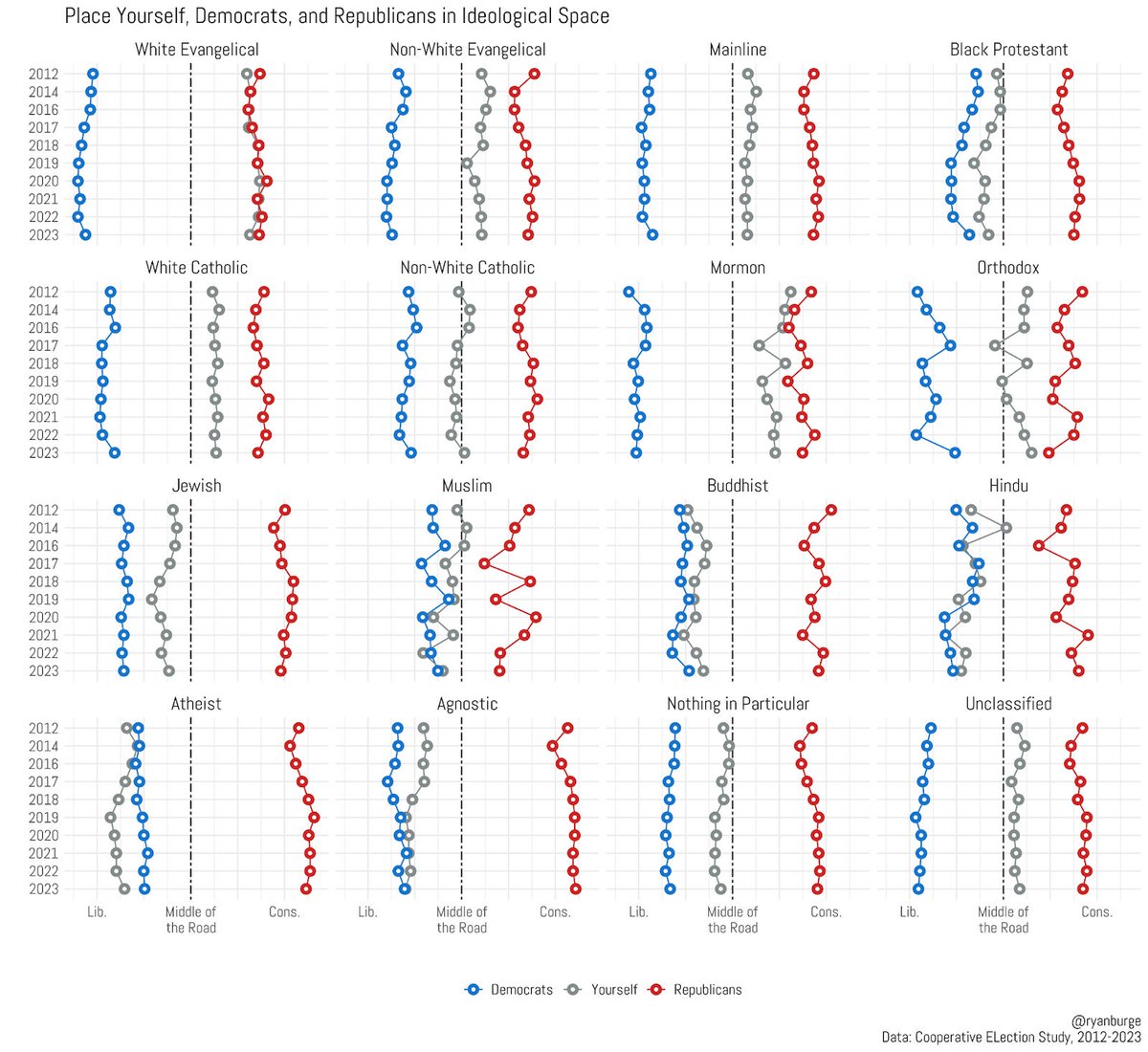
It's true that Mamdani's politics are not confined to a single race, but his sort of postcolonial/anti-white Fabian socialism has dominated Indian elites since the 30s and Asians in general, and Indians in particular, are the most ideologically* New Left race in the country.
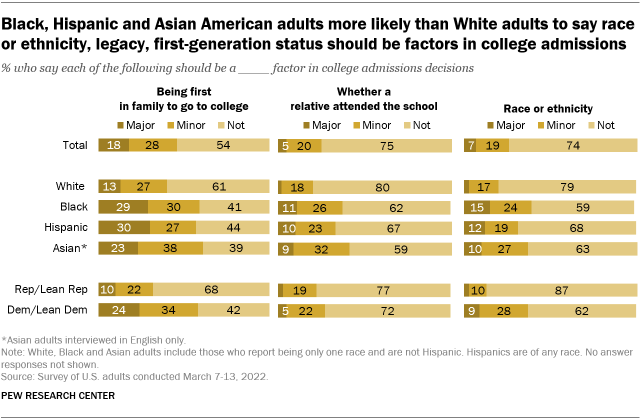
I think race (and ethnicity/LGBT - Mamdani's white support is probably ~50% Jewish and very gay) are much more salient to why Millennial socialism is a major political force than downwards mobility among elite.


*I specify ideologically because ofc blacks vote (D) more. But blacks are voting more for gibs and racial patronage.
This is just silly. Between Lend-Lease and the Marshall Plan, Britain got about 300B (net, accounting for "reverse Lend Lease") dollars worth of free aid in WWII. This is almost exactly the same as the total aid Israel has received from the US in its entire history.
This does not count things like the extremely generous terms of the Anglo-American loan (long repayment schedule, below-inflation interest rate, the ability to suspend payments up to six times if it couldn't be afforded) or destroyers-for-bases as "aid."
Britain was far less ruined by WWII than any other major participant except the US, and poor British economic and financial performance is because Attlee was an actual true-believing Fabian socialist, and his continental equivalents were mostly Communists kept out of govt.
Excerpts from "Downfall: The End of the Imperial Japanese Empire." (1999)
Unconditional surrender was publicly adopted as a war goal in Jan 1943, with the idea of preventing WWIII, as many Germans, including Hitler, thought Germany had not been beaten militarily in WWI and as such wanted to fight WWII. This caused trouble later.
(My opinion, not in the book, is that demanding true unconditional surrender was a mistake. Eisenhower wanted to publicly guarantee law, order, and property, because many German units resisted to the end out of fear. Since the US was going to respect those, should have said so.)
Excerpts from "Shattered Sword" (2005), a history of the Battle of Midway. I assume the rough contours of Midway are broadly familiar. The key thing the book adds is use of untranslated Japanese sources, which debunked many common misconceptions about the battle.
The genesis of the simultaneous Japanese attacks on Midway and the Aleutians Islands: the IJN had won so hard so fast (Pearl Harbor, Malaya/Singapore, Indian Ocean raid, Philippines, Dutch East Indies), they didn't have any obvious next thing to do.
On Yamamoto: he rose to the top of the IJN despite making many enemies for his stances on the Washington/London Naval Treaties (pro), carrier aviation (pro), and alliance with Nazi Germany (anti). Effectively took control by threatening to resign when he didn't get his way.
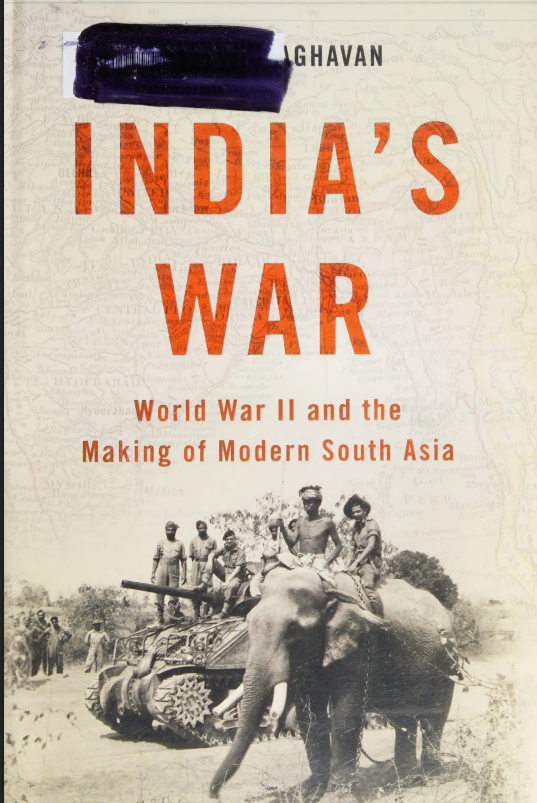
Some excerpts from "India's War: WWII and the Making of Modern South Asia" by Srinath Raghavan, published in 2016.
First thing to understand about the Raj is that it was practically an empire of its own within the British one, and with a great of autonomy though not self-government. India was a signatory of the Treaty of Versailles. 30M Indians emigrated to other parts of the Empire.
The Viceroy of India declared war without consulting any Indian body. The INC was generally torn between broad opposition to the Nazis and not wanting to cooperate with the Raj without further political concessions.