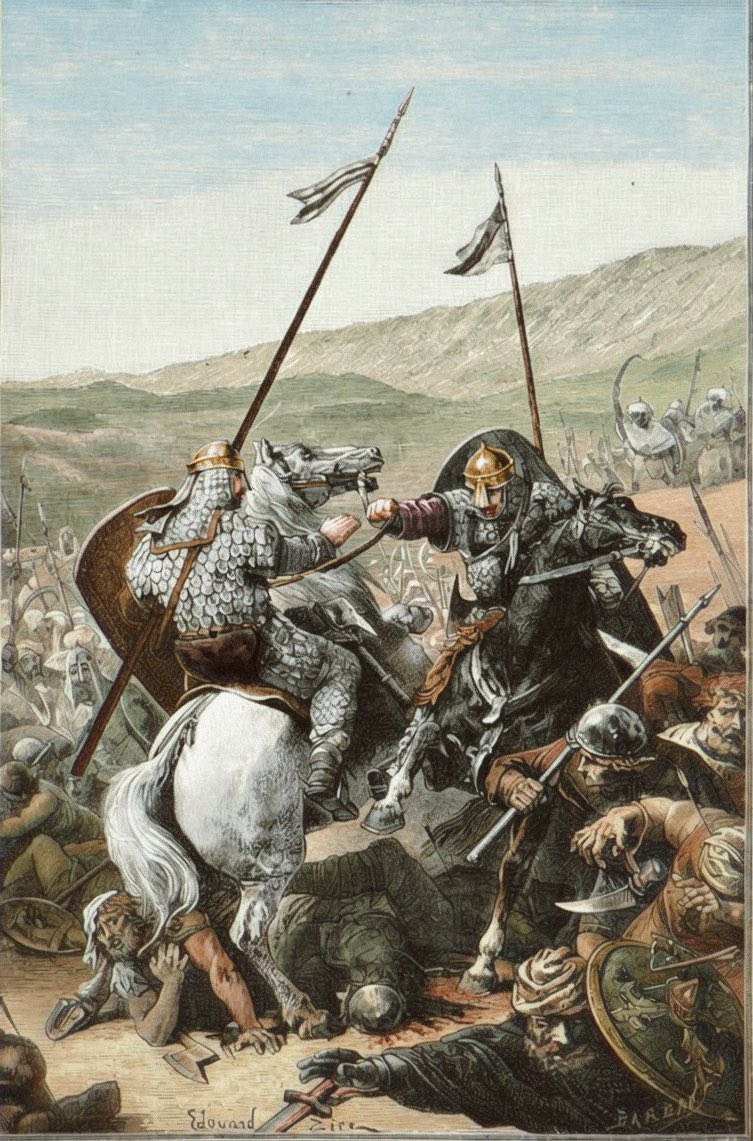
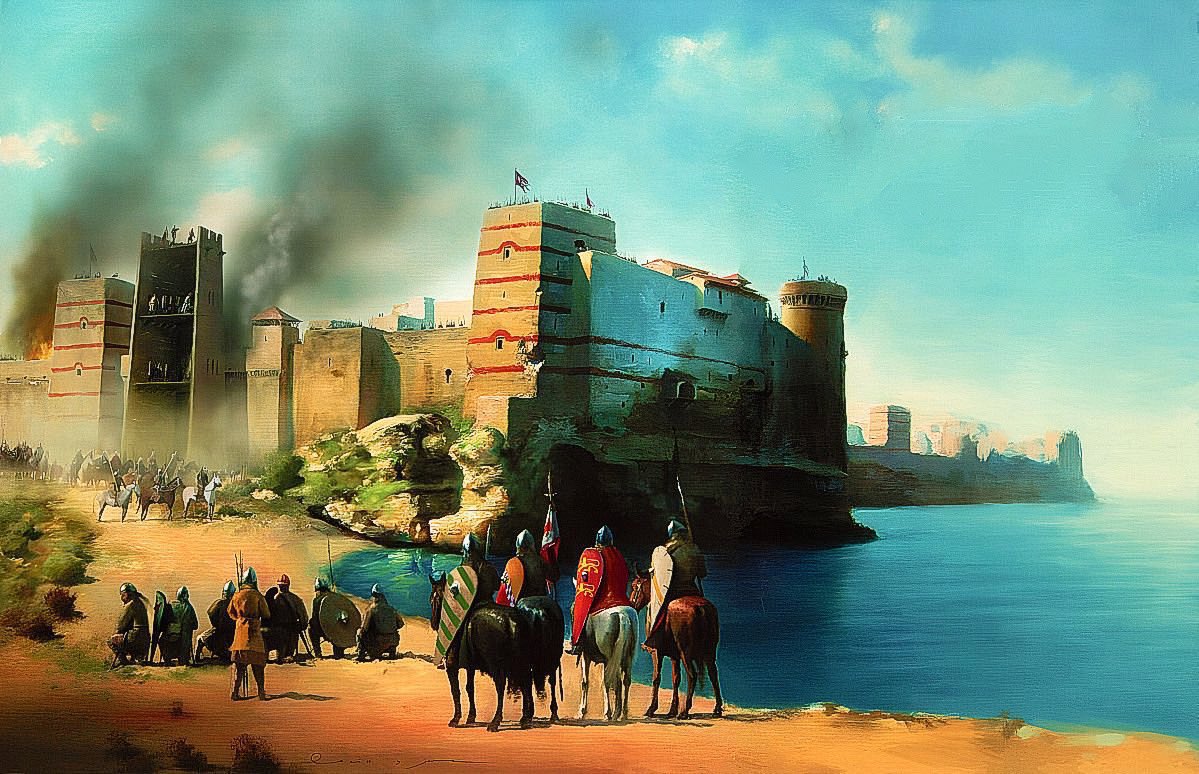
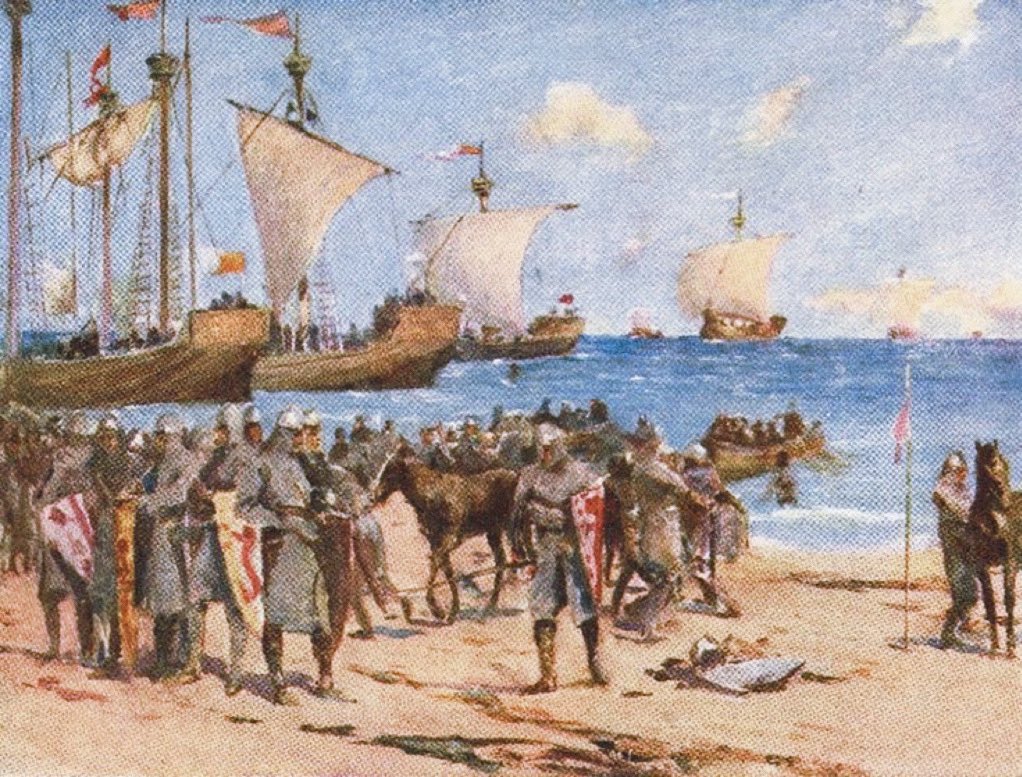
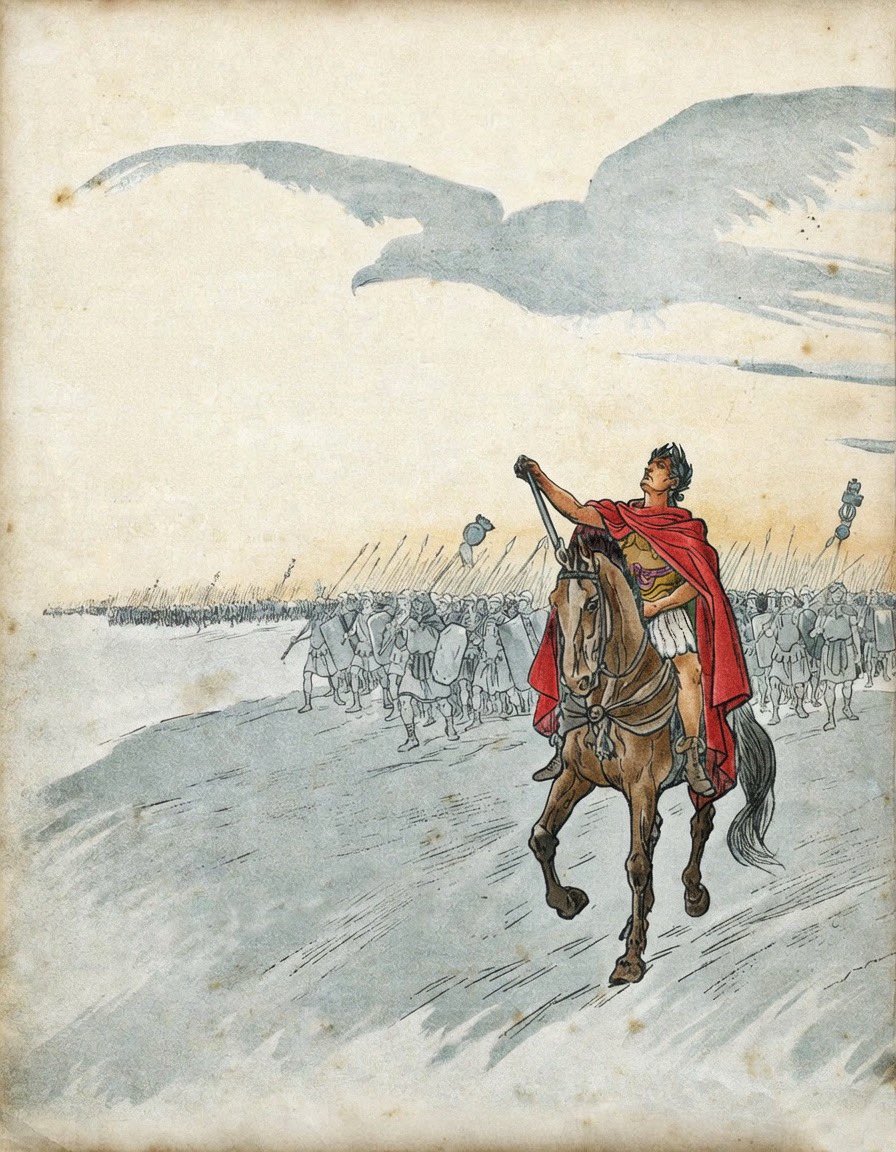
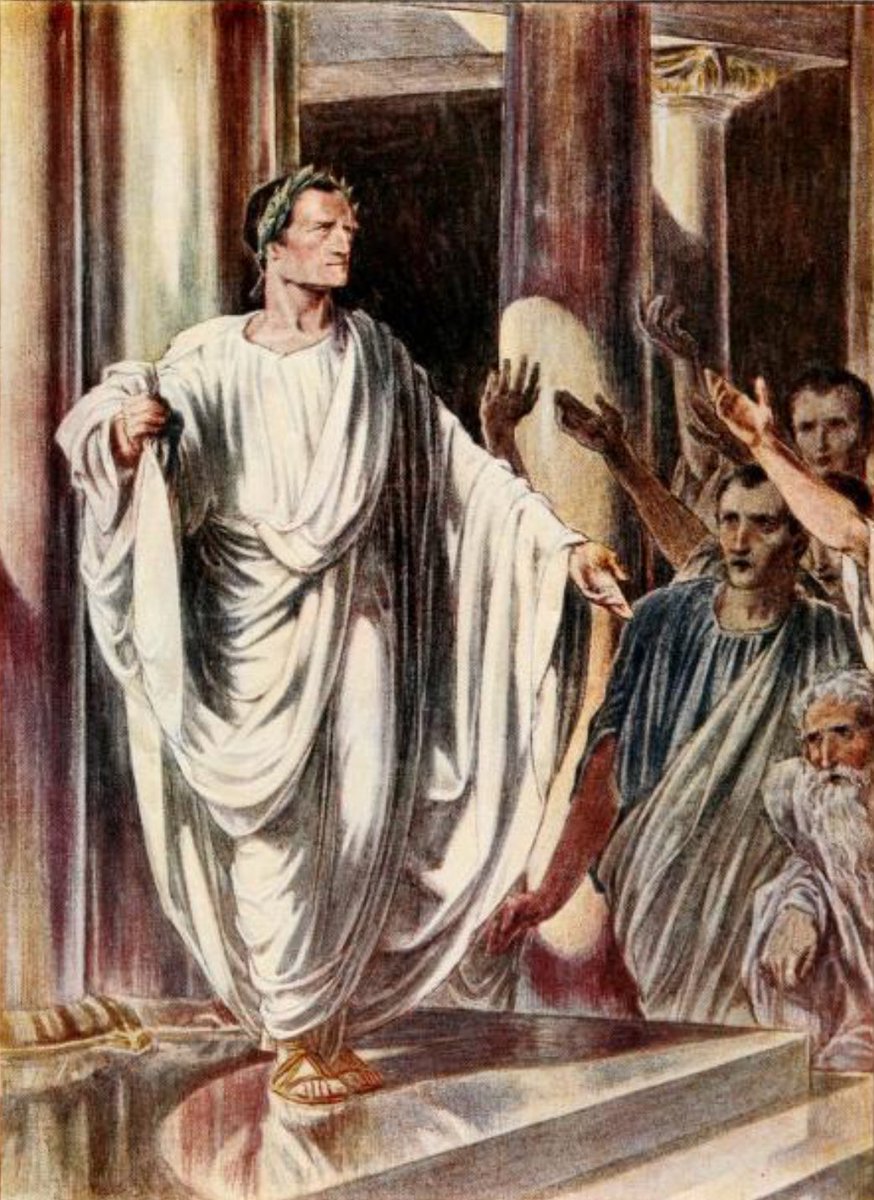
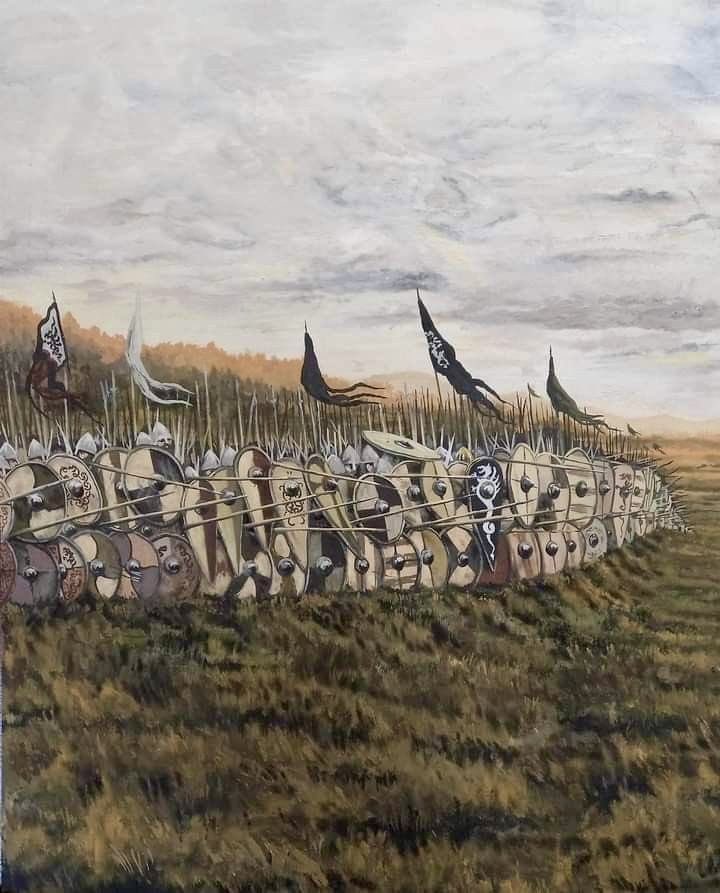
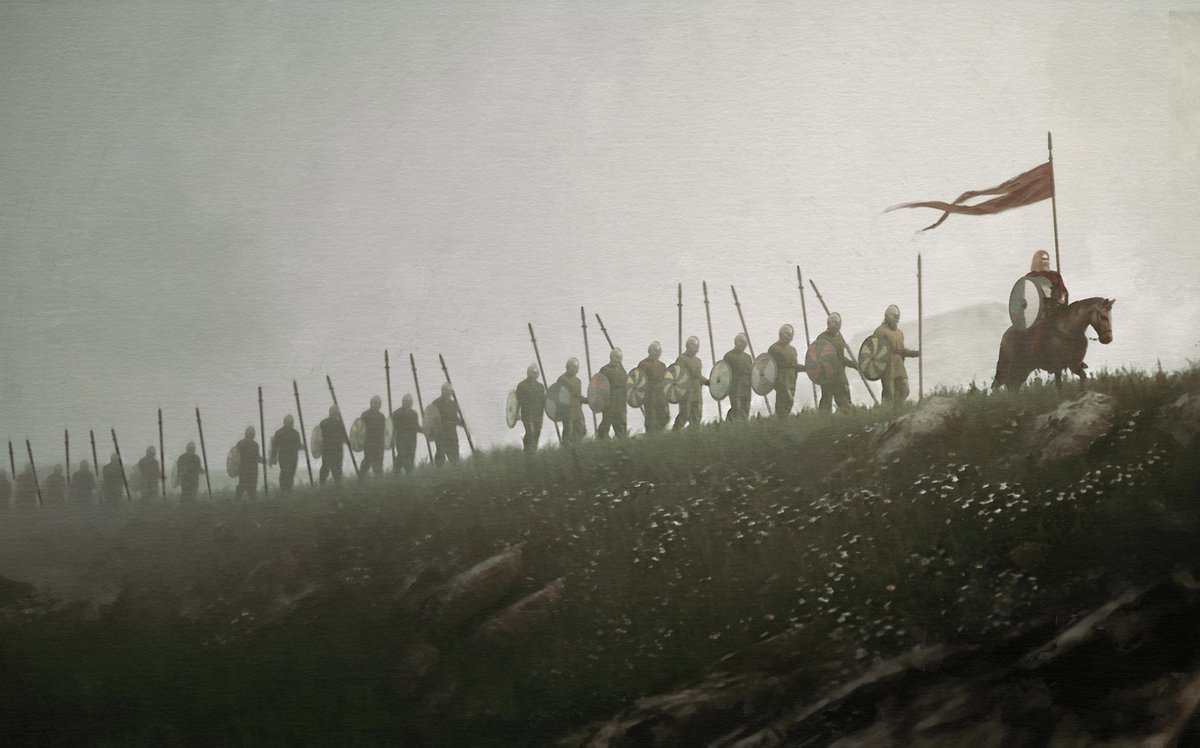
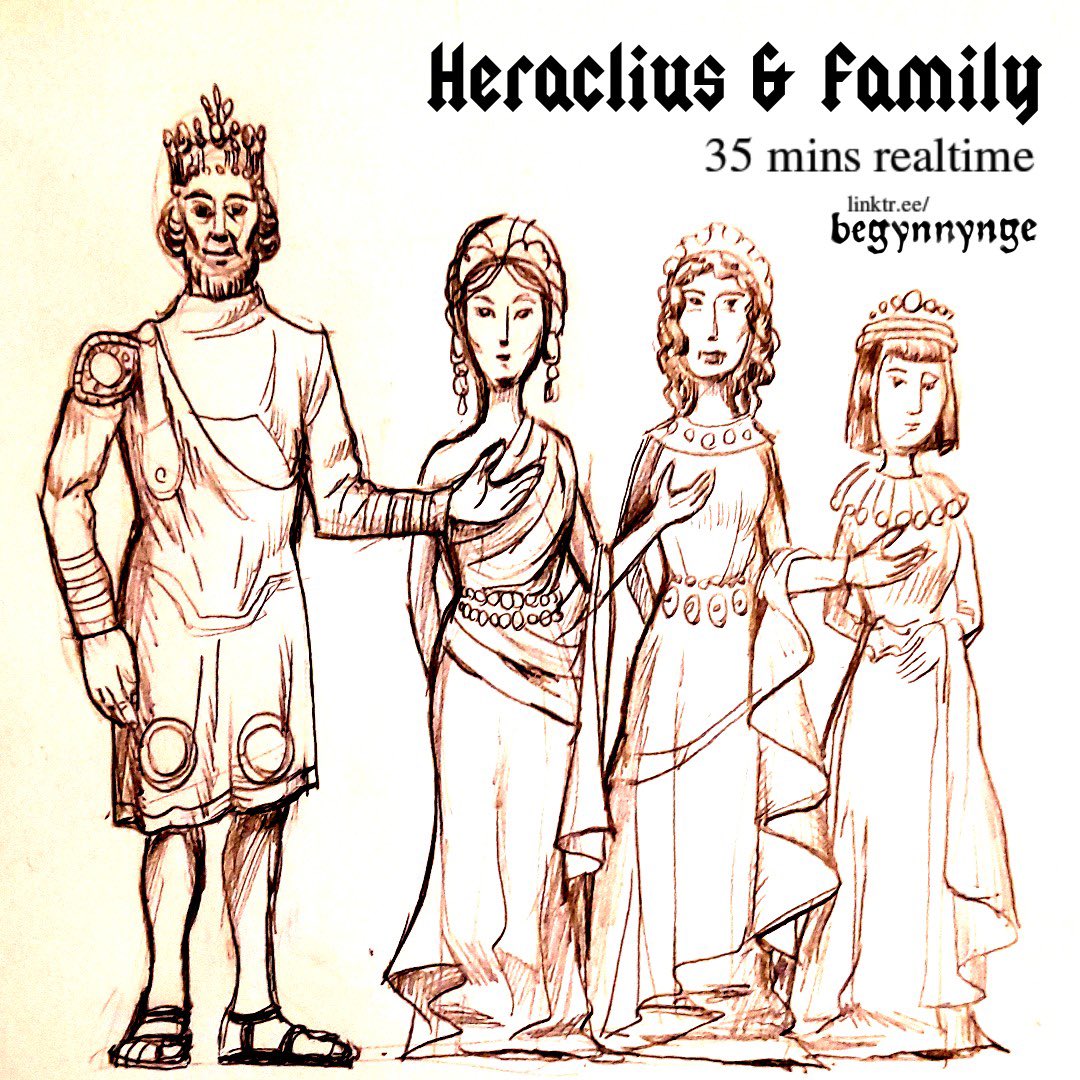
The dynasty of the mighty emperor Heraclius is known for fighting against the onslaught of Islamic jihad in the chaotic 7th century.
But they were also a dynasty plagued with personal tragedy and early, often violent, deaths.
[Thread]🧵
But they were also a dynasty plagued with personal tragedy and early, often violent, deaths.
[Thread]🧵
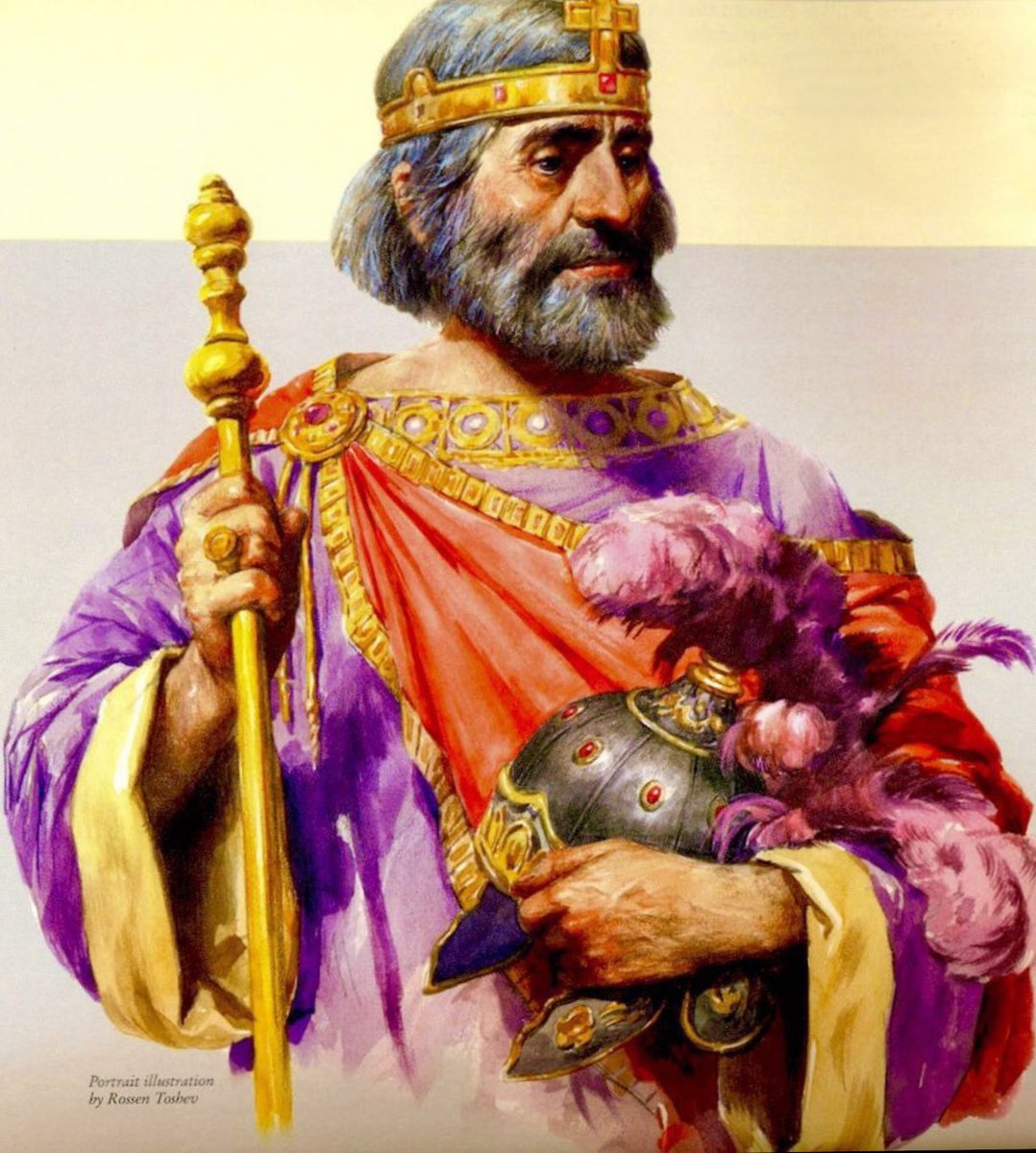
• Heraclius •
Heraclius became emperor in 610 after the unpopular reign of the emperor Phocas.
His reign was occupied with fighting the Persian war which began upon Phocas’ own usurpation in 602. Heraclius eventually defeated the Persians on the 620s only to then face down Muslim invasion in the 630s.
The wars of his reign are well known, but less known are the details of his family.
Heraclius became emperor in 610 after the unpopular reign of the emperor Phocas.
His reign was occupied with fighting the Persian war which began upon Phocas’ own usurpation in 602. Heraclius eventually defeated the Persians on the 620s only to then face down Muslim invasion in the 630s.
The wars of his reign are well known, but less known are the details of his family.
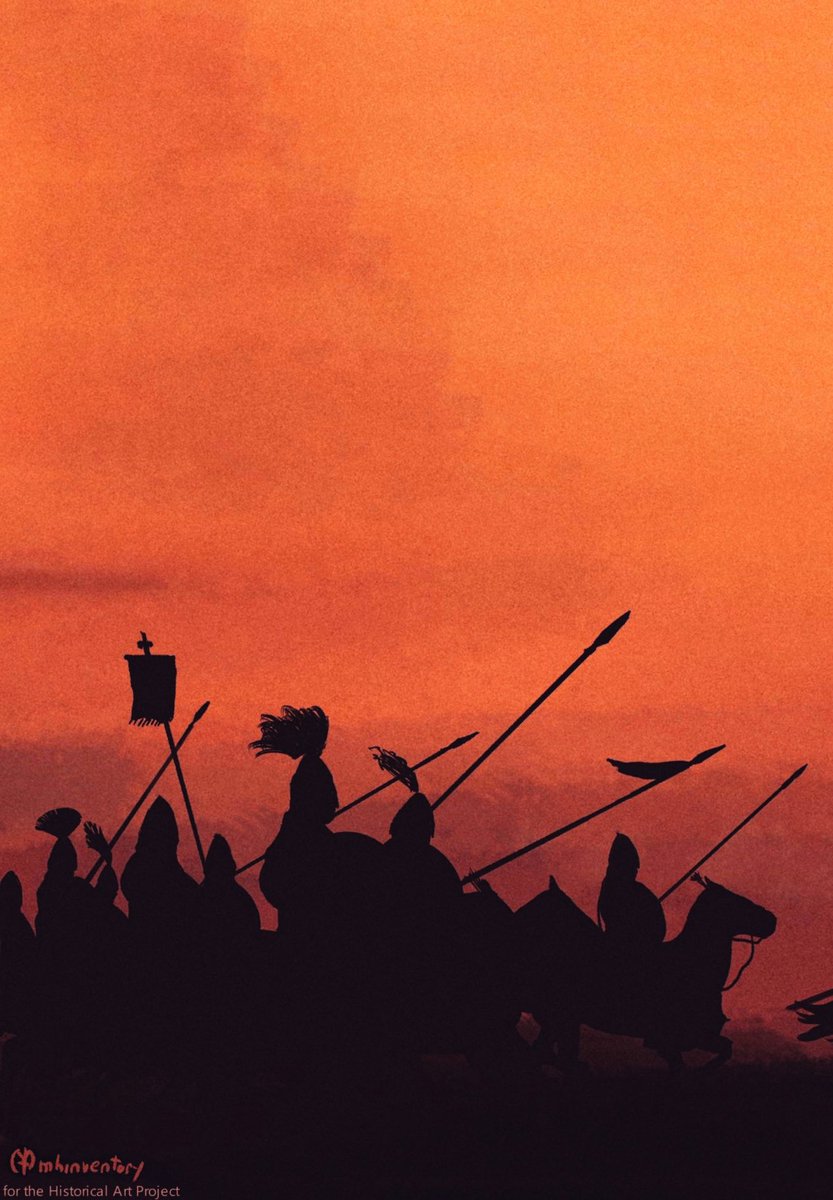
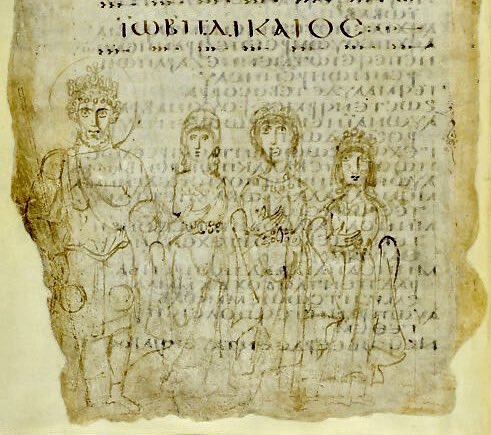
Heraclius married Fabia in 610 and they had two children:
• Heraclius Novus Constantine (Heraclius the New Constantine)
• Eudoxia Epiphania
Fabia died just a few months after Eudoxia was born in 612.
In October of 612 the infant Eudoxia Epiphania was crowned Augusta in her mother’s stead. Later on she was betrothed in a marriage alliance with the Gokturks to win their support in the Persian war, but this marriage never materialised due to internal Turkic strife.
Little else is known about her and she is not mentioned after 639.
• Heraclius Novus Constantine (Heraclius the New Constantine)
• Eudoxia Epiphania
Fabia died just a few months after Eudoxia was born in 612.
In October of 612 the infant Eudoxia Epiphania was crowned Augusta in her mother’s stead. Later on she was betrothed in a marriage alliance with the Gokturks to win their support in the Persian war, but this marriage never materialised due to internal Turkic strife.
Little else is known about her and she is not mentioned after 639.
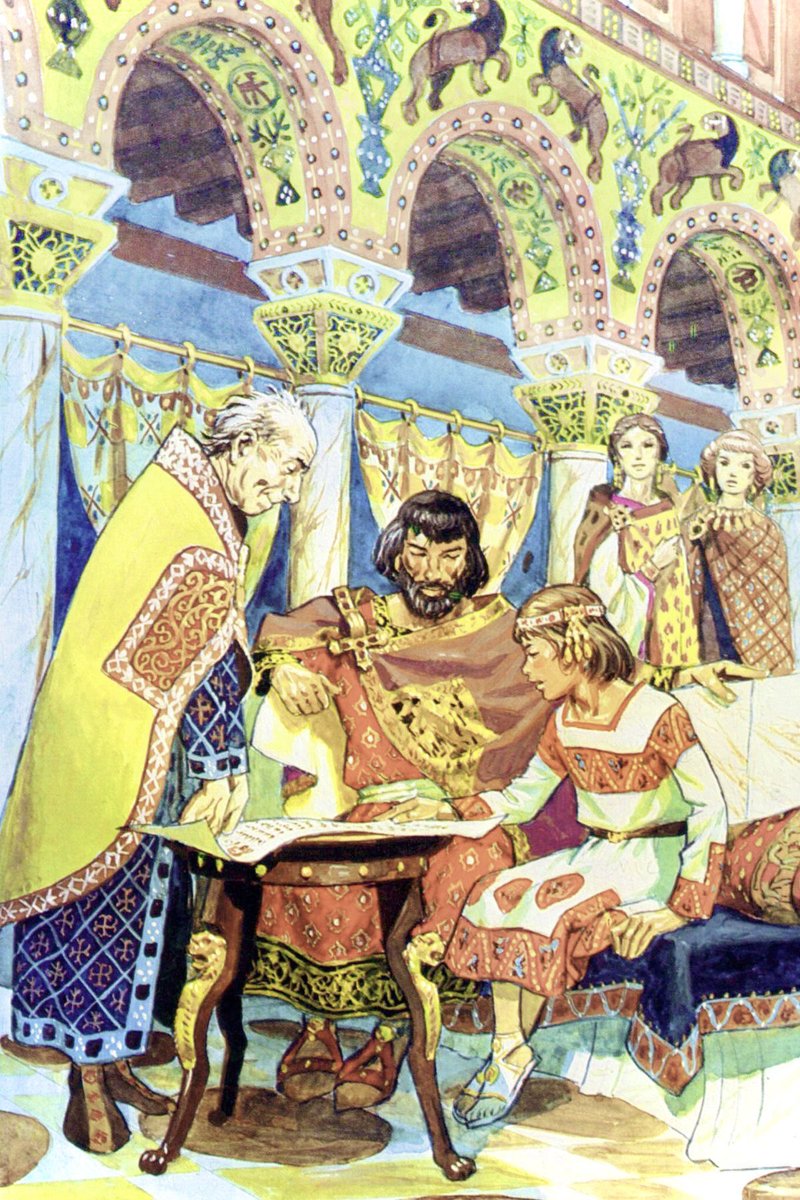
• Tragedy Befalls Heraclius •
After the death of Fabia, Heraclius made the unpopular move of marrying his niece Martina.
This proved very controversial in the Christian Roman Empire at the time.
Martina and Heraclius had at least seven children.
Two of them were disabled:
• David Tiberius was a dead-mute
• Fabius was disabled from the neck down and died young.
Another son named Constantine died young as well.
After the death of Fabia, Heraclius made the unpopular move of marrying his niece Martina.
This proved very controversial in the Christian Roman Empire at the time.
Martina and Heraclius had at least seven children.
Two of them were disabled:
• David Tiberius was a dead-mute
• Fabius was disabled from the neck down and died young.
Another son named Constantine died young as well.
Late in Heraclius’ reign his only known illegitimate son John Athalaricos conspired with Theodore, a nephew of Heraclius, to overthrow the emperor.
Their plot was betrayed and both young men were severely punished.
Heraclius is reported to have said:
‘Since you did as you did with regard to me and did not want to dip your hand into my blood and the blood of my sons, I shall not reach for you and your sons. Go where I order you, and I will have mercy upon you.’
However he did also have them mutilated. Possibly their noses and hands were cut off. They were both exiled to different islands.
Their plot was betrayed and both young men were severely punished.
Heraclius is reported to have said:
‘Since you did as you did with regard to me and did not want to dip your hand into my blood and the blood of my sons, I shall not reach for you and your sons. Go where I order you, and I will have mercy upon you.’
However he did also have them mutilated. Possibly their noses and hands were cut off. They were both exiled to different islands.
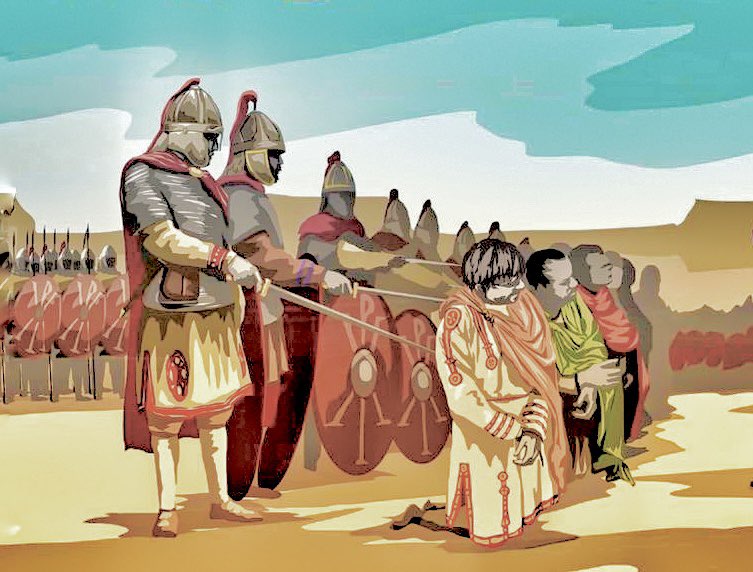
• Brother Emperors •
Toward the end of his reign Heraclius crowned Constantine Heraclius (his oldest son with Fabia) as co-emperor.
His will stated that he would be succeeded by both Constantine Heraclius and Heraclonas (his oldest son by Martina). He also stipulated that Martina be designated ‘mother of the emperor’ signifying she should play a role in government.
Toward the end of his reign Heraclius crowned Constantine Heraclius (his oldest son with Fabia) as co-emperor.
His will stated that he would be succeeded by both Constantine Heraclius and Heraclonas (his oldest son by Martina). He also stipulated that Martina be designated ‘mother of the emperor’ signifying she should play a role in government.
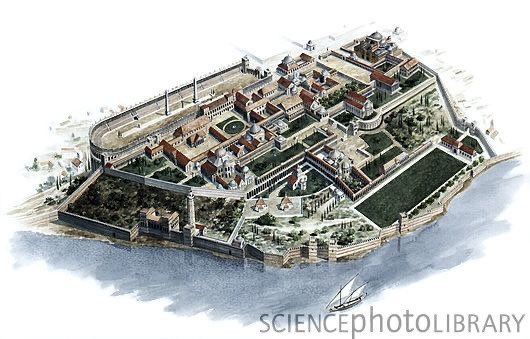
Heraclius died in February AD 641 and Constantine Heraclius died months later in the same year.
The brief joint rule of the two emperors created two factions at court and many were vehemently opposed to Martina playing any role at all. It was considered that she was ruling through the 16 year old Heraclonas.
When Constantine Heraclius died, the general Valentinus marched his army to Chalcedon in support of Constans, the 6 year old son of Heraclius Constantine who had been put aside so that Heraclonas could rule as sole emperor.
Valentinus’ presence incited a mob in Constantinople and Martina and Heraclonas were both deposed and mutilated. The exact fate of her other children is not known after this date.
Some historians speculate that they simply lived out their days in exile on Rhodes having been mutilated and rendered irrelevant.
The brief joint rule of the two emperors created two factions at court and many were vehemently opposed to Martina playing any role at all. It was considered that she was ruling through the 16 year old Heraclonas.
When Constantine Heraclius died, the general Valentinus marched his army to Chalcedon in support of Constans, the 6 year old son of Heraclius Constantine who had been put aside so that Heraclonas could rule as sole emperor.
Valentinus’ presence incited a mob in Constantinople and Martina and Heraclonas were both deposed and mutilated. The exact fate of her other children is not known after this date.
Some historians speculate that they simply lived out their days in exile on Rhodes having been mutilated and rendered irrelevant.
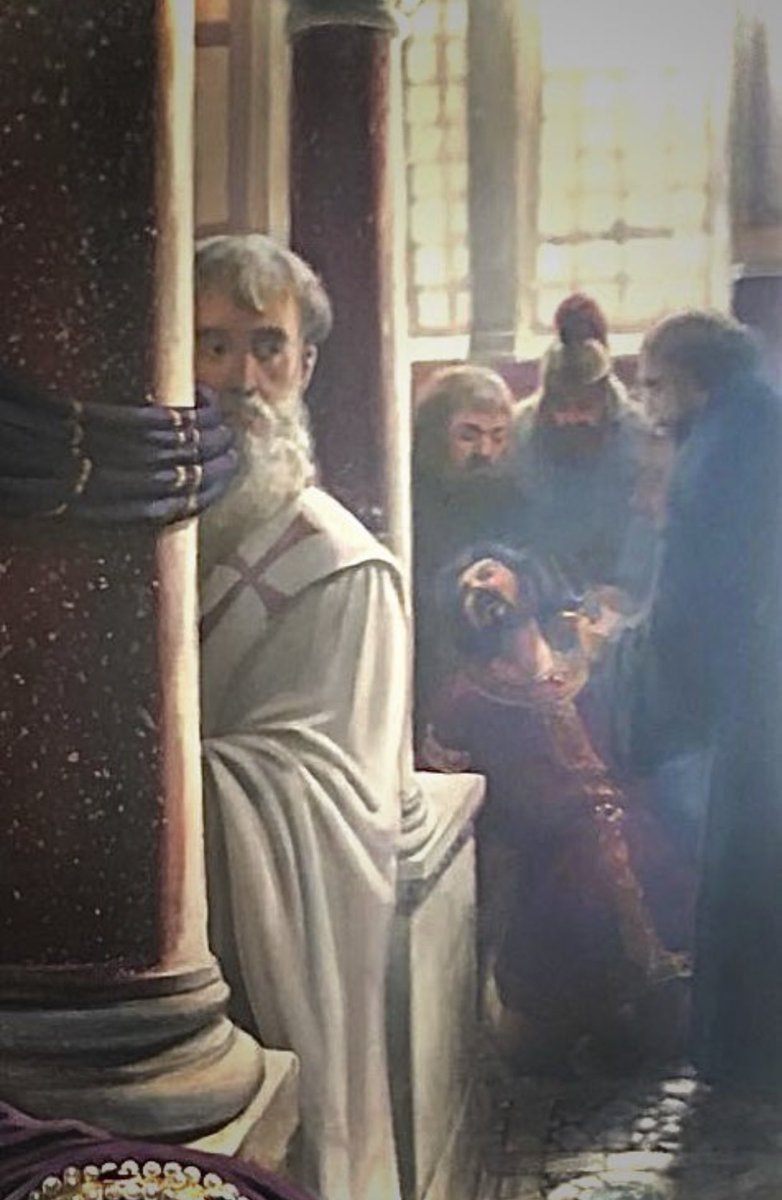
Constans II, despite his young age at the start of his reign, grew up to be a capable emperor.
He campaigned successfully against the Slavs in the Balkans before fighting the Lombards with less success in Italy. He moved his base of operations to Sicily, knowing that the key to fighting the Muslims was naval power and the ability to strike Egypt.
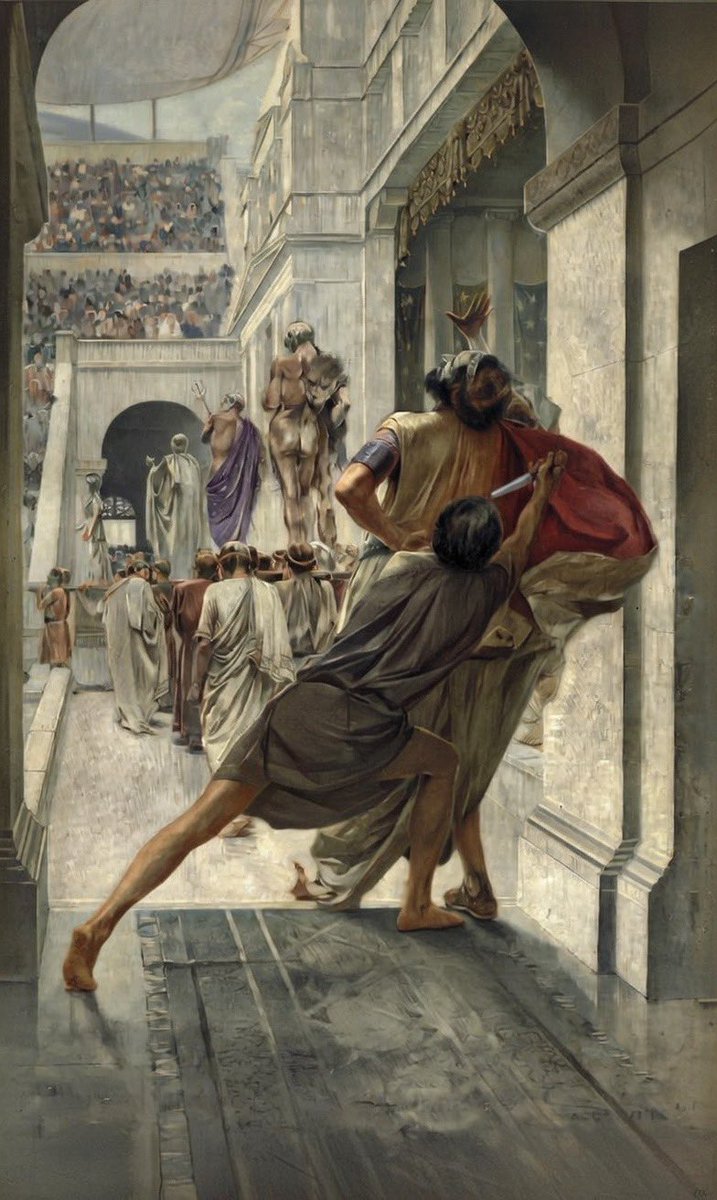
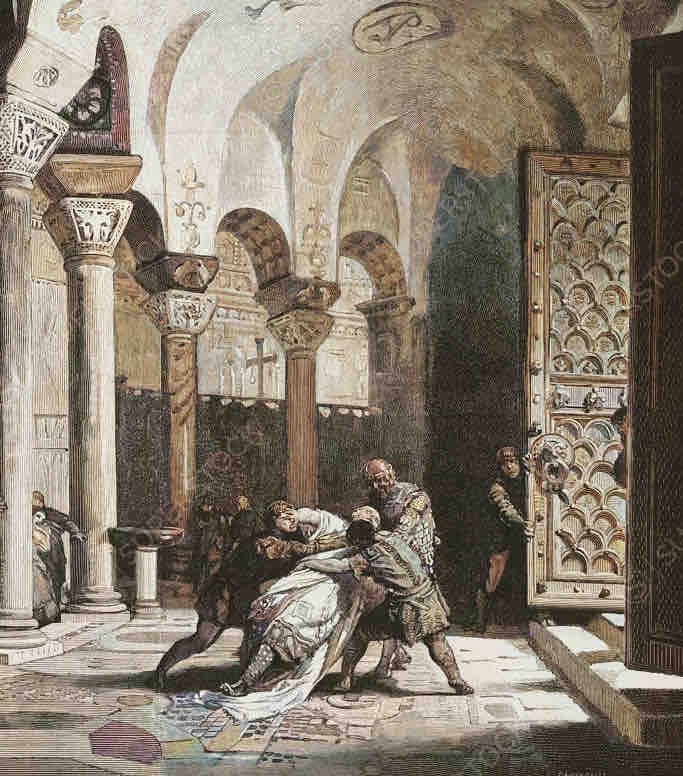
But while in Sicily the Muslims blockaded and besieged Constantinople in 667-8. He was assassinated in Sicily in 668, probably by a conspiracy of senior officers. The assassin struck while he was bathing.
He campaigned successfully against the Slavs in the Balkans before fighting the Lombards with less success in Italy. He moved his base of operations to Sicily, knowing that the key to fighting the Muslims was naval power and the ability to strike Egypt.
But while in Sicily the Muslims blockaded and besieged Constantinople in 667-8. He was assassinated in Sicily in 668, probably by a conspiracy of senior officers. The assassin struck while he was bathing.
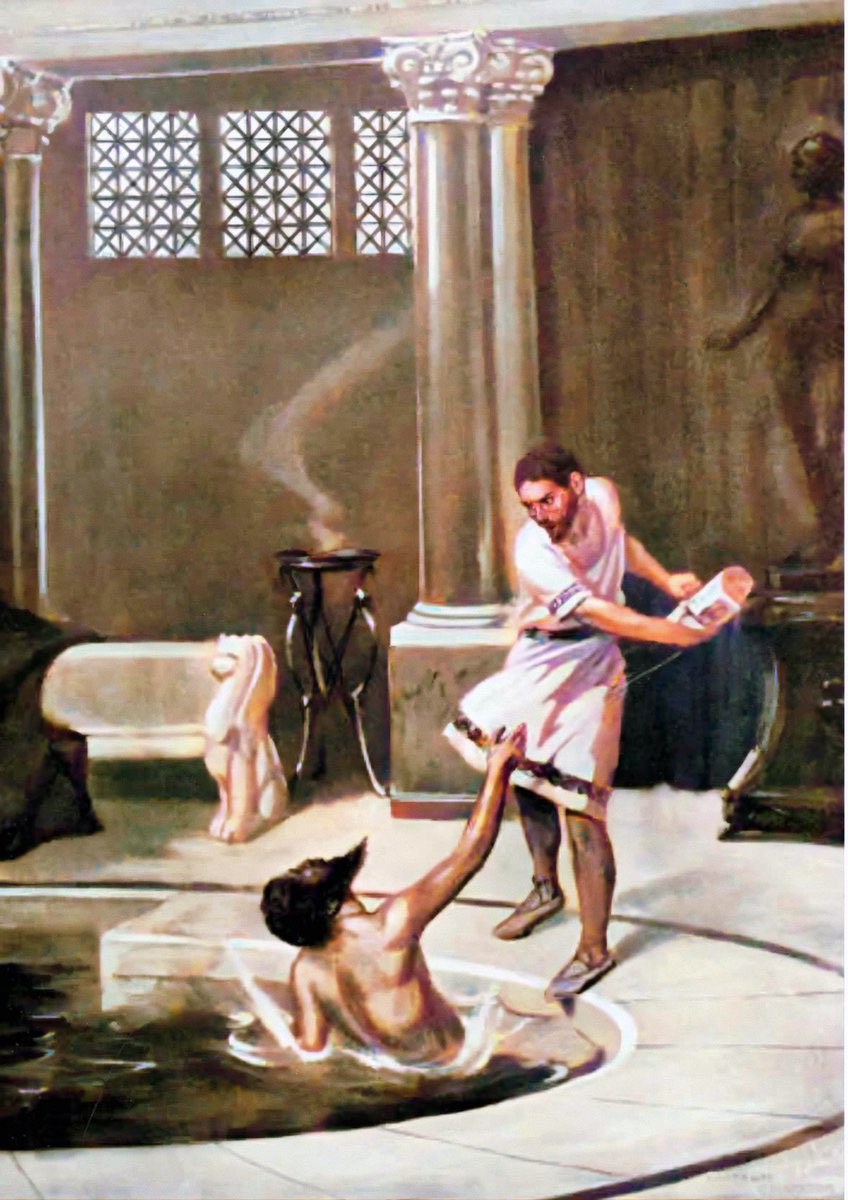
Constans had three sons:
• Constantine IV
• Heraclius
• Tiberius
Constantine IV ruled as senior emperor from 668, taking the fight to the Muslims and achieving a great deal of success, beating them into agreeing a truce.
In 681 some kind of conspiracy took place whereby the army is supposed to have rebelled in favour of his brothers who had been demoted from co-emperors.
Constantine mutilated his brothers and they were sidelined in favour of his young son Justinian II.
Heraclius and Tiberius disappear from history at this point.
• Constantine IV
• Heraclius
• Tiberius
Constantine IV ruled as senior emperor from 668, taking the fight to the Muslims and achieving a great deal of success, beating them into agreeing a truce.
In 681 some kind of conspiracy took place whereby the army is supposed to have rebelled in favour of his brothers who had been demoted from co-emperors.
Constantine mutilated his brothers and they were sidelined in favour of his young son Justinian II.
Heraclius and Tiberius disappear from history at this point.
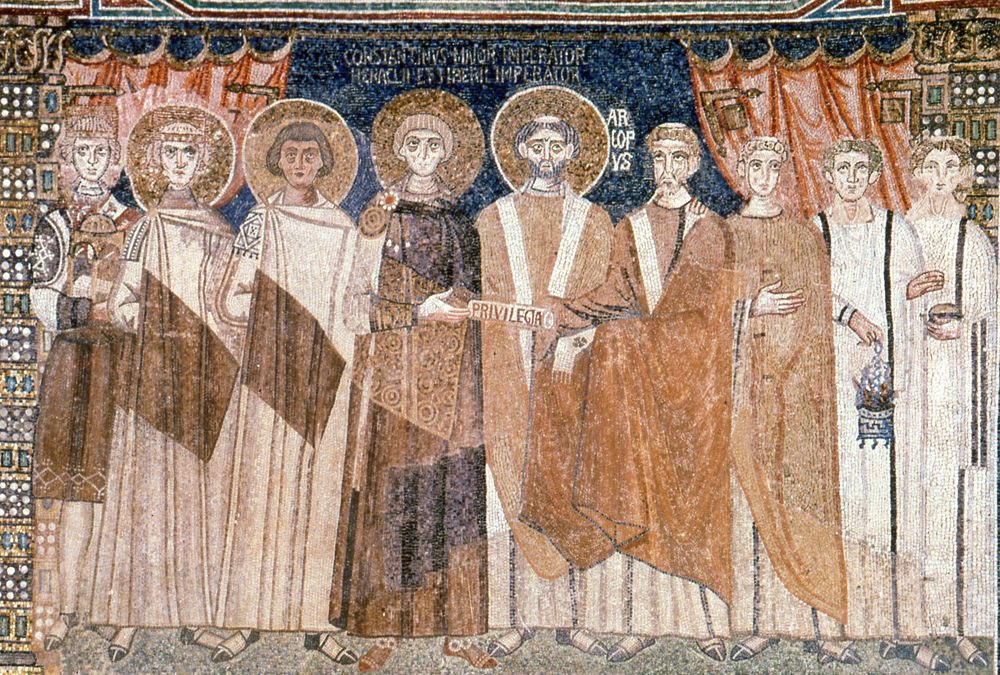
Constantine IV died in 685 and was succeeded by his son Justinian II.
Justinian was determined to live up to his great name and was imbued with a sense of urgency and determination to restore the empire to its past glory just as his namesake Justinian had attempted.
His early reign was met with success. He sent an army against the Muslims which was victorious and he himself successfully defeated the Slavs who were threatening Thessaloniki. The power sharing agreement over Cyprus was agreed during his rule.
However his unpopular financial policies led to a coup in 695 and he is said to have been mutilated and exiled by Leontius who succeeded him.
Justinian was determined to live up to his great name and was imbued with a sense of urgency and determination to restore the empire to its past glory just as his namesake Justinian had attempted.
His early reign was met with success. He sent an army against the Muslims which was victorious and he himself successfully defeated the Slavs who were threatening Thessaloniki. The power sharing agreement over Cyprus was agreed during his rule.
However his unpopular financial policies led to a coup in 695 and he is said to have been mutilated and exiled by Leontius who succeeded him.
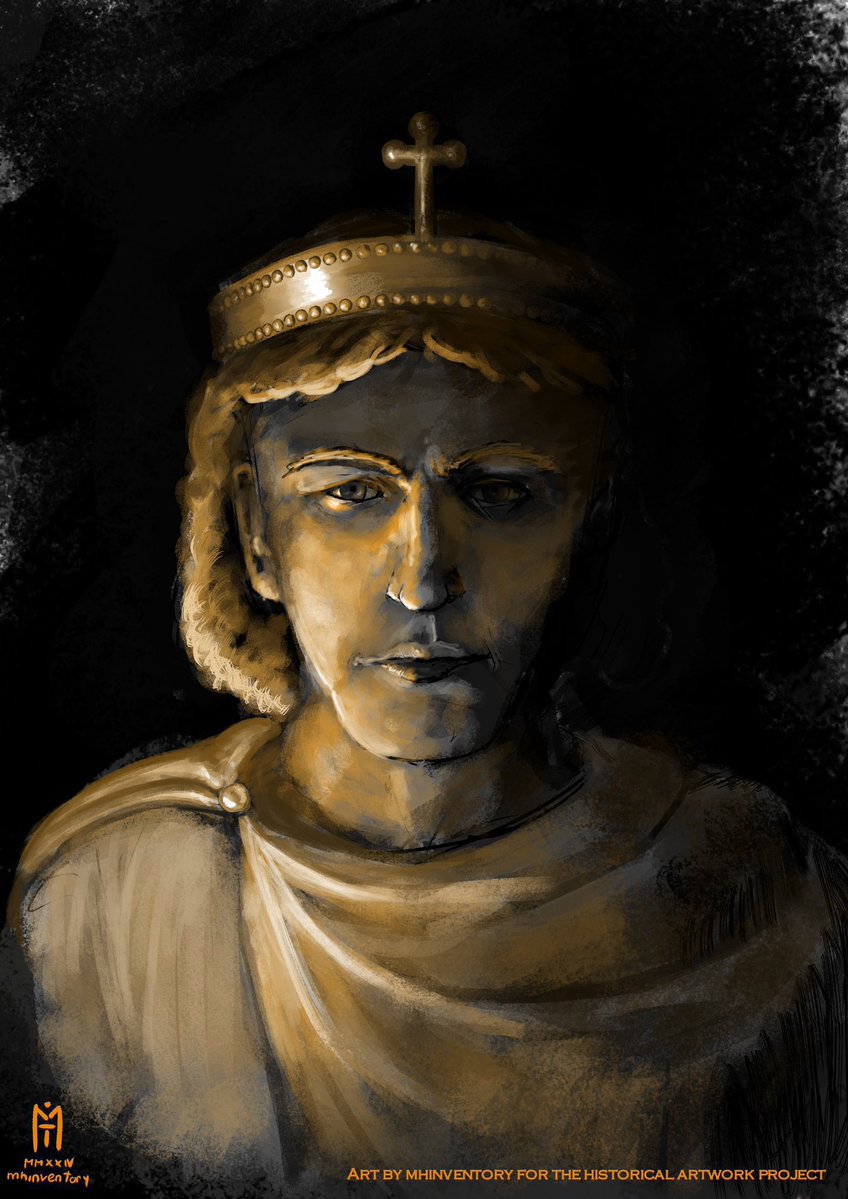
But Justinian was every bit as determined as his most famed of famous ancestors, Heraclius, and like Heraclius he bided his time and gathered his resources ready to strike back.
In 705 after a decade in exile he escaped and made his way to the Khazars where he made a marriage alliance before being betrayed at the behest of his Leontius’ own usurper and successor, Tiberius III.
In 705 after a decade in exile he escaped and made his way to the Khazars where he made a marriage alliance before being betrayed at the behest of his Leontius’ own usurper and successor, Tiberius III.
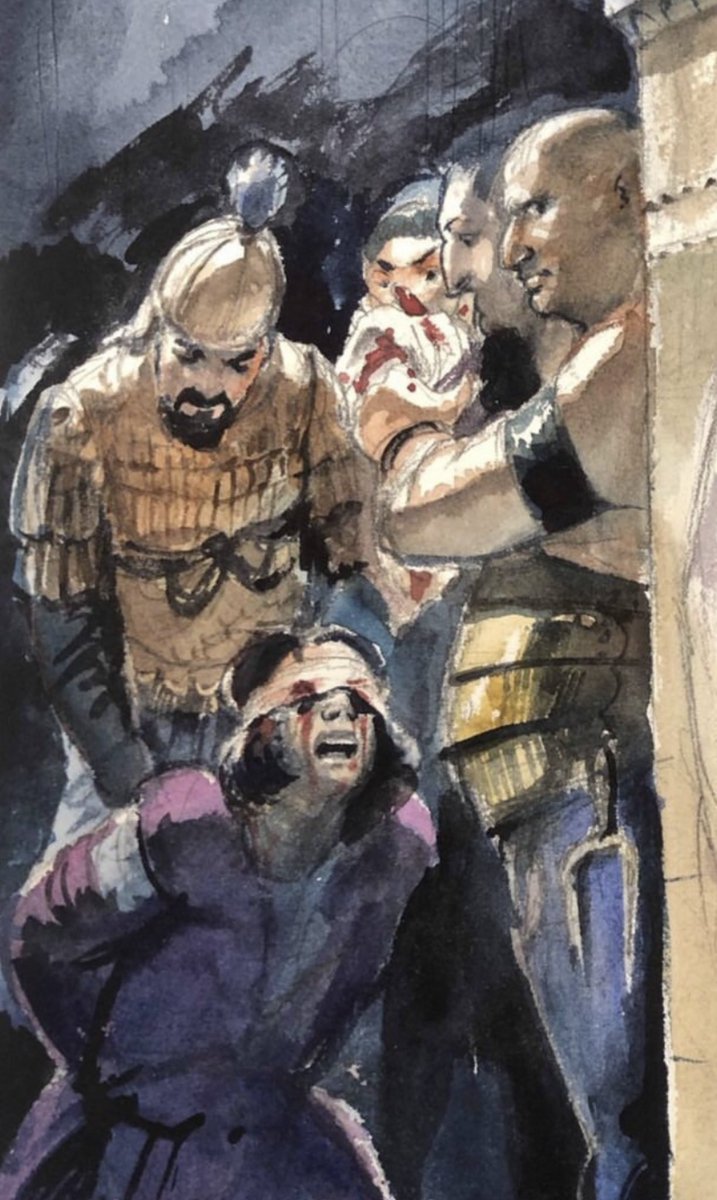
But he was alerted to the threat by his new wife and he went to each of his would-be assassins and murdered them.
Then he escaped to the Bulgars who provided him with an army to take to Constantinople. He and the future Leo III and others had to sneak into the city and he regained power.
As emperor for a second time, he was even more ruthless and avenged himself on everyone who had betrayed him. He even sent a fleet to punish Ravenna for defying him in his first reign.
He was deposed again in 710 and this time was killed. Tragically, his six year old son by named Tiberius was also killed after being dragged from sanctuary.
Justinian was possibly survived by his daughter from an earlier marriage, Anastasia, about whom almost nothing is written.
Justinian was 42 when he died. The second oldest emperor of the Heraclian dynasty.
Then he escaped to the Bulgars who provided him with an army to take to Constantinople. He and the future Leo III and others had to sneak into the city and he regained power.
As emperor for a second time, he was even more ruthless and avenged himself on everyone who had betrayed him. He even sent a fleet to punish Ravenna for defying him in his first reign.
He was deposed again in 710 and this time was killed. Tragically, his six year old son by named Tiberius was also killed after being dragged from sanctuary.
Justinian was possibly survived by his daughter from an earlier marriage, Anastasia, about whom almost nothing is written.
Justinian was 42 when he died. The second oldest emperor of the Heraclian dynasty.
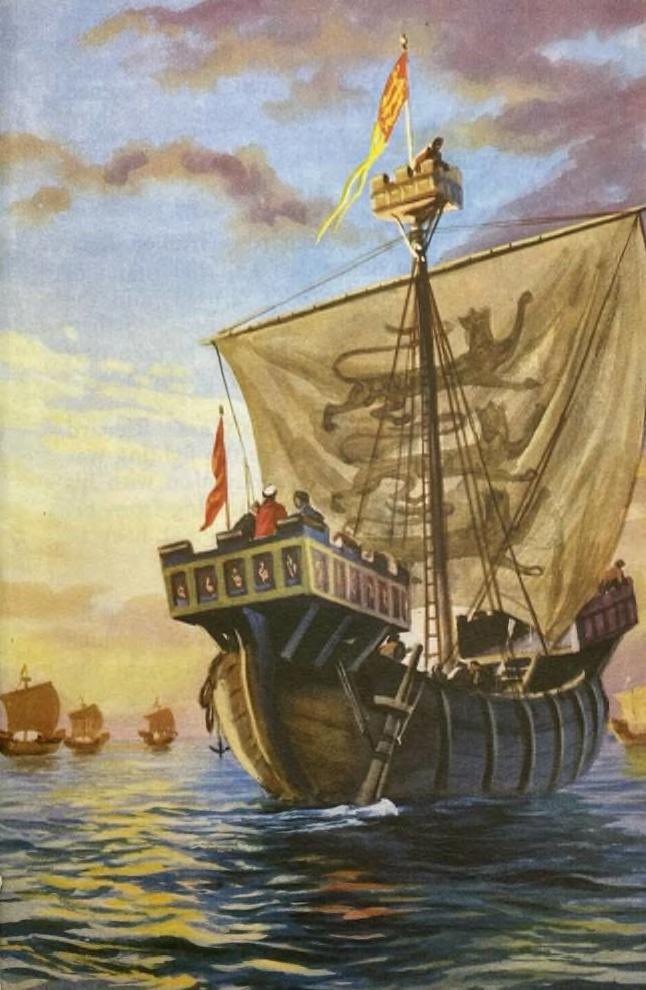
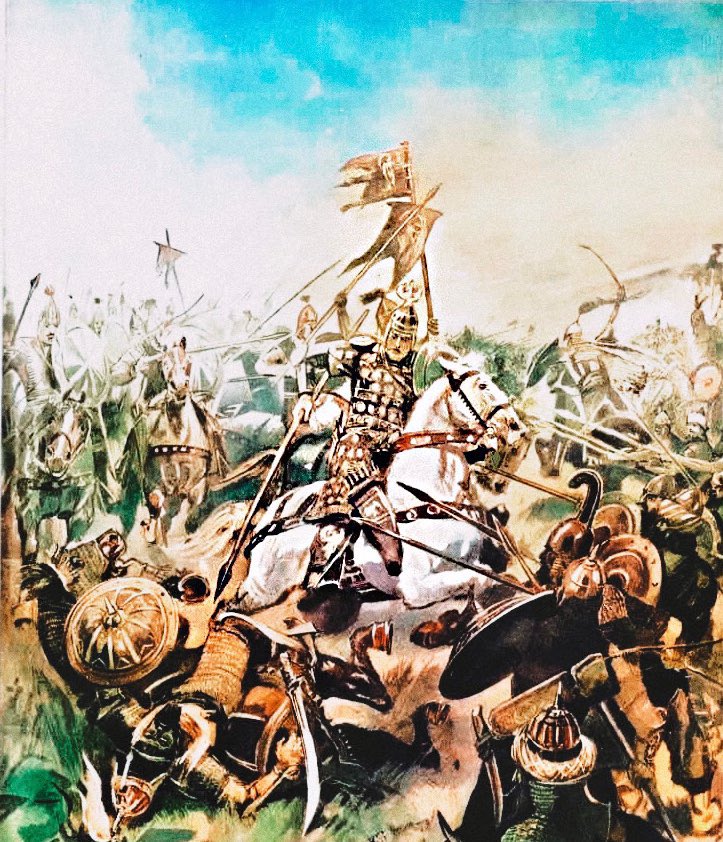
With the deaths of Justinian and Tiberius ended the Heraclian dynasty exactly 100 years after Heraclius sailed into Constantinople to depose Phocas and deliver the empire from the Persians.
It was dynasty which held back the threat of Islamic invasion, but could not hold back the tragedies which plagued them.
It was dynasty which held back the threat of Islamic invasion, but could not hold back the tragedies which plagued them.
• • •
Missing some Tweet in this thread? You can try to
force a refresh