Finance Nerd Profile picture
Jul 25, 2025 12 tweets 5 min read Read on X
In 1822, Gregor MacGregor pulled off the greatest scam in history.

He invented a fake country, sold 8 million acres of it, and convinced hundreds to move there.

Here’s the unbelievable story of the greatest con artist ever: Image
Image
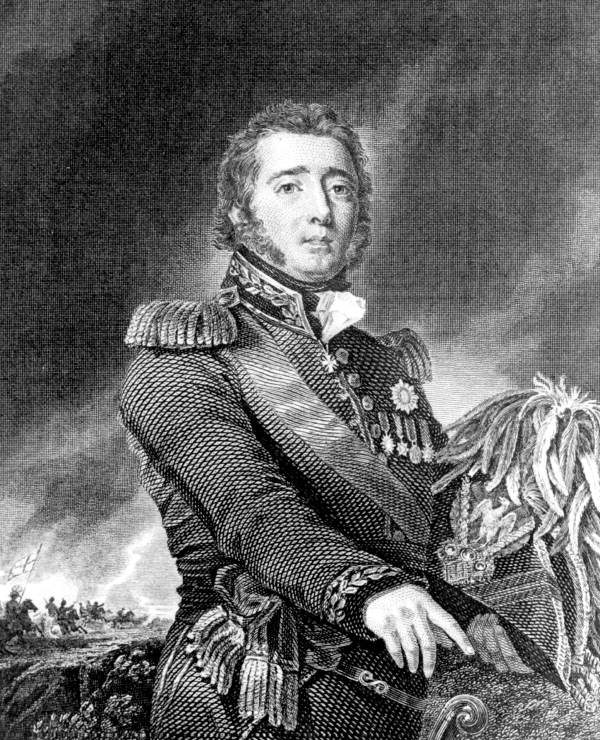
History is full of scams, but few can match the audacity of Gregor MacGregor, a Scottish conman who sold an entire fake country to unsuspecting investors in the 1820s.

Born in Scotland in 1786, MacGregor’s early life was steeped in ambition and manipulation.
He bought his way up the ranks of the British Army, using his first wife’s wealth.

After leaving the army, MacGregor fabricated stories about his military service, claiming connections with nobility and exaggerating his achievements. Image
Despite his royal reputation, MacGregor found himself cut off from wealth after his wife’s death.

That’s when he set his sights on a grander scheme.
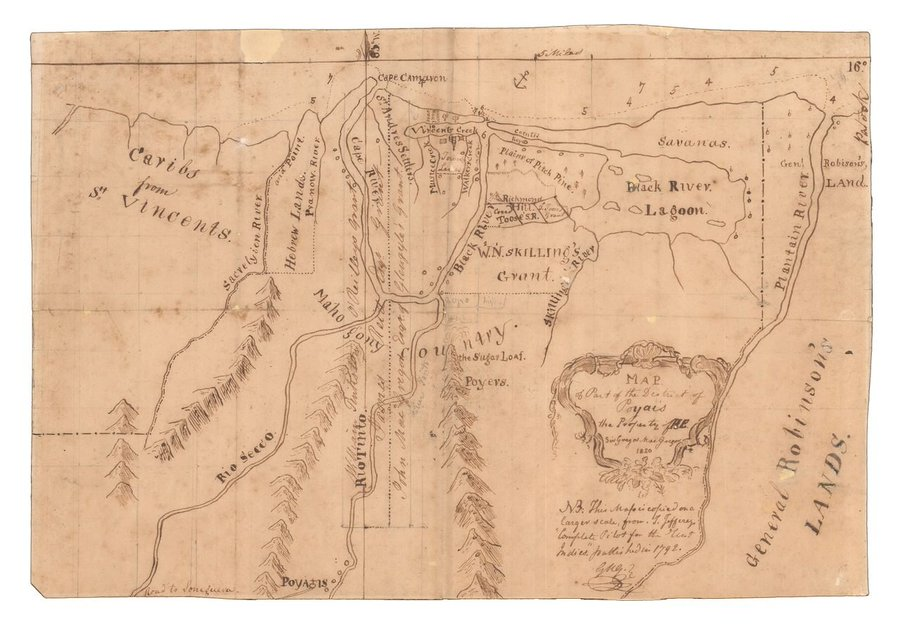
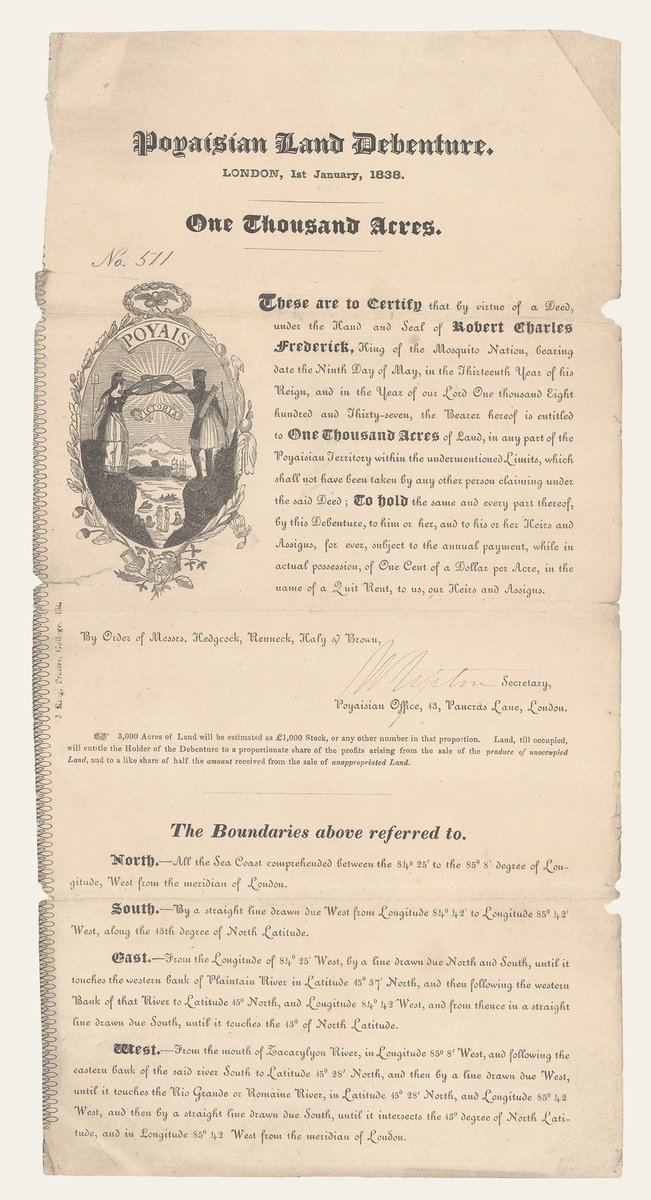
After relocating to Latin America and marrying money again, MacGregor managed to acquire a document granting him tribal land in present-day Honduras and Nicaragua.

In exchange for some rum and jewelry, he secured 8 million acres. Image
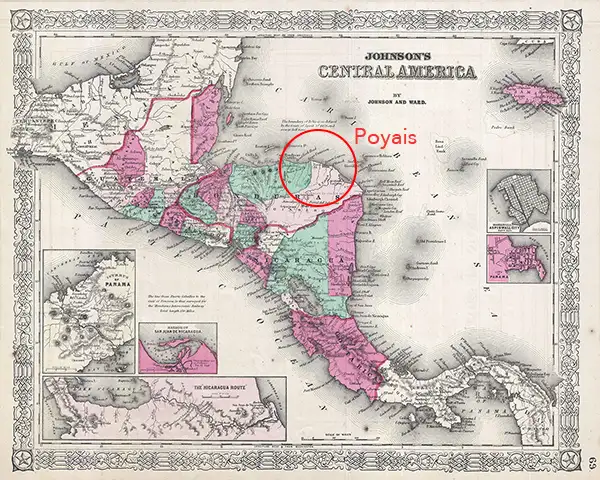
But here’s the catch:

- The land was uninhabitable and barren.

- The title was symbolic and had no real legal authority.

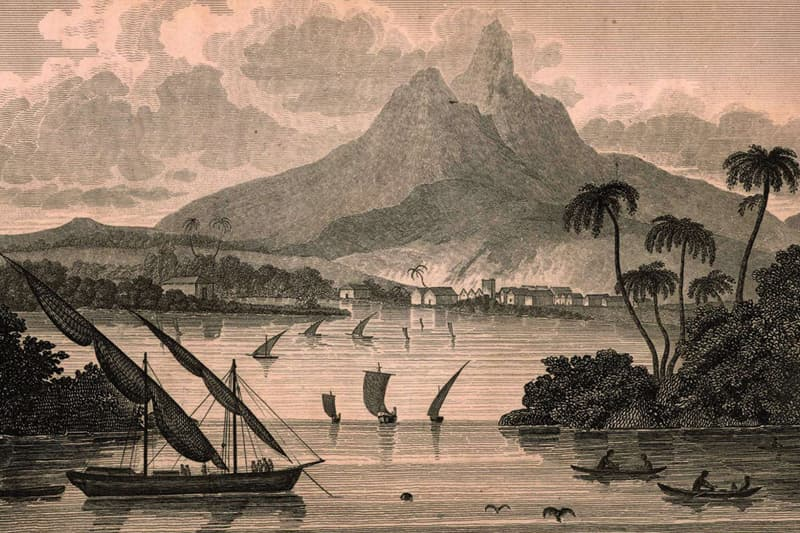
Still, MacGregor returned to Britain claiming to be the “Prince of Poyais,” a sovereign leader of a fertile, gold-rich country on the South American coast. Image
MacGregor knew that selling a fantasy required more than just words.

He created a fully fleshed-out “country” to sell his scam:

1. He crafted detailed maps, designed a flag, and even minted a fictional currency for Poyais. Image
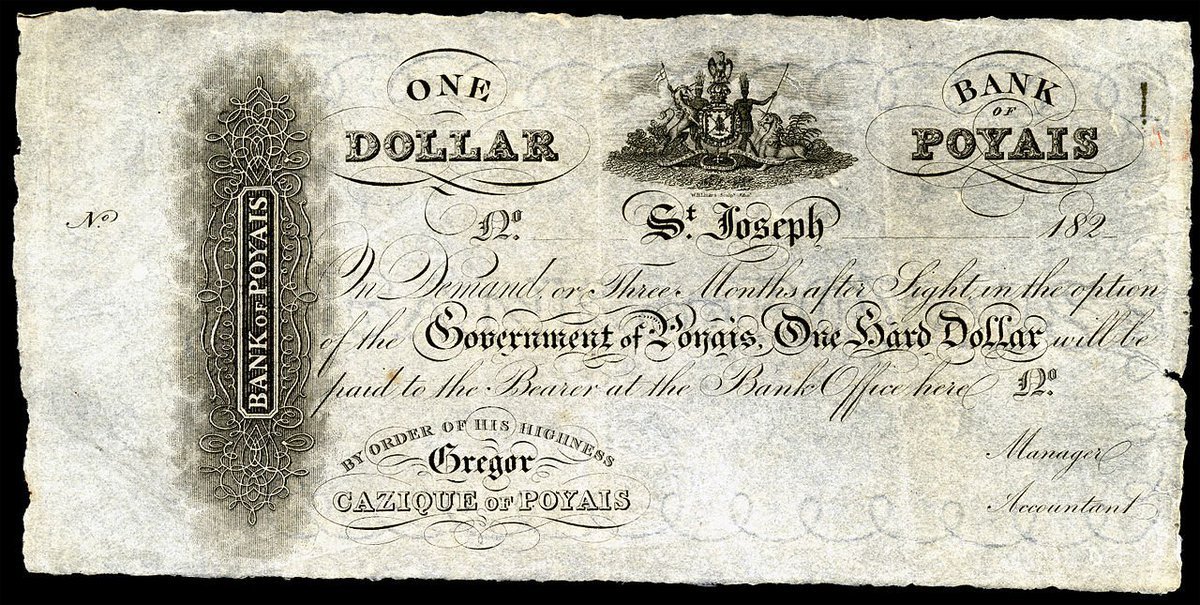
Image
2. A book describing the paradise of Poyais was circulated widely, written under a pseudonym by MacGregor himself.

3. British newspapers published stories about Poyais’ resources and potential. Image
Investors and settlers lured by promises of gold, fertile land, and modern infrastructure were eager to believe in this utopia.

MacGregor didn’t stop at scamming investors; he convinced settlers to move to Poyais. Image
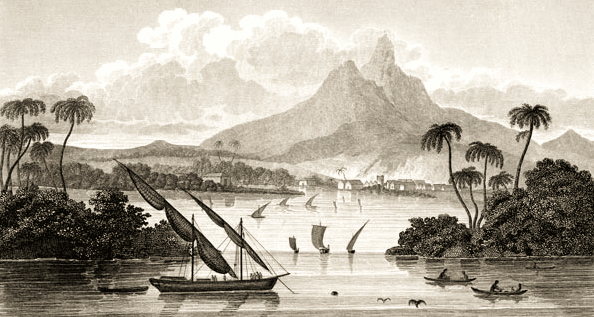
Hundreds sold everything they owned to join the first voyage, some even converting their savings to fake Poyais currency.

When settlers arrived, they found nothing but jungle and swamp.

Without proper shelter or supplies, many died due to starvation, disease, and exhaustion.
By 1823, the truth about Poyais began to unravel.

Newspapers warned the public, and British authorities intervened to stop further voyages.

MacGregor fled to France but continued the scheme there until French authorities jailed him. Image
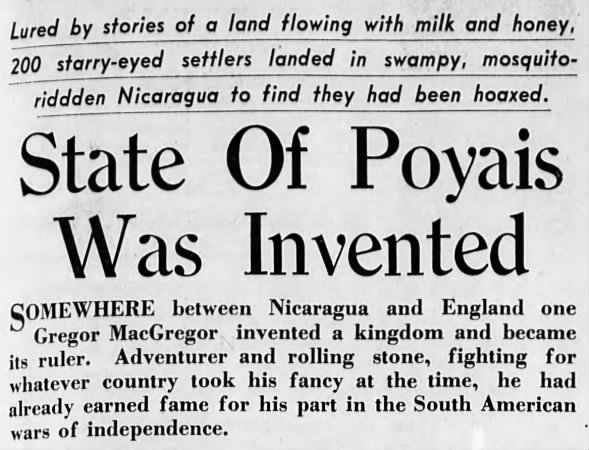
MacGregor’s scam was unprecedented in scale and impact:

- Investors lost millions in today’s terms.

- Settlers paid the ultimate price for trusting MacGregor’s lies. Image
• • •

Missing some Tweet in this thread? You can try to force a refresh

 

Keep Current with Finance Nerd

Finance Nerd Profile picture

Stay in touch and get notified when new unrolls are available from this author!

Read all threads

This Thread may be Removed Anytime!

PDF

Twitter may remove this content at anytime! Save it as PDF for later use!

Try unrolling a thread yourself!

how to unroll video
  1. Follow @ThreadReaderApp to mention us!

  2. From a Twitter thread mention us with a keyword "unroll"
@threadreaderapp unroll

Practice here first or read more on our help page!

More from @Finance_Nerd_

Jan 22
Charlie Munger was a big believer in mental models.

But he’s not the only one...

Warren Buffett, Ray Dalio, and Peter Lynch also use mental models before investing in a company.

The 8 most powerful mental models I've learned from genius investors: Image
Image
1. Circle of Competence (Warren Buffett)

Only invest in areas you fully understand.

Buffett focuses on industries he has a deep understanding of, avoiding those outside his expertise.

If you don’t understand how a business makes money, don’t invest in it.
2. Margin of Safety (Benjamin Graham)

Buy assets well below their intrinsic value to reduce risk.

This is one of the most important principles in value investing.

This model teaches that the price you pay can offer protection against volatility and mistakes. Image
Read 9 tweets
Sep 2, 2025
The rich don’t hide money. They hide ownership.

The $100M mansion? A shell owns it.

The $500M yacht? A trust in Panama.

The cash? A foundation “hired” them to spend it.

Here’s how the ultra-wealthy erase billions and why no one can stop them: Image
Image
First, what is a shell company?

A shell company is a legal entity that exists only on paper.

No employees. No operations. No office.

Its job?

To hold assets without revealing the true owner.

Perfect for the ultra-rich. Image
Why use a shell? Because ownership = liability.

With a shell:

• You don’t "own" the mansion, the company does
• You don’t "earn" the profit, the shell does
• You don’t "exist" on the paperwork, a proxy does

You control the assets, but your name disappears. Image
Read 10 tweets
Aug 25, 2025
The British Empire wasn’t just a political system.

It was the greatest heist in history.

They looted $65T from India, stole Africa’s gold and diamonds, and built their empire on famine, slavery, and debt.

Here’s how Britain got rich while its colonies bled: 🧵 Image
Image
Britain's formula was a 4-step colonial playbook:

1. Enter under the guise of “trade agreements.”

2. Take military control of key ports, resources, and governance.

3. Restructure local economies for British interests.

4. Tax the locals, extract wealth, export it to London. Image
India: The $65 Trillion Loot

Economic historians estimate that between 1765 and 1938, Britain drained $45–65 trillion (in today’s money) from India.

How? Forced cash crops → famine (e.g. Bengal 1770, 10 million dead).

Heavy taxation → British coffers.
Read 10 tweets
Aug 13, 2025
In 1910, America’s banking system was collapsing.

So 6 men with 1/4 of the world’s wealth boarded a train in secret.

On a private island, they created the blueprint for the Federal Reserve: the most powerful institution in U.S. history.

Here's the untold story: 🧵 Image
Image
In the early 1900s, U.S. banking was chaotic.

Banks were small, unregulated, and prone to collapse.

The Panic of 1907 triggered mass bank runs.

The U.S. economy nearly imploded, and Congress was desperate for a fix.
Senator Nelson Aldrich, head of the National Monetary Commission, quietly invited 5 of the nation’s top financiers:

1. Paul Warburg – Kuhn, Loeb & Co.

2. Frank Vanderlip – National City Bank of New York (Citibank)

3. Henry P. Davison – J.P. Morgan & Co. Image
Read 15 tweets
Aug 12, 2025
Trump is fighting the biggest trade war since the 1930s.

• Tariffs on global superpowers
• Markets on the edge
• Global backlash

To most, it's madness.

But this is The Art of the Deal in action.

Here are 8 rules from his playbook & how he’s using them right now: 🧵 Image
Image
1. Think Big

Trump doesn’t go for marginal gains, he swings for the fences.

Tariffs on nearly every country.

It's a classic Trump move: Be bold, or don’t bother.

“If you’re going to be thinking anyway, you might as well think big.”
2. Protect the Downside and the Upside Will Take Care of Itself

In The Art of the Deal, Trump emphasizes mitigating risk.

The 90-day tariff suspension in April (except for China)...

That’s his insurance policy pressure without permanent fallout (yet).
Read 11 tweets
Aug 8, 2025
In 1997, George Soros bet $1 billion that Thailand’s currency would collapse.

Weeks later, the Thai baht crashed, crushing the economies of Japan, South Korea, Malaysia, and Indonesia.

This is the story of George Soros’ boldest trade (the Asian financial crisis): Image
In the early 1990s, many Asian countries were experiencing unprecedented economic growth.

Thailand, Malaysia, Indonesia, and South Korea became known as the Asian Tigers due to their booming export-driven economies. Image
Cheap foreign capital flooded these countries, leading to overinvestment and risky lending.

Many governments pegged their currencies to the U.S. dollar, creating an illusion of stability.
Read 11 tweets

Did Thread Reader help you today?

Support us! We are indie developers!


This site is made by just two indie developers on a laptop doing marketing, support and development! Read more about the story.

Become a Premium Member ($3/month or $30/year) and get exclusive features!

Become Premium

Don't want to be a Premium member but still want to support us?

Make a small donation by buying us coffee ($5) or help with server cost ($10)

Donate via Paypal

Or Donate anonymously using crypto!

Ethereum

0xfe58350B80634f60Fa6Dc149a72b4DFbc17D341E copy

Bitcoin

3ATGMxNzCUFzxpMCHL5sWSt4DVtS8UqXpi copy

Thank you for your support!

Follow Us!

:(