Emotional intelligence is a superpower.
After 30+ years as a Harvard psychologist, I can spot people with high emotional intelligence (EQ) in 30 seconds.
It's not about being nice or controlling emotions.
They share these 12 traits... 🧵
After 30+ years as a Harvard psychologist, I can spot people with high emotional intelligence (EQ) in 30 seconds.
It's not about being nice or controlling emotions.
They share these 12 traits... 🧵
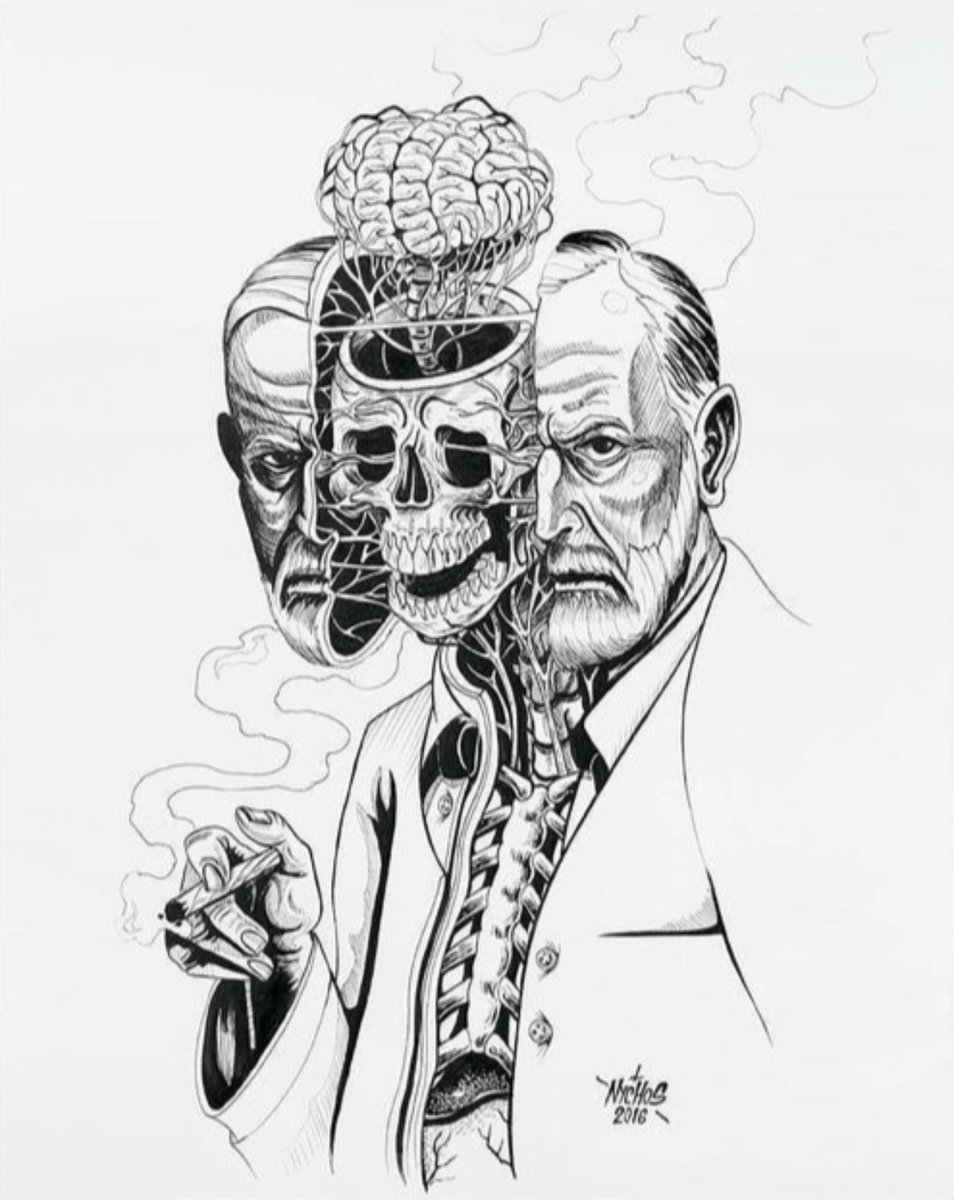
1/ They feel emotions without becoming them.
When anger arises, they notice: "I'm experiencing anger."
Not: "I AM angry."
This tiny linguistic shift represents massive neural rewiring.
They have emotions. Emotions don't have them.
When anger arises, they notice: "I'm experiencing anger."
Not: "I AM angry."
This tiny linguistic shift represents massive neural rewiring.
They have emotions. Emotions don't have them.
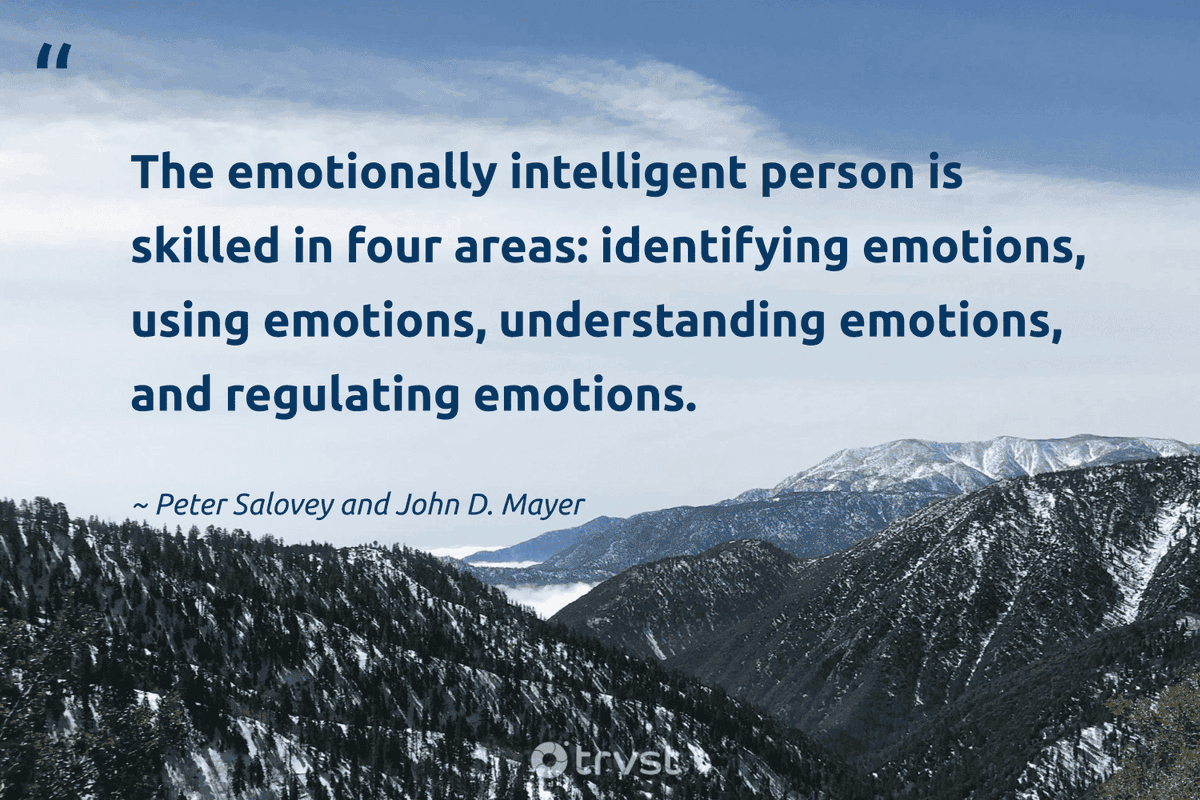
2/ They're comfortable with uncomfortable silence.
No nervous laughter.
No rushing to fill gaps.
No compulsive phone checking.
They can sit with awkwardness because they've learned: Discomfort is just another sensation passing through awareness.
No nervous laughter.
No rushing to fill gaps.
No compulsive phone checking.
They can sit with awkwardness because they've learned: Discomfort is just another sensation passing through awareness.
3/ They recognize emotions in their body first.
Anxiety might show up as chest tightness.
Excitement as stomach butterflies.
Anger as jaw tension.
They catch feelings at the physical level—before the mental story takes over.
Anxiety might show up as chest tightness.
Excitement as stomach butterflies.
Anger as jaw tension.
They catch feelings at the physical level—before the mental story takes over.
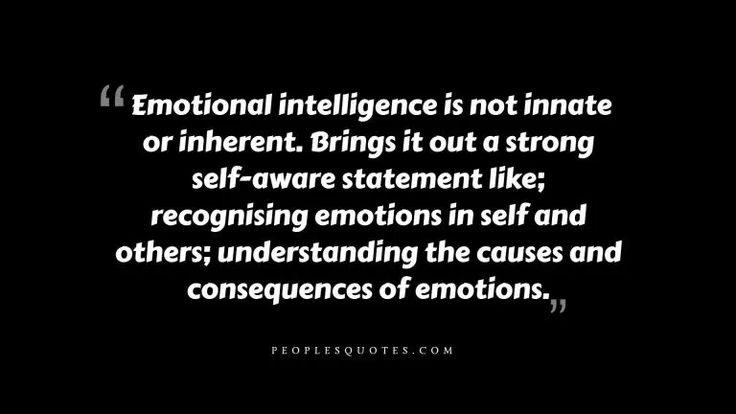
4/ They pause before reacting.
Viktor Frankl called it: "Between stimulus and response there is a space."
Emotionally intelligent people have trained that space to be wide enough for wisdom to enter.
One breath can change an entire conversation's trajectory.
Viktor Frankl called it: "Between stimulus and response there is a space."
Emotionally intelligent people have trained that space to be wide enough for wisdom to enter.
One breath can change an entire conversation's trajectory.
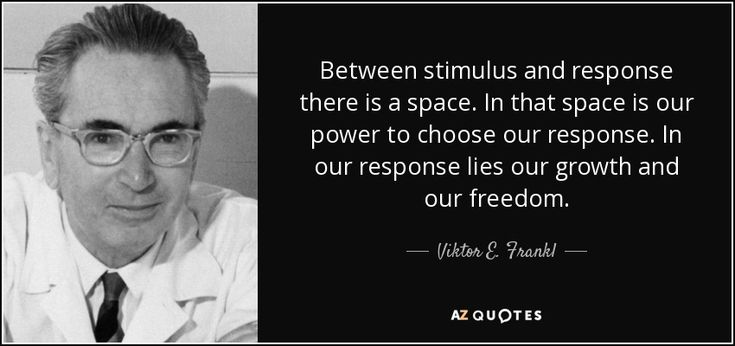
5/ They validate others without absorbing their emotions.
"I can see you're really hurt" doesn't mean taking on that hurt.
They're emotional witnesses, not emotional sponges.
This boundary is what allows deep empathy without burnout.
"I can see you're really hurt" doesn't mean taking on that hurt.
They're emotional witnesses, not emotional sponges.
This boundary is what allows deep empathy without burnout.
6/ They know the difference between thoughts and intuition.
Thoughts are loud, repetitive, fear-based.
Intuition is quiet, singular, neutral.
After years of practice, they trust the quiet voice over the mental noise.
Thoughts are loud, repetitive, fear-based.
Intuition is quiet, singular, neutral.
After years of practice, they trust the quiet voice over the mental noise.
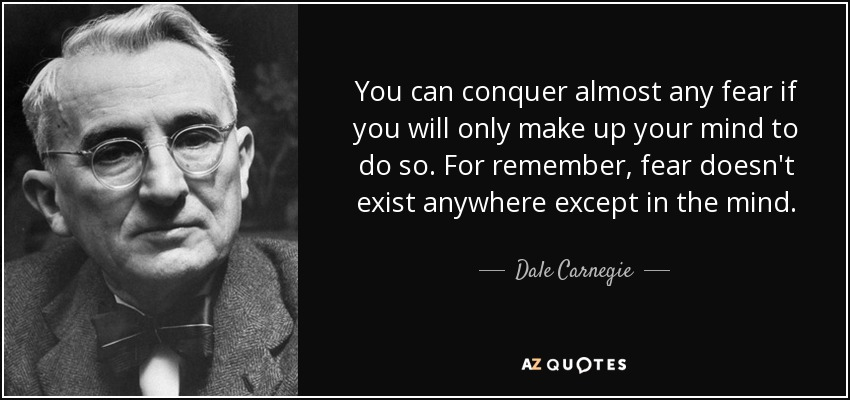
7/ They apologize without over-apologizing.
"I'm sorry I was late" - Clean, direct, owned.
Not: "I'm so sorry, I'm the worst, you must hate me, I always do this..."
They take responsibility without self-flagellation.
"I'm sorry I was late" - Clean, direct, owned.
Not: "I'm so sorry, I'm the worst, you must hate me, I always do this..."
They take responsibility without self-flagellation.
8/ They can hold paradox.
Excited AND scared.
Love someone AND need space.
They might feel grateful AND sad.
While others demand either/or, they live comfortably in both/and.
Excited AND scared.
Love someone AND need space.
They might feel grateful AND sad.
While others demand either/or, they live comfortably in both/and.
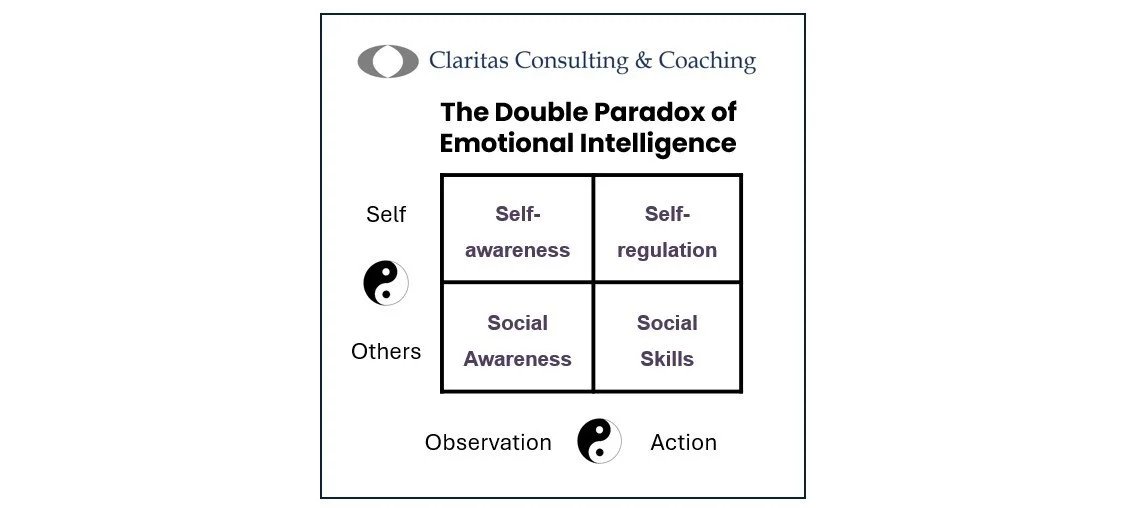
9/ They regulate through their nervous system, not logic.
When triggered, they don't think their way out.
They might:
• Step outside
• Move their body
• Take 3 deep breaths
Body first, mind follows.
When triggered, they don't think their way out.
They might:
• Step outside
• Move their body
• Take 3 deep breaths
Body first, mind follows.
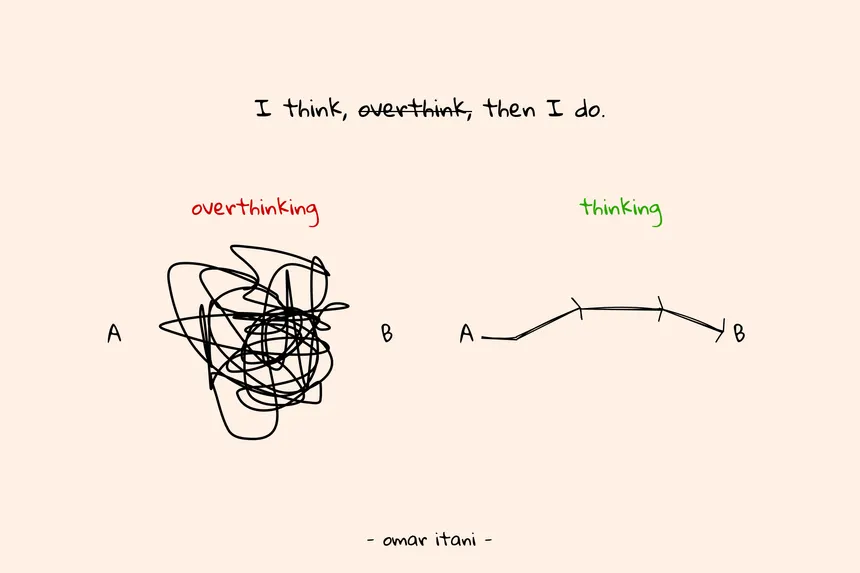
10/ They're curious about their triggers.
Instead of: "That person is so annoying"
They ask: "Why does this specific behavior activate me?"
Every trigger becomes a teacher pointing to unhealed parts of themselves.
Instead of: "That person is so annoying"
They ask: "Why does this specific behavior activate me?"
Every trigger becomes a teacher pointing to unhealed parts of themselves.
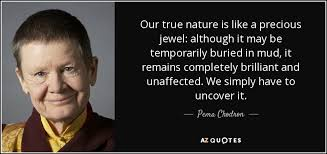
11/ They can receive compliments.
No minimizing: "It was nothing."
No deflecting: "Oh, this old thing?"
No redirecting: "You're the amazing one!"
Just: "Thank you." Full stop.
Receiving requires more emotional maturity than giving.
No minimizing: "It was nothing."
No deflecting: "Oh, this old thing?"
No redirecting: "You're the amazing one!"
Just: "Thank you." Full stop.
Receiving requires more emotional maturity than giving.

12/ They know when to leave.
Conversations.
Relationships.
Situations.
They don't endure out of politeness or guilt.
Their departure isn't dramatic—just clear recognition: "This is complete for me."
Conversations.
Relationships.
Situations.
They don't endure out of politeness or guilt.
Their departure isn't dramatic—just clear recognition: "This is complete for me."
Here's what I've learned after decades studying emotional intelligence:
These aren't personality traits you're born with.
They're neural patterns you develop through practice—specific practices that retrain your nervous system and rewire your default responses.
These aren't personality traits you're born with.
They're neural patterns you develop through practice—specific practices that retrain your nervous system and rewire your default responses.
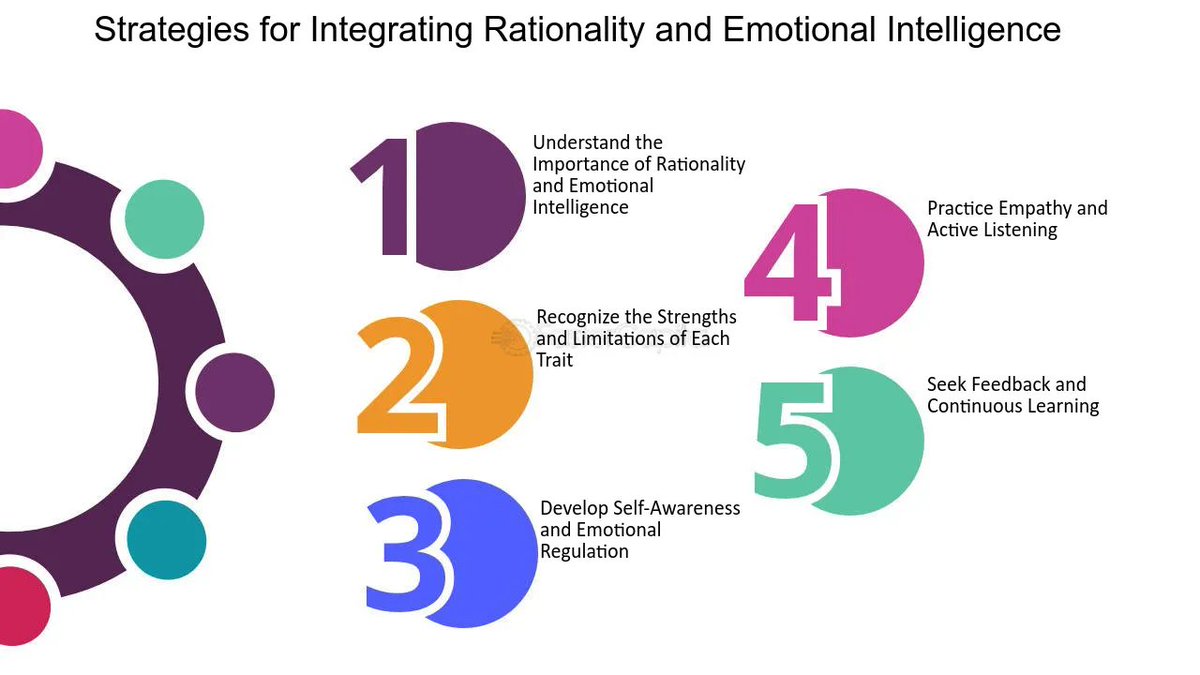
Most people try to think their way to emotional intelligence.
But emotions live in the body, not the mind.
You need somatic practices, nervous system regulation, and guided rewiring to develop these capacities.
Reading about them isn't enough.
But emotions live in the body, not the mind.
You need somatic practices, nervous system regulation, and guided rewiring to develop these capacities.
Reading about them isn't enough.
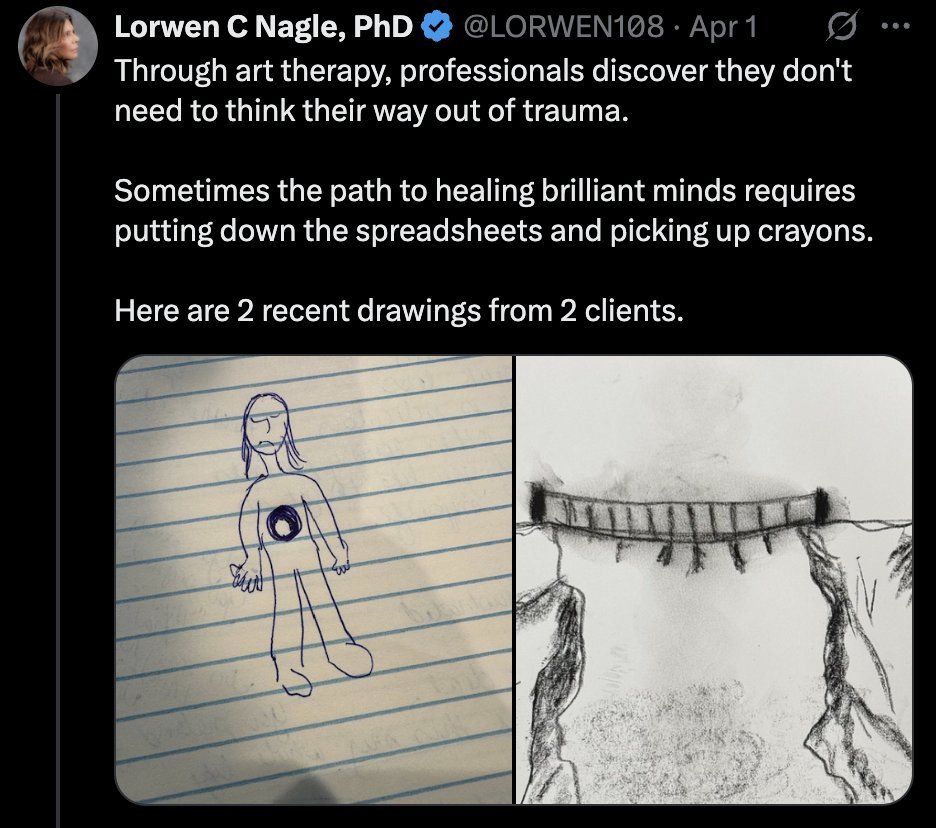
If you recognized yourself lacking in some of these traits, you're already ahead.
Awareness is the first step.
The next step? Gentle, systematic rewiring of old patterns.
Awareness is the first step.
The next step? Gentle, systematic rewiring of old patterns.
I've created Anxiety Relief Transformation™ for the next step.
Not through forcing or fixing, but through 12 modules of guided practices that build emotional intelligence from the core.
The waitlist opens until August 4th with 25% off for early bird:
offers.lorwenharrisnagle.com/anxiety-relief…
Not through forcing or fixing, but through 12 modules of guided practices that build emotional intelligence from the core.
The waitlist opens until August 4th with 25% off for early bird:
offers.lorwenharrisnagle.com/anxiety-relief…
Which trait surprised you most?
Comment below—I personally respond to insights about emotional intelligence.
Follow @Lorwen108 for more psychology wisdom that goes beyond surface-level self-help.
Repost if someone needs to see these traits 🧵
Comment below—I personally respond to insights about emotional intelligence.
Follow @Lorwen108 for more psychology wisdom that goes beyond surface-level self-help.
Repost if someone needs to see these traits 🧵
https://twitter.com/3065974983/status/1949077286688547022
• • •
Missing some Tweet in this thread? You can try to
force a refresh