You think you're “too nice,” “too intense,” or “too anxious?”
It’s not your personality.
It’s trauma—hiding in plain sight.
Here’s how to spot it—and heal it in your body, not just your head. 🧵 (by a PhD psychologist)
It’s not your personality.
It’s trauma—hiding in plain sight.
Here’s how to spot it—and heal it in your body, not just your head. 🧵 (by a PhD psychologist)


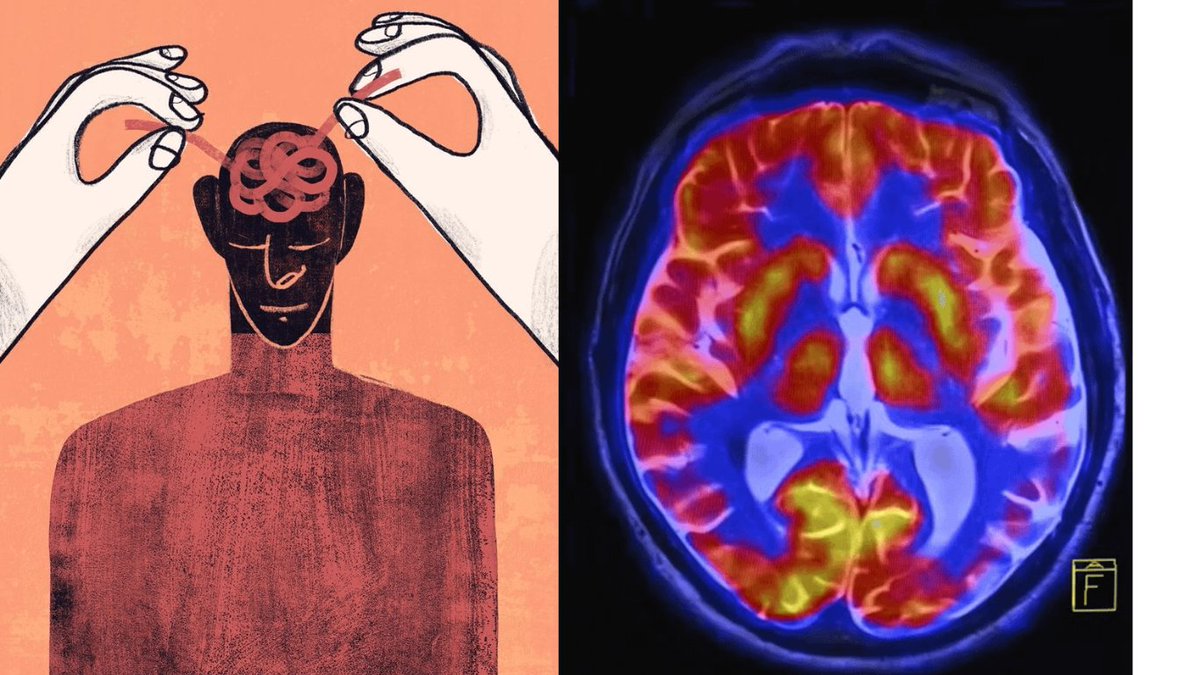
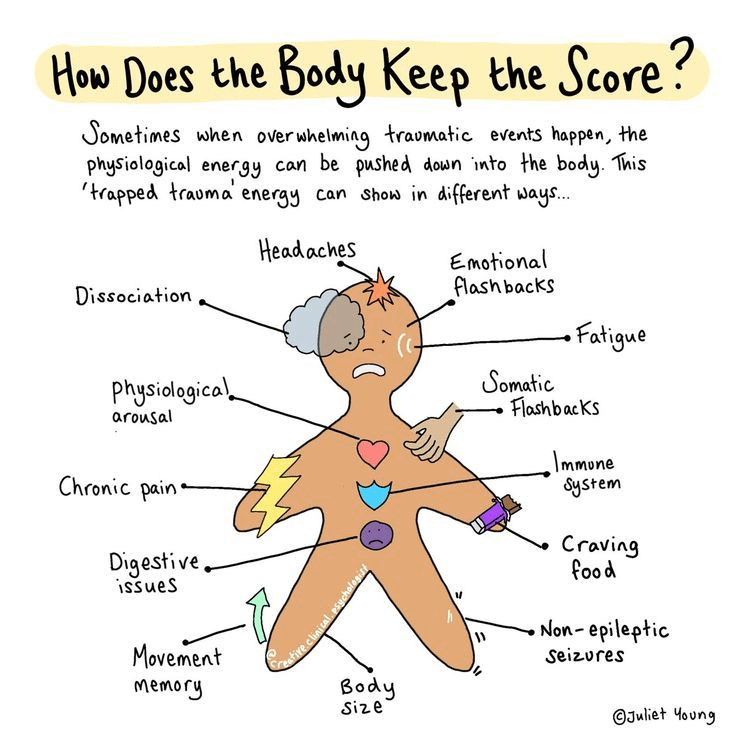
Most trauma doesn't show up as flashbacks.
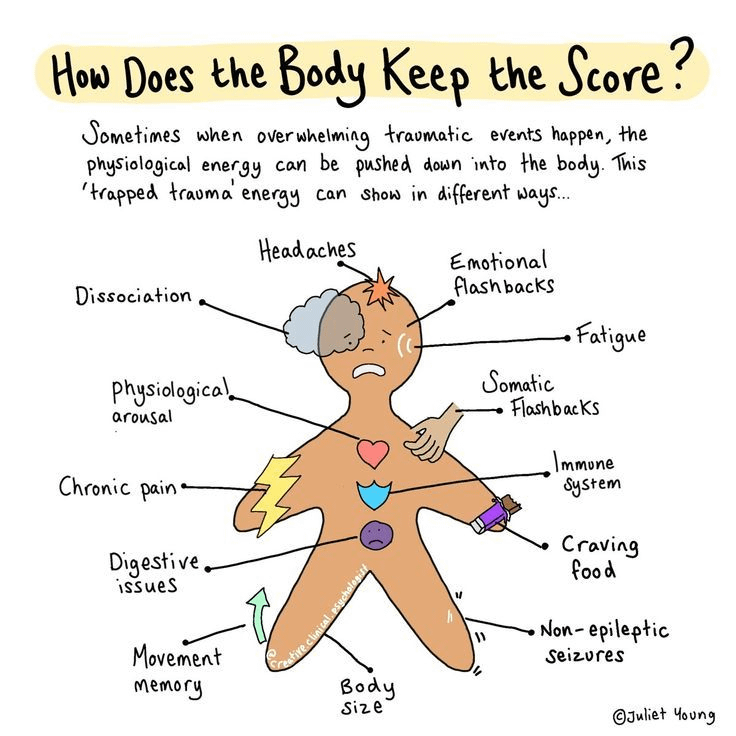
It shows up as tension, overthinking, burnout, irritability—everyday symptoms we normalize.
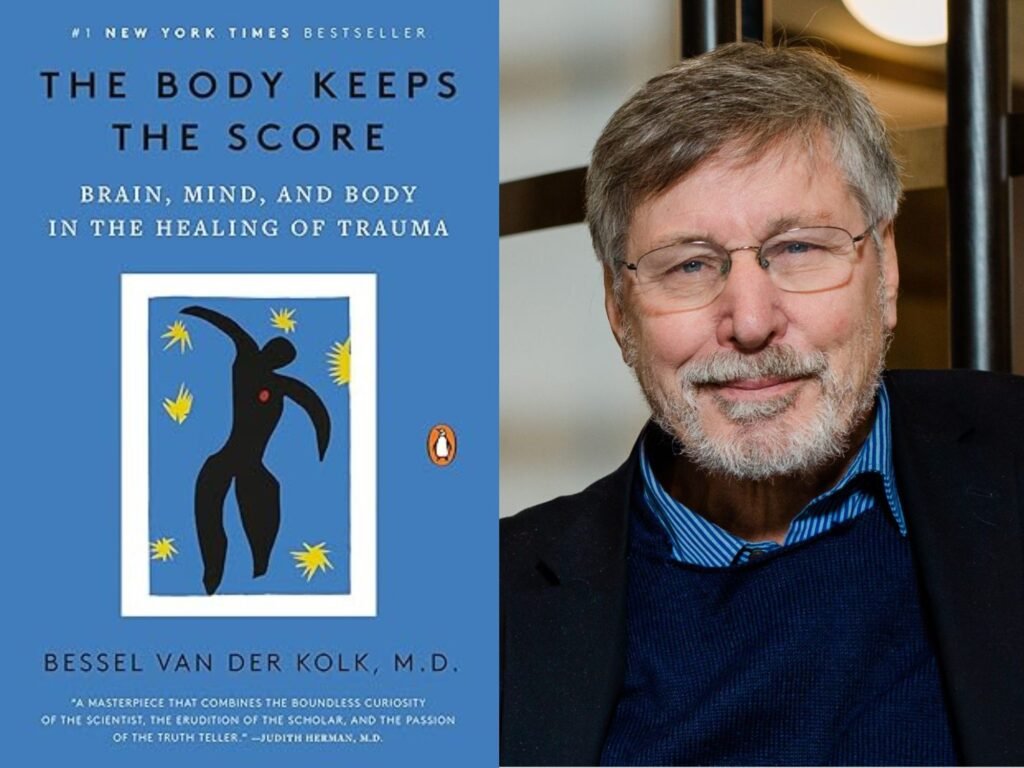
Your body remembers what your mind can’t explain.
And healing doesn’t start with insight.
It starts with safety in the body
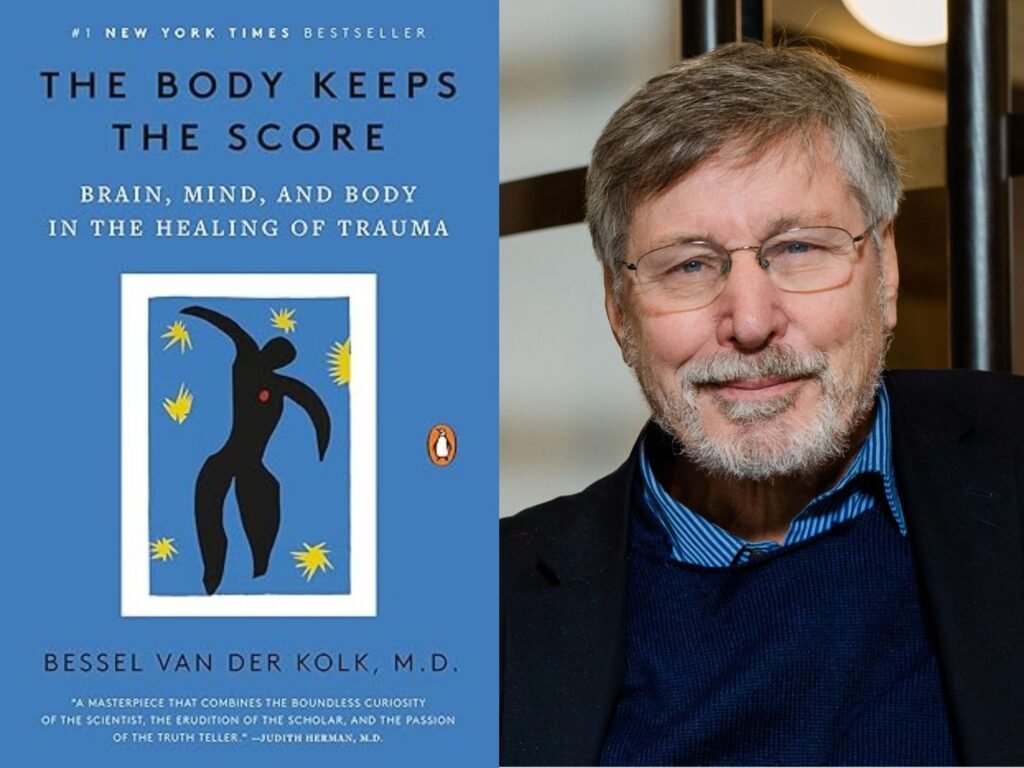
Dr Gabor Maté
It shows up as tension, overthinking, burnout, irritability—everyday symptoms we normalize.
Your body remembers what your mind can’t explain.
And healing doesn’t start with insight.
It starts with safety in the body
Dr Gabor Maté
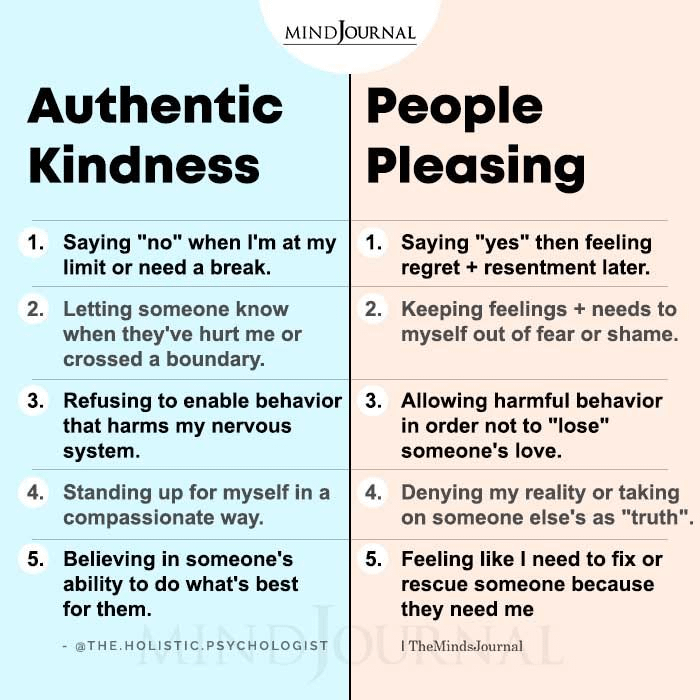
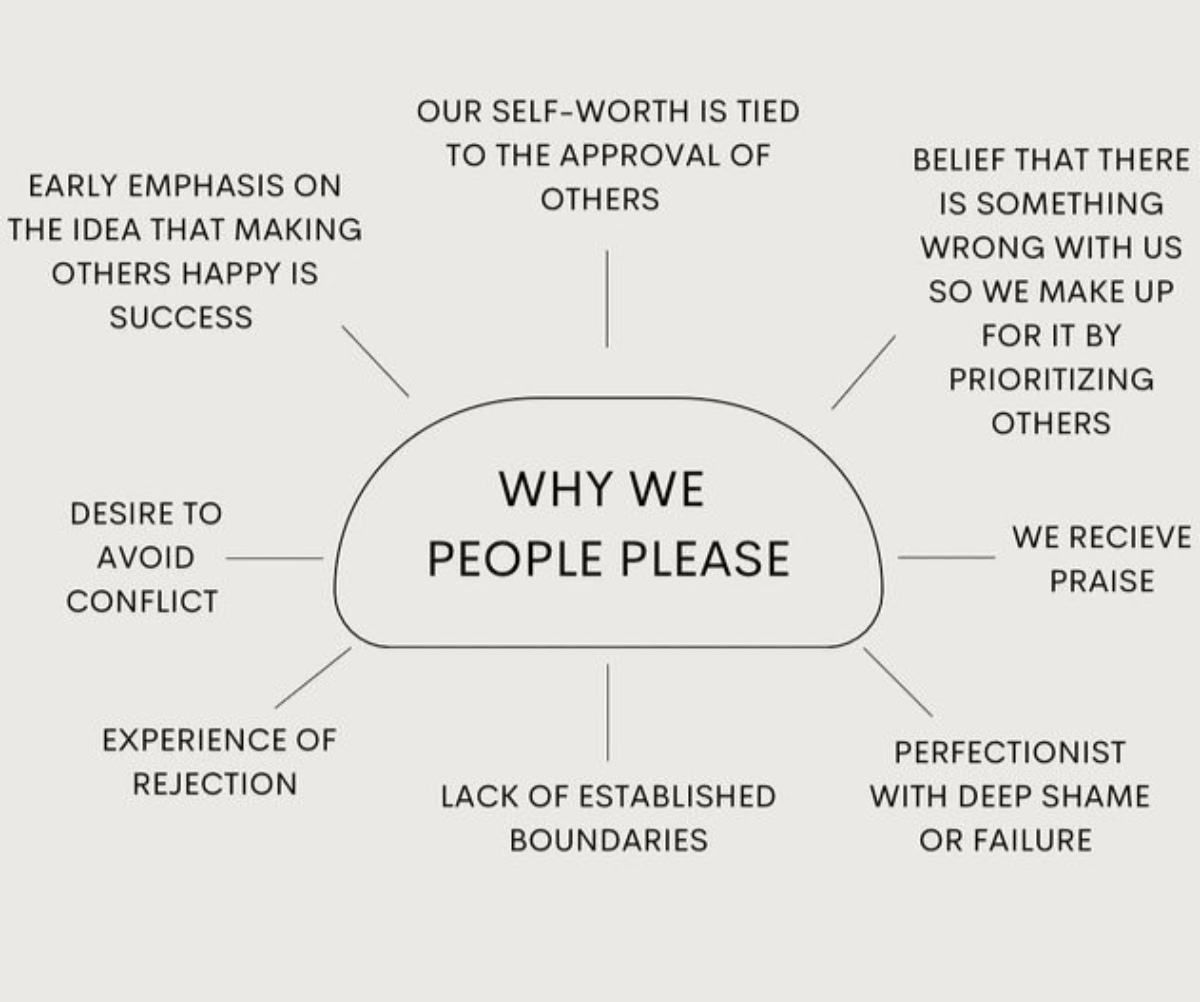
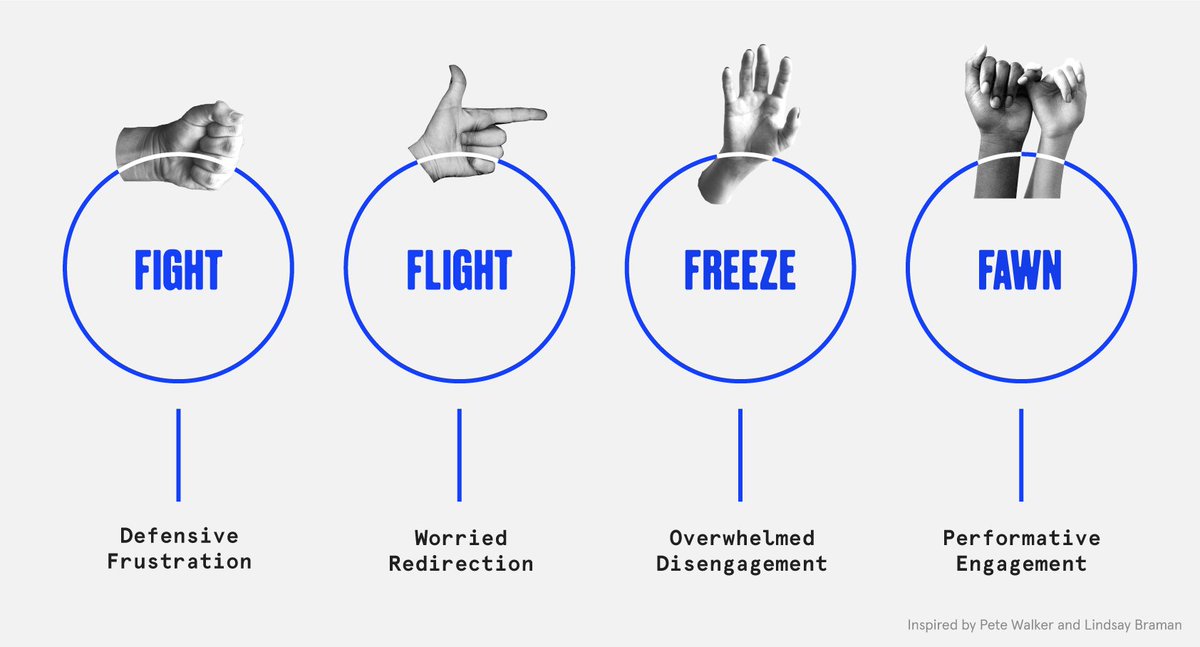
People-pleasing isn’t kindness.
It’s survival.
If you learned that love was earned by being useful, agreeable, invisible—
You became an expert at abandoning yourself.
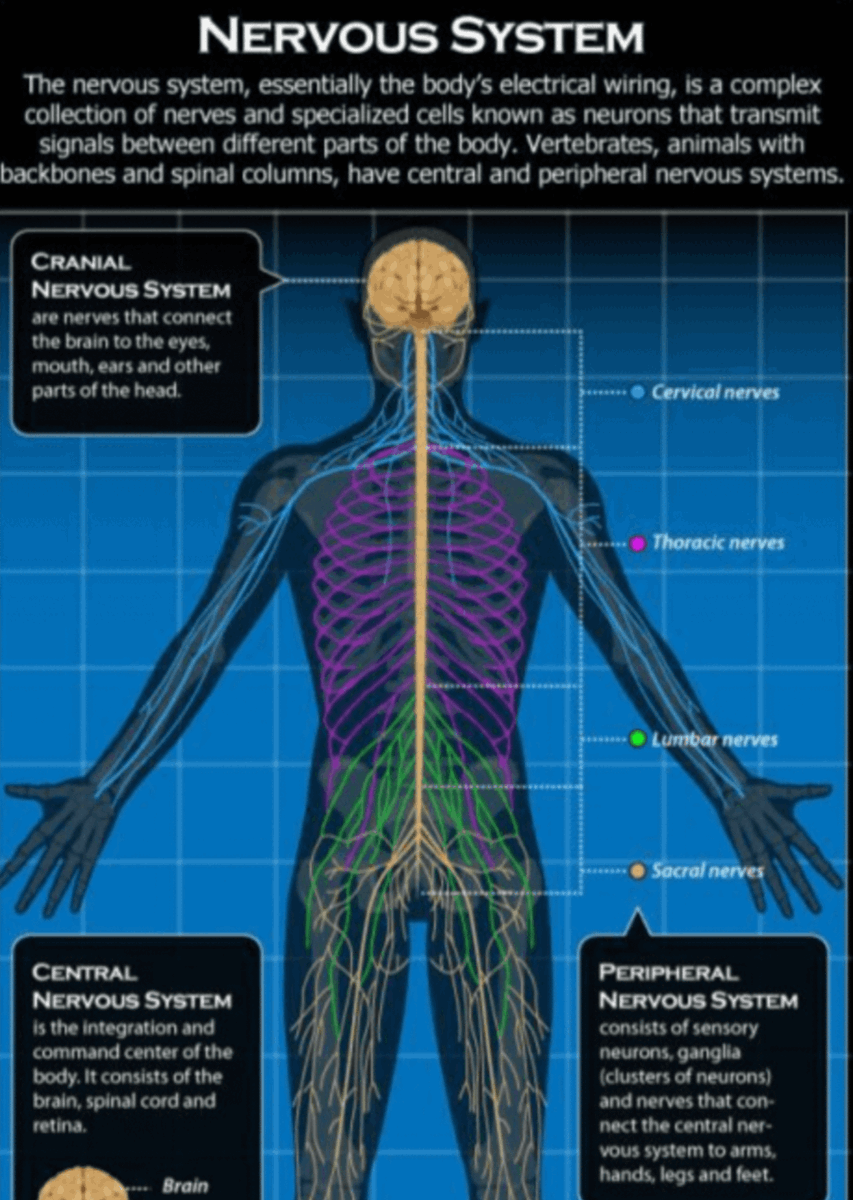
It’s not your nature. It’s your nervous system stuck in fawn mode.
It’s survival.
If you learned that love was earned by being useful, agreeable, invisible—
You became an expert at abandoning yourself.
It’s not your nature. It’s your nervous system stuck in fawn mode.
Perfectionism isn’t high standards.
It’s shame, dressed up as ambition.
When mistakes brought punishment or withdrawal, your body learned:
-To brace.
-To overachieve.
-To never let your guard down.
That’s not drive. That’s a trauma reflex.
It’s shame, dressed up as ambition.
When mistakes brought punishment or withdrawal, your body learned:
-To brace.
-To overachieve.
-To never let your guard down.
That’s not drive. That’s a trauma reflex.
Chronic overthinking looks like intelligence.
But often, it’s just hypervigilance.
You scan, plan, fix, control—because your system is wired for threat.
Your thoughts are doing the thing your body doesn’t feel safe doing:
Feeling.
But often, it’s just hypervigilance.
You scan, plan, fix, control—because your system is wired for threat.
Your thoughts are doing the thing your body doesn’t feel safe doing:
Feeling.
Mood swings, shutdowns, irritability?
They're not just “personality.”
They’re signs of a nervous system stretched beyond its tolerance.
When growing up, if:
-Chaos was the norm
-Calm seldom happened
-Emotions were absent and/or volatile
Peace will seem impossible.
They're not just “personality.”
They’re signs of a nervous system stretched beyond its tolerance.
When growing up, if:
-Chaos was the norm
-Calm seldom happened
-Emotions were absent and/or volatile
Peace will seem impossible.

“I can’t relax.”
No kidding.
Stillness felt like a trap.
So your body keeps moving, fixing, performing.
Because the moment you stop, the stored pain gets loud.
This isn’t laziness or brokenness.
It’s protection.
No kidding.
Stillness felt like a trap.
So your body keeps moving, fixing, performing.
Because the moment you stop, the stored pain gets loud.
This isn’t laziness or brokenness.
It’s protection.
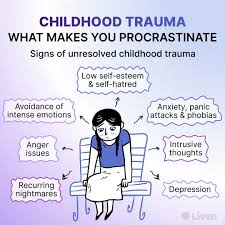
Here’s the truth:
You can’t think your way out of a trauma that lives in your fascia, breath, and gut.
The work is somatic.
-It’s slow
-Its body-based
-It's raw and deeply real.
It’s not about controlling emotions—it’s about learning to feel safely.
Dr Stephen Porges
You can’t think your way out of a trauma that lives in your fascia, breath, and gut.
The work is somatic.
-It’s slow
-Its body-based
-It's raw and deeply real.
It’s not about controlling emotions—it’s about learning to feel safely.
Dr Stephen Porges
That’s what I teach in my free 5-day course—Emotional Integrity 101
Not self-help fluff. Not mindset hacks.
Just real tools to help you stop working around your fear—
But truly feeling it.
And finally letting it go.
offers.drbobbeare.com/emotional-inte…
Not self-help fluff. Not mindset hacks.
Just real tools to help you stop working around your fear—
But truly feeling it.
And finally letting it go.
offers.drbobbeare.com/emotional-inte…
👉Thanks for reading.
👉If you enjoyed this, please follow me and repost the first post (below).
👉Reply with your thoughts on body-focused healing.
👉If you enjoyed this, please follow me and repost the first post (below).
👉Reply with your thoughts on body-focused healing.
https://x.com/drbobbeare/status/1949107558733509063
• • •
Missing some Tweet in this thread? You can try to
force a refresh