Something Unprecedented happened:
Yes I am talking about Vice President of India resigning in mid of a term.
Justice Varma impeachment motion wasn't the only reason.
Fault lines started to appear from 2022 only.
Read here:
Yes I am talking about Vice President of India resigning in mid of a term.
Justice Varma impeachment motion wasn't the only reason.
Fault lines started to appear from 2022 only.
Read here:

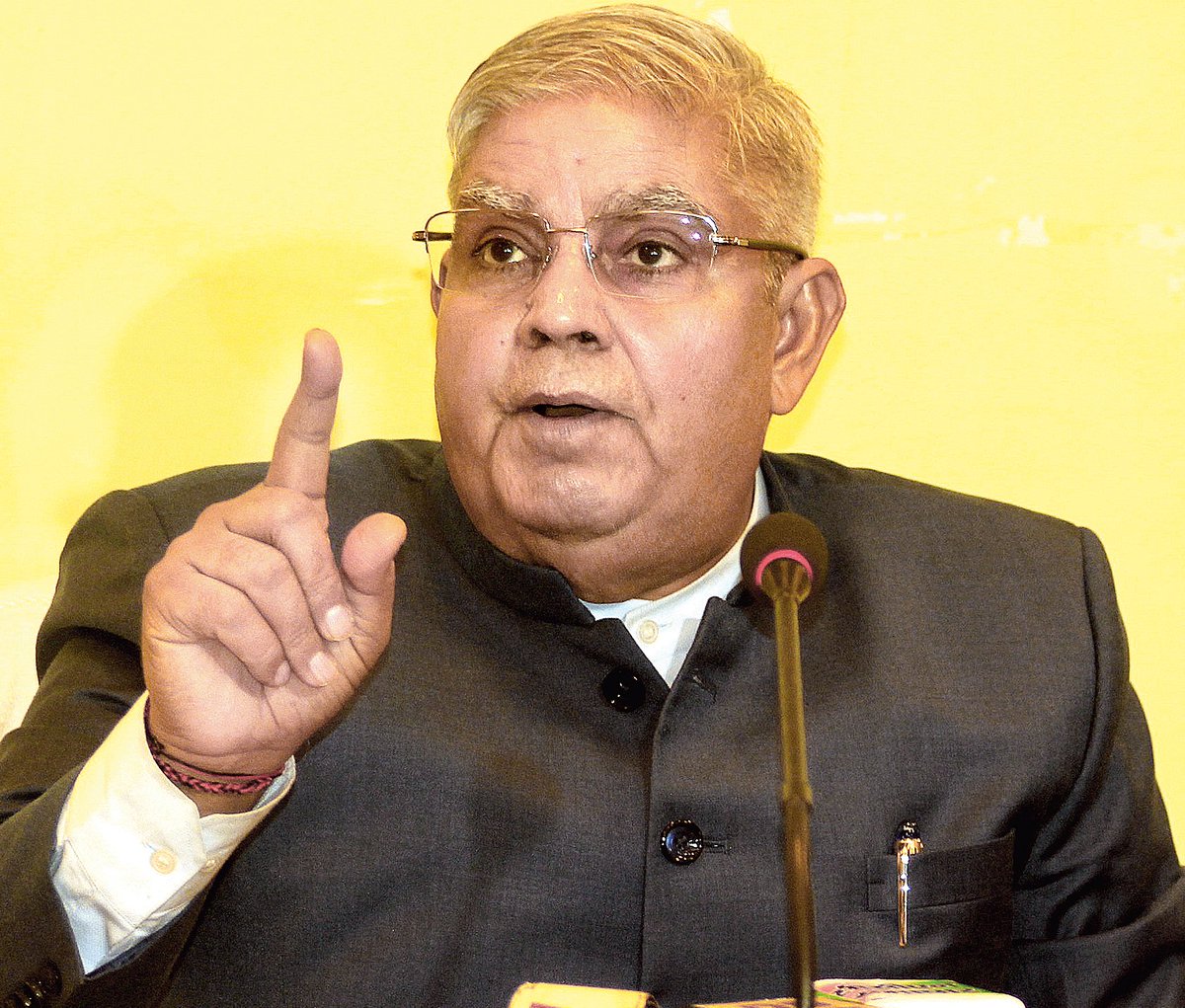
VP Post is more of a ceremonial constitutional post with responsibility to run the upper house.
Ruling party chose a candidate whom they find loyal to party lines, someone who can be respected beyond party lines, and have limited political ambition by the time they are supposed to be the VP.
Mr. Dhankhar more or less was deemed fit to replace outgoing VP V. Naidu.
But there was something...
Ruling party chose a candidate whom they find loyal to party lines, someone who can be respected beyond party lines, and have limited political ambition by the time they are supposed to be the VP.
Mr. Dhankhar more or less was deemed fit to replace outgoing VP V. Naidu.
But there was something...
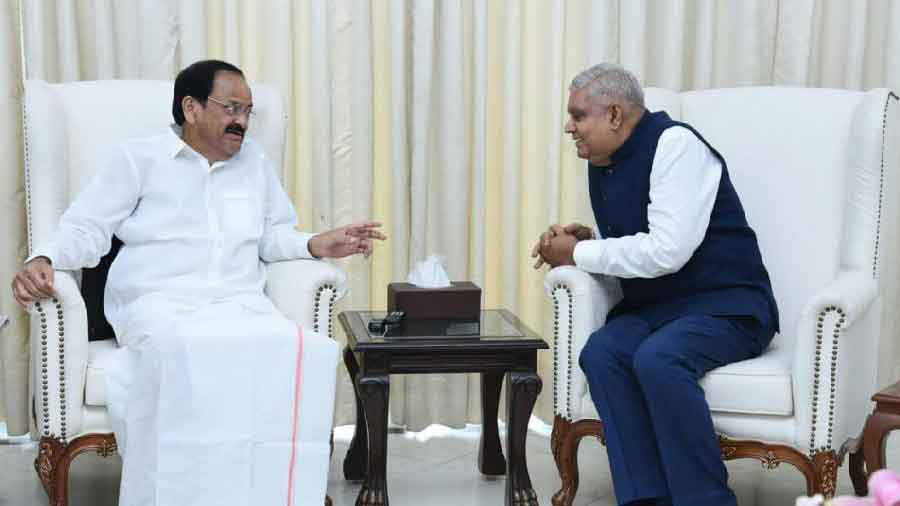
... not anticipated by BJP leadership and NDA at large.
Jagdeep Dhankhar was elected Vice President with NDA support, expected to be the discreet and disciplined Rajya Sabha Chair akin to Venkaiah Naidu.
But within weeks, he diverged, publicly criticizing the Supreme Court NJAC verdict as a threat to legislative supremacy—an unusually political statement from someone whose role is expected to be neutral.
BJP insiders later admitted unease; his vocal stance on judiciary-legislature balance wasn’t in the script the party anticipated. From the outset, Dhankhar set a different tone—assertive, public-facing—beyond ceremonial expectation.
Those who’ve followed Dhankhar’s journey...
Jagdeep Dhankhar was elected Vice President with NDA support, expected to be the discreet and disciplined Rajya Sabha Chair akin to Venkaiah Naidu.
But within weeks, he diverged, publicly criticizing the Supreme Court NJAC verdict as a threat to legislative supremacy—an unusually political statement from someone whose role is expected to be neutral.
BJP insiders later admitted unease; his vocal stance on judiciary-legislature balance wasn’t in the script the party anticipated. From the outset, Dhankhar set a different tone—assertive, public-facing—beyond ceremonial expectation.
Those who’ve followed Dhankhar’s journey...
....closely say the shift began in late 2024.
In a historic first, the INDIA bloc moved a no-confidence motion against him in the Rajya Sabha, accusing him of being overtly partisan. While the motion didn’t pass, it seemed to have left a mark. After that, Dhankhar appeared to recalibrate his stance—striking a more independent tone, perhaps to rebuild some trust with the Opposition.
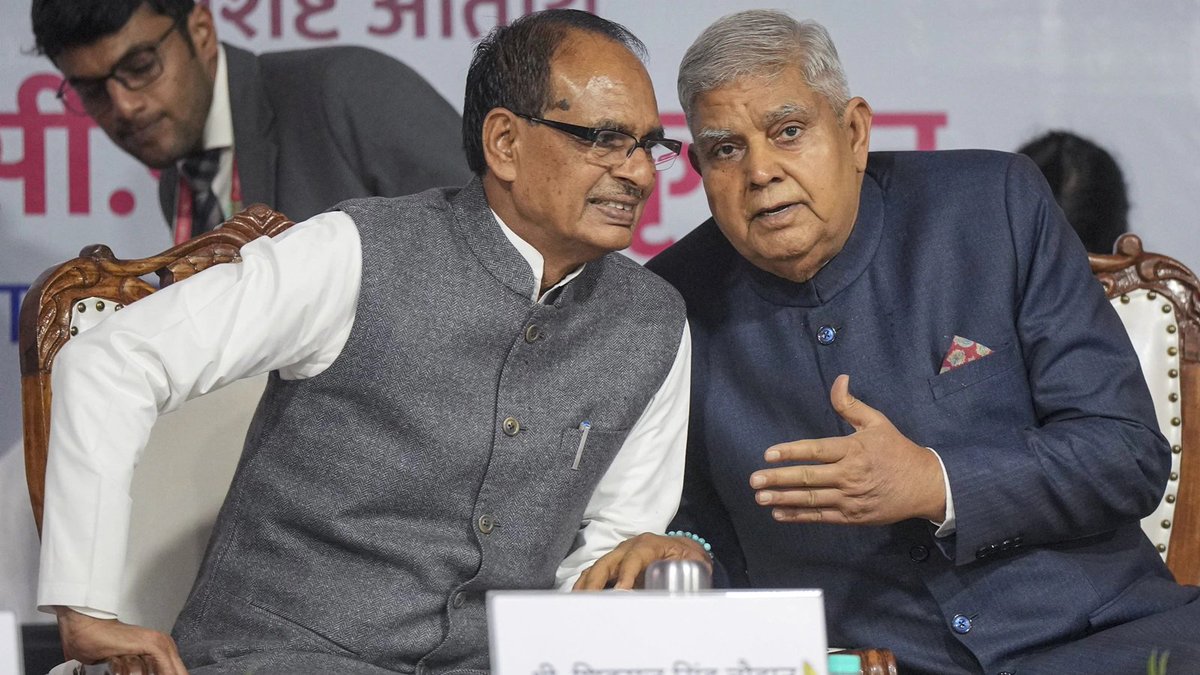
At a public event on December, Dhankhar asked Agriculture Minister Shivraj Singh Chouhan: “What promises were made to farmers, and why were they unfulfilled?”
This surprised BJP leaders—reopening painful narratives around farm protests. While not crossing legal lines, his comment directly challenged a Minister on the government's earlier stand.
Opposition immediately amplified it; Congress called it a “booster dose” for the agitation narrative. Within BJP circles, it was viewed as stepping outside institutional neutrality.
In a historic first, the INDIA bloc moved a no-confidence motion against him in the Rajya Sabha, accusing him of being overtly partisan. While the motion didn’t pass, it seemed to have left a mark. After that, Dhankhar appeared to recalibrate his stance—striking a more independent tone, perhaps to rebuild some trust with the Opposition.
At a public event on December, Dhankhar asked Agriculture Minister Shivraj Singh Chouhan: “What promises were made to farmers, and why were they unfulfilled?”
This surprised BJP leaders—reopening painful narratives around farm protests. While not crossing legal lines, his comment directly challenged a Minister on the government's earlier stand.
Opposition immediately amplified it; Congress called it a “booster dose” for the agitation narrative. Within BJP circles, it was viewed as stepping outside institutional neutrality.
Unofficial Meetings with Opposition Stirr Suspicion
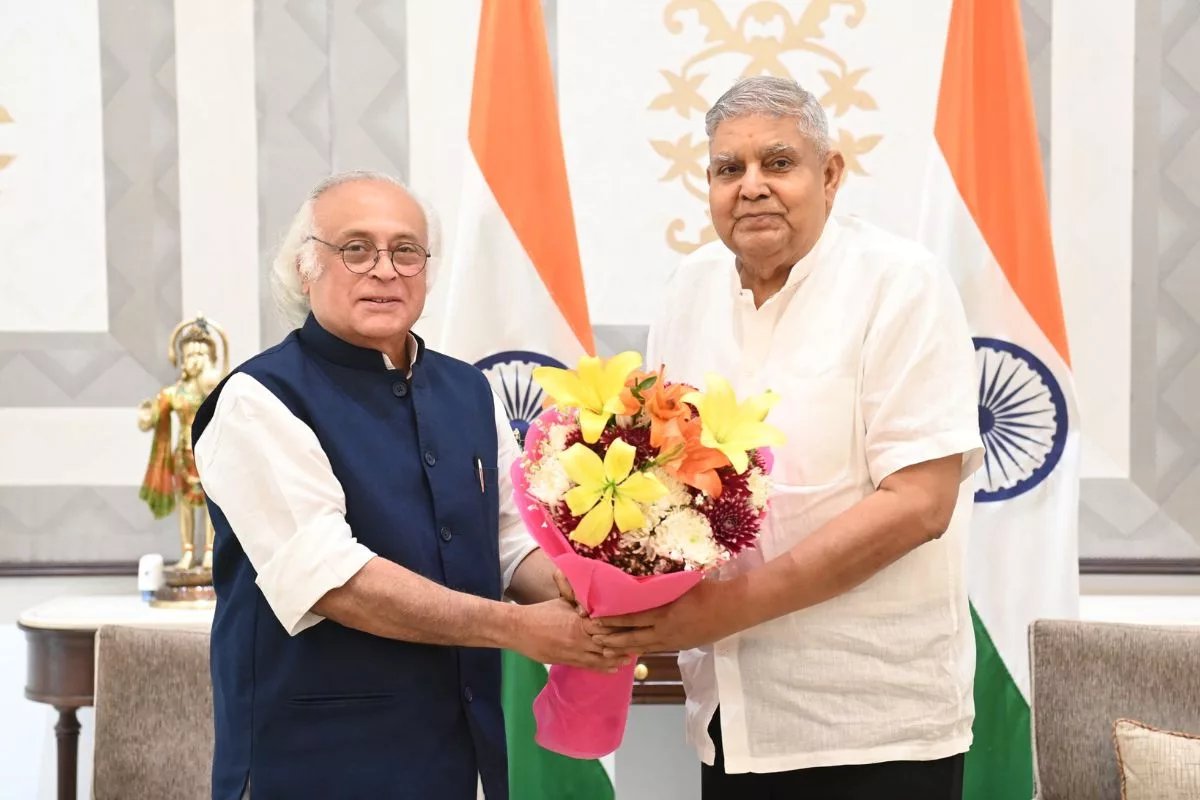
From January to June, Dhankhar reportedly held private meetings with Opposition figures—Mallikarjun Kharge, Jairam Ramesh, and Arvind Kejriwal (then out on bail, no official post).
These were framed as institutional dialogues, but BJP insiders were alarmed. They perceived these exchanges as Dhankhar aligning with Opposition beyond his constitutional role.
It widened the ideological trust gap. Reports said he spoke critically about “democratic erosion” in those meetings—fueling narratives BJP did not control.
From January to June, Dhankhar reportedly held private meetings with Opposition figures—Mallikarjun Kharge, Jairam Ramesh, and Arvind Kejriwal (then out on bail, no official post).
These were framed as institutional dialogues, but BJP insiders were alarmed. They perceived these exchanges as Dhankhar aligning with Opposition beyond his constitutional role.
It widened the ideological trust gap. Reports said he spoke critically about “democratic erosion” in those meetings—fueling narratives BJP did not control.
July 20, 2025 – Late-Night Meeting with Kejriwal Creates Outrage:
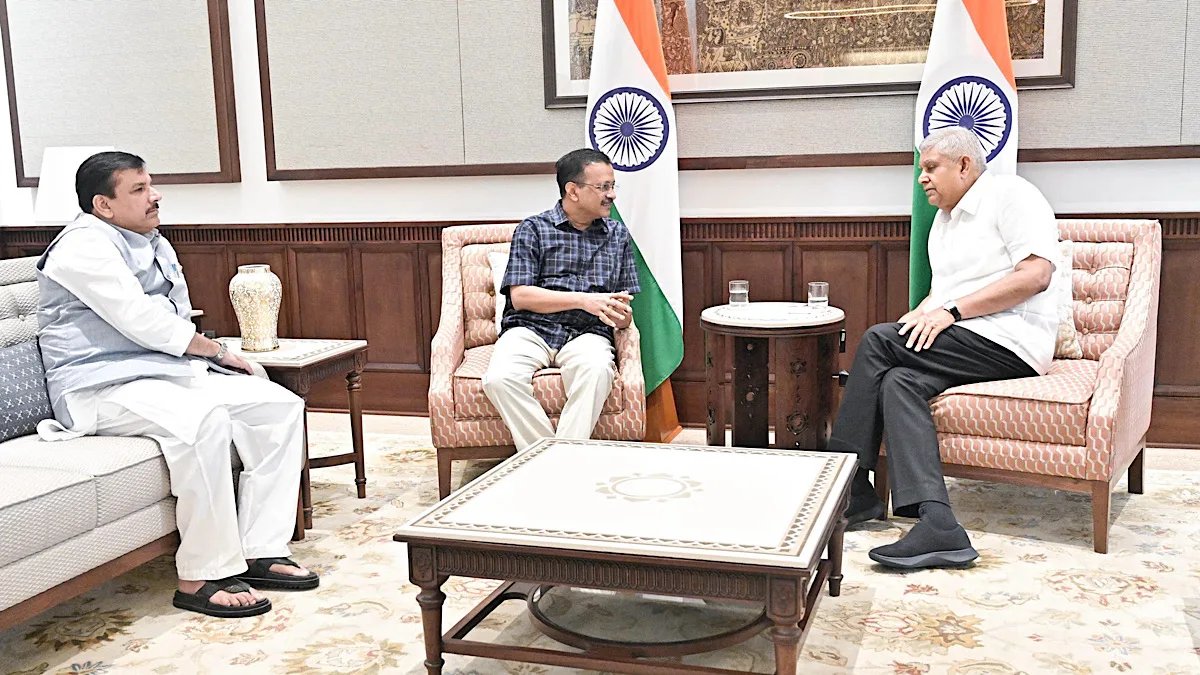
On July 20, Arvind Kejriwal visited Dhankhar at the VP residence in Delhi under the pretext of checking on his health. No official briefing, no government presence. For the BJP, that move was intolerable—it gave legitimacy to a vocal critic and legal opponent of their party.
It shattered convention. BJP leaders later argued it contradicted the narrative of neutrality from a constitutional officeholder. Dhankhar was viewed as giving political space to one of the strongest adversaries of the government.
On July 20, Arvind Kejriwal visited Dhankhar at the VP residence in Delhi under the pretext of checking on his health. No official briefing, no government presence. For the BJP, that move was intolerable—it gave legitimacy to a vocal critic and legal opponent of their party.
It shattered convention. BJP leaders later argued it contradicted the narrative of neutrality from a constitutional officeholder. Dhankhar was viewed as giving political space to one of the strongest adversaries of the government.
July 21 Morning – Parliamentary Bias and Procedural Favoritism:
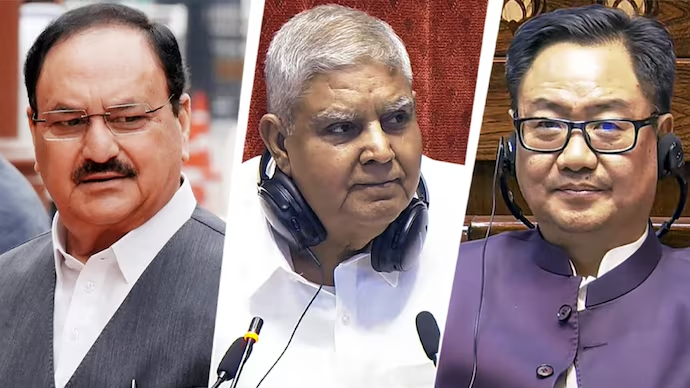
In the Monsoon Session, Dhankhar allowed Mallikarjun Kharge uninterrupted extended speech on Operation Sindoor and the Pahalgam terror attack.
When BJP President JP Nadda rose to counter, Dhankhar cut him off citing procedural timing. BJP MPs called it a procedural tilt in favor of Opposition.
Journalists flagged the imbalance immediately—behavior unbecoming for someone expected to uphold parity, especially on national security debates, deeply unsettling to BJP leadership.
In the Monsoon Session, Dhankhar allowed Mallikarjun Kharge uninterrupted extended speech on Operation Sindoor and the Pahalgam terror attack.
When BJP President JP Nadda rose to counter, Dhankhar cut him off citing procedural timing. BJP MPs called it a procedural tilt in favor of Opposition.
Journalists flagged the imbalance immediately—behavior unbecoming for someone expected to uphold parity, especially on national security debates, deeply unsettling to BJP leadership.
July 21 Afternoon – Impeachment Motion Catches Government Off Guard
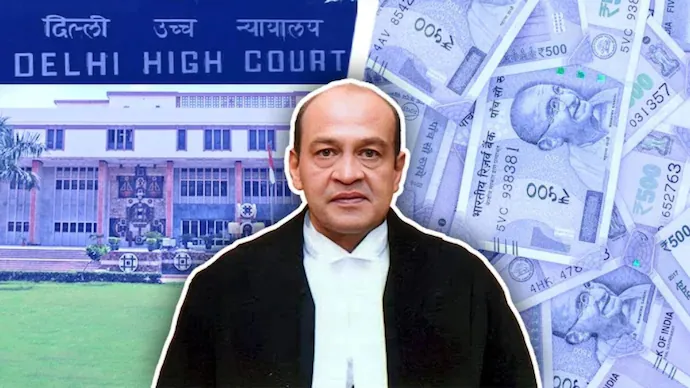
Later the same day, Dhankhar accepted an opposition-only motion to impeach Justice Yashwant Varma.
Although the government was preparing its own motion via Lok Sabha, Dhankhar didn’t consult officials and did not await BJP signatures.
That move disrupted their strategy, "hijacked" their narrative, and publicly embarrassed the Cabinet.
Insiders later revealed a rushed damage-control strategy, mobilising NDA MPs to counter-sign a separate motion. This unilateral step was considered the breaking point.
Later the same day, Dhankhar accepted an opposition-only motion to impeach Justice Yashwant Varma.
Although the government was preparing its own motion via Lok Sabha, Dhankhar didn’t consult officials and did not await BJP signatures.
That move disrupted their strategy, "hijacked" their narrative, and publicly embarrassed the Cabinet.
Insiders later revealed a rushed damage-control strategy, mobilising NDA MPs to counter-sign a separate motion. This unilateral step was considered the breaking point.
In mid of all this, there was another issue:
Competition with Om Birla and Protocol Egos:
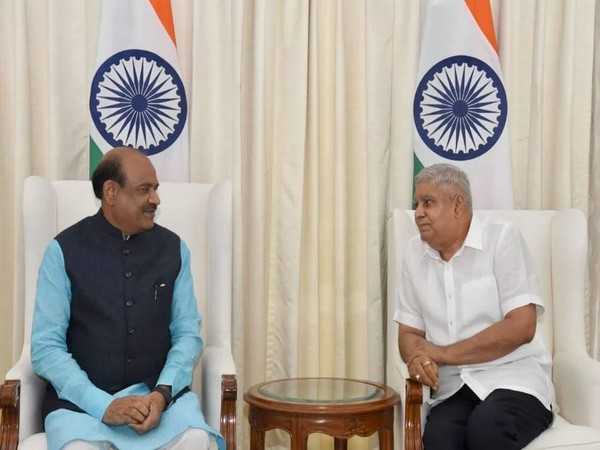
The Economic Times notes that Dhankhar often attempted to assert his rank over Speaker Om Birla, insisting on higher visibility and airtime (e.g., more presence on Sansad TV).
Since both leaders hail from Rajasthan, the friction spilled into shared turf. The ET says this power contest between the presiding officers reflected deeper governance friction and contributed to the breakdown in coordination.
Competition with Om Birla and Protocol Egos:
The Economic Times notes that Dhankhar often attempted to assert his rank over Speaker Om Birla, insisting on higher visibility and airtime (e.g., more presence on Sansad TV).
Since both leaders hail from Rajasthan, the friction spilled into shared turf. The ET says this power contest between the presiding officers reflected deeper governance friction and contributed to the breakdown in coordination.
Dhankhar’s resignation wasn’t triggered by a single event but was preceded by months of institutional friction.
His repeated criticism of the judiciary and attempts to override the government’s procedural plans—in tandem with strained ties with Om Birla—set the stage.
When he accepted the Varma motion without informing the government, that became the breaking point.
His repeated criticism of the judiciary and attempts to override the government’s procedural plans—in tandem with strained ties with Om Birla—set the stage.
When he accepted the Varma motion without informing the government, that became the breaking point.
• • •
Missing some Tweet in this thread? You can try to
force a refresh