TheBlackWolf Profile picture
Jul 26, 2025 13 tweets 5 min read Read on X
The fate of the Peloponnesian War was not decided by battles.

Athens was unstoppable: economic and military might, naval supremacy and cultural wealth were some of its strengths fueling imperial dreams.

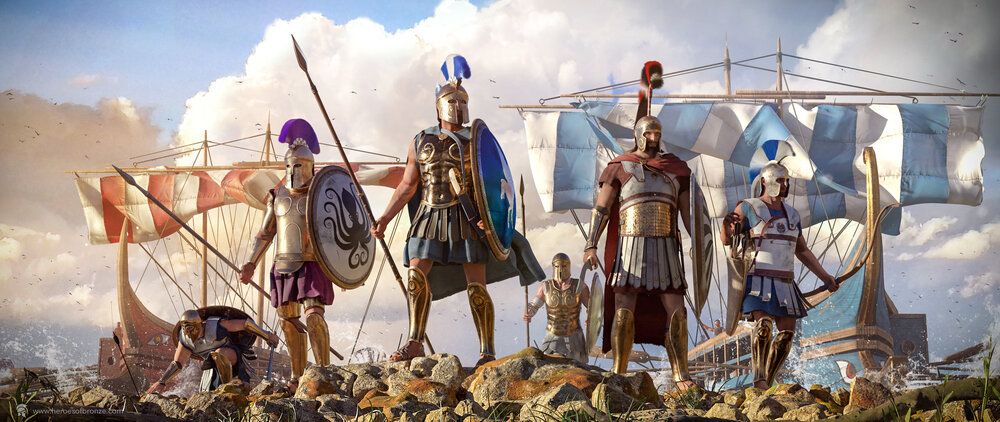
They would conquer the world; but they got hit by an African plague..🧵⤵️ Athens burning by Heroes of Bronze art collection (check it out)
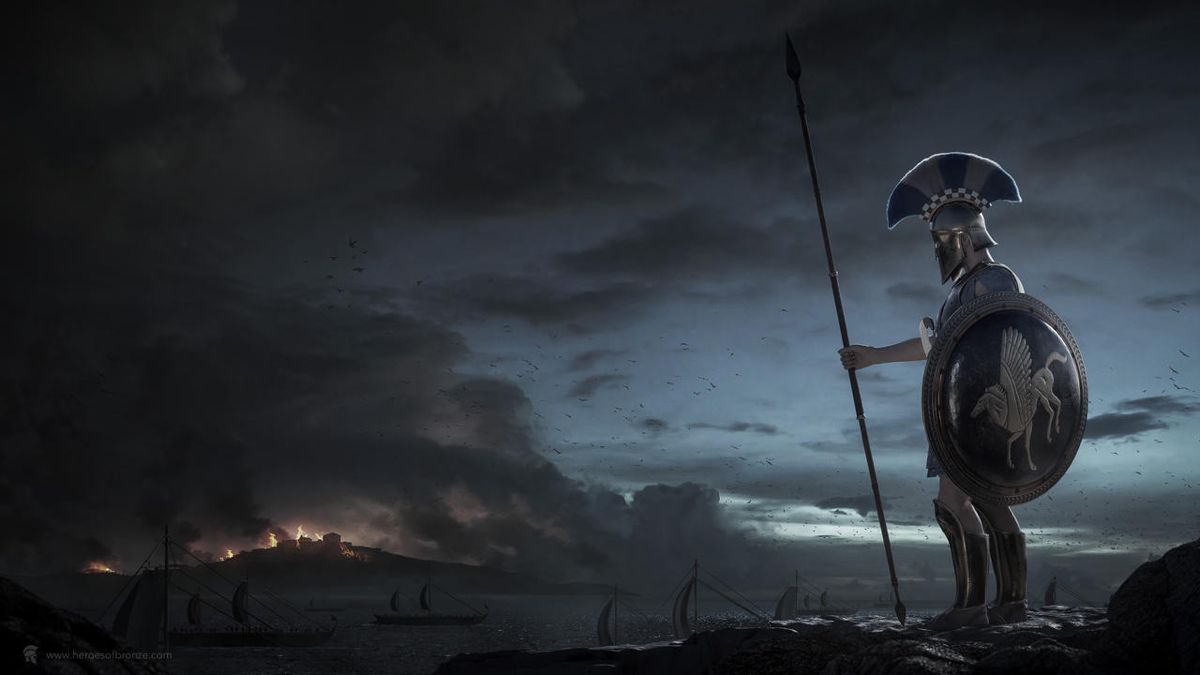
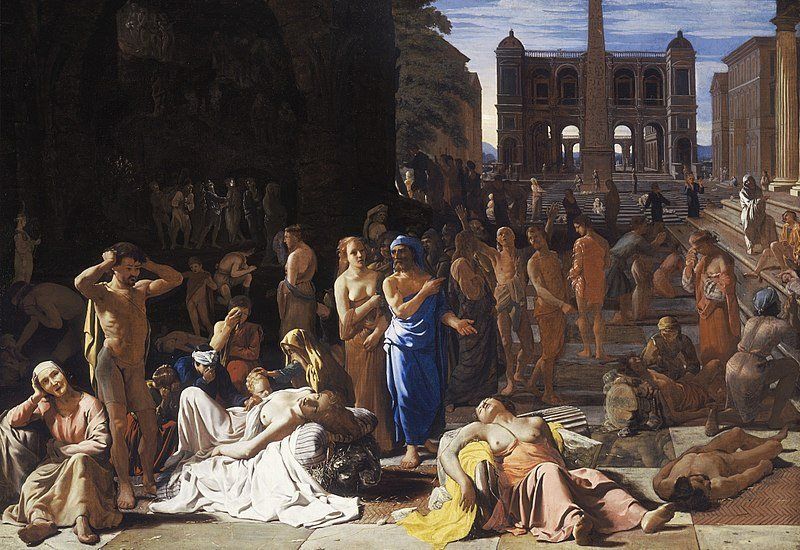
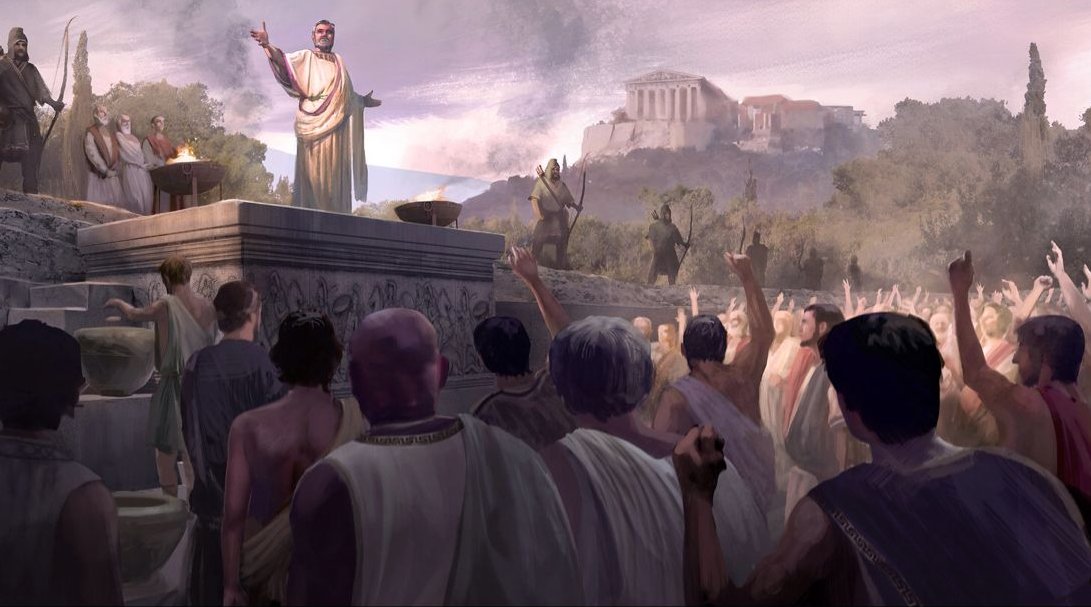
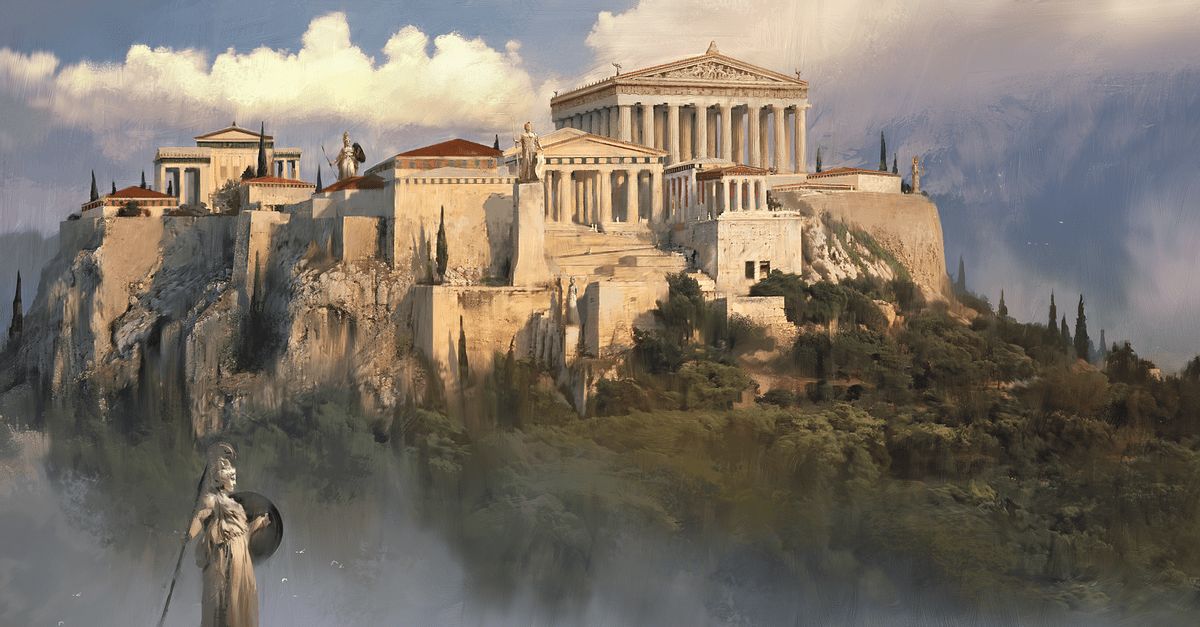
The plague hit Athens in 430 BC, during the second year of the war between Athens and Sparta. Athens, under Pericles’ leadership, adopted a defensive strategy, withdrawing its population behind the city’s Long Walls, leading to overcrowding and poor sanitation. Image
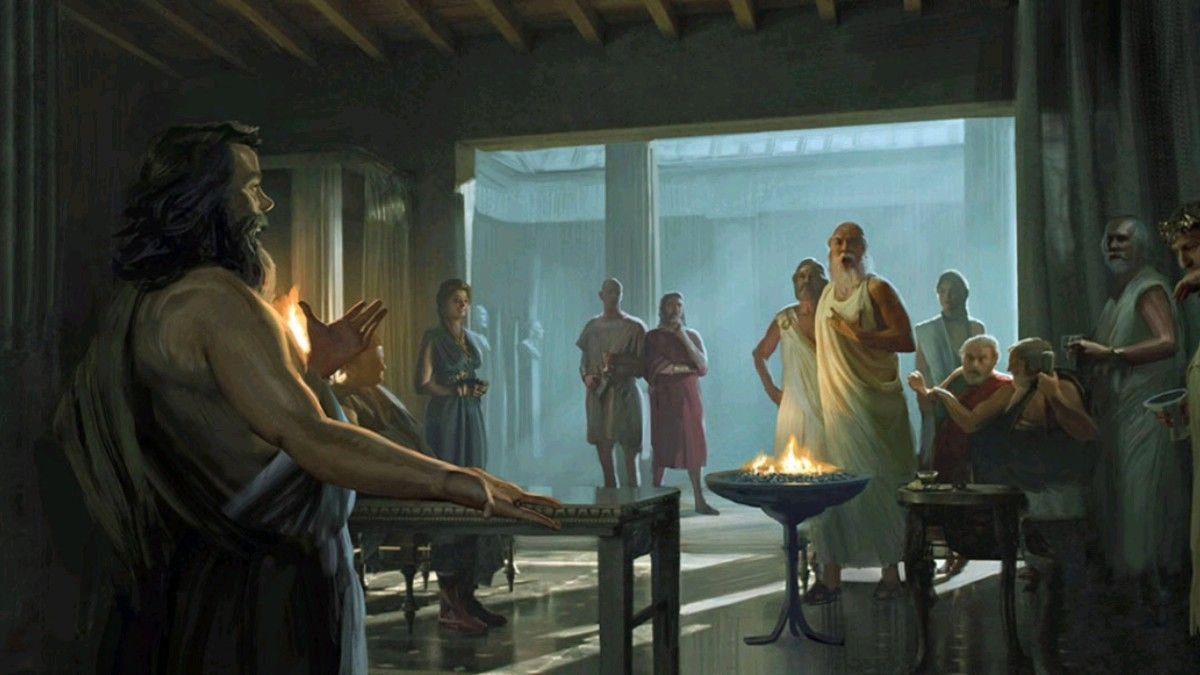
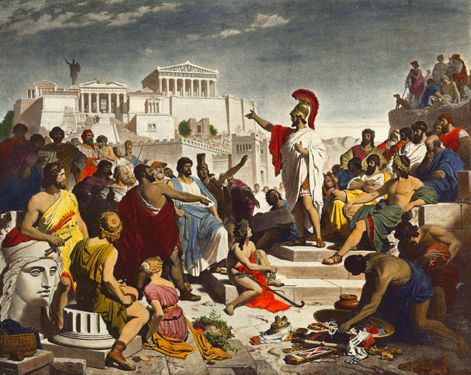
As the Peloponnesian War began, Athens adopted a defensive strategy under its revered leader, Pericles. Retreating behind the city’s Long Walls, Athenians abandoned their rural lands to Spartan raids, relying on their navy and fortified port to outlast their enemy. Image
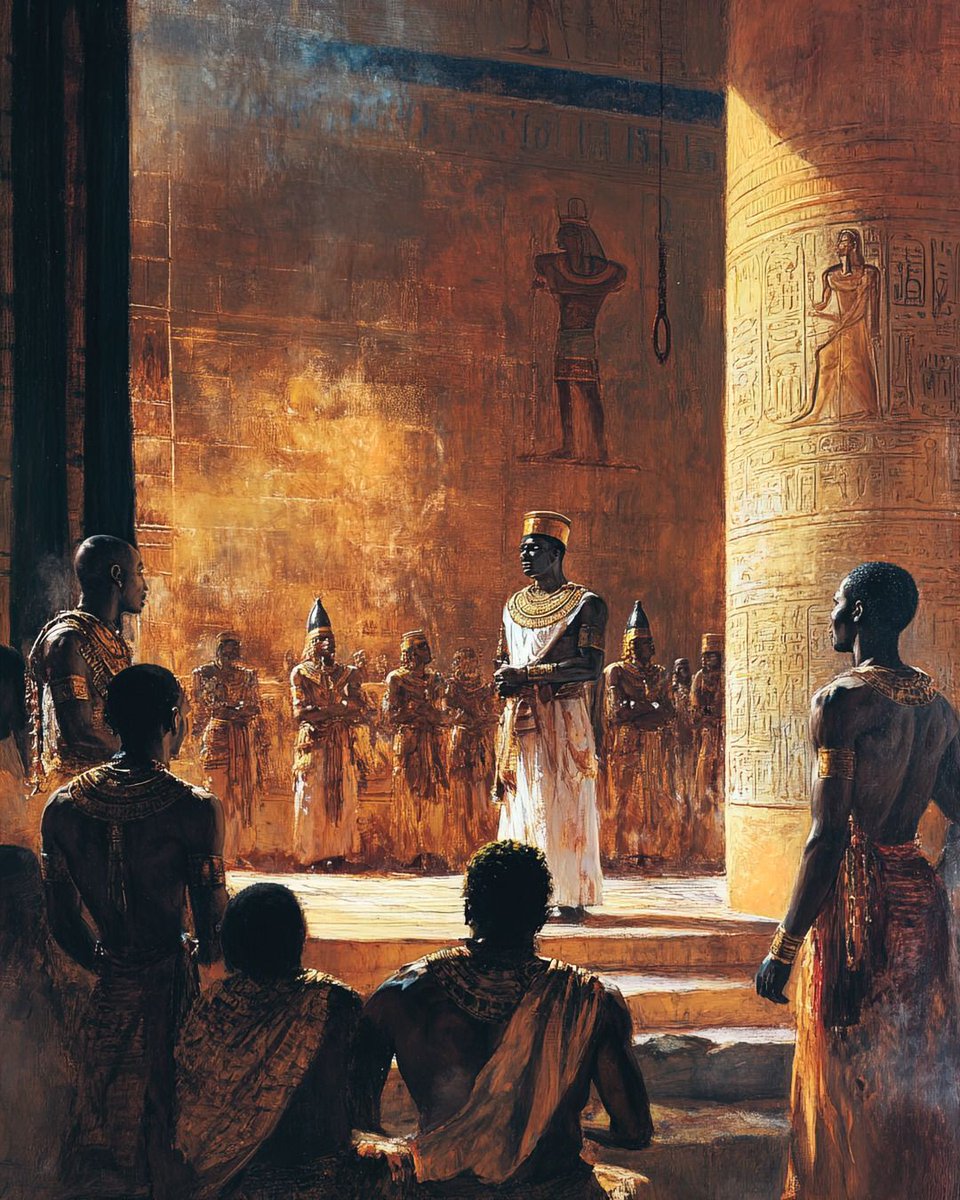
He says that the epidemic started from the lands below the Nile, in what the Greeks called Ethiopia (deep Africa); he says that it spread in Egypt and Cyrene (Libya) before hitting the Persian Empire. Image
Into this chaos came the plague, likely introduced through Athens’ bustling port of Piraeus. Thucydides, a survivor (and our primary source), described its horrors:

“People in good health were all of a sudden attacked by violent heats in the head, and redness and inflammation in the eyes, the inward parts, such as the throat or tongue, becoming bloody and emitting an unnatural and fetid breath.”Image
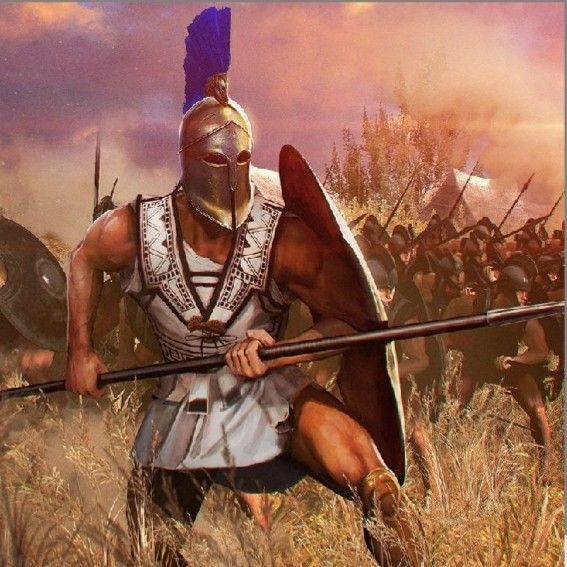
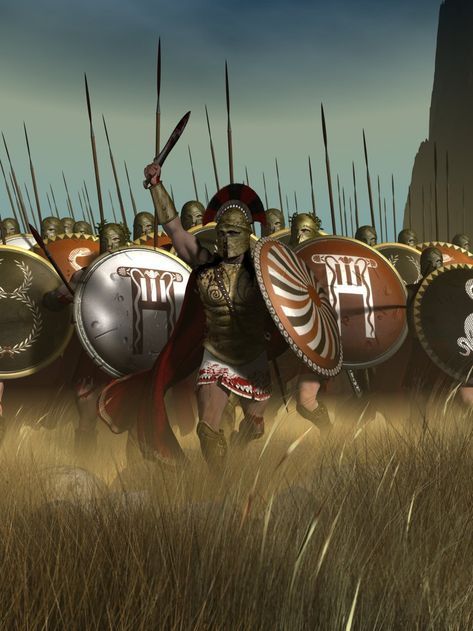
Victims suffered fever, vomiting, and pustules, with many dying within days. Estimates suggest one-third to two-thirds of Athens’ population perished, including up to 4,400 hoplites and 300 cavalry in the first wave alone. Image
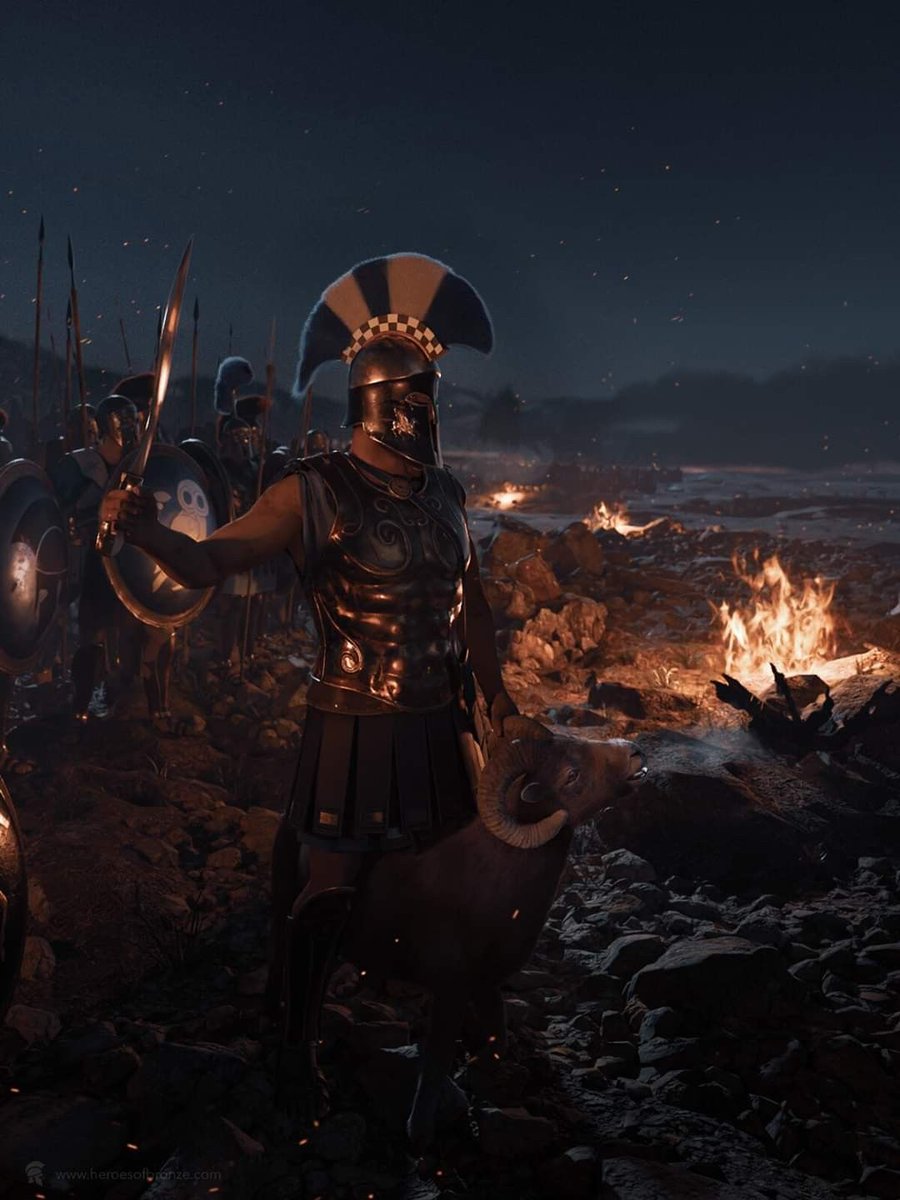
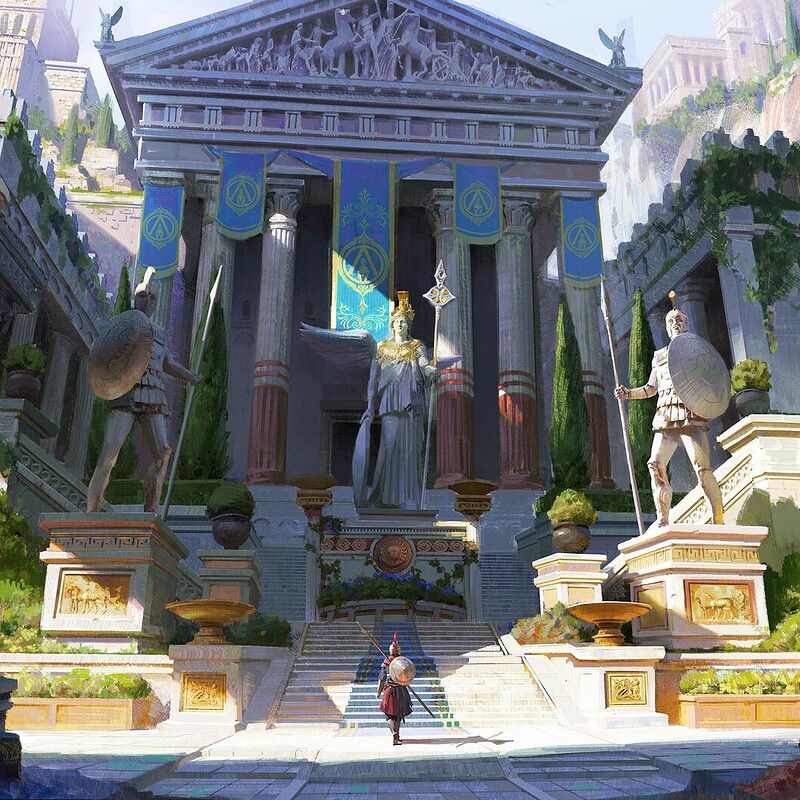
The plague struck at Athens’ military core, crippling its ability to wage war. The city’s strength lay in its navy, which dominated the Aegean and secured the tribute funding its empire. But the epidemic decimated sailors and soldiers, leaving ships undercrewed and garrisons depleted.

Campaigns like the siege of Potidaea dragged on, strained by troop shortages. Thucydides notes that the plague “cut off the flower of their youth,” weakening Athens’ capacity for offensive operations.Image
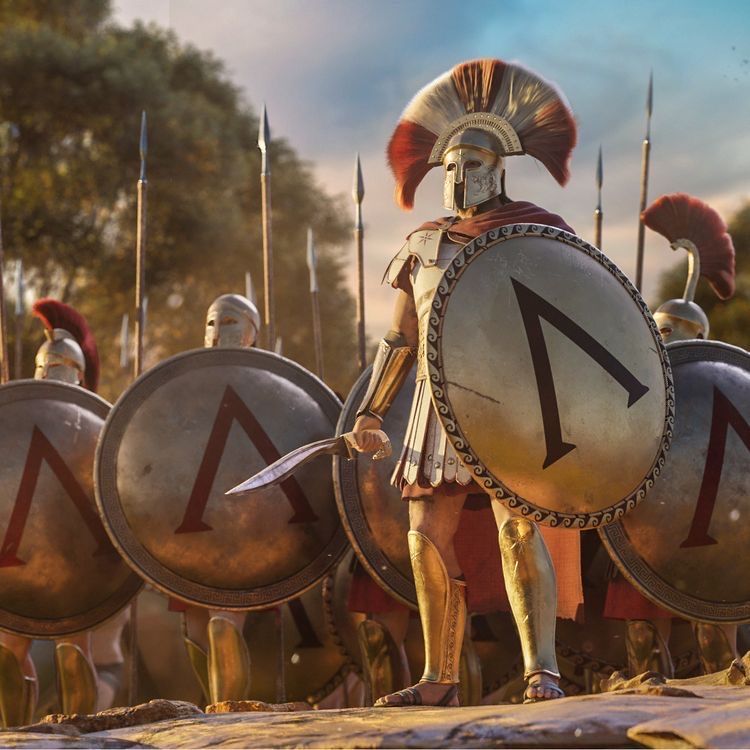
Meanwhile, Sparta, with its dispersed rural population, largely escaped the disease. Though fear of infection kept Spartan armies from exploiting Athens’ vulnerability directly, their relentless raids on Attica compounded the city’s woes, as survivors faced starvation and displacement.

The plague forced Athens to lean heavily on allies and mercenaries, straining its finances and alliances.Image
The plague’s most enduring impact was the death of Pericles in 429 BC, a loss that destabilized Athens’ leadership. Pericles had championed a cautious strategy, avoiding risky land battles and leveraging Athens’ naval supremacy.

His death, as Thucydides laments, left the city in the hands of “less capable” leaders like Cleon and Alcibiades, whose ambition often outstripped prudence.Image
Beyond the battlefield, the plague unraveled Athens’ social fabric. Thucydides paints a grim picture of a city where “men now did just what they pleased.”

With death seemingly inevitable, citizens abandoned burial rites, neglected laws, and indulged in hedonism. Temples overflowed with corpses, and families left loved ones unburied.Image
This breakdown eroded the civic unity essential for wartime resilience. The psychological toll was profound: survivors, witnessing divine indifference and societal collapse, lost faith in Athens’ imperial destiny. This despair weakened public support for the war, as citizens questioned the cost of their city’s ambitions.Image
Economically, the plague strained Athens’ maritime empire. The loss of manpower disrupted trade and tribute collection, while the costs of maintaining defenses and funding campaigns drained the treasury. Agricultural production in Attica plummeted as rural refugees remained trapped in the city.Image
Athens could have built a first Hellenic Empire, before Macedonians. The Plague stands as a stark reminder that even the greatest powers can be humbled by forces beyond their control.

Its devastation not only claimed countless lives but also fractured Athens’ military might, political stability, and societal cohesion, tilting the Peloponnesian War’s balance toward Sparta.Image

• • •

Missing some Tweet in this thread? You can try to force a refresh

 

Keep Current with TheBlackWolf

TheBlackWolf Profile picture

Stay in touch and get notified when new unrolls are available from this author!

Read all threads

This Thread may be Removed Anytime!

PDF

Twitter may remove this content at anytime! Save it as PDF for later use!

Try unrolling a thread yourself!

how to unroll video
  1. Follow @ThreadReaderApp to mention us!

  2. From a Twitter thread mention us with a keyword "unroll"
@threadreaderapp unroll

Practice here first or read more on our help page!

More from @thewolvenhour

Dec 14, 2025
Around 1200 BC, the lights went out across the Bronze Age world. Advanced societies vanished. Cities burned. Writing stopped. Empires collapsed.

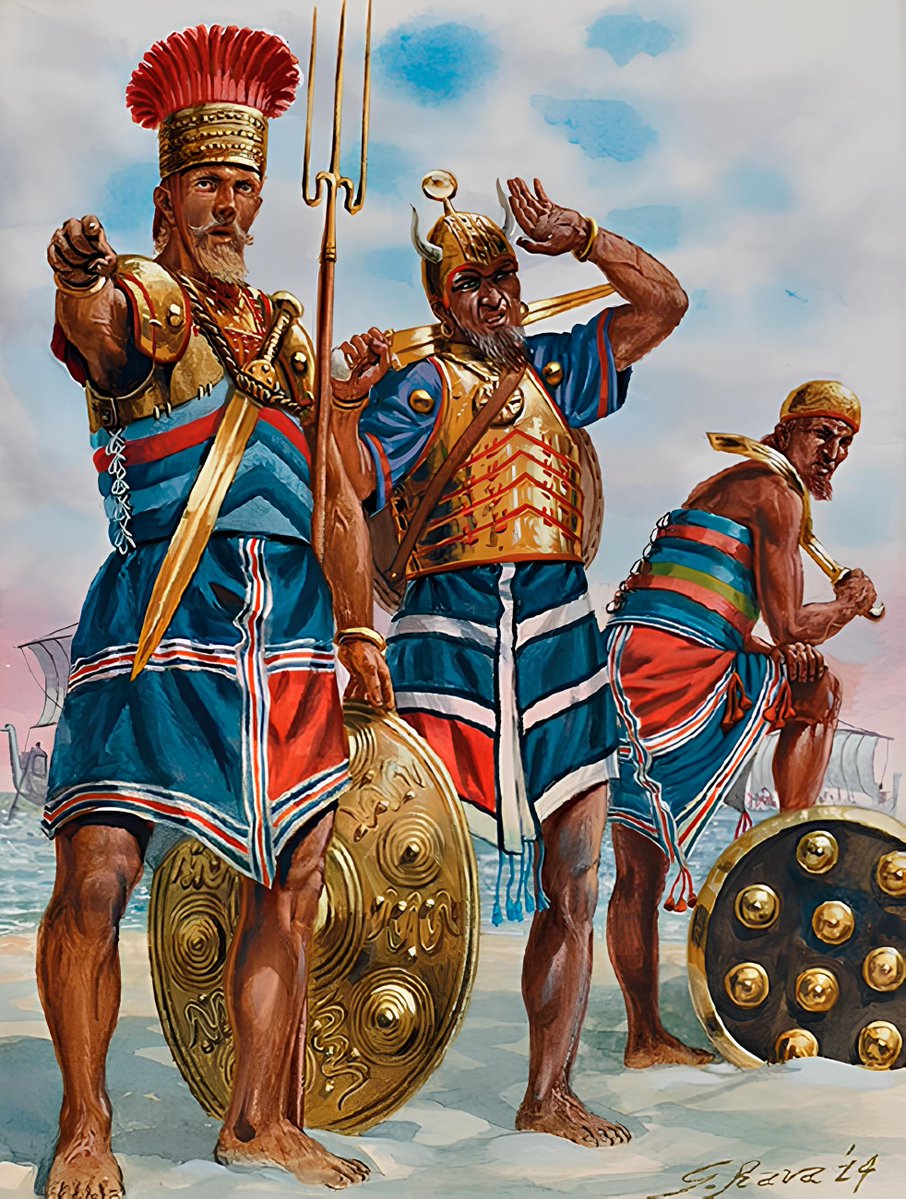
The sands of time covered much; but questions still linger: What happened? Who were the “Sea Peoples”? "Sea Peoples"
Across the eastern Mediterranean, cities that had anchored civilization for centuries are destroyed or abandoned within a few generations. Palaces burn. Trade routes fall silent. Writing disappears.

Powers that once exchanged diplomats, daughters, and threats across thousands of kilometers — Mycenaean Greece, Egypt, the Hittite Empire, the kingdoms of the Levant — do not decline gradually or transform into something new. They collapsed.Image
The cause has never been settled. Evidence points in many directions at once: prolonged drought, failing harvests, internal revolt, interrupted trade, and war.

None of these forces alone can explain the scale of the collapse. Together, they suggest something more disturbing — a system pushed beyond its capacity to absorb shock.Image
Read 19 tweets
Sep 13, 2025
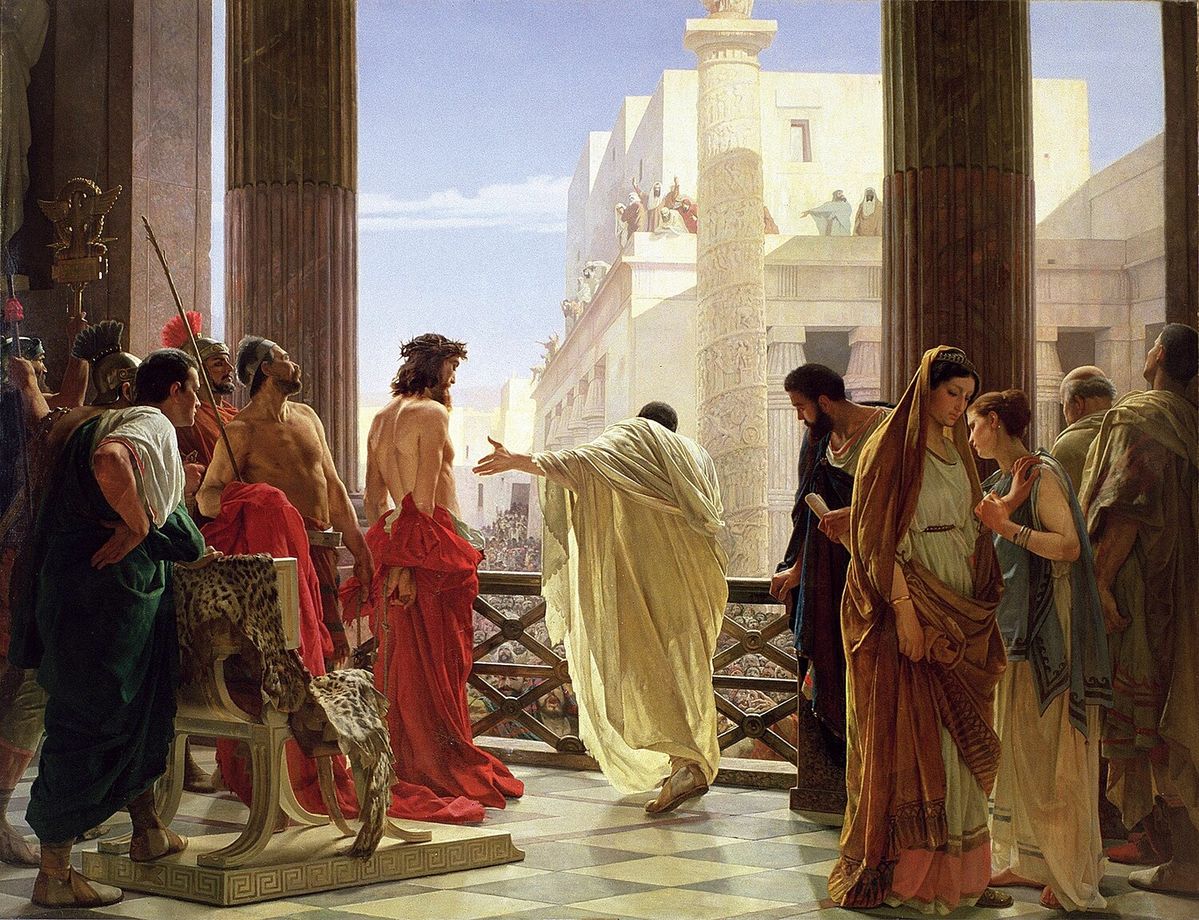
When the Greeks asked to meet Jesus Christ, He said:
"The hour has come for the Son of Man to be glorified."

Greek was not just a medium for Christianity’s spread, but its lifeblood; the New Testament and the Apostles spoke Greek in a Hellenic world that embraced them..🧵⤵️ Image
The Western world thinks that Christianity's language is Latin, due to the spread of Catholic Church.. but many do not know that its original language was - and still is - Greek. Image
The intertwined history of the Greek language and Christianity, particularly in its formative centuries, reveals a profound symbiosis.

Greek served not merely as a medium of communication but as a cultural and intellectual bridge that facilitated the spread, codification, and philosophical deepening of Christian doctrine.Image
Read 16 tweets
Sep 6, 2025
Mainstream theories told us humanity evolved and migrated out of Africa, regardless of many gaps and questions.

What if it told you that recent findings suggest an alternate, European lineage?

This is a story of origins, mystery and suppression of challenging views..🧵⤵️ Cave Paintings Art
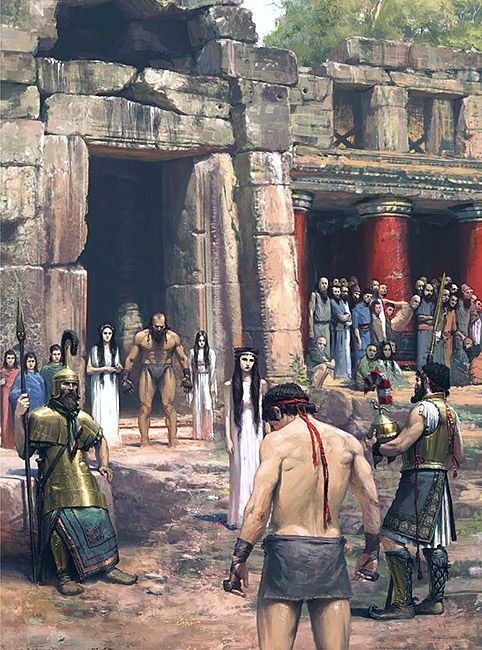
In the limestone caves of Greece, two remarkable finds offer a window into a chaotic, vibrant chapter of human evolution.

These fossils, unearthed from the rugged landscapes of Macedonia and Peloponnese, challenge the "tidy" narrative of our origins. Image
Discovered in 1960 in Petralona Cave, about 35 km southeast of Thessaloniki, the Petralona skull is a relic of a distant past, dated by recent studies to around 286,000–539,000 years ago. Image
Read 22 tweets
Aug 31, 2025
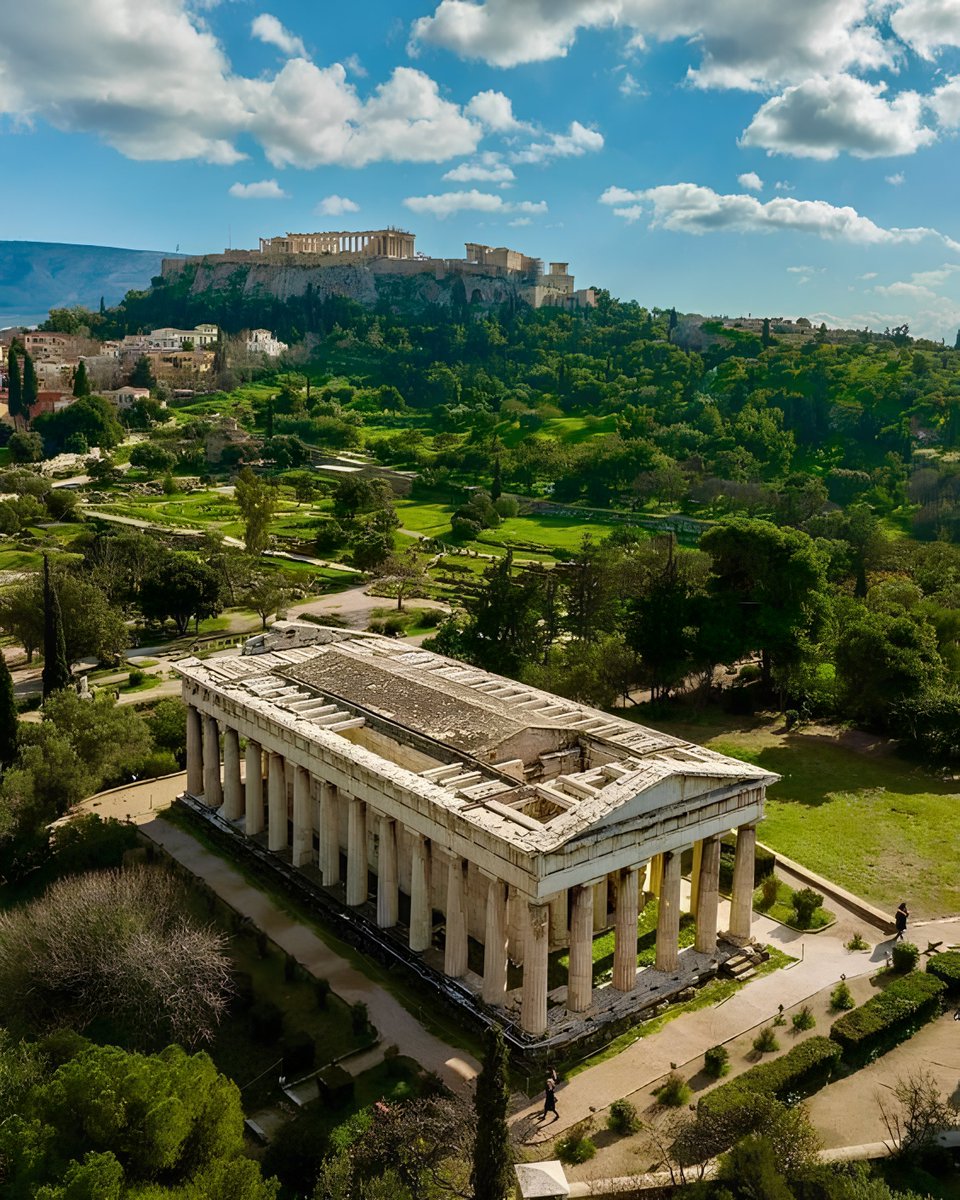
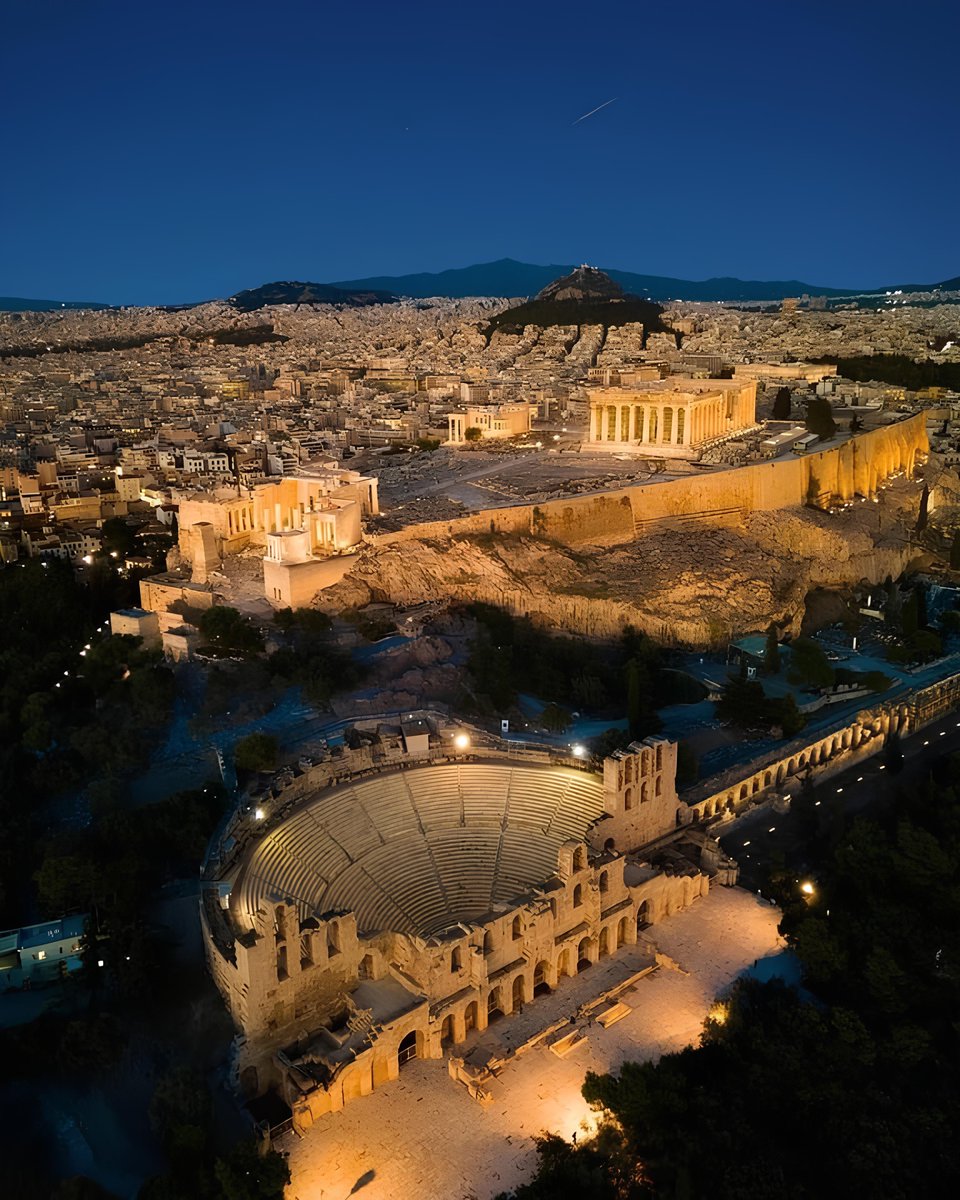
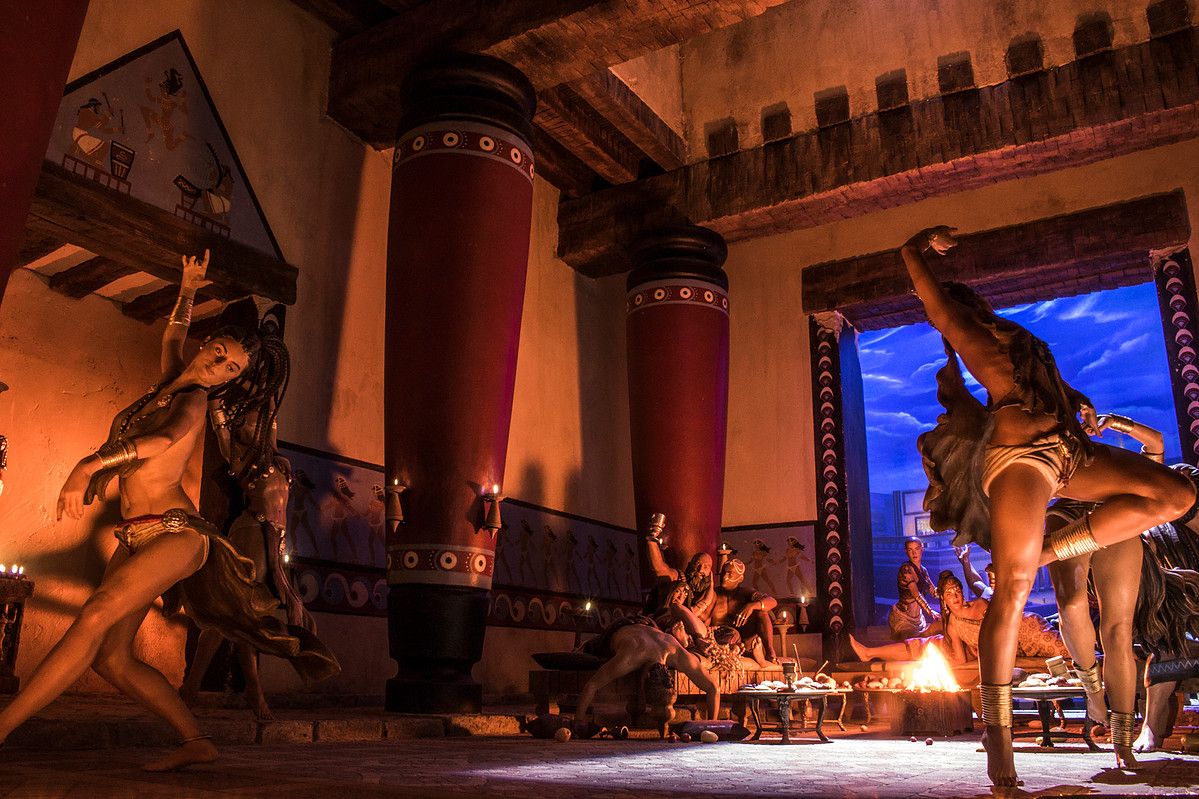
Athens is a time machine. You can walk the ancient paths where Socrates debated and history hums in every stone, column, and winding alley.

Here, the Classical world meets the rhythm of modern life—a place to explore corners where civilization was shaped; here's a few..🧵⤵️ Temple of Hephaestus
The Acropolis is a crown, Parthenon glowing at sunset above a sea of cement; in this tragic irony the beauty of this city lies.

If you ask Athenians about their city, their views will span from “nightmare” to “golden”, depending on the day and the time you ask them; and no one is an Athenian in Athens anyway (insider’s joke).

I will give you a few of the cool places in the center and maybe i'll dive deeper another time; i'll also avoid the super obvious ones.Image
Location and accommodation is key for immersing into this adventure.

Staying at Nostos Athens Luxury Residence, just steps from the Acropolis, means waking up inside this story—luxury and comfort framing your gateway to timeless Athens.

This is my dream project: a refined urban haven in the heart of Athens, where the ancient Greek concept of Nostos—the soul-stirring return home after a long journey—comes to life.

Check it out online for the rest of the Photos and amenities.Nostos Athens Luxury Residence - https://www.athensluxuryresidence.com/
Read 13 tweets
Aug 24, 2025
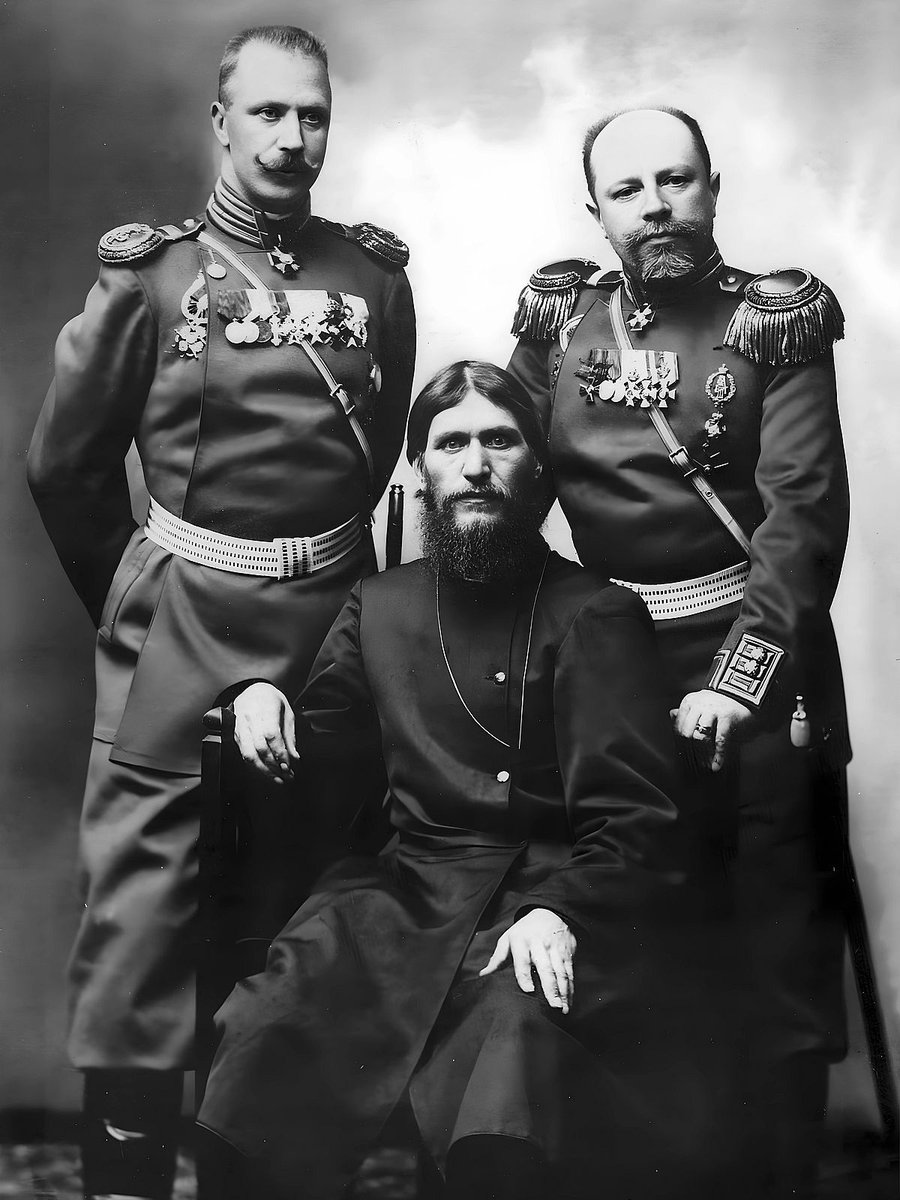
Can you say who’s in control here?

Rasputin was a controversy: a holy man steeped in debauchery, priest possessed by evil and a peasant in control of an empire.

Upon his death, Imperial Russia fel-as it was foretold; was he the reason of the fall or the one preventing it?🧵⤵️ Image
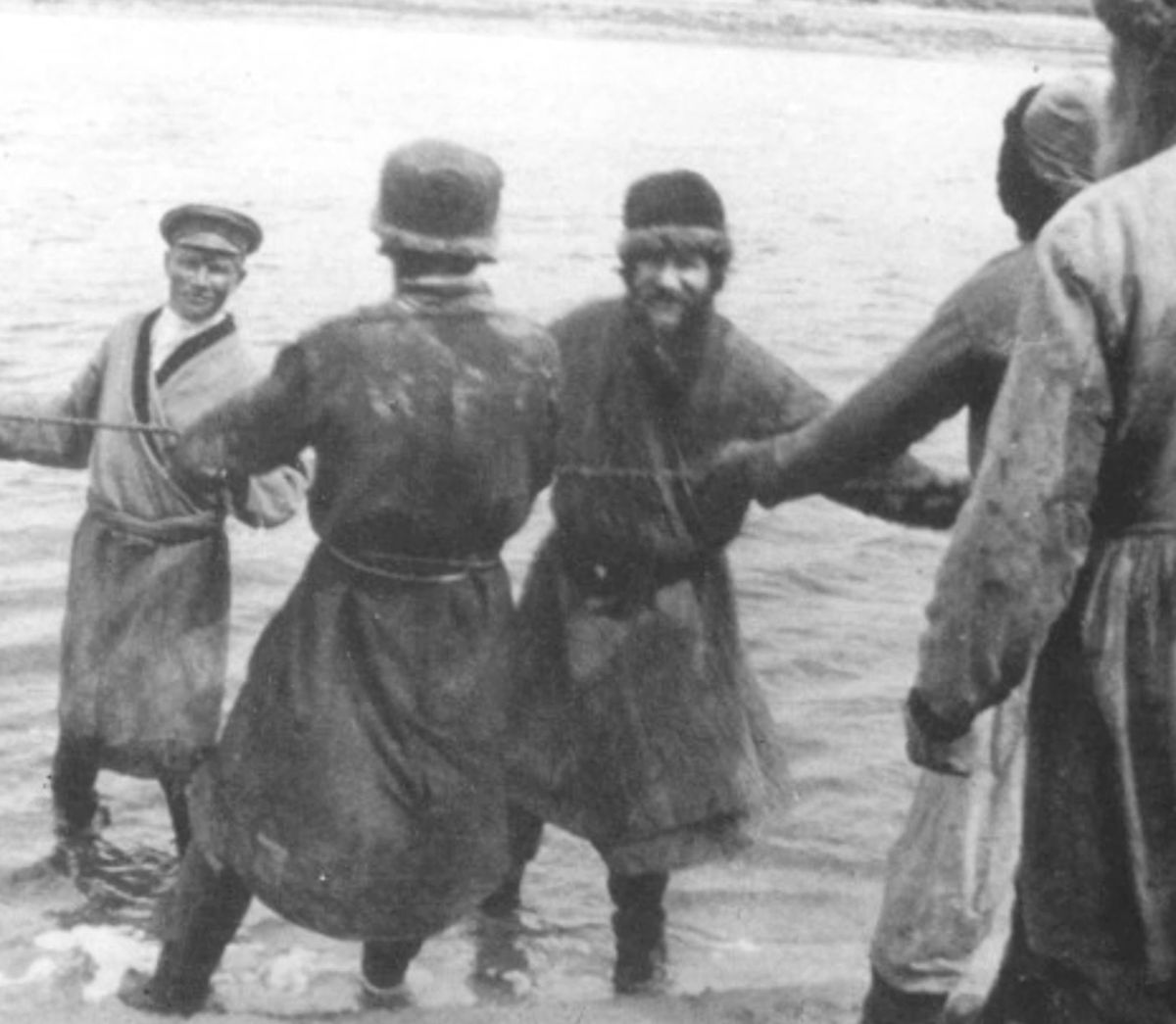
Grigori Yefimovich Rasputin was born on January 21, 1869 (Julian calendar, or February 2 in the Gregorian), in the small village of Pokrovskoye, in the Tyumen district of Siberia, part of the Russian Empire.

His parents were peasants who worked the land and raised livestock. Image
The name “Rasputin” likely derives from a Russian word (meaning “crossroads” or “debauched”).

Contrary to some myths, it wasn’t a name he adopted to signal debauchery; it was his birth surname. Image
Read 25 tweets
Aug 17, 2025
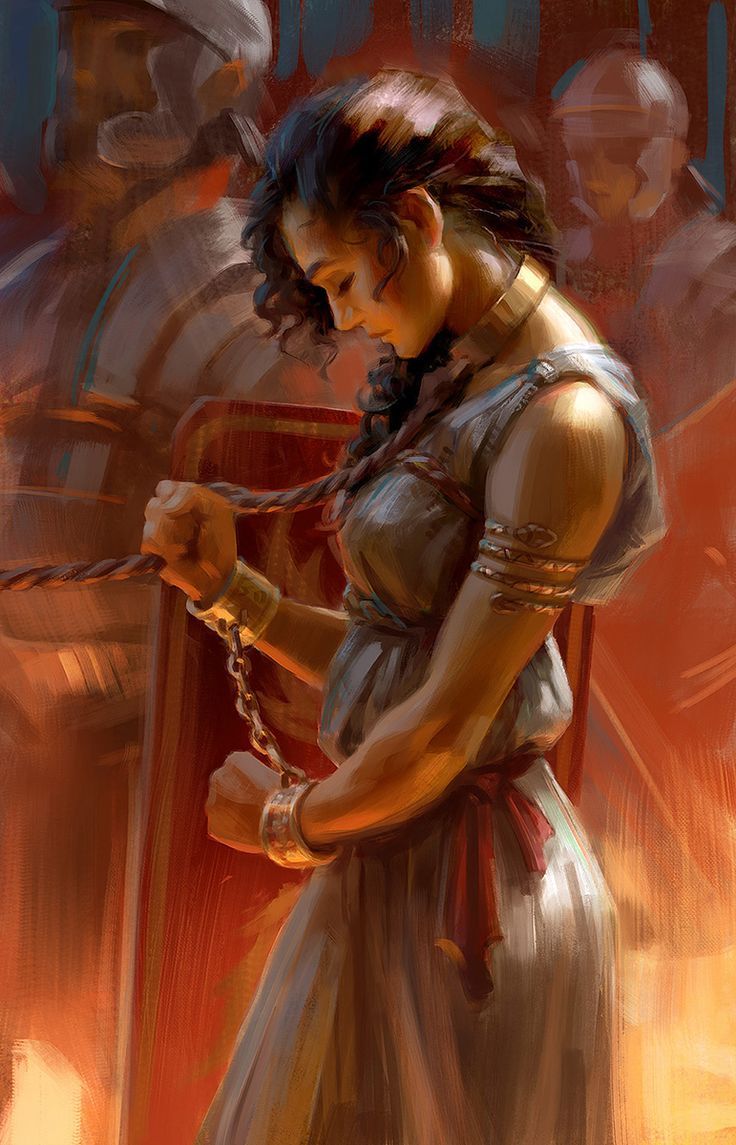
Slavery is bad, like war; but throughout history, it has been a global practice, interwoven with human nature, economic incentives, racial motives and profit over the suffering of the weak.

So is it a “White” or European thing? Here's the answer.. Pierre Raveneau's art
Slavery and the slave trade predate modern notions of race or European dominance, existing across cultures for millennia. It was driven by economic demand, warfare, and power dynamics, not exclusive to any one group. Image
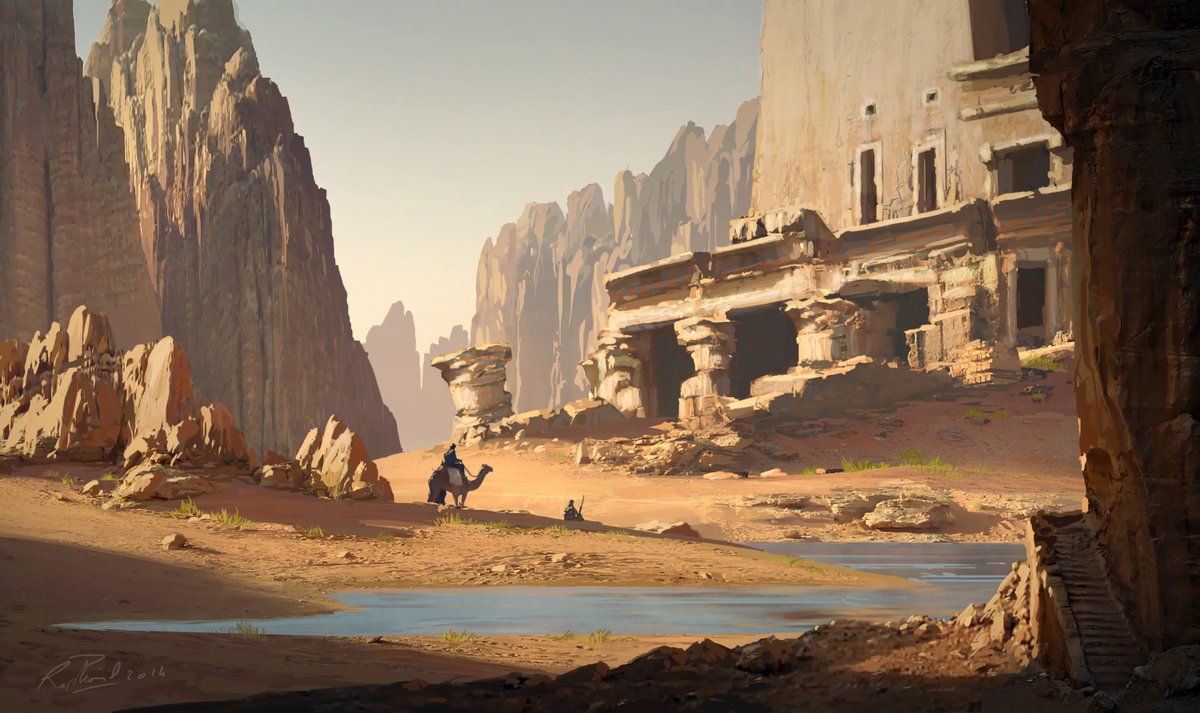
Mesopotamia, often called the "cradle of civilization," encompassed city-states and empires like Sumer, Akkad, Assyria, and Babylon in modern-day Iraq and surrounding areas. Slavery was a cornerstone of its social and economic systems.

Most slaves were prisoners of war, taken during conflicts between city-states or against neighboring tribes. For example, the Akkadian Empire (c. 2334–2154 BC) enslaved defeated enemies.Image
Read 33 tweets

Did Thread Reader help you today?

Support us! We are indie developers!


This site is made by just two indie developers on a laptop doing marketing, support and development! Read more about the story.

Become a Premium Member ($3/month or $30/year) and get exclusive features!

Become Premium

Don't want to be a Premium member but still want to support us?

Make a small donation by buying us coffee ($5) or help with server cost ($10)

Donate via Paypal

Or Donate anonymously using crypto!

Ethereum

0xfe58350B80634f60Fa6Dc149a72b4DFbc17D341E copy

Bitcoin

3ATGMxNzCUFzxpMCHL5sWSt4DVtS8UqXpi copy

Thank you for your support!

Follow Us!

:(