Marketing Nerd Profile picture
Jul 27, 2025 11 tweets 4 min read Read on X
Big budgets don’t win marketing wars. Guerrilla tactics do.

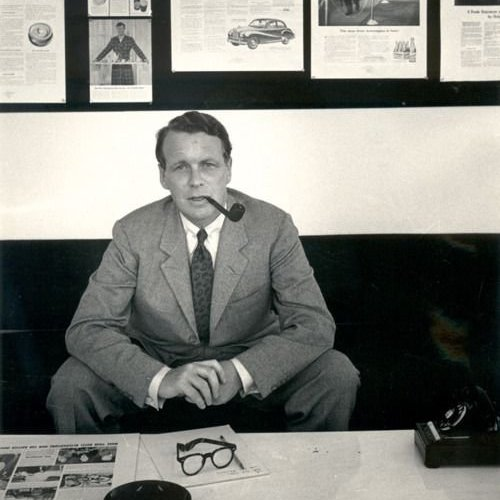
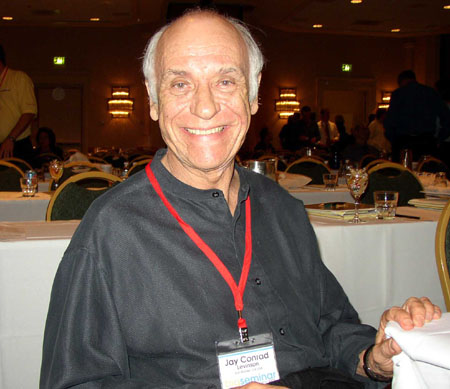
In 1984, Jay Conrad Levinson revealed how small brands could outsmart giants without spending millions.

Here’s the playbook that changed advertising forever: Image
Image
Guerrilla marketing is all about using low-cost, high-impact strategies to capture attention.

Instead of relying on big budgets, the approach emphasizes creativity, innovation, and boldness.
Levinson drew inspiration from guerrilla warfare, where small groups use strategy and surprise to outmaneuver larger forces.

For businesses, this meant using unexpected tactics in unconventional spaces: streets, public events, or even social media.
Key Principles of Guerrilla Marketing:

1. Emotion Over Expense

Guerrilla marketing focuses on evoking a strong emotional reaction, whether it's laughter, shock, or curiosity.

A small brand doesn’t need millions; it needs a memorable message.
2. Creativity Over Convention

Levinson believed in flipping traditional advertising on its head.

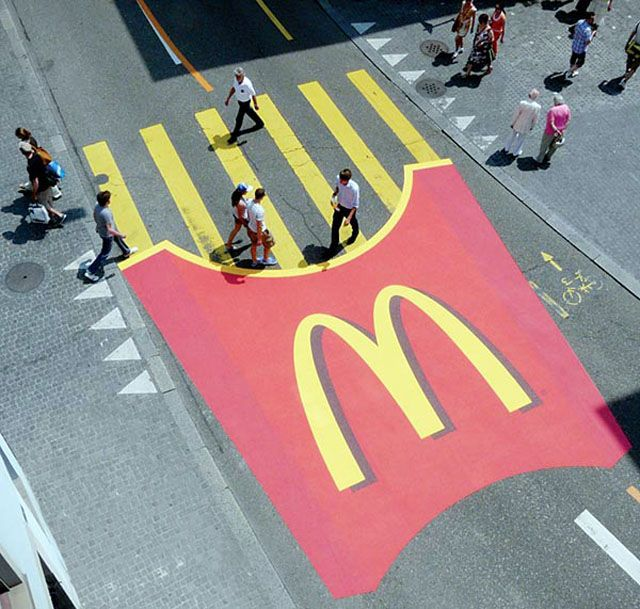
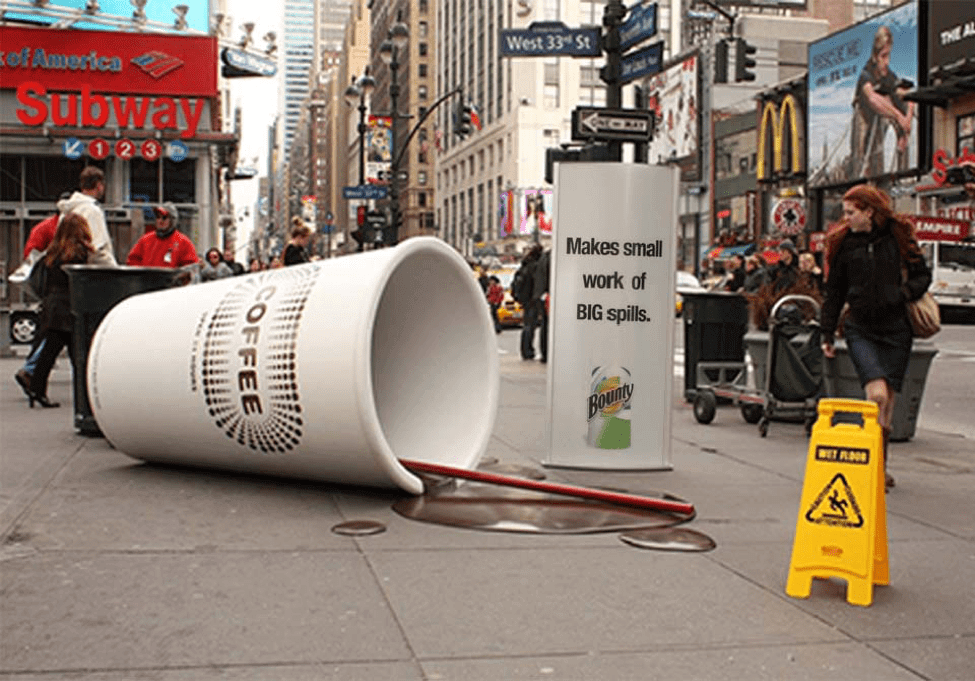
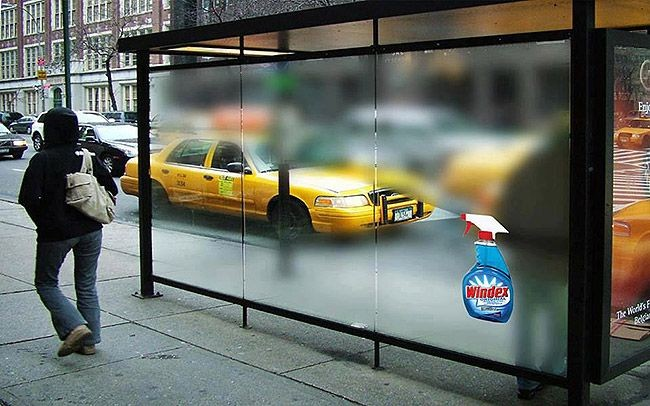
Why buy a billboard when a clever sidewalk chalk drawing can make the same impact? Image
3. Engagement Over Exposure

Successful guerrilla campaigns encourage interaction.

They blur the lines between marketing and entertainment, making consumers an active part of the story. Image
Iconic Guerrilla Marketing Campaigns Inspired by Levinson

1. The Blair Witch Project (1999)

Before the internet exploded, this indie film became a phenomenon using guerrilla tactics.

Result: $248 million in box office revenue on a $60,000 budget.
2. IKEA's 'Street Furniture' (2006)

IKEA turned bus stops and urban spaces into cozy, branded living rooms.

By placing sofas, rugs, and lamps in everyday settings, they showcased their products in a fun, relatable way, drawing thousands of curious visitors to their stores.
3. Coke’s ‘Happiness Machine’ (2010)

A Coke vending machine "magically" dispensed flowers, pizzas, and even balloons, surprising unsuspecting customers.

The campaign’s heartwarming reactions went viral, proving that small, unexpected acts can create massive goodwill.
Lessons for Today’s Brands

1. Find Your Edge
2. Think Locally
3. Be Interactive Image
If you love marketing, subscribe to 1-2-3 Marketing:

1-2-3marketing.beehiiv.comImage

• • •

Missing some Tweet in this thread? You can try to force a refresh

 

Keep Current with Marketing Nerd

Marketing Nerd Profile picture

Stay in touch and get notified when new unrolls are available from this author!

Read all threads

This Thread may be Removed Anytime!

PDF

Twitter may remove this content at anytime! Save it as PDF for later use!

Try unrolling a thread yourself!

how to unroll video
  1. Follow @ThreadReaderApp to mention us!

  2. From a Twitter thread mention us with a keyword "unroll"
@threadreaderapp unroll

Practice here first or read more on our help page!

More from @Marketing_Nerd_

Dec 21, 2025
In 2018, Roger Federer walked away from a $100M Nike deal.

Not for Adidas. Not for Reebok.

He bet on a no-name Swiss startup making shoes out of garden hoses.

Everyone thought he was crazy, but that move made him a billionaire.

Here’s the wildest sports-business bet ever: Image
Image
Federer had been with Nike since 1994.

His iconic “RF” logo was everywhere on hats, jackets, and shoes.

He had a 10-year, $100M Nike contract that expired in 2018.

Nike passed on renewing. They didn’t want to pay more.

So Federer walked away.
On was founded in 2010 by three Swiss athletes.

They weren’t a tennis brand.

They weren’t even mainstream.

Their shoes had weird hollow soles designed to mimic running on clouds.

In 2018, On had no celebrity deals & no performance line for tennis.

But Federer saw something.
Read 8 tweets
Sep 30, 2025
In 2007, iPhone killed Nokia.

In 2012, Netflix killed Blockbuster.

In 2025, AI catalog ads will kill UGC ads.

$10M was raised to do it by a company called Marpipe.

Here's what Marpipe figured out: 🧵 Image
The shift is already happening:

70% of Meta’s e-com spend goes to catalog ads.

But creative testing was impossible.

Millions of SKUs. Endless variations.

No way to brand or experiment at scale.

Billions spent blind. Image
Why has this been impossible until now?

Because scale breaks humans.

• Zara: +36,000 SKUs annually
• Shein: 1.3M SKUs live
• Gap: +12K new products a year

No design team can brand or test at that pace.
Read 9 tweets
Aug 14, 2025
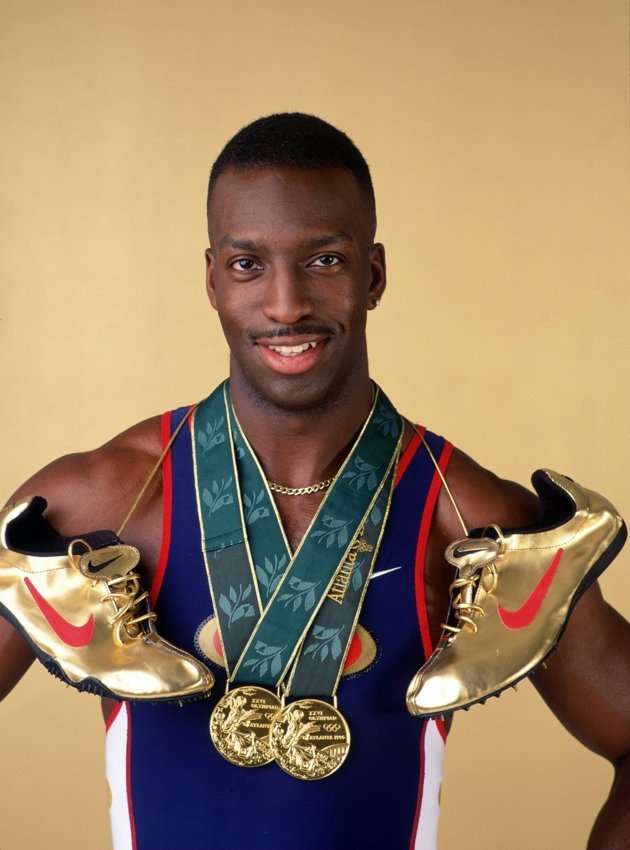
In 1996, Reebok paid $50M to sponsor the U.S. Olympic team.

Logos. Uniforms. TV rights.

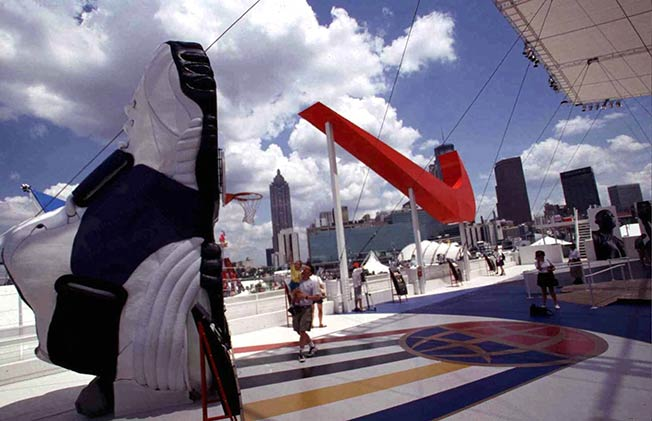
But Nike, not even an Olympic sponsor, stole the spotlight.

Here’s the guerrilla play Nike used to humiliate Reebok at the Atlanta Games: Image
Image
The 1996 Olympics were Reebok’s biggest bet ever.

They paid $50M to be the exclusive sponsor of Team USA.

They had full brand presence at events. And the Games were on American soil: Atlanta.

This was supposed to be Reebok’s ultimate victory.

But Nike had other plans.
Nike couldn’t advertise as an official sponsor.

So they did something smarter:

• They ran ambush-style ads all over Atlanta

• They released new athlete gear timed perfectly with the events

• They opened a massive Nike center right next to the Olympic village Image
Read 8 tweets
Aug 7, 2025
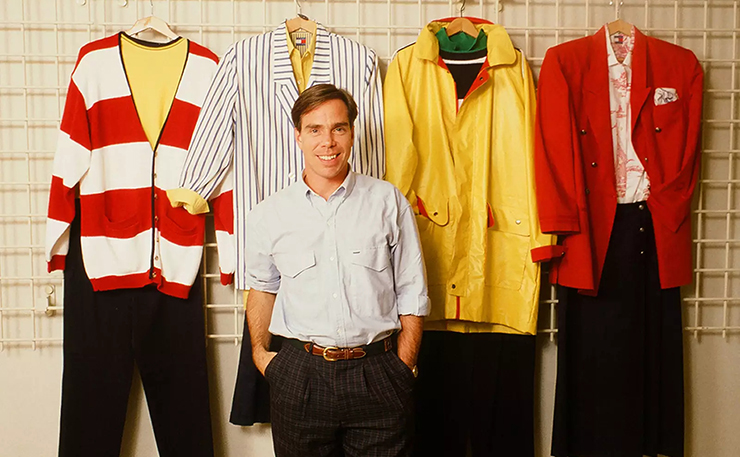
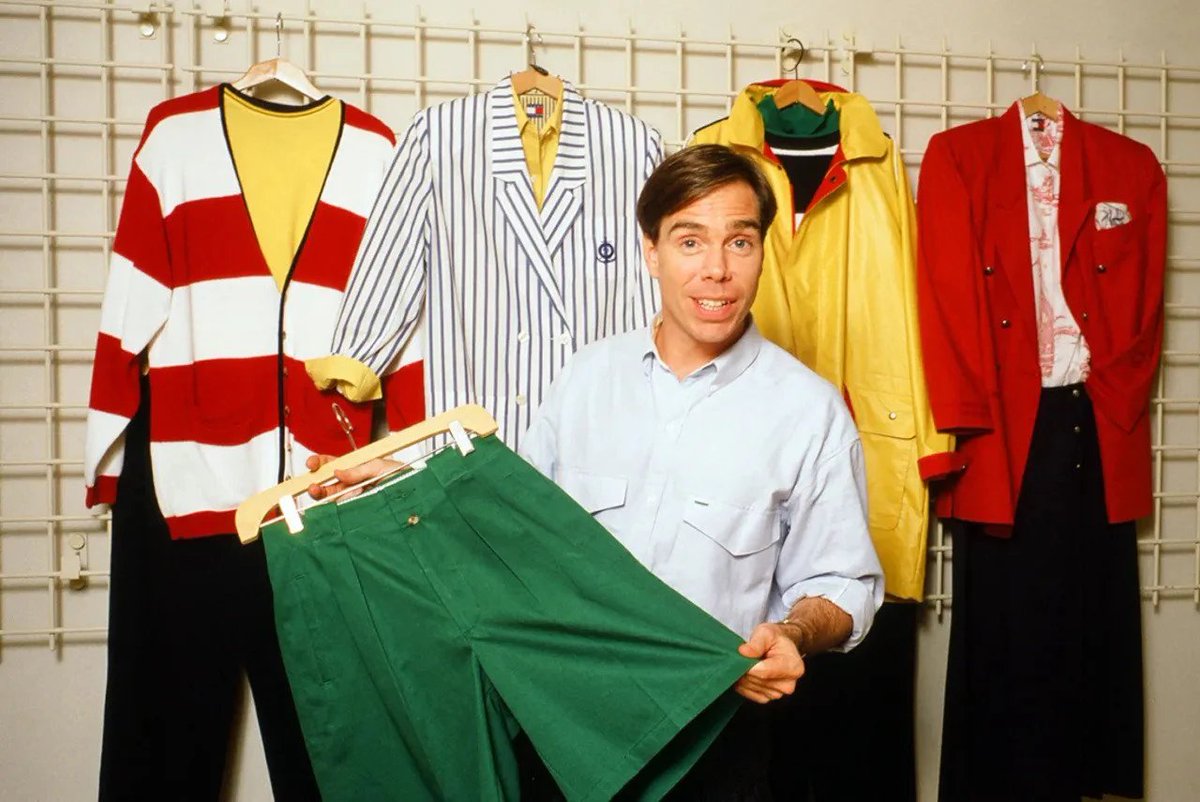
This is Tommy Hilfiger.

He didn’t build a clothing brand, he built an illusion.

And the world bought it.

Before anyone knew his designs, he made himself a household name with one genius marketing stunt.

Here’s how he tricked the world into believing he was already famous: Image
Image
In 1985, Tommy Hilfiger was unknown.

He wasn’t a fashion giant. He wasn’t a household name.

He was just a young designer launching his first men’s clothing line.

But he didn’t want to wait years to "earn" fame.

He wanted to create it. Image
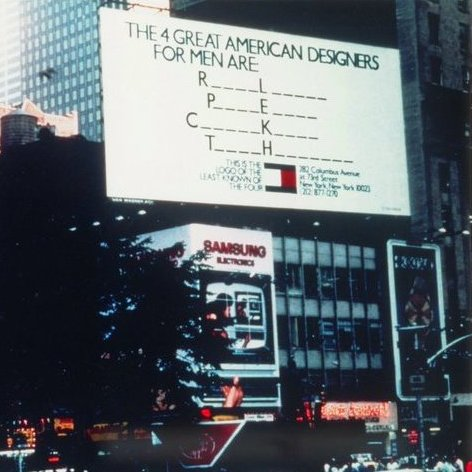
Hilfiger and his marketing partner, George Lois (a legendary ad man), came up with a radical plan:

They would make the world believe Tommy Hilfiger was already one of the top designers before he had even proven it.

How? A single billboard.
Read 9 tweets
Jul 29, 2025
Why does $9.99 feel way cheaper than $10?

One cent difference. Billions in profit.

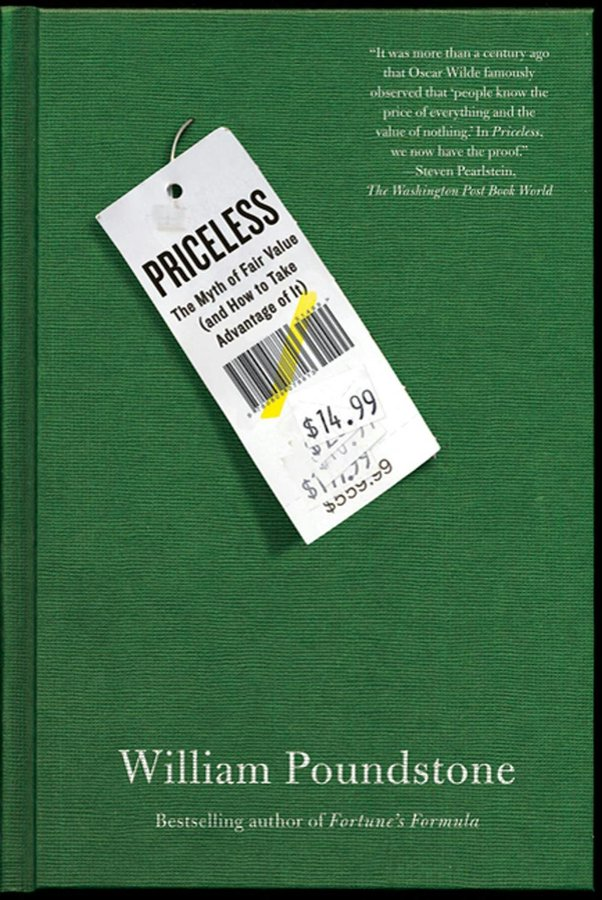
William Poundstone uncovered the psychological tricks that make you spend more without realizing it.

Here’s how brands use pricing to control your decisions: Image
Image
1. Anchoring

Anchoring is the psychological principle that people rely too heavily on the first piece of information they see.

When you see a luxury watch priced at $5,000 next to one priced at $1,000, the $1,000 option feels like a bargain even if it’s still expensive.
Why it works: The anchor sets your expectations.

The $5,000 watch makes $1,000 feel reasonable, even though it’s objectively a high price.

Lesson: Place premium-priced products alongside mid-tier options to make the latter appear more attractive. Image
Read 14 tweets
Jul 15, 2025
In 1975, Pepsi launched the most dangerous marketing stunt ever:

The Pepsi Challenge.

Blind taste tests showed Americans preferred Pepsi over Coke.

Coca-Cola panicked.

What they did next became the biggest branding disaster in history.

Here’s the full story: Image
Image
For most of the 20th century, Coca-Cola was untouchable.

• It was the most iconic brand in the world.
• It outsold Pepsi 5 to 1.
• It was called “The Real Thing.”
• It was America in a bottle.

But by the 1970s, Pepsi had a bold plan to flip the script.
In 1975, Pepsi launched the Pepsi Challenge:

• They set up blind taste tests in malls across America
• Ordinary people were given two unmarked cups
• They were asked: Which one do you like better?

The results shocked everyone.

People picked Pepsi.
Read 13 tweets

Did Thread Reader help you today?

Support us! We are indie developers!


This site is made by just two indie developers on a laptop doing marketing, support and development! Read more about the story.

Become a Premium Member ($3/month or $30/year) and get exclusive features!

Become Premium

Don't want to be a Premium member but still want to support us?

Make a small donation by buying us coffee ($5) or help with server cost ($10)

Donate via Paypal

Or Donate anonymously using crypto!

Ethereum

0xfe58350B80634f60Fa6Dc149a72b4DFbc17D341E copy

Bitcoin

3ATGMxNzCUFzxpMCHL5sWSt4DVtS8UqXpi copy

Thank you for your support!

Follow Us!

:(