🧵 Have you ever wondered why you grew up knowing more about Akbar’s court than Raja Raja Chola’s kingdom? Why did Aurangzeb's cruelty become a footnote, while Shivaji’s courage became optional reading?
This article is not just history, it’s a rebellion.
Read it till the last word, and you’ll understand what they never wanted you to know.
This article is not just history, it’s a rebellion.
Read it till the last word, and you’ll understand what they never wanted you to know.
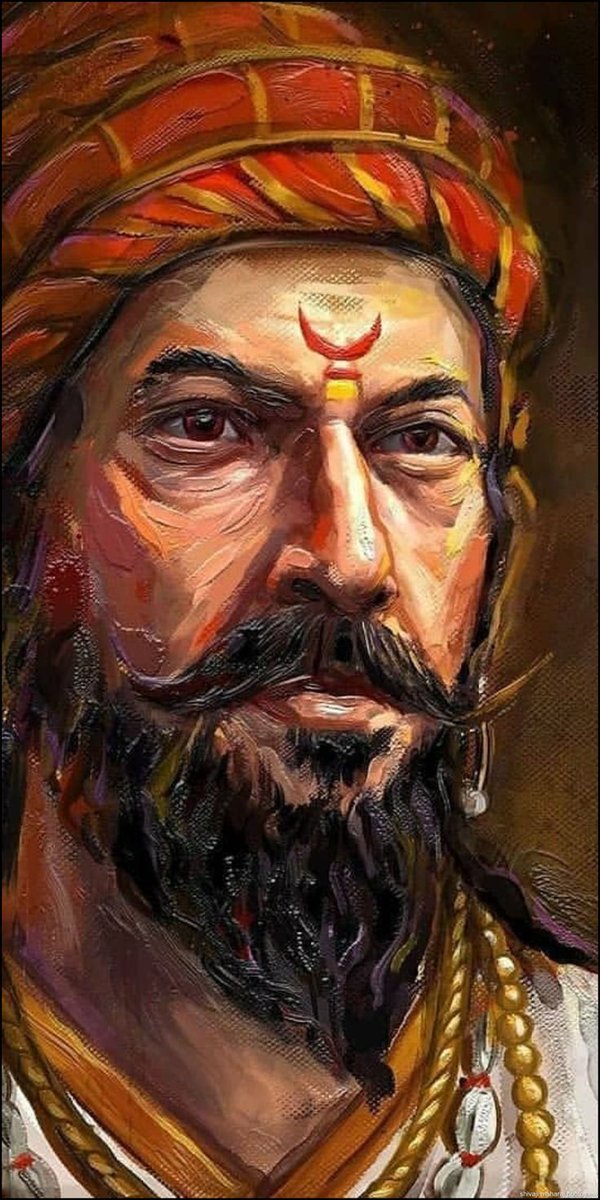
This isn’t just an academic failure. It’s a theft. A theft of your identity. A theft of the thousands of years when Bharat ruled itself with wisdom, valor, and dharma, long before a single Mughal set foot on our sacred soil.
This article is not just history, it’s a rebellion.
And once you know it, you’ll never look at India the same way again.
This article is not just history, it’s a rebellion.
And once you know it, you’ll never look at India the same way again.

Long before the first Mughal horse trotted through the passes of Khyber, India was not a land of fragmented tribes or dark ages, as some textbooks still dare to imply. It was a radiant jewel of wisdom, valor, architecture, and dharma.
Let me take you on a journey, not from Babur to Aurangzeb but from forgotten temples to battlefields where dharma stood tall, from the throne rooms of mighty Hindu kings to the footnotes of your history textbooks where they were buried.
Let me take you on a journey, not from Babur to Aurangzeb but from forgotten temples to battlefields where dharma stood tall, from the throne rooms of mighty Hindu kings to the footnotes of your history textbooks where they were buried.
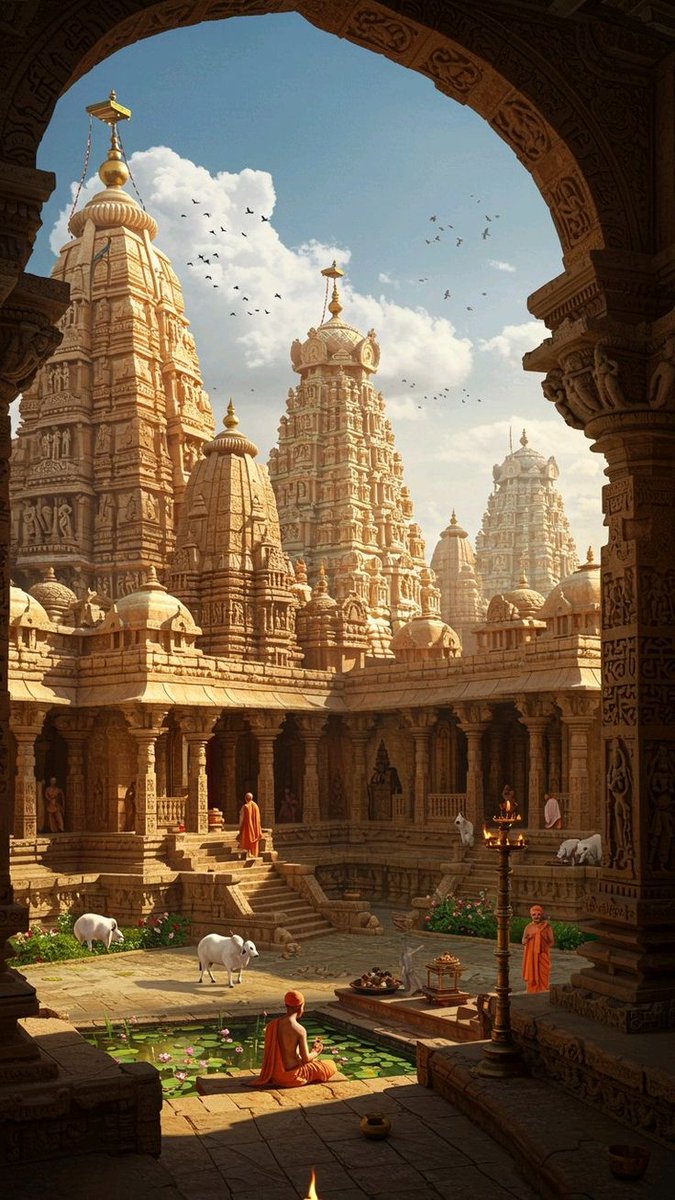
Cholas: Masters of Oceans and Dharma (2100 years)
Imagine a king so powerful that his armies crossed the Bay of Bengal and conquered Sri Lanka, Indonesia, and Malaysia, not to convert, but to connect. That was Raja Raja Chola and his son Rajendra Chola.
Yet, they barely get a paragraph in our history books.
Imagine a king so powerful that his armies crossed the Bay of Bengal and conquered Sri Lanka, Indonesia, and Malaysia, not to convert, but to connect. That was Raja Raja Chola and his son Rajendra Chola.
Yet, they barely get a paragraph in our history books.
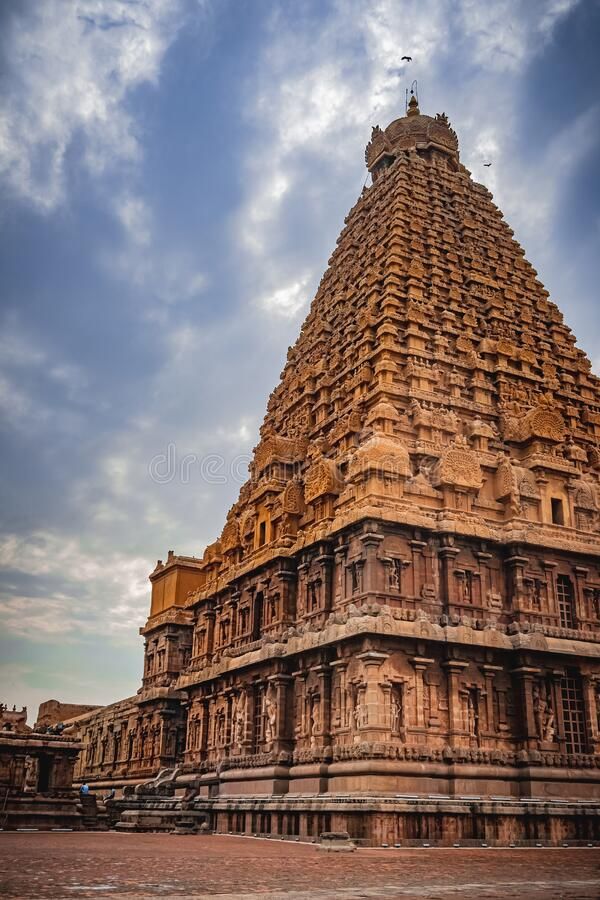
Under their rule, temples like the Brihadeeswarar in Thanjavur rose not just as places of worship but as cosmic calendars, art schools, and administrative centers. Chola navies were the pride of Asia. Their governance system included local self-rule that modern democracies would envy.
Chalukyas: The Shield of the South (700 years)
Pulakeshin II of the Chalukyas once stood face to face with Harshavardhana, the great northern ruler. When Harsha marched south, confident of conquest, Pulakeshin crushed his ambitions and sent him retreating across the Narmada.
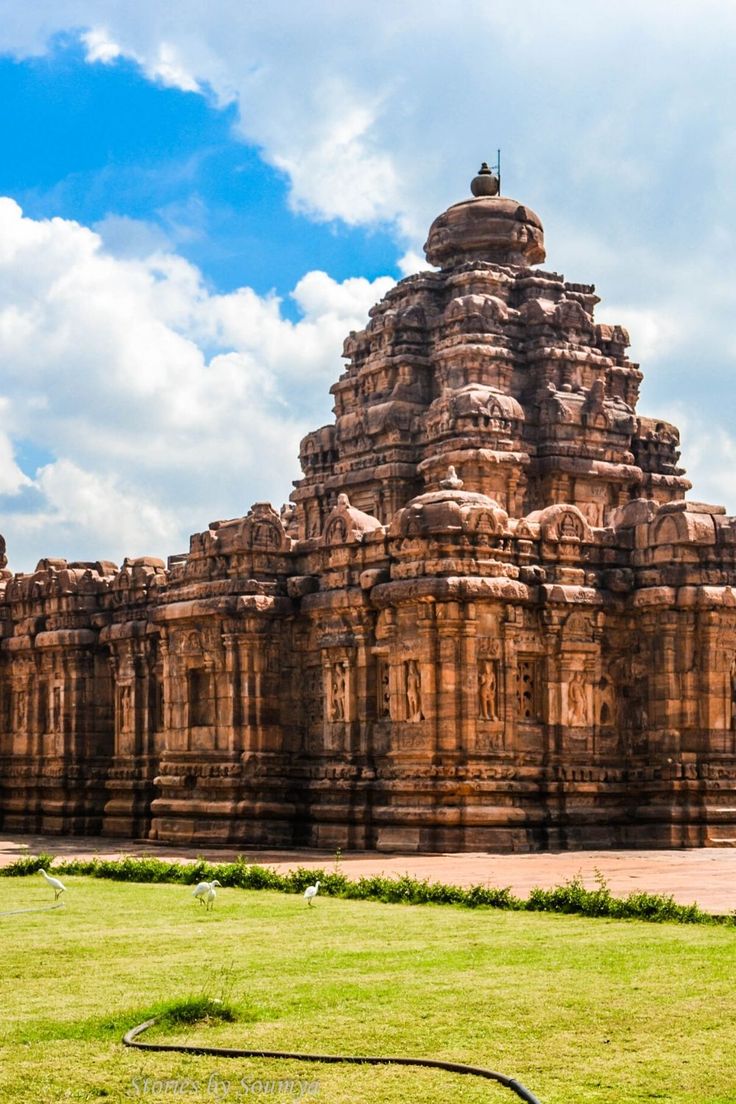
Chalukyas gave us the Vesara style of temples, the structural foundation of Indian architecture seen even today. They championed Sanskrit and Kannada literature, astrology, and sculpture.
But our textbooks skip their bravery, why?
Pulakeshin II of the Chalukyas once stood face to face with Harshavardhana, the great northern ruler. When Harsha marched south, confident of conquest, Pulakeshin crushed his ambitions and sent him retreating across the Narmada.
Chalukyas gave us the Vesara style of temples, the structural foundation of Indian architecture seen even today. They championed Sanskrit and Kannada literature, astrology, and sculpture.
But our textbooks skip their bravery, why?
Ahoms: Unbroken, Unconquered (700 years)
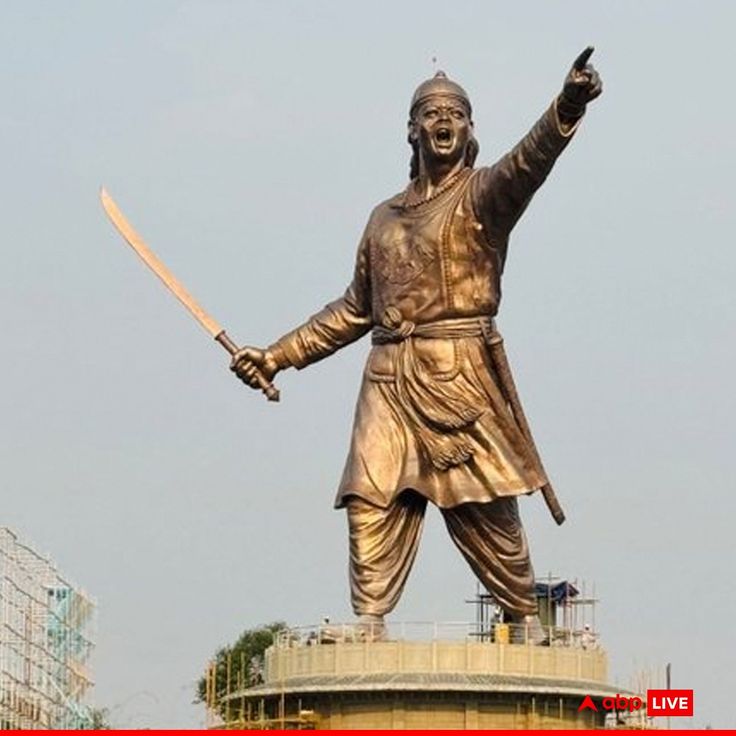
In the far east, amidst the lush lands of Assam, the Ahoms ruled for 700 years without ever being conquered. They were warriors of a different breed. 17 times the Mughal army marched on them, and 17 times they were sent back in disgrace.
The fiercest among them was Lachit Borphukan, who in the Battle of Saraighat humiliated Aurangzeb’s forces, showing the world that even the mightiest empires could be broken by courage and strategy.
And yet, where is Lachit in our books?
In the far east, amidst the lush lands of Assam, the Ahoms ruled for 700 years without ever being conquered. They were warriors of a different breed. 17 times the Mughal army marched on them, and 17 times they were sent back in disgrace.
The fiercest among them was Lachit Borphukan, who in the Battle of Saraighat humiliated Aurangzeb’s forces, showing the world that even the mightiest empires could be broken by courage and strategy.
And yet, where is Lachit in our books?
Pallavas: Stone, Soul, and Science (600 years)
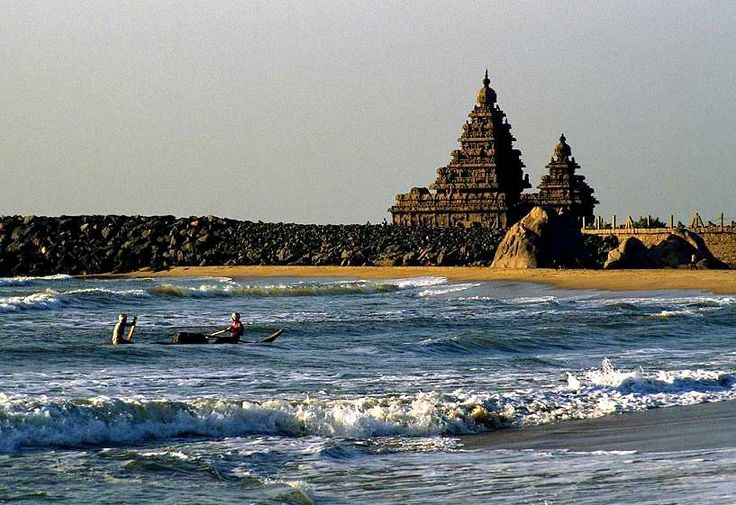
The moment you see the Shore Temple of Mahabalipuram, carved out of stone yet dancing like poetry, know that it was built by the Pallavas. These kings were artists, warriors, and patrons of spirituality.
Narasimhavarman was their greatest king. His court echoed with Sanskrit shlokas and Tamil hymns. But more than war, the Pallavas gave India its soul in stone.
Our books mention the temple but forget the kings who built them.
The moment you see the Shore Temple of Mahabalipuram, carved out of stone yet dancing like poetry, know that it was built by the Pallavas. These kings were artists, warriors, and patrons of spirituality.
Narasimhavarman was their greatest king. His court echoed with Sanskrit shlokas and Tamil hymns. But more than war, the Pallavas gave India its soul in stone.
Our books mention the temple but forget the kings who built them.
Rashtrakutas: The Lords of Kailasa (500 years)
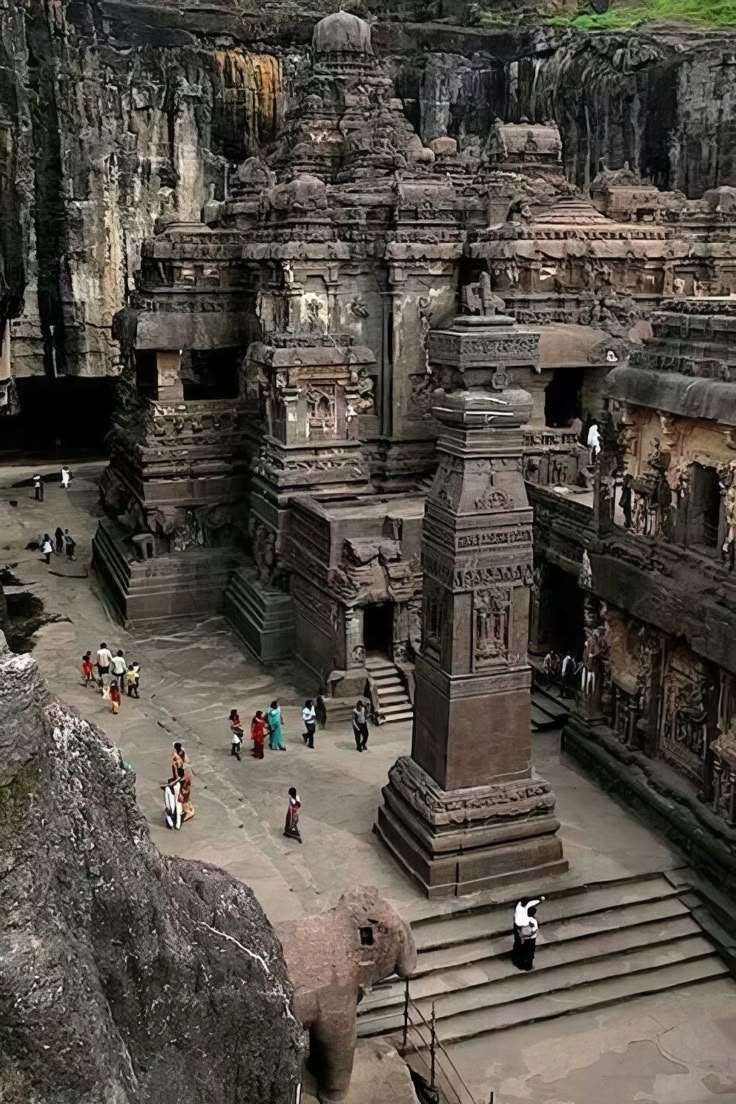
High in the hills of Ellora stands a marvel so breathtaking that even NASA engineers have studied its architecture, the Kailasa Temple, carved top-down from a single rock. It was the pride of the Rashtrakutas.
They ruled the Deccan, contributed to mathematics, astronomy, and poetry. Their diplomacy extended from Sri Lanka to the Abbasid Caliphate.
But you won’t hear of them on TV or in classrooms.
High in the hills of Ellora stands a marvel so breathtaking that even NASA engineers have studied its architecture, the Kailasa Temple, carved top-down from a single rock. It was the pride of the Rashtrakutas.
They ruled the Deccan, contributed to mathematics, astronomy, and poetry. Their diplomacy extended from Sri Lanka to the Abbasid Caliphate.
But you won’t hear of them on TV or in classrooms.
The Vijayanagara Kingdom (400 years)
Vijayanagara, founded by Harihara and Bukka under the guidance of sage Vidyaranya, rose from ashes like a phoenix.
Krishnadevaraya, the jewel of this dynasty, not only crushed Deccan sultans but also revived Sanskrit, Telugu, Kannada, and Tamil literature.
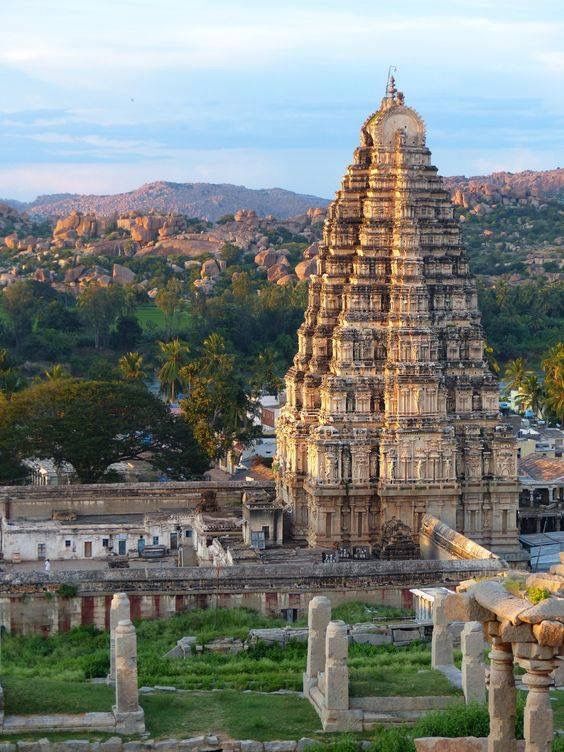
Hampi, the capital, was once one of the richest cities on earth.
But Hampi wiped clean from curriculum, buried under glorified tales of the Mughals.
Vijayanagara, founded by Harihara and Bukka under the guidance of sage Vidyaranya, rose from ashes like a phoenix.
Krishnadevaraya, the jewel of this dynasty, not only crushed Deccan sultans but also revived Sanskrit, Telugu, Kannada, and Tamil literature.
Hampi, the capital, was once one of the richest cities on earth.
But Hampi wiped clean from curriculum, buried under glorified tales of the Mughals.
AND THEN CAME THE MUGHALS... (Barely 200 years of central rule)
Babur called Indians "pigs and infidels" in his memoirs.
Aurangzeb demolished thousands of temples, imposed Jizya tax on Hindus, and ordered the destruction of Kashi, Mathura and many other temples.
Millions were forcibly converted or slaughtered in cold blood.
And yet, our textbooks glorify them as the ‘golden age’. Why?
Babur called Indians "pigs and infidels" in his memoirs.
Aurangzeb demolished thousands of temples, imposed Jizya tax on Hindus, and ordered the destruction of Kashi, Mathura and many other temples.
Millions were forcibly converted or slaughtered in cold blood.
And yet, our textbooks glorify them as the ‘golden age’. Why?
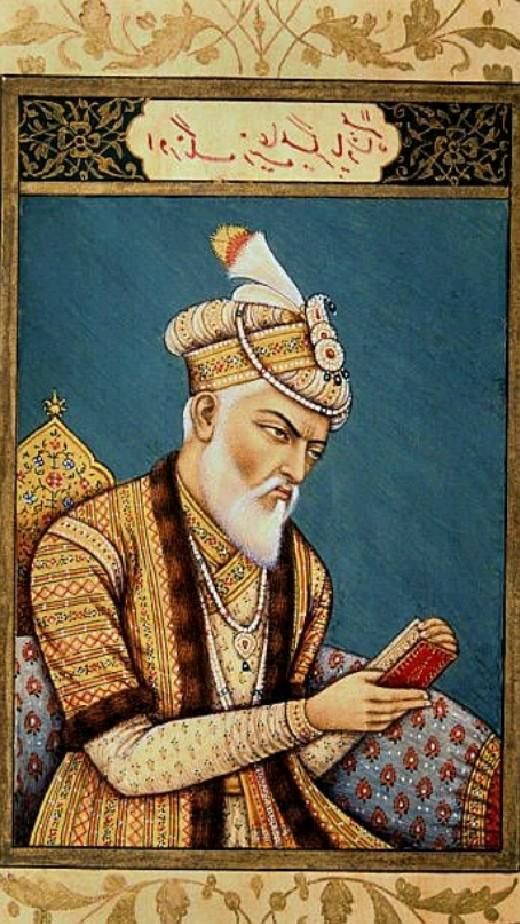
The Nehruvian-Marxist History Project
Post-Independence, a group of left-leaning historians and policymakers, largely led by Jawaharlal Nehru, Romila Thapar, and Irfan Habib, aimed to rewrite history to fit a secular, socialist narrative. In their worldview:
Glorifying Hindu kings = risk of promoting communalism
Glorifying Mughals = promoting composite culture
Post-Independence, a group of left-leaning historians and policymakers, largely led by Jawaharlal Nehru, Romila Thapar, and Irfan Habib, aimed to rewrite history to fit a secular, socialist narrative. In their worldview:
Glorifying Hindu kings = risk of promoting communalism
Glorifying Mughals = promoting composite culture
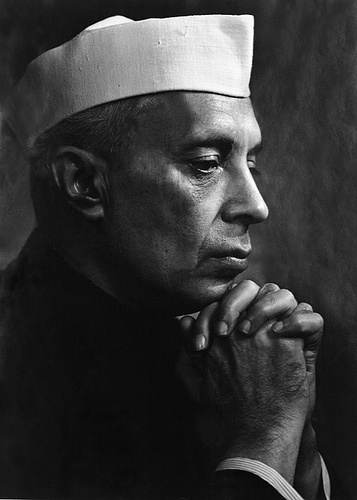
Their goal was to suppress Hindu civilizational pride in the name of secularism, fearing it would fuel Hindu nationalism. As a result:
Akbar was taught as “great” for his religious tolerance.
Aurangzeb’s bigotry was whitewashed.
Rani Durgavati, Suhaldev, Raja Dahir, Prithviraj Chauhan, Lachit Borphukan barely found mention.
Ancient kingdoms like Cholas and Guptas got a few pages, while Mughals dominated the Medieval Era syllabus.
Akbar was taught as “great” for his religious tolerance.
Aurangzeb’s bigotry was whitewashed.
Rani Durgavati, Suhaldev, Raja Dahir, Prithviraj Chauhan, Lachit Borphukan barely found mention.
Ancient kingdoms like Cholas and Guptas got a few pages, while Mughals dominated the Medieval Era syllabus.
WHAT WAS LOST IN THIS BIASED NARRATIVE?
🏹 The Stories of Resistance:
Maharana Pratap’s Battle of Haldighati, where he resisted Akbar valiantly.
Shivaji Maharaj’s guerilla warfare and administrative reforms, which laid the foundation for Hindu resurgence.
Sikh Guru's resistance to Islamic tyranny, especially Guru Tegh Bahadur and Guru Gobind Singh.
🏹 The Stories of Resistance:
Maharana Pratap’s Battle of Haldighati, where he resisted Akbar valiantly.
Shivaji Maharaj’s guerilla warfare and administrative reforms, which laid the foundation for Hindu resurgence.
Sikh Guru's resistance to Islamic tyranny, especially Guru Tegh Bahadur and Guru Gobind Singh.
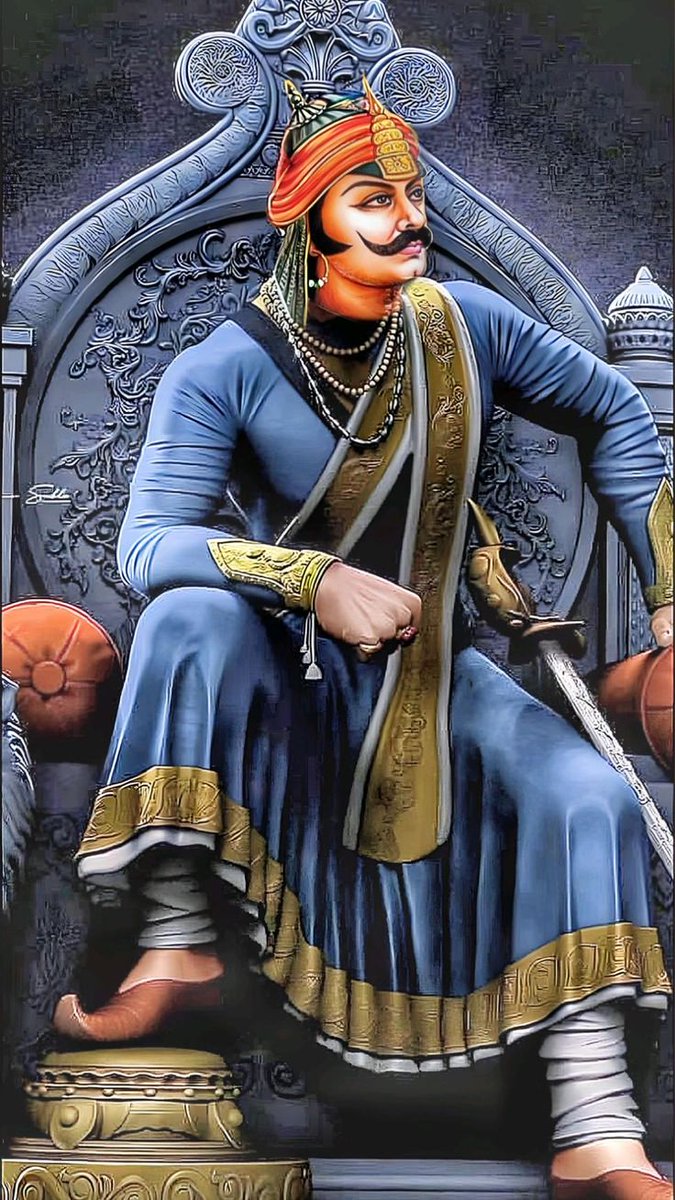
🪔 The Legacy of Dharma:
Spiritual and architectural renaissance under Hindu kingdoms.
Education systems like Nalanda, Takshashila were sidelined.
Vedic science, math, and astronomy were undermined.
Spiritual and architectural renaissance under Hindu kingdoms.
Education systems like Nalanda, Takshashila were sidelined.
Vedic science, math, and astronomy were undermined.
CONGRESS AND THE POLITICS OF MUGHAL GLORIFICATION
The Congress party, in its zeal to secure the Mu$lim vote, walked the tightrope of appeasement. They equated critique of Mughal atrocities to Islamophobia, hence discouraged it altogether.
NCERT and CBSE textbooks under successive Congress governments conveniently ignored temple destruction, forced conversions, and genocides.
Congress-era censorship boards allowed the production of movies like Mughal-e-Azam, Jodha Akbar, etc., but discouraged stories on Hindu kings, lest they “offend minorities.”
The Congress party, in its zeal to secure the Mu$lim vote, walked the tightrope of appeasement. They equated critique of Mughal atrocities to Islamophobia, hence discouraged it altogether.
NCERT and CBSE textbooks under successive Congress governments conveniently ignored temple destruction, forced conversions, and genocides.
Congress-era censorship boards allowed the production of movies like Mughal-e-Azam, Jodha Akbar, etc., but discouraged stories on Hindu kings, lest they “offend minorities.”
It’s time to reclaim the narrative.
It’s time to teach our children about:
Raja Bhoj, not just Babur.
Suhaldev, who crushed Ghazi Mian.
Shivaji Maharaj, not just Shah Jahan.
Rani Durgavati, not just Razia Sultana.
Lachit Borphukan, not just Akbar.
It’s time to teach our children about:
Raja Bhoj, not just Babur.
Suhaldev, who crushed Ghazi Mian.
Shivaji Maharaj, not just Shah Jahan.
Rani Durgavati, not just Razia Sultana.
Lachit Borphukan, not just Akbar.

Let the names of Chola, Ahom, Vijayanagara, and Pallava roar louder than the silence forced upon them.
Let Shivaji, Suhaldev, Rani Durgavati, and Lachit Borphukan walk back into the light of our collective memory.
Share this. Spread this. And let the real history of Bharat rise again. 🇮🇳
Let Shivaji, Suhaldev, Rani Durgavati, and Lachit Borphukan walk back into the light of our collective memory.
Share this. Spread this. And let the real history of Bharat rise again. 🇮🇳
• • •
Missing some Tweet in this thread? You can try to
force a refresh