
Proud Hindu II
Nationlist II
NLP Practitioner II Author II Coach II
Honoured to be followed by Shri @Narendramodi
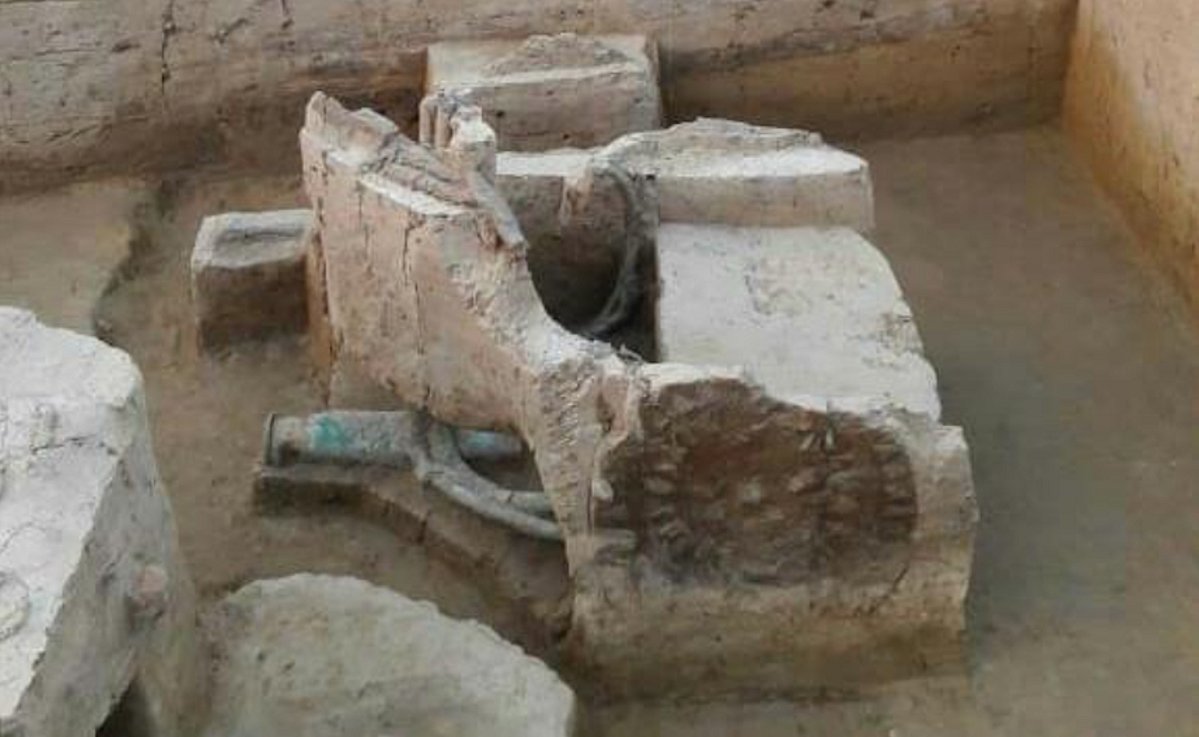 In texts like the Ramayana, Mahabharata, and the Puranas, the Rath (chariot) is everywhere - war, travel, royalty, strategy.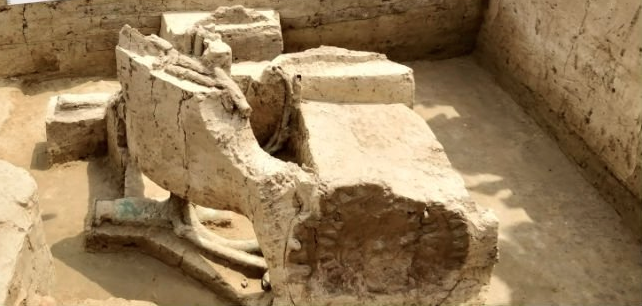
 The Forgotten Rock of the Goddess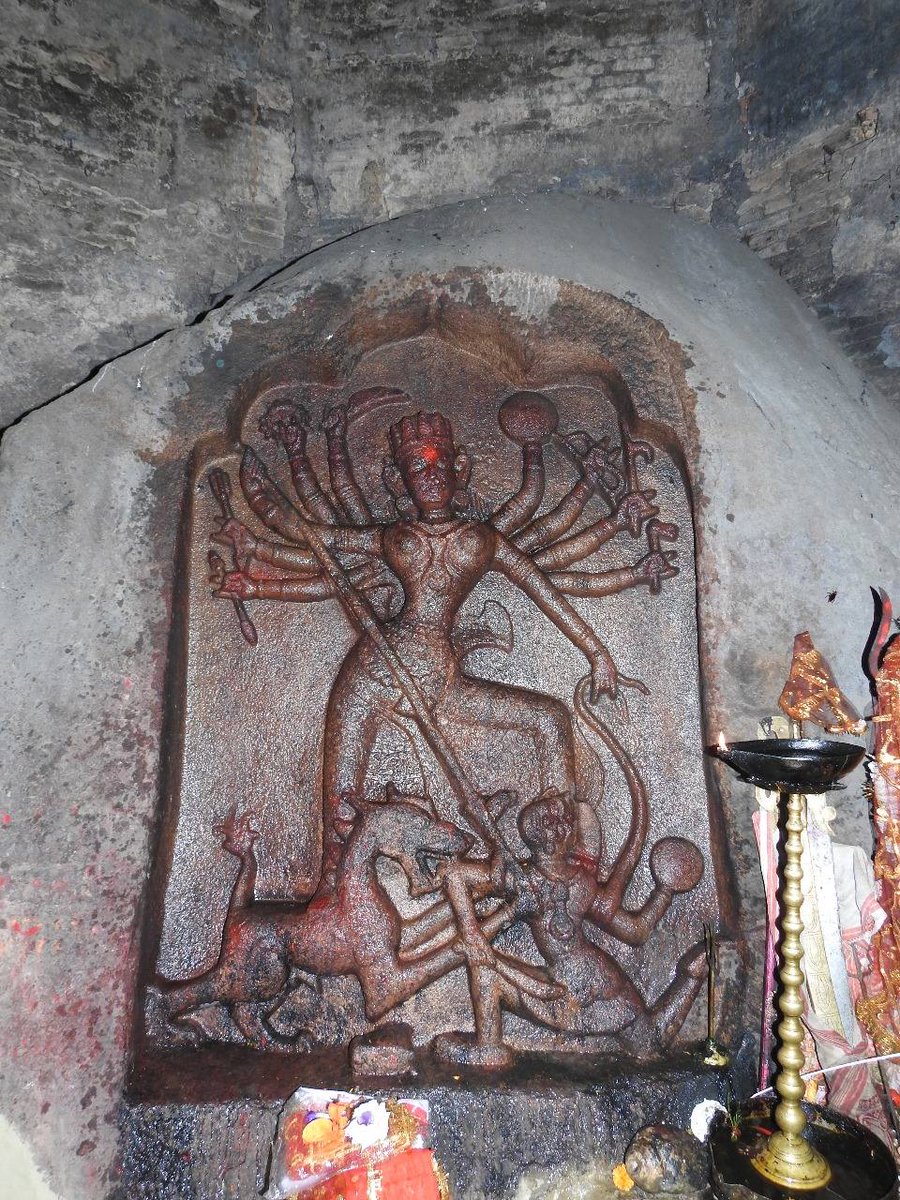
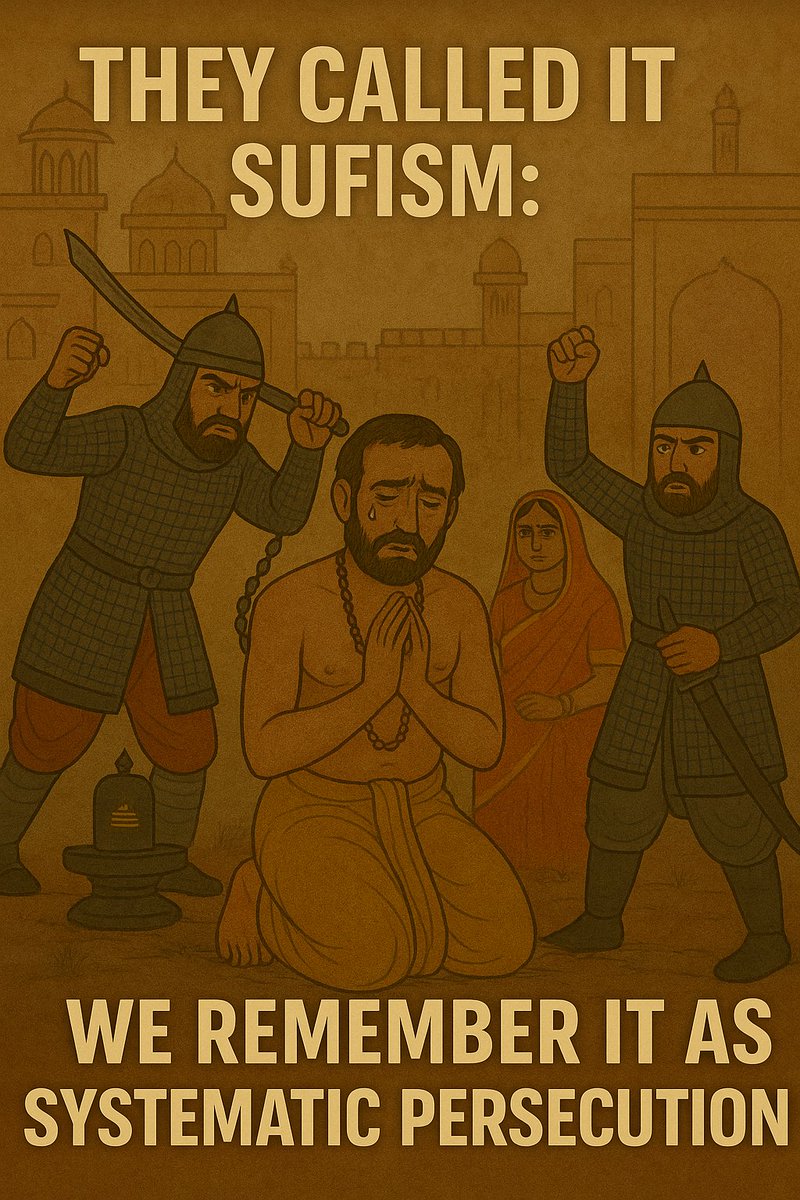 For generations, we have been told that Sufis came to India as saints of love, harmony, and spiritual inclusiveness. Their shrines are celebrated, their poetry is quoted, and their names are glorified in popular narratives. But beneath the soft glow of this romanticized image lies a harsher truth: many Sufis, far from being neutral mystics, were deeply political actors,active agents in religious expansion and Islamization.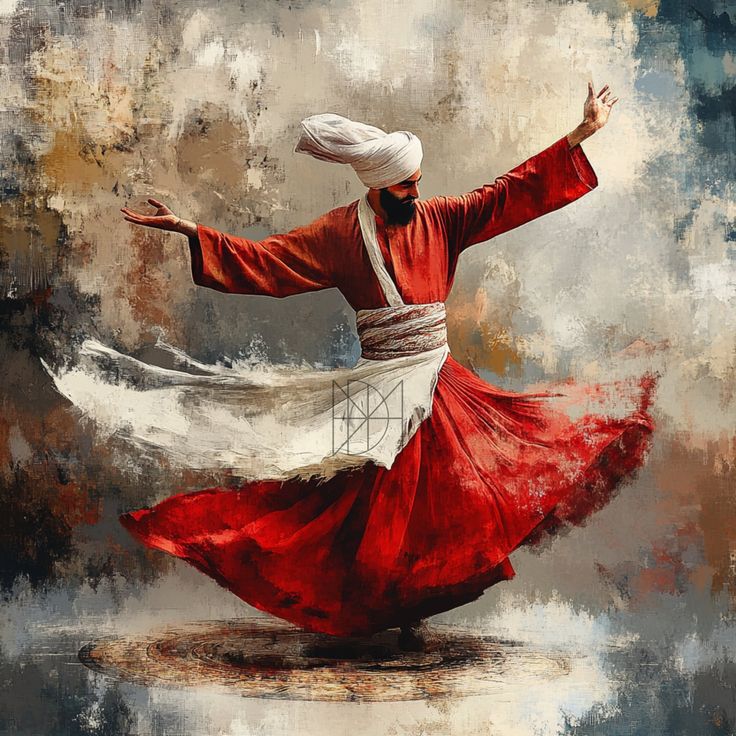
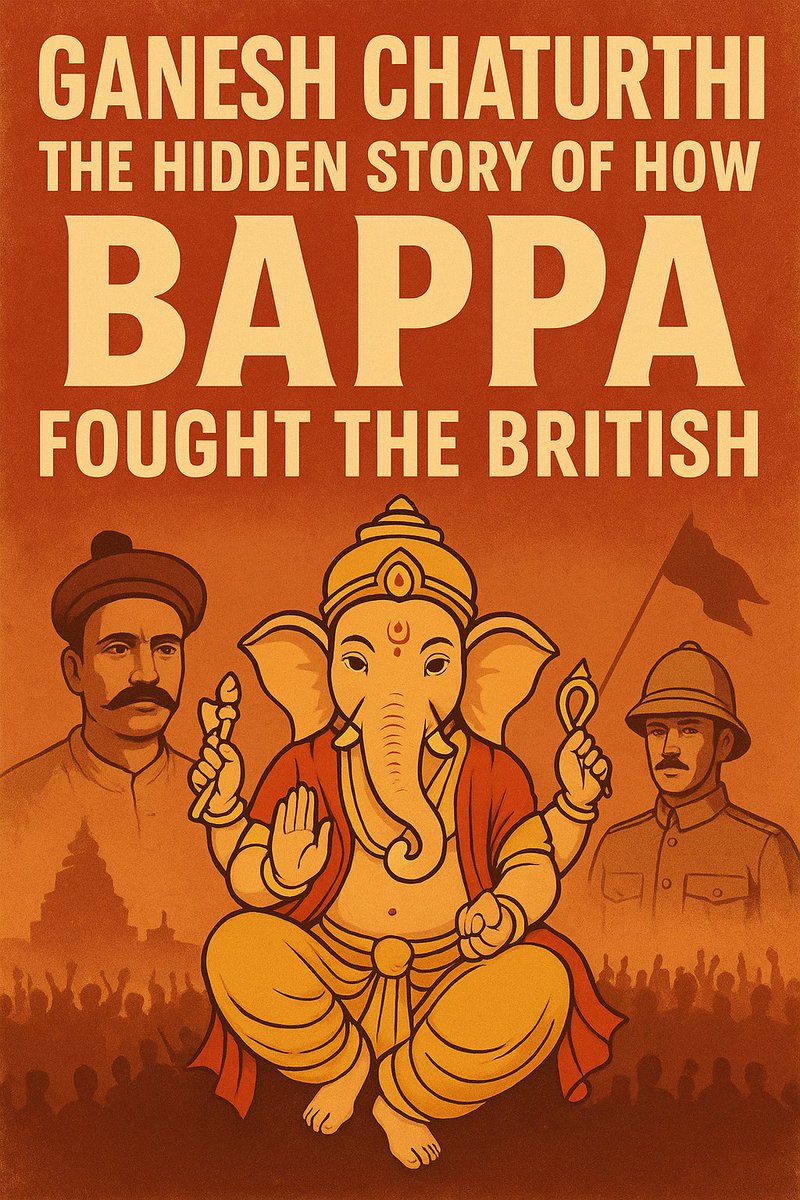 The Festival Before the Revolution
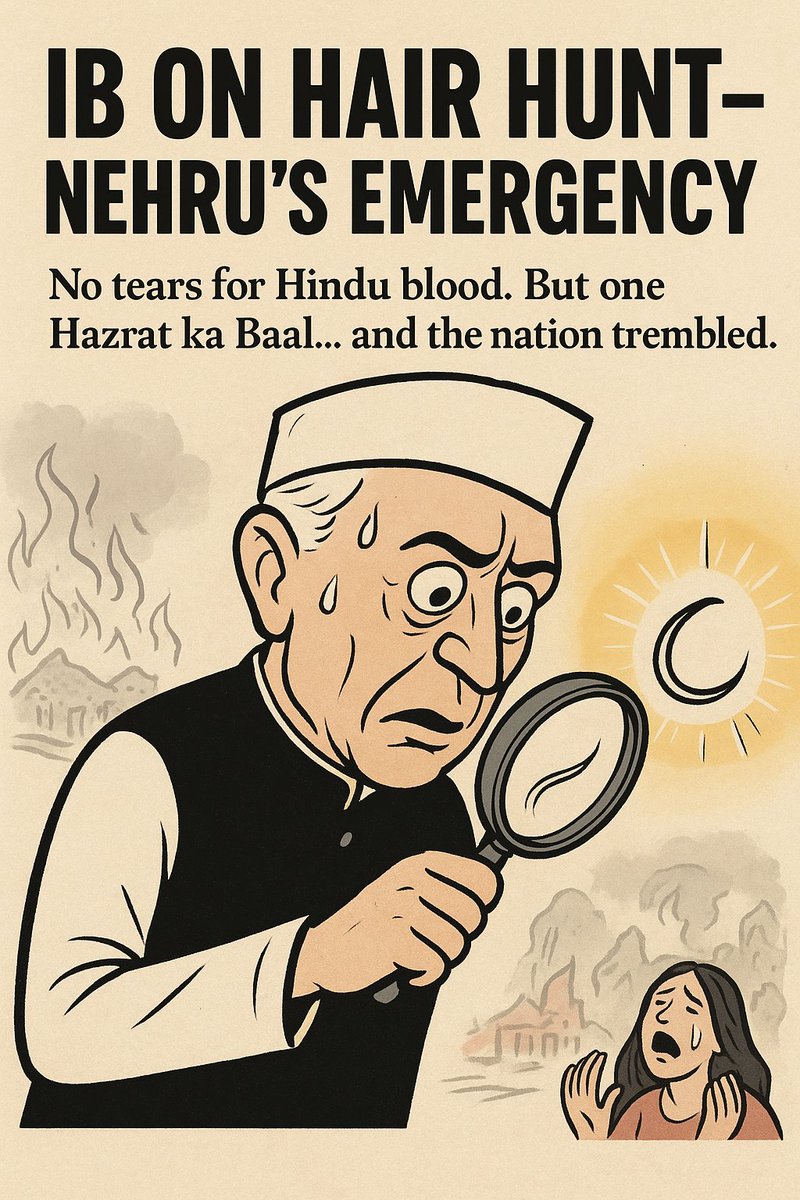 When Nehru Deployed the Entire Intelligence Bureau… to Find a Single Hazrat ka Baal
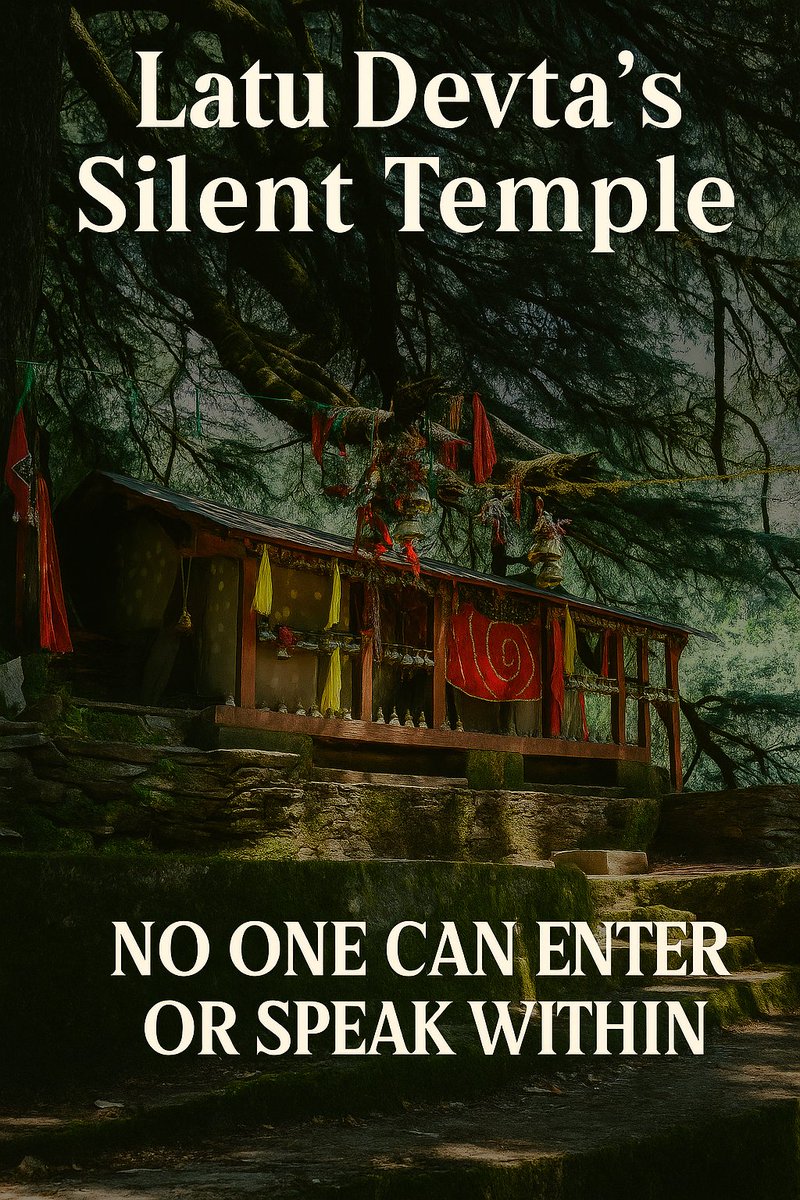 Lean in close and listen carefully…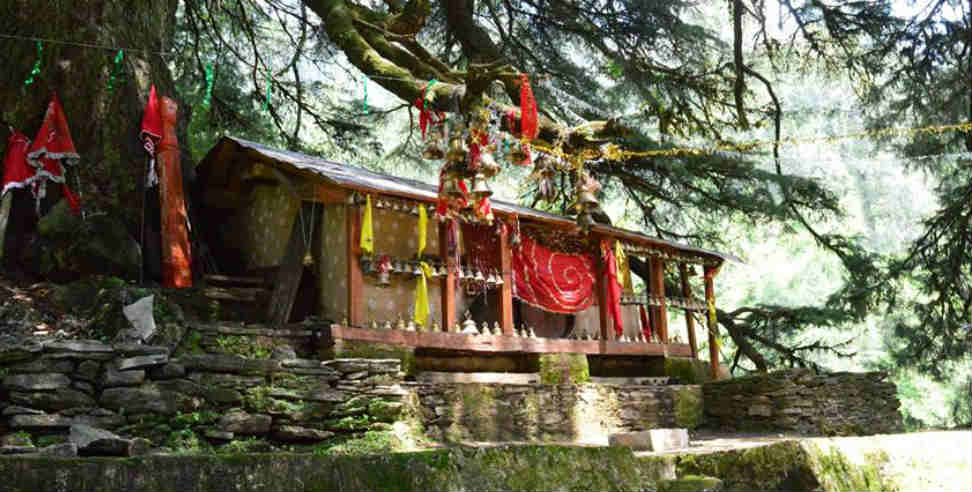
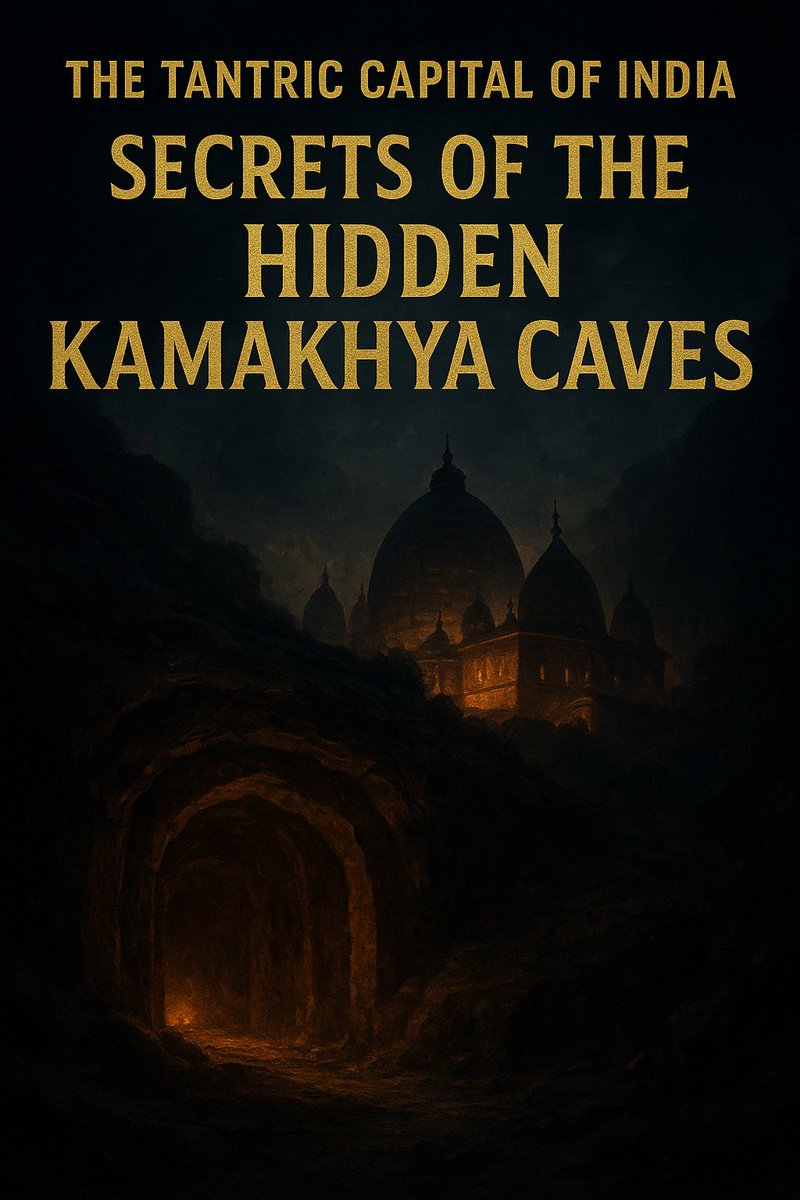 The Tantric Capital of India: Secrets of the Hidden Kamakhya Caves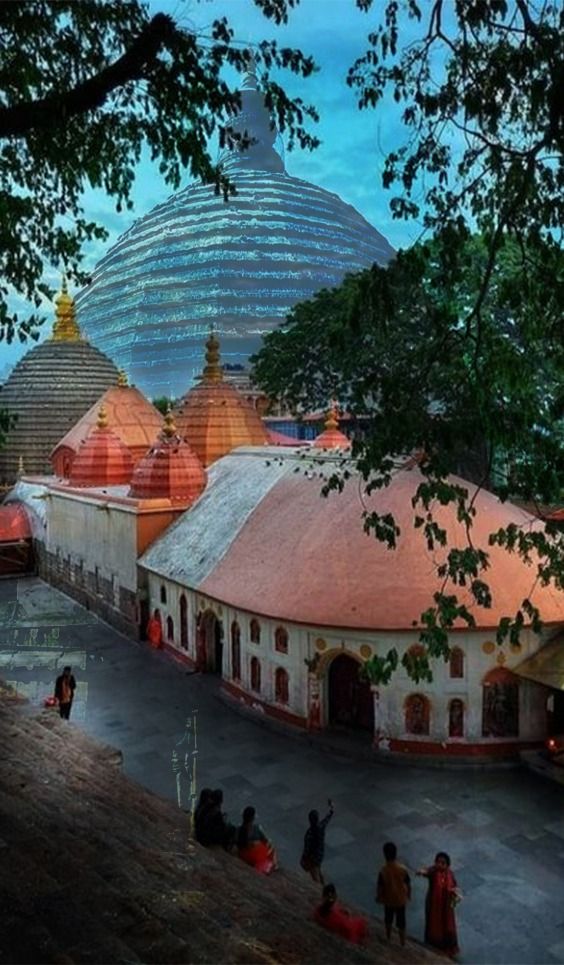
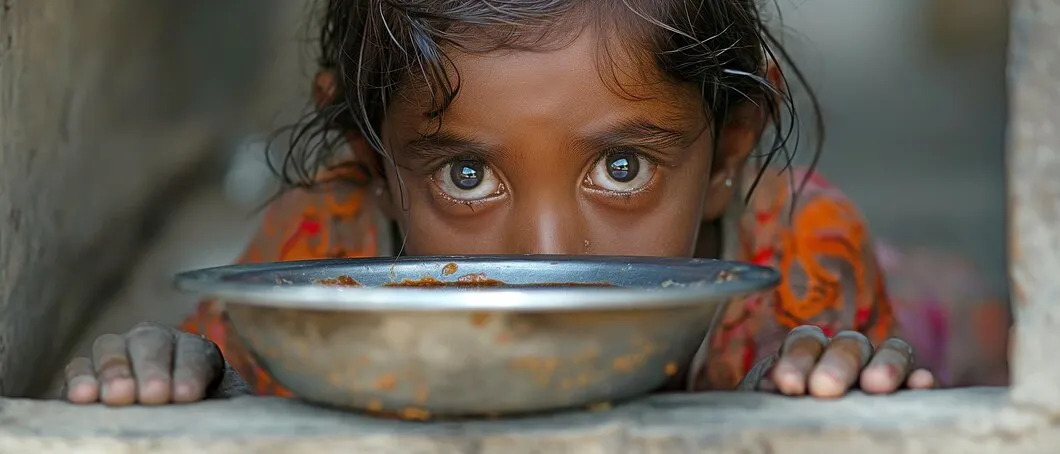 India in the early 1950s. A nation freshly independent but already on its knees. Fields lay barren, farmers struggled for seeds, queues for ration stretched endlessly. Hunger was everywhere. Instead of owning his failures, he mocked the hungry. Instead of building solutions, he blamed Indians for daring to eat.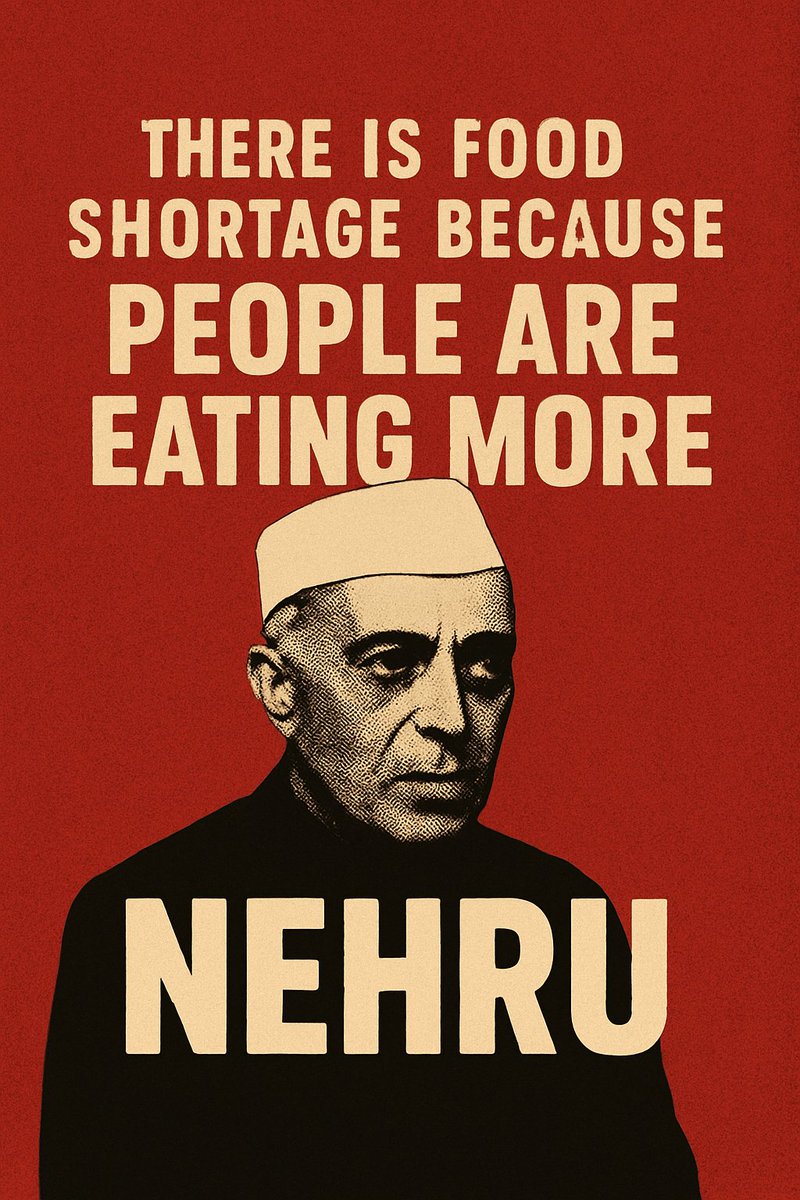
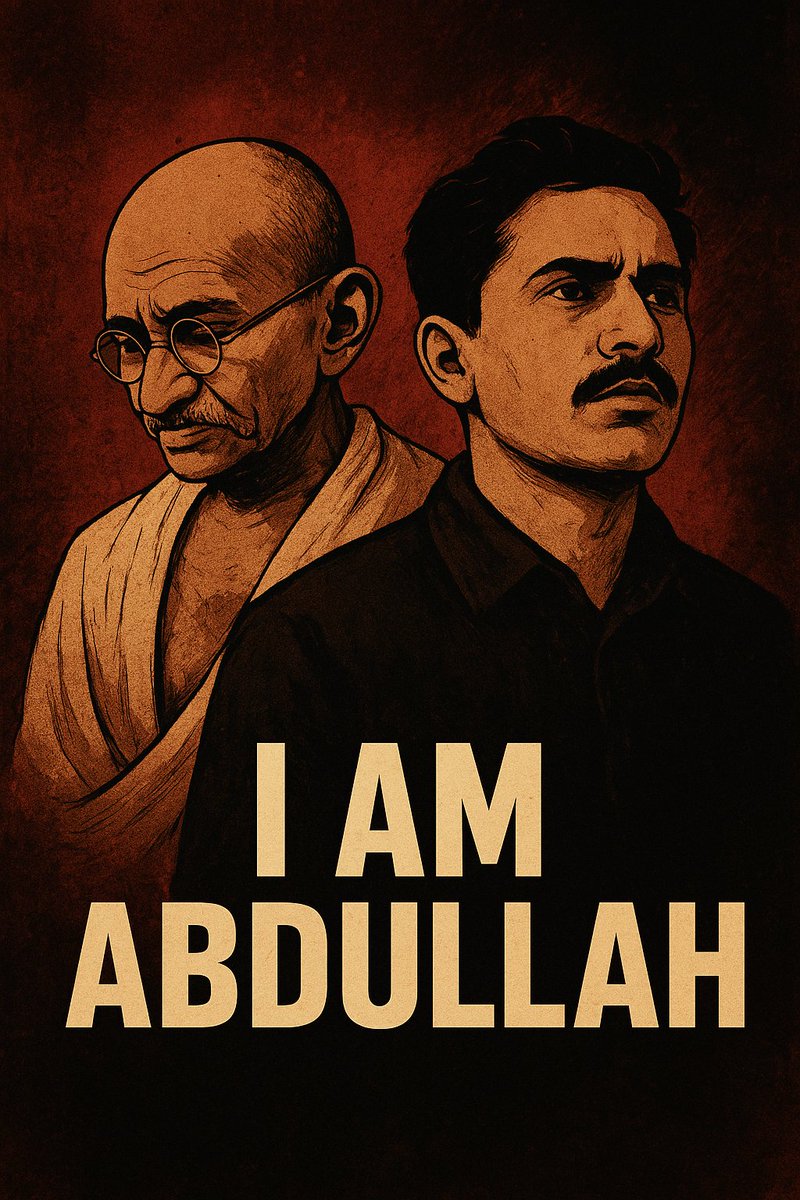 There comes a moment in history when a people, blinded by borrowed ideas, begin to laugh at their own roots. When temples fall silent and foreign slogans echo louder than the voice of their ancestors. When leaders, intoxicated with the poison of “secularism,” preach weakness as virtue, and pride in Dharma is mocked as bigotry. And then, slowly, Dharma begins to die.
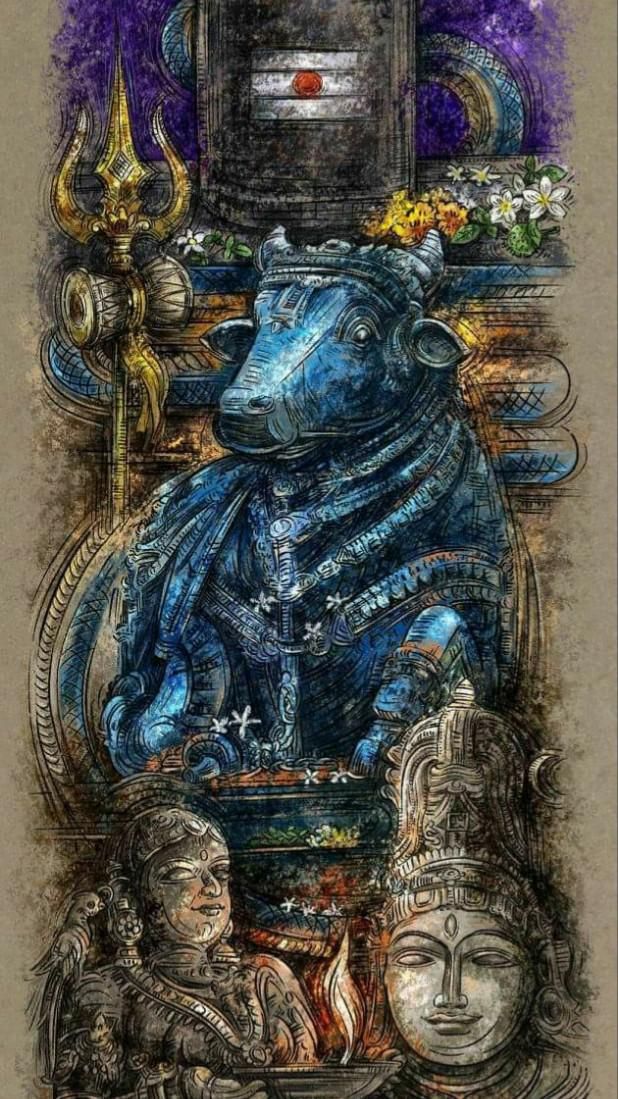 Shiva is not an empty idea. He is not a mere abstraction.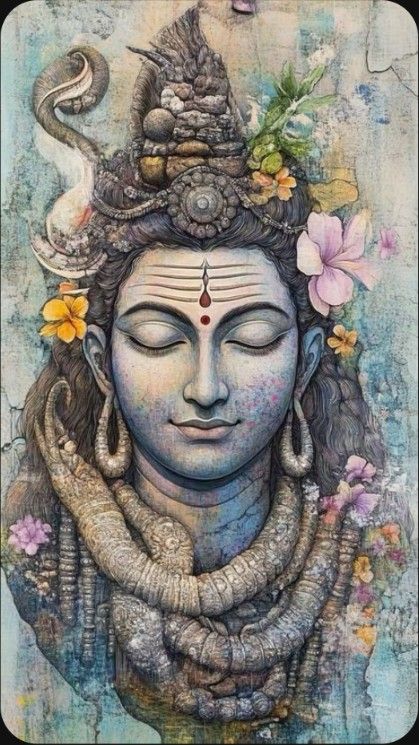
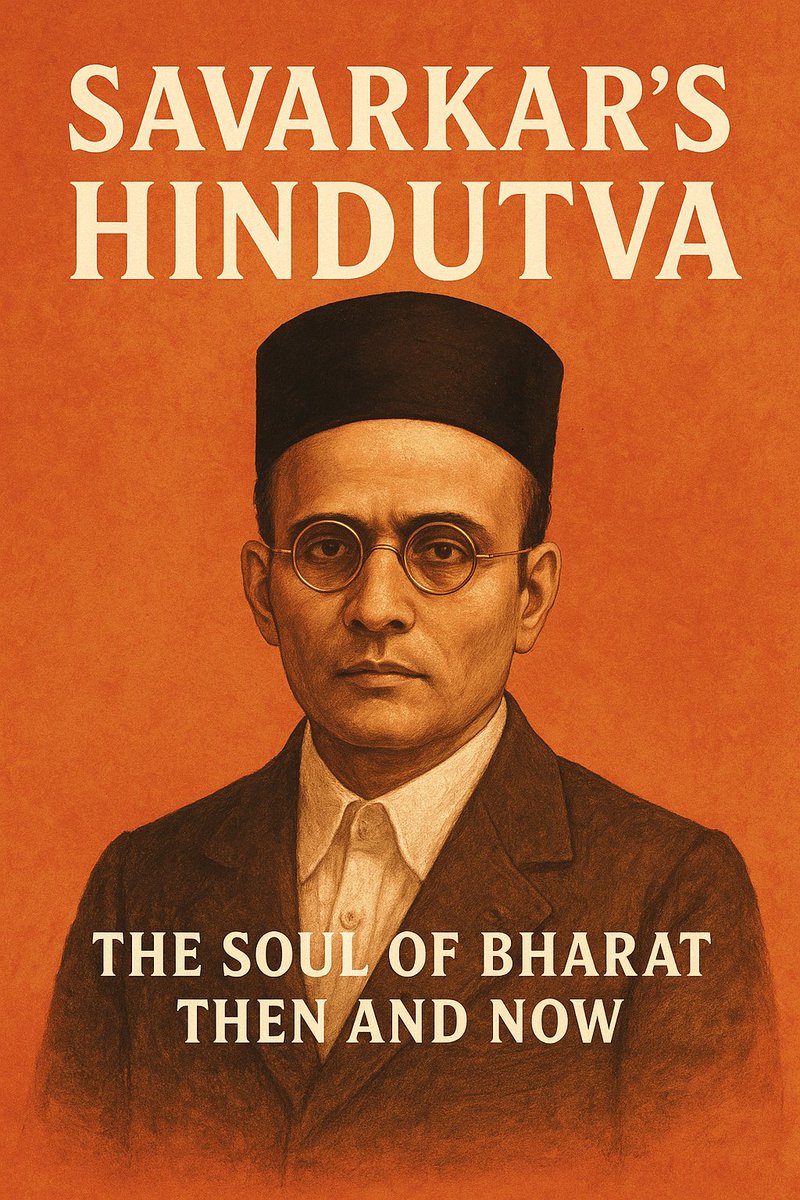 Bharat, the land of our ancestors, the cradle of our gods, and the soil sanctified by the blood of countless heroes, today stands at a dangerous crossroad. For centuries we endured foreign invasions, slavery, and humiliation, not because our enemies were stronger, but because we ourselves were divided. Even now, seventy-five years after independence, the same question that haunted Savarkar a century ago refuses to leave us:
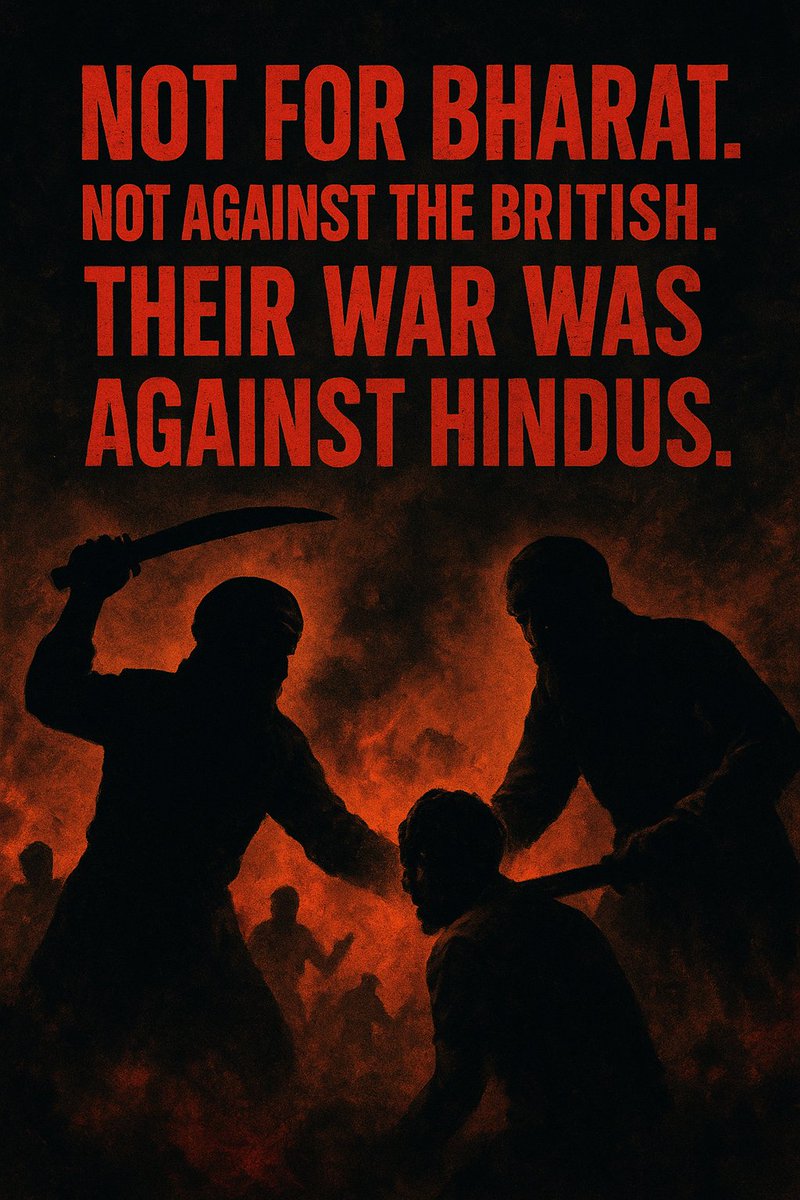 Some histories are written in ink, but others are carved in blood. From villages set ablaze to cities drowned in fear, the horrors that befell Hindus during the darkest days of India’s pre-partition are not just stories, they are scars on the soul of a nation. This is a journey into those nights of terror, where courage and suffering walked hand in hand, and where humanity itself was tested.
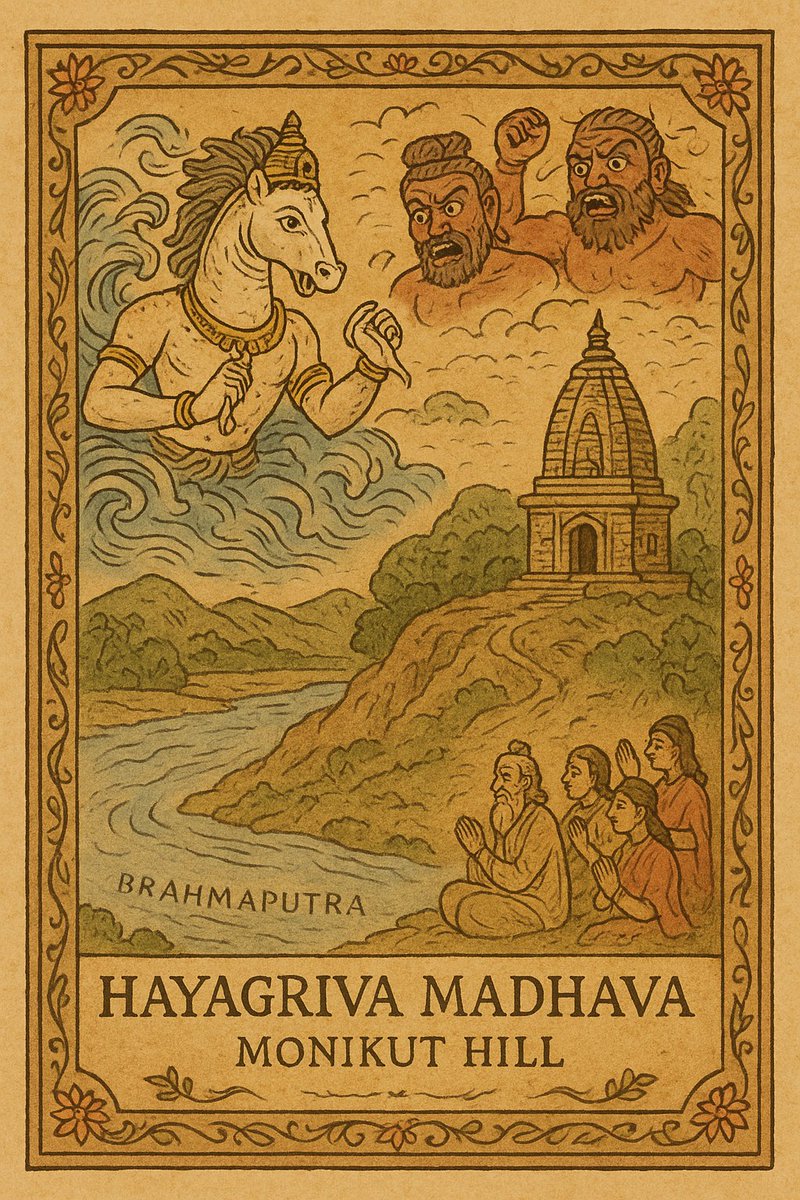 In an age when the oceans were young and the mountains still sang hymns to the sky, the asuras Madhu and Kaitabha, born from the earwax of Bhagwan Vishnu, grew drunk with power.
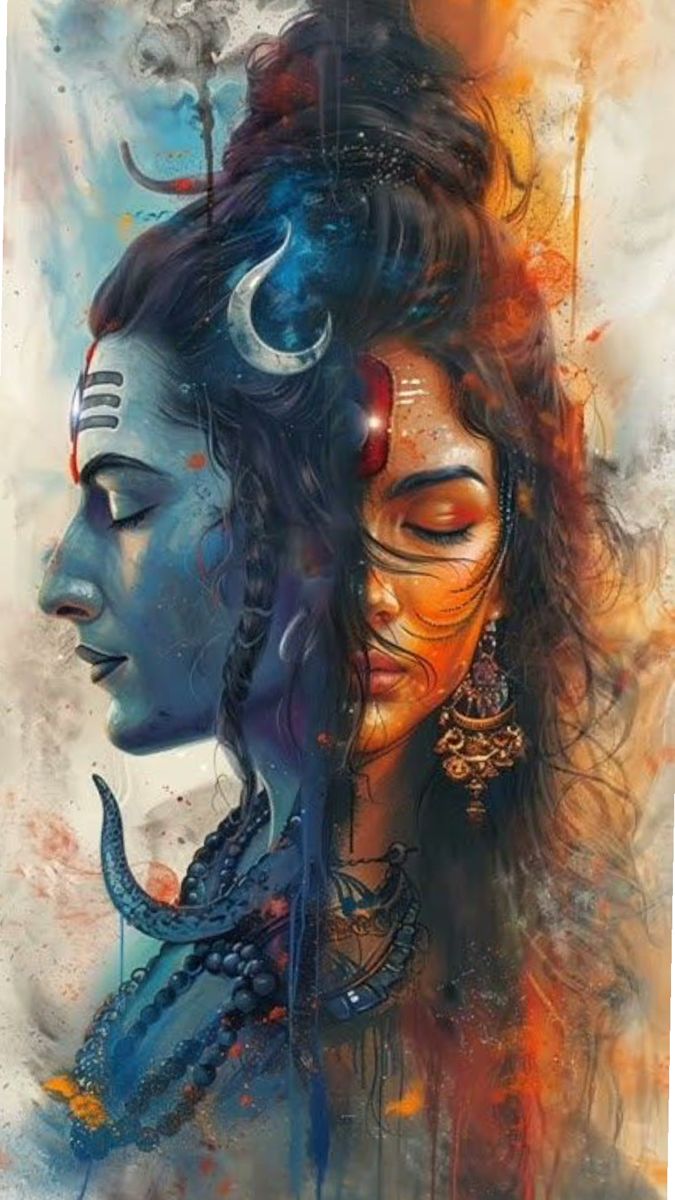 Bharat Was Never Patriarchal - We Just Forgot Our Own Story
 The Time We Walked With Our Ancestors
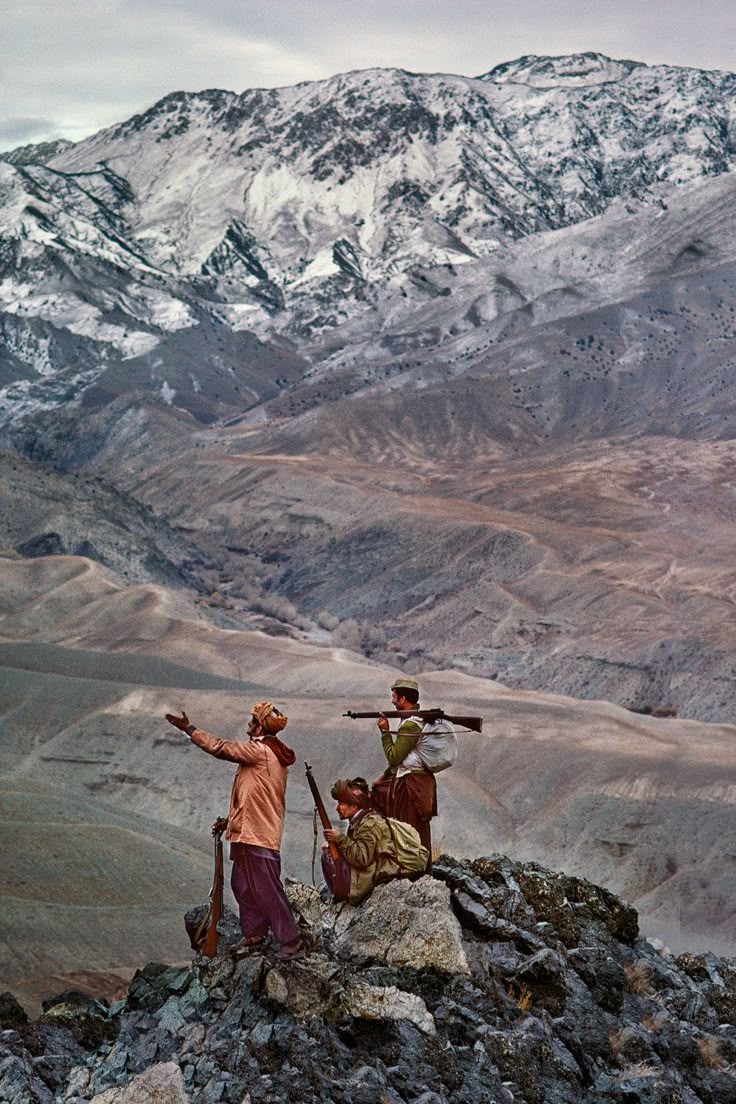 Bamiyan: Where the Mountains Bled Stone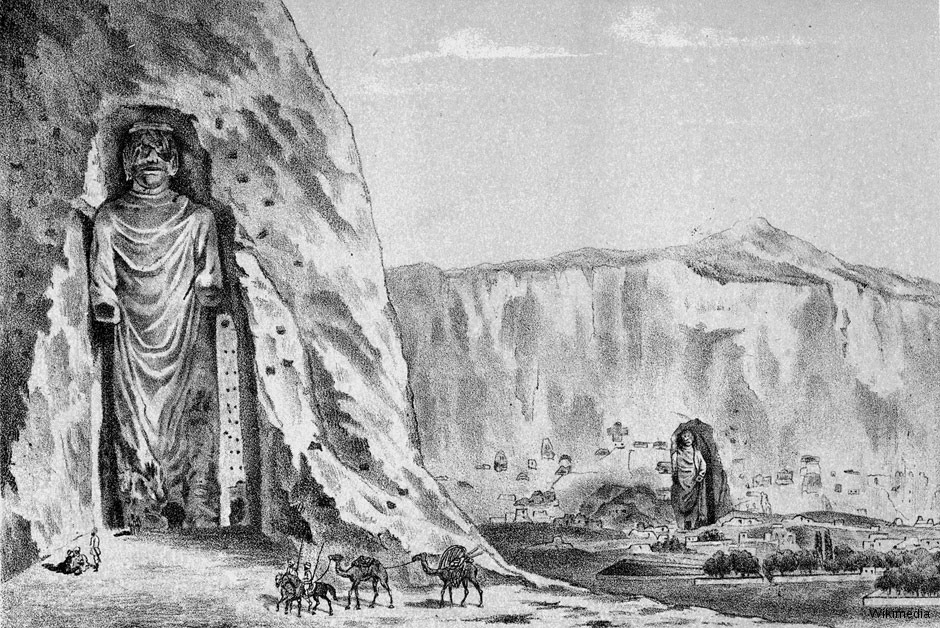
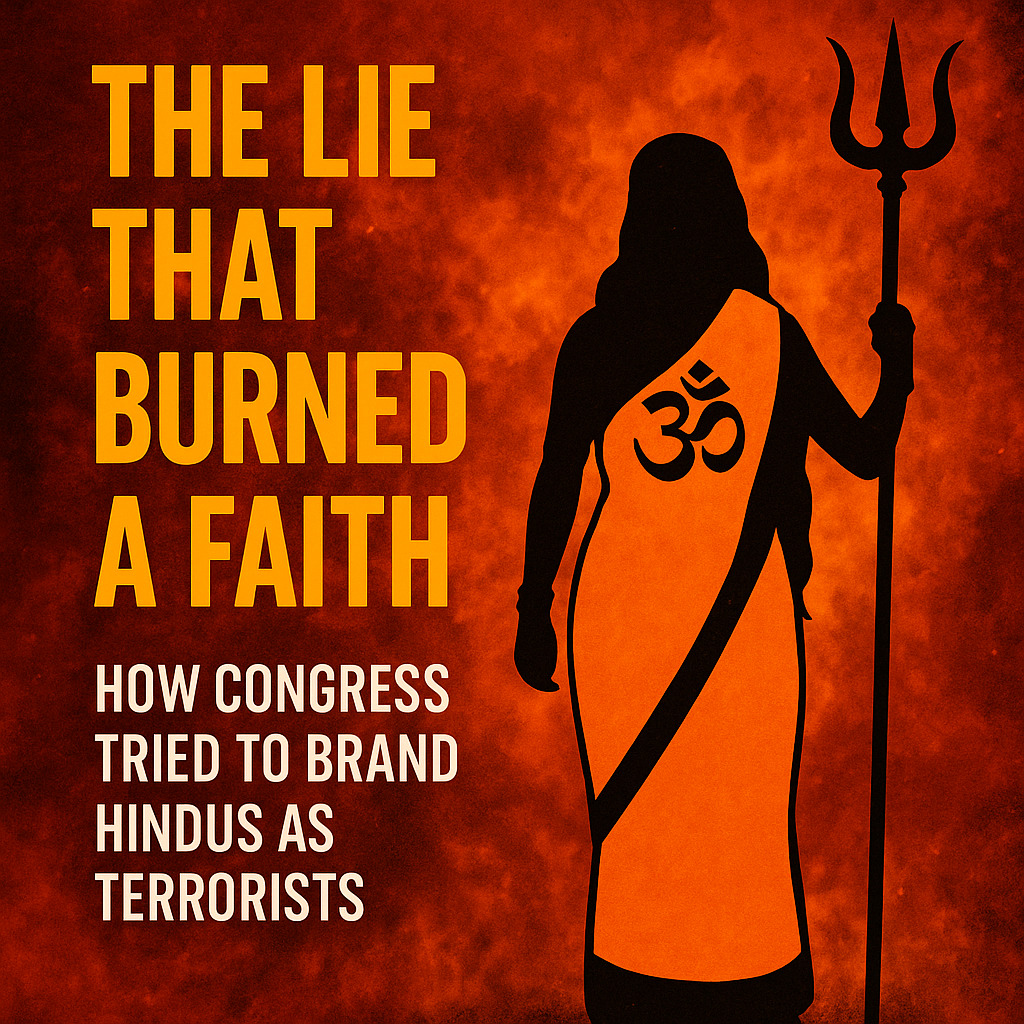 When truth is silenced, the lie becomes history. Until one day, someone dares to speak.
 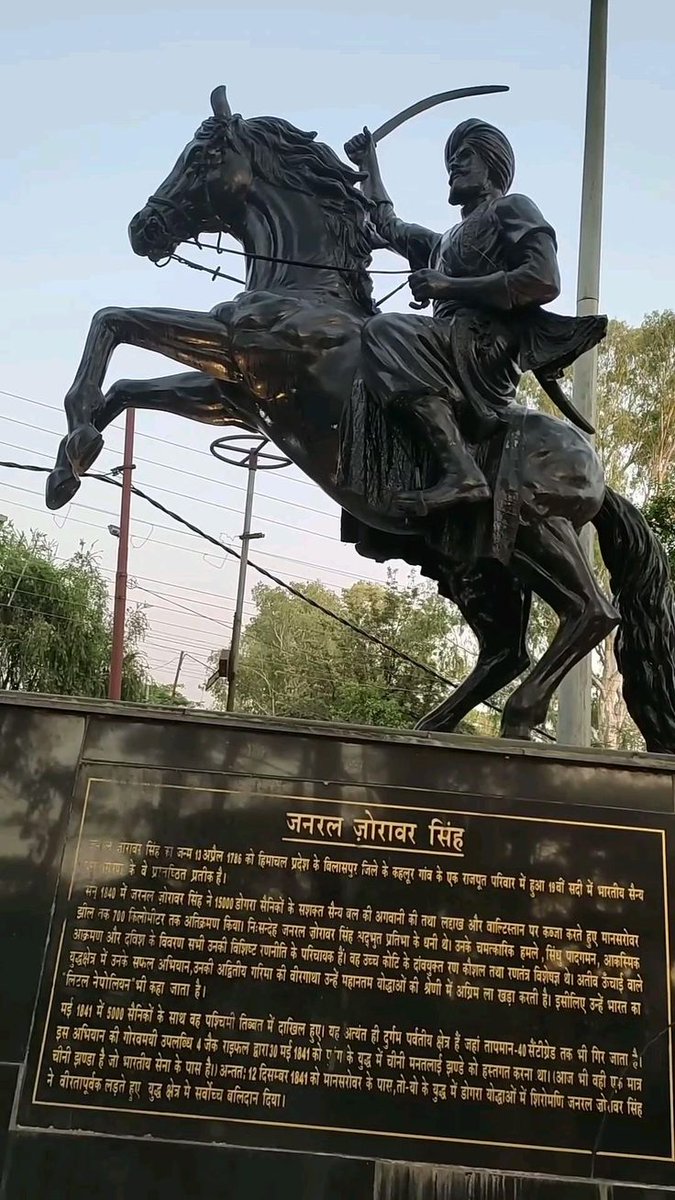 Before India had a constitution, before Nehru made his UN speech, before the term "Kashmir issue" was even coined, there was one man whose sword had already secured the soul of Bharat’s north.
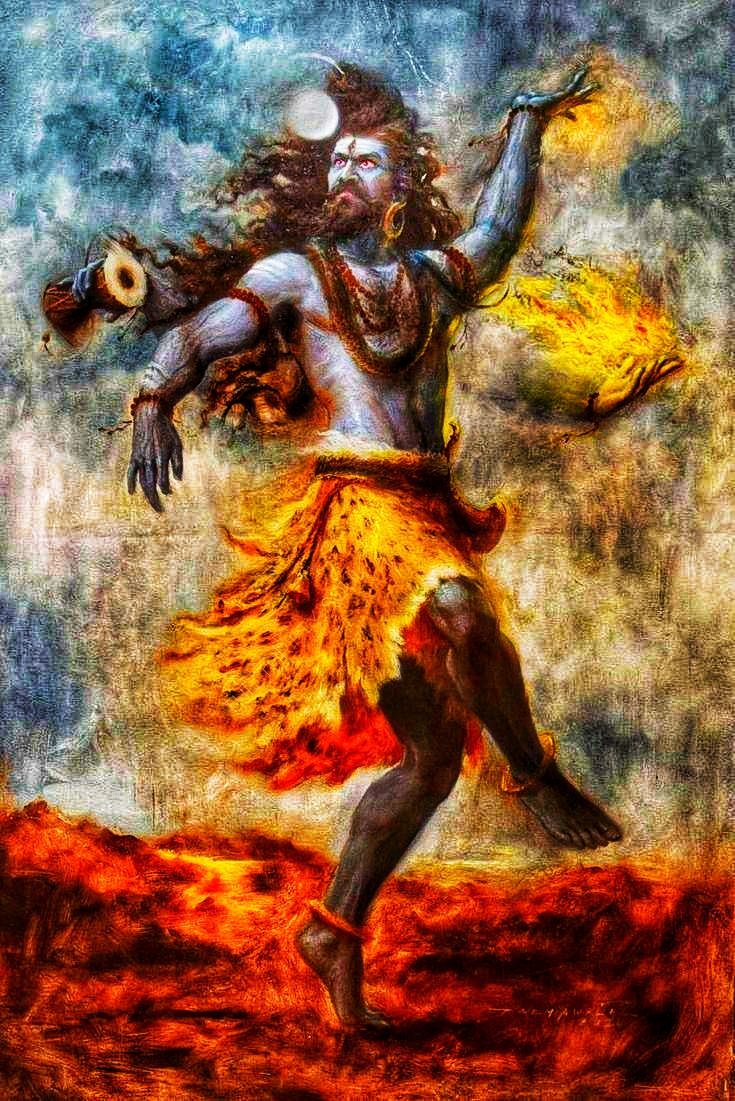 The temple bell rang as dusk fell over the village. Children ran across the courtyard, elders folded hands before the deity, and the air was thick with incense and chants. A bhajan rose like a flame:
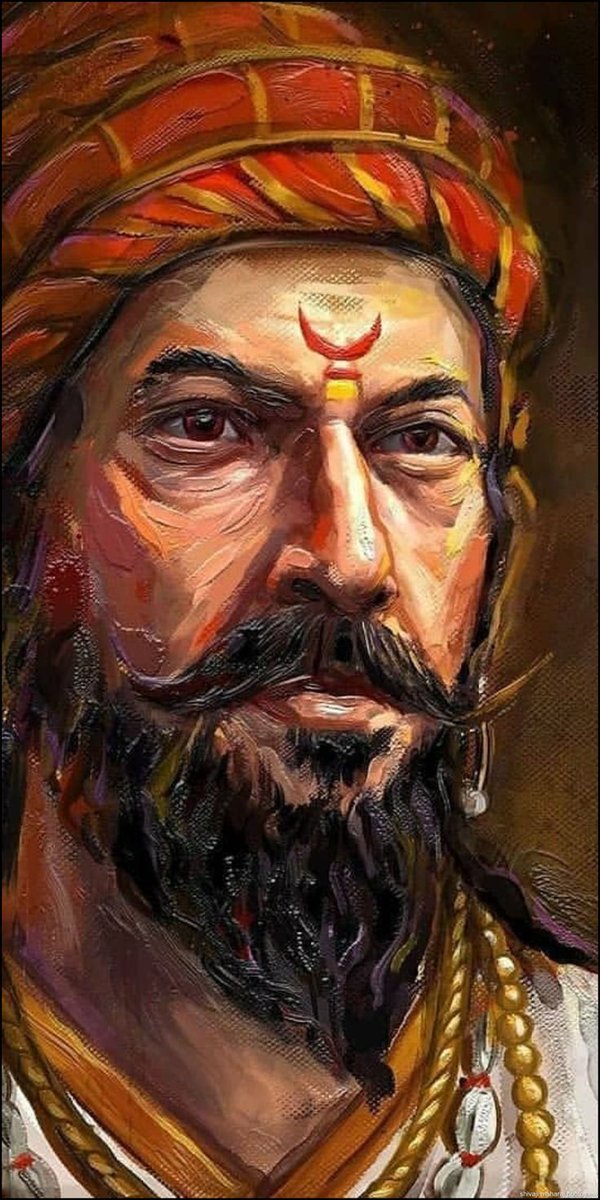 This isn’t just an academic failure. It’s a theft. A theft of your identity. A theft of the thousands of years when Bharat ruled itself with wisdom, valor, and dharma, long before a single Mughal set foot on our sacred soil.
 He didn’t flinch.