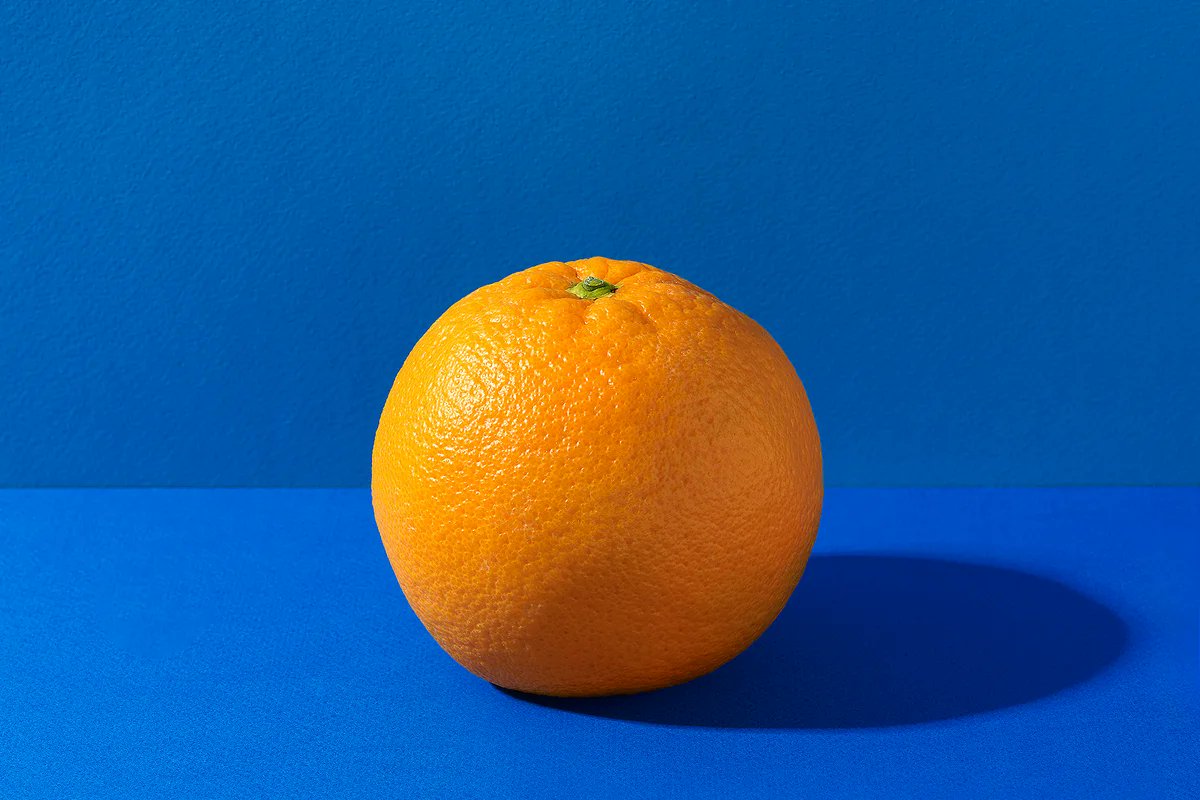
A new study has shown that eating 2 oranges a day reduces fatty liver by 30%.
And no, it's not just a correlation.
(🧵1/7)
And no, it's not just a correlation.
(🧵1/7)
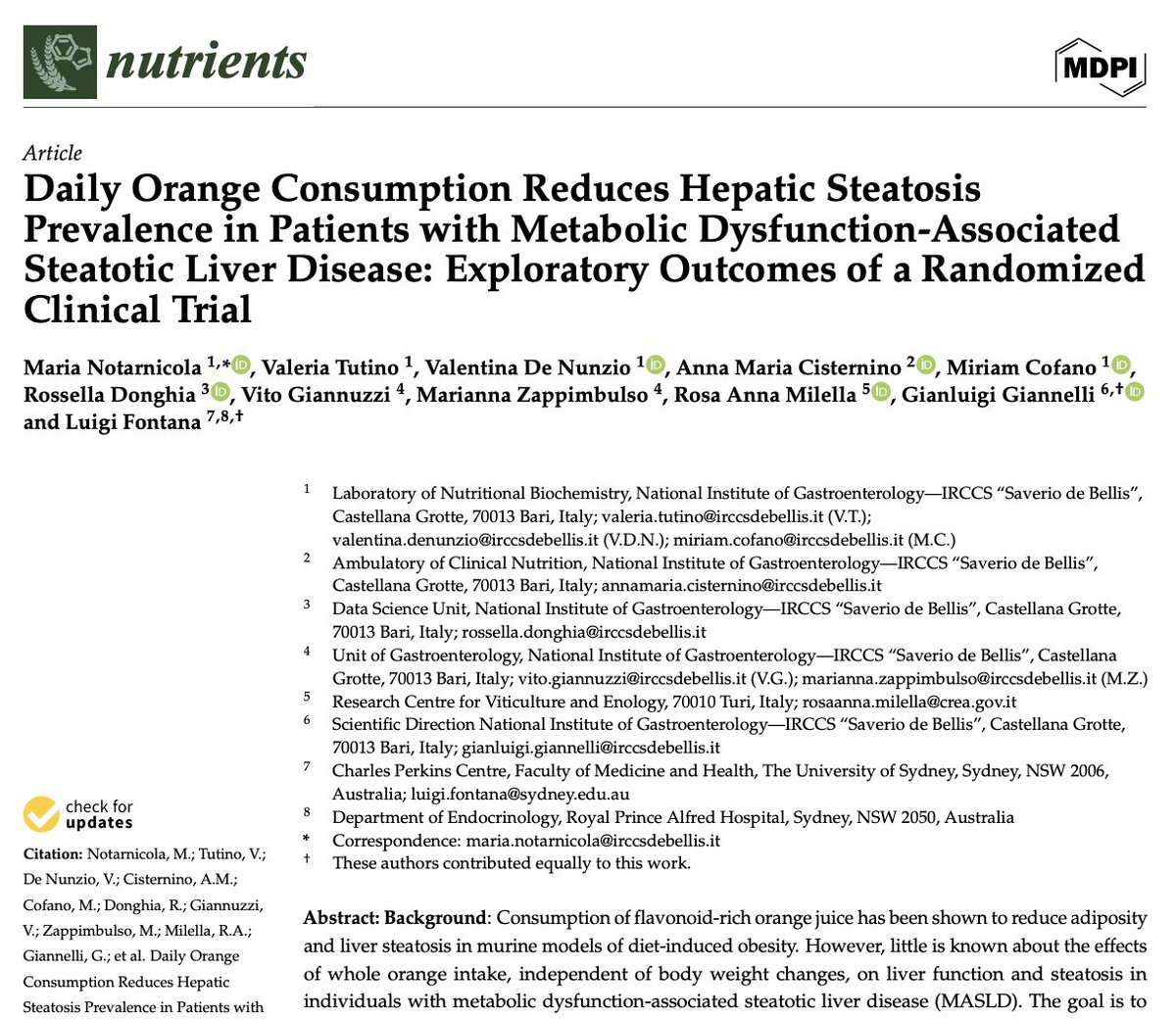
The study was published in September, looking at people with fatty liver disease.
It's been shown repeatedly that orange juice has beneficial effects on metabolism, as I've written about below.
The researchers wanted to investigate just oranges.
(2/7).
It's been shown repeatedly that orange juice has beneficial effects on metabolism, as I've written about below.
The researchers wanted to investigate just oranges.
(2/7).
https://x.com/Outdoctrination/status/1849472394244530581
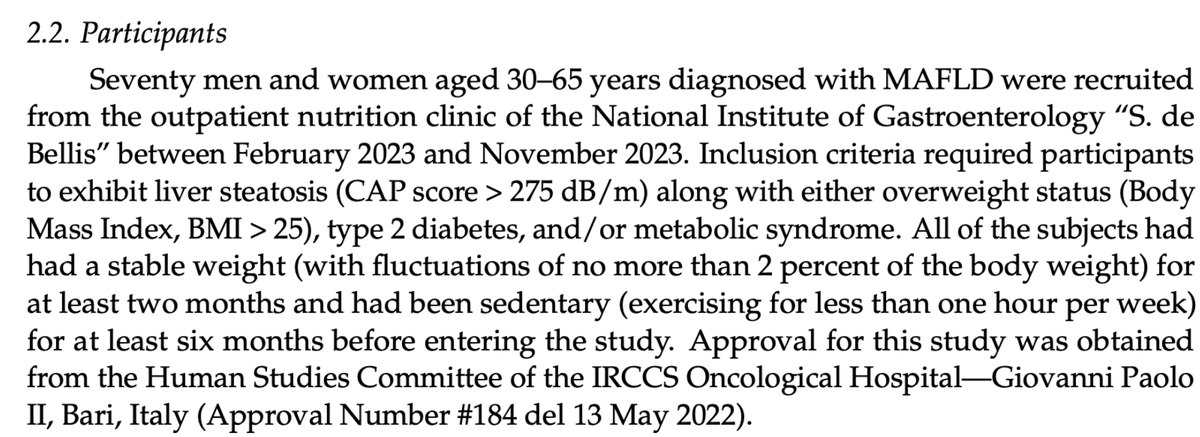
People in the study had verified fatty liver disease, along with being diabetic or having the metabolic syndrome.
Everyone entered the study being weight stable, so the changes were unlikely to be due to anything but the oranges.
(3/7)
Everyone entered the study being weight stable, so the changes were unlikely to be due to anything but the oranges.
(3/7)
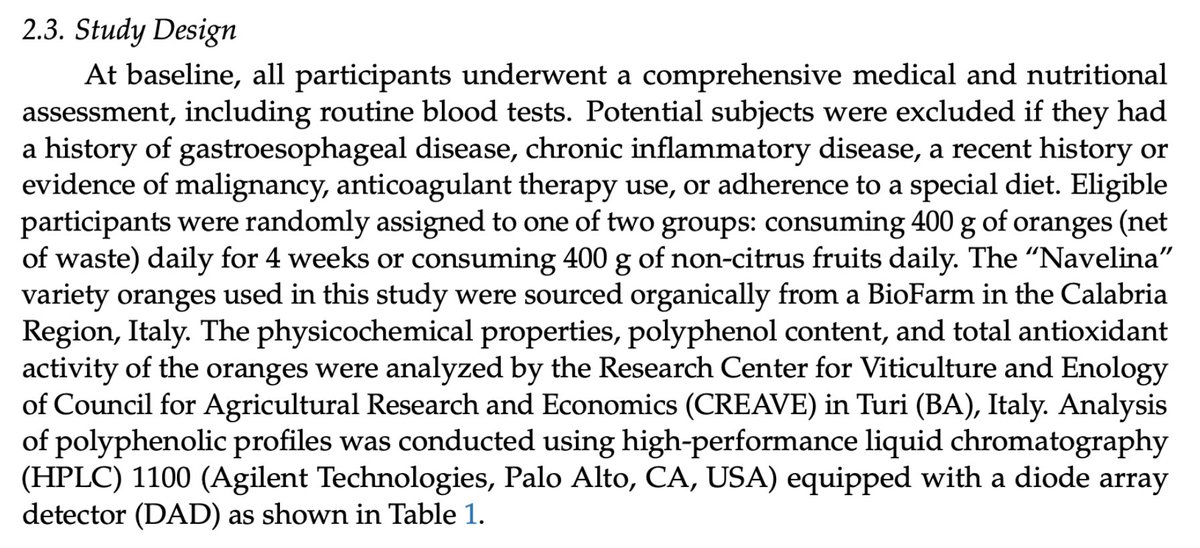
People were instructed to eat 400g (roughly 2-3 oranges) per day.
People in the control group also ate 400g of fruit - just anything that wasn't oranges.
This way we can be sure that this is an orange specific property.
(4/7)
People in the control group also ate 400g of fruit - just anything that wasn't oranges.
This way we can be sure that this is an orange specific property.
(4/7)
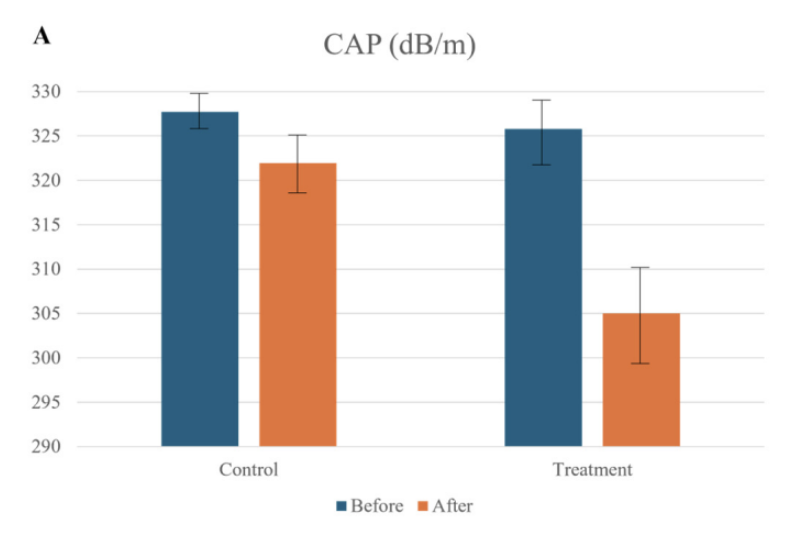
Eating oranges reduces liver fat.
People eating oranges lost 20 dB of liver fat.
This is equivalent to around a 20% reduction in liver fat - a huge difference.
People eating all other fruits lost around 3.
(5/7)
People eating oranges lost 20 dB of liver fat.
This is equivalent to around a 20% reduction in liver fat - a huge difference.
People eating all other fruits lost around 3.
(5/7)
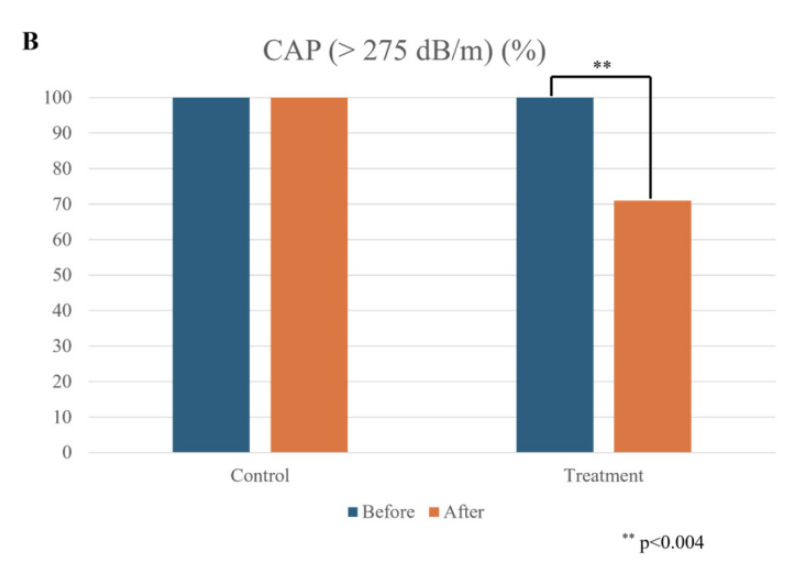
Oranges also reduced total fatty liver disease prevalence by ~30%.
People eating other types of fruit had no decrease in fatty liver disease prevalence.
(6/7)
People eating other types of fruit had no decrease in fatty liver disease prevalence.
(6/7)
How is this possible?
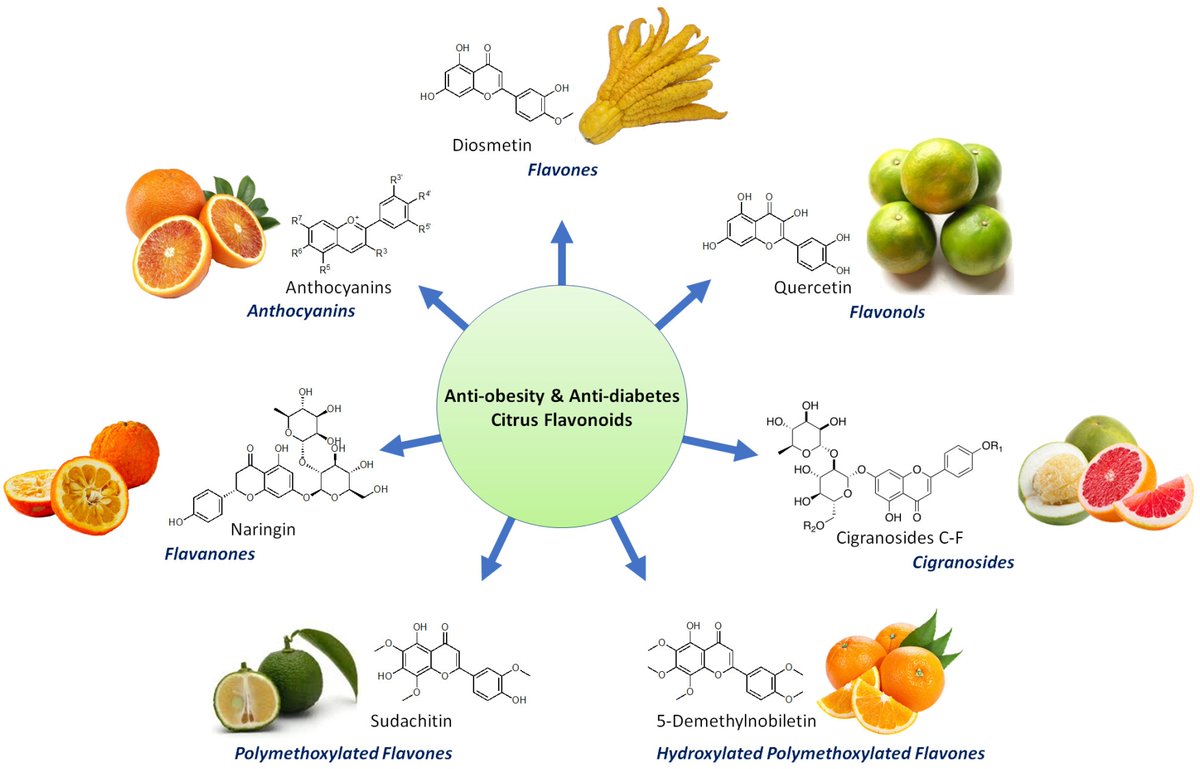
Oranges + orange juice have been studied specifically over other fruits for their high phenolic content, including compounds like naringenin and hesperidin.
These phytochemcials have direct antioxidant + anti-inflammatory properties, which are protective when it comes to liver fat accumulation.
They also seem to act on key proteins that control our metabolisms:
☆ PPAR-α ➜ turns on fat burning genes (increasing expression of enzymes involved in fat metabolism, limiting those that synthesize fat)
☆ Liver X receptor (LXR-α) ➜ increases fat synthesis (thought to be inhibited by orange chemicals)
☆ Dimethylarginine dimethylaminohydrolase (DDAH)/asymmetric dimethylarginine (ADMA) pathway ➜ lowers nitric oxide availability
☆ SIRT1 ➜ controls genes involved in carb + fat metabolism, inflammation, oxidative stress, fibrosis
☆ PGC1α ➜ master promoter of mitochondrial biogenesis (making more mitochondria)
People eating the oranges also had increased:
◇ Vitamin C
◇ Vitamin B1
◇ Vitamin B2
All having key antioxidant roles, and the latter two being directly involved in energy metabolism.
All of this together makes oranges / OJ excellent tools for preventing liver fat accumulation.
(7/7)
Oranges + orange juice have been studied specifically over other fruits for their high phenolic content, including compounds like naringenin and hesperidin.
These phytochemcials have direct antioxidant + anti-inflammatory properties, which are protective when it comes to liver fat accumulation.
They also seem to act on key proteins that control our metabolisms:
☆ PPAR-α ➜ turns on fat burning genes (increasing expression of enzymes involved in fat metabolism, limiting those that synthesize fat)
☆ Liver X receptor (LXR-α) ➜ increases fat synthesis (thought to be inhibited by orange chemicals)
☆ Dimethylarginine dimethylaminohydrolase (DDAH)/asymmetric dimethylarginine (ADMA) pathway ➜ lowers nitric oxide availability
☆ SIRT1 ➜ controls genes involved in carb + fat metabolism, inflammation, oxidative stress, fibrosis
☆ PGC1α ➜ master promoter of mitochondrial biogenesis (making more mitochondria)
People eating the oranges also had increased:
◇ Vitamin C
◇ Vitamin B1
◇ Vitamin B2
All having key antioxidant roles, and the latter two being directly involved in energy metabolism.
All of this together makes oranges / OJ excellent tools for preventing liver fat accumulation.
(7/7)
This study adds to the multiple other studies (in humans and in animals) showing that oranges + orange juice are incredible foods for reducing inflammation / gut dysbiosis and oxidative stress. pubmed.ncbi.nlm.nih.gov/39339791/
For more on how fatty liver disease develops and how these mechanisms relate to it, check out this thread.
https://x.com/Outdoctrination/status/1886808168006640049
While oranges are awesome, improving your metabolic and overall health might require some targeted attention to detail.
If YOU want PERSONALIZED, IN DEPTH help from us with any of your health goals, schedule a free call here: go.prism.miami/consultation
If YOU want PERSONALIZED, IN DEPTH help from us with any of your health goals, schedule a free call here: go.prism.miami/consultation
• • •
Missing some Tweet in this thread? You can try to
force a refresh