More women DIE giving birth in America than in any other developed country.
And no one wants to talk about why.
America spends $111 BILLION a year to deliver babies, yet thousands of mothers leave hospitals with trauma they can’t explain.
Lying on your back? It makes labor longer, more painful, and more dangerous.
How about Pitocin? The truth is frightening.
Here’s what no one is telling you about childbirth—and what every expectant parent needs to know.
🧵 THREAD
And no one wants to talk about why.
America spends $111 BILLION a year to deliver babies, yet thousands of mothers leave hospitals with trauma they can’t explain.
Lying on your back? It makes labor longer, more painful, and more dangerous.
How about Pitocin? The truth is frightening.
Here’s what no one is telling you about childbirth—and what every expectant parent needs to know.
🧵 THREAD
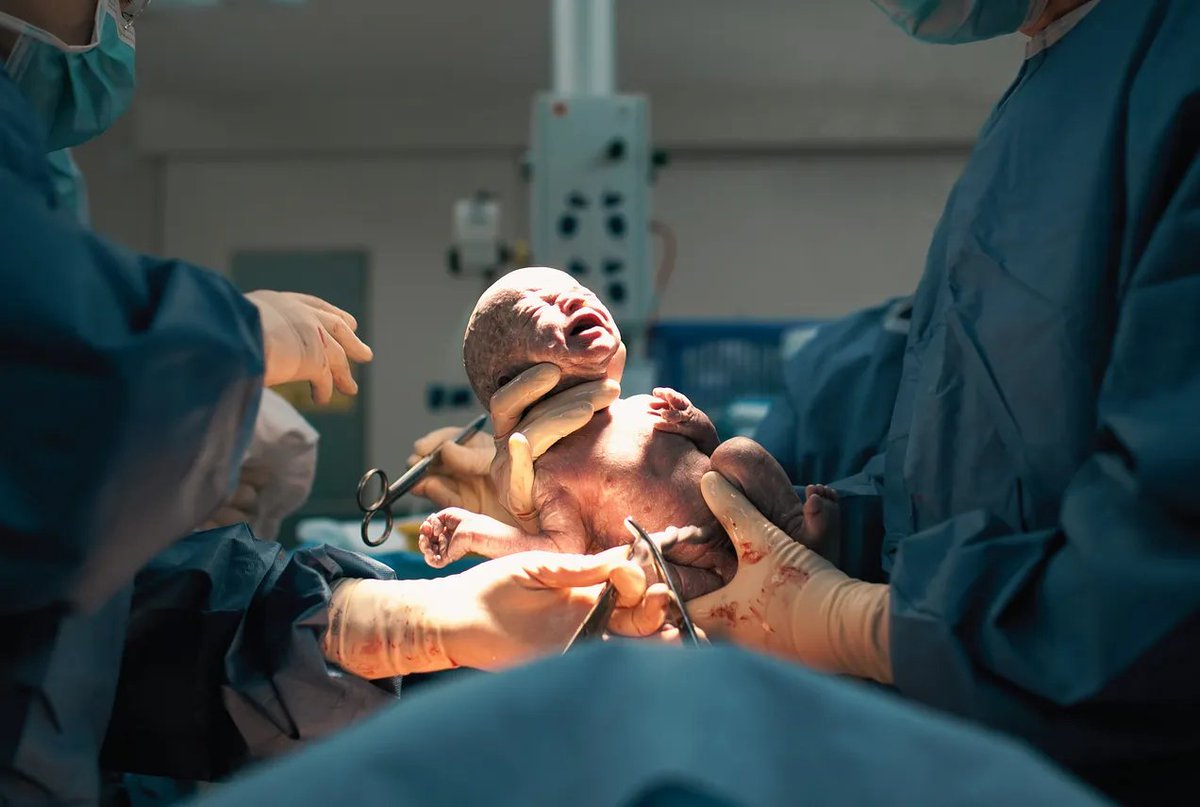
This information comes from the work of medical researcher @MidwesternDoc. For all the sources and eye-opening details, read the full 12,000+ word report below.
midwesterndoctor.com/p/the-hidden-d…
midwesterndoctor.com/p/the-hidden-d…
For most of human history, childbirth was natural, sacred, and guided by midwives.
That changed when male doctors took over in the early 1900s and started treating birth like a disease.
The result? A cascade of dangerous, unnecessary interventions.
Birth has been hijacked. And the consequences are massive.
That changed when male doctors took over in the early 1900s and started treating birth like a disease.
The result? A cascade of dangerous, unnecessary interventions.
Birth has been hijacked. And the consequences are massive.

Midwives once served as nurses, herbalists, and healers.
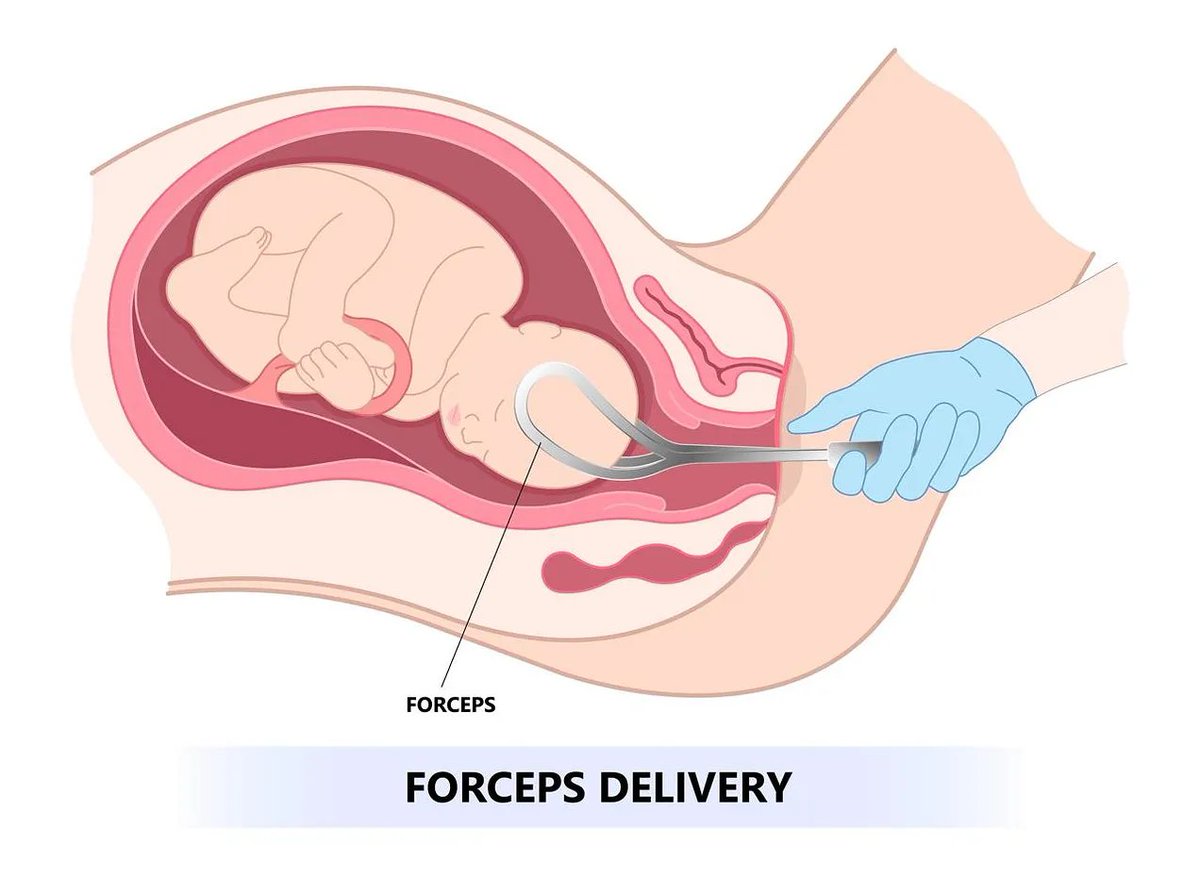
But by 1930, they were nearly extinct—pushed out by doctors like Joseph DeLee who declared childbirth “pathologic” and promoted forceps, anesthesia, and episiotomies... for every single birth regardless of the circumstances.
Sounds like a money maker to me.
But by 1930, they were nearly extinct—pushed out by doctors like Joseph DeLee who declared childbirth “pathologic” and promoted forceps, anesthesia, and episiotomies... for every single birth regardless of the circumstances.
Sounds like a money maker to me.
@MidwesternDoc Today, most women in the U.S. give birth in hospitals.
This is what it looks like:
midwesterndoctor.com/p/what-the-don…
This is what it looks like:
midwesterndoctor.com/p/what-the-don…
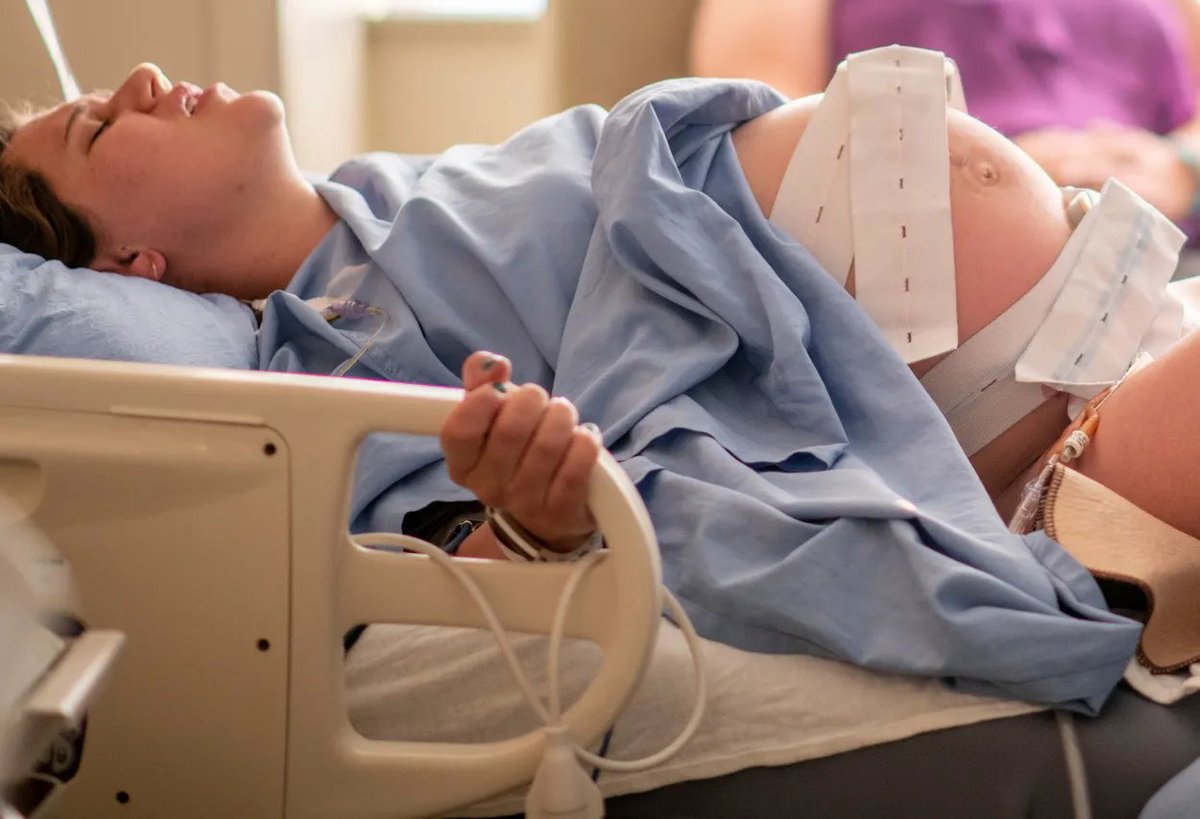
@MidwesternDoc • Lie on your back
• Hooked to monitors
• Pitocin to speed things up
• Epidural to numb the pain
• Forceps or vacuum if things stall
• C-section if all else “fails”
And all of this is considered completely normal, if not necessary.
• Hooked to monitors
• Pitocin to speed things up
• Epidural to numb the pain
• Forceps or vacuum if things stall
• C-section if all else “fails”
And all of this is considered completely normal, if not necessary.
But the truth is, none of that is necessary.
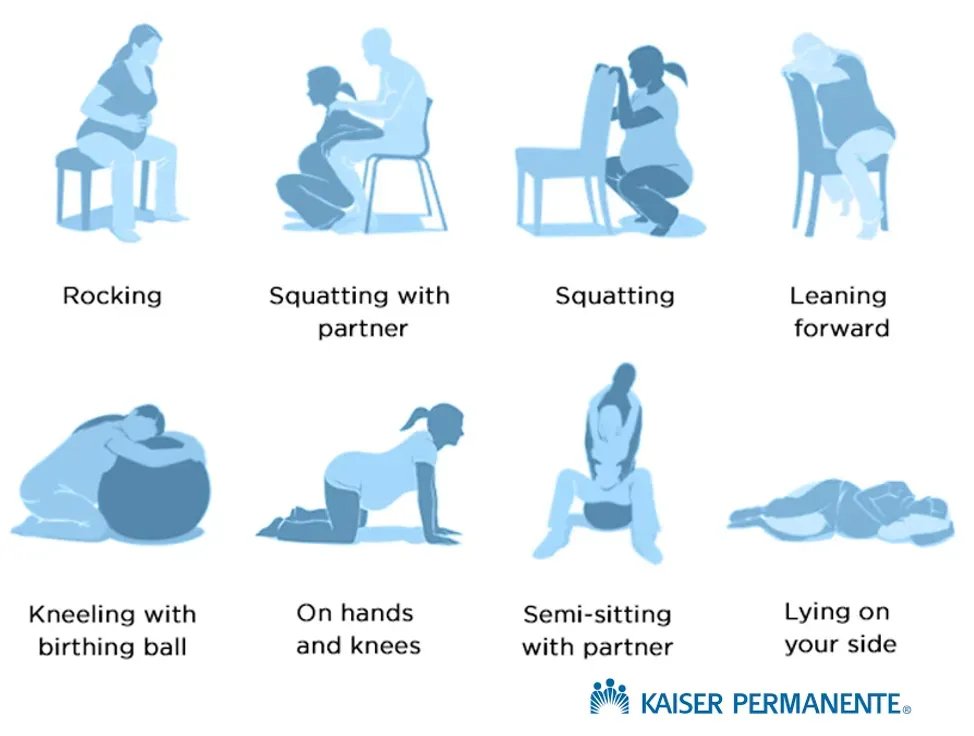
Laying on your back for birth? It’s the worst position.
Not only is it uncomfortable, laying down narrows the pelvis, slows labor, and can cut off blood flow to the baby.
But hospitals keep doing it.
It’s easier for doctors, but it’s harder and even more dangerous for mothers.
Standing, sitting, squatting, etc. all get a little boost from gravity, too. But laying down? Nope.
Laying on your back for birth? It’s the worst position.
Not only is it uncomfortable, laying down narrows the pelvis, slows labor, and can cut off blood flow to the baby.
But hospitals keep doing it.
It’s easier for doctors, but it’s harder and even more dangerous for mothers.
Standing, sitting, squatting, etc. all get a little boost from gravity, too. But laying down? Nope.
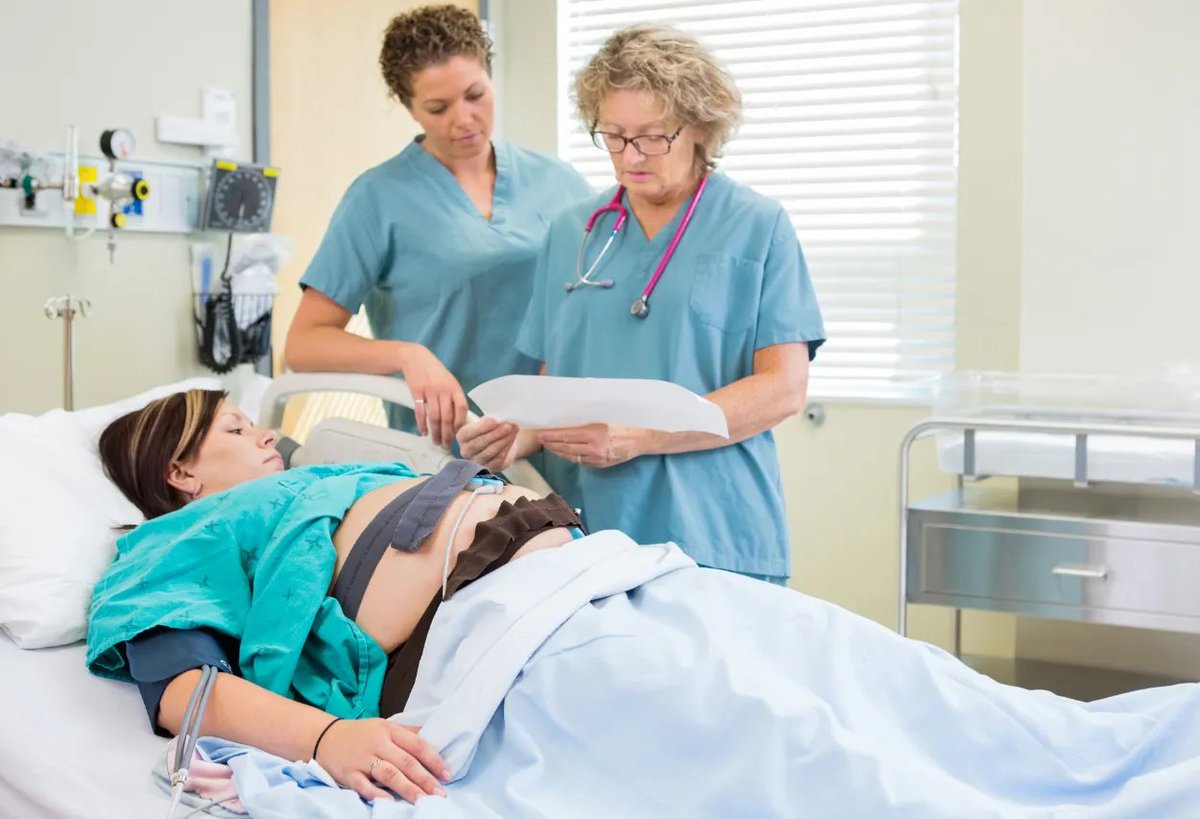
@MidwesternDoc Continuous fetal heart monitoring doesn’t save lives.
But guess what it does do. It increases C-section risk by a shocking 66%—all because doctors panic at every little (usually completely normal) blip on the screen.
It’s a classic example of tech creating more harm than help.
But guess what it does do. It increases C-section risk by a shocking 66%—all because doctors panic at every little (usually completely normal) blip on the screen.
It’s a classic example of tech creating more harm than help.
@MidwesternDoc Hospitals push Pitocin to speed up labor.
Arrived at the hospital a little early? Progress “stalling”? Pitocin! It’s practically given out like candy to birthing women.
midwesterndoctor.com/p/the-hidden-d…
Arrived at the hospital a little early? Progress “stalling”? Pitocin! It’s practically given out like candy to birthing women.
midwesterndoctor.com/p/the-hidden-d…
Even moms who didn’t plan on using it give into the pressure from the constant offers. Especially when they’re studying laying in bed.
But it causes brutal contractions, fetal distress, and a huge spike in emergency C-sections.
Pitocin isn’t about helping moms. It’s about getting things moving one way or the other so they can stay on schedule and go home at the end of the day.
But it causes brutal contractions, fetal distress, and a huge spike in emergency C-sections.
Pitocin isn’t about helping moms. It’s about getting things moving one way or the other so they can stay on schedule and go home at the end of the day.

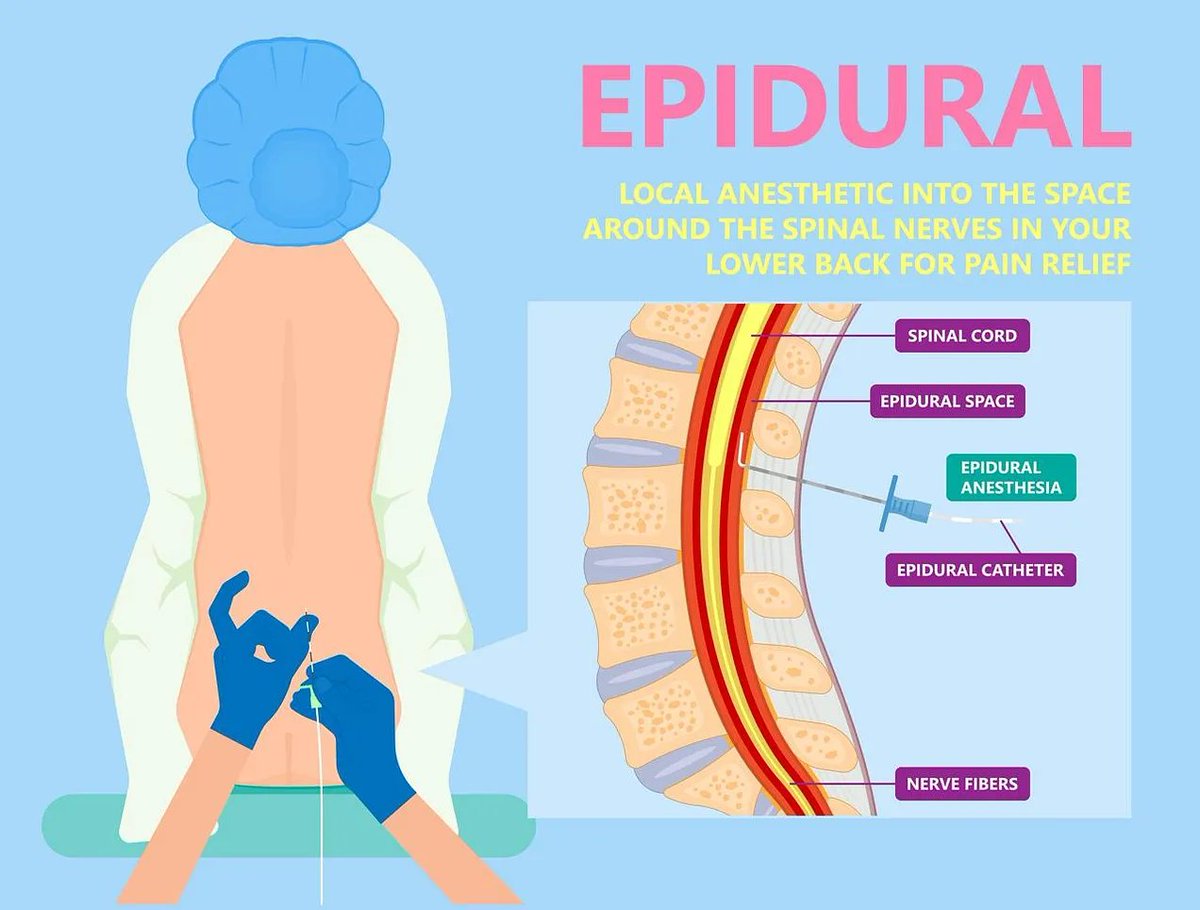
@MidwesternDoc Getting an epidural is risky.
Yes, it dulls the pain. But it also increases the risk of low blood pressure, fetal distress, and, again, C-sections.
midwesterndoctor.com/p/what-the-don…
Yes, it dulls the pain. But it also increases the risk of low blood pressure, fetal distress, and, again, C-sections.
midwesterndoctor.com/p/what-the-don…
@MidwesternDoc It also disconnects mothers from the birthing process. It can dull the pain so much that you no longer feel contractions. You don’t know when to push.
The trauma of that disconnection can last a lifetime.
But they don’t warn you about that when offering—or pushing—the shot.
The trauma of that disconnection can last a lifetime.
But they don’t warn you about that when offering—or pushing—the shot.
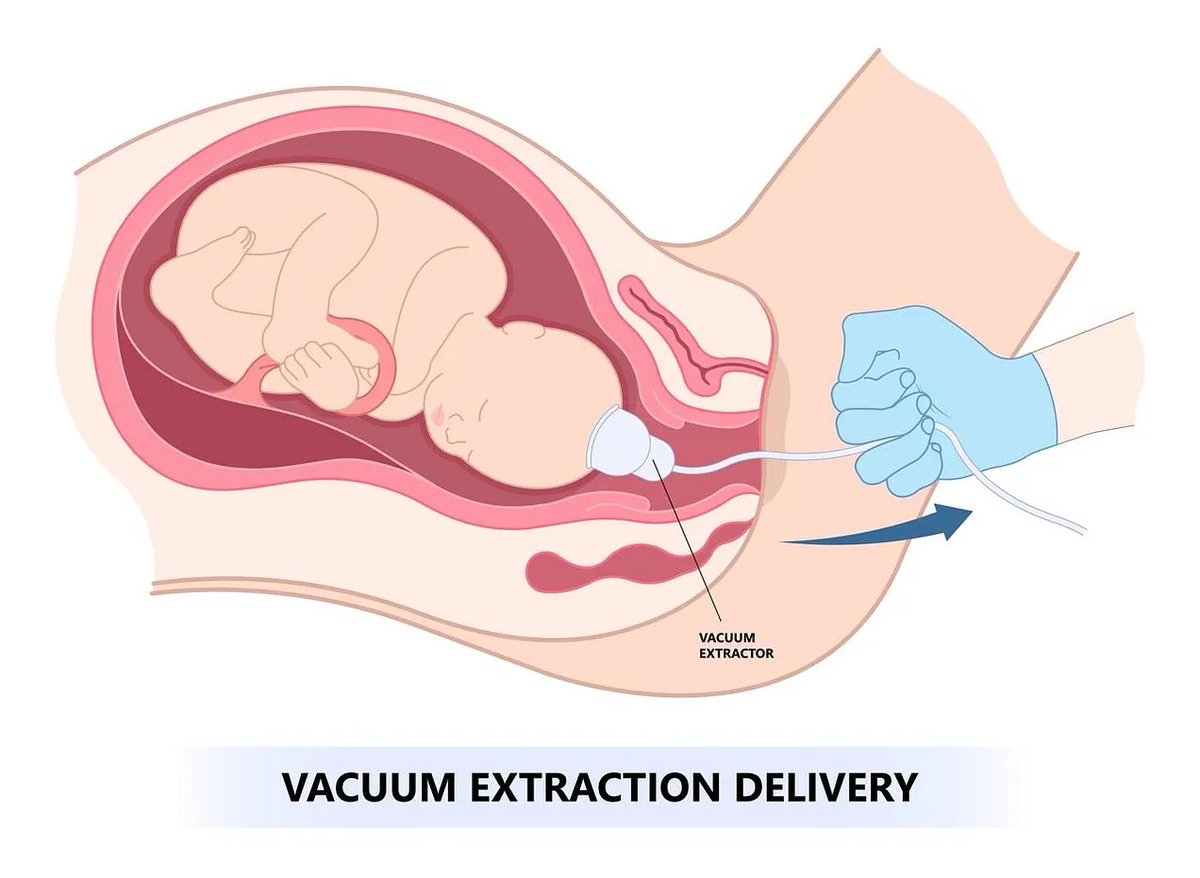
Thankfully, episiotomies, forceps, and vacuum extraction are not as widely used as they used to be.
They were once routine. But they’re still used far too often.
These tools can cause tears, hemorrhaging, incontinence, PTSD, and even brain injuries in infants.
Yikes!
Yet doctors still default to them to “speed things up.”
You’ve carefully carried this baby for nine months. Why speed things up at the very end? Why risk a brain injury?
Too many doctors just want moms in and out, as though the maternity ward is a revolving door.
That’s not how birth is supposed to work.
They were once routine. But they’re still used far too often.
These tools can cause tears, hemorrhaging, incontinence, PTSD, and even brain injuries in infants.
Yikes!
Yet doctors still default to them to “speed things up.”
You’ve carefully carried this baby for nine months. Why speed things up at the very end? Why risk a brain injury?
Too many doctors just want moms in and out, as though the maternity ward is a revolving door.
That’s not how birth is supposed to work.
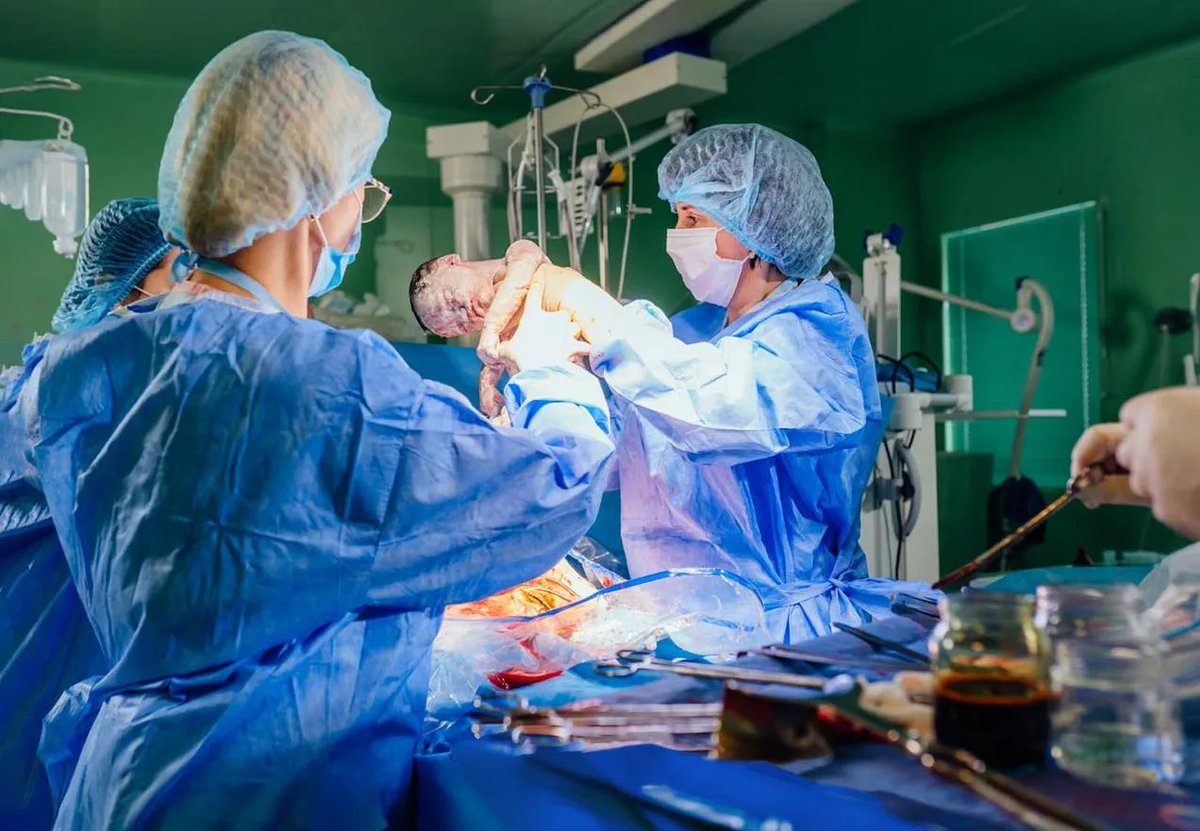
Yes, cesarean sections are absolutely necessary in some cases, especially emergencies.
But the problem is, a shocking 1 in 3 births in the U.S. are now C-sections, and it’s often for convenience, on the part of the doctor, the mother, or both.
They increase the risk of asthma, allergies, diabetes, obesity, autism, ADHD, and more.
And the long-term damage is real.
It’s not worth it.
But the problem is, a shocking 1 in 3 births in the U.S. are now C-sections, and it’s often for convenience, on the part of the doctor, the mother, or both.
They increase the risk of asthma, allergies, diabetes, obesity, autism, ADHD, and more.
And the long-term damage is real.
It’s not worth it.
C-sections deprive babies and moms of a lot of really, really important things.
In a C-section birth, there’s:
• No microbiome transfer
• No skull compression
• No bonding hormones
• No spark of life
Even brain structure and behavior change!
Birth is a critical process. It happens the way it is supposed to happen. C-sections rob babies and mothers of this most natural experience and it can have impacts that last a lifetime.
In a C-section birth, there’s:
• No microbiome transfer
• No skull compression
• No bonding hormones
• No spark of life
Even brain structure and behavior change!
Birth is a critical process. It happens the way it is supposed to happen. C-sections rob babies and mothers of this most natural experience and it can have impacts that last a lifetime.
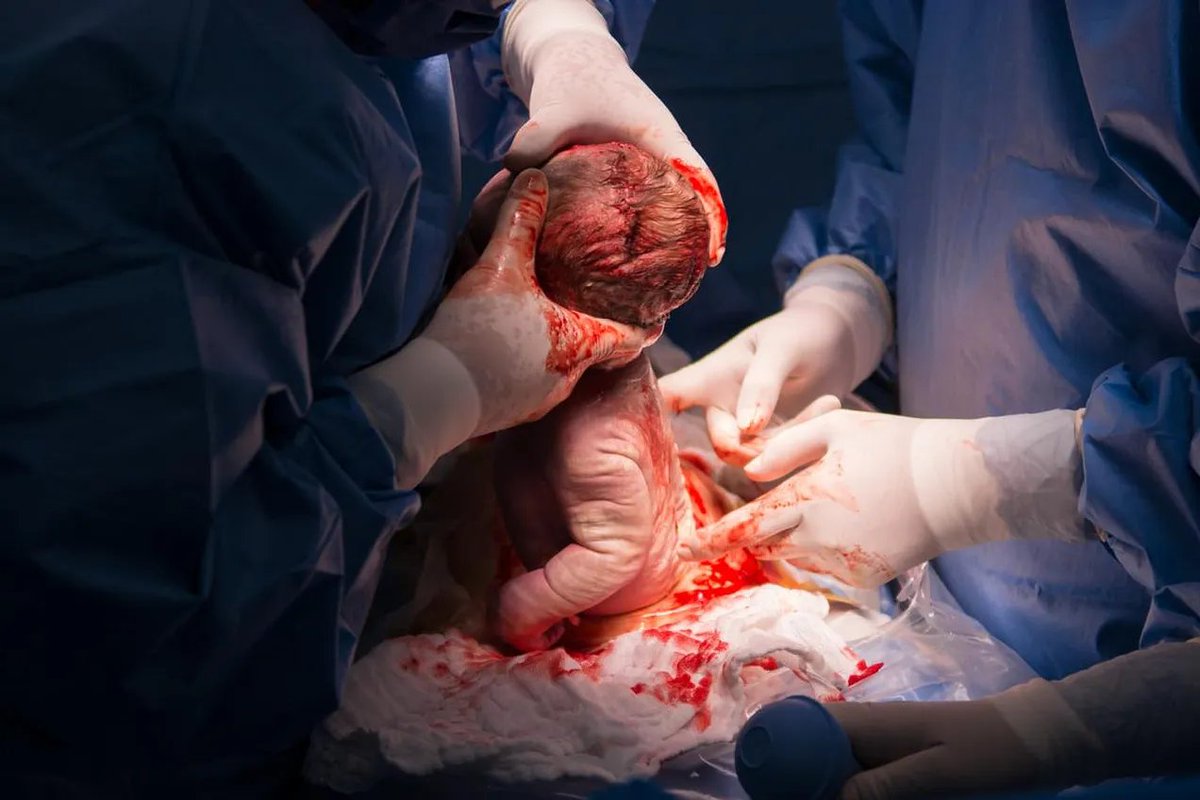
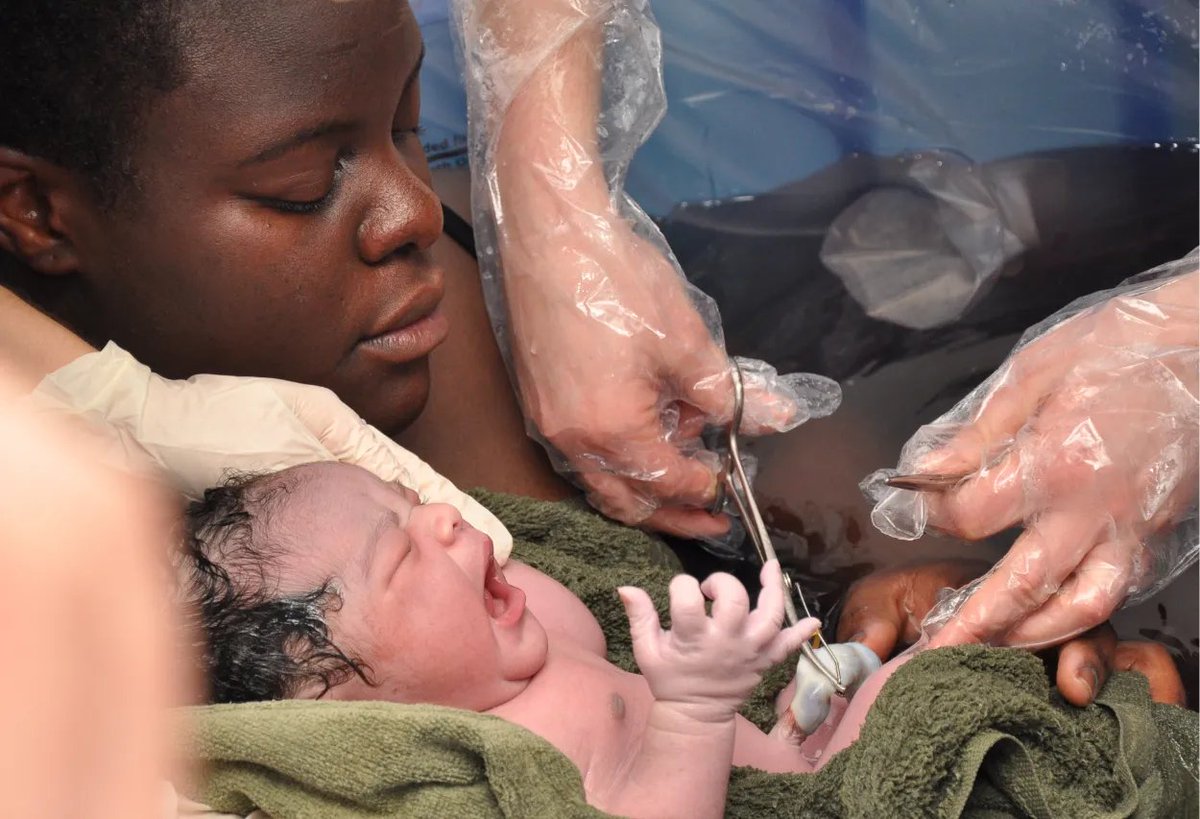
Even when a baby is delivered vaginally, most hospitals clamp the umbilical cord immediately.
But delayed clamping boosts blood volume, stem cells, brain development, and immune strength.
We’re literally throwing away nature’s most powerful gift!
Everything left in the cord belongs to the baby. It’s there for a reason and the baby needs it.
Cord banking has become popular recently. You can keep the treasure to use in the future, if necessary. But why not start your newborn off on the very best foot with all that nature intended them to receive? Why are we messing with this process?
But delayed clamping boosts blood volume, stem cells, brain development, and immune strength.
We’re literally throwing away nature’s most powerful gift!
Everything left in the cord belongs to the baby. It’s there for a reason and the baby needs it.
Cord banking has become popular recently. You can keep the treasure to use in the future, if necessary. But why not start your newborn off on the very best foot with all that nature intended them to receive? Why are we messing with this process?
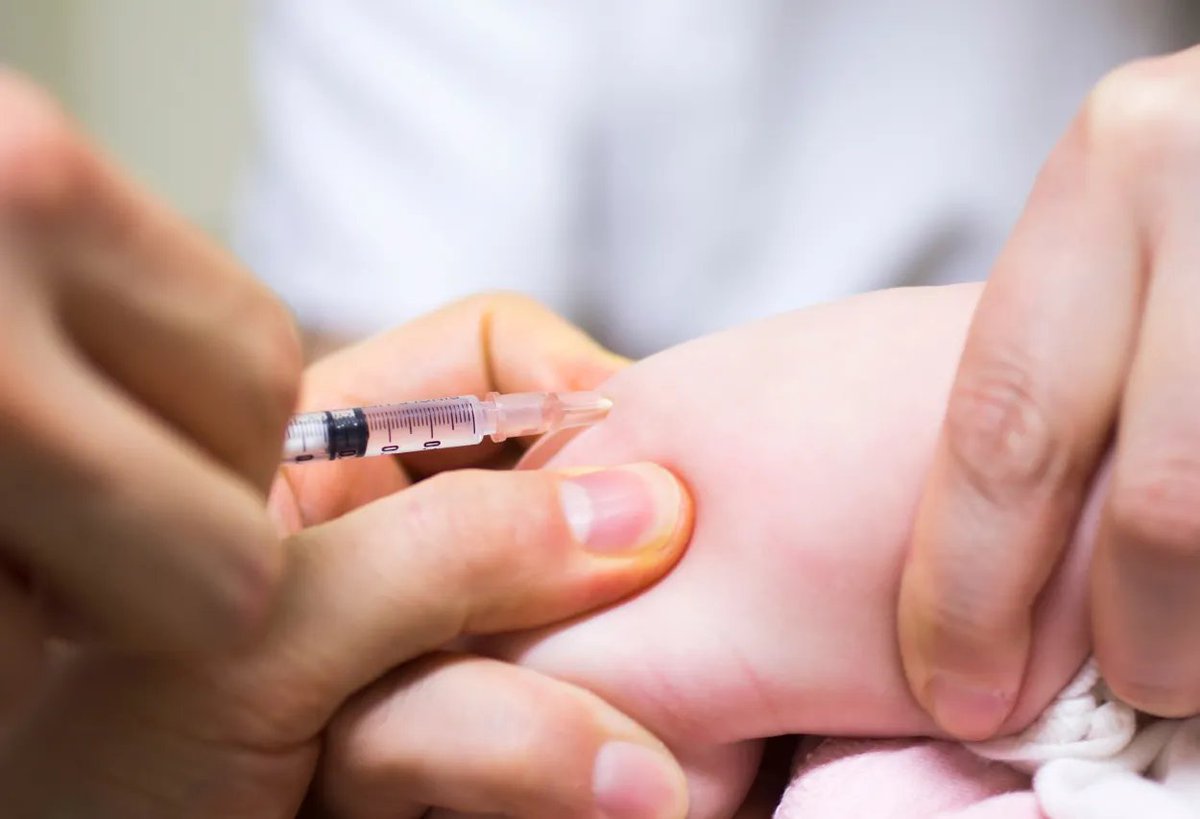
@MidwesternDoc It has become routine for newborn babies to receive vitamin K and Hep B shots right after birth.
The Hep B shot for sexually transmitted disease—given to every newborn within 24 hours.
midwesterndoctor.com/p/what-are-the…
The Hep B shot for sexually transmitted disease—given to every newborn within 24 hours.
midwesterndoctor.com/p/what-are-the…
@MidwesternDoc Your perfect newborn baby is adjusting to the world for the very first time.
Why inflict pain and bombard their system with these things?
Why inflict pain and bombard their system with these things?
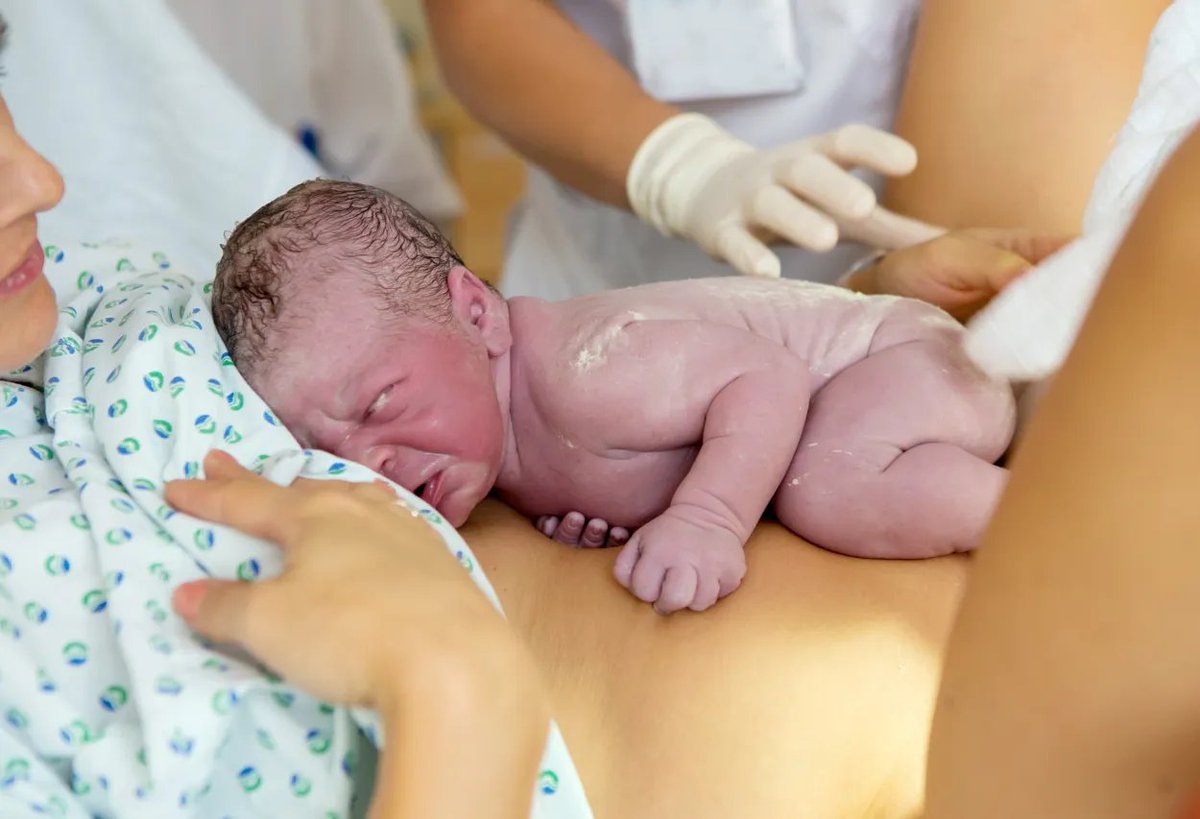
@MidwesternDoc Putting baby on mom’s chest after birth can stabilize vitals, boost immunity, reduce stress, and even save lives.
Skin-to-skin with mom (or even dad) should be routine but hospitals often skip it—for efficiency.
midwesterndoctor.com/p/the-hidden-d…
Skin-to-skin with mom (or even dad) should be routine but hospitals often skip it—for efficiency.
midwesterndoctor.com/p/the-hidden-d…
Skin-to-skin contact has brought babies back from the brink of death.
But even following a trauma-free birth a healthy baby belongs on mom. This is when baby is ready to latch. This is when mom is ready to provide her newborn with colostrum.
Colostrum is the first milk, meant to be given to baby right after birth. It is packed with nutrients, rich in antibodies, and plays a very crucial role in building the immune system.
But even following a trauma-free birth a healthy baby belongs on mom. This is when baby is ready to latch. This is when mom is ready to provide her newborn with colostrum.
Colostrum is the first milk, meant to be given to baby right after birth. It is packed with nutrients, rich in antibodies, and plays a very crucial role in building the immune system.
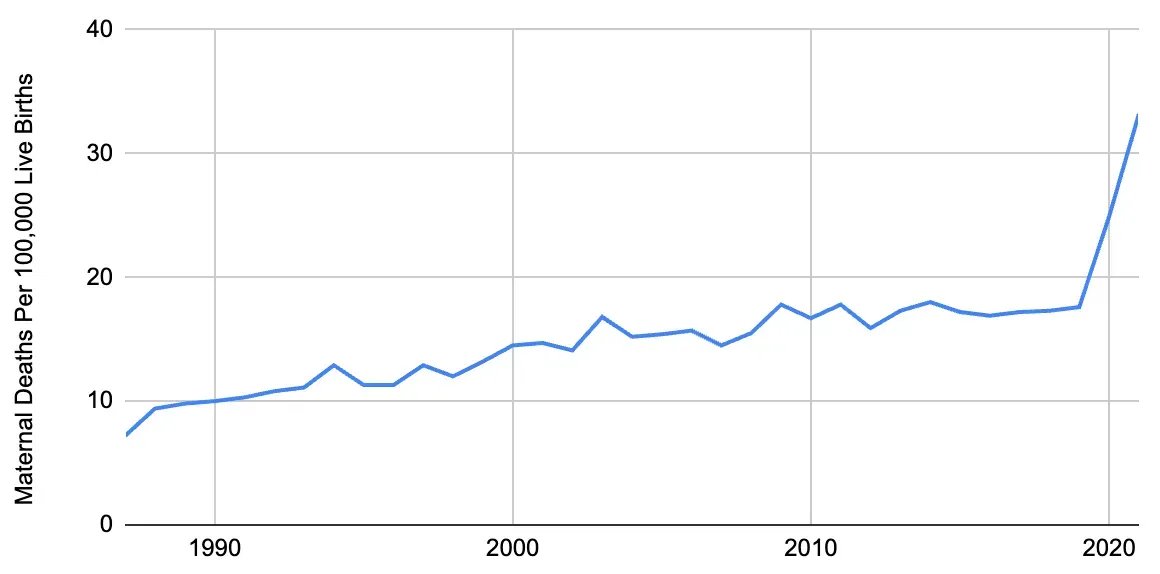
The U.S. spends twice as much on childbirth as other developed countries—$111 billion annually—yet has the worst maternal and infant mortality rates in the developed world.
Where’s the accountability?
Alternative birth options cost less (though they’re not always covered by insurance) and have excellent outcomes.
Where’s the accountability?
Alternative birth options cost less (though they’re not always covered by insurance) and have excellent outcomes.
What’s better than birthing in a bright, uncomfortable, germ-filled hospital full of people you’ve never met?
Birth centers and your own home.
They’re safer for low-risk pregnancies. They’re more empowering. They cost less. And they avoid the cascade of interventions because they’re just not even possible.
Did you know that many doctors quietly choose home births for their own families? It’s because it’s better.
Birth centers and your own home.
They’re safer for low-risk pregnancies. They’re more empowering. They cost less. And they avoid the cascade of interventions because they’re just not even possible.
Did you know that many doctors quietly choose home births for their own families? It’s because it’s better.
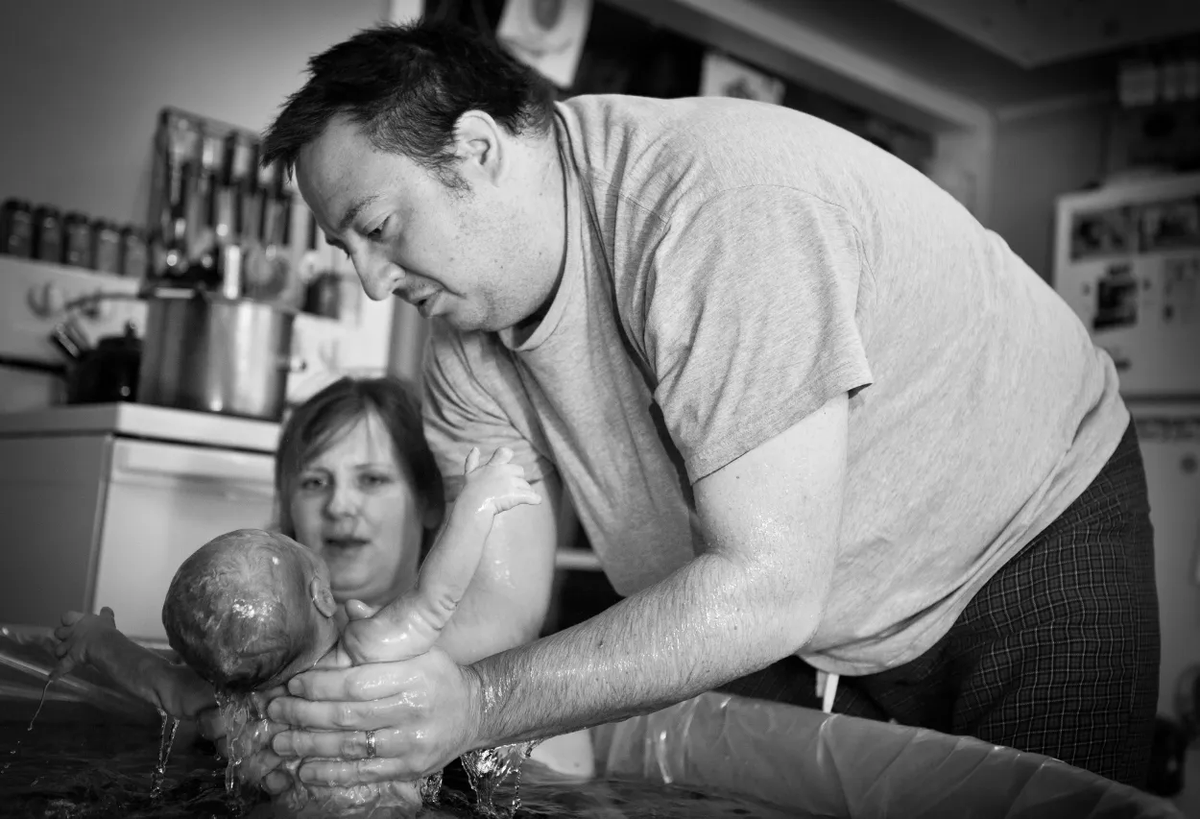
In addition to birthing with the help of a midwife, some families choose to work with a doula.
Women supported by doulas are:
• 25% less likely to need a C-section
• 31% less likely to have negative birth experiences
• More likely to bond, breastfeed, and feel empowered
And a doula can work with you in the hospital, at a birth center, and even at home.
There are a wide range of services they provide depending on your situation. From enforcing your birth plan at the hospital so you can focus on giving birth, to keeping certain people out of your birthing space if you don’t want them there, to washing the dishes and doing the laundry—doulas are there to support you.
Women supported by doulas are:
• 25% less likely to need a C-section
• 31% less likely to have negative birth experiences
• More likely to bond, breastfeed, and feel empowered
And a doula can work with you in the hospital, at a birth center, and even at home.
There are a wide range of services they provide depending on your situation. From enforcing your birth plan at the hospital so you can focus on giving birth, to keeping certain people out of your birthing space if you don’t want them there, to washing the dishes and doing the laundry—doulas are there to support you.
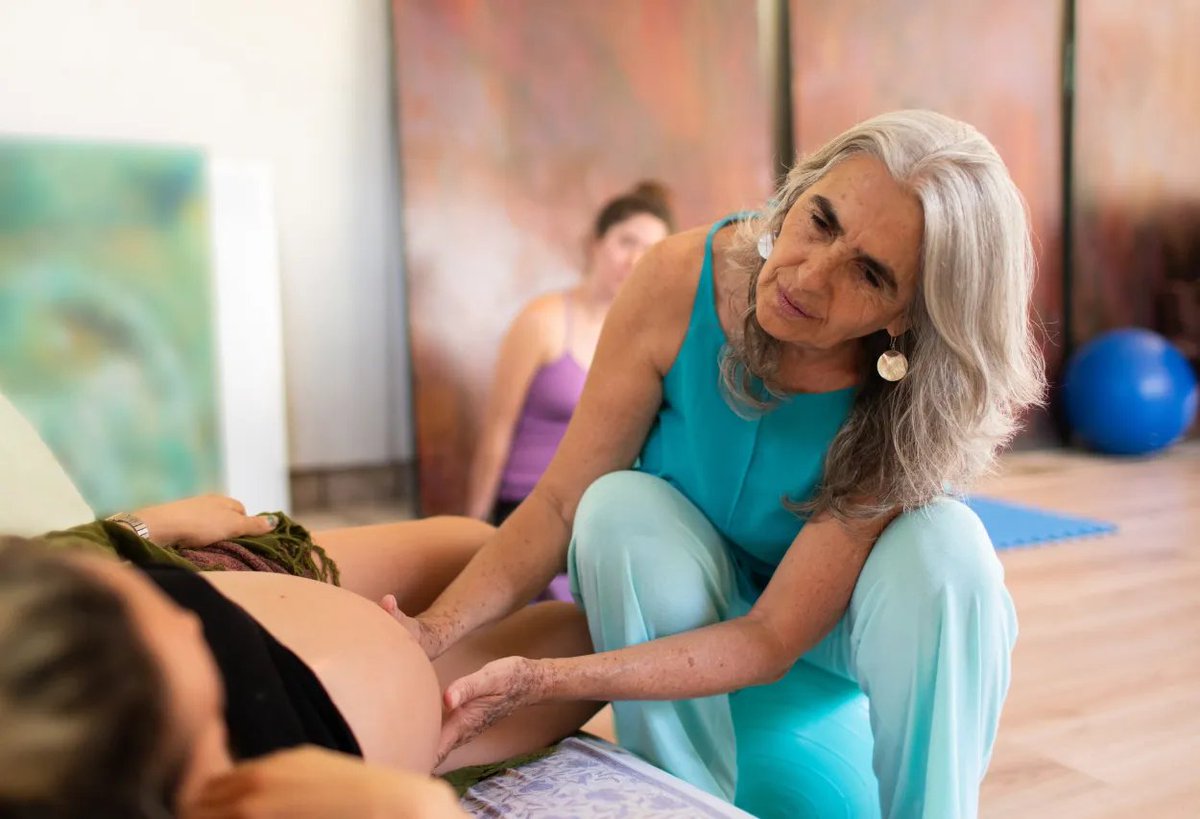
Childbirth isn’t a medical emergency, so it shouldn’t be treated like one.
It is a sacred, empowering, life-giving moment.
If we want a healthier nation, it literally starts at birth.
This system won’t change itself. But you can.
If you or someone you know is planning to give birth anytime soon, be sure to share this with them.
It is a sacred, empowering, life-giving moment.
If we want a healthier nation, it literally starts at birth.
This system won’t change itself. But you can.
If you or someone you know is planning to give birth anytime soon, be sure to share this with them.

@MidwesternDoc Thanks for reading! This information was based on a report originally published by @MidwesternDoc. Key details were streamlined and editorialized for clarity and impact. Read the original report here.
midwesterndoctor.com/p/the-hidden-d…
midwesterndoctor.com/p/the-hidden-d…
@MidwesternDoc For a deeper dive into what modern medicine has overlooked—or intentionally buried—check out these other eye-opening reports by @MidwesternDoc:
The Miraculous Therapy for Chronic Pain and Musculoskeletal Injuries You Probably Never Heard Of
midwesterndoctor.com/p/dmso-is-a-mi…
The Miraculous Therapy for Chronic Pain and Musculoskeletal Injuries You Probably Never Heard Of
midwesterndoctor.com/p/dmso-is-a-mi…
@MidwesternDoc The Forgotten Cancer Cure Hiding in Plain Sight
midwesterndoctor.com/p/the-forgotte…
midwesterndoctor.com/p/the-forgotte…
@MidwesternDoc What's The Healthiest Water To Drink?
midwesterndoctor.com/p/whats-the-he…
midwesterndoctor.com/p/whats-the-he…
@MidwesternDoc While you’re at it, give @MidwesternDoc a follow.
No one brings more research, clinical insight, or historical context when it comes to exposing the health myths we’ve all been fed.
This is easily one of the most valuable accounts you’ll ever follow.
--> @MidwesternDoc
No one brings more research, clinical insight, or historical context when it comes to exposing the health myths we’ve all been fed.
This is easily one of the most valuable accounts you’ll ever follow.
--> @MidwesternDoc
• • •
Missing some Tweet in this thread? You can try to
force a refresh