New Study Finds Chemotherapy Alters DNA and Speeds Up Aging in Healthy Cells
The researchers found that one 3-year-old’s blood cells were genetically aged to the level of an 80-year-old’s.
According to the study, chemotherapy may be quietly increasing the risk of secondary cancers, heart disease, or even stroke. The damage can impact cancer survivors for the rest of their lives.
Is chemotherapy really the best option?
🧵 THREAD
The researchers found that one 3-year-old’s blood cells were genetically aged to the level of an 80-year-old’s.
According to the study, chemotherapy may be quietly increasing the risk of secondary cancers, heart disease, or even stroke. The damage can impact cancer survivors for the rest of their lives.
Is chemotherapy really the best option?
🧵 THREAD

A 3-year-old cancer patient’s blood cells showed the genetic wear of an 80-year-old after chemotherapy, highlighting new evidence that life-saving drugs leave lasting damage in healthy cells—a change that can persist for a lifetime.
Chemotherapy can permanently damage the DNA of healthy blood cells, causing them to age prematurely and potentially increasing patients’ risk of developing secondary cancers decades later, recent research shows.
“The damage to DNA lasts a lifetime,” said Dr. Daniel Landau, an oncologist and hematologist with The Mesothelioma Center, who was not involved in the study.
“Probably the biggest concern is the increased risk of other cancers developing as a result of exposure to prior chemotherapy.”
Chemotherapy can permanently damage the DNA of healthy blood cells, causing them to age prematurely and potentially increasing patients’ risk of developing secondary cancers decades later, recent research shows.
“The damage to DNA lasts a lifetime,” said Dr. Daniel Landau, an oncologist and hematologist with The Mesothelioma Center, who was not involved in the study.
“Probably the biggest concern is the increased risk of other cancers developing as a result of exposure to prior chemotherapy.”

A Child’s Blood Cells Aged Decades in Months
The study, recently published in Nature Genetics, examined how chemotherapy affects healthy blood cells at the genetic level.
theepochtimes.com/health/chemoth…
The study, recently published in Nature Genetics, examined how chemotherapy affects healthy blood cells at the genetic level.
theepochtimes.com/health/chemoth…
Researchers compared blood samples from 23 people, ages 3 to 80 years, who had received chemotherapy, with samples from nine people who had never been diagnosed with cancer. The chemo group had received an average of 21 different treatments, including platinum and alkylating agents—drugs that kill cancer cells by damaging their DNA.
In one case, the team found that a 3-year-old boy who had undergone chemotherapy showed 10 times more mutations in his blood than healthy peers his age. His blood cells appeared genetically older than those of an 80-year-old who had never received chemotherapy.
“While traditional chemotherapy can be effective at reducing tumor burden, it also carries a significant risk of collateral damage to healthy tissue, along with an increased risk of mutational changes and resistance in cancer cells,” said John Oertle, chief medical officer at Envita Medical Centers, who was not involved in the study.
In one case, the team found that a 3-year-old boy who had undergone chemotherapy showed 10 times more mutations in his blood than healthy peers his age. His blood cells appeared genetically older than those of an 80-year-old who had never received chemotherapy.
“While traditional chemotherapy can be effective at reducing tumor burden, it also carries a significant risk of collateral damage to healthy tissue, along with an increased risk of mutational changes and resistance in cancer cells,” said John Oertle, chief medical officer at Envita Medical Centers, who was not involved in the study.

Genetic Signs of Treatment
The study found that cancer-fighting drugs leave distinct genetic traces in normal blood cells that persist long after treatment ends, fundamentally altering how these cells function and age.
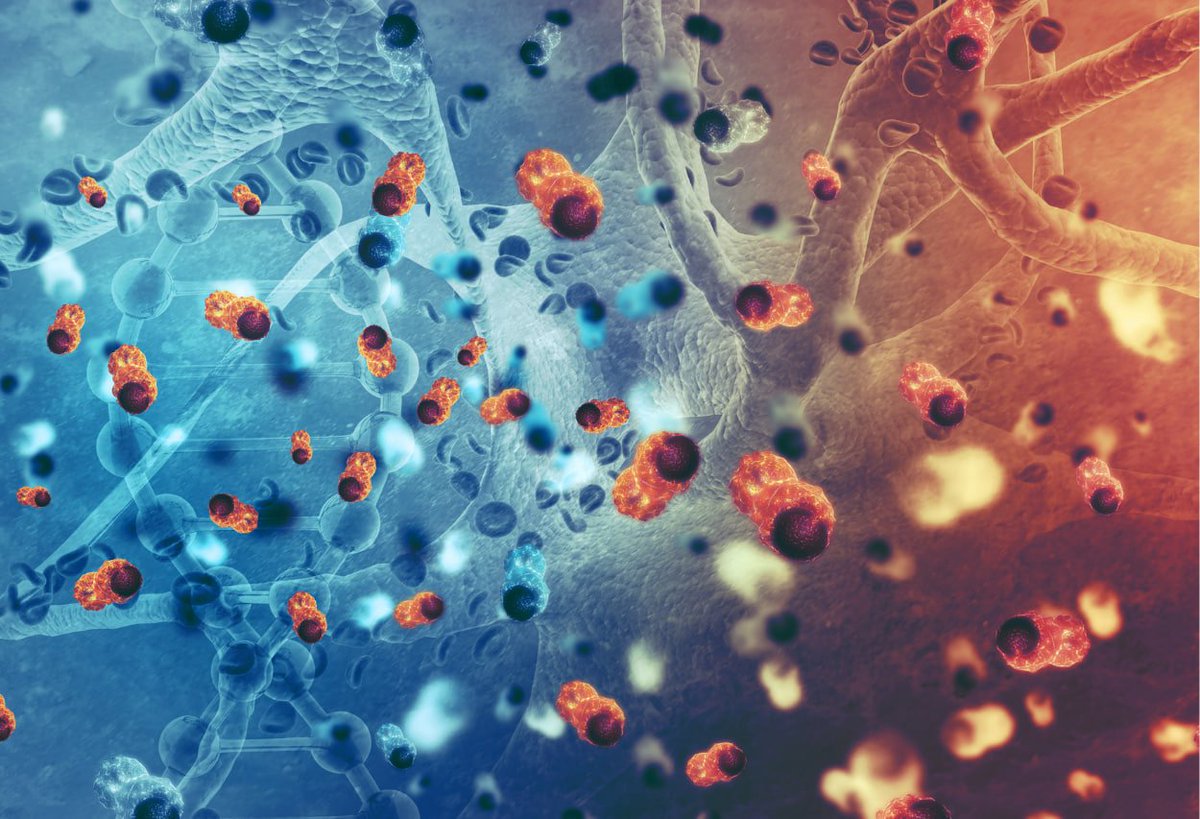
Using advanced DNA sequencing and mathematical modeling, researchers isolated blood stem cells and mature blood cells to examine their entire genomes. They identified four specific DNA damage patterns called mutational signatures—genetic markers that reveal what caused cellular damage.
Eleven signatures were found only in the blood of those who had received chemotherapy, including four that had never been documented before. These signatures are like permanent genetic “scars” left by cancer treatment.
The findings may help explain why cancer survivors often face higher risks of heart disease, diabetes, stroke, and dementia later in life. “Damaged stem cells never fully recover and can develop into other problems much later in life,” Landau said.
The study found that cancer-fighting drugs leave distinct genetic traces in normal blood cells that persist long after treatment ends, fundamentally altering how these cells function and age.
Using advanced DNA sequencing and mathematical modeling, researchers isolated blood stem cells and mature blood cells to examine their entire genomes. They identified four specific DNA damage patterns called mutational signatures—genetic markers that reveal what caused cellular damage.
Eleven signatures were found only in the blood of those who had received chemotherapy, including four that had never been documented before. These signatures are like permanent genetic “scars” left by cancer treatment.
The findings may help explain why cancer survivors often face higher risks of heart disease, diabetes, stroke, and dementia later in life. “Damaged stem cells never fully recover and can develop into other problems much later in life,” Landau said.
A little about us: We’re a team of journalists and researchers on a mission to give you REAL and honest information about your health.
Side effects of reading our posts may include: critical thinking.
Follow us for more daily threads—backed by hard data.
—> @EpochHealth
Side effects of reading our posts may include: critical thinking.
Follow us for more daily threads—backed by hard data.
—> @EpochHealth

Effects of Chemotherapy Drugs Vary
Not all chemotherapy drugs caused the same amount of DNA damage. For example, cyclophosphamide, used to treat multiple myeloma and breast cancer, caused fewer mutations than other drugs in its class.
Conversely, the most mutagenic agents in the study showed “measurably greater” long-term treatment toxicities. Bifunctional alkylating agents—chemicals with two reactive groups that damage DNA to kill rapidly dividing cancer cells—such as melphalan and chlorambucil, which are primarily used to treat bone marrow cancer, are associated with higher risks of secondary cancers than cyclophosphamide.
Procarbazine, which has been linked to a particularly high risk of secondary cancer and infertility, is no longer used in the treatment of pediatric Hodgkin lymphoma for this reason, the researchers wrote. They added that these differences may reflect “subtle differences” in how various chemotherapy agents damage DNA and how well the cell can repair that damage.
Not all chemotherapy drugs caused the same amount of DNA damage. For example, cyclophosphamide, used to treat multiple myeloma and breast cancer, caused fewer mutations than other drugs in its class.
Conversely, the most mutagenic agents in the study showed “measurably greater” long-term treatment toxicities. Bifunctional alkylating agents—chemicals with two reactive groups that damage DNA to kill rapidly dividing cancer cells—such as melphalan and chlorambucil, which are primarily used to treat bone marrow cancer, are associated with higher risks of secondary cancers than cyclophosphamide.
Procarbazine, which has been linked to a particularly high risk of secondary cancer and infertility, is no longer used in the treatment of pediatric Hodgkin lymphoma for this reason, the researchers wrote. They added that these differences may reflect “subtle differences” in how various chemotherapy agents damage DNA and how well the cell can repair that damage.
A Wake-Up Call to Develop More Targeted Therapies
The findings underscore efforts already underway to develop more targeted cancer treatments.
“The best we can currently do is dose chemotherapy appropriately and, when possible, utilize alternatives,” Landau said. “We are often using other agents, such as immunotherapies and targeted therapies, in place of chemotherapy.”
Oertle described the study as another “wake-up call,” noting that while traditional chemotherapy has saved lives, the field must evolve toward safer, more targeted therapies that support the body’s natural defenses to reduce long-term side effects and preserve overall health.
The findings underscore efforts already underway to develop more targeted cancer treatments.
“The best we can currently do is dose chemotherapy appropriately and, when possible, utilize alternatives,” Landau said. “We are often using other agents, such as immunotherapies and targeted therapies, in place of chemotherapy.”
Oertle described the study as another “wake-up call,” noting that while traditional chemotherapy has saved lives, the field must evolve toward safer, more targeted therapies that support the body’s natural defenses to reduce long-term side effects and preserve overall health.

For now, however, there are no proven methods to protect blood cells from chemotherapy’s genetic effects, Landau said.
“Whether there are mechanisms to protect the specific cells that are exposed to chemotherapeutic agents is an area that requires more research,” said Dr. Krushangi Patel, a medical oncologist at City of Hope Orange County who was not involved in the study.
Not all cancer patients showed DNA changes, suggesting that factors such as treatment duration, the number of different drugs used, or the time since treatment may influence outcomes.
“Whether these chemotherapy-induced changes in population architecture are contingent on the long duration and/or multiplicity of treatment, or simply occur with the passage of decades after treatment,” the researchers wrote, “requires further investigation.”
“Whether there are mechanisms to protect the specific cells that are exposed to chemotherapeutic agents is an area that requires more research,” said Dr. Krushangi Patel, a medical oncologist at City of Hope Orange County who was not involved in the study.
Not all cancer patients showed DNA changes, suggesting that factors such as treatment duration, the number of different drugs used, or the time since treatment may influence outcomes.
“Whether these chemotherapy-induced changes in population architecture are contingent on the long duration and/or multiplicity of treatment, or simply occur with the passage of decades after treatment,” the researchers wrote, “requires further investigation.”
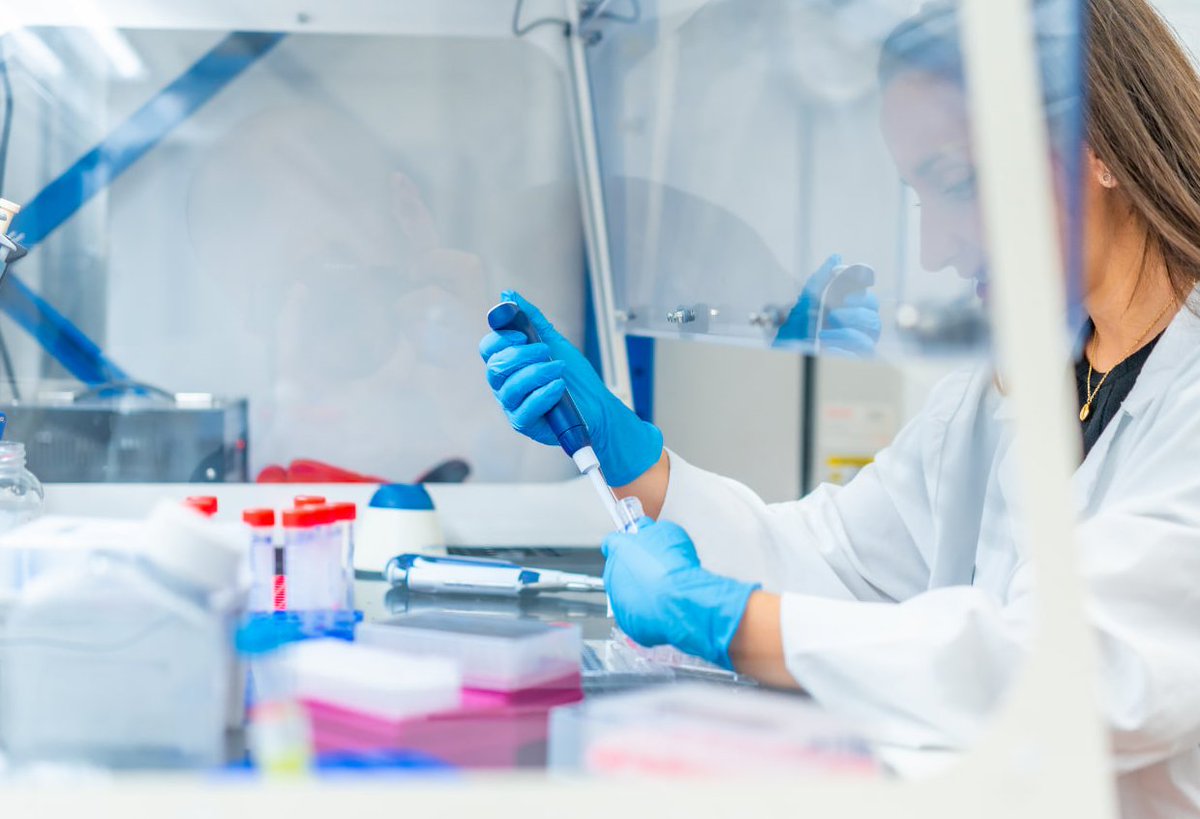
The team also acknowledged the study’s limitations, including the small number of participants and the possibility that testing blood outside the human body may have affected the results.
Regarding the study’s relatively small sample size, Oertle said that while more research is always welcome, the mechanistic insights and consistency with prior findings make this study both reliable and significant.
Regarding the study’s relatively small sample size, Oertle said that while more research is always welcome, the mechanistic insights and consistency with prior findings make this study both reliable and significant.
Thanks for reading! If you found this valuable, here's a special deal:
Unlock our ENTIRE library of @EpochHealth articles for just $1/week—plus unlimited access to everything else on our site.
Claim it here: subscribe.theepochtimes.com/p/?page=digita…
Unlock our ENTIRE library of @EpochHealth articles for just $1/week—plus unlimited access to everything else on our site.
Claim it here: subscribe.theepochtimes.com/p/?page=digita…

• • •
Missing some Tweet in this thread? You can try to
force a refresh