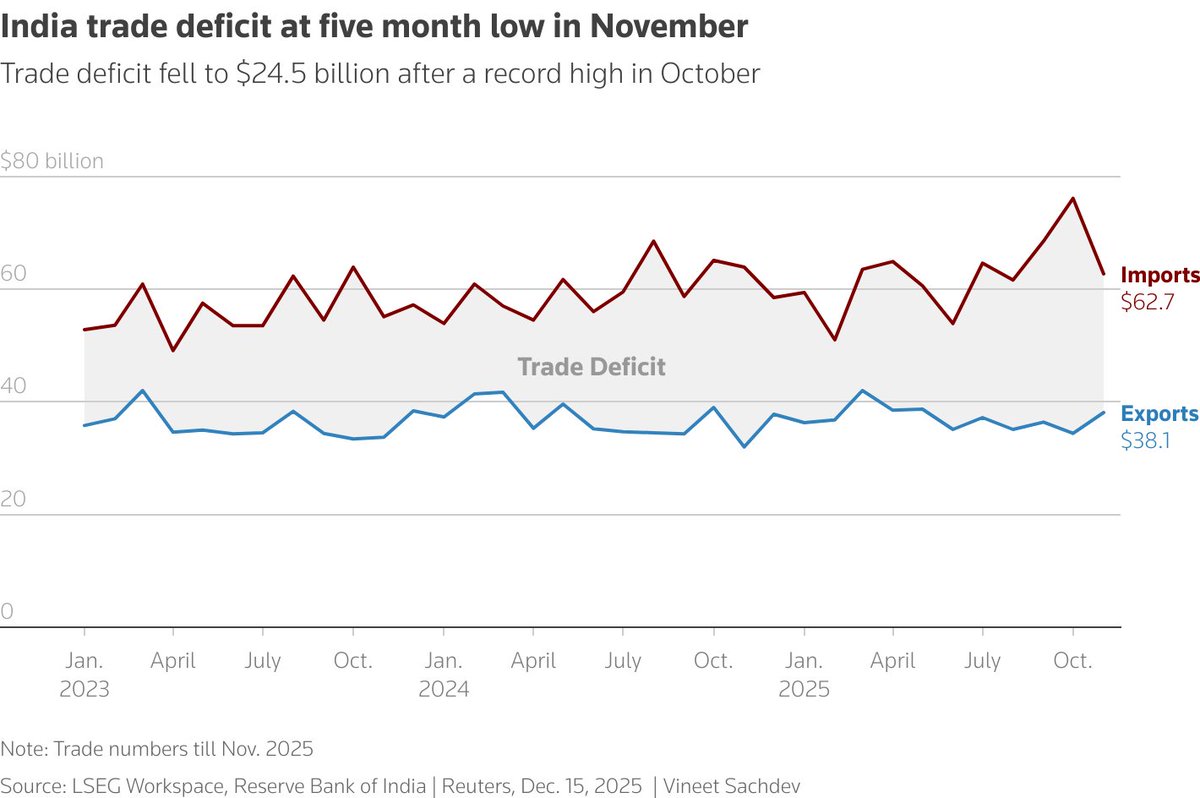
INR 46 Lakh profit in 5 months from "Dead Economy".
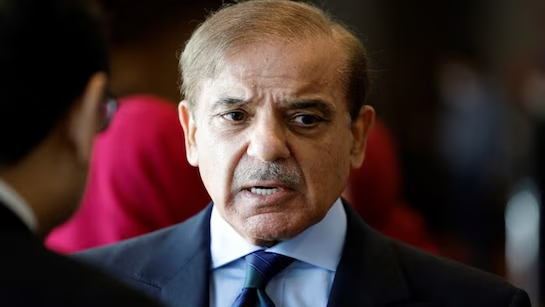
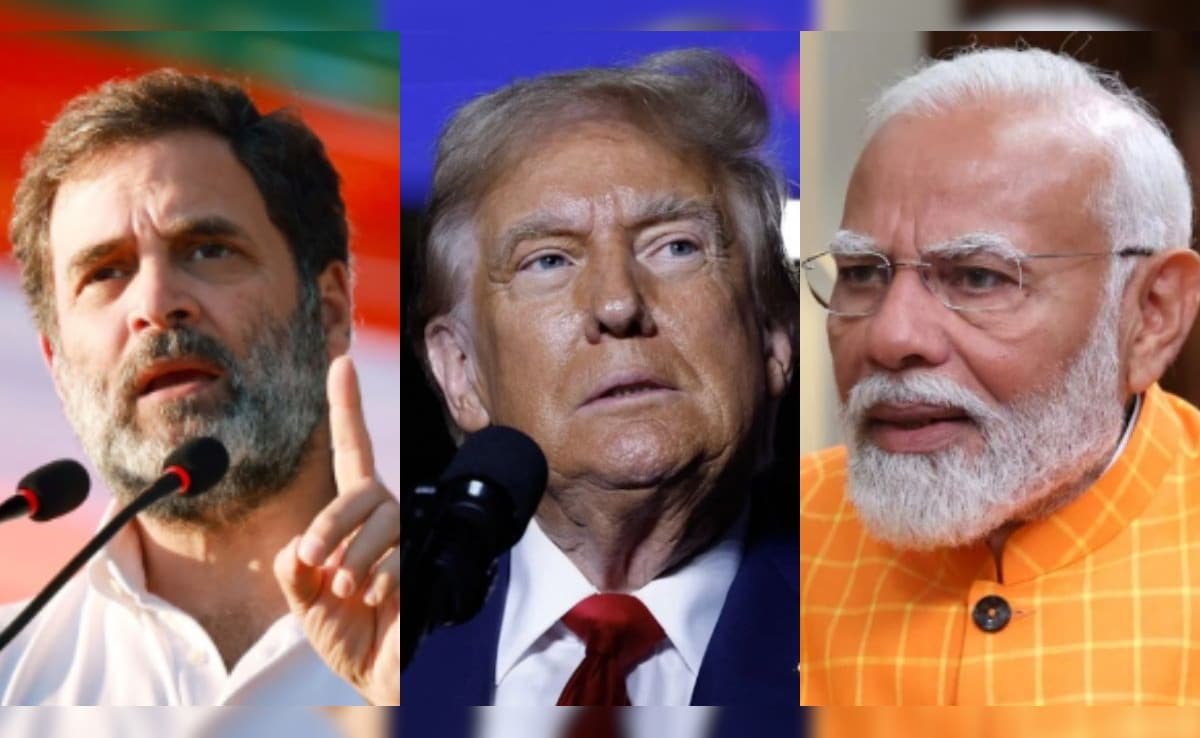
Why India, "the dead economy" as per Trump and Mr Gandhi, is triggering POTUS so much?
Answer lies in numbers. Please read the thread till the end.
To begin: Everyone needs to understand India is autonomous in governance and robust in economy unlike Pakistan and many other US "pets".
Read:
Why India, "the dead economy" as per Trump and Mr Gandhi, is triggering POTUS so much?
Answer lies in numbers. Please read the thread till the end.
To begin: Everyone needs to understand India is autonomous in governance and robust in economy unlike Pakistan and many other US "pets".
Read:
GDP Leapfrogging Japan, Set to Surpass Germany:
India has officially overtaken Japan to become the 4th largest global economy, with a nominal GDP of $4.19 trillion (May 2025).
By 2027, it is projected to cross Germany ($4.8 trillion) to become the world’s third-largest economy.
In PPP terms, it’s already there, with a GDP (PPP) of $17.8 trillion. This economic leap means India is no longer a “developing nation” in global negotiations—it now demands a seat at the big table.
The US, EU, and China are recalibrating trade, defence, and climate diplomacy because India is now a maker of rules, not a follower.
India has officially overtaken Japan to become the 4th largest global economy, with a nominal GDP of $4.19 trillion (May 2025).
By 2027, it is projected to cross Germany ($4.8 trillion) to become the world’s third-largest economy.
In PPP terms, it’s already there, with a GDP (PPP) of $17.8 trillion. This economic leap means India is no longer a “developing nation” in global negotiations—it now demands a seat at the big table.
The US, EU, and China are recalibrating trade, defence, and climate diplomacy because India is now a maker of rules, not a follower.

From ‘IT-only’ to Manufacturing & Tech Powerhouse
India is no longer just the world’s back-office. Over the past five years, it has actively shifted towards becoming a global manufacturing hub.
Apple now produces 7% of global iPhones in India, up from just 1% in 2021.
The PLI (Production Linked Incentive) scheme has attracted companies like Foxconn, Micron, and Samsung to set up large factories.
India’s electronics exports crossed $23 billion in FY24, a 400% jump in 5 years.
This shift directly threatens China’s monopoly and creates economic discomfort for the US and West, as India increasingly positions itself as the “China Plus One” manufacturing alternative for the world.
India is no longer just the world’s back-office. Over the past five years, it has actively shifted towards becoming a global manufacturing hub.
Apple now produces 7% of global iPhones in India, up from just 1% in 2021.
The PLI (Production Linked Incentive) scheme has attracted companies like Foxconn, Micron, and Samsung to set up large factories.
India’s electronics exports crossed $23 billion in FY24, a 400% jump in 5 years.
This shift directly threatens China’s monopoly and creates economic discomfort for the US and West, as India increasingly positions itself as the “China Plus One” manufacturing alternative for the world.

UPI Is Disrupting Global Financial Infrastructure:
India’s Unified Payments Interface (UPI) is the world’s most advanced digital payment system, processing over 12 billion transactions per month (2025).
UPI has outpaced Mastercard and Visa in India and is now being adopted in Singapore, France, UAE, and Sri Lanka.
This is shaking the Western monopoly over global payment rails. Unlike SWIFT, UPI is instant, free, and inclusive—89% of Indian adults have a bank account today.
The US's discomfort lies in the fact that India is setting a new global standard for financial inclusion, digital identity (Aadhaar), and e-governance that’s both scalable and sovereign.
India’s Unified Payments Interface (UPI) is the world’s most advanced digital payment system, processing over 12 billion transactions per month (2025).
UPI has outpaced Mastercard and Visa in India and is now being adopted in Singapore, France, UAE, and Sri Lanka.
This is shaking the Western monopoly over global payment rails. Unlike SWIFT, UPI is instant, free, and inclusive—89% of Indian adults have a bank account today.
The US's discomfort lies in the fact that India is setting a new global standard for financial inclusion, digital identity (Aadhaar), and e-governance that’s both scalable and sovereign.

1.4B Population = Economic & Strategic Leverage
India is the world’s most populous nation, but it’s not just about size. It has the largest working-age population with a median age of 28.2, compared to US: 41.7 and Europe in access of 40s.
This youth bulge translates into higher consumption, digital adoption, and productivity.
India is already the third-largest smartphone market, the second-largest internet user base, and home to 111 unicorns.
This demographic dividend will drive $5 trillion consumption economy by 2030, outpacing the EU.
Superpowers are now forced to engage India not just as a strategic ally—but as a consumer superpower that global MNCs can’t afford to ignore.
India is the world’s most populous nation, but it’s not just about size. It has the largest working-age population with a median age of 28.2, compared to US: 41.7 and Europe in access of 40s.
This youth bulge translates into higher consumption, digital adoption, and productivity.
India is already the third-largest smartphone market, the second-largest internet user base, and home to 111 unicorns.
This demographic dividend will drive $5 trillion consumption economy by 2030, outpacing the EU.
Superpowers are now forced to engage India not just as a strategic ally—but as a consumer superpower that global MNCs can’t afford to ignore.
India’s Defence Autonomy: 65% Equipment Now Made Locally
India is shedding its identity as the world’s biggest arms importer. As of 2025, 65% of its defence procurement is indigenous, thanks to initiatives like ‘Make in India Defence’ and private-public partnerships.
HAL Tejas, BrahMos exports, and the indigenous submarine program are signs of rising capability.
India is also demanding technology transfers for key imports—putting pressure on Russia, the U.S., and France to localize production.
F-35 deal is certainly not that straight forward.
With $73 billion allocated to defence in FY25, India’s goal is to become a net exporter of defence technology by 2030, directly challenging the US-Russia-China military export axis.
India is shedding its identity as the world’s biggest arms importer. As of 2025, 65% of its defence procurement is indigenous, thanks to initiatives like ‘Make in India Defence’ and private-public partnerships.
HAL Tejas, BrahMos exports, and the indigenous submarine program are signs of rising capability.
India is also demanding technology transfers for key imports—putting pressure on Russia, the U.S., and France to localize production.
F-35 deal is certainly not that straight forward.
With $73 billion allocated to defence in FY25, India’s goal is to become a net exporter of defence technology by 2030, directly challenging the US-Russia-China military export axis.

Strategic Autonomy: No Bloc Politics, Only Interests
India is the only major power part of BRICS, QUAD, SCO, and G20—without becoming a puppet of any bloc. It buys oil from Russia, arms from France, tech from the US, and investments from the UAE—all while pushing Atmanirbhar Bharat (self-reliance).
This kind of strategic autonomy frustrates the US , who expect loyalty and do whatever they want countries to do in exchange for trade and occasional help.
Pakistan is one key example of that kind of nation.
India is the only major power part of BRICS, QUAD, SCO, and G20—without becoming a puppet of any bloc. It buys oil from Russia, arms from France, tech from the US, and investments from the UAE—all while pushing Atmanirbhar Bharat (self-reliance).
This kind of strategic autonomy frustrates the US , who expect loyalty and do whatever they want countries to do in exchange for trade and occasional help.
Pakistan is one key example of that kind of nation.
Infrastructure Boom—The Silent Multiplier
India is building an infrastructure beast.
Over $1.4 trillion is being invested through the Gati Shakti Master Plan, including 35,000 km of highways, new ports, bullet trains, and urban metros.
Unlike slow-moving Western democracies, India is executing infra projects at scale and speed.
This physical transformation is laying the foundation for manufacturing, exports, and tourism—putting pressure on economies that relied on India as a buyer rather than a builder.
One major highlight: Indian ports have turn around time faster than any US and western countries.
India is building an infrastructure beast.
Over $1.4 trillion is being invested through the Gati Shakti Master Plan, including 35,000 km of highways, new ports, bullet trains, and urban metros.
Unlike slow-moving Western democracies, India is executing infra projects at scale and speed.
This physical transformation is laying the foundation for manufacturing, exports, and tourism—putting pressure on economies that relied on India as a buyer rather than a builder.
One major highlight: Indian ports have turn around time faster than any US and western countries.

AI and Semiconductors: Building Native Tech
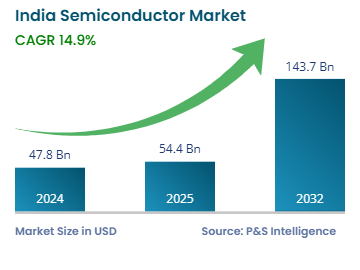
India is no longer just consuming tech—it’s now building it. The government has allocated ₹76,000 crore ($9.5 billion) to build a semiconductor ecosystem.
Partnerships with Micron, Tower Semiconductor, and TSMC are in place to start domestic chip fabrication.
On AI, India launched IndiaAI, a mission to build sovereign AI models, fund deeptech startups, and integrate AI in governance.
With its 200+ engineering colleges, low-cost data, and largest pool of coders, India is preparing to compete in the AI and chip wars.
This rise in native tech capability threatens US and Western control over foundational tech layers.
Definitely lot of softwares are getting shipped to US in access of 100 billion USD already.
India is no longer just consuming tech—it’s now building it. The government has allocated ₹76,000 crore ($9.5 billion) to build a semiconductor ecosystem.
Partnerships with Micron, Tower Semiconductor, and TSMC are in place to start domestic chip fabrication.
On AI, India launched IndiaAI, a mission to build sovereign AI models, fund deeptech startups, and integrate AI in governance.
With its 200+ engineering colleges, low-cost data, and largest pool of coders, India is preparing to compete in the AI and chip wars.
This rise in native tech capability threatens US and Western control over foundational tech layers.
Definitely lot of softwares are getting shipped to US in access of 100 billion USD already.
"Dead Economy"'s Share Market:
Sensex & Equity Resilience vs. Western Market FOMO
India’s CPI inflation eased to just 2.1 % in June 2025, a 77‑month low, with wholesale inflation also slipping to −0.1%—unlike persistent 4%+ inflation in the U.S. and EU .
The Reserve Bank of India cut repo rates by 50 bps in June and changed its stance to neutral, signaling further easing ahead, while Western central banks remain cautious due to stickier inflation.
Bolstered by low inflation and falling yields, the Sensex has recovered strongly since its early‑2025 dip.
Meanwhile, U.S. equity markets face valuation pressures and limited domestic depth, even as foreign investors seek safer haven in Treasuries.
Yesterday Powell again refused to reduce rates despite all Trump Tantrums.
Sensex & Equity Resilience vs. Western Market FOMO
India’s CPI inflation eased to just 2.1 % in June 2025, a 77‑month low, with wholesale inflation also slipping to −0.1%—unlike persistent 4%+ inflation in the U.S. and EU .
The Reserve Bank of India cut repo rates by 50 bps in June and changed its stance to neutral, signaling further easing ahead, while Western central banks remain cautious due to stickier inflation.
Bolstered by low inflation and falling yields, the Sensex has recovered strongly since its early‑2025 dip.
Meanwhile, U.S. equity markets face valuation pressures and limited domestic depth, even as foreign investors seek safer haven in Treasuries.
Yesterday Powell again refused to reduce rates despite all Trump Tantrums.

External Debt & Forex Buffers: India’s Defensive Strength
As of end‑March 2025, India’s external debt stood at ~$736.3 billion, around 19% of GDP, up marginally but still manageable.
Crucially, forex reserves reached $700 billion by July 2025, covering over 11 months of imports and nearly matching its external debt (≈96%) .
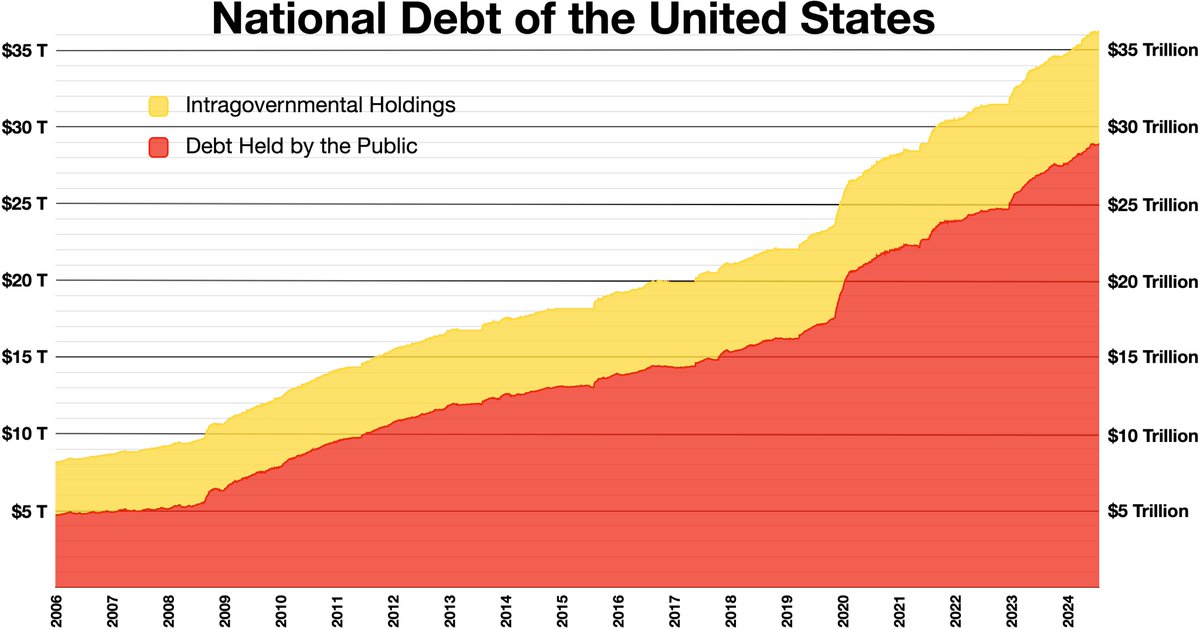
By contrast, advanced economies like the U.S. often carry debt exceeding 100% of GDP with far thinner FX liquidity, making them more vulnerable to shocks and capital outflows.
Lets not talk about new oil supplier Pakistan's plight.
As of end‑March 2025, India’s external debt stood at ~$736.3 billion, around 19% of GDP, up marginally but still manageable.
Crucially, forex reserves reached $700 billion by July 2025, covering over 11 months of imports and nearly matching its external debt (≈96%) .
By contrast, advanced economies like the U.S. often carry debt exceeding 100% of GDP with far thinner FX liquidity, making them more vulnerable to shocks and capital outflows.
Lets not talk about new oil supplier Pakistan's plight.
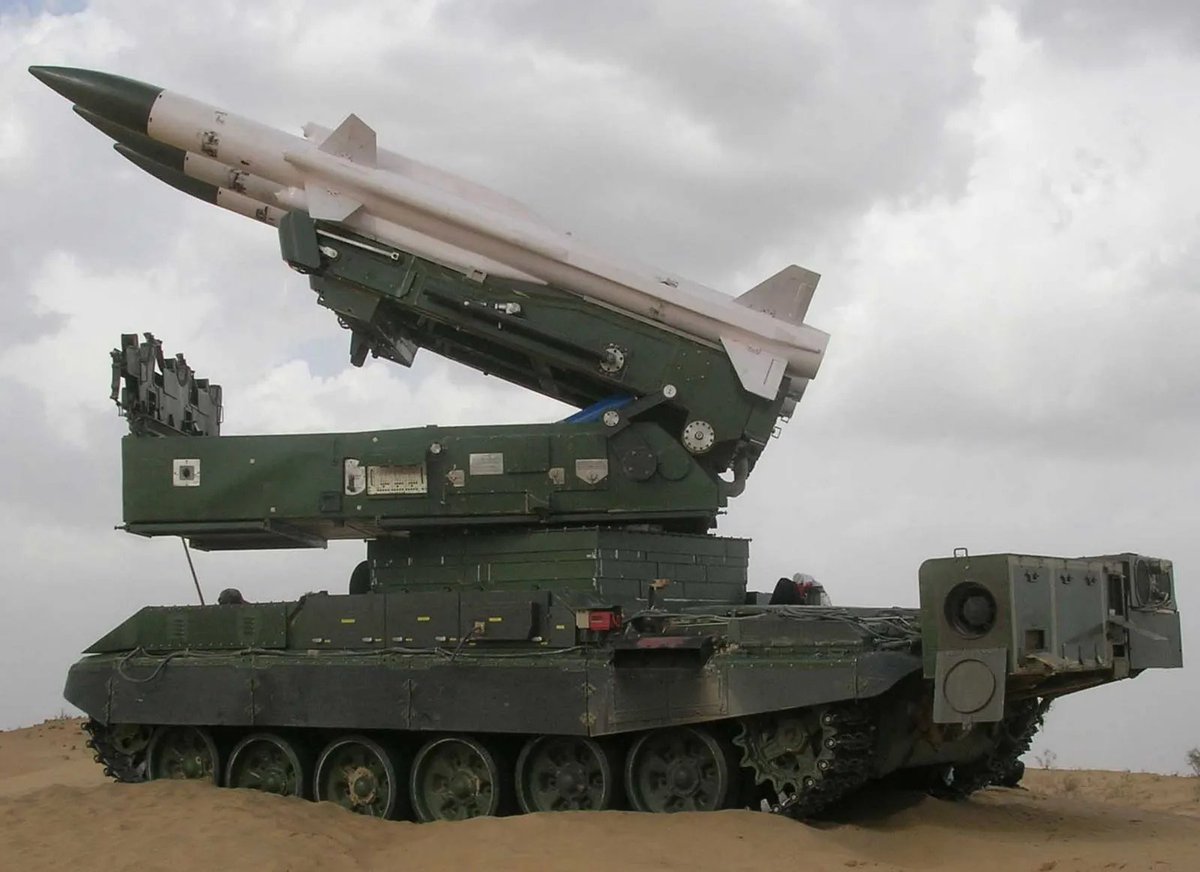
Let's not forget India's renewed self reliance in its own defence:
US and West have long tried to keep India as a front against China.
For that they tried to lure and manipulate India showing China as threat and US as defence.
But India did not quite play like that. India has never explained QUAD as anti-any country group.
With Op Sindoor, China weaponry got tested and exposed and India's confidence in tackling China have gone multi level up.
US is miffed with this too.
US and West have long tried to keep India as a front against China.
For that they tried to lure and manipulate India showing China as threat and US as defence.
But India did not quite play like that. India has never explained QUAD as anti-any country group.
With Op Sindoor, China weaponry got tested and exposed and India's confidence in tackling China have gone multi level up.
US is miffed with this too.
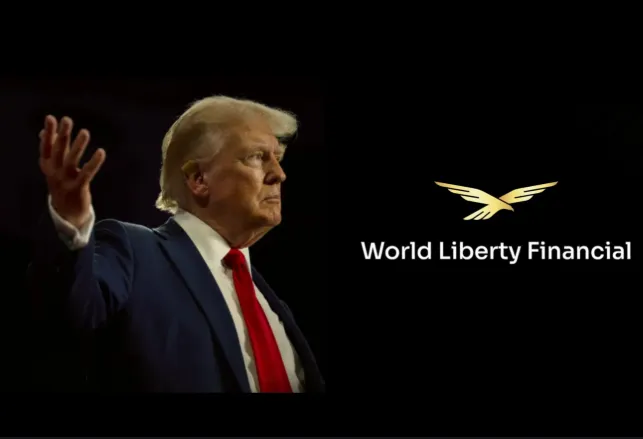
Last but not the least: India, being largest potential market for Trump's crypto fund, never entertained that rather offered UPI to US.
Trump promised lot of US industries a free entry to India. Its not working.
India has been so tough for US in negotiating that US Sec for Treasury have publicly admitted it.
India's point of leverage is its demography, robust economy, autonomous governance, its home grown tech and non-alignment.
If you look at US pattern, it manipulates the world on these things.
Trump promised lot of US industries a free entry to India. Its not working.
India has been so tough for US in negotiating that US Sec for Treasury have publicly admitted it.
India's point of leverage is its demography, robust economy, autonomous governance, its home grown tech and non-alignment.
If you look at US pattern, it manipulates the world on these things.
When it comes to dead economy, Mr Gandhi has made INR 46 lakhs of profit. and US investors have made in access to $16 billion dollar in ROI in last 6 years.
While Pakistan was still busy in donkey economy.
Trump's arm twisting can work with someone like Pakistan but not with India as he thought intially.
While Pakistan was still busy in donkey economy.
Trump's arm twisting can work with someone like Pakistan but not with India as he thought intially.

• • •
Missing some Tweet in this thread? You can try to
force a refresh