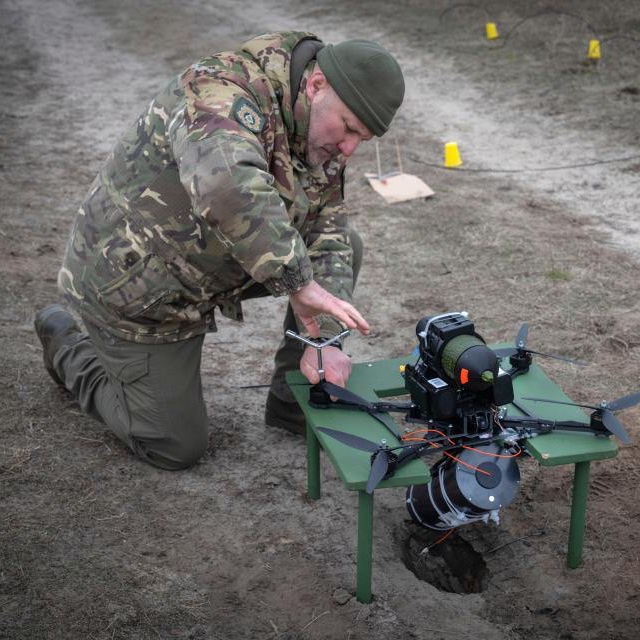
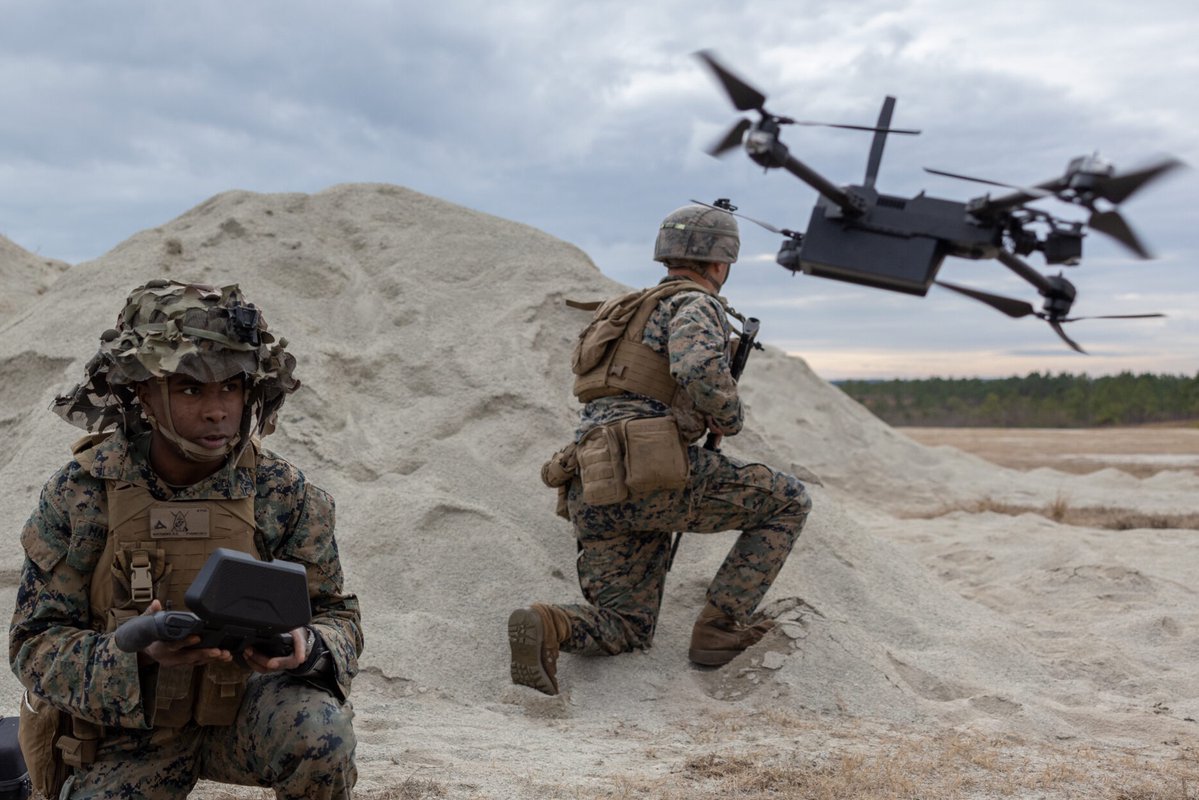
Russia can’t win by force, so it wages cognitive war to confuse, delay, and paralyze decisions in the West.
Its goal: get others to do less so it can do more[and win Ukraine in war], Nataliya Bugayova for Foreign Policy.
1/
Its goal: get others to do less so it can do more[and win Ukraine in war], Nataliya Bugayova for Foreign Policy.
1/
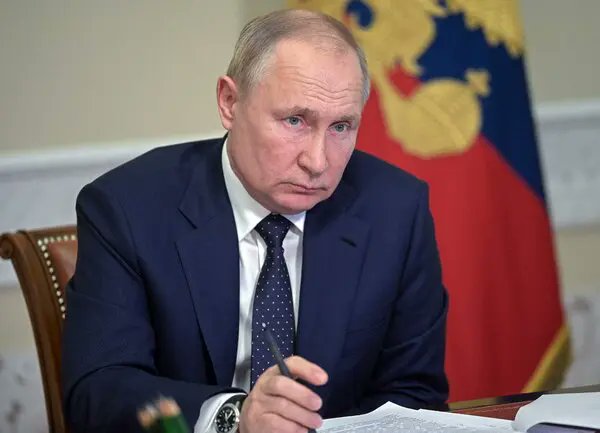
Putin knows NATO's economy dwarfs his. If the West backs Ukraine fully, Russia loses. So he pushes false premises:
– Russian victory is inevitable
– Western aid is pointless
– Russia deserves a sphere of influence
2/
– Russian victory is inevitable
– Western aid is pointless
– Russia deserves a sphere of influence
2/
Russia hits every platform: state media (TASS, RT), foreign conferences, diplomacy, international bodies, and social media. It links these with cyberattacks, drills, sabotage, and military strikes.
3/
3/
In 1967, Soviet scientist Vladimir Lefebvre called it reflexive control—make the enemy adopt your logic, your goals. Putin just scaled it.
4/
4/
He built it up fast:
– Seized independent TV by 2003
– Boosted TASS in 2013–2014
– Created Military-Political Directorate in 2018
– Jailed teens in 2024 for quoting Ukrainian poets
– Built Russia’s own messaging app in 2025 to tighten control
5/
– Seized independent TV by 2003
– Boosted TASS in 2013–2014
– Created Military-Political Directorate in 2018
– Jailed teens in 2024 for quoting Ukrainian poets
– Built Russia’s own messaging app in 2025 to tighten control
5/
The Kremlin uses this war to hide weakness. At current pace, it would take Russia 100 years to capture Ukraine. Over 1 million Russians are dead or wounded. It lost land, failed to stop Ukraine’s raids inside Russia, and can’t hold its borders.
6/
6/
Putin’s regime depends on selling fake strength. But Ukraine exposed it: drone strikes on Russia’s Black Sea Fleet in 2023 shattered Russia’s bluff on food security. Grain ships moved. Blockade failed. Narrative collapsed.
7/
7/
The strongest response? Don’t play inside Russia’s logic. Don’t debate its lies. Act.
– Send more weapons
– Target Russia’s military myths
– Reject spheres of influence
– Speak truth before they finish their story
8/
– Send more weapons
– Target Russia’s military myths
– Reject spheres of influence
– Speak truth before they finish their story
8/
Russia doesn’t win by conquering land. It wins when we accept its fantasy as reality.
9X
9X
• • •
Missing some Tweet in this thread? You can try to
force a refresh