The man who heals what therapy can't:
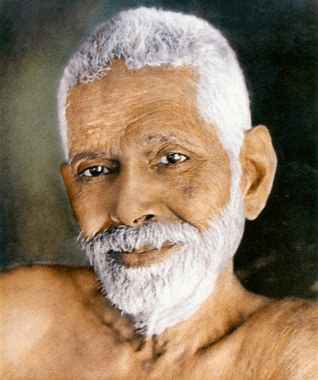
Ramana Maharshi.
At 16, he discovered a method so simple yet profound that anxiety, depression, and suffering vanish when you truly understand it.
Here's his 5-step approach to absolute inner peace: 🧵
Ramana Maharshi.
At 16, he discovered a method so simple yet profound that anxiety, depression, and suffering vanish when you truly understand it.
Here's his 5-step approach to absolute inner peace: 🧵
At age 16, he was a normal teenager in South India when something extraordinary happened:
A sudden, intense fear of death gripped him.
Instead of running from it, he did something that would change the course of spiritual psychology forever...
A sudden, intense fear of death gripped him.
Instead of running from it, he did something that would change the course of spiritual psychology forever...
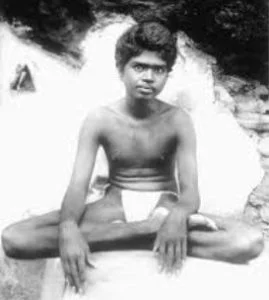
He lay down and faced death directly.
"What dies?" he asked himself. "Who am I really?"
This simple inquiry shattered his identity as a limited being and revealed a profound truth that would help millions find lasting peace.
Here's his 5-step to absolute inner peace:
"What dies?" he asked himself. "Who am I really?"
This simple inquiry shattered his identity as a limited being and revealed a profound truth that would help millions find lasting peace.
Here's his 5-step to absolute inner peace:
Step 1: The Core Question
"Who am I?"
Look directly at the feeling of 'I' right now. Where does this sense of being yourself come from?
This is where true healing begins.
"Who am I?"
Look directly at the feeling of 'I' right now. Where does this sense of being yourself come from?
This is where true healing begins.
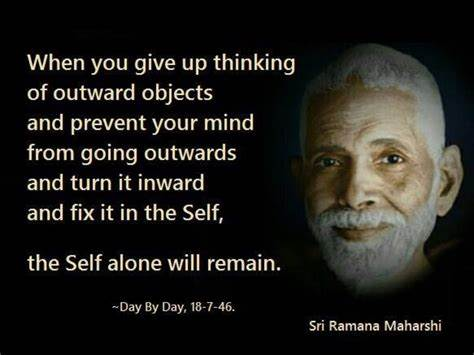
Step 2: Trace Your Thoughts
Every worry, every fear, every anxiety belongs to 'me.'
But who is this 'me' they belong to?
Follow each thought back to its source - the thinker. Watch what happens when you look for the thinker.
Every worry, every fear, every anxiety belongs to 'me.'
But who is this 'me' they belong to?
Follow each thought back to its source - the thinker. Watch what happens when you look for the thinker.
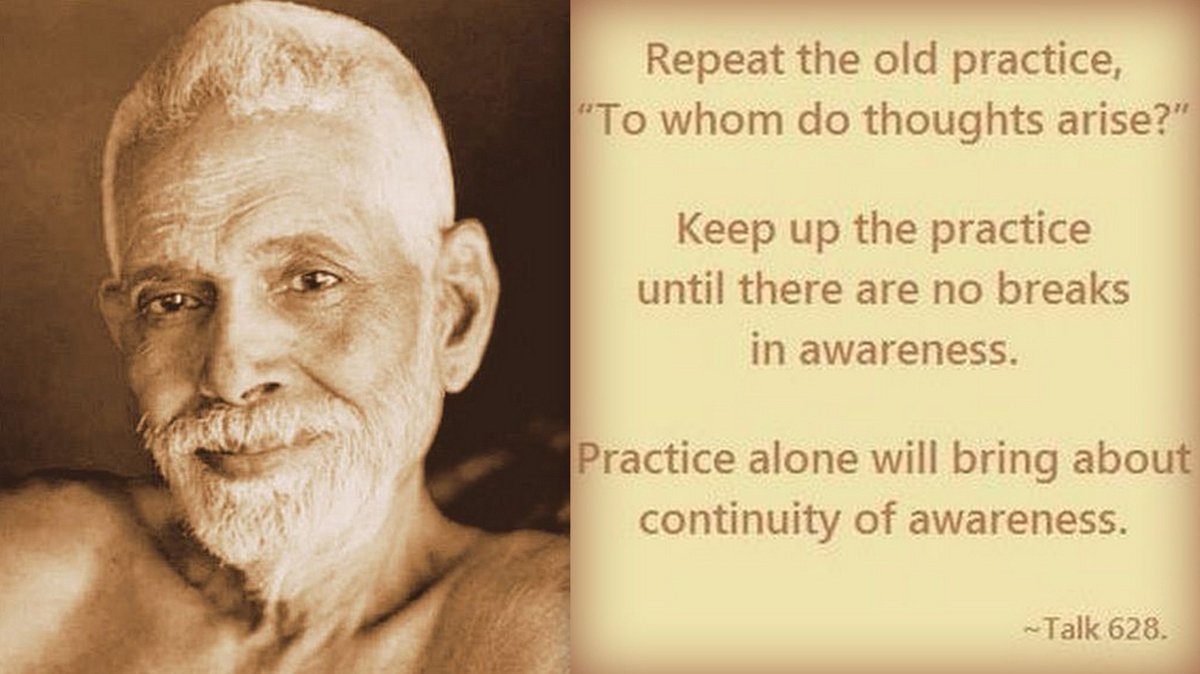
Step 3: The Direct Method
- Don't try to fix your mind.
- Don't analyze your problems.
- Don't practice complex techniques.
Simply ask: To whom do these problems occur?
The answer comes: "To me."
Then ask: "Who am I?"
- Don't try to fix your mind.
- Don't analyze your problems.
- Don't practice complex techniques.
Simply ask: To whom do these problems occur?
The answer comes: "To me."
Then ask: "Who am I?"
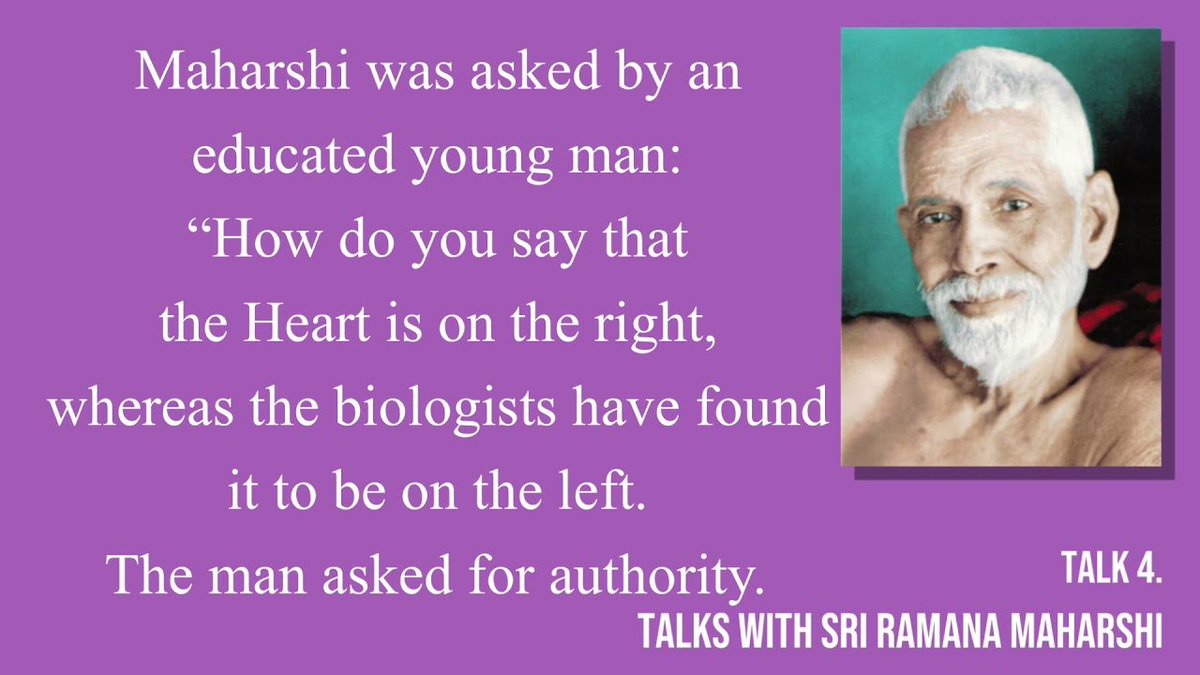
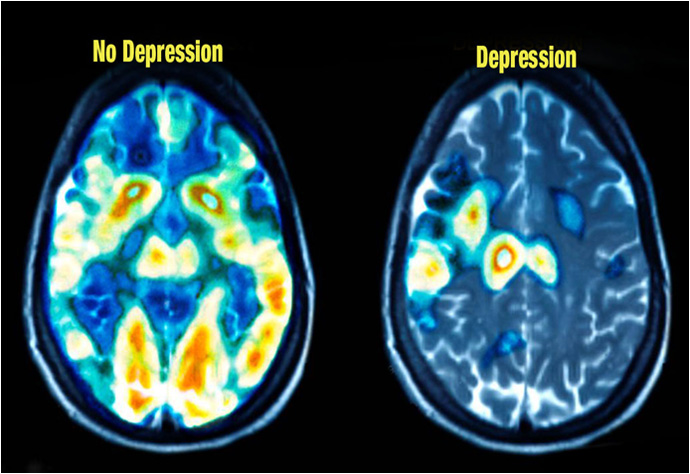
Ramana's teachings unexpectedly align with neuroscience.
The practice of self-inquiry leads to a reduction in self-referential thinking which results in:
1. lowered anxiety and mental chatter
2. increased present-moment awareness
The practice of self-inquiry leads to a reduction in self-referential thinking which results in:
1. lowered anxiety and mental chatter
2. increased present-moment awareness
In my ART program, I endorse constructive mind wandering through outdoor walking without devices.
It aligns perfectly with Ramana's teachings.
Let me explain...
It aligns perfectly with Ramana's teachings.
Let me explain...
Ramana's "Who am I?" paradoxically uses self-reference to transcend rigid self-concepts.
It's not about suppressing self-referential thinking but holding it differently.
It's not about suppressing self-referential thinking but holding it differently.
This creates what I call a "loose hold" on your identity.
This "loose hold" state is very similar to what happens during constructive walking meditation (a key feature of my ART program).
This "loose hold" state is very similar to what happens during constructive walking meditation (a key feature of my ART program).
The key insight is that both practices similarly work with attention.
They create a spacious awareness that's neither pushing away self-reference nor getting trapped in it.
It's like having a loose, open hand rather than a tight fist or a completely open palm.
They create a spacious awareness that's neither pushing away self-reference nor getting trapped in it.
It's like having a loose, open hand rather than a tight fist or a completely open palm.

Step 4: Beyond Meditation
Most methods give the mind something to do.
Ramana's genius was different:
Instead of adding new experiences, he taught us to look at who's experiencing.
This shift changes everything.
Most methods give the mind something to do.
Ramana's genius was different:
Instead of adding new experiences, he taught us to look at who's experiencing.
This shift changes everything.
Step 5: Abiding in Awareness
As you keep investigating "Who am I?", something profound happens:
The questioner dissolves into pure awareness.
What remains is what you've always been: Peace itself.
Here's a story from Ramana:
As you keep investigating "Who am I?", something profound happens:
The questioner dissolves into pure awareness.
What remains is what you've always been: Peace itself.
Here's a story from Ramana:
Carl Jung visited India to understand this teaching.
David Godman dedicated his life to documenting it.
Paul Brunton introduced it to the West.
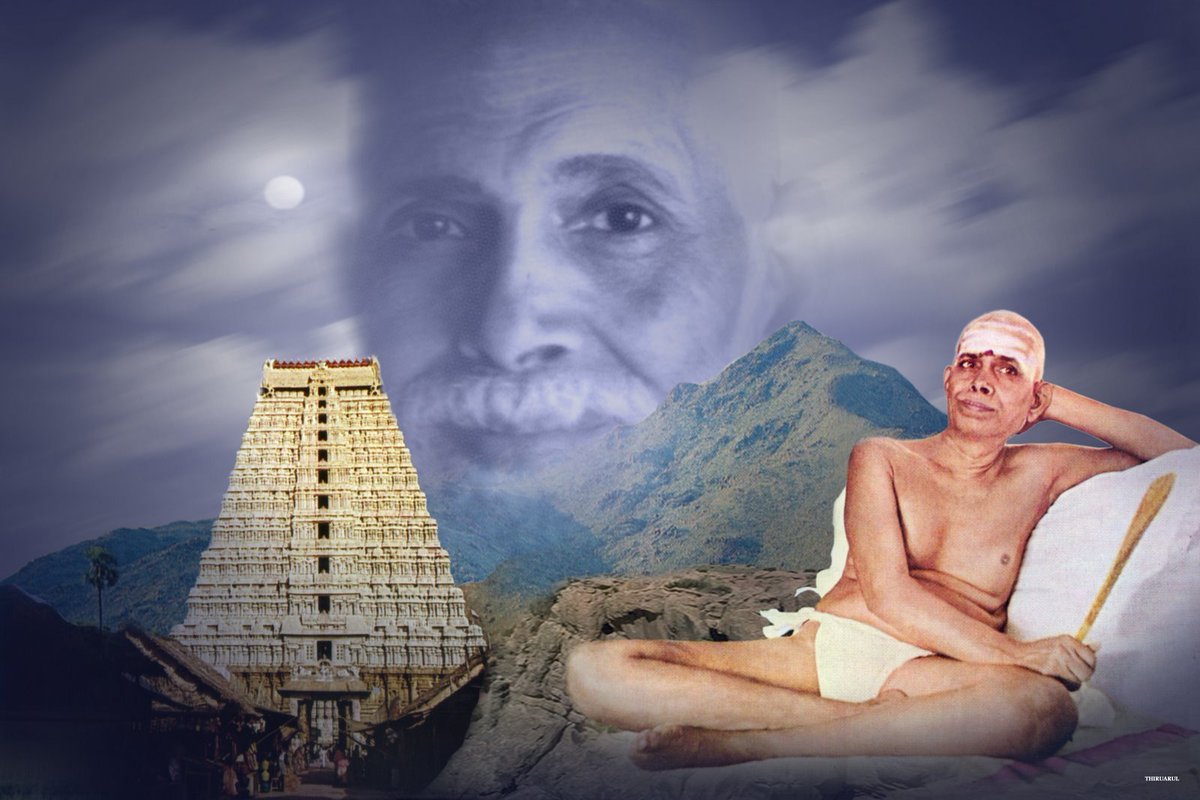
Yet Ramana never left his mountain. He never charged money nor did he create an organization around his realization.
David Godman dedicated his life to documenting it.
Paul Brunton introduced it to the West.
Yet Ramana never left his mountain. He never charged money nor did he create an organization around his realization.
The beauty of Ramana's method:
• No spiritual beliefs needed
• No years of practice required
• No special postures or techniques
• No dependency on teachers
Just one simple question asked with your whole being.
• No spiritual beliefs needed
• No years of practice required
• No special postures or techniques
• No dependency on teachers
Just one simple question asked with your whole being.
Warning: This isn't a mental exercise.
The "Who am I?" inquiry must penetrate deeper than thought. That's why I call it a "loose holding" of your identity.
When this question is sincerely pursued, suffering loses its foundation.
Because who is there to suffer?
The "Who am I?" inquiry must penetrate deeper than thought. That's why I call it a "loose holding" of your identity.
When this question is sincerely pursued, suffering loses its foundation.
Because who is there to suffer?
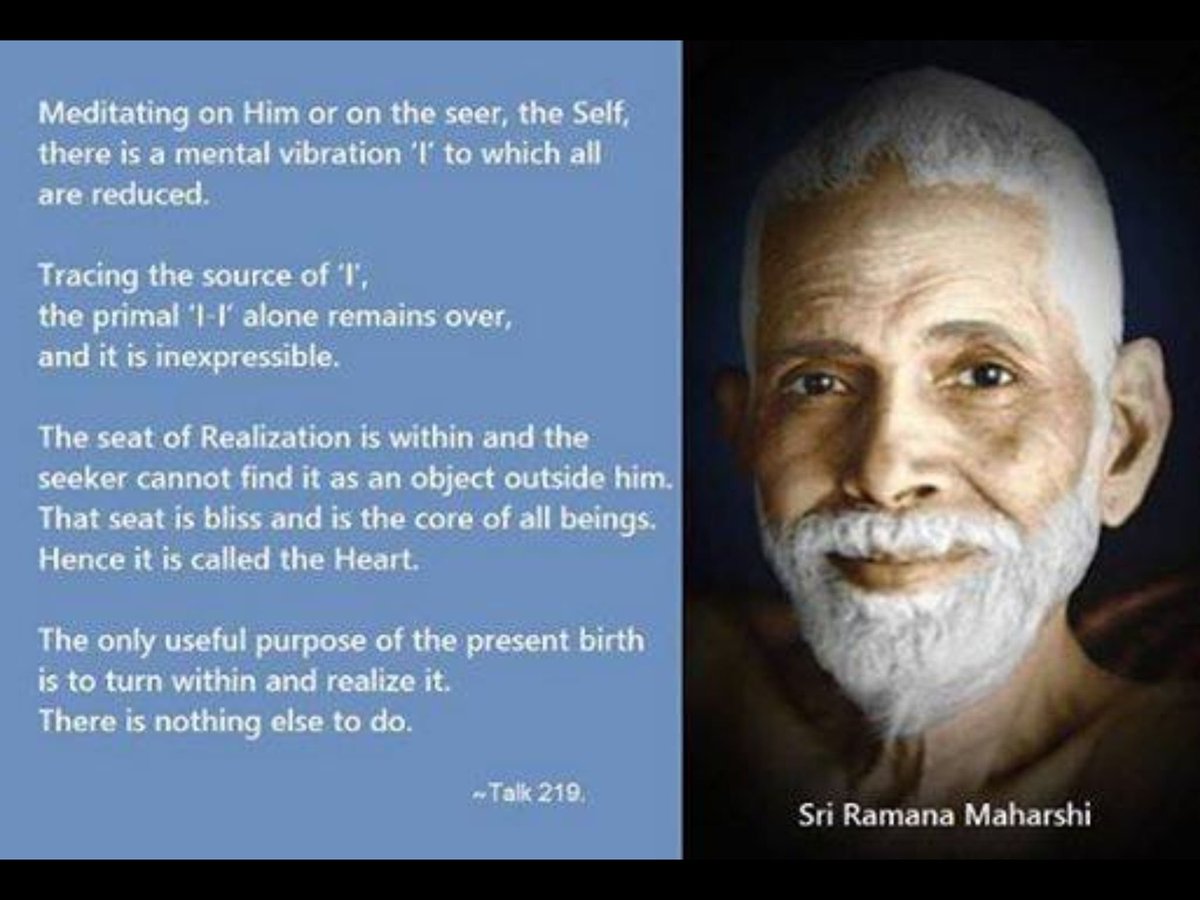
Most of us don't have the time to spend 54 years sitting in silence. Nor do we understand the state in which Ramana was established.
Having guidance from someone who understands modern psychology and self-inquiry can be invaluable.
Having guidance from someone who understands modern psychology and self-inquiry can be invaluable.
We are launching the Anxiety Relief Transformation™ on August 5th.
12 modules of guided practices combining neuroscience, art therapy & somatic healing.
Join the waitlist for the 25% off early bird discount:
offers.lorwenharrisnagle.com/anxiety-relief…
12 modules of guided practices combining neuroscience, art therapy & somatic healing.
Join the waitlist for the 25% off early bird discount:
offers.lorwenharrisnagle.com/anxiety-relief…
If this thread resonated with you, I explore psychology, philosophy, and personal transformation in my work.
Follow @Lorwen108 for more insights on the journey to authenticity.
Repost if this helped you. 🙏
Follow @Lorwen108 for more insights on the journey to authenticity.
Repost if this helped you. 🙏
https://twitter.com/3065974983/status/1951598902387585391
• • •
Missing some Tweet in this thread? You can try to
force a refresh