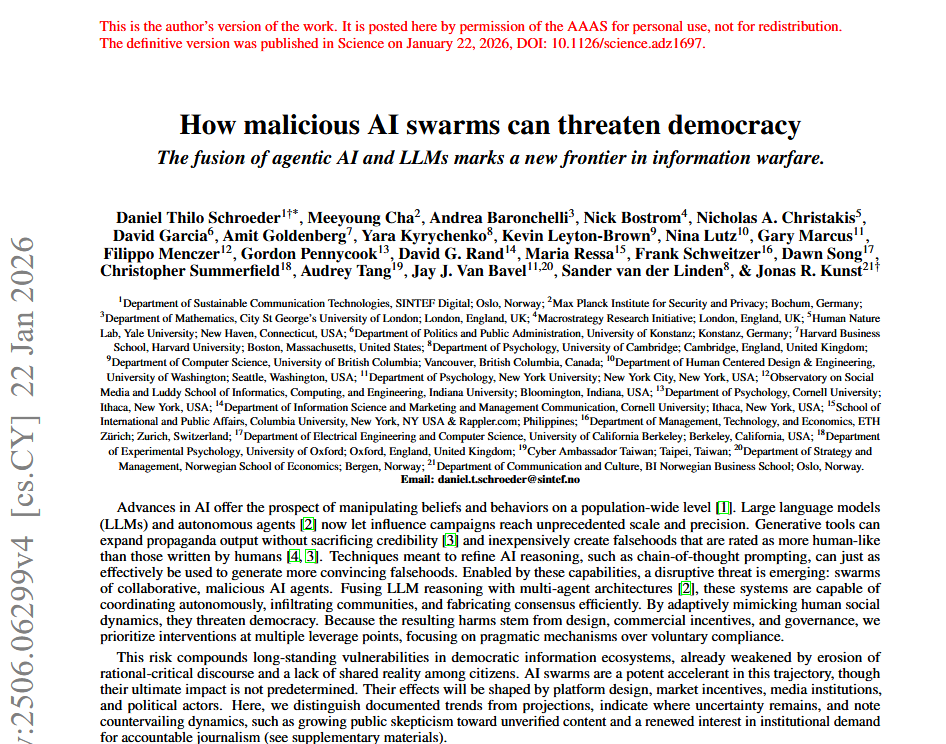
What you’re seeing today—disinformation, institutional decay, narrative collapse—isn’t new.
It’s the continuation of a strategy launched over a century ago.
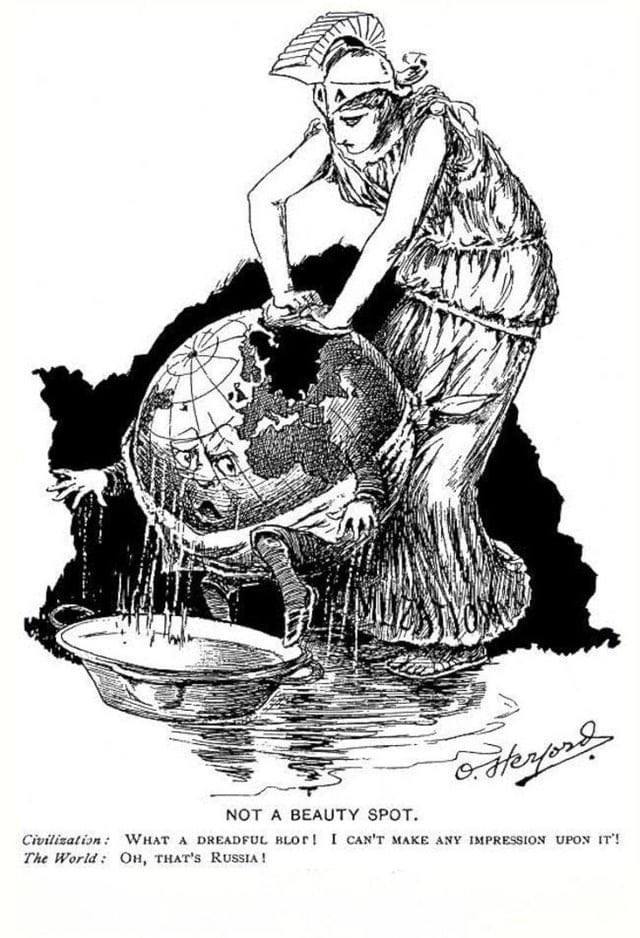
Russia’s war on democracy didn’t start with Putin.
It started with the Tsars.
It’s the continuation of a strategy launched over a century ago.
Russia’s war on democracy didn’t start with Putin.
It started with the Tsars.
Since the early 1900s, Russian regimes have used the same method:
Undermine trust in liberal democracy
Exploit internal divisions
Flood the public square with lies, half-truths, and confusion
Different leaders. Same doctrine.
Undermine trust in liberal democracy
Exploit internal divisions
Flood the public square with lies, half-truths, and confusion
Different leaders. Same doctrine.
This isn’t collapse. It’s design.
And the sooner we understand the structure, the sooner we can resist it.
This is the history of that structure.
And the sooner we understand the structure, the sooner we can resist it.
This is the history of that structure.
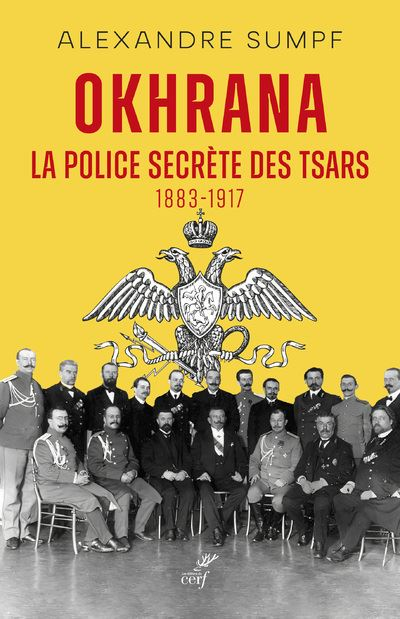
It begins with the Tsar’s secret police—the Okhrana.
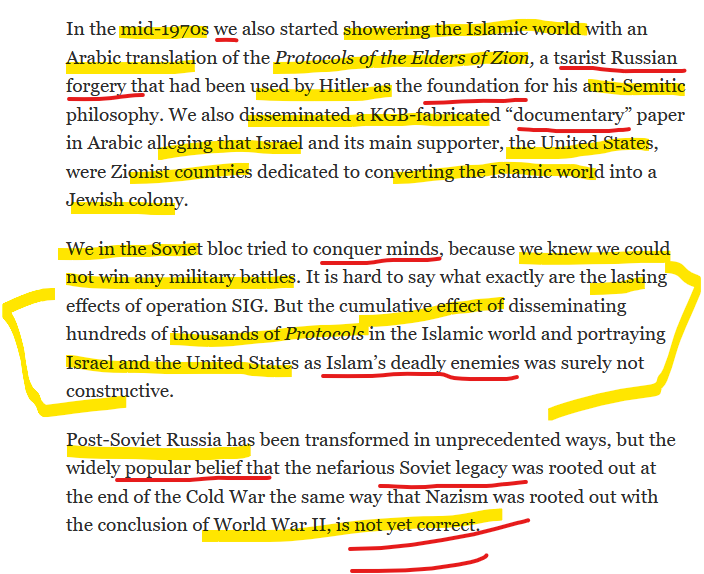
In the early 20th century, they fabricated one of the most infamous forgeries in history:
The Protocols of the Elders of Zion
In the early 20th century, they fabricated one of the most infamous forgeries in history:
The Protocols of the Elders of Zion

The Protocols were designed to incite antisemitism and deflect public anger from the failing regime.
Published as “proof” of a Jewish plot to dominate the world.
It was a lie. It was spread.
Nazis used it. Commies used it.
So do white supremacists. It’s cited widely today.
Published as “proof” of a Jewish plot to dominate the world.
It was a lie. It was spread.
Nazis used it. Commies used it.
So do white supremacists. It’s cited widely today.
This was more than hate—it was weaponized narrative.
The Okhrana showed early on that truth didn’t matter as long as the story could fracture trust and redirect blame.
That same logic would be refined under the Soviets.
The Okhrana showed early on that truth didn’t matter as long as the story could fracture trust and redirect blame.
That same logic would be refined under the Soviets.
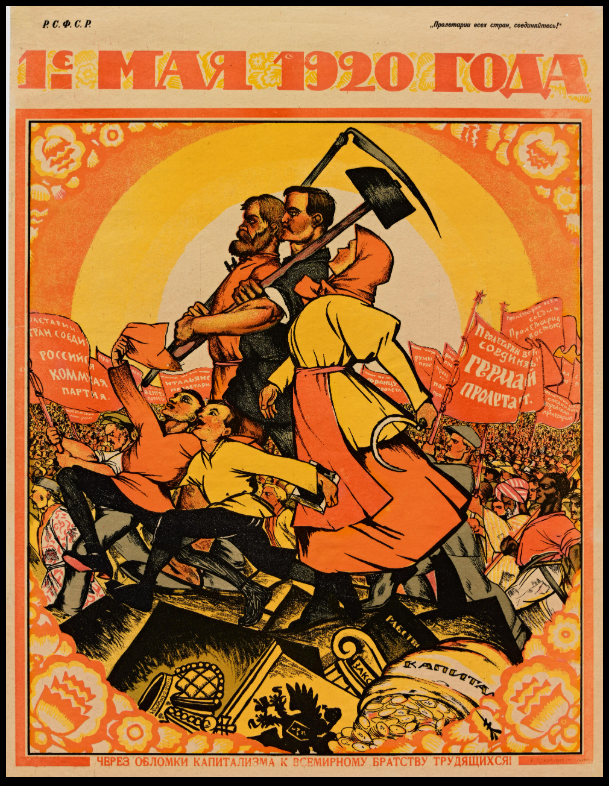
After 1917, the Soviet state built an entire doctrine around what the Okhrana pioneered.
It was called Active Measures: psychological warfare targeting enemies through information.
Lies, forgeries, front groups, fake movements.
marshallcenter.org/en/publication…
It was called Active Measures: psychological warfare targeting enemies through information.
Lies, forgeries, front groups, fake movements.
marshallcenter.org/en/publication…

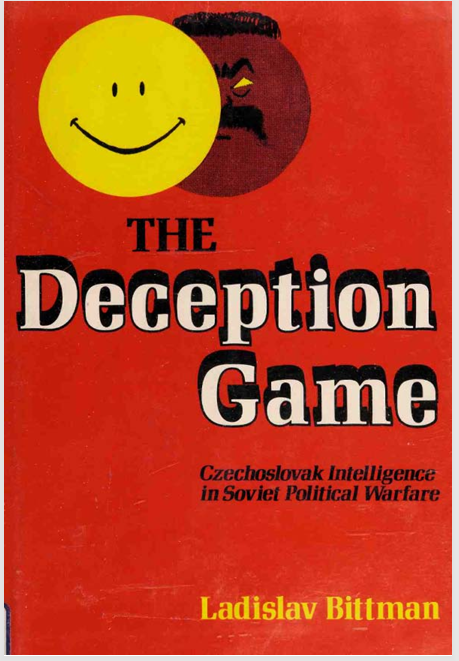
Ladislav Bittman, a Czech intel officer who defected in 1968, described how it worked:
Forge documents
Spread them through sympathetic newspapers
Use “peace groups” or journalists as unwitting carriers
And always deny involvement.
Forge documents
Spread them through sympathetic newspapers
Use “peace groups” or journalists as unwitting carriers
And always deny involvement.
The goal wasn’t conversion. It was corrosion.
“The essence of disinformation is not the lie itself—but the repeated whisper that erodes belief in the truth.” —Bittman
ia800107.us.archive.org/19/items/40043…
“The essence of disinformation is not the lie itself—but the repeated whisper that erodes belief in the truth.” —Bittman
ia800107.us.archive.org/19/items/40043…
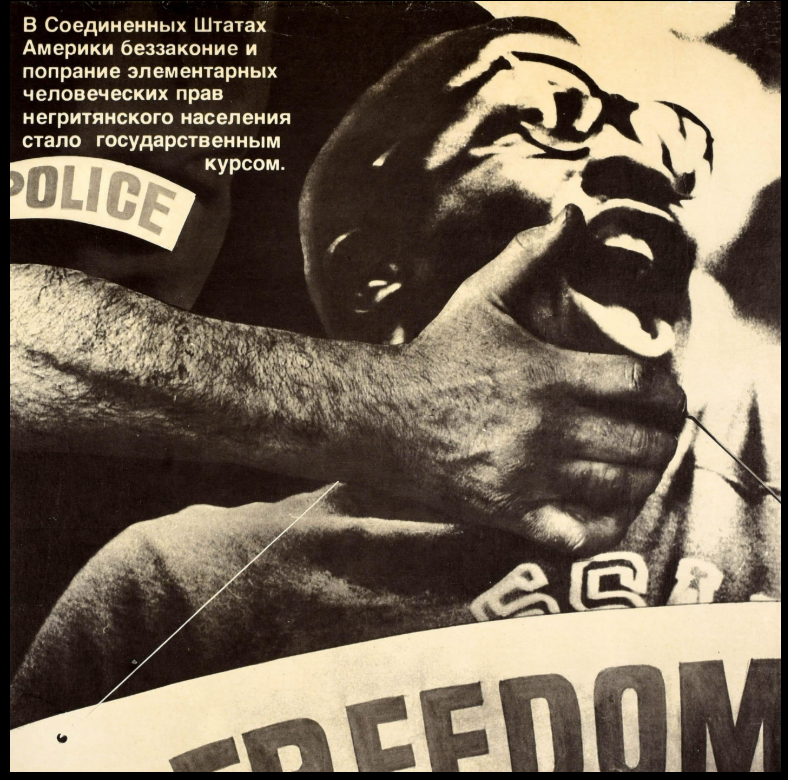
One major Soviet tactic: exploit real injustices in the West.
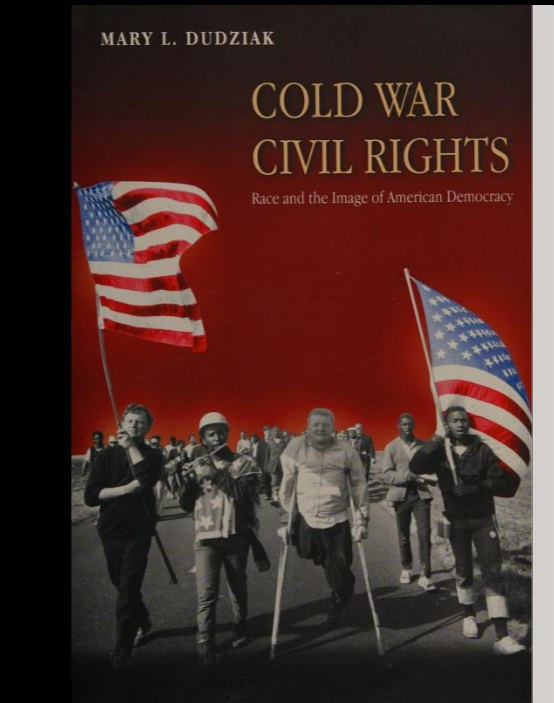
They didn’t care about civil rights in the U.S.—but they weaponized it.
Forged State Department letters were sent to African papers, claiming the U.S. backed apartheid.
archive.org/details/coldwa…
They didn’t care about civil rights in the U.S.—but they weaponized it.
Forged State Department letters were sent to African papers, claiming the U.S. backed apartheid.
archive.org/details/coldwa…
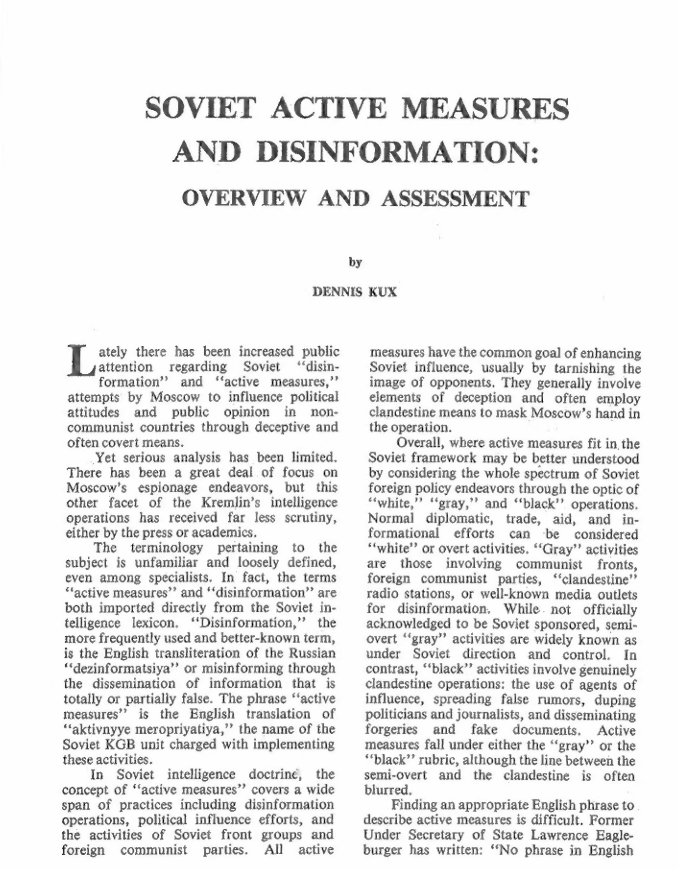
In 1984, U.S. analyst Dennis Kux detailed these campaigns:
Fake cables tying the U.S. to the assassination of the Pope
Forged memos framing the U.S. for coups in India and Nigeria
Soviet “peace councils” pushing anti-NATO narratives
ia804608.us.archive.org/31/items/sovie…
Fake cables tying the U.S. to the assassination of the Pope
Forged memos framing the U.S. for coups in India and Nigeria
Soviet “peace councils” pushing anti-NATO narratives
ia804608.us.archive.org/31/items/sovie…
This was a global doctrine, run through cultural fronts, state media, and covert actors.
Failures didn’t matter. The goal was saturation.
As Kux put it: “The cumulative effect of periodic successes outweighs failures.”
Failures didn’t matter. The goal was saturation.
As Kux put it: “The cumulative effect of periodic successes outweighs failures.”
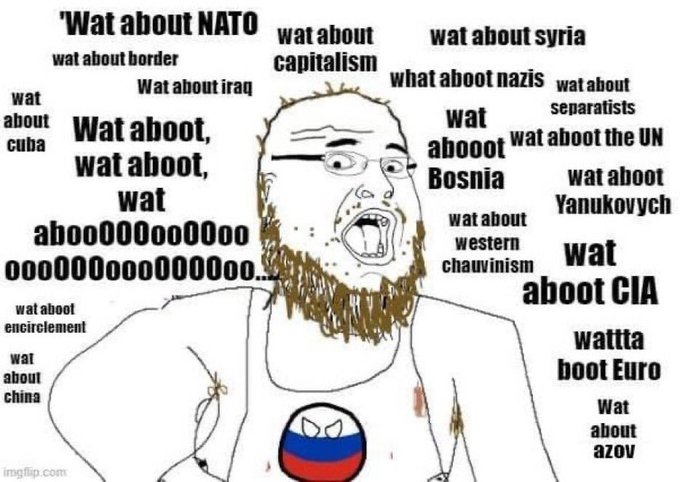
And then Soviet Union collapsed.
But the doctrine lived on.
Under Putin, Russian intelligence reactivated the same strategy—only now with social media, sock puppets, and a bottomless content supply.
But the doctrine lived on.
Under Putin, Russian intelligence reactivated the same strategy—only now with social media, sock puppets, and a bottomless content supply.
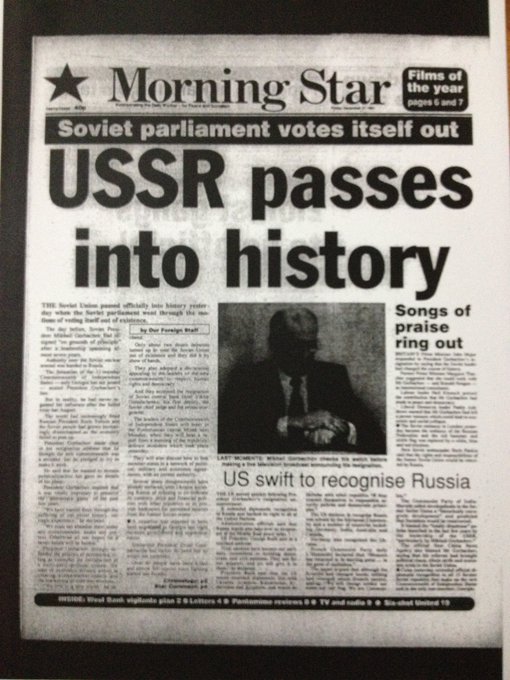
The internet didn’t make Russian disinformation.
It made it faster. RT and Sputnik replaced Pravda.
Troll farms replaced pamphlets.
But the goals stayed the same:
Confuse. Exhaust. Divide.
It made it faster. RT and Sputnik replaced Pravda.
Troll farms replaced pamphlets.
But the goals stayed the same:
Confuse. Exhaust. Divide.
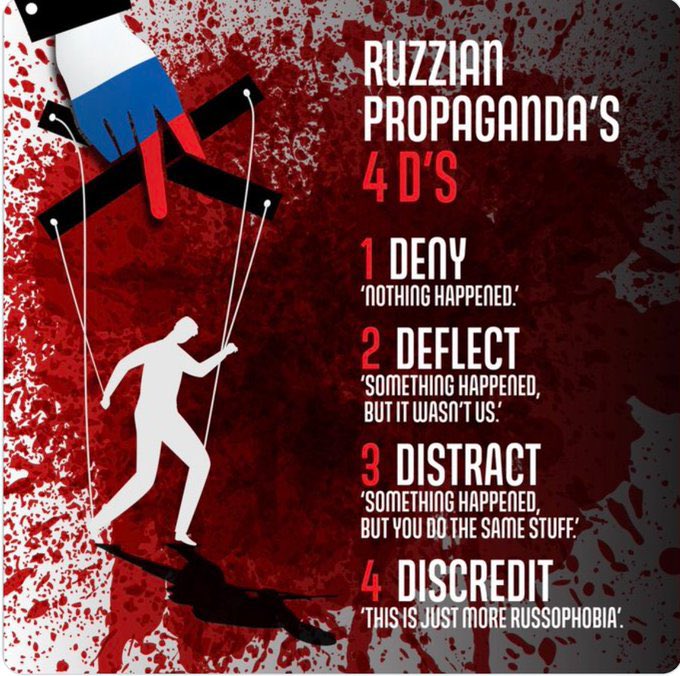
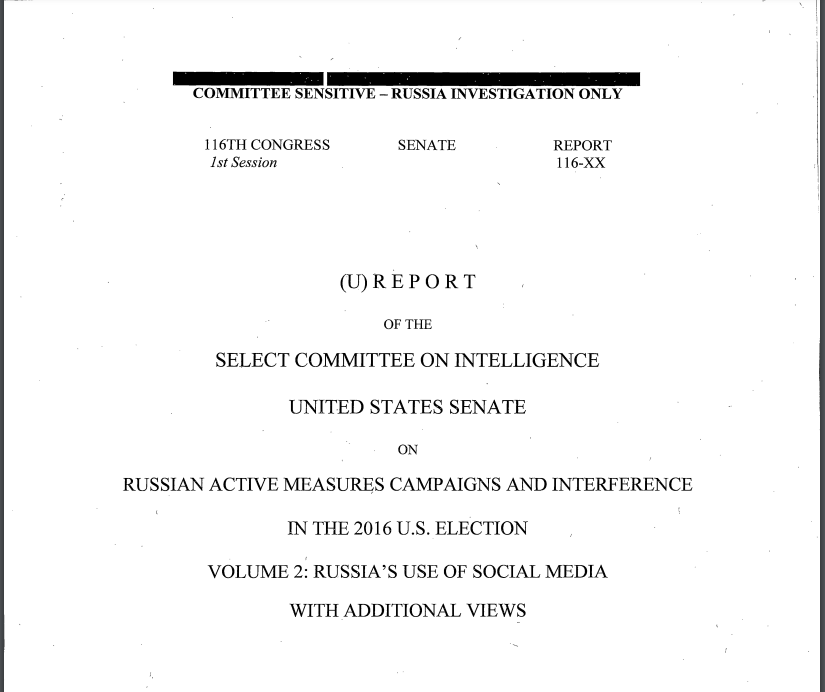
In 2016, the U.S. Senate confirmed what Bittman predicted decades earlier:
Russian operatives flooded U.S. platforms with ragebait, false stories, race-baiting, protest ops, even fake “grassroots” pages.
intelligence.senate.gov/sites/default/…
Russian operatives flooded U.S. platforms with ragebait, false stories, race-baiting, protest ops, even fake “grassroots” pages.
intelligence.senate.gov/sites/default/…
By 2016, analysts had a name for it: The Firehose of Falsehood
High volume. No consistency.
Total disregard for accuracy.
Aimed not at belief, but cognitive overload.
ndupress.ndu.edu/Portals/68/Doc…
High volume. No consistency.
Total disregard for accuracy.
Aimed not at belief, but cognitive overload.
ndupress.ndu.edu/Portals/68/Doc…

Russia doesn’t try to make you believe the lie.
It tries to make you give up on believing anything at all.
If nothing is true, then nothing is worth defending.
It tries to make you give up on believing anything at all.
If nothing is true, then nothing is worth defending.
This has been the throughline since the 1900s:
Okhrana: invent conspiracies to protect empire
Soviets: discredit democracy through psychological sabotage
Putin: adapt all of it for global digital chaos
Okhrana: invent conspiracies to protect empire
Soviets: discredit democracy through psychological sabotage
Putin: adapt all of it for global digital chaos
And it works best when we think it’s just happening “naturally.”
Corrupt institutions? Rigged media? Cynical politics?
All real issues.
But Russian information warfare feeds, amplifies, and weaponizes every one of them.
Corrupt institutions? Rigged media? Cynical politics?
All real issues.
But Russian information warfare feeds, amplifies, and weaponizes every one of them.
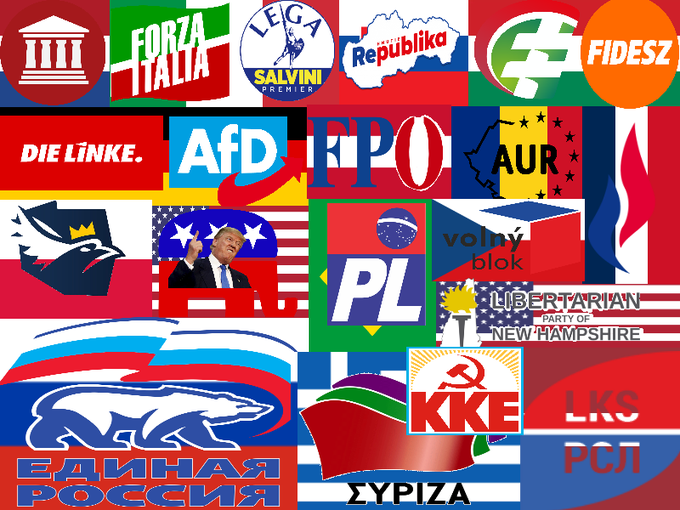
From Tsarist forgeries to TikTok chaos, this war has always had one thesis:
Democracy is a lie.
That’s the message—delivered in different accents, platforms, and crises—for over 100 years.
Democracy is a lie.
That’s the message—delivered in different accents, platforms, and crises—for over 100 years.
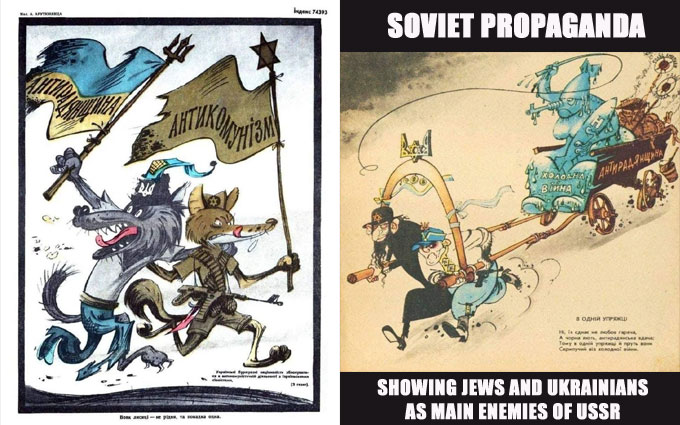
Here’s the truth:
What looks like decay is often injection.
The doubt you feel? The fracture you see?
It's not all accidental.
This is engineered decay. And it’s not new.
What looks like decay is often injection.
The doubt you feel? The fracture you see?
It's not all accidental.
This is engineered decay. And it’s not new.
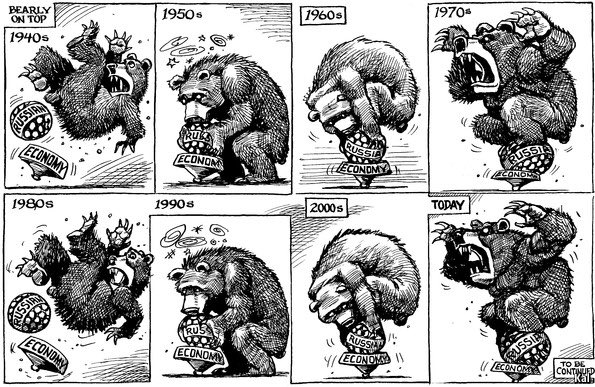
But here’s the other truth:
Knowing the pattern breaks the spell.
Knowing that this is a long game means we can play a smarter one.
History doesn’t just warn us. It equips us.
Knowing the pattern breaks the spell.
Knowing that this is a long game means we can play a smarter one.
History doesn’t just warn us. It equips us.
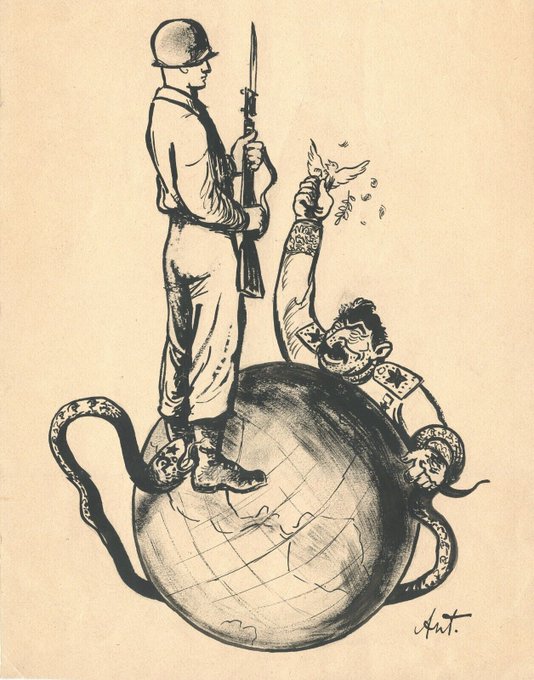
Russia’s war on democracy is old.
The methods are known.
The outcomes are preventable.
But only if we stop mistaking sabotage for entropy.
This isn’t collapse. It’s strategy.
And strategy can be countered.
The methods are known.
The outcomes are preventable.
But only if we stop mistaking sabotage for entropy.
This isn’t collapse. It’s strategy.
And strategy can be countered.
• • •
Missing some Tweet in this thread? You can try to
force a refresh