The rich don’t hide money. They hide ownership.
The $100M mansion? A shell owns it.
The $500M yacht? A trust in Panama.
The cash? A foundation “hired” them to spend it.
Here’s how the ultra-wealthy vanish millions and why no one can stop them:
The $100M mansion? A shell owns it.
The $500M yacht? A trust in Panama.
The cash? A foundation “hired” them to spend it.
Here’s how the ultra-wealthy vanish millions and why no one can stop them:

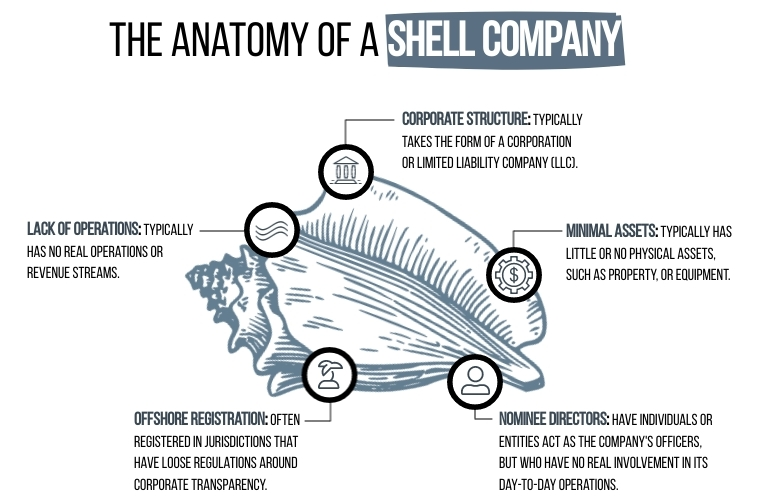
First, what is a shell company?
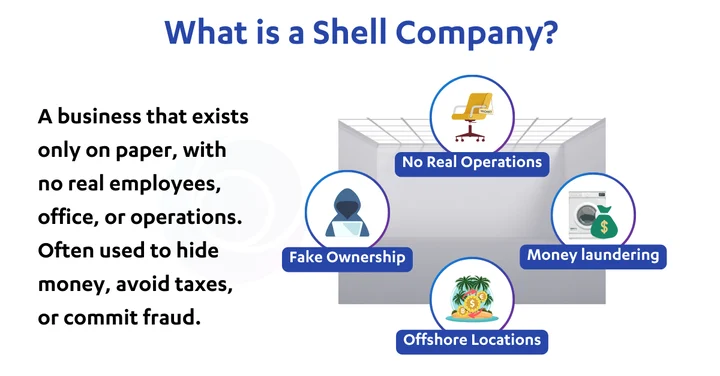
A shell company is a legal entity that exists only on paper.
No employees. No operations. No office.
Its job?
To hold assets without revealing the true owner.
Perfect for the ultra-rich.
A shell company is a legal entity that exists only on paper.
No employees. No operations. No office.
Its job?
To hold assets without revealing the true owner.
Perfect for the ultra-rich.
Why use a shell?
Because ownership = liability.
With a shell:
• You don’t "own" the mansion, the company does
• You don’t "earn" the profit, the shell does
• You don’t "exist" on the paperwork, a proxy does
You control the assets, but your name disappears.
Because ownership = liability.
With a shell:
• You don’t "own" the mansion, the company does
• You don’t "earn" the profit, the shell does
• You don’t "exist" on the paperwork, a proxy does
You control the assets, but your name disappears.
The wealthy layer shells like Russian dolls.
Example:
• Shell A owns an apartment
• Shell A is owned by Shell B
• Shell B is owned by a trust
• The trust is controlled by a foundation
• The foundation lists a nominee (not the real owner)
That’s 5 legal firewalls.
Example:
• Shell A owns an apartment
• Shell A is owned by Shell B
• Shell B is owned by a trust
• The trust is controlled by a foundation
• The foundation lists a nominee (not the real owner)
That’s 5 legal firewalls.
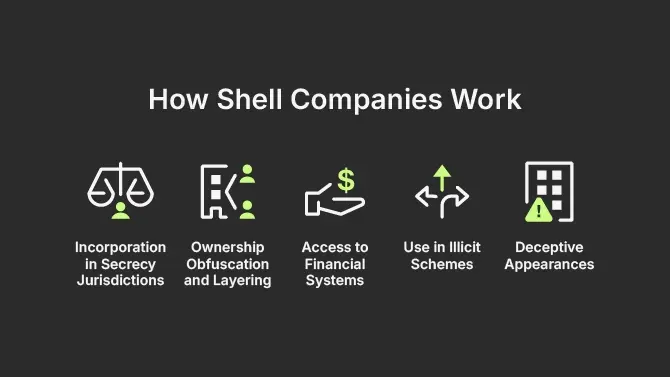
Where are these companies based?
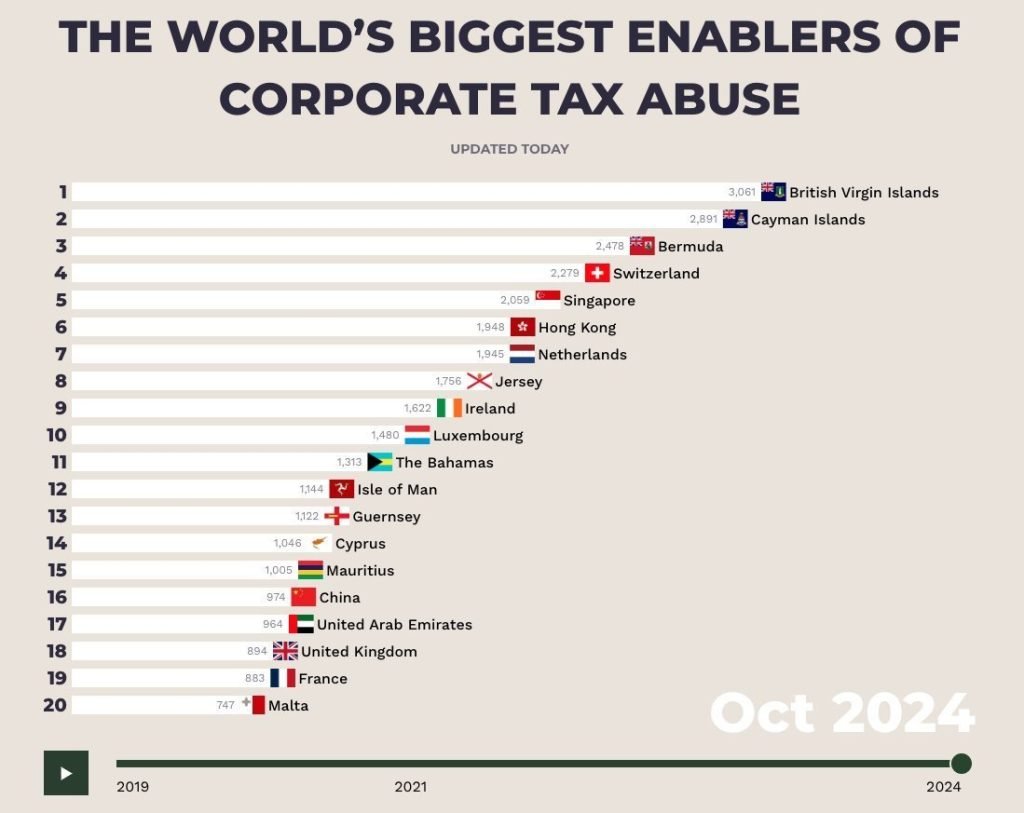
Often in secrecy havens like:
• British Virgin Islands
• Delaware
• Wyoming
• Panama
• Seychelles
These jurisdictions don't ask who owns the company.
They just register and protect it.
Often in secrecy havens like:
• British Virgin Islands
• Delaware
• Wyoming
• Panama
• Seychelles
These jurisdictions don't ask who owns the company.
They just register and protect it.
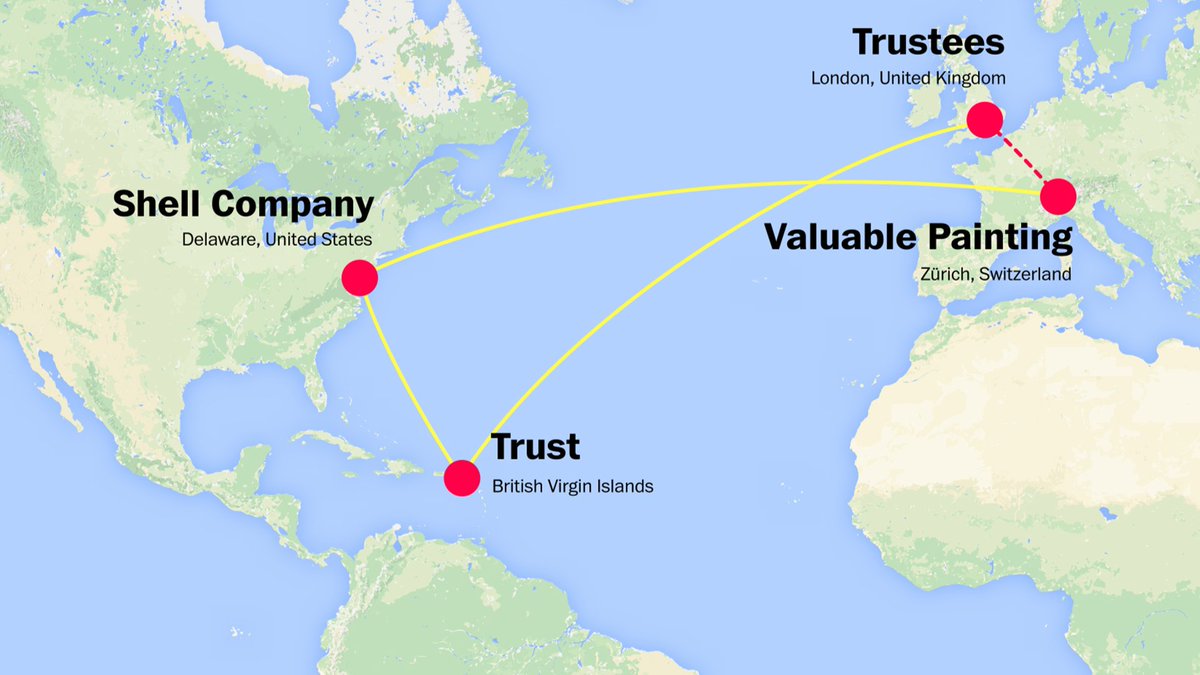
Here’s how this vanishes millions:
A billionaire moves profits from their company to a shell in the Cayman Islands
That shell invests in a trust
The trust donates to a foundation
The foundation hires the billionaire as a consultant
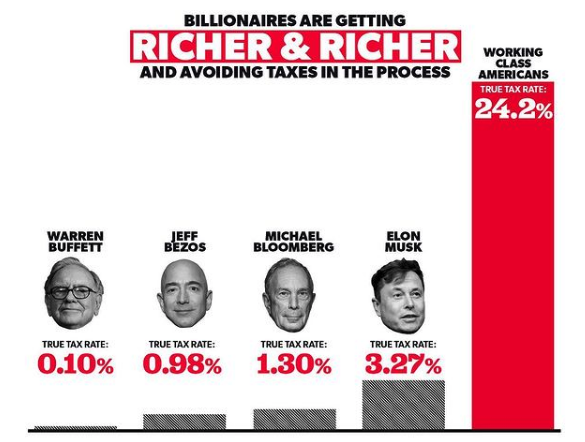
Now the billionaire gets the money tax-free
A billionaire moves profits from their company to a shell in the Cayman Islands
That shell invests in a trust
The trust donates to a foundation
The foundation hires the billionaire as a consultant
Now the billionaire gets the money tax-free
The Panama Papers leak in 2016 exposed over 214,000 offshore entities.
They linked shell companies to:
• Heads of state
• Celebrities
• CEOs
• Cartels
• Arms dealers
• Dictators
And yet, only a fraction were ever prosecuted.
They linked shell companies to:
• Heads of state
• Celebrities
• CEOs
• Cartels
• Arms dealers
• Dictators
And yet, only a fraction were ever prosecuted.
These shells let you move money without scrutiny.
Governments can freeze personal bank accounts but not corporate ones.
If a shell in the Caymans owns your yacht, and another in Dubai owns the bank account…
No court in your country can touch them.
Governments can freeze personal bank accounts but not corporate ones.
If a shell in the Caymans owns your yacht, and another in Dubai owns the bank account…
No court in your country can touch them.
New laws are trying to stop it.
• U.S. Corporate Transparency Act (2021) now requires beneficial ownership disclosures
• EU now mandates ownership registries
• OECD pushing for global reporting standards
But the ultra-rich are always 2 steps ahead.
• U.S. Corporate Transparency Act (2021) now requires beneficial ownership disclosures
• EU now mandates ownership registries
• OECD pushing for global reporting standards
But the ultra-rich are always 2 steps ahead.
The bottom line:
You can’t seize what you can’t find.
And you can’t tax what no one owns.
If the average person makes money, the system sees it.
If the rich do, it disappears.
You can’t seize what you can’t find.
And you can’t tax what no one owns.
If the average person makes money, the system sees it.
If the rich do, it disappears.
If you love business and marketing, subscribe and join 8,231 founders the1-2-3newsletter.beehiiv.com/subscribe

• • •
Missing some Tweet in this thread? You can try to
force a refresh