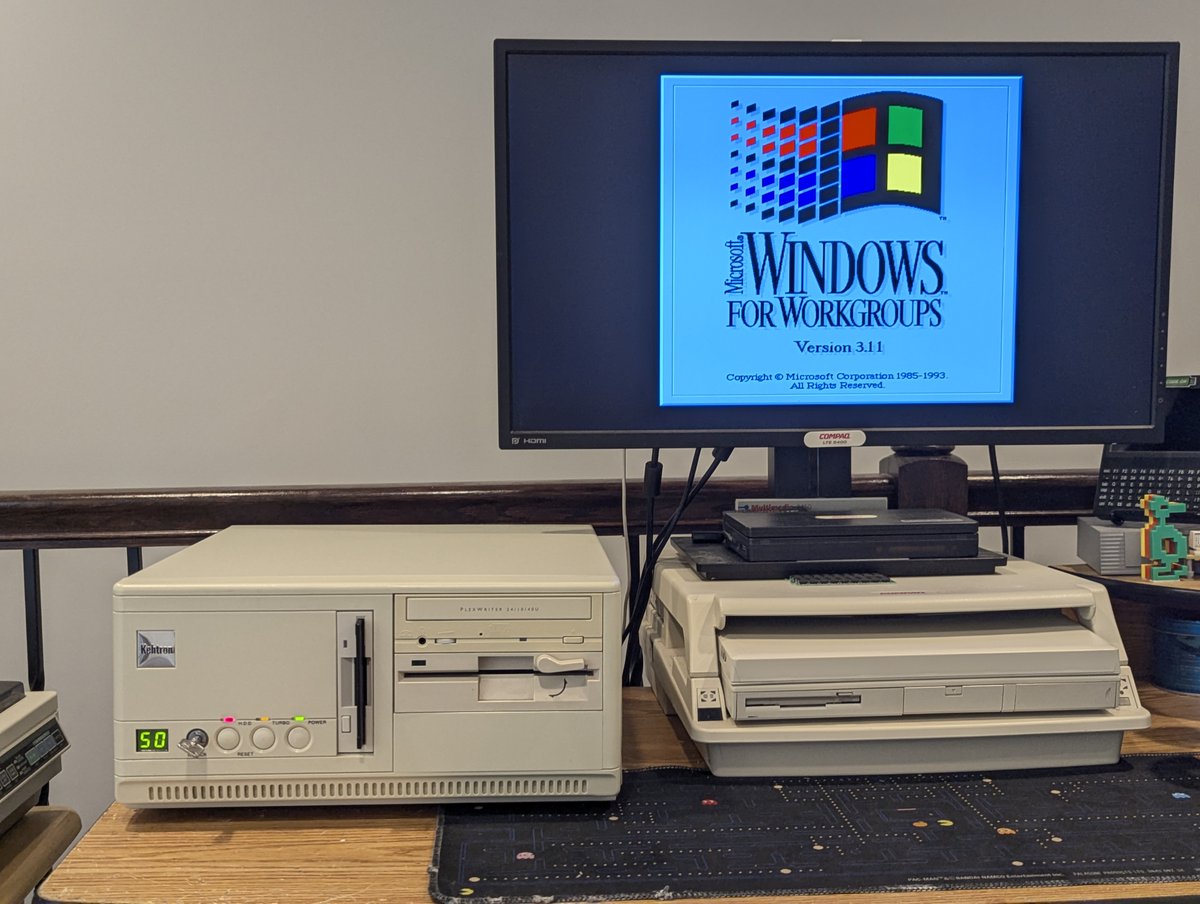
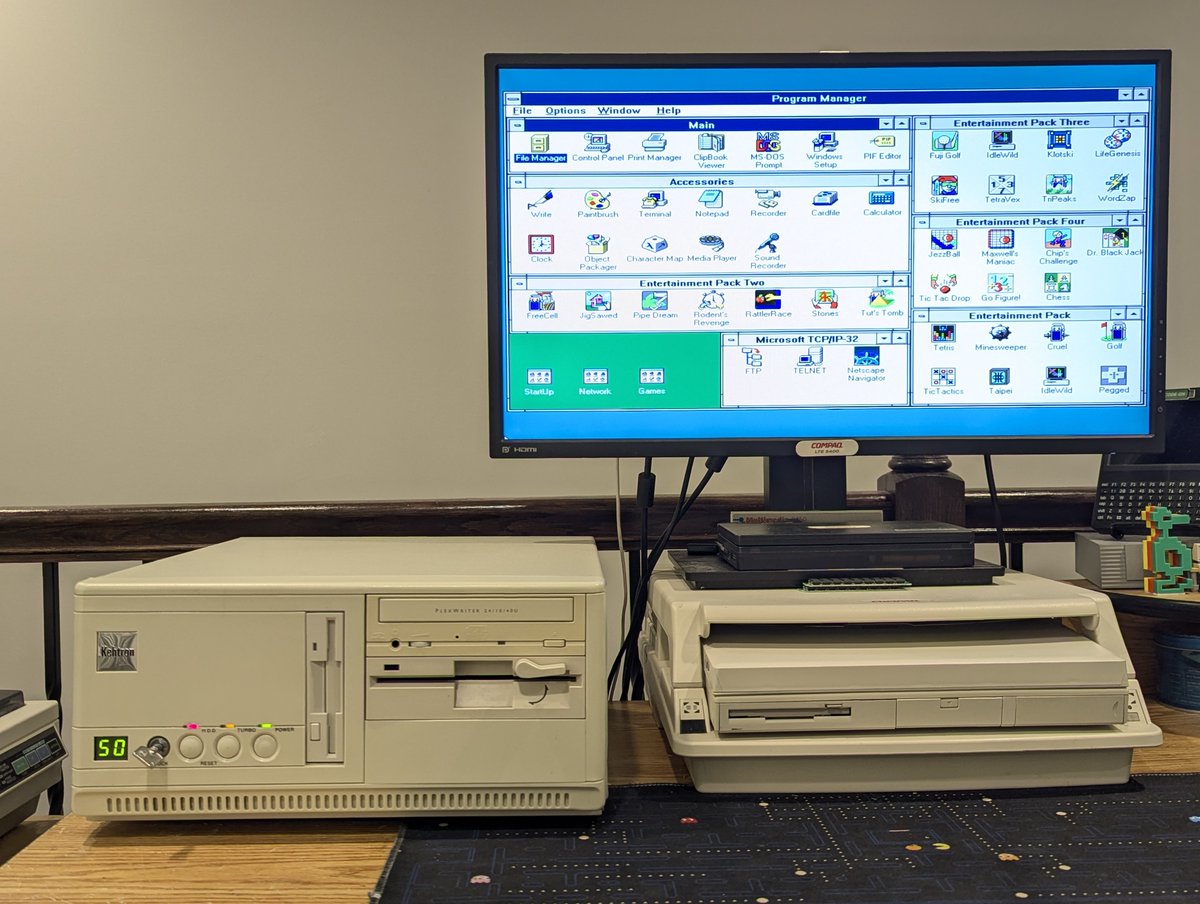
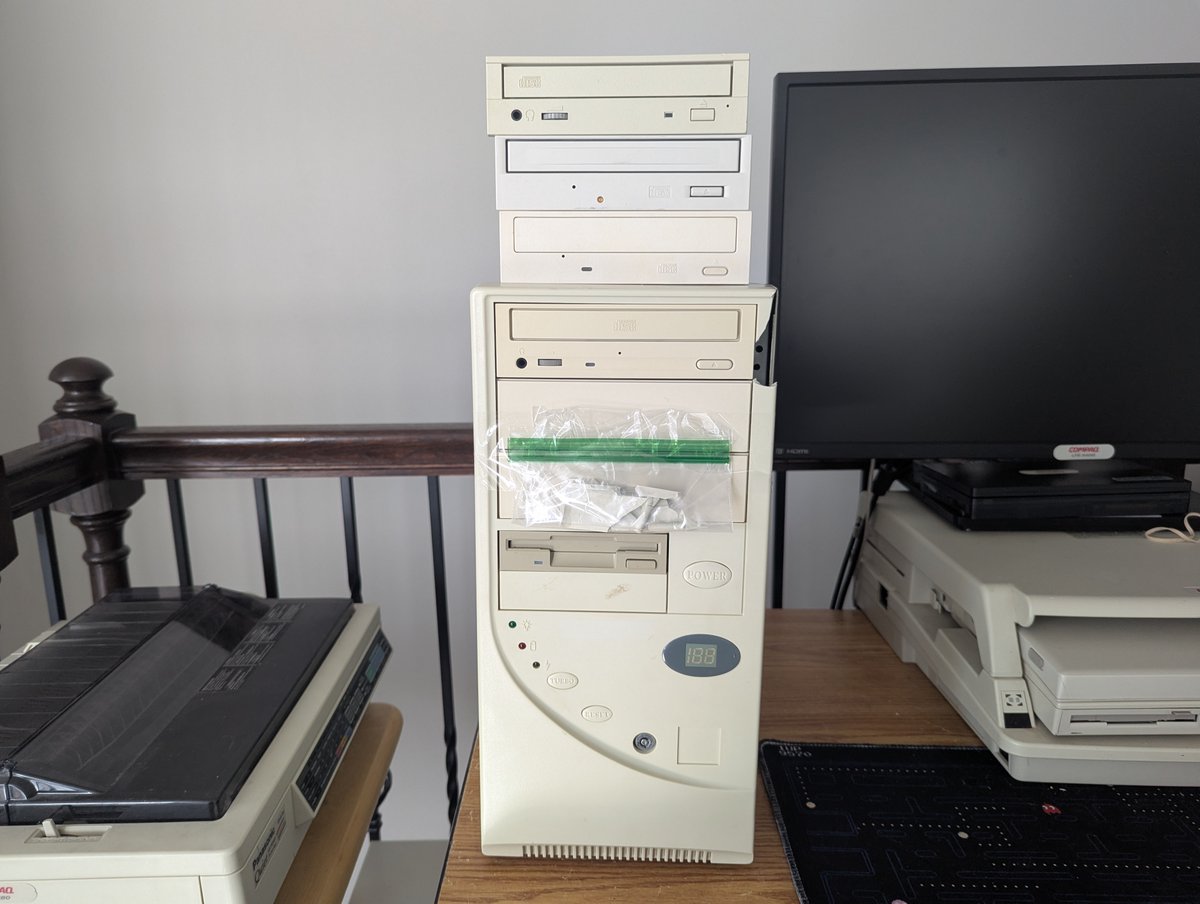
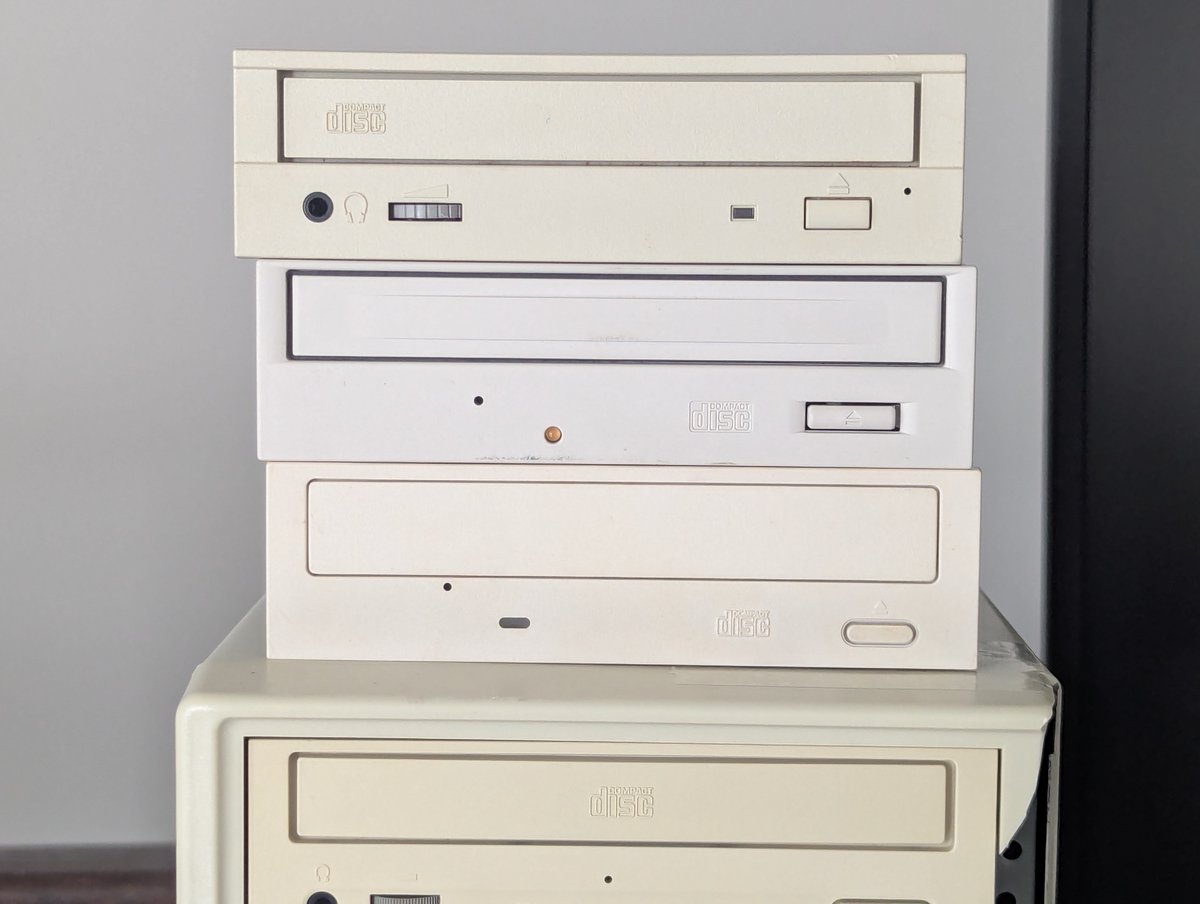
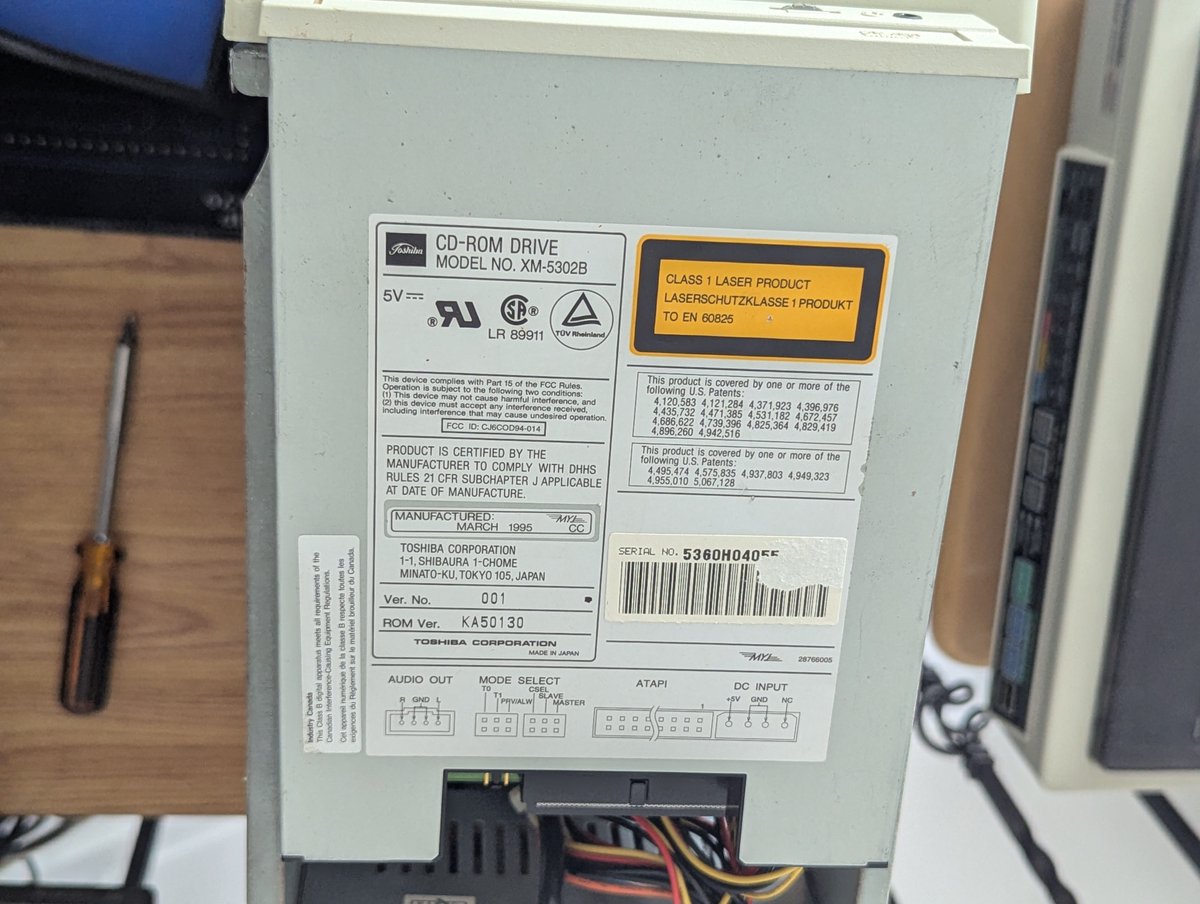
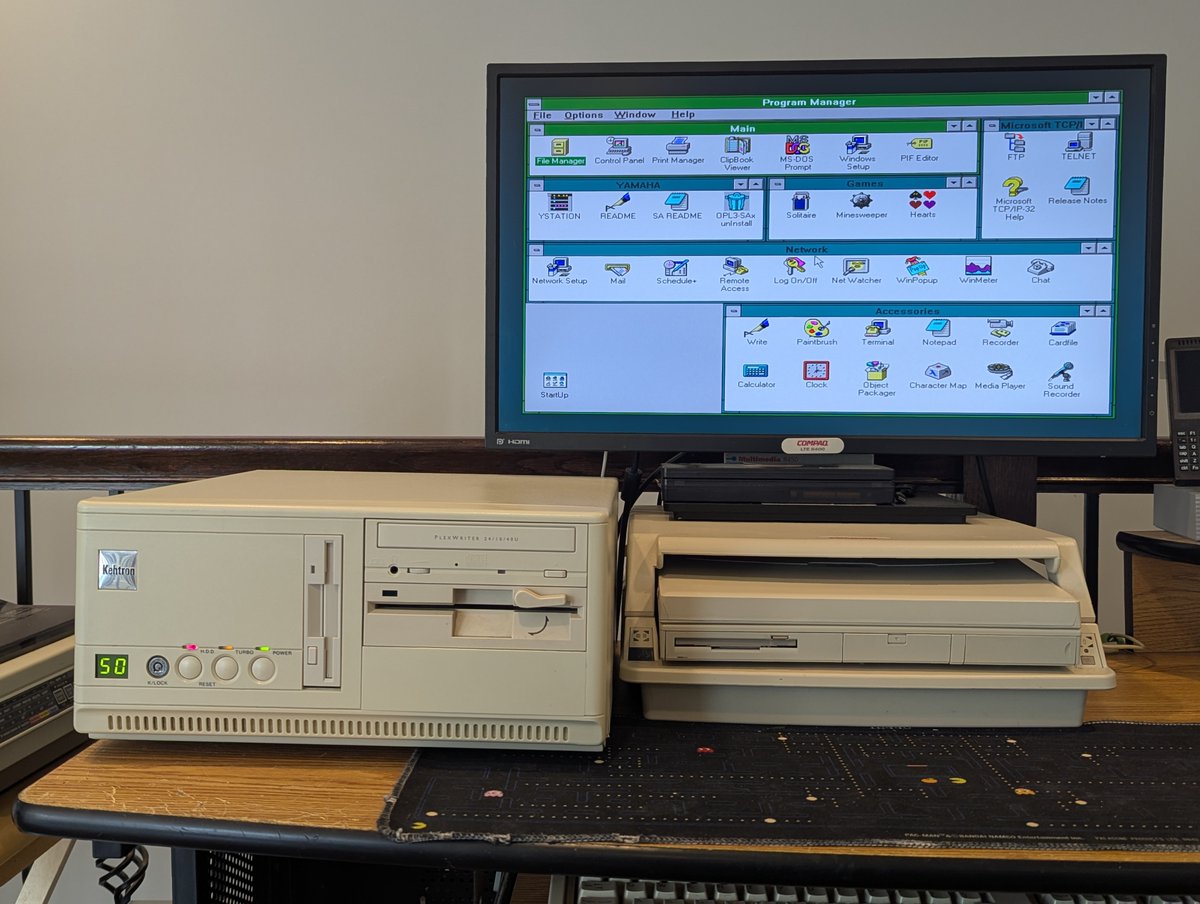
Okay, let's get some software installed on this "new" 486DX/50 PC of mine. As per usual, nothing was flawless here, so let's go over what went well and where I hit some snags! Time for a 🧵
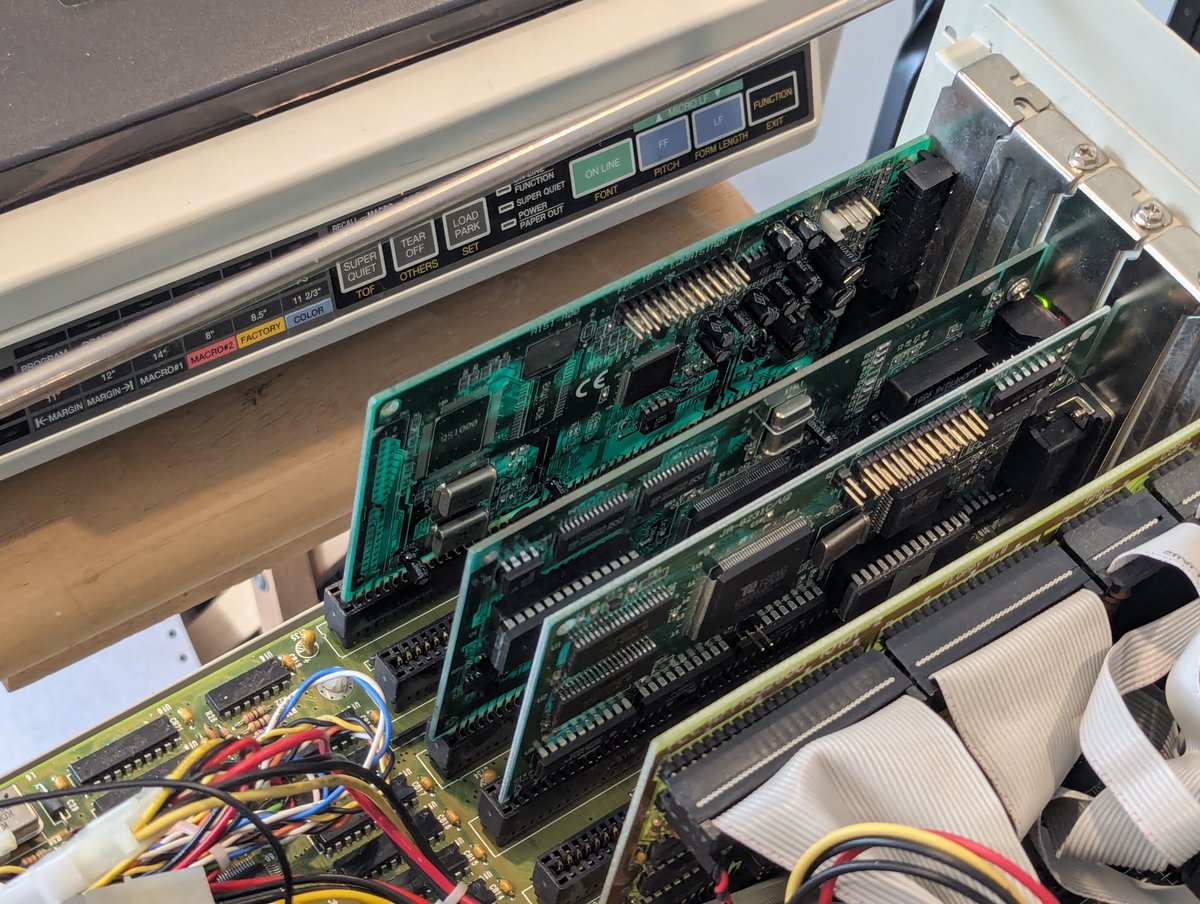
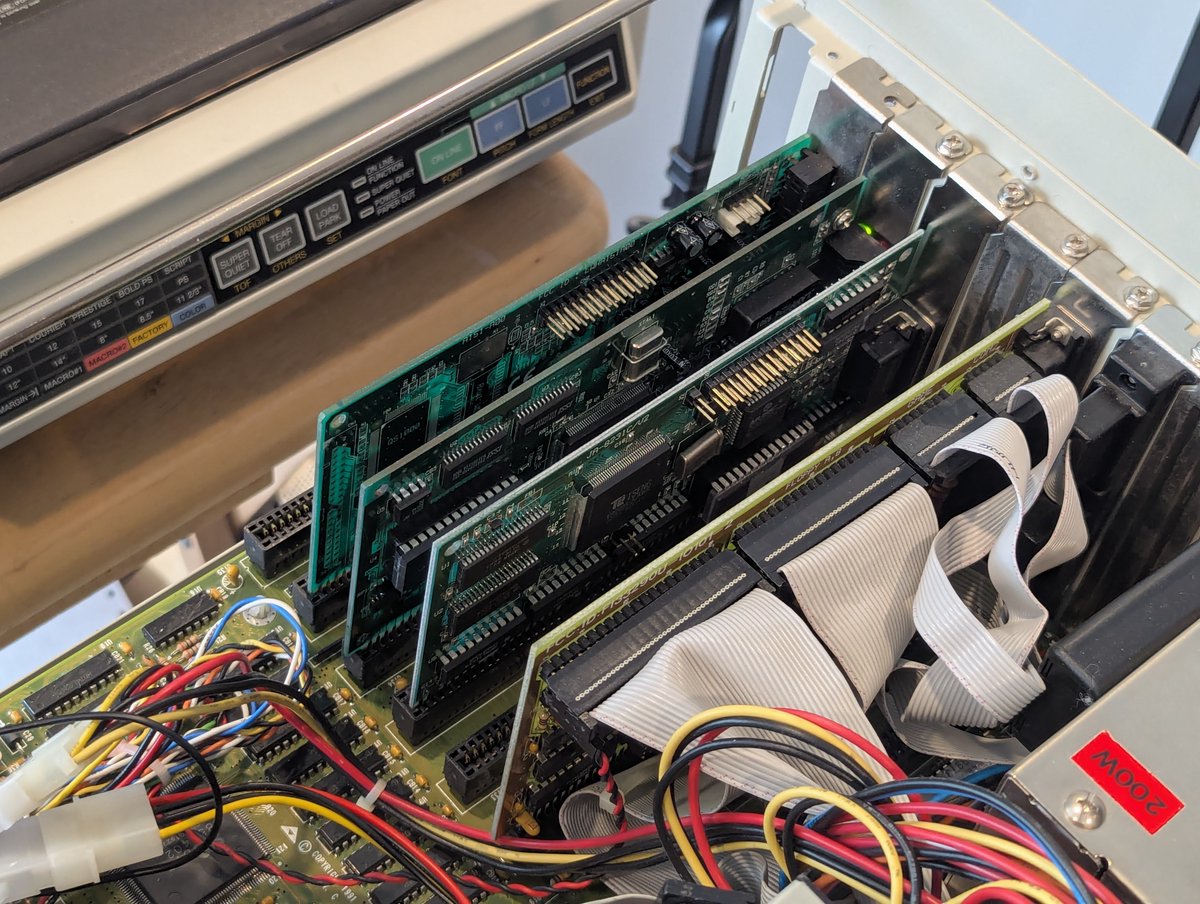
To get the installers on the box, I decided to use MS LAN Manager and the network. I made a special LAN Manager boot disk with drivers for the Intel EtherExpress 16TP that you see in the bottom of the last picture here.
I've been very curious about how this machine would stack up, so I copied over SpeedSys to benchmark the system. And as we can see, it fell right in line with where it should be!
Next, I installed Windows for Workgroups 3.11. The network card actually got auto detected, which is nice! I did have the option to choose the transceiver type for this card, so I did!
After getting WFW3.11 installed, I decided to set up video card drivers for the Tseng Labs ET4000AX card. I set the resolution to 1024x768x256 colors. Oh, man, this didn't go well. I think this card only supports 1024x768 with 16 colors to use a non-interlaced mode.
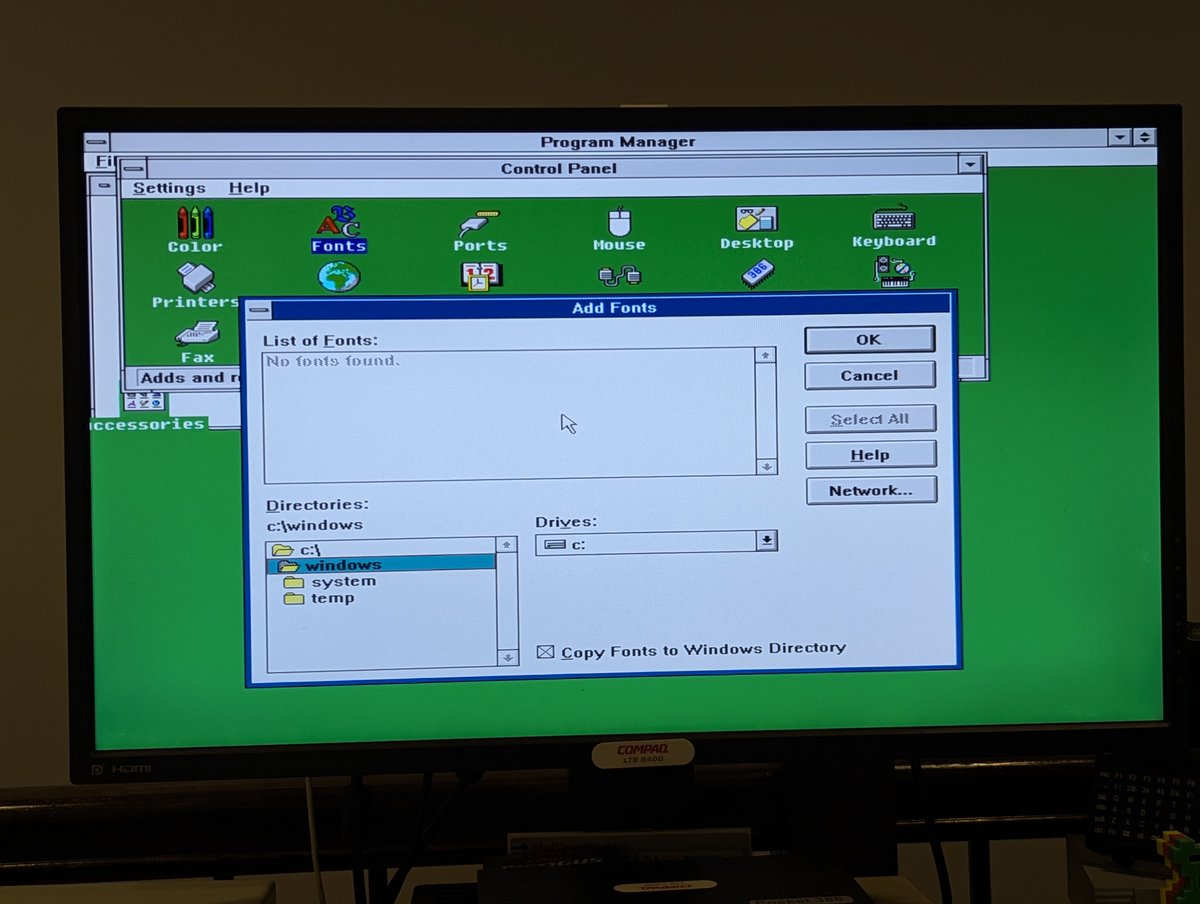
I thought I would try another resolution, so I went with 800x600 with 32K colors. It failed too. I bumped it down to 256 colors and started up, and good, we are all ... HEY, WAIT A MINUTE! Where are my fonts?? 😂😂
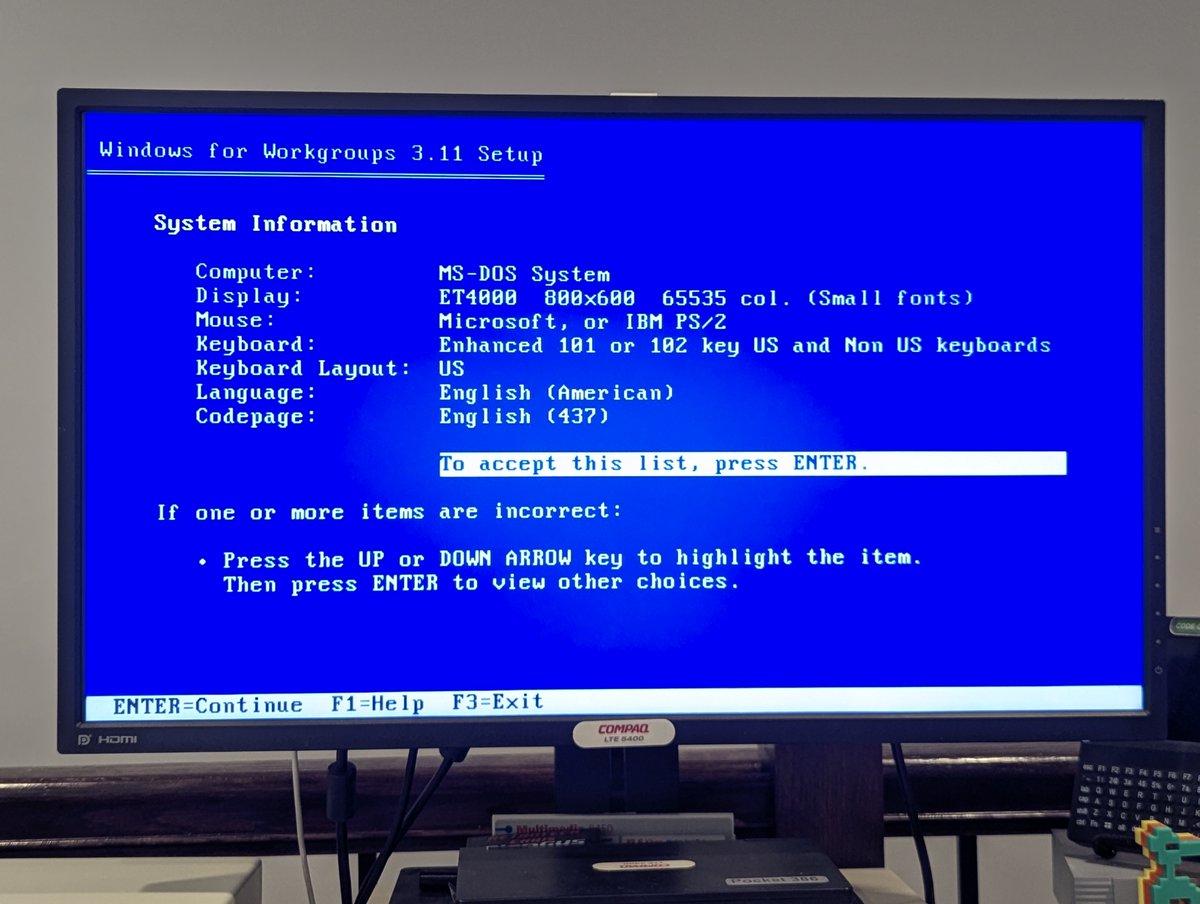
Right, so those video card drivers were from 1992. I swapped them out for some drivers from 1994, and got 800x600x256 colors working. Yes, I did reinstall WFW3.11 to get to this point. Ah, the fun of this stuff 😂
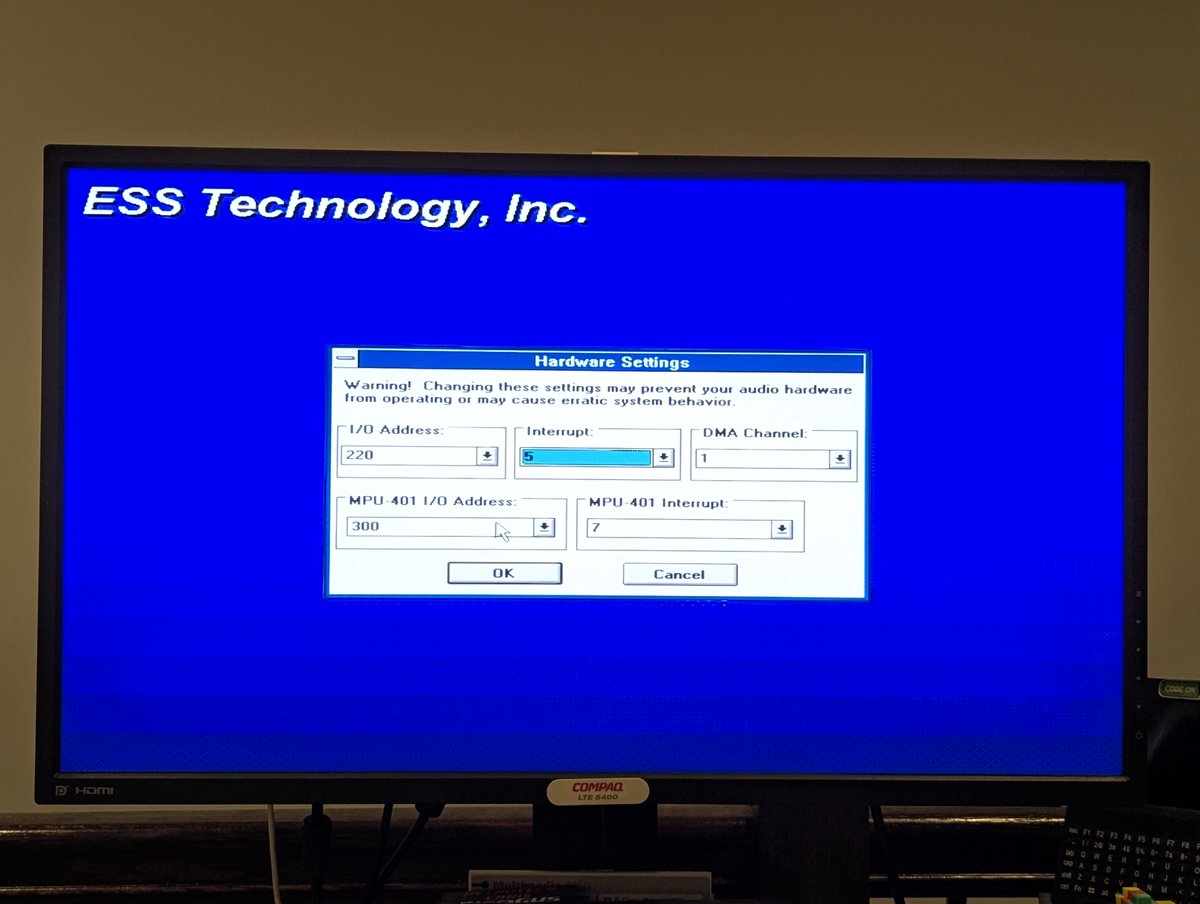
Let's get the sound drivers installed. I decided to install a Labworks LABSOUND #503 card (see first picture, top card). Great! Let's go ahead and run the Win3.1x installer and.. ugh, here we go again 😂
So, per usual, I did some Internet sleuthing, and found a page that was a mirror for an old version of the ESS Technology website. I downloaded the drivers and had the same problem. But I found that if I ran the installer TWICE, the card would get detected. Sheesh!
With video and sound configured, let's play a little bit of Chip's Challenge to show it off! Apologies for the loud keyboard key presses!
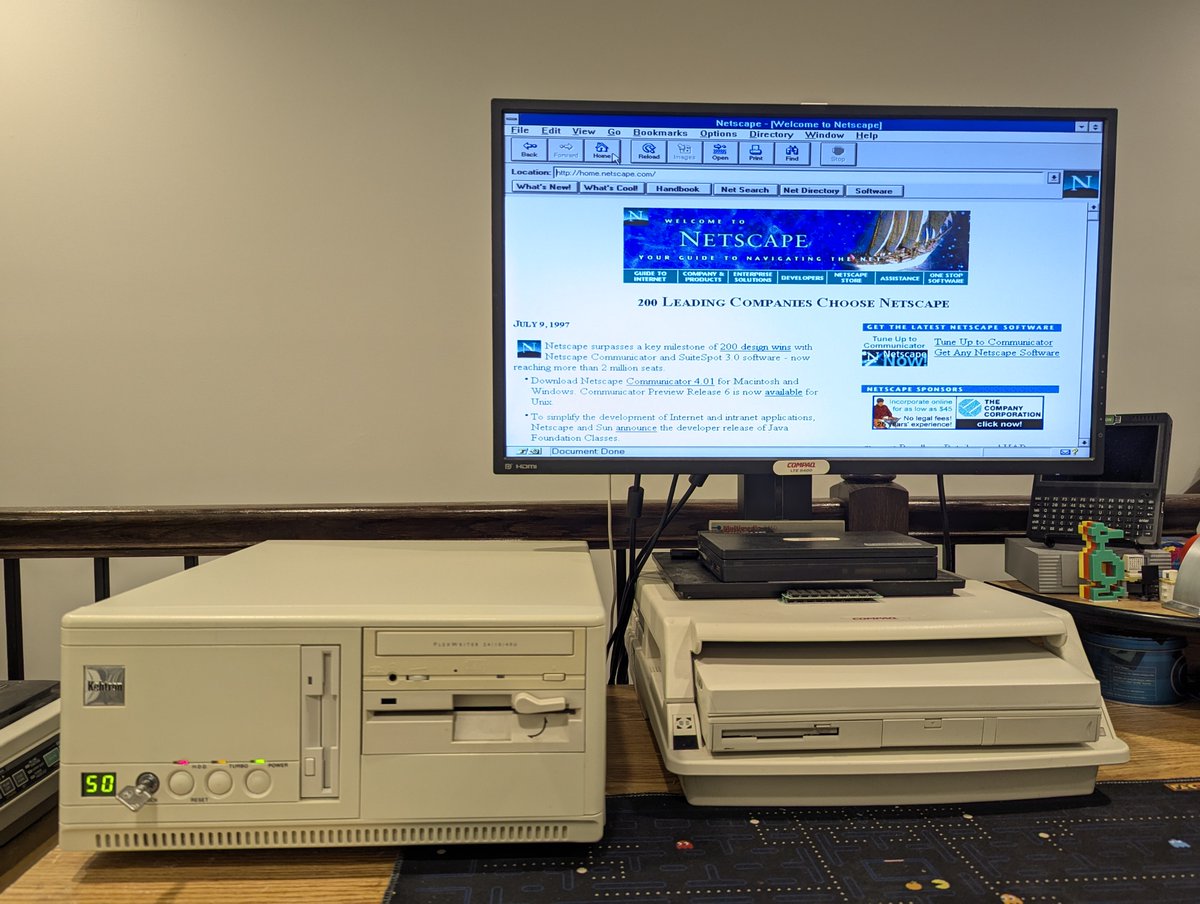
Alright, let's get this thing online! With Netscape Navigator and ProtoWeb, we can browse the Netscape homepage like it's 1997. And this machine is nice and zippy doing that too!
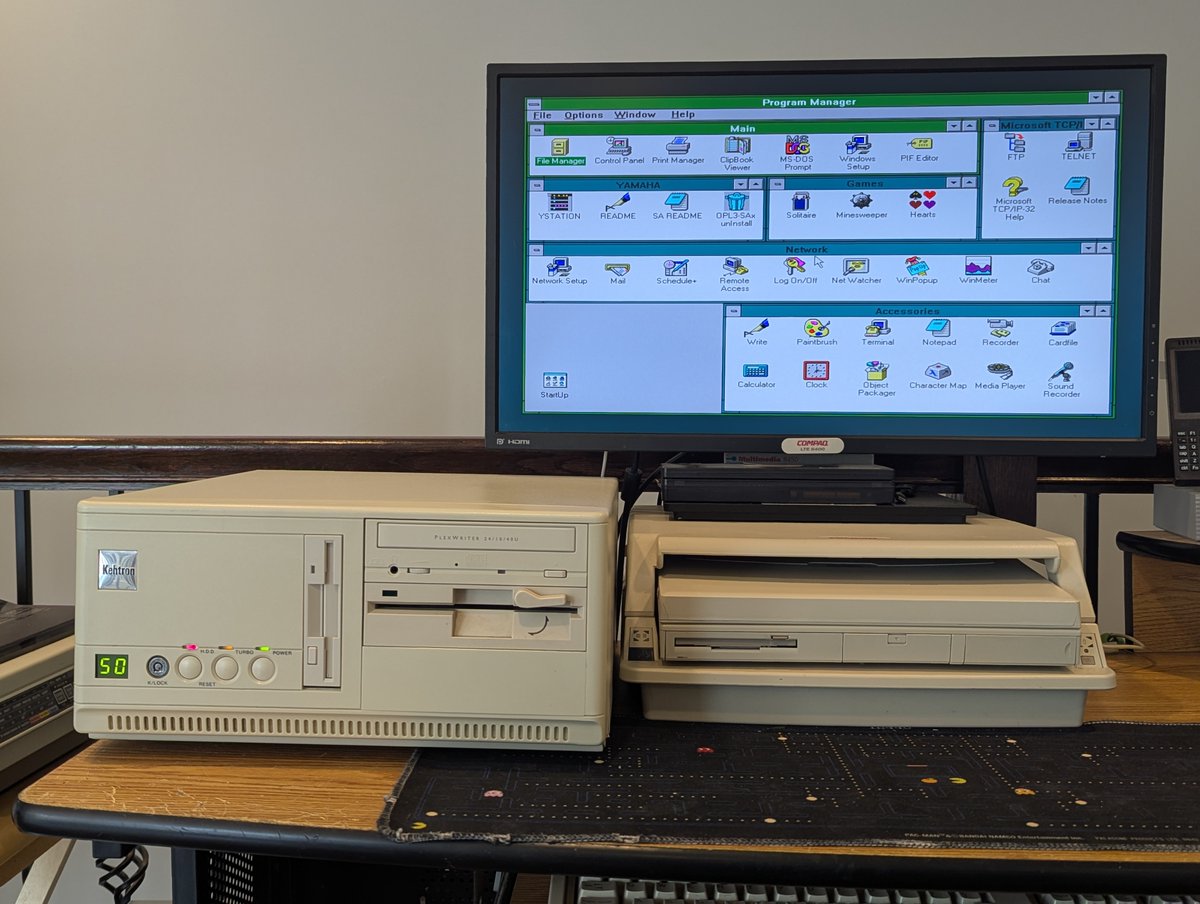
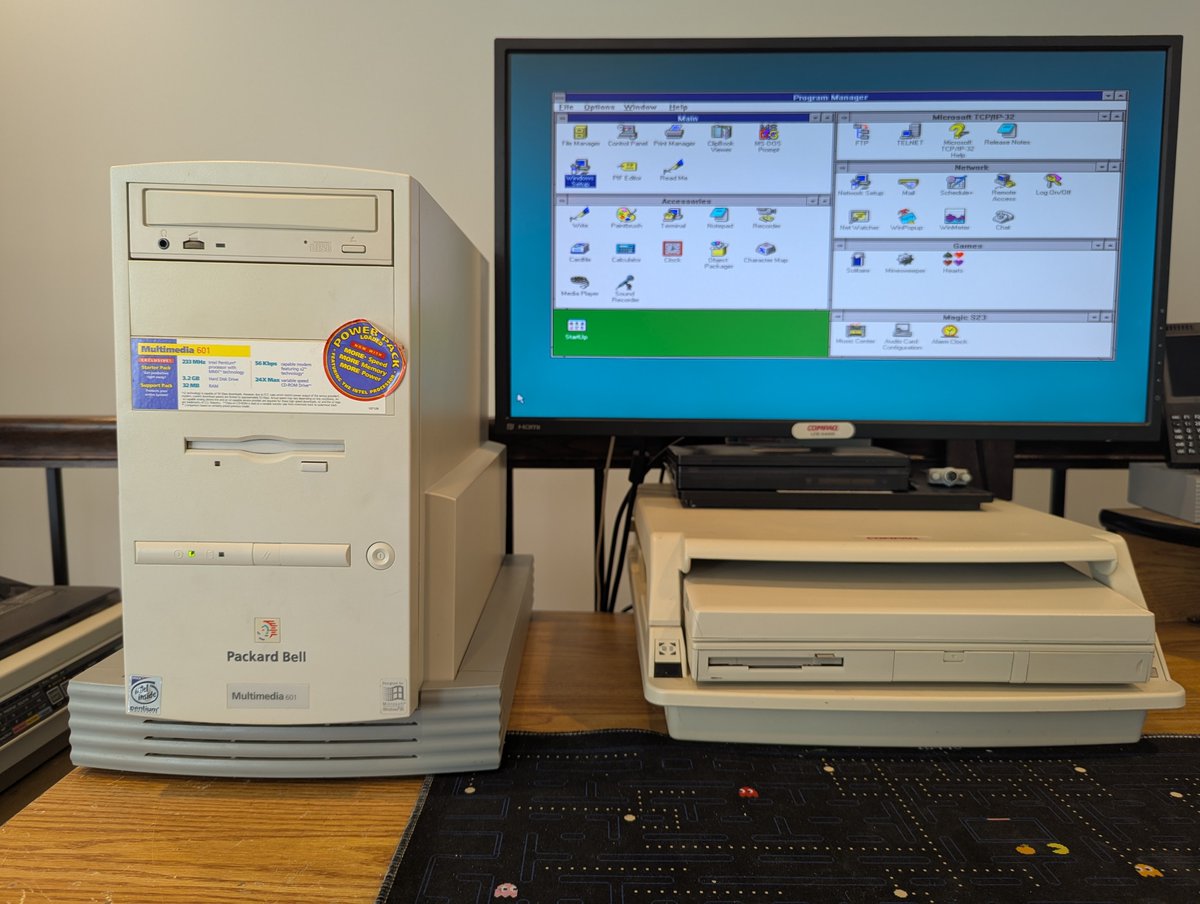
You still here? Good! Well, this is the end of the thread. I'll leave you with a view of my Windows for Workgroups 3.11 Program Manager. Perhaps we'll get into some DOS fun on this system later, but hey, we now have a usable system! Thx for following!
@threadreaderapp unroll
• • •
Missing some Tweet in this thread? You can try to
force a refresh

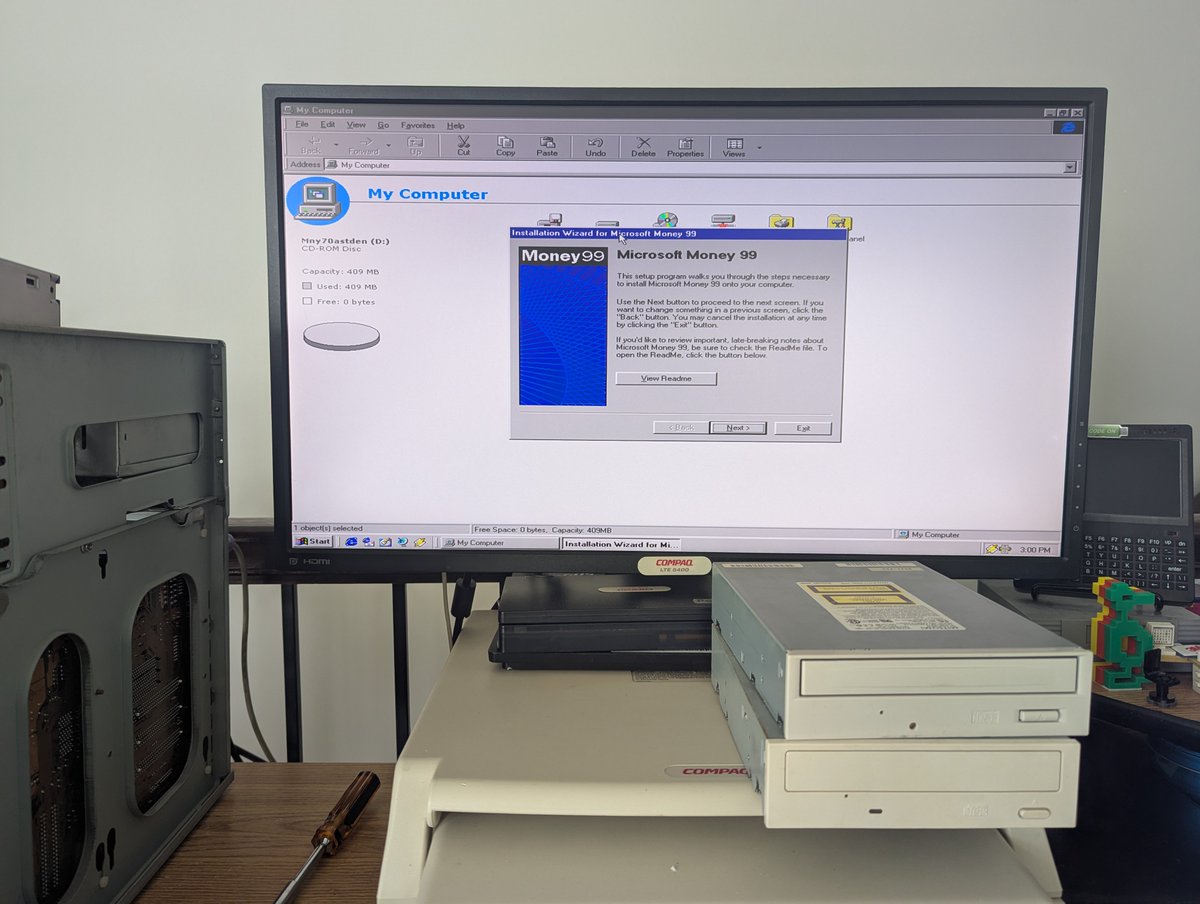
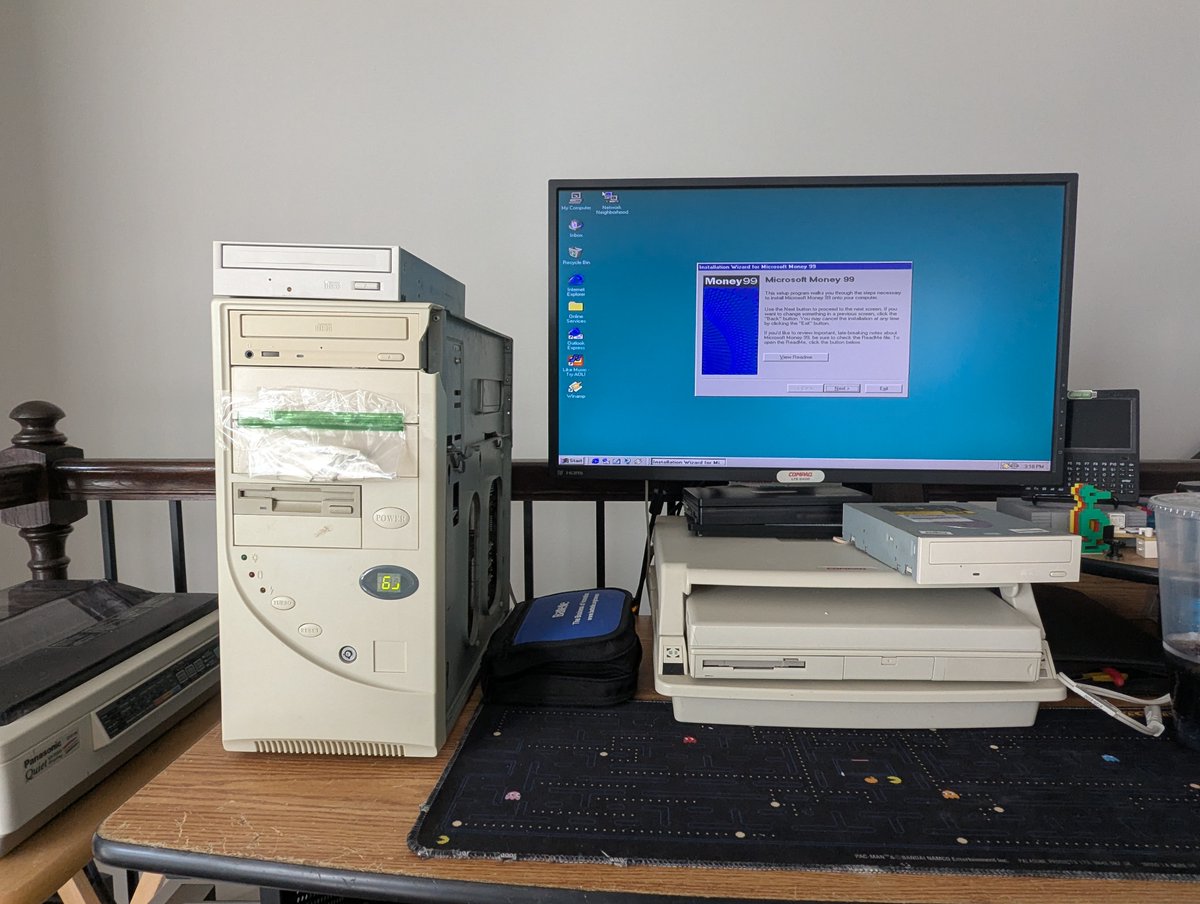
Let's talk about my newest PC acquisition, which might be the most budget build ever 🤣. But there was a reason for buying it. I'll cover that... along with a Windows 95 installation, in a 🧵. Let's go!

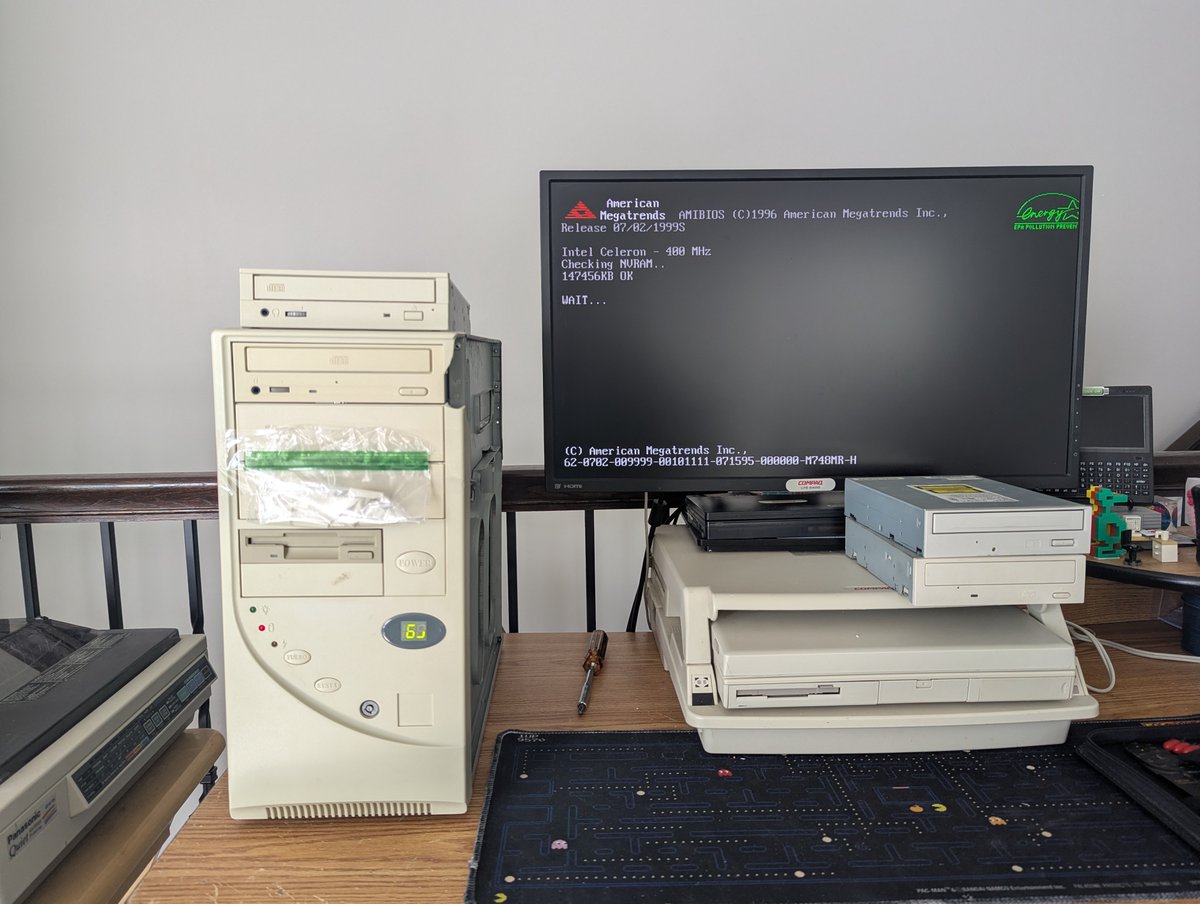
First, why did I buy this? Well, the plan was to do a case swap with another system I had, which had some strange "fit" issues. However, that planned got smashed... literally. So, I thought we might as well explore what's left of this PC!
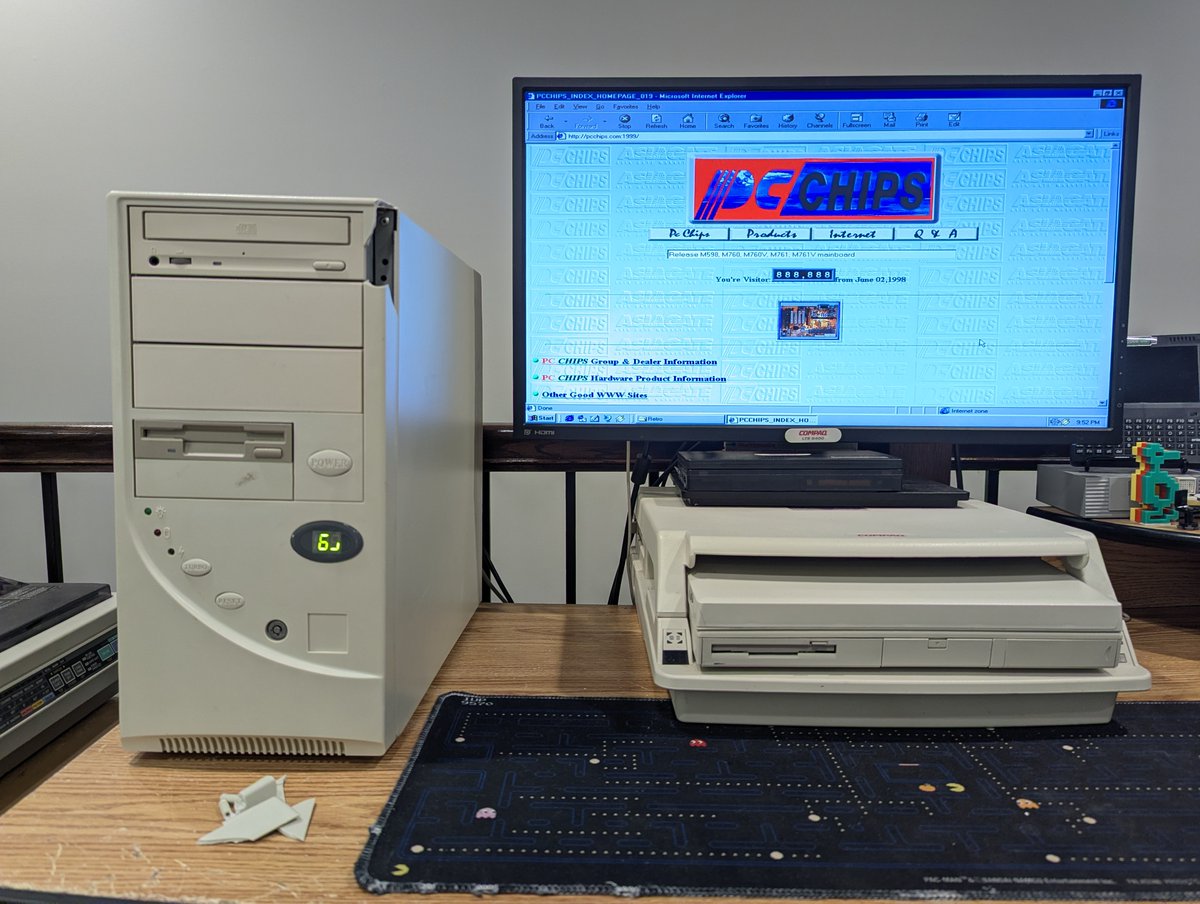
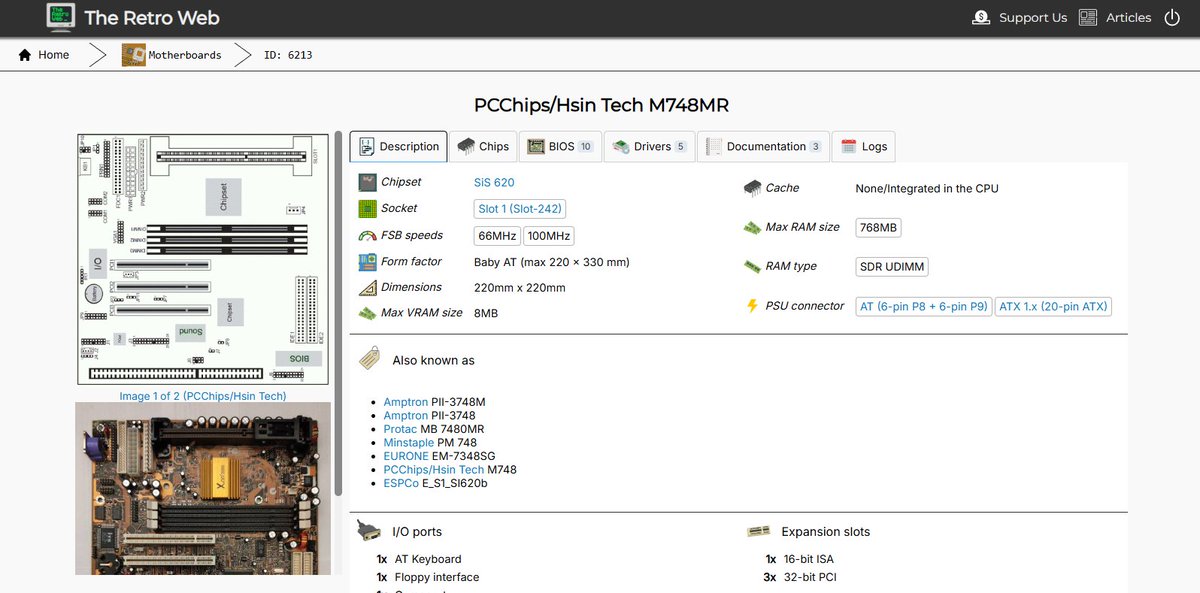
This system has a PC Chips M748MR motherboard, an Intel Celeron 400 MHz processor, and 16MB of RAM. Yikes! And of course the case is nothing fancy, but is nostalgic for me. But yea, this is the most budget build ever, for sure!
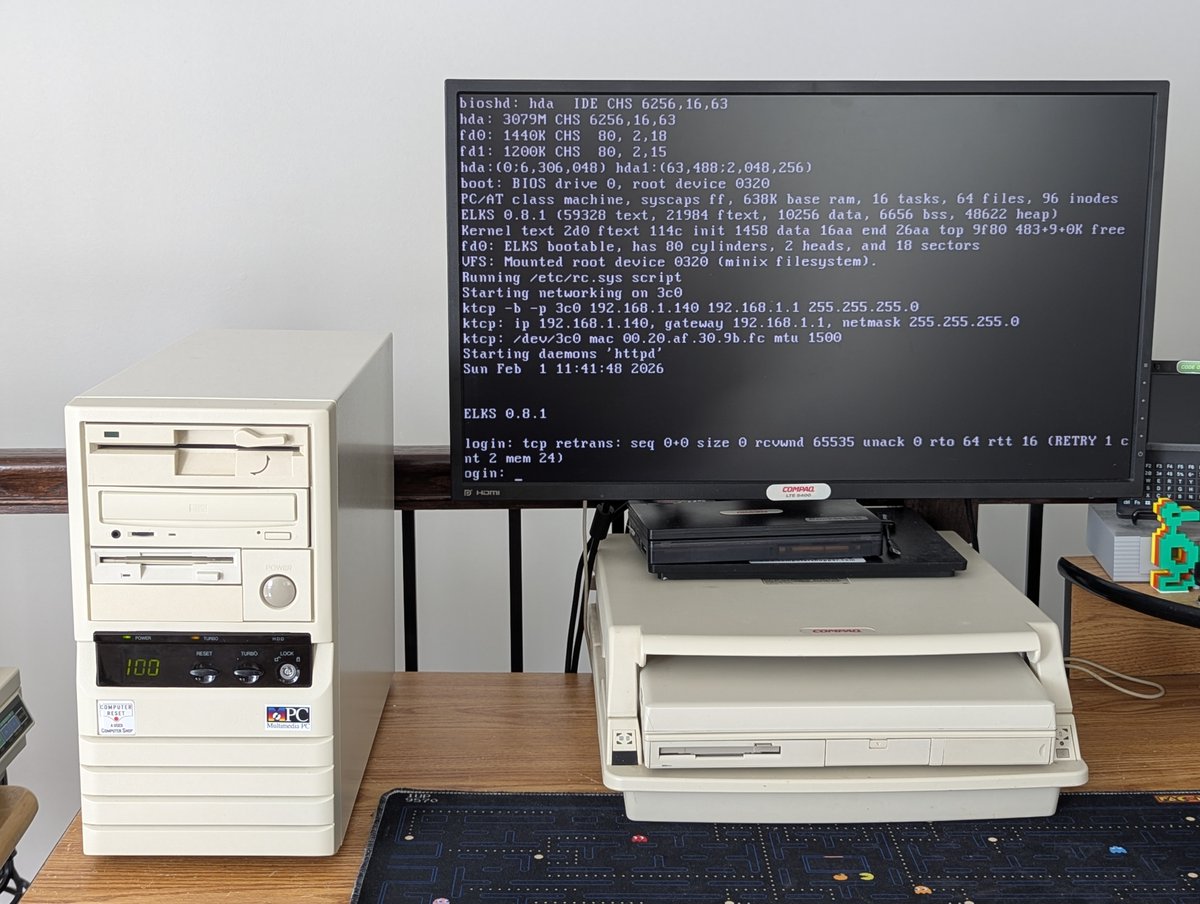
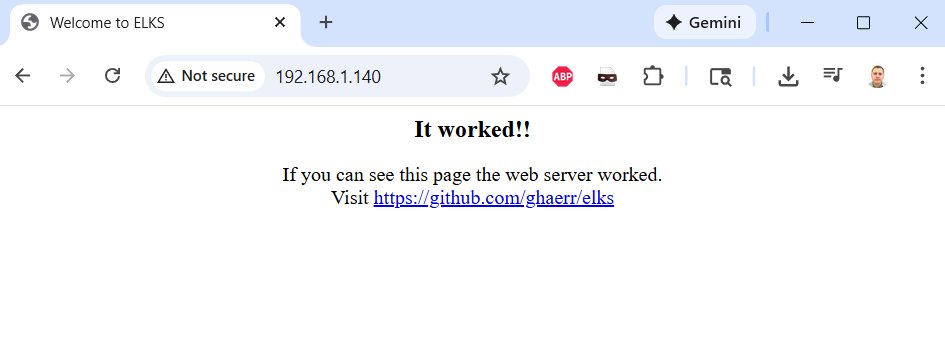
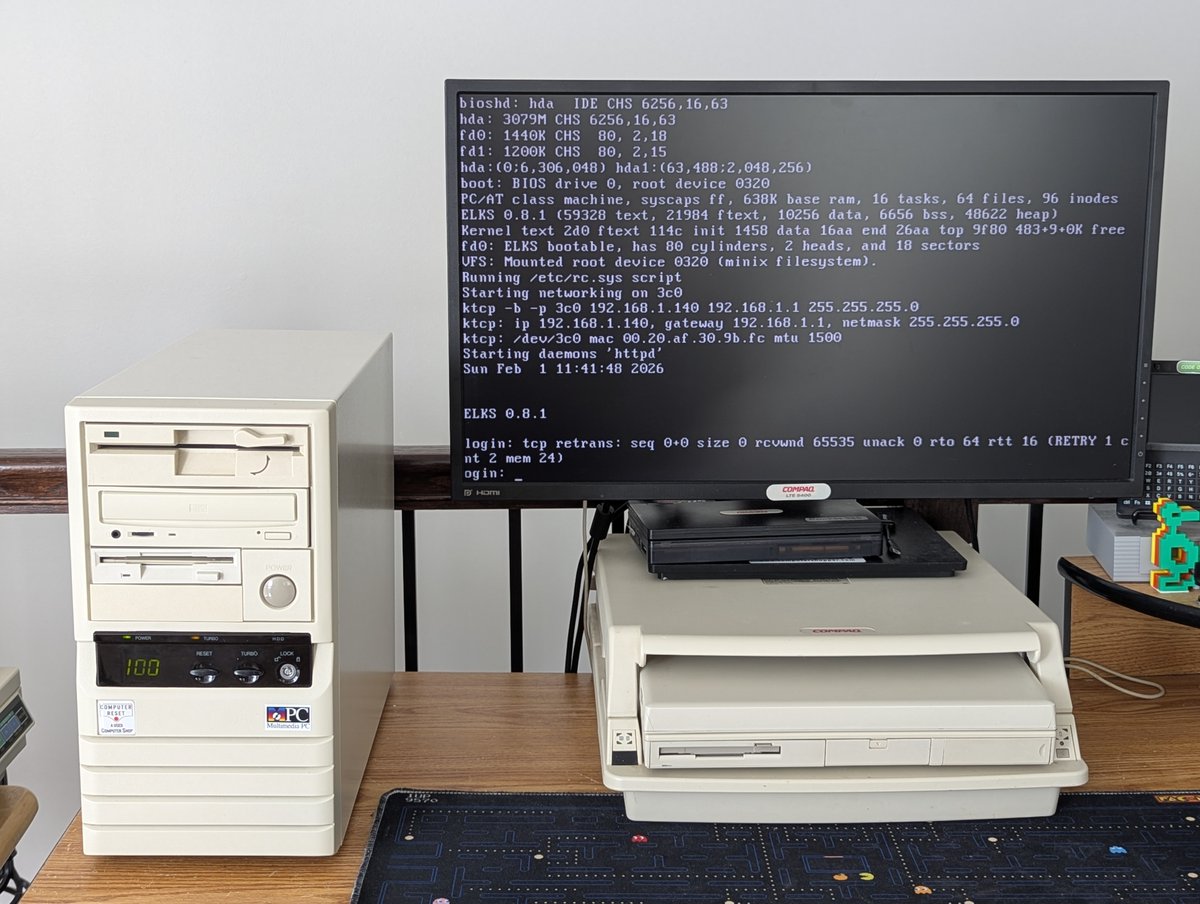
I just watched a video where YouTuber Action Retro set up a web server on a floppy disk using ELKS (the Embeddable Linux Kernel Subset). I thought, I have to try this for myself! Let's talk about it briefly in a 🧵
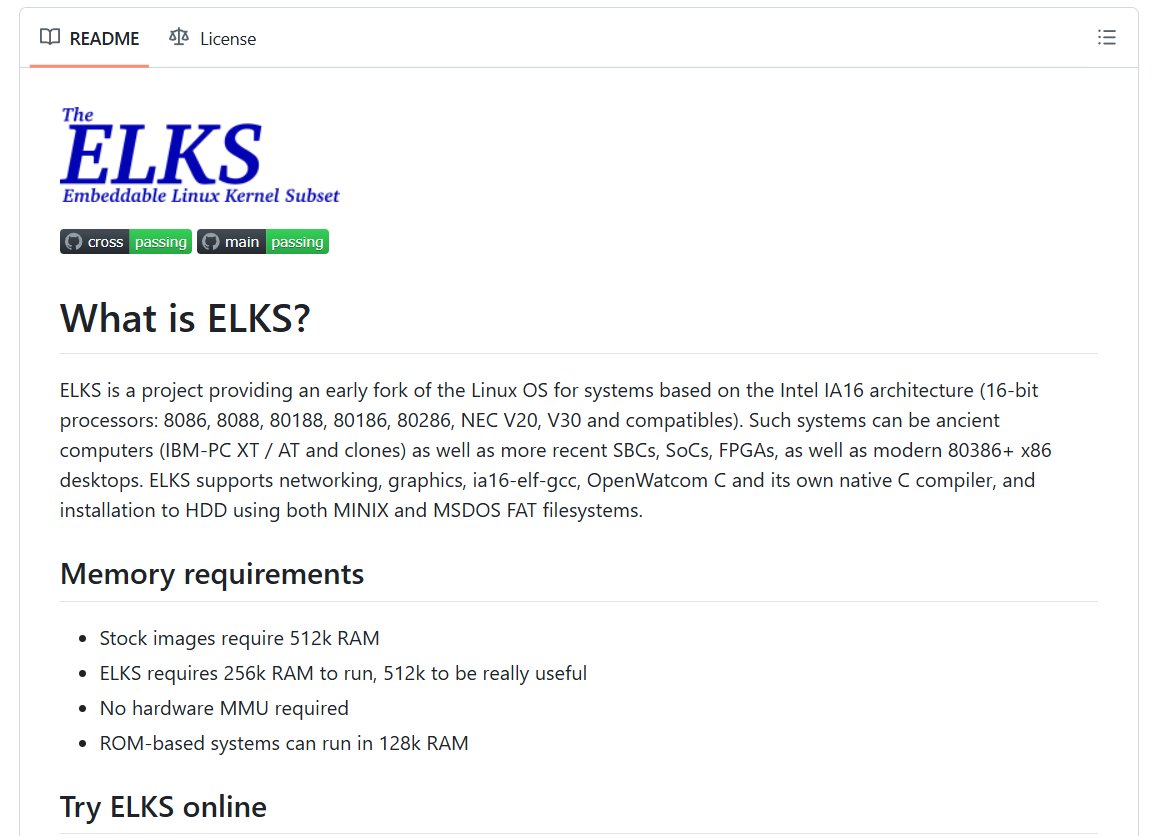
So, first of all, what is ELKS? It's the Embeddable Linux Kernel Subset, and it will run on a wide range of hardware, including 8088 systems. Pretty wild for a modern product! If you want to read more or try it out, GitHub repo is here: github.com/ghaerr/elks
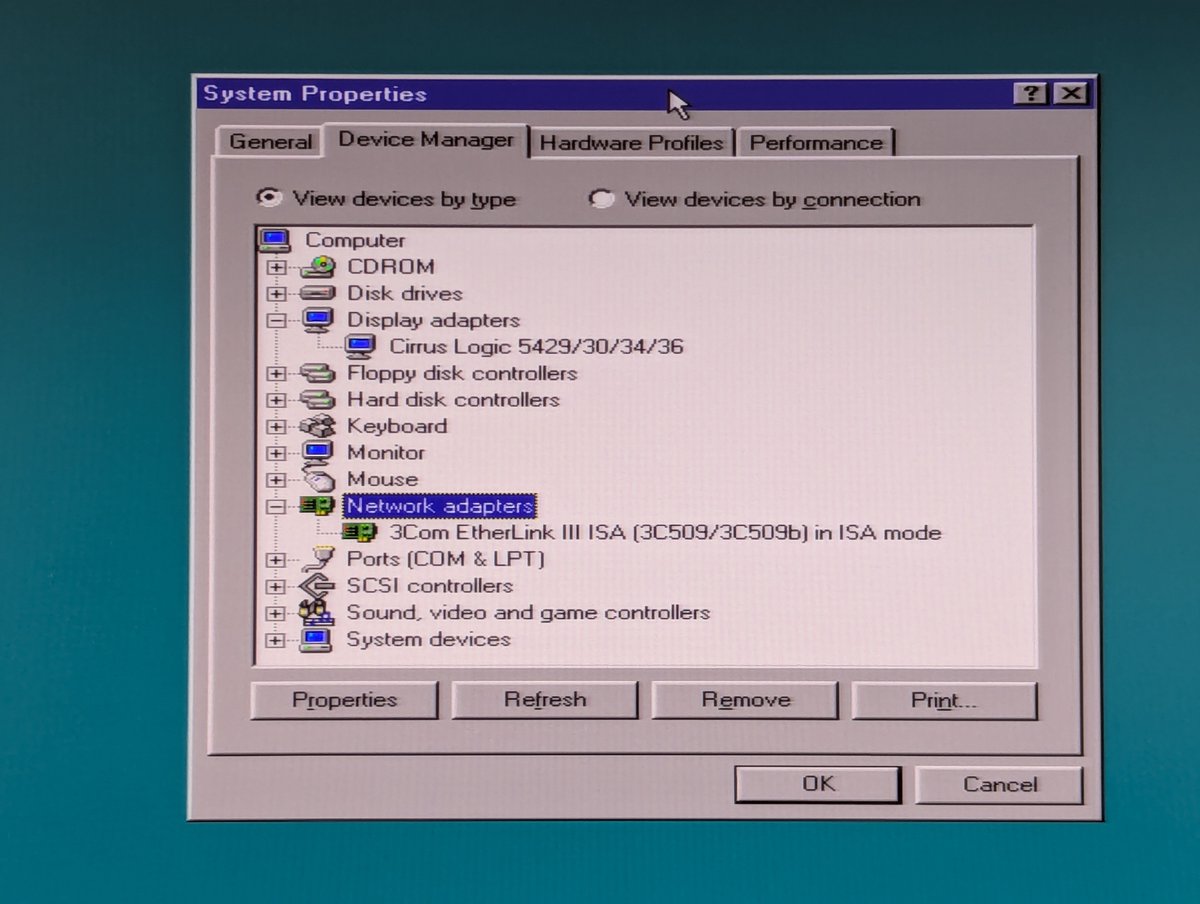
Alright, let's go. I need to choose a system that will support the networking for ELKS. Turning to the Wiki, as of right now, the network cards supported are NE1000, NE2000, Western Digital 8003, Western Digital 8013, and 3com Ethernet III (3c509). My 486 DX4 has a 3Com 3c509!
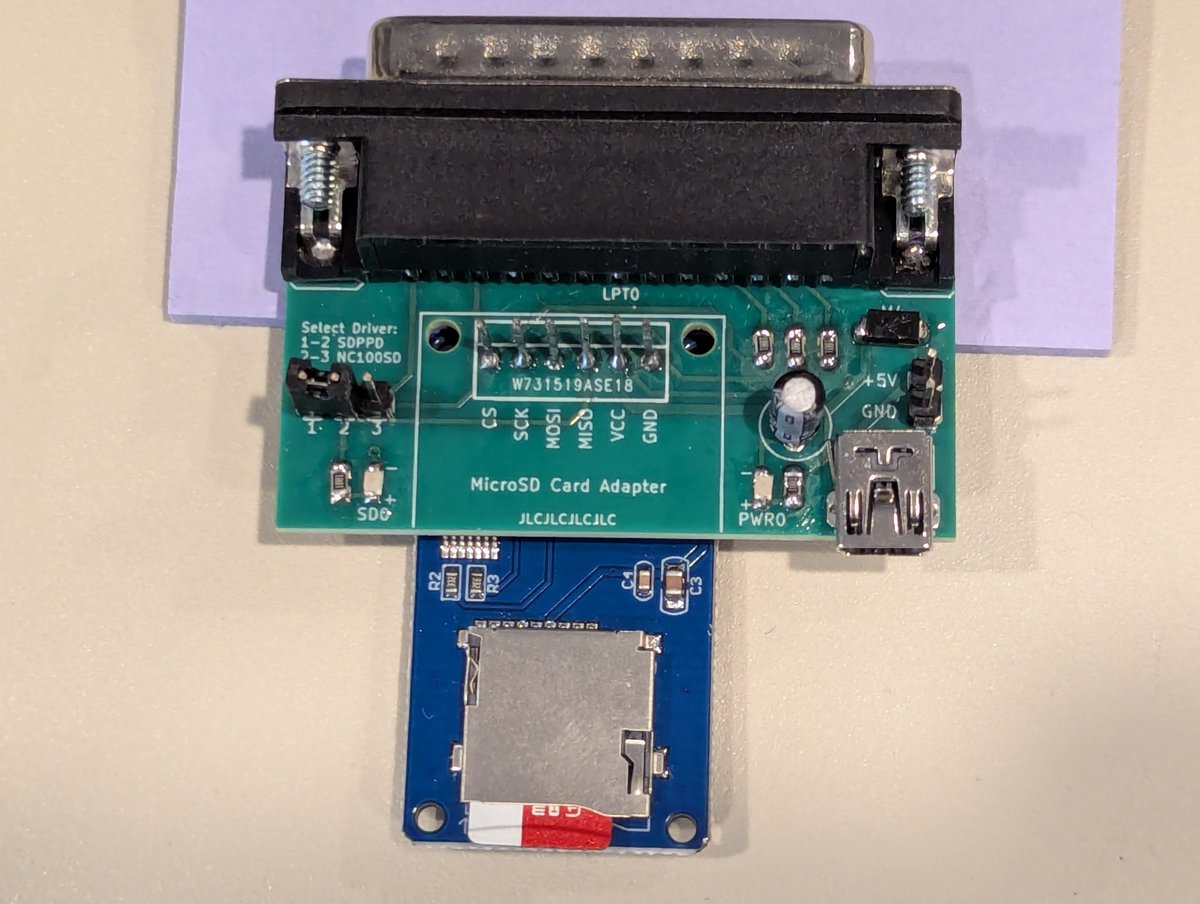
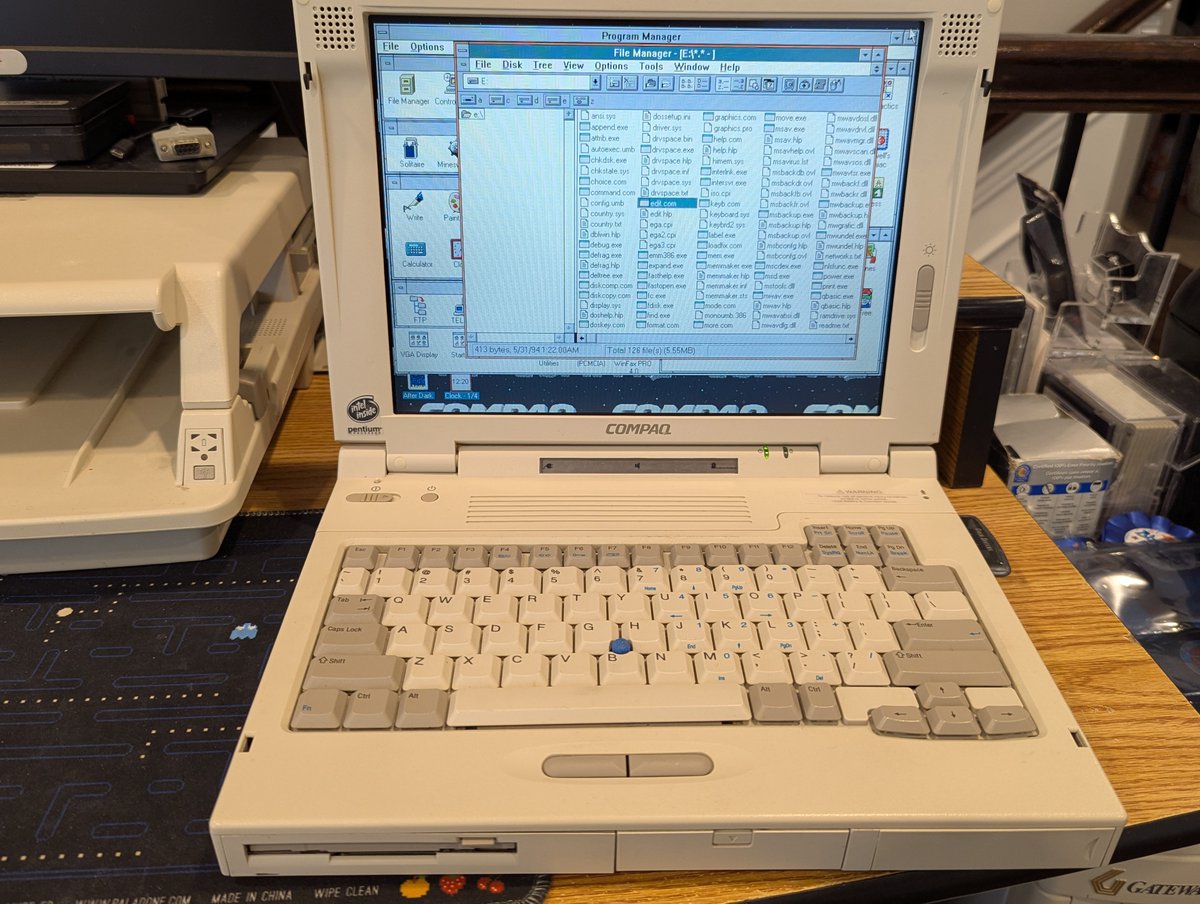
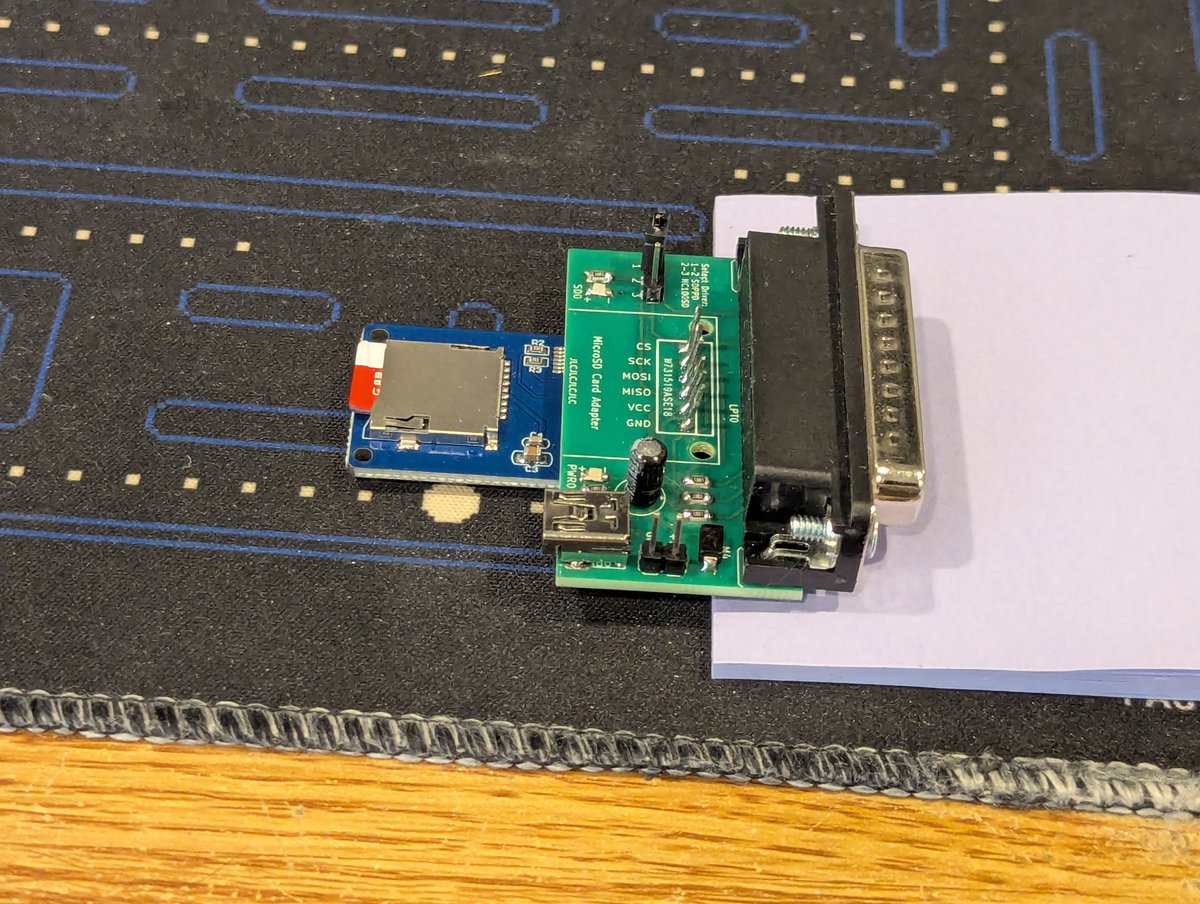
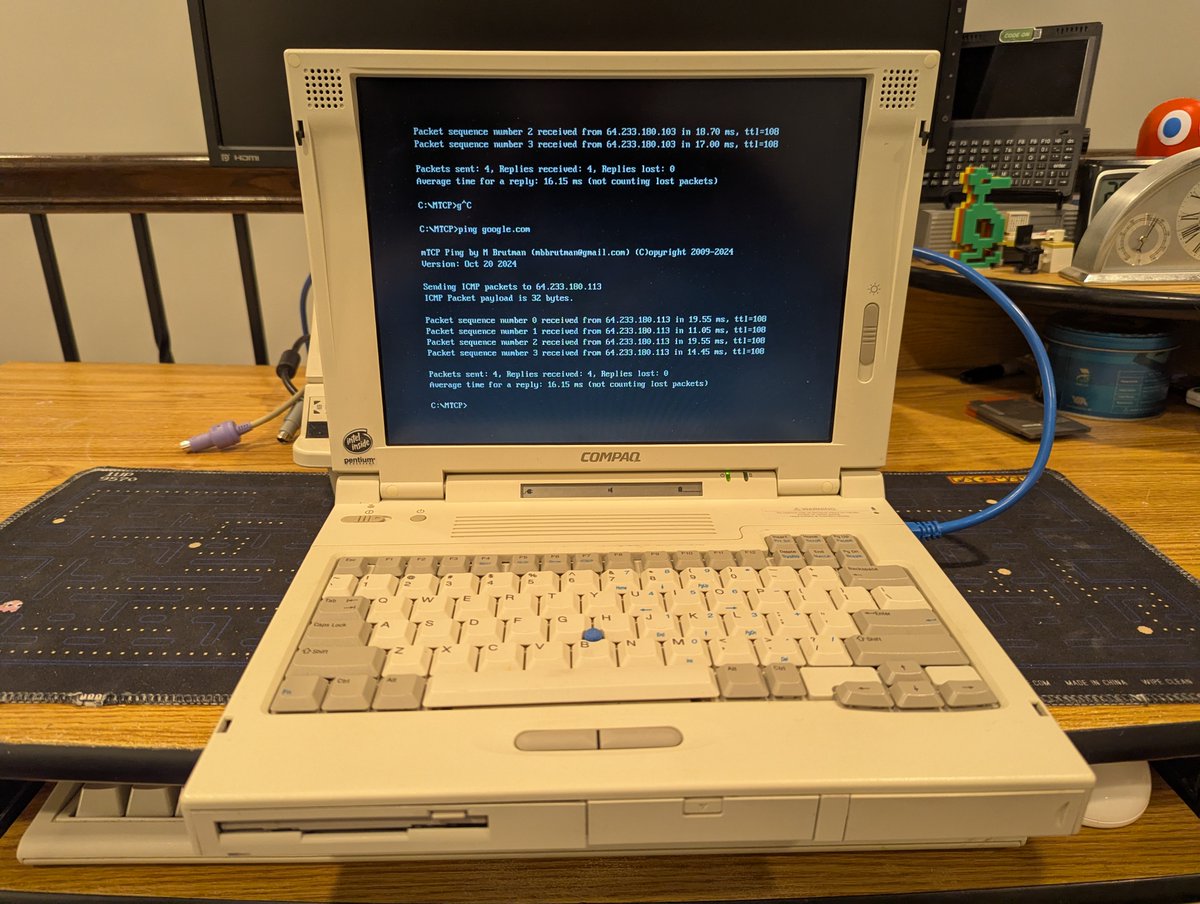
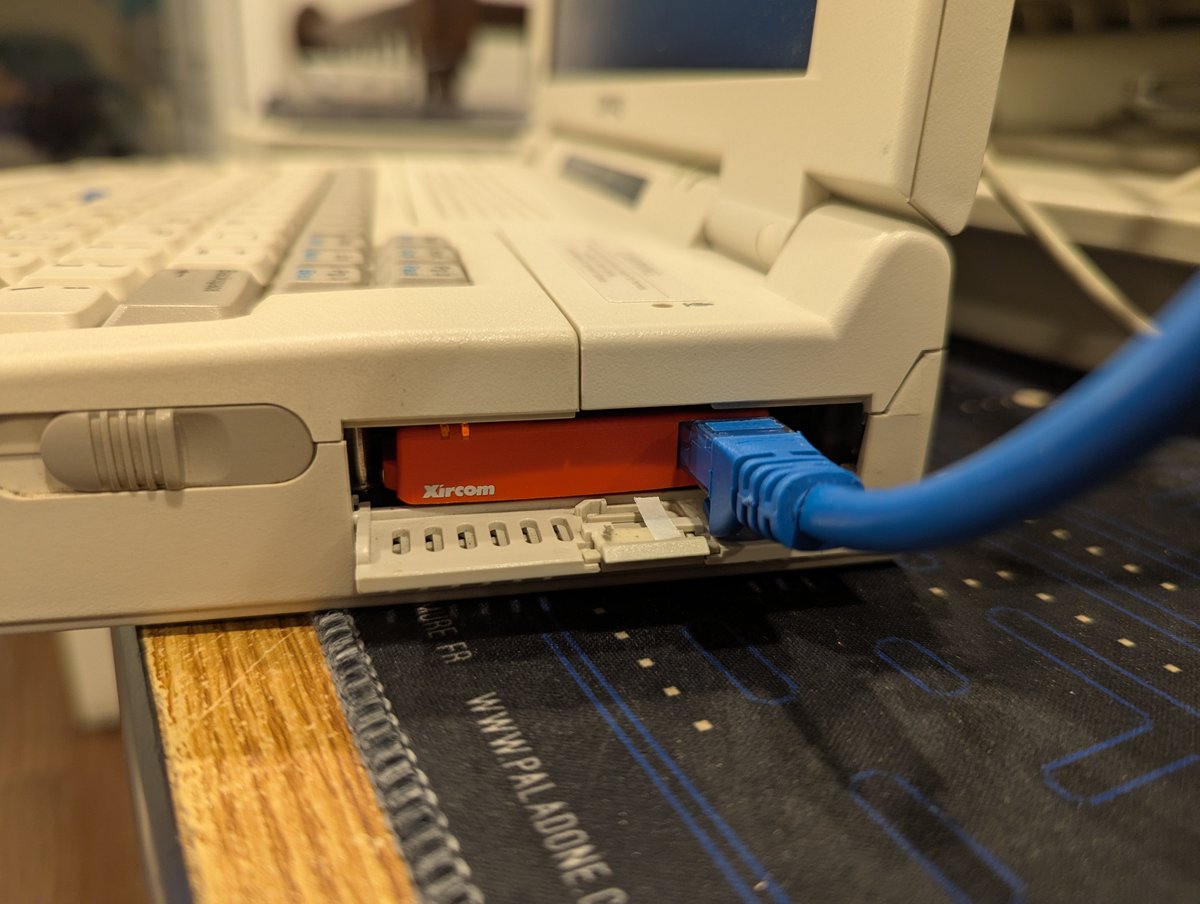
I got a new DOS file transfer toy! Now, these have been around since the dawn of time, but let's talk about it: a MicroSD to LPT Printer Port Adapter. We'll give it a test on my Compaq LTE 5400. Time for a 🧵
First, if you are interested in reading about these, there is a thread on Vogons! Included in that thread is where I found the DOS drivers for it, you can go here for that, and to read about this device! vogons.org/viewtopic.php?…
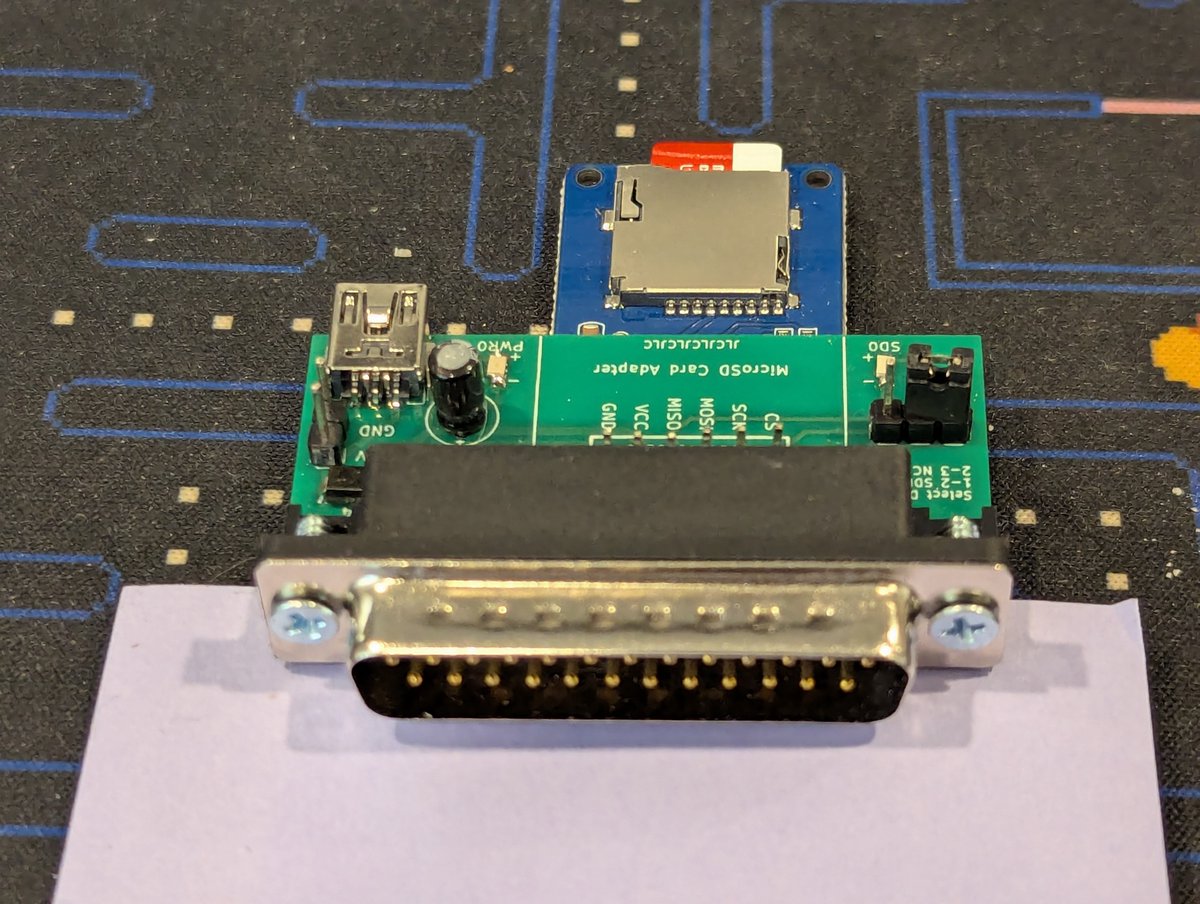
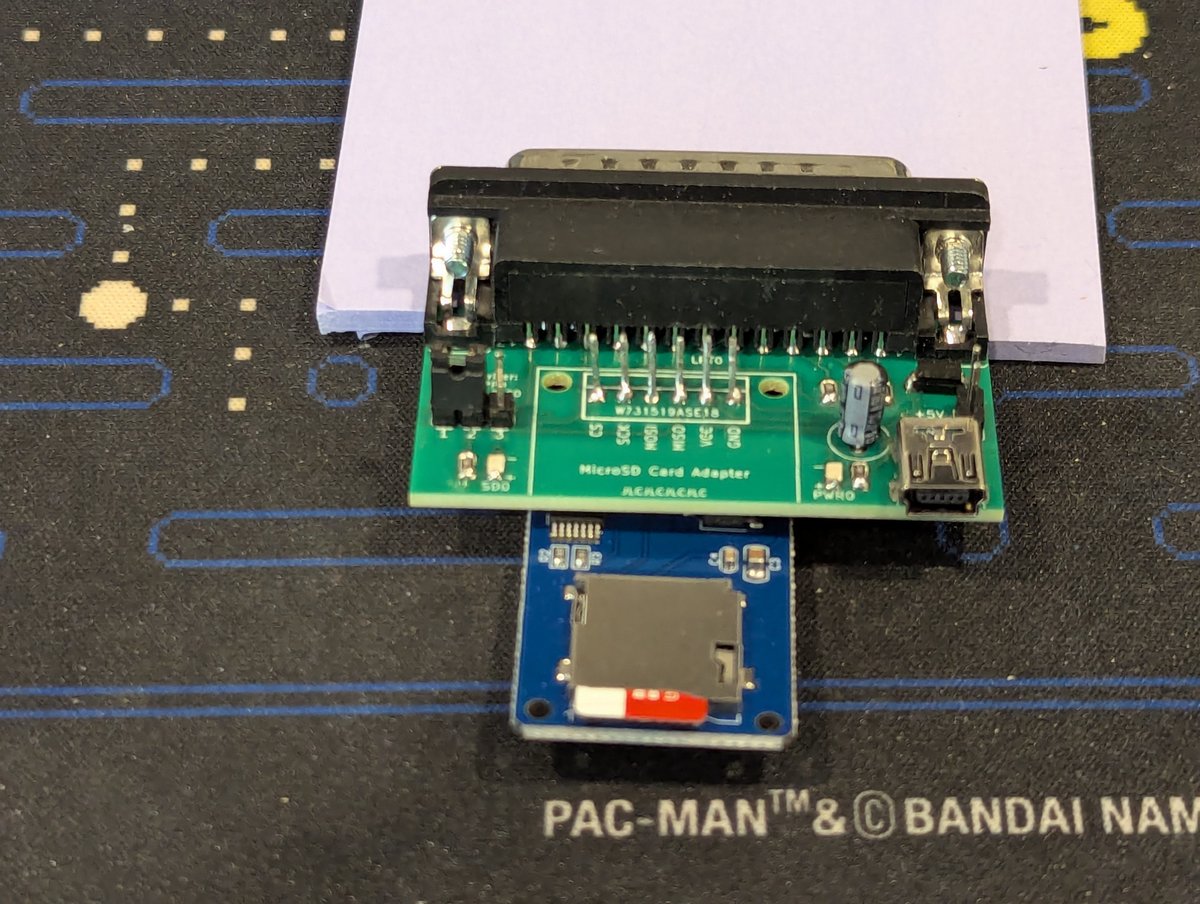
Also, here's a few more perspective shots of it, captured from different angles.
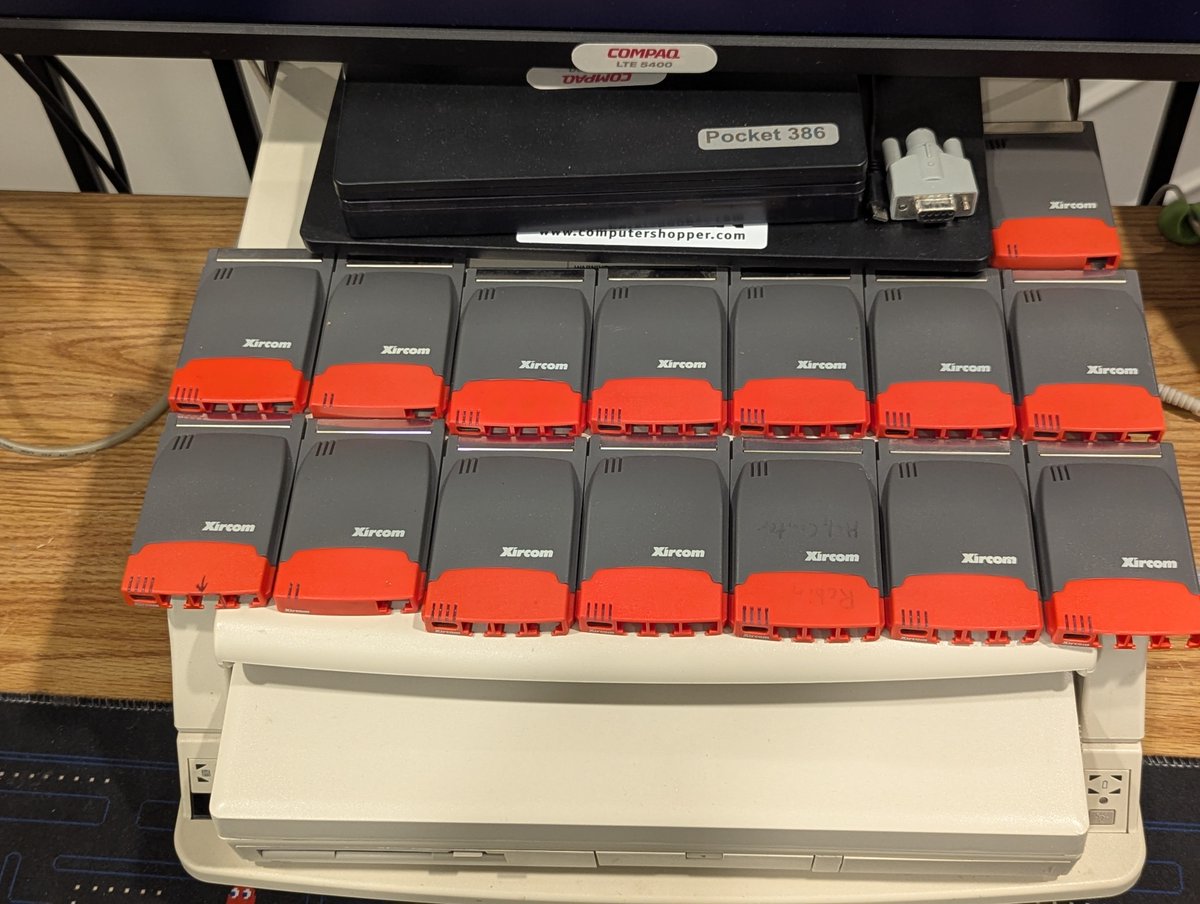
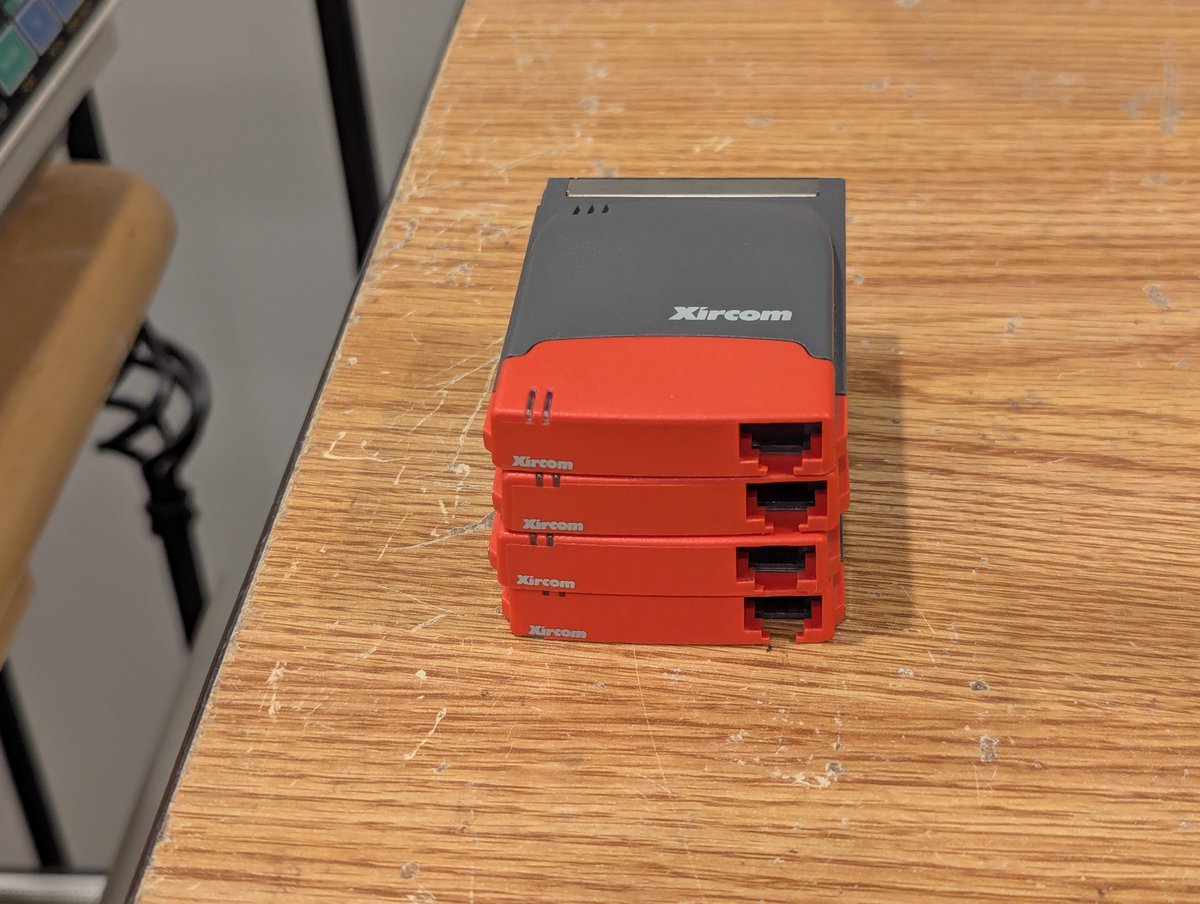
And speaking of the past, here's what I had before today: four cards. These Xircom RealPort Ethernet 10/100 cards are great for getting a laptop without Internet connected to a wired network!
My holiday break is quickly coming to an end. So, I think it's time to power on the retro PCs that I have yet to power on recently. I am sure this will go flawlessly 😂. Let's do most of this, in real time, in a 🧵 here!
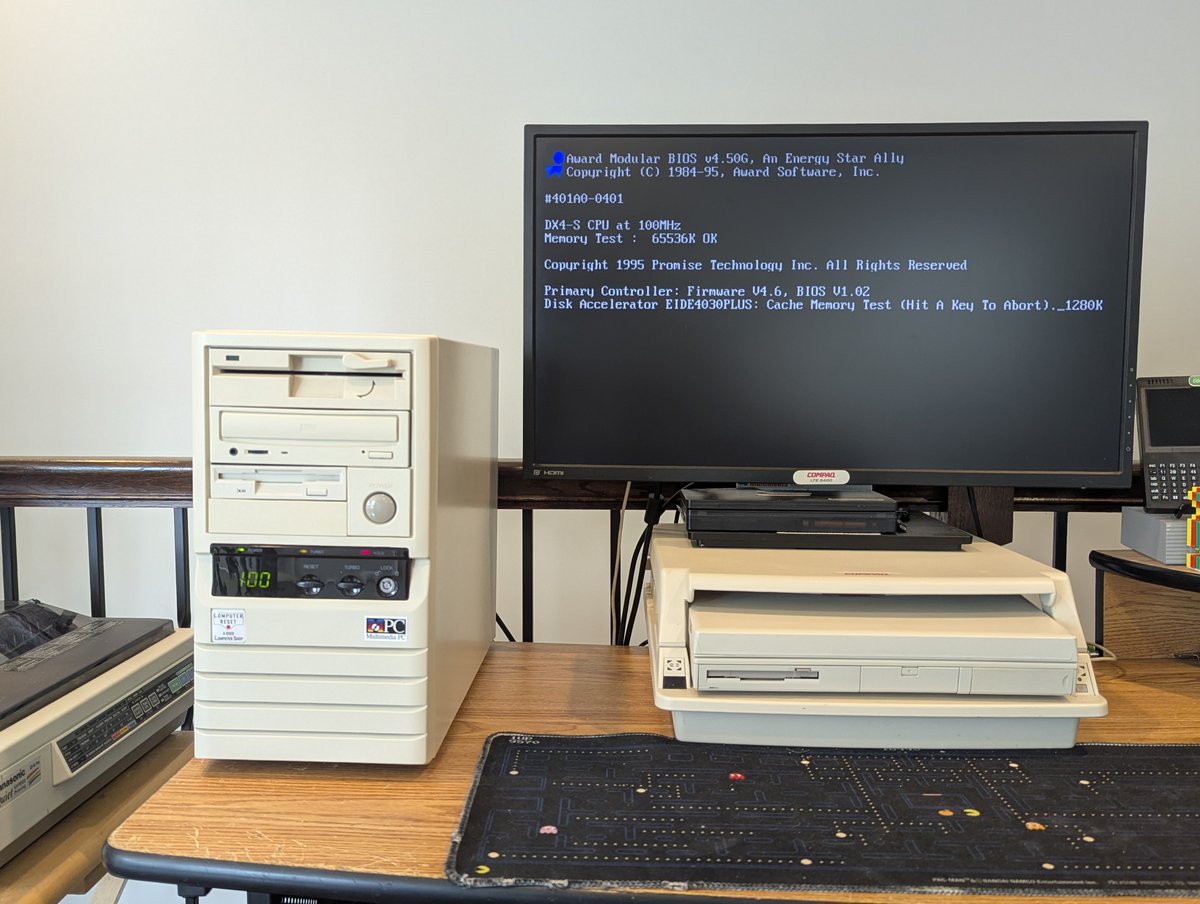
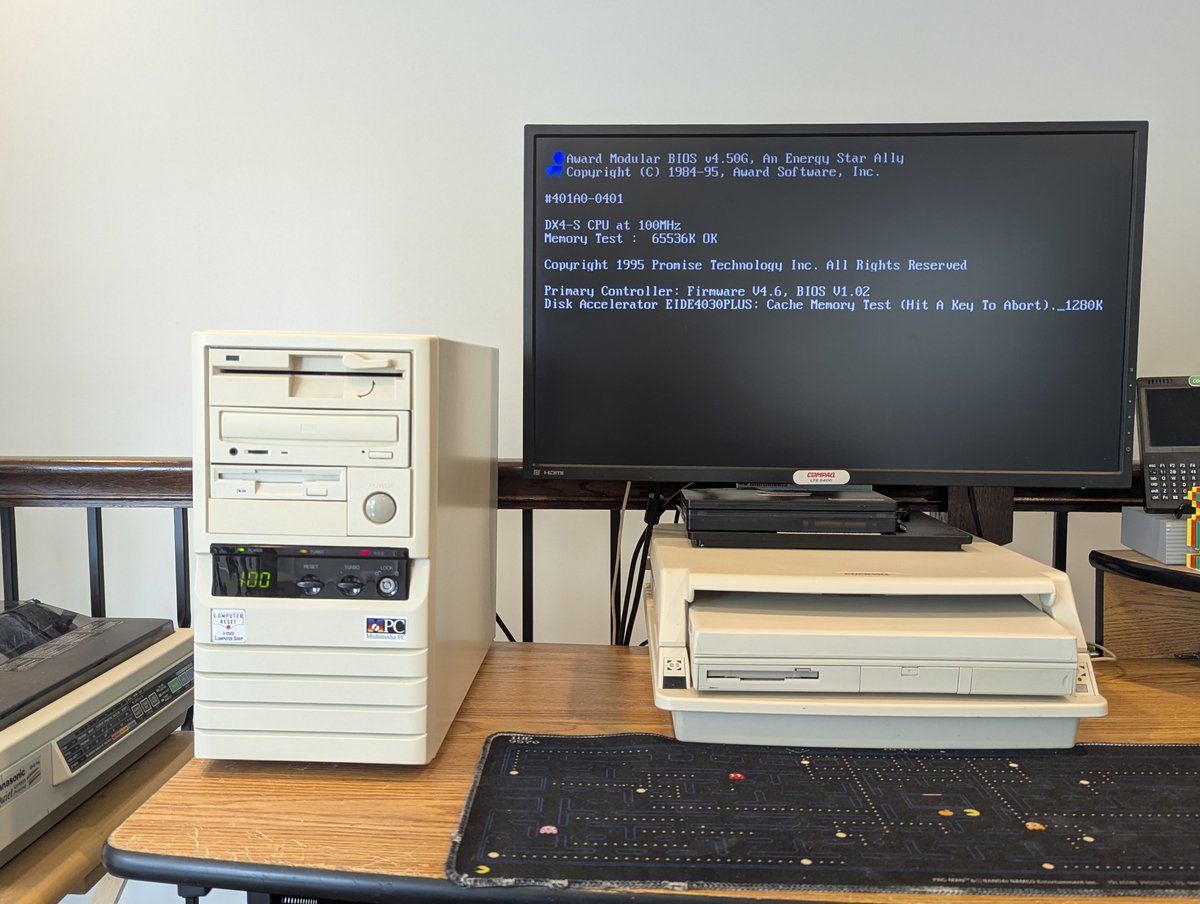
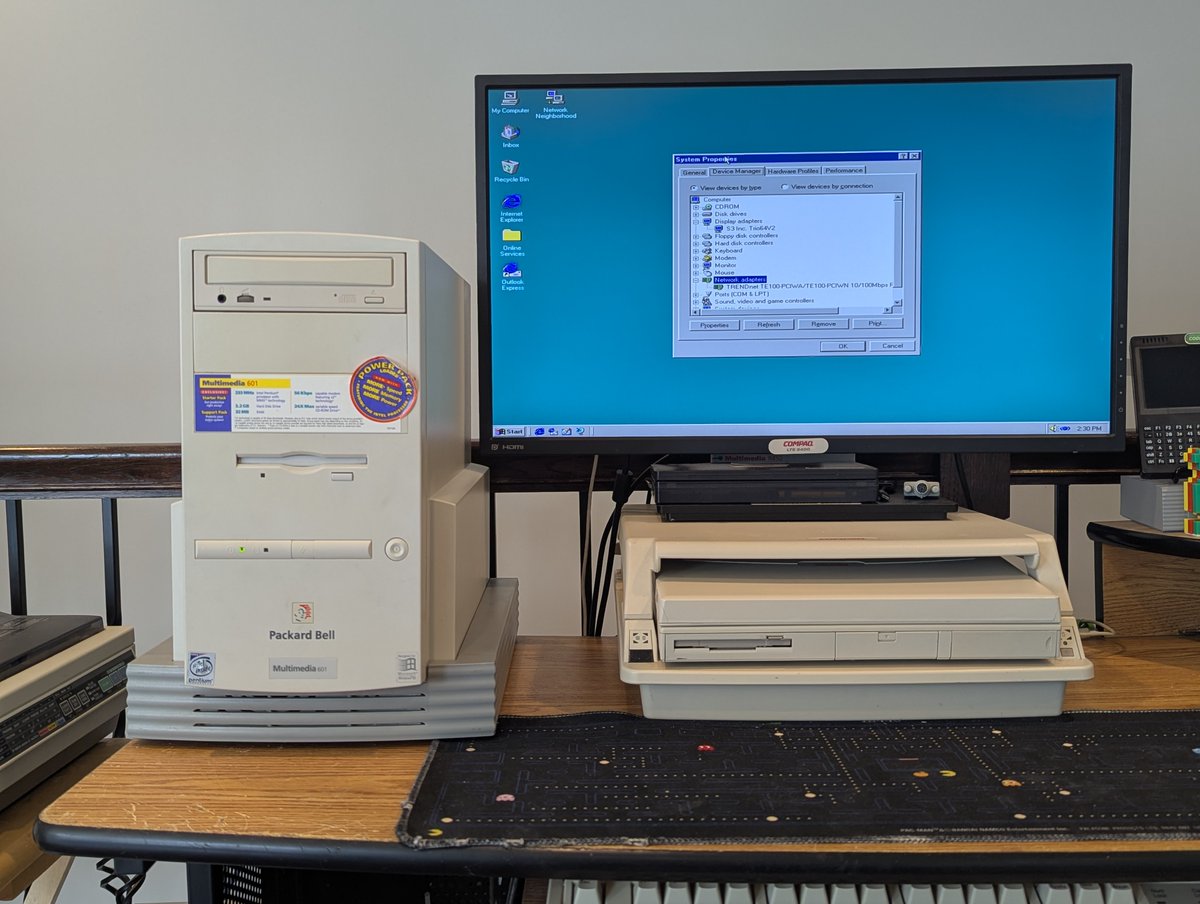
Alright, you've already seen the first three. My trusty, original 486DX4/100 powered right up, as did the Packard Bell Multimedia 601 Pentium 233 MMX
How about the Kehtron 486 DX/50? Weeelll.. the front seven segment display needed reconnected (I really should fix this permanently), and the sound card was being a pain, but I moved it over one slot and it is now working!
The challenges and solutions in retro computing never cease to amaze me, and today's project is no different. Today's goal was getting working storage in this AST Premium Exec 386 laptop. And fortunately, somewhat against the odds, I found one! Let's talk about it in a 🧵 here!
So, anyway, the issue I had with this laptop is that the original 20MB 3.5" IDE hard drive had died. I thought "no problem, I'll pop on eBay and get one." Except they are scarce and expensive. I picked up two 120MB drives and one 40MB drive. None of them worked.
In the past, I had also tried a CF card. I could get the CF cards to a point where they were accessible, but when I go to boot, I get a blinking cursor.. and sometimes a "non system disk or disk error" a few minutes later. Tried multiple CF cards, same result.