Imposter syndrome isn’t the problem—it’s the cover-up.
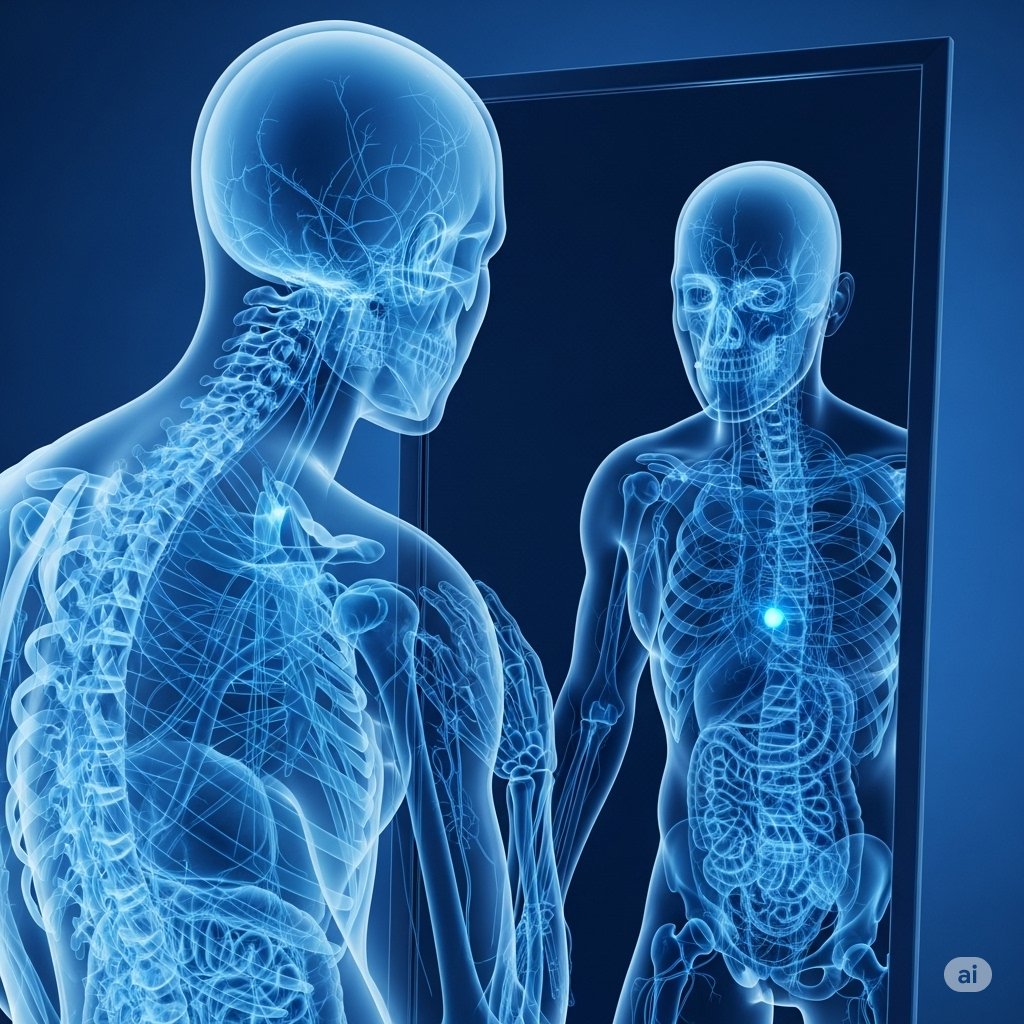
Self-doubt is trauma screaming through your body.
Shame is its byproduct.
And it’s time to let it go.
Here’s how: 🧵 (by a PhD psychologist)
Self-doubt is trauma screaming through your body.
Shame is its byproduct.
And it’s time to let it go.
Here’s how: 🧵 (by a PhD psychologist)


Studies show that chronic self-doubt and “fraud” feelings correlate with early experiences of shame, not skill gaps.
This isn't about capability.
It’s about what got wired into your body when you were too young to explain it.
This isn't about capability.
It’s about what got wired into your body when you were too young to explain it.
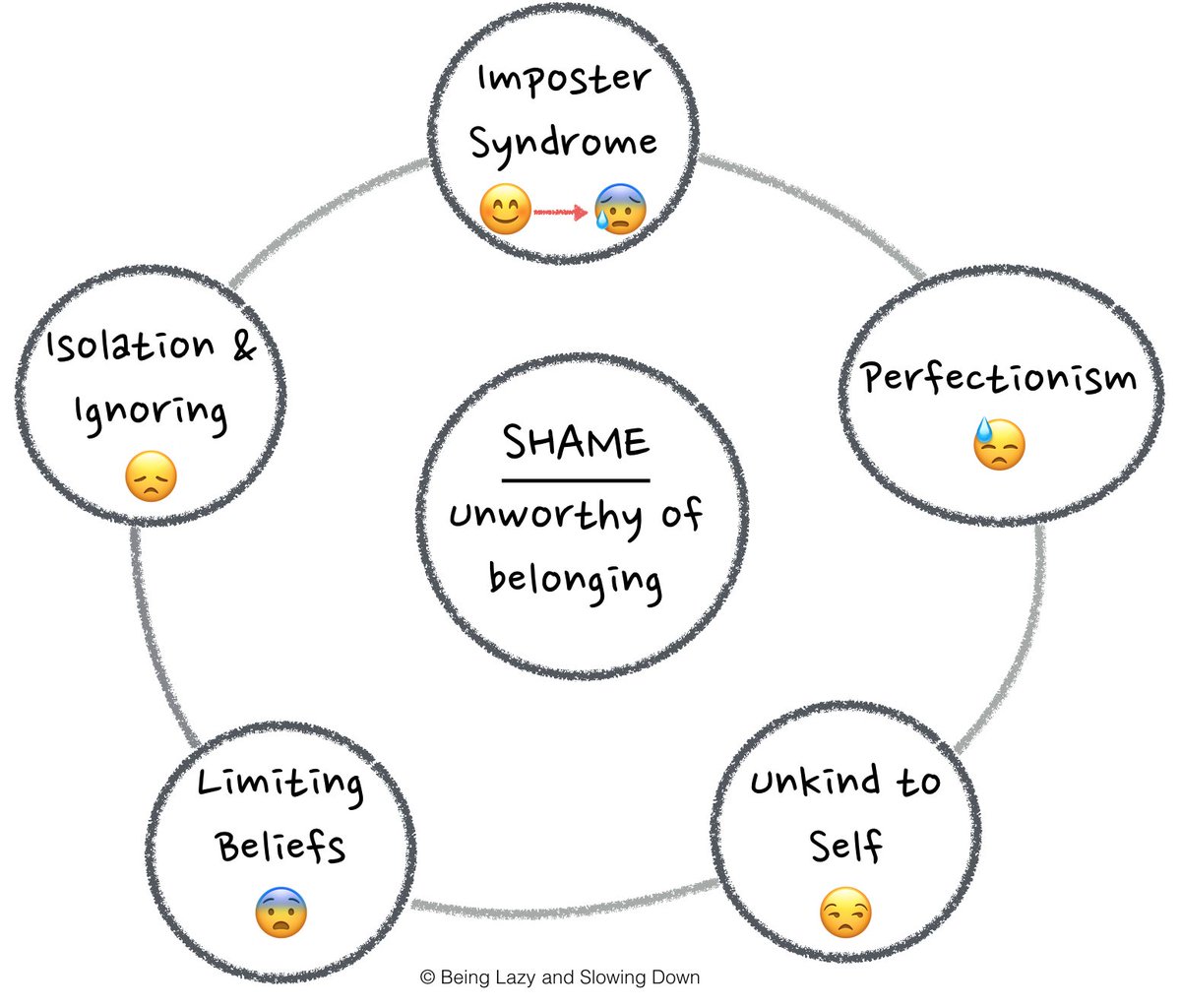
“Imposter syndrome” gives us a way to name it—but it can also let us avoid the deeper truth:
We carry unprocessed shame in our bodies.
And until it’s released, and we learn to be compassionate toward ourselves, we’ll keep feeling like we don’t belong.
Dr Kate Truitt
We carry unprocessed shame in our bodies.
And until it’s released, and we learn to be compassionate toward ourselves, we’ll keep feeling like we don’t belong.
Dr Kate Truitt
Carl Jung wrote, “Until you make the unconscious conscious, it will direct your life and you will call it fate.”
It's not "fate." The outer conflicts stem from our projection of inner conflicts.
Deep inner work? That’s what begins to change your life—internal and external.
It's not "fate." The outer conflicts stem from our projection of inner conflicts.
Deep inner work? That’s what begins to change your life—internal and external.
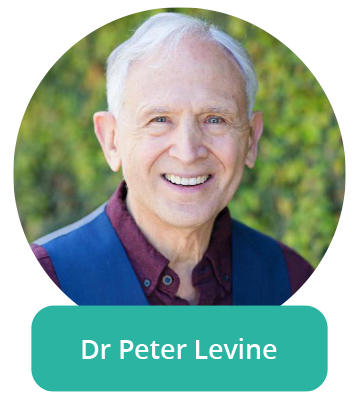
Dr. Peter Levine (developer of Somatic Experiencing) teaches that trauma isn’t the event—it’s the stored survival energy trapped in the body.
Shame is one of its most persistent forms.
It keeps us small, silent, doubting, and calling ourselves "imposters."
Shame is one of its most persistent forms.
It keeps us small, silent, doubting, and calling ourselves "imposters."

That frozen shame shows up in thoughts like:
"I'm not good enough."
“I don’t belong here.”
“I just got lucky.”
“They’ll find out I’m a fraud.”
"I'm not good enough."
“I don’t belong here.”
“I just got lucky.”
“They’ll find out I’m a fraud.”
In one study, 90% of people who report imposter feelings also experience persistent perfectionism.
Perfectionism becomes a relentless attempt to avoid ever feeling "not enough" again.
It's exhausting.
Dr Tracey Marks
Perfectionism becomes a relentless attempt to avoid ever feeling "not enough" again.
It's exhausting.
Dr Tracey Marks
Dr. Brené Brown says shame is “the intensely painful feeling that we are unworthy of love and belonging.”
It’s not intellectual. It’s somatic.
It tightens the chest. Collapses the posture. Shortens the breath.
It affects every move we make.
It’s not intellectual. It’s somatic.
It tightens the chest. Collapses the posture. Shortens the breath.
It affects every move we make.

This is why mindset hacks don’t stick.
You can’t logic your way out of a body state.
You feel your way through it.
You can’t logic your way out of a body state.
You feel your way through it.
Dr. Gabor Maté teaches that trauma isn’t what happened to us, but what happens inside us.
Imposter feelings are often the inner child’s fear that love is conditional—and conditional love is always fragile.
Dr. Gabor Mate & Professor Theo
Imposter feelings are often the inner child’s fear that love is conditional—and conditional love is always fragile.
Dr. Gabor Mate & Professor Theo
So instead of asking “How do I stop feeling like a fraud?”
Ask: Where is this living in my body?
What wants to tremble, breathe, or weep its way out?
We can't think our way out of this. We have to access the emotions in the body.
And we can't do it alone. It takes support.
Ask: Where is this living in my body?
What wants to tremble, breathe, or weep its way out?
We can't think our way out of this. We have to access the emotions in the body.
And we can't do it alone. It takes support.
As Dr. Bessel van der Kolk says, “The body keeps the score.”
Until we release what's stuck in our nervous system, no amount of success will heal the shame that's lodged in the body.
Until we release what's stuck in our nervous system, no amount of success will heal the shame that's lodged in the body.
You can’t “fix” imposter syndrome.
But you heal what created it.
Not by becoming better.
But by remembering
You weren't broken.
But you were hurt.
.
And you survived—now it's time to heal and thrive.
But you heal what created it.
Not by becoming better.
But by remembering
You weren't broken.
But you were hurt.
.
And you survived—now it's time to heal and thrive.
If this resonated, and you want to take your healing to another level.
I’ll teach you how to reconnect with your emotions to start living authentically.
Get my free 5-day course: “Emotional Integrity 101”
offers.drbobbeare.com/emotional-inte…
I’ll teach you how to reconnect with your emotions to start living authentically.
Get my free 5-day course: “Emotional Integrity 101”
offers.drbobbeare.com/emotional-inte…
👉Thanks for reading.
👉If you enjoyed this, please follow me and repost the first post (below).
👉Reply with your thoughts on body-focused healing.
👉If you enjoyed this, please follow me and repost the first post (below).
👉Reply with your thoughts on body-focused healing.
https://x.com/drbobbeare/status/1952353885495927202
• • •
Missing some Tweet in this thread? You can try to
force a refresh