When I was young...
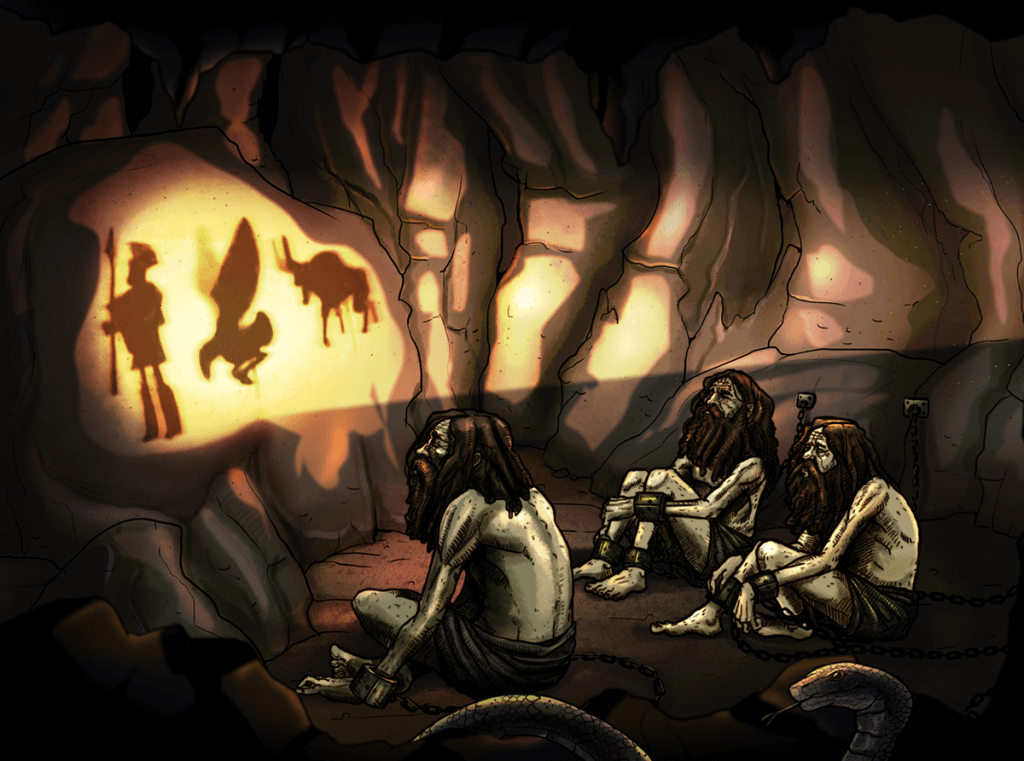
My mind was a prison.
I made horrible decisions.
Anxiety trapped me for years.
Then, I found Søren Kierkegaard's teaching, and it became impossible to be trapped, stressed, or anxious.
Here's his 4-step protocol to unlocking mental freedom: 🧵-
My mind was a prison.
I made horrible decisions.
Anxiety trapped me for years.
Then, I found Søren Kierkegaard's teaching, and it became impossible to be trapped, stressed, or anxious.
Here's his 4-step protocol to unlocking mental freedom: 🧵-
At age 21, Kierkegaard watched his 5th sibling die.
By 30, he was engaged to the love of his life and set to become Denmark's most prominent theologian.
Then he did something that stunned Copenhagen society...
By 30, he was engaged to the love of his life and set to become Denmark's most prominent theologian.
Then he did something that stunned Copenhagen society...
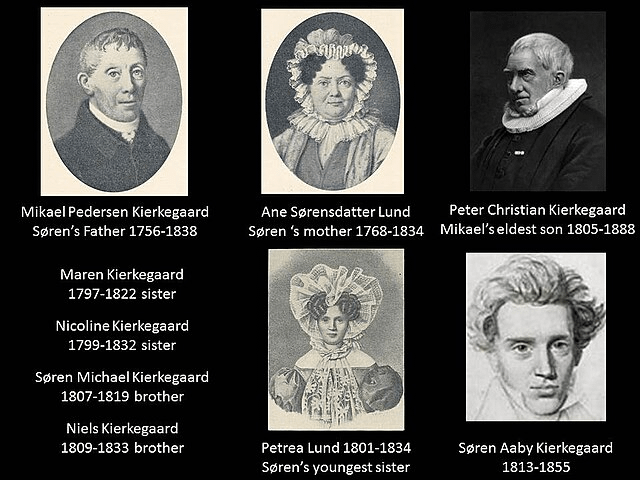
He broke off his engagement and rejected conventional life.
"Anxiety is the dizziness of freedom," he wrote.
"The greatest danger is not that we aim too high and miss, but that we aim too low and hit."
"Anxiety is the dizziness of freedom," he wrote.
"The greatest danger is not that we aim too high and miss, but that we aim too low and hit."
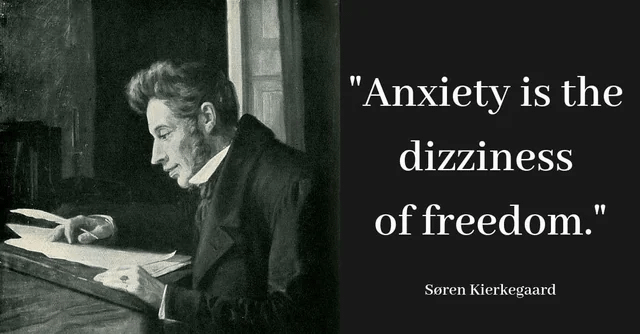
He spent the next 15 years revealing how anxiety is the doorway to authentic living.
Here are his 4 steps to transform your anxiety:
Here are his 4 steps to transform your anxiety:
Step 1: Recognize Anxiety's True Nature
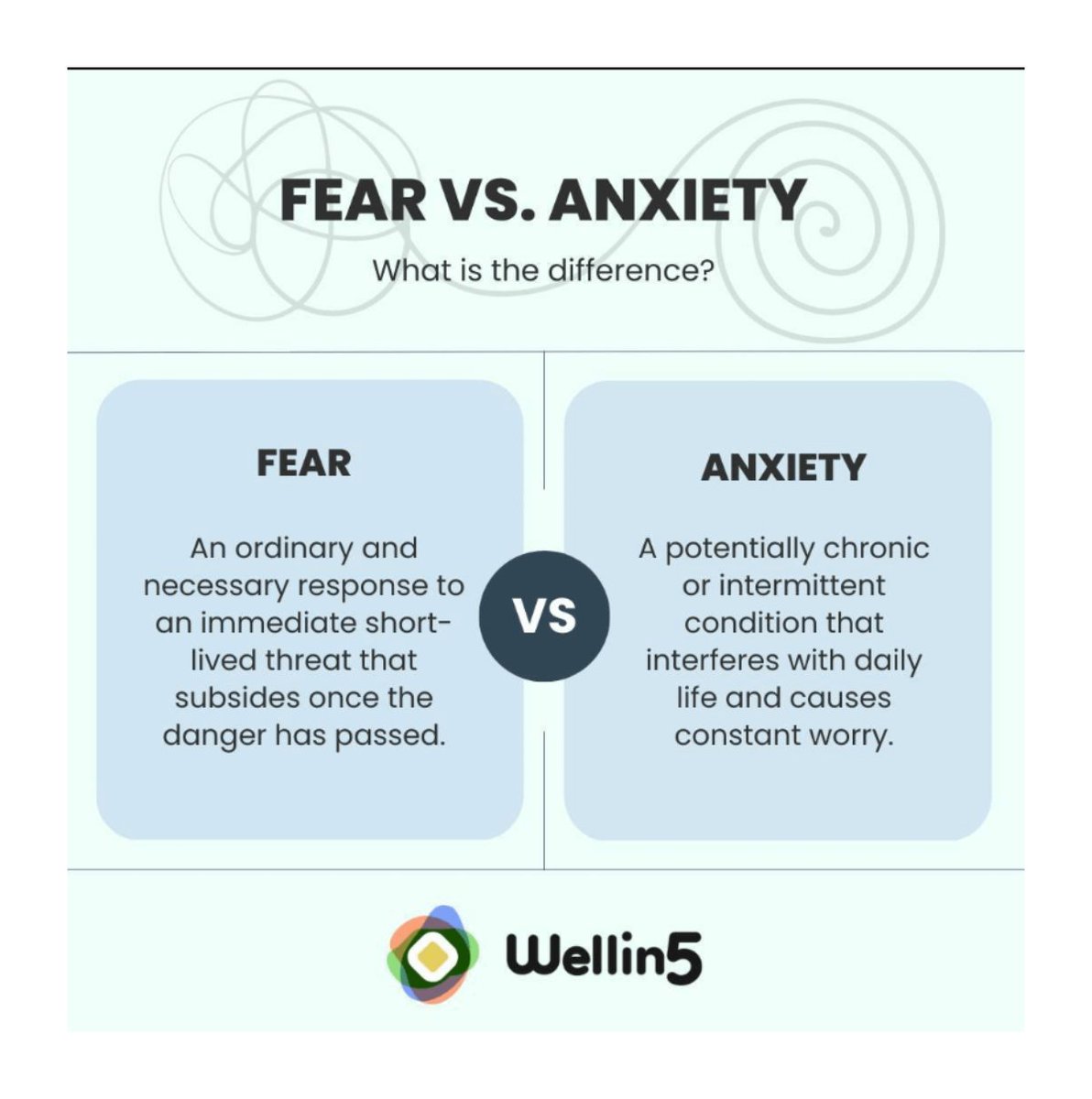
Most people think anxiety is fear of something specific.
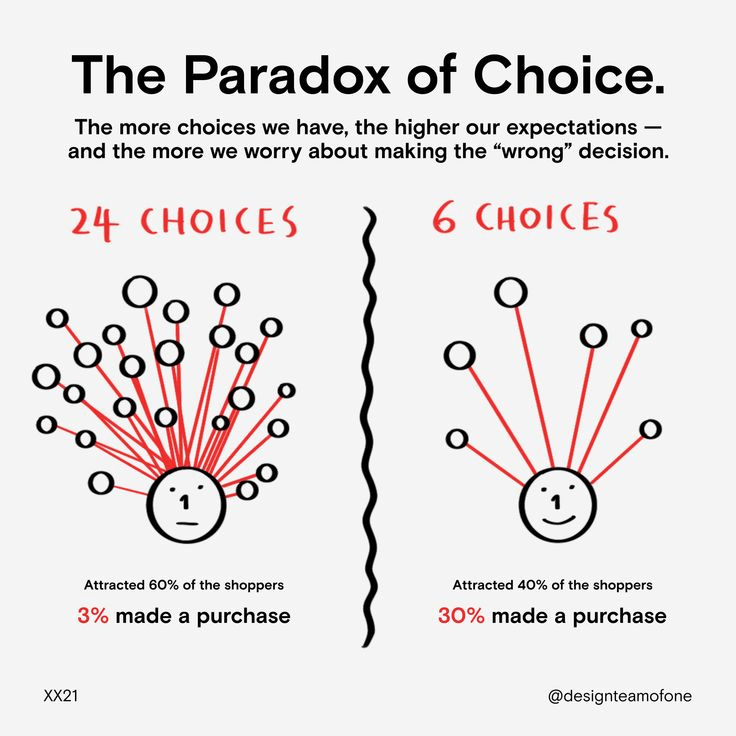
But Kierkegaard discovered anxiety is your mind confronting infinite possibilities. It's not pathology—it's your consciousness awakening to its own freedom.
Most people think anxiety is fear of something specific.
But Kierkegaard discovered anxiety is your mind confronting infinite possibilities. It's not pathology—it's your consciousness awakening to its own freedom.
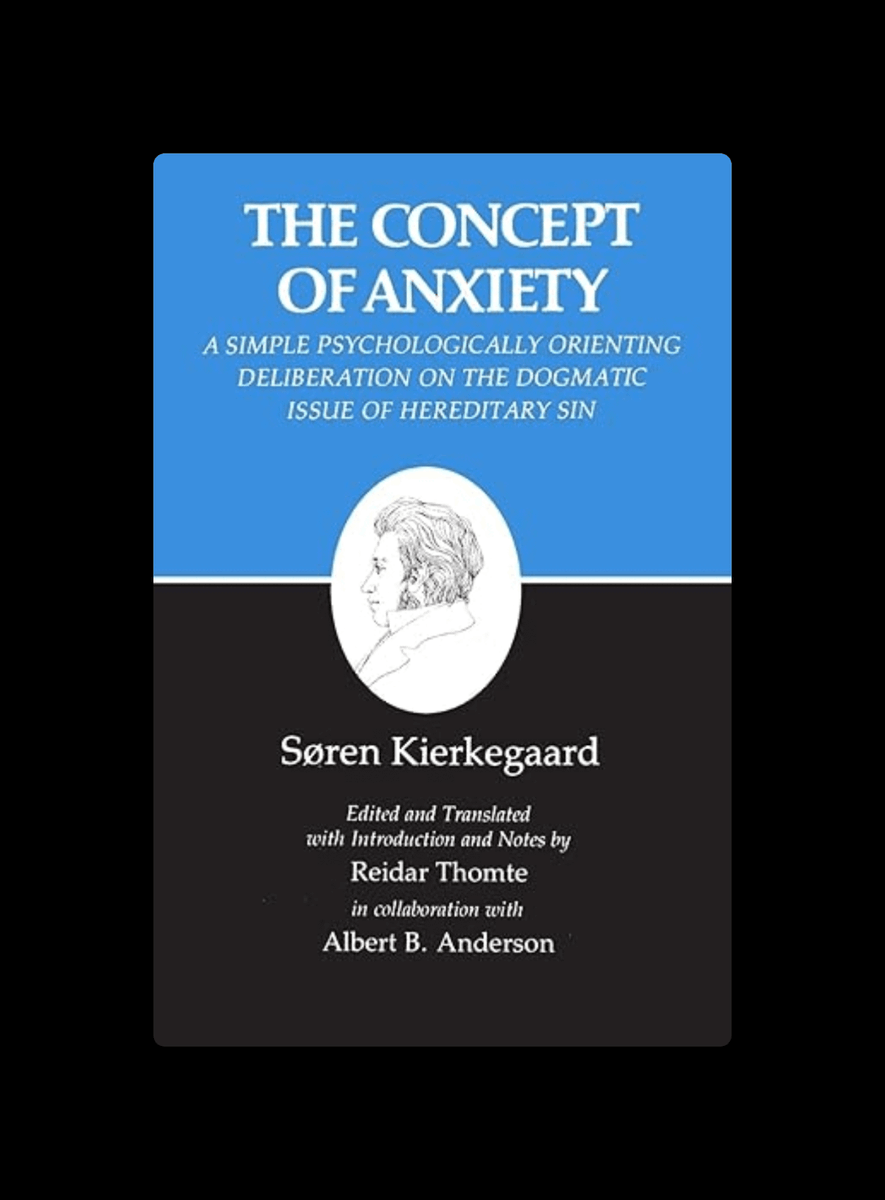
Step 2: Embrace the Paradox
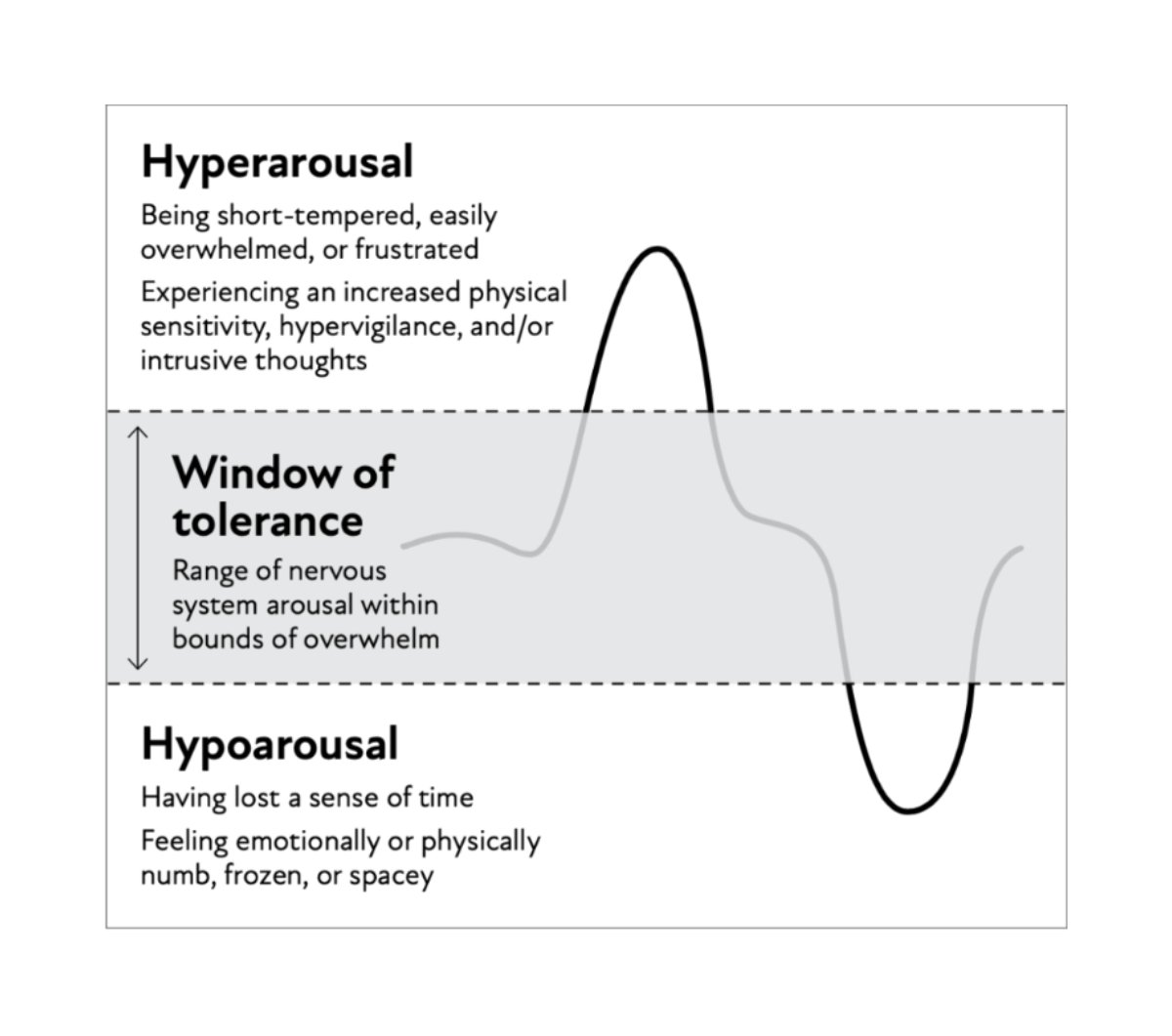
Don't try to eliminate anxiety.
Instead, lean into what he called "the sympathetic antipathy"—being simultaneously attracted to and repelled by life's possibilities.
This tension, he found, is where transformation happens.
Don't try to eliminate anxiety.
Instead, lean into what he called "the sympathetic antipathy"—being simultaneously attracted to and repelled by life's possibilities.
This tension, he found, is where transformation happens.
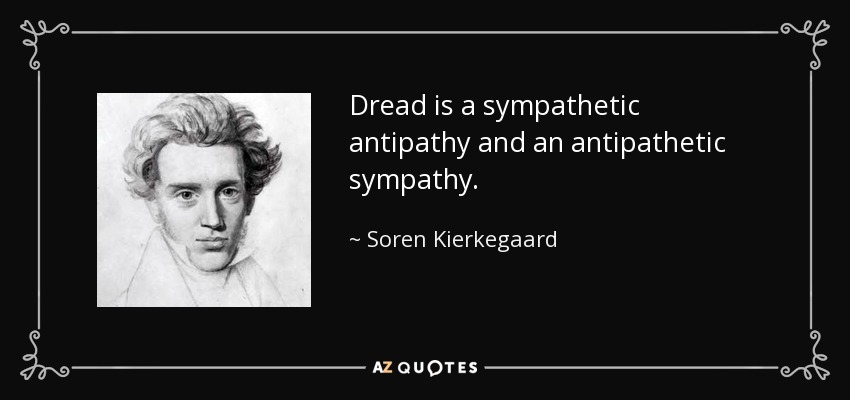
Step 3: The Leap
Kierkegaard's most radical insight:
You can't think your way out of anxiety.
Logic and reason will always fall short when facing the infinite.
The only way forward is what he called "the leap"—choosing authentically despite uncertainty.
Kierkegaard's most radical insight:
You can't think your way out of anxiety.
Logic and reason will always fall short when facing the infinite.
The only way forward is what he called "the leap"—choosing authentically despite uncertainty.
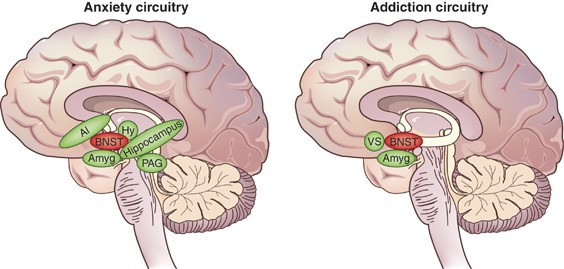
Modern neuroscience validates this:
The BNST (bed nucleus of stria terminalis) processes anxiety differently than fear.
It responds to uncertainty, not specific threats.
Kierkegaard intuited what brain imaging now proves.
The BNST (bed nucleus of stria terminalis) processes anxiety differently than fear.
It responds to uncertainty, not specific threats.
Kierkegaard intuited what brain imaging now proves.
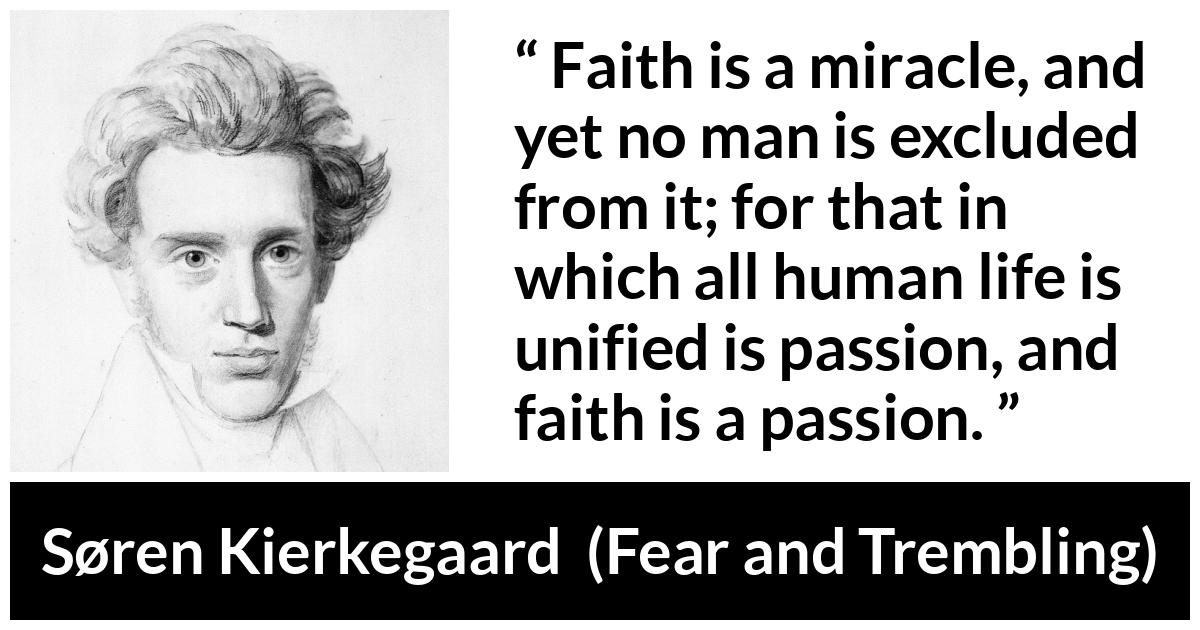
Step 4: Living in Faith (Not Religious Faith)
Faith for Kierkegaard meant trusting your capacity to navigate uncertainty.
Not blind belief, but existential courage—acting despite not knowing.
When you develop this faith in your own resilience, anxiety transforms.
Faith for Kierkegaard meant trusting your capacity to navigate uncertainty.
Not blind belief, but existential courage—acting despite not knowing.
When you develop this faith in your own resilience, anxiety transforms.
Carl Jung was profoundly influenced by this approach.
"The privilege of a lifetime is to become who you truly are," he wrote, echoing Kierkegaard.
Rollo May built existential psychology on these foundations.
Modern acceptance-based therapies trace back to these insights.
"The privilege of a lifetime is to become who you truly are," he wrote, echoing Kierkegaard.
Rollo May built existential psychology on these foundations.
Modern acceptance-based therapies trace back to these insights.
The beauty of Kierkegaard's approach:
• No spiritual bypassing
• No medication needed
• No endless therapy sessions
• No positive thinking gymnastics
Just radical honesty about the human condition and the courage to live authentically despite uncertainty.
• No spiritual bypassing
• No medication needed
• No endless therapy sessions
• No positive thinking gymnastics
Just radical honesty about the human condition and the courage to live authentically despite uncertainty.
The mind is complex.
The existential journey, challenging.
While Kierkegaard emphasized individual authenticity, he also valued dialogue and mentorship.
Having someone guide you through these depths makes all the difference.
The existential journey, challenging.
While Kierkegaard emphasized individual authenticity, he also valued dialogue and mentorship.
Having someone guide you through these depths makes all the difference.
As a Harvard-trained psychologist with a Ph.D. from @UTAustin, I've spent 40 years helping people transform anxiety into authentic living.
If you're ready to stop fighting anxiety and start using it as fuel for growth, it's time to grow:
offers.lorwenharrisnagle.com/anxiety-relief…
If you're ready to stop fighting anxiety and start using it as fuel for growth, it's time to grow:
offers.lorwenharrisnagle.com/anxiety-relief…
Hi, I'm Lorwen Nagle.
After 40 years bridging Western psychology with contemplative wisdom, studying with the Dalai Lama, the most profound truths remain the simplest.
Follow @Lorwen108 for more threads on anxiety, consciousness, and the art of being human.
After 40 years bridging Western psychology with contemplative wisdom, studying with the Dalai Lama, the most profound truths remain the simplest.
Follow @Lorwen108 for more threads on anxiety, consciousness, and the art of being human.

If this thread resonated with you, I explore psychology, philosophy, and personal transformation in my work.
Follow @Lorwen108 for more insights on the journey to authenticity.
Repost if this helped you. 🙏
Follow @Lorwen108 for more insights on the journey to authenticity.
Repost if this helped you. 🙏
https://twitter.com/3065974983/status/1952686134620016972
• • •
Missing some Tweet in this thread? You can try to
force a refresh