Modern therapy is built on a 17th-century lie...
Philosopher Descartes said: 'I think, therefore I am.'
But Vico said: "Imagination creates reality."
As a psychologist who spent over 40 years to healing the mind, here's what most therapists won't tell you: 🧵
Philosopher Descartes said: 'I think, therefore I am.'
But Vico said: "Imagination creates reality."
As a psychologist who spent over 40 years to healing the mind, here's what most therapists won't tell you: 🧵
For 400 years, Western culture has worshipped at the altar of Descartes.
"I think, therefore I am."
We've built therapy on this foundation: analyze your thoughts, understand your patterns, and think your way out.
But what if Descartes was catastrophically wrong?
"I think, therefore I am."
We've built therapy on this foundation: analyze your thoughts, understand your patterns, and think your way out.
But what if Descartes was catastrophically wrong?
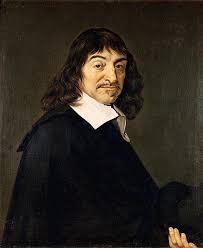
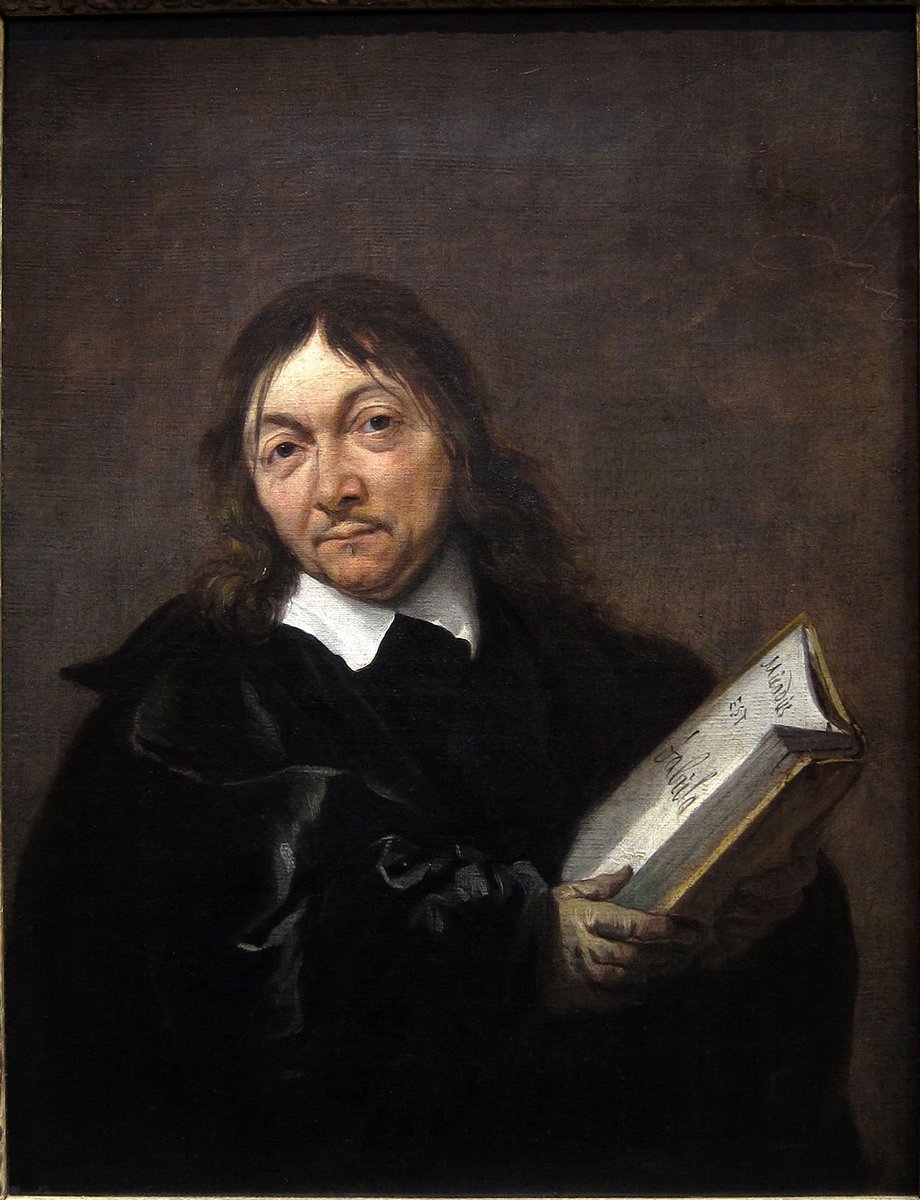
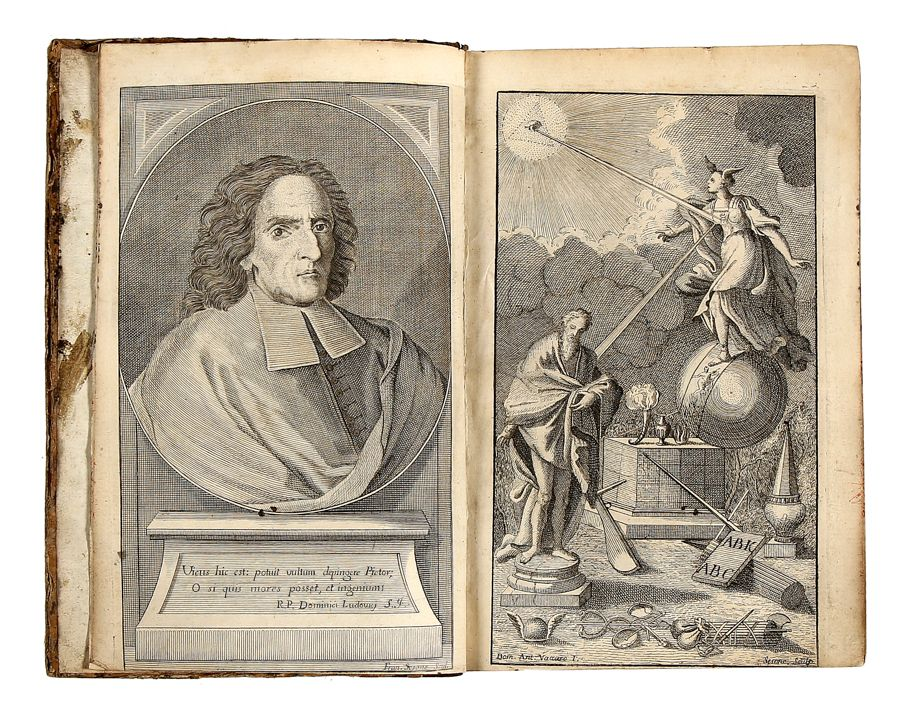
Enter Giambattista Vico, the 18th-century genius who saw what we missed.
His revolutionary insight: Humans aren't thinking machines.
We're imagination machines.
• Before we could reason, we created myths.
• Before logic, we had poetry.
• Before analysis, we had art.
His revolutionary insight: Humans aren't thinking machines.
We're imagination machines.
• Before we could reason, we created myths.
• Before logic, we had poetry.
• Before analysis, we had art.
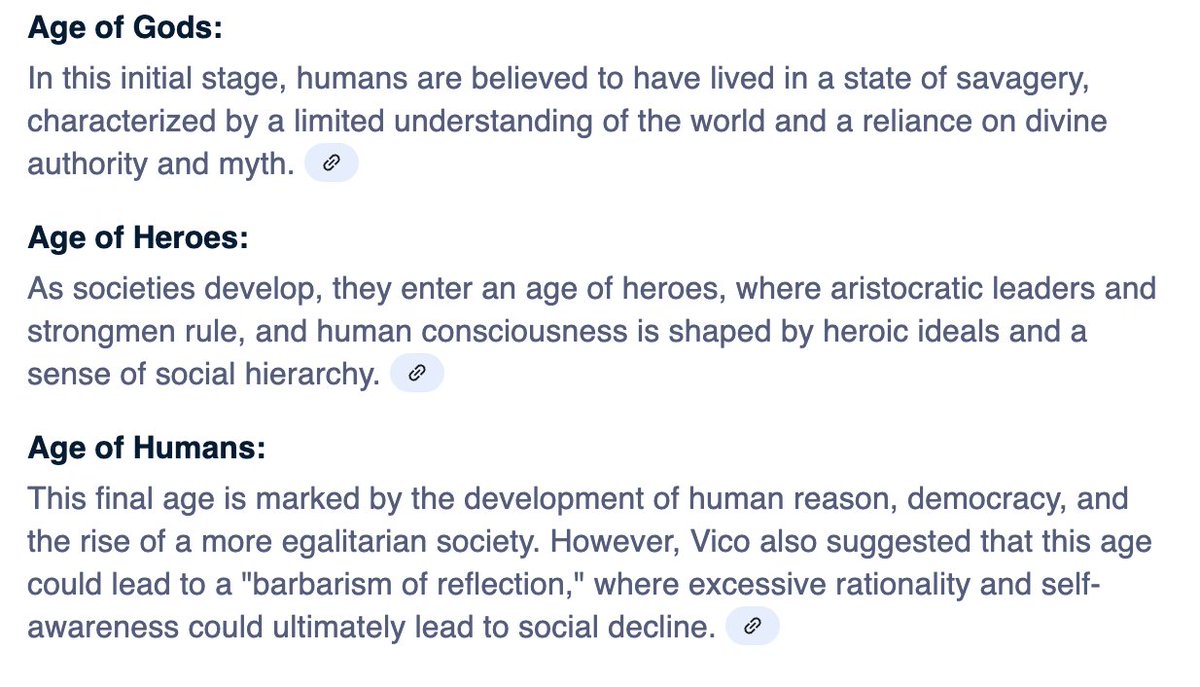
Vico discovered 3 ages of human consciousness:
1. Divine Age: Pure imagination and feeling
2. Heroic Age: Metaphor and storytelling
3. Human Age: Rational reflection
Here's the kicker: We don't transcend the earlier stages.
They live in us, especially in our wounds.
1. Divine Age: Pure imagination and feeling
2. Heroic Age: Metaphor and storytelling
3. Human Age: Rational reflection
Here's the kicker: We don't transcend the earlier stages.
They live in us, especially in our wounds.
Think about childhood trauma.
It happens during your personal "divine age"—before rational defenses form.
That's why you can't think your way out of it.
The wound was created through imagination and feeling.
It must be healed the same way.
It happens during your personal "divine age"—before rational defenses form.
That's why you can't think your way out of it.
The wound was created through imagination and feeling.
It must be healed the same way.
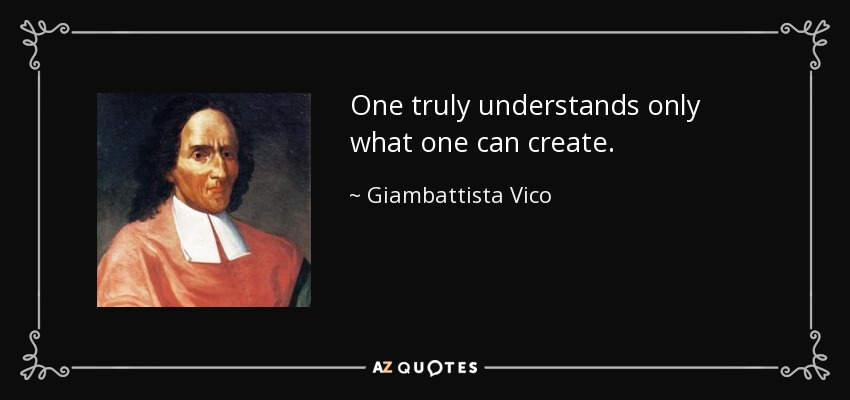
This explains why traditional therapy often fails.
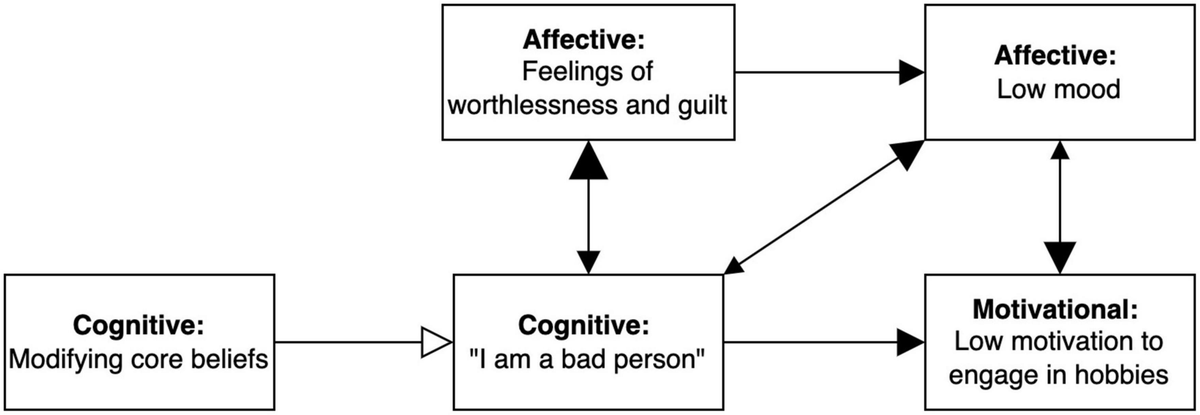
Cognitive approaches try to fix imaginative wounds with rational tools.
Like performing surgery with a telescope.
You're using the wrong instrument for the job.
Cognitive approaches try to fix imaginative wounds with rational tools.
Like performing surgery with a telescope.
You're using the wrong instrument for the job.
Vico called it "poetic wisdom"—knowledge that comes through creative acts, not analysis.
When ancient humans feared thunder, they didn't theorize about meteorology.
They created Zeus.
The symbol wasn't just expression—it was reality-making.
Your psyche works the same way.
When ancient humans feared thunder, they didn't theorize about meteorology.
They created Zeus.
The symbol wasn't just expression—it was reality-making.
Your psyche works the same way.
Modern neuroscience confirms what Vico intuited:
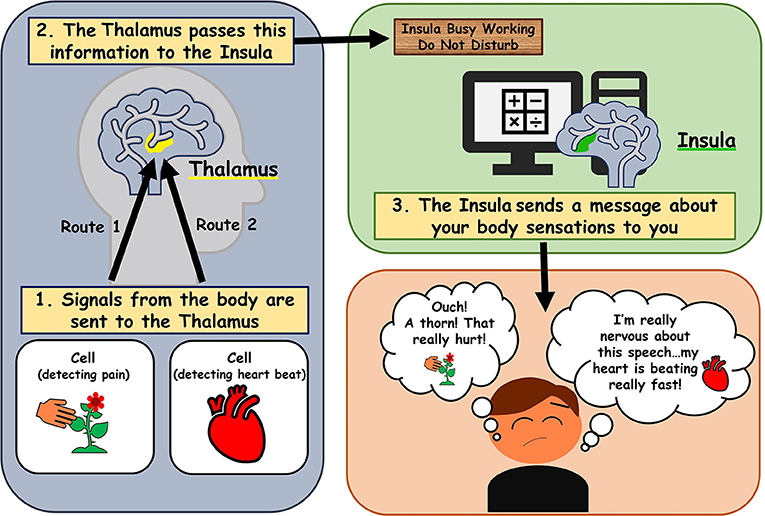
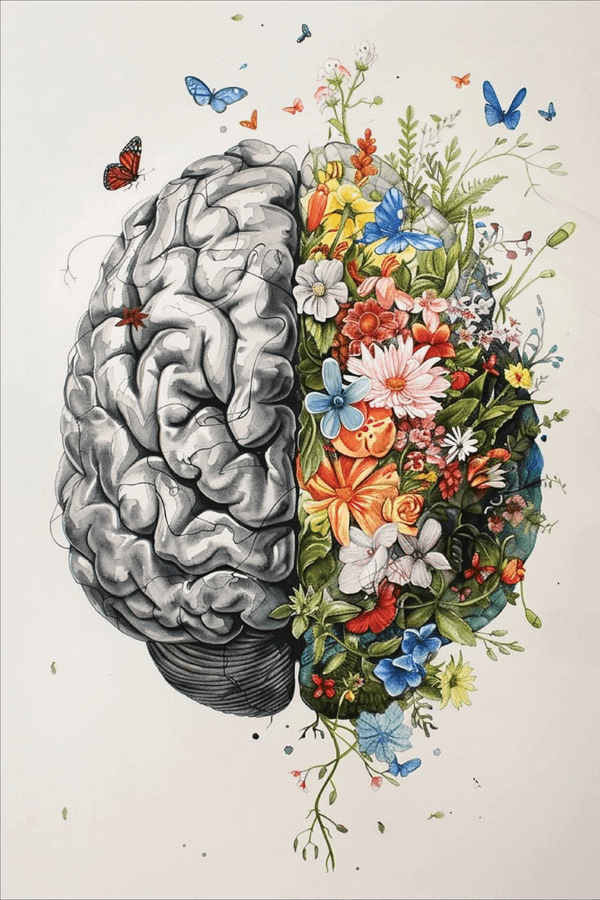
Your emotional brain doesn't speak in words. It speaks in images, sensations, symbols.
That's why a single drawing of your anxiety reveals more than hours of talking about it.
The image IS the insight.
Your emotional brain doesn't speak in words. It speaks in images, sensations, symbols.
That's why a single drawing of your anxiety reveals more than hours of talking about it.
The image IS the insight.
Jung understood this.
He wrote: "The psyche consists essentially of images."
That's why active imagination was central to his work.
He was following Vico's blueprint: imagination as the primary faculty of consciousness.
I wrote more about it here:
He wrote: "The psyche consists essentially of images."
That's why active imagination was central to his work.
He was following Vico's blueprint: imagination as the primary faculty of consciousness.
I wrote more about it here:
https://x.com/LORWEN108/status/1905241003256320403
The paradigm shift is profound:
Cartesian Therapy:
- Mind over matter
- Analyze to heal
- Transcend emotions
- Individual work
Viconian Healing:
- Embodied integration
- Create to transform
- Integrate all parts
- Community witnessing
Cartesian Therapy:
- Mind over matter
- Analyze to heal
- Transcend emotions
- Individual work
Viconian Healing:
- Embodied integration
- Create to transform
- Integrate all parts
- Community witnessing
When you draw your inner child, you're not just expressing feelings.
You're literally reshaping neural pathways.
The image becomes what Vico called an "imaginative universal"—a symbol that rewires your reality.
This isn't metaphor. It's neuroscience.
You're literally reshaping neural pathways.
The image becomes what Vico called an "imaginative universal"—a symbol that rewires your reality.
This isn't metaphor. It's neuroscience.
Vico warned of the "barbarism of reflection"—when we become so rational we lose touch with our creative essence.
Sound familiar?
We've therapized ourselves into paralysis.
Analyzed ourselves into anxiety.
Thought ourselves into depression.
Sound familiar?
We've therapized ourselves into paralysis.
Analyzed ourselves into anxiety.
Thought ourselves into depression.
The solution isn't more thinking.
It's returning to your birthright: imagination as reality-creation.
Not visualization or positive thinking.
But deep, embodied creative acts that speak the language your wounds understand.
Art. Movement. Symbol. Story.
It's returning to your birthright: imagination as reality-creation.
Not visualization or positive thinking.
But deep, embodied creative acts that speak the language your wounds understand.
Art. Movement. Symbol. Story.
After 40 years as a psychologist, I can tell you:
The people who heal fastest aren't the best thinkers.
They're the ones who dare to create.
Who trust imagination over analysis.
Who make art before they make sense.
This is exactly what I teach my clients:
The people who heal fastest aren't the best thinkers.
They're the ones who dare to create.
Who trust imagination over analysis.
Who make art before they make sense.
This is exactly what I teach my clients:
https://x.com/LORWEN108/status/1938658356274594065
You don't need another framework to understand yourself.
You need to create yourself.
Not through thought, but through imagination.
That's not regression—it's integration.
The master key Vico discovered, waiting for you to turn it.
You need to create yourself.
Not through thought, but through imagination.
That's not regression—it's integration.
The master key Vico discovered, waiting for you to turn it.
Hi, I'm Lorwen Nagle.
I've spent 40 years as a Harvard-trained psychologist, studying consciousness with the Dalai Lama, and helping thousands untangle their minds.
I've spent 40 years as a Harvard-trained psychologist, studying consciousness with the Dalai Lama, and helping thousands untangle their minds.
But knowing this intellectually isn't enough.
That's why I created Anxiety Relief Transformation™—where I distill my 40+ years as a Harvard-trained psychologist into a step-by-step blueprint to overcome anxiety.
Join us here—enrollment closing soon:
offers.lorwenharrisnagle.com/anxiety-relief…
That's why I created Anxiety Relief Transformation™—where I distill my 40+ years as a Harvard-trained psychologist into a step-by-step blueprint to overcome anxiety.
Join us here—enrollment closing soon:
offers.lorwenharrisnagle.com/anxiety-relief…
If this thread resonated with you, I explore psychology, philosophy, and personal transformation in my work.
Follow @Lorwen108 for more insights on the journey to authenticity.
Repost if this helped you. 🙏
Follow @Lorwen108 for more insights on the journey to authenticity.
Repost if this helped you. 🙏
https://twitter.com/3065974983/status/1953092795591475386
• • •
Missing some Tweet in this thread? You can try to
force a refresh