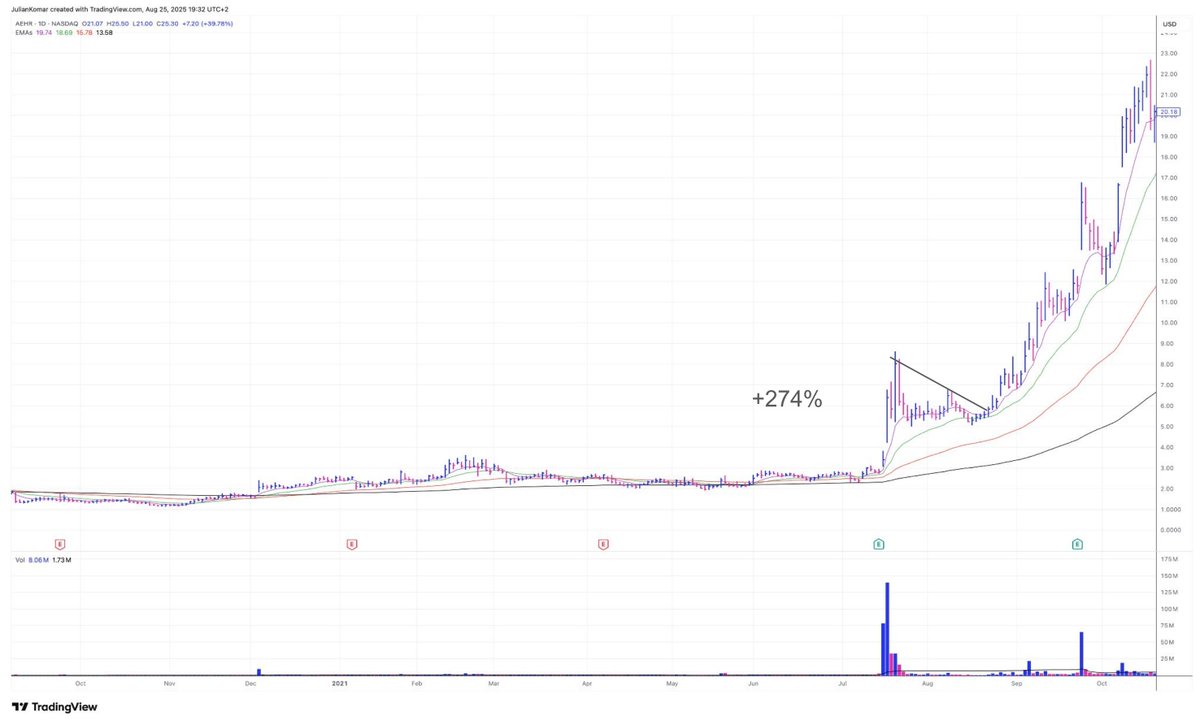
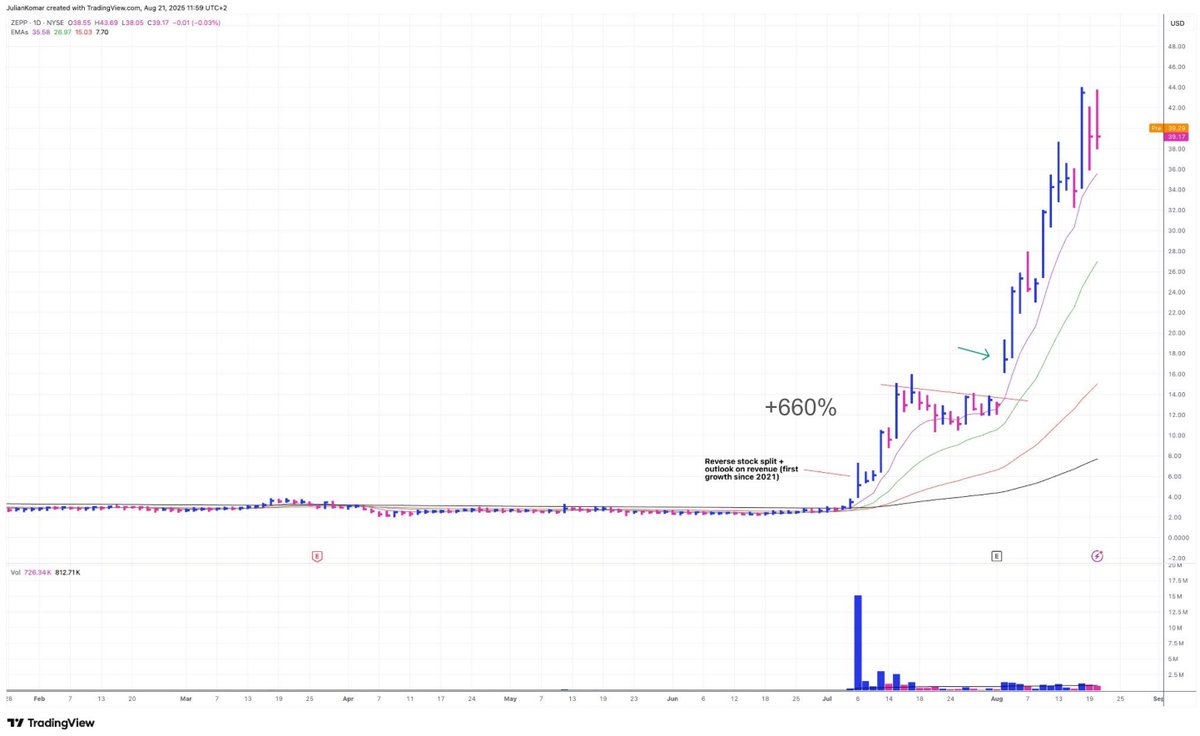
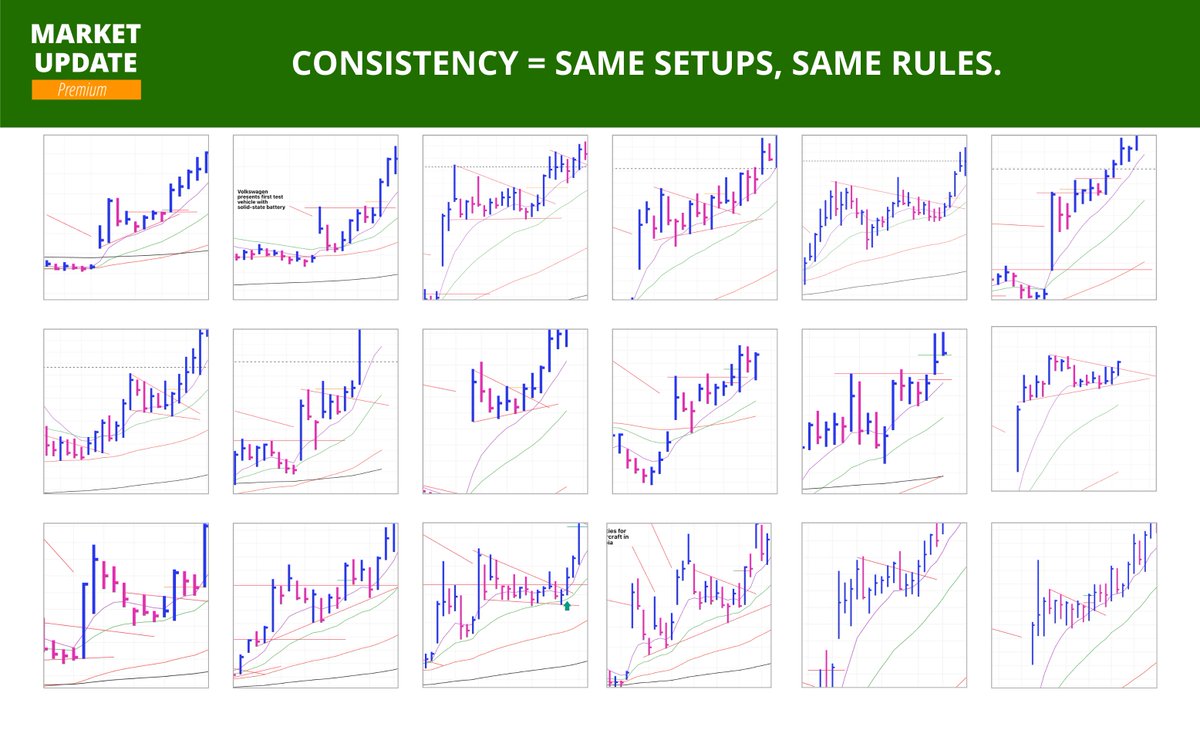
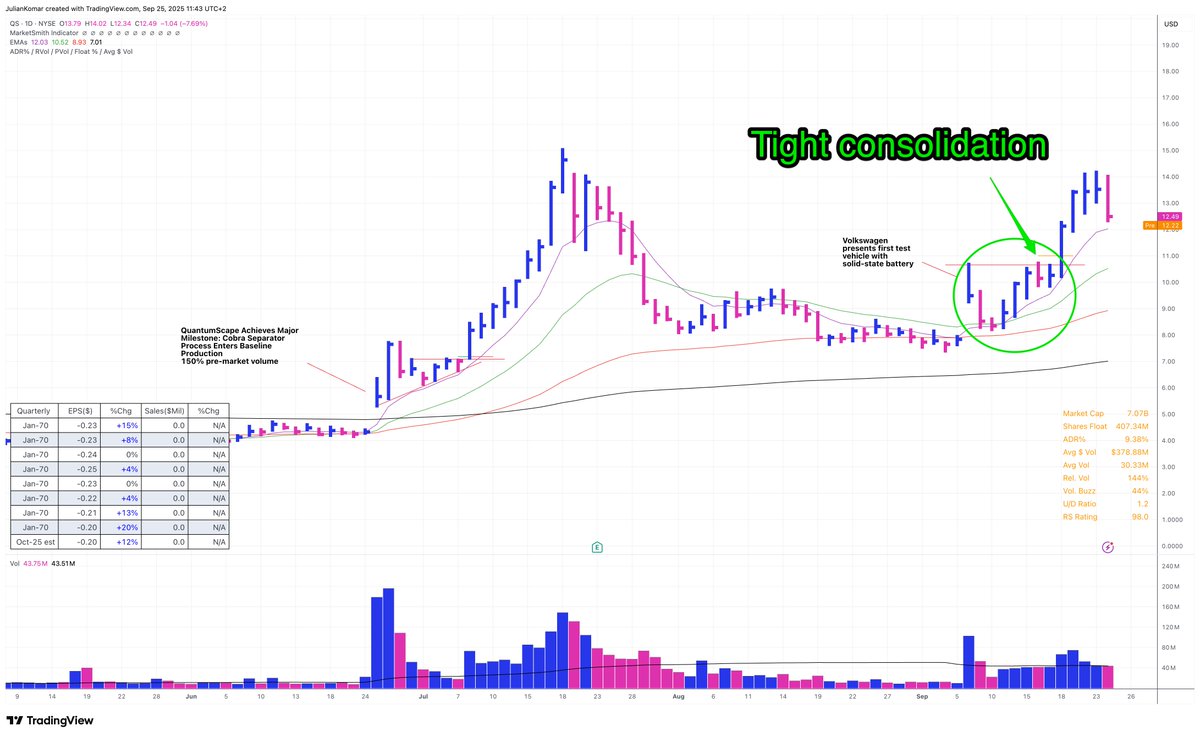
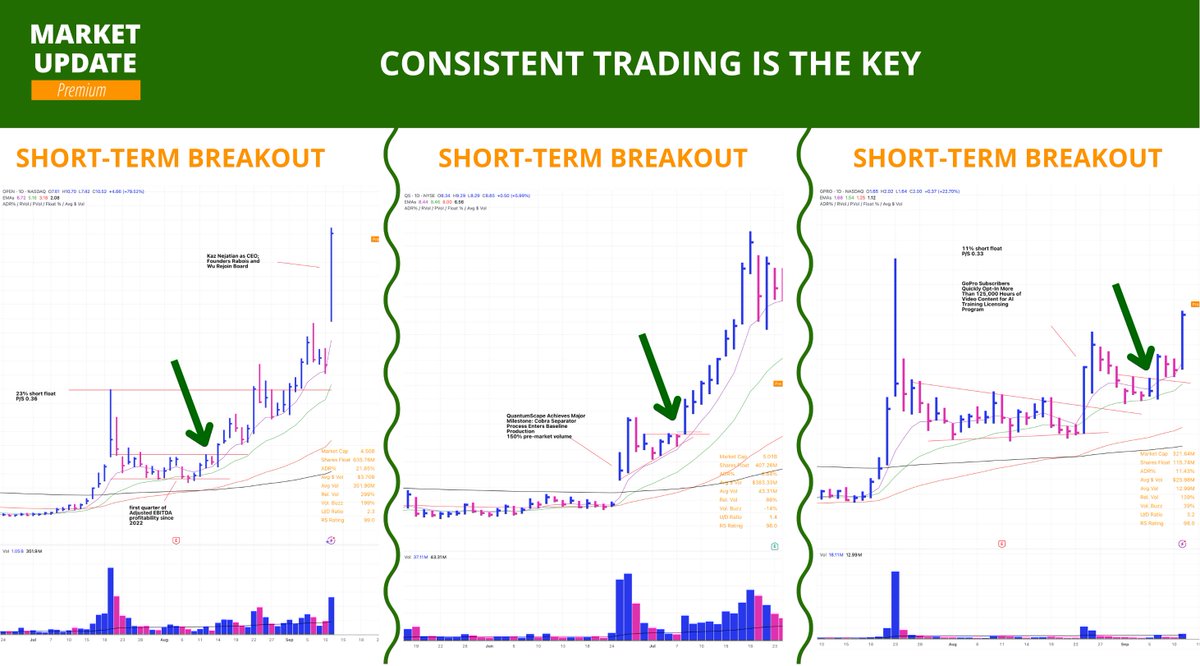
My biggest winners weren’t luck.
They followed the same patterns — over and over again.
Here are 10 lessons from my biggest trades 👇
They followed the same patterns — over and over again.
Here are 10 lessons from my biggest trades 👇
1) Clear Pattern Before Breakout:
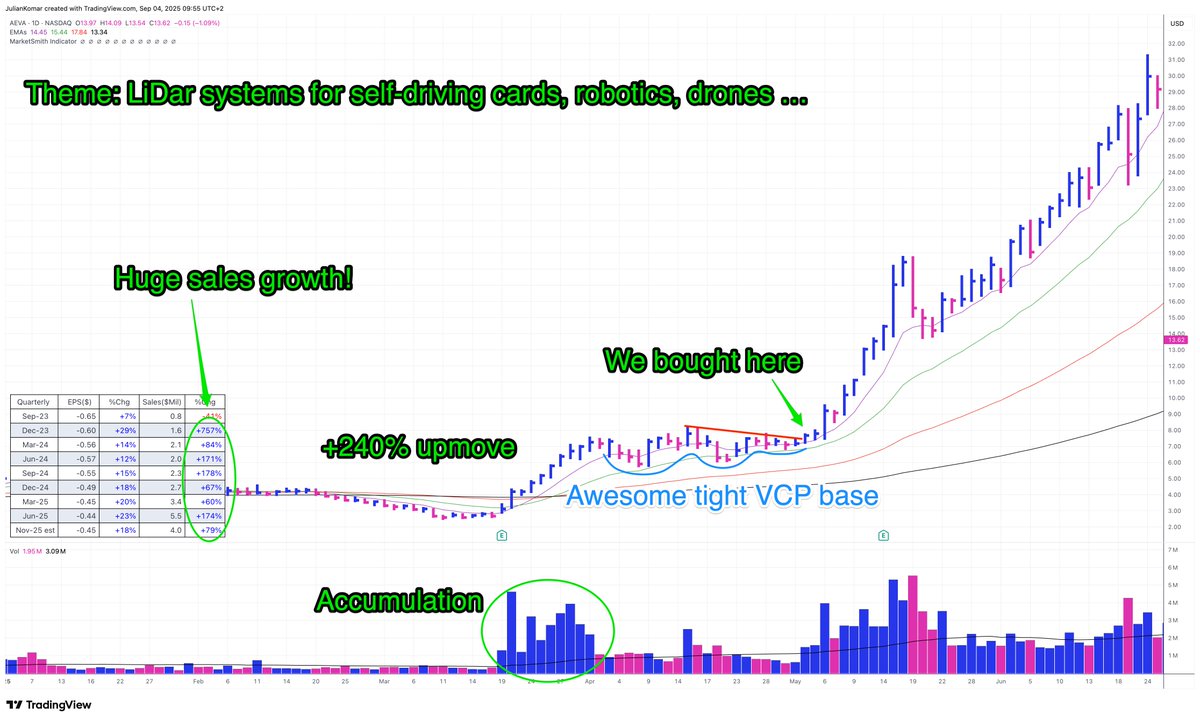
Every one formed a clean base — flat base, flag, or VCP. No sloppy ranges. Tight price action = power building.
Every one formed a clean base — flat base, flag, or VCP. No sloppy ranges. Tight price action = power building.

2) Strong Uptrend Before the Base:
They were already leaders. Most were up 50-100%+ before forming the base. Strength attracts more strength.
They were already leaders. Most were up 50-100%+ before forming the base. Strength attracts more strength.
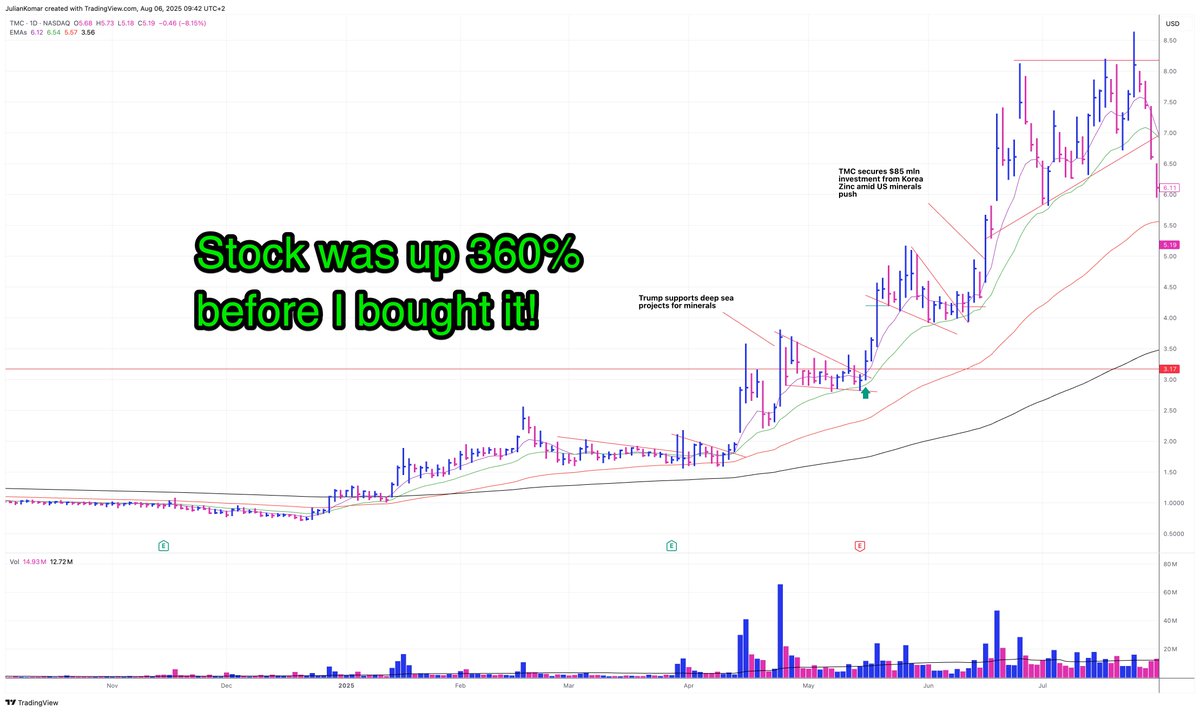
3) Explosive Volume on Breakout:
The best breakouts came on 30%+ average volume. Funds were buying. Weak-volume breakouts? They usually failed.
The best breakouts came on 30%+ average volume. Funds were buying. Weak-volume breakouts? They usually failed.
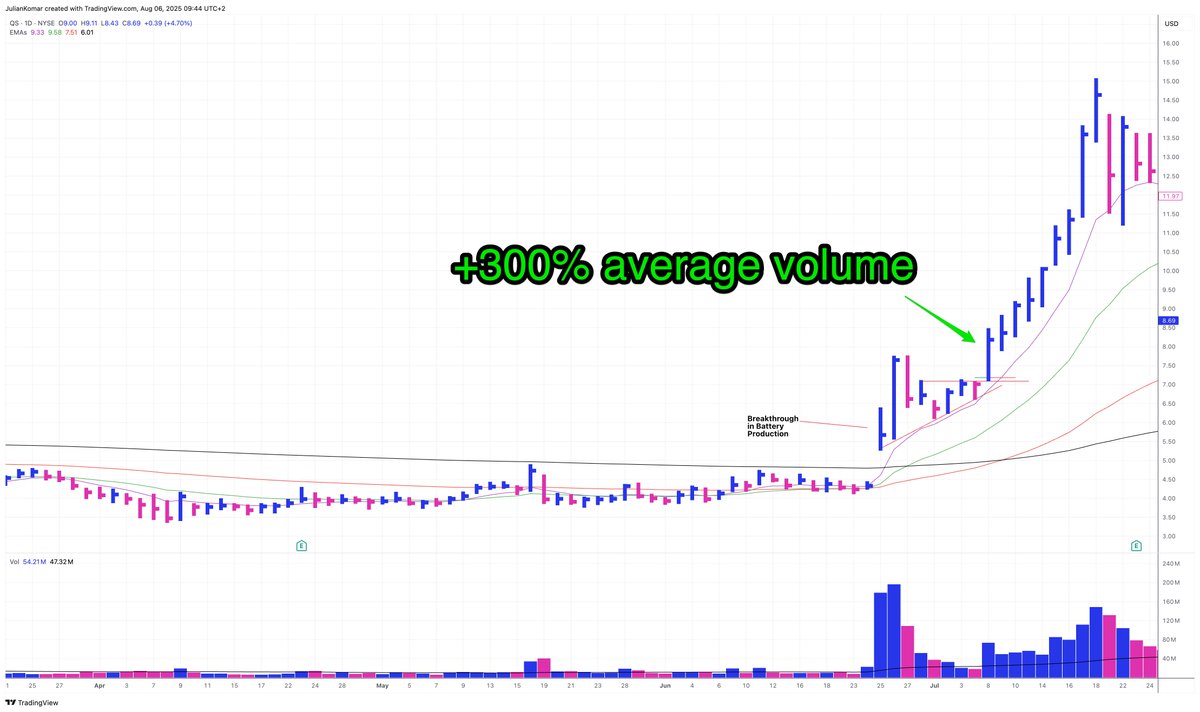
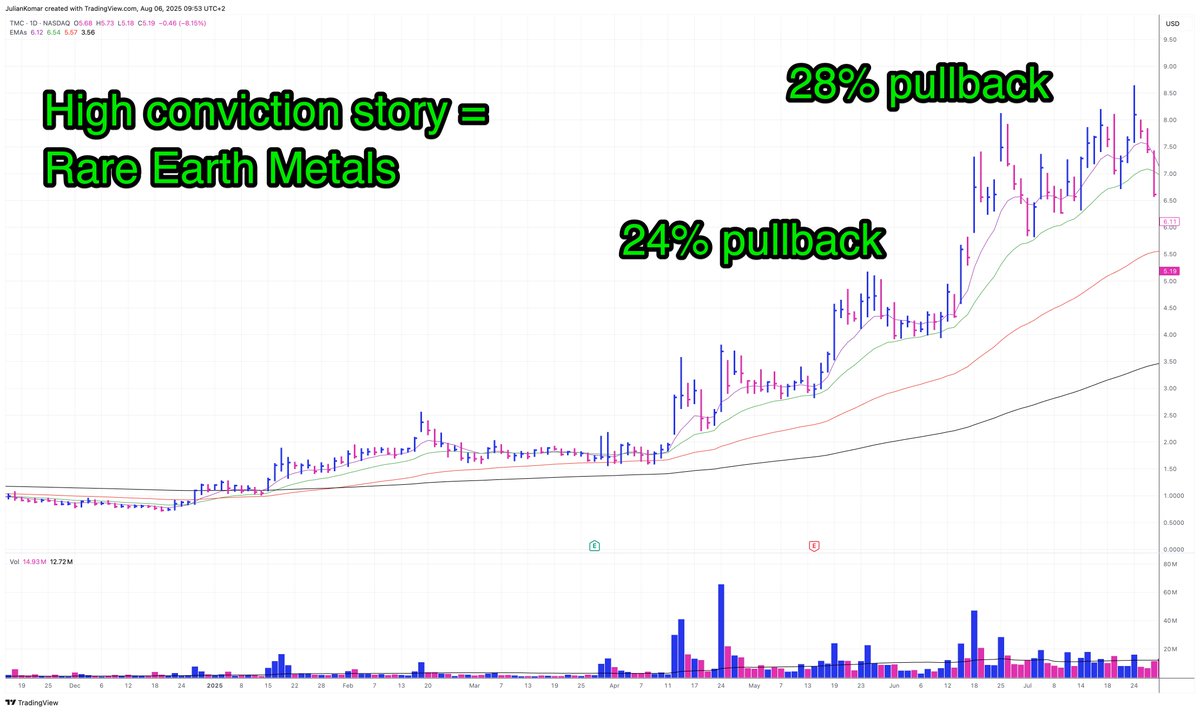
4) Hot Sector or Theme:
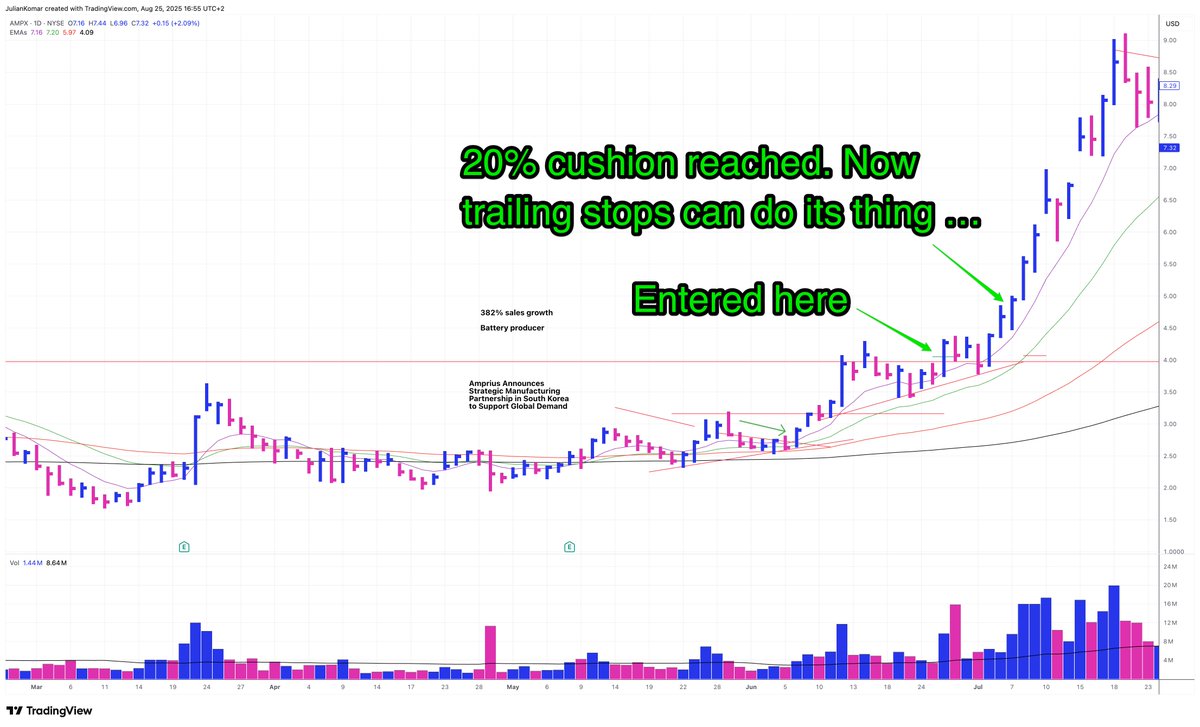
AI infrastructure, battery tech, drones, rare earths … big money flows into big stories. Narrative matters.
AI infrastructure, battery tech, drones, rare earths … big money flows into big stories. Narrative matters.
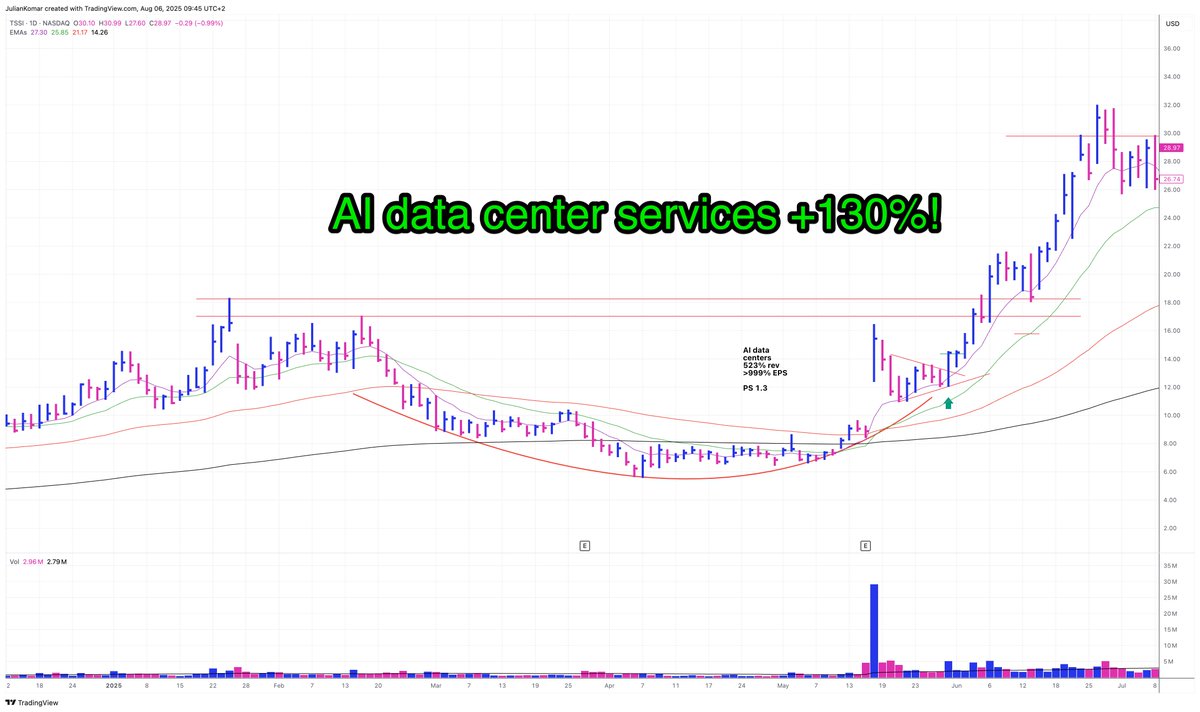
5) Fundamental Power:
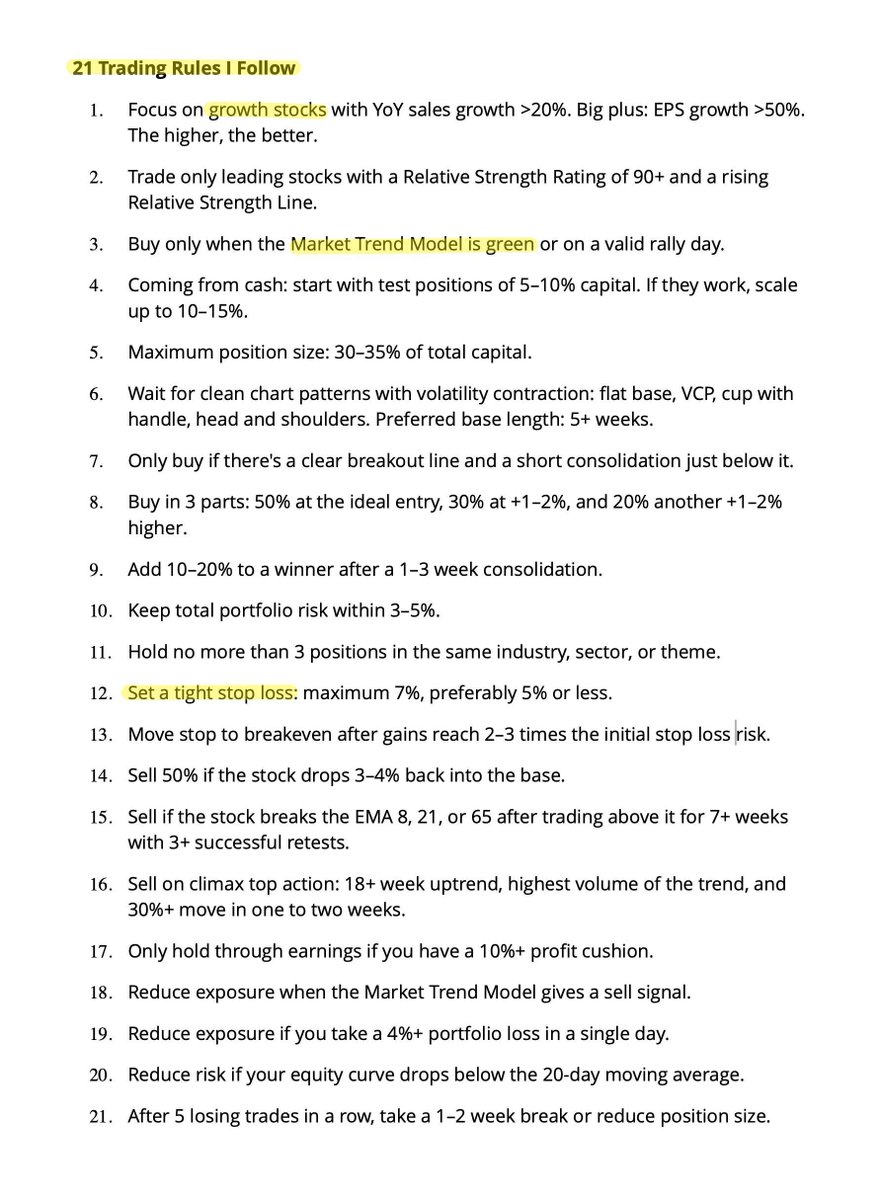
Most had EPS growth of 50%+ YoY and / or sales growth of 20%+. Institutions chase growth.
Most had EPS growth of 50%+ YoY and / or sales growth of 20%+. Institutions chase growth.
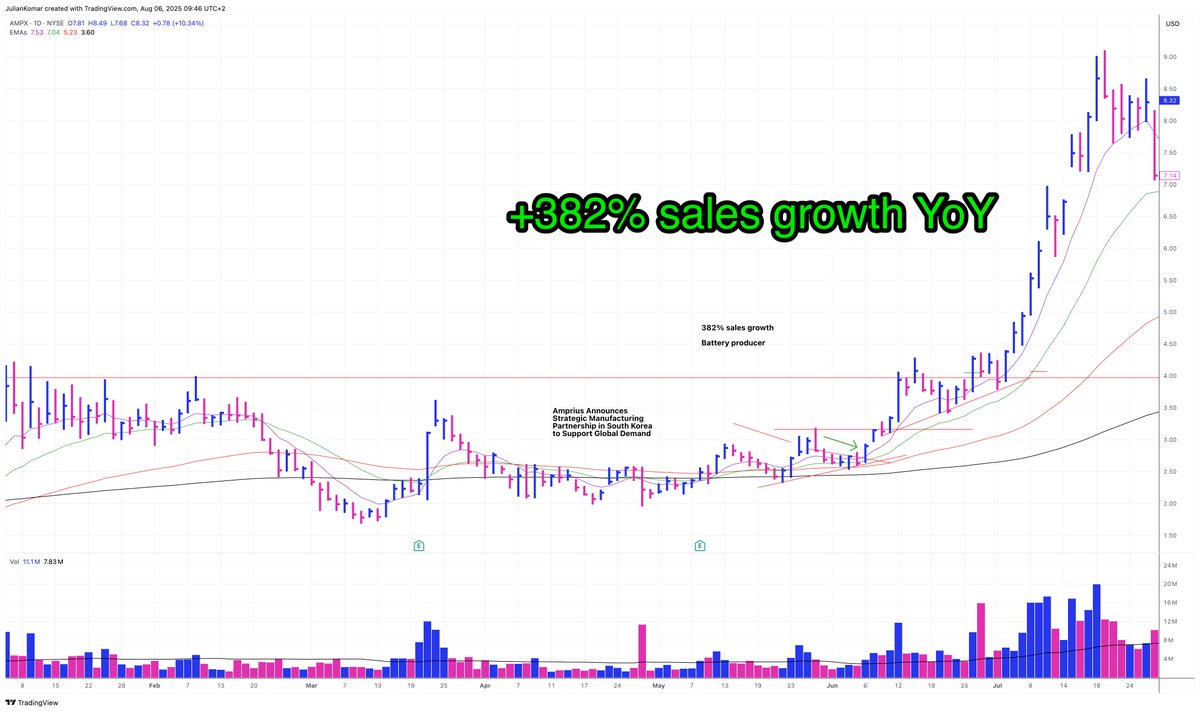
6) Liquidity to Handle Size:
$10M-20M+ average daily turnover made it possible to scale in and out without moving the stock.
$10M-20M+ average daily turnover made it possible to scale in and out without moving the stock.

7) Patience After Entry:
Many ran for weeks. I didn’t sell at +10% — I held above EMA8 or EMA21 until the trend broke.
Many ran for weeks. I didn’t sell at +10% — I held above EMA8 or EMA21 until the trend broke.

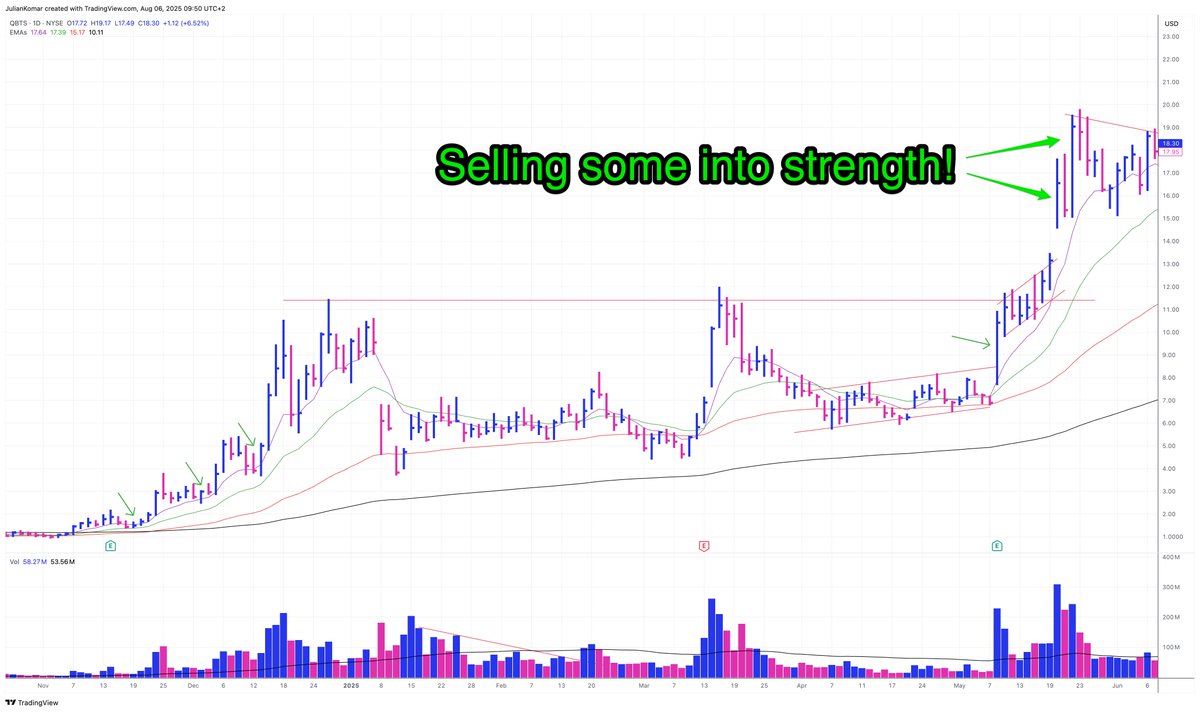
8) Scaling Out Into Strength:
Taking 10–20% off on big up days locked in gains and reduced stress — without killing the trade.
Taking 10–20% off on big up days locked in gains and reduced stress — without killing the trade.
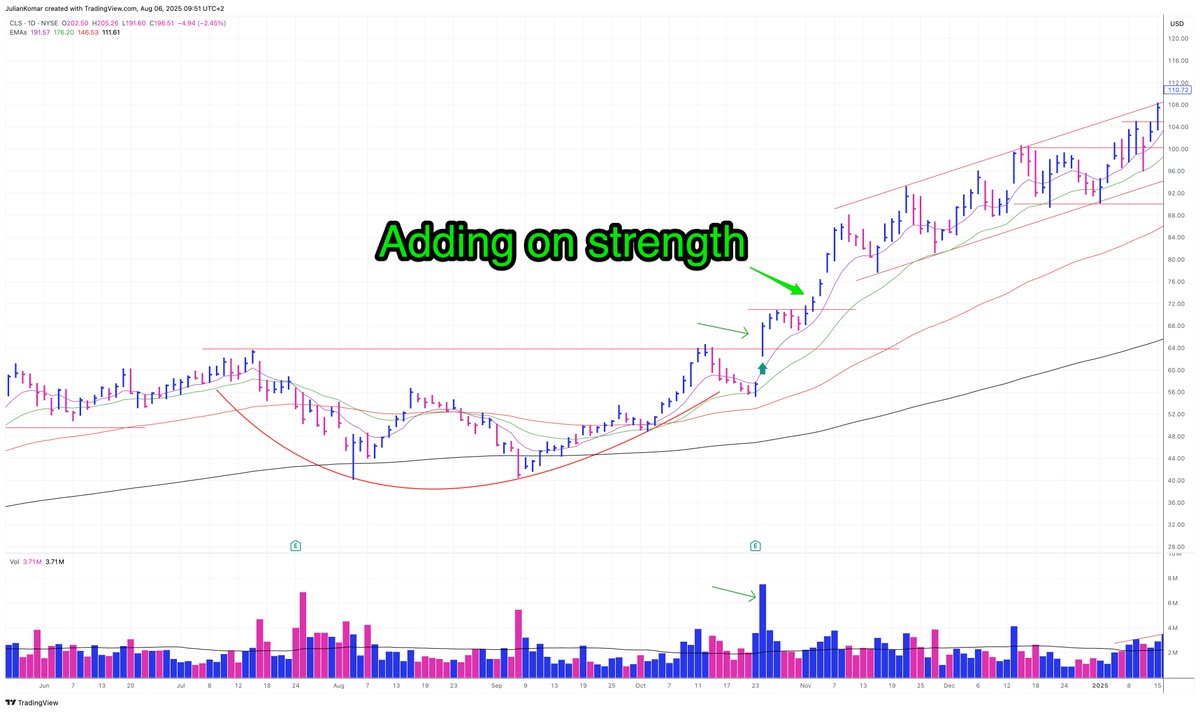
9) No Additions in Weakness:
I only added on strength — reclaiming highs with volume. Adding in pullbacks often destroyed the trade.
I only added on strength — reclaiming highs with volume. Adding in pullbacks often destroyed the trade.
10) Conviction From Preparation:
I knew the story, the chart, and the risk before I entered. That’s why I could hold through noise.
These patterns repeat.
I’ve taught them to thousands of traders.
I think everybody can learn them.
I knew the story, the chart, and the risk before I entered. That’s why I could hold through noise.
These patterns repeat.
I’ve taught them to thousands of traders.
I think everybody can learn them.
PS: Want to trade high-potential stocks? 🚀 Get 14 days FREE access to my premium trading service!
✅ Daily trade setups (incl. entries & stops)
✅ Live chat with me
✅ In-depth video reports
👉 julian-komar.com/market-update-…
✅ Daily trade setups (incl. entries & stops)
✅ Live chat with me
✅ In-depth video reports
👉 julian-komar.com/market-update-…

• • •
Missing some Tweet in this thread? You can try to
force a refresh