The trapezius is one of the most influential, yet poorly understood muscles in the body. It connects the skull to the spine, arms, and hips while helping with respiration and movement of the cranial bones. Men and women alike would benefit from caring for it. 

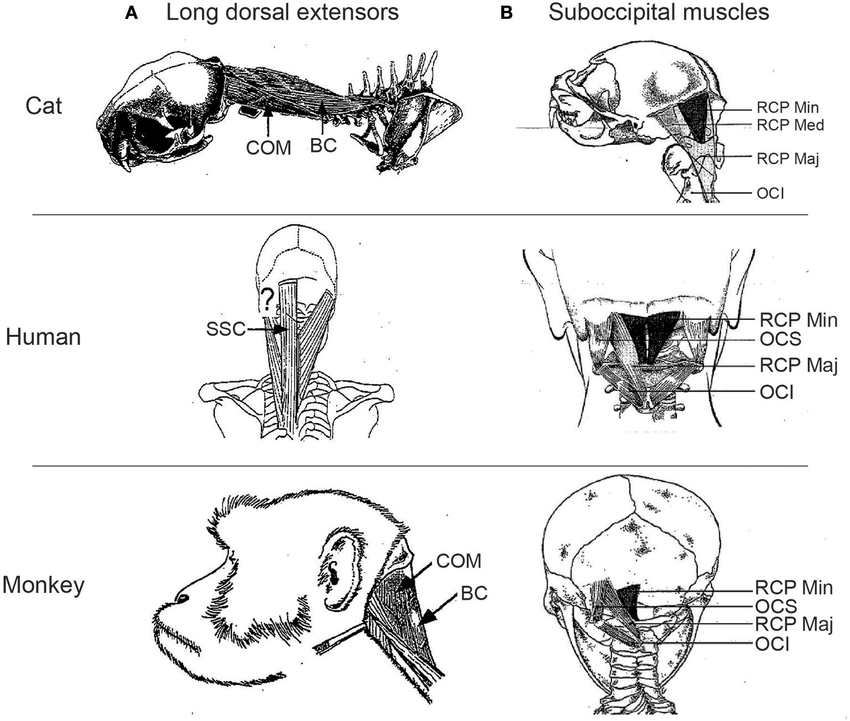
The human trapezius originated from the cucullaris muscle in fish, which elevates the gills, flushing water over them. This muscle eventually split in two: the sternocleidomastoid and the trapezius.
https://x.com/spheno_xiphoid/status/1760048764444946932
These two muscles possess different attachments and slightly altered roles but both are innervated by the accessory nerve and share fascial connections with one another. They still share a close relationship and are often dysfunctional at the same time.
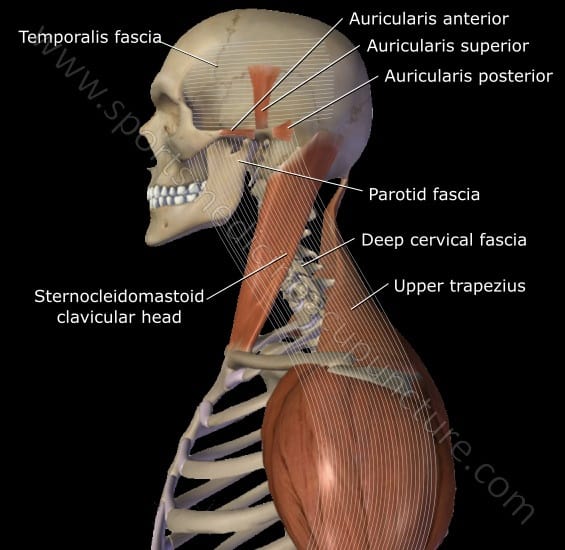
The trapezius is unique in that it is one of the only large skeletal muscles to be innervated by a cranial nerve (CN XI). This wouldn’t be the case unless control was of major importance. The brain wants to be as close and connected to the traps as possible.

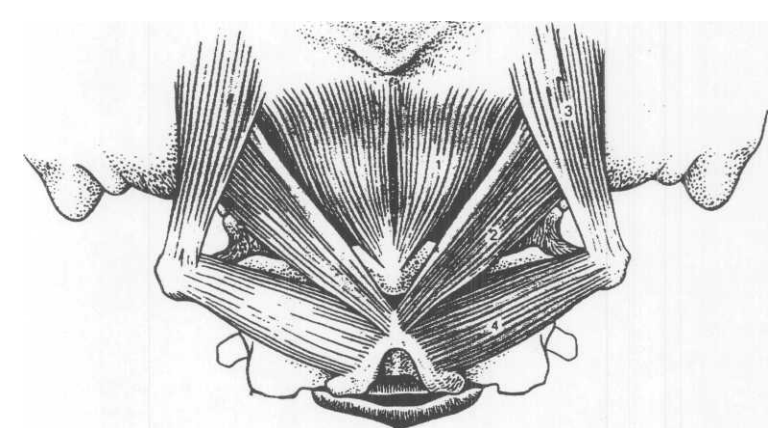
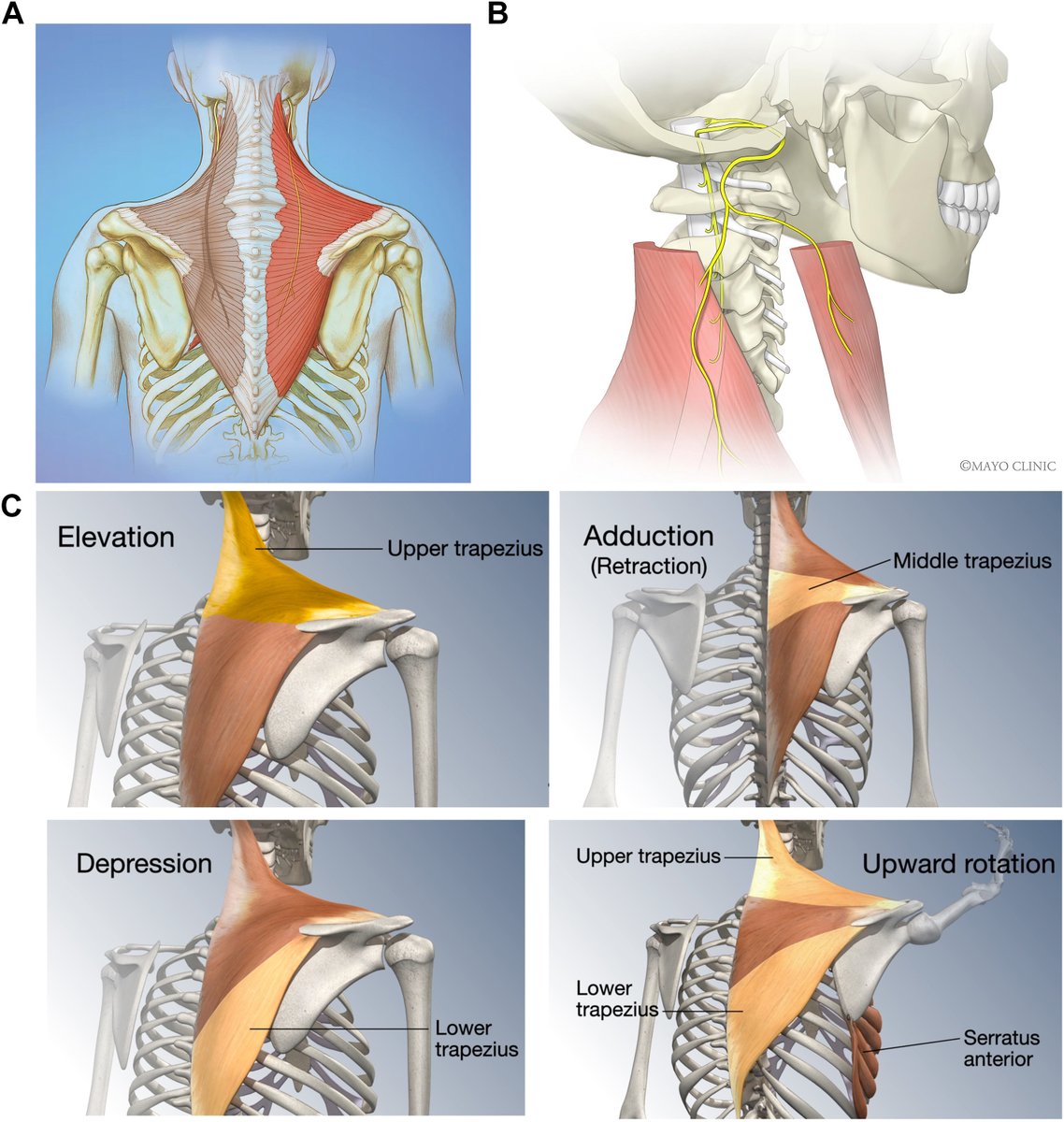
The trapezius muscle originates from the middle of the skull and spine, attaching to the spinous processes of the vertebrae from the neck all the way down to the final thoracic vertebrae (T12). In the cervical region it attaches to the nuchal ligament and the superior nuchal line on the occiput. From here its fibers fan out and insert onto the spine of the scapula and the lateral third clavicle. Lower portions of the muscle also insert into the thoracolumbar fascia.

Actions of the trapezius include:
Upper: Elevation of scapula, extension/rotation of head
Mid: Elevation/upward rotation/retraction of scapula
Lower: Depression/retrataction/upward rotation of scapula
This highlights a multifaceted muscle but leaves out many intricacies.
Upper: Elevation of scapula, extension/rotation of head
Mid: Elevation/upward rotation/retraction of scapula
Lower: Depression/retrataction/upward rotation of scapula
This highlights a multifaceted muscle but leaves out many intricacies.
The first job of the human trapezius is to lift the clavicles, rib cage, and scapulae in conjunction with the SCM. This allows for maximal expansion of the lungs as the diaphragm pulls downward.

At the same time, the trapezius exerts force on the occiput, pulling it into extension. This assists in “opening” the skull and allowing the flow of CSF into the brain. It works with the SCMs as they pull on the temporal bones.
https://x.com/spheno_xiphoid/status/1760048769872416851

The trapezius is involved in stabilizing the head and neck as the jaw and/or tongue move. It plays a part in swallowing and helps infants suckle from the teat. In adults it is still active though more subtly.
https://x.com/spheno_xiphoid/status/1828458514265841746
This connection is further strengthened by the accessory nerve’s innervation of the pharynx.
https://x.com/spheno_xiphoid/status/1897337246384316825
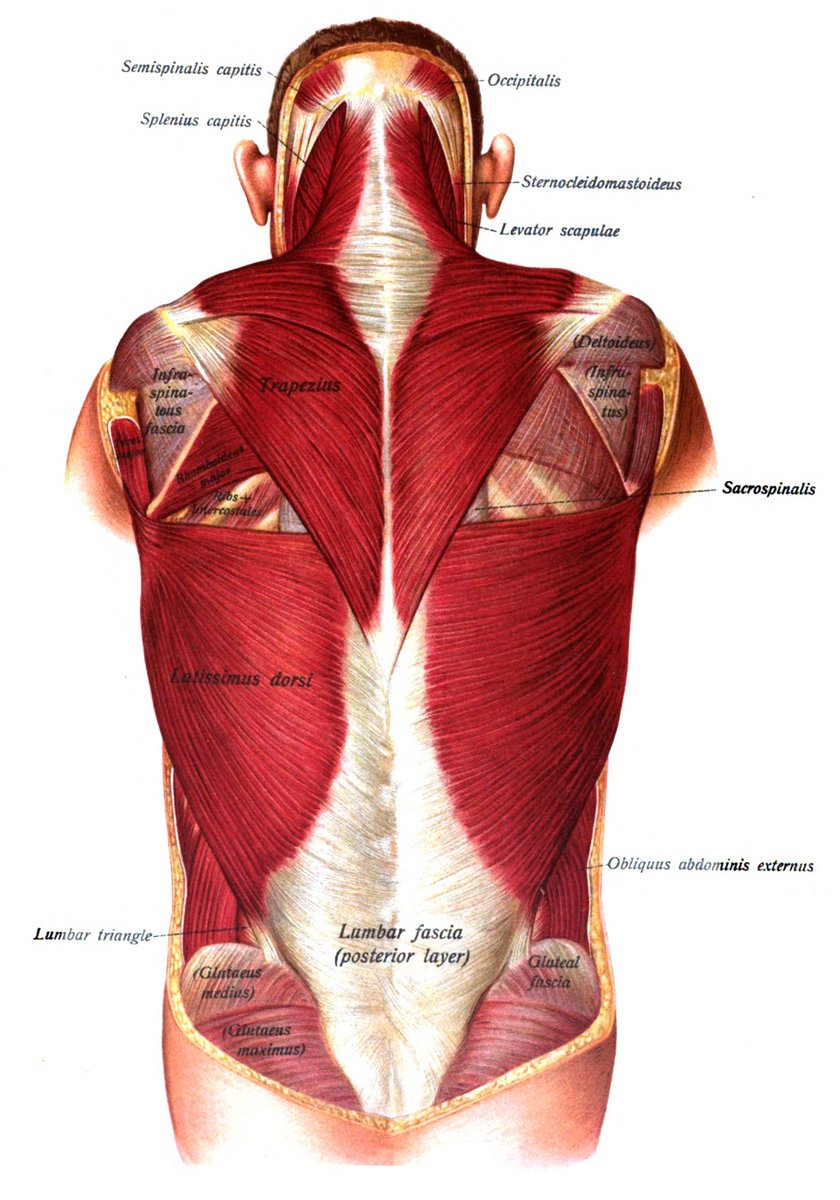
The trapezius is also a major stabilizer of the head and upper limbs. It attaches to the occiput, claviculae, scapulae, and down into the thoracolumbar fascia. It essentially binds the skull, spine, shoulders, and hips together. Nearly all movement is mediated by the traps.
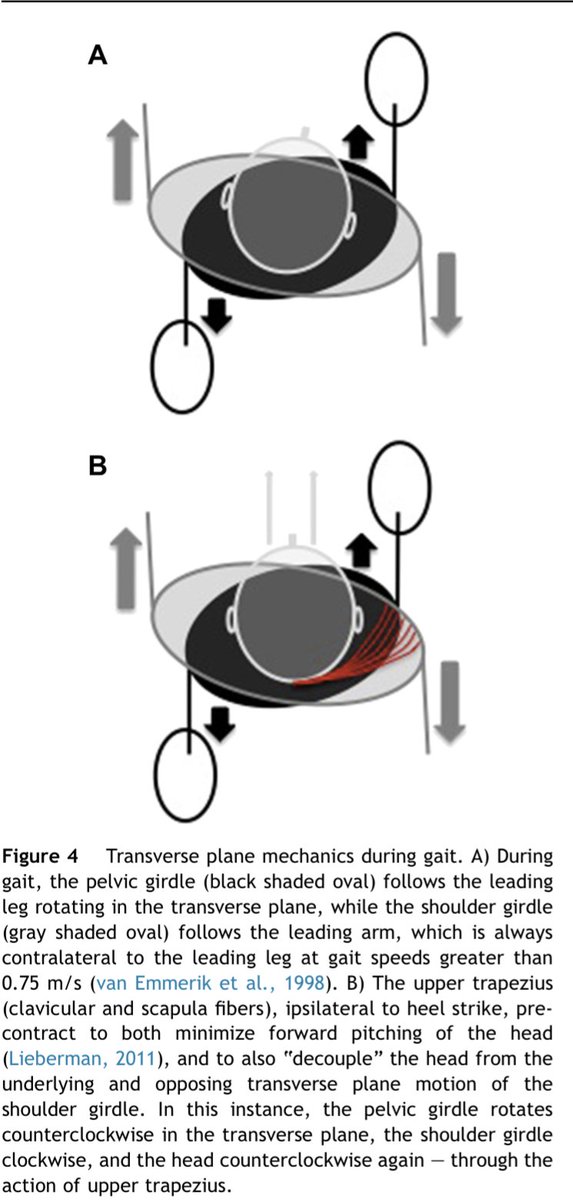
Most importantly, the trapezius activates as the arm swings forward during gait --on the same side as the glute driving the leg backward. This is crucial to the action of the spinal engine as well as the myofascial slings that drive movement.
https://x.com/spheno_xiphoid/status/1927396744393814258
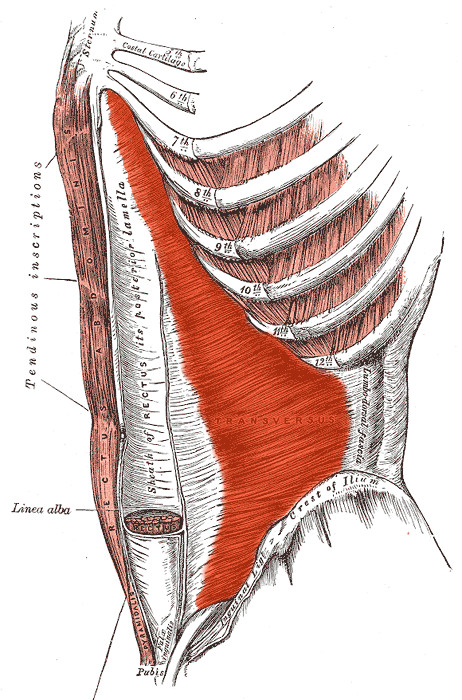
The traps can be thought of as the “core” of the upper body, stabilizing --yet permitting-- movement. It even possesses a similar (trapezoid) shape and muscle fiber arrangement (transverse) to the transversus abdominis muscle.
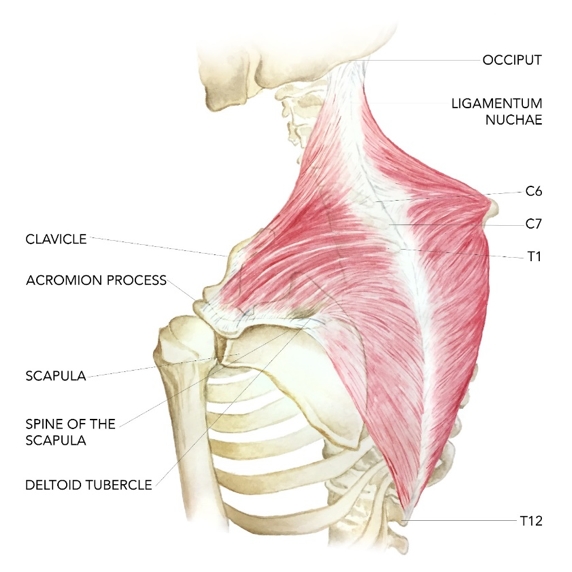
Going further into its role in stabilizing the arm, the deltoid muscles can be considered extensions of the trapezius. The deltoids originate at the clavicle and scapula and attach onto the humerus, generating movement of the upper arm in multiple directions. Combined with the trapezius, the deltoid helps link the upper arm, shoulder, neck, skull, and hips together.

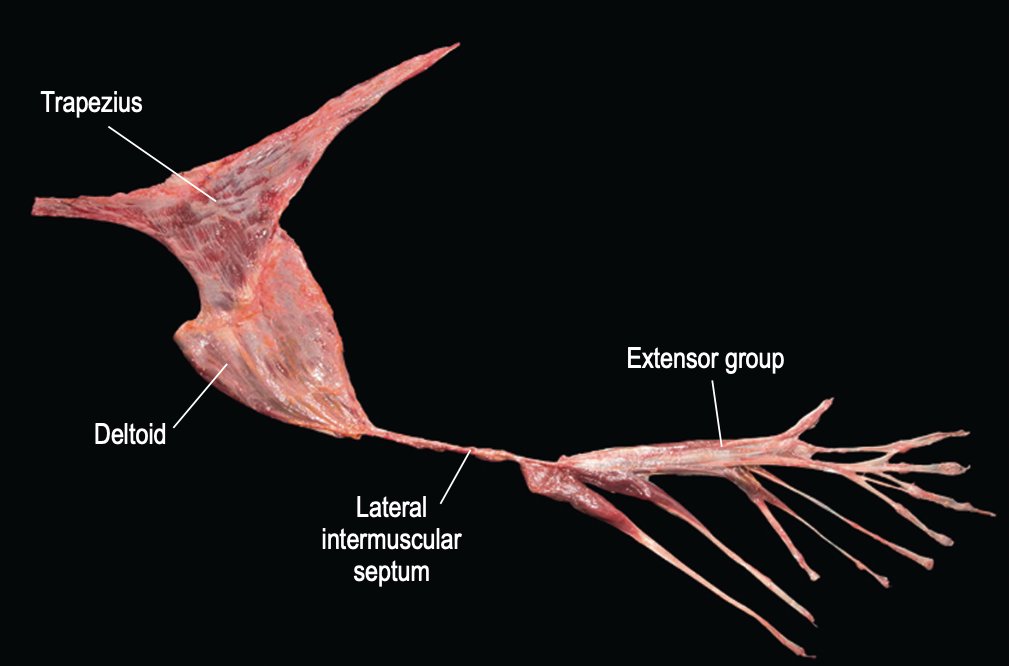
Because of these roles, the trapezius is implicated in a number of conditions and dysfunctions including:
-Headaches
-Neck pain
-Shoulder/arm pain
-Jaw pain/dysfunction (TMD)
-Breathing difficulties
-Dizziness/vertigo
-Much more…
-Headaches
-Neck pain
-Shoulder/arm pain
-Jaw pain/dysfunction (TMD)
-Breathing difficulties
-Dizziness/vertigo
-Much more…
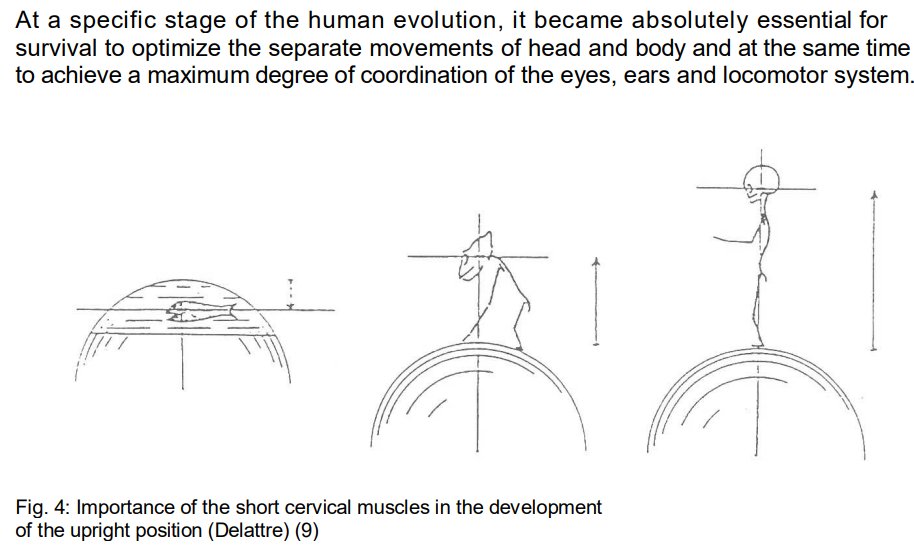
Training and/or rehabilitating the trapezius should utilize various exercises and approaches to reflect the complex anatomy of the muscle. This includes training related muscles like the suboccipitals, SCM, and diaphragm.
The “gill/ear breathing” cue sounds ridiculous, but involves the incorporation of the traps into your inhales. Simply imagine you have gills along the side of your neck and down your shoulders/upper back.
https://x.com/spheno_xiphoid/status/1883201090092703759
The trapezius muscles respond to movements of the eye in conjunction with muscles like the suboccipitals. Lateral eye exercises are one of the best ways to train this.
https://x.com/spheno_xiphoid/status/1945143842929565806
Since the trapezius synchronizes the movement of the head, neck, and shoulder, any form of gait based exercise will be good for the trapezius. This could be something as simple as walking, or short sprints at near maximal intensity.

The shrug is a classic trapezius exercise, but these should be kept in mind:
-Shrug straight up, not backward or forward
-Do not depress the shoulders too much
-Feel the upward rotation + elevation of scapulae
-Shrug straight up, not backward or forward
-Do not depress the shoulders too much
-Feel the upward rotation + elevation of scapulae
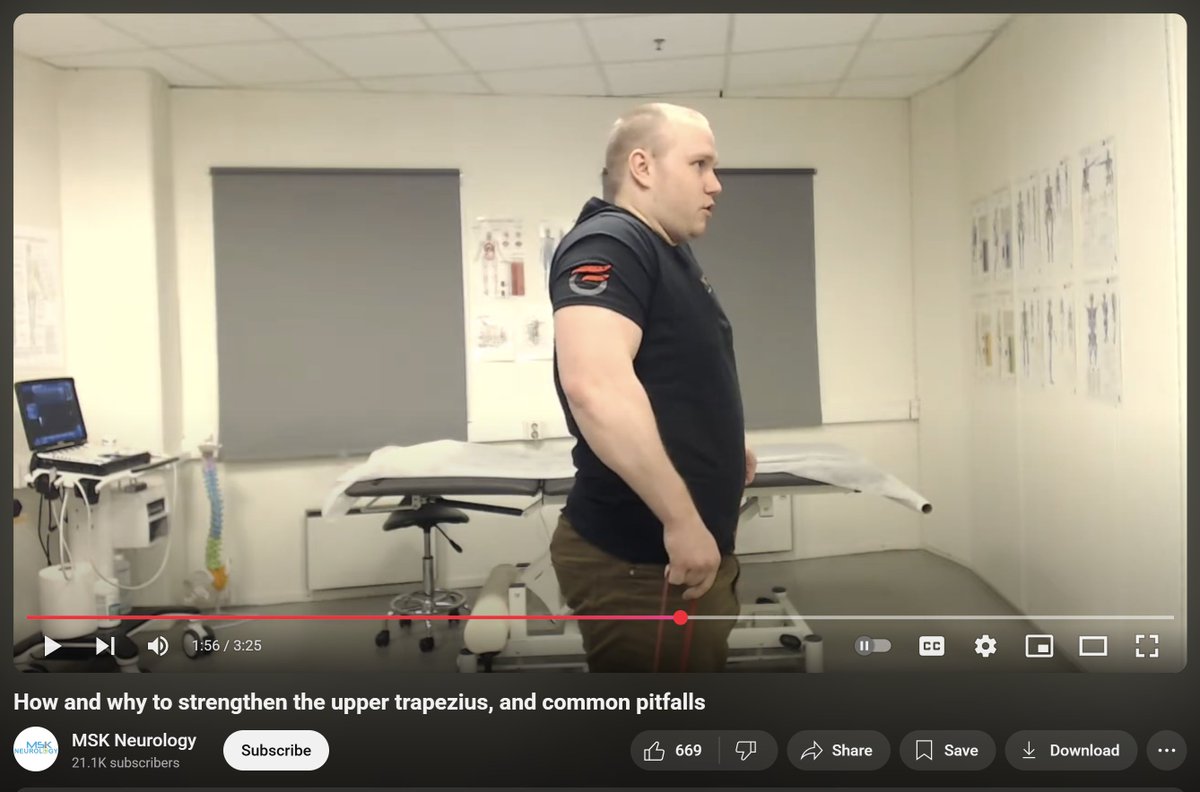
Overhead shrugs are another variation of shrug that can connect the trapezius to overhead movements as well as its role in the spinal engine. This can be done standing or on one knee and should focus on elevating and upwardly rotating the scapula.

Here are some other trap exercises including one that will target the middle portion of the muscle:
youtube.com/shorts/r74q9EF…
youtube.com/shorts/r74q9EF…
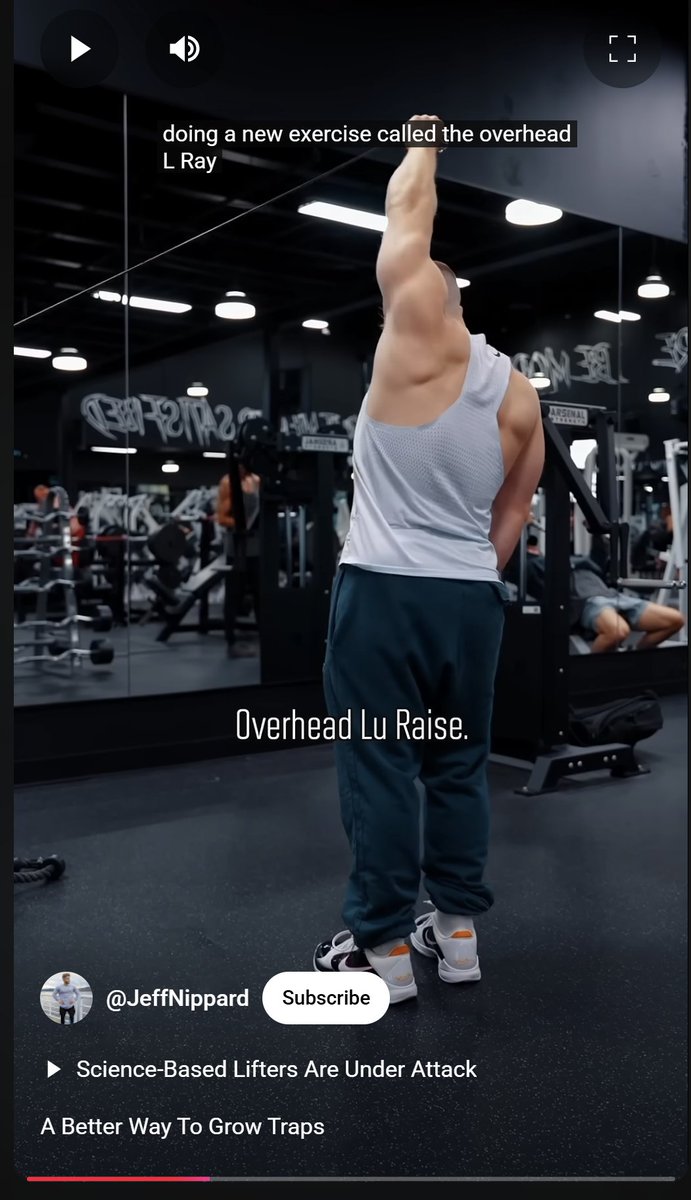
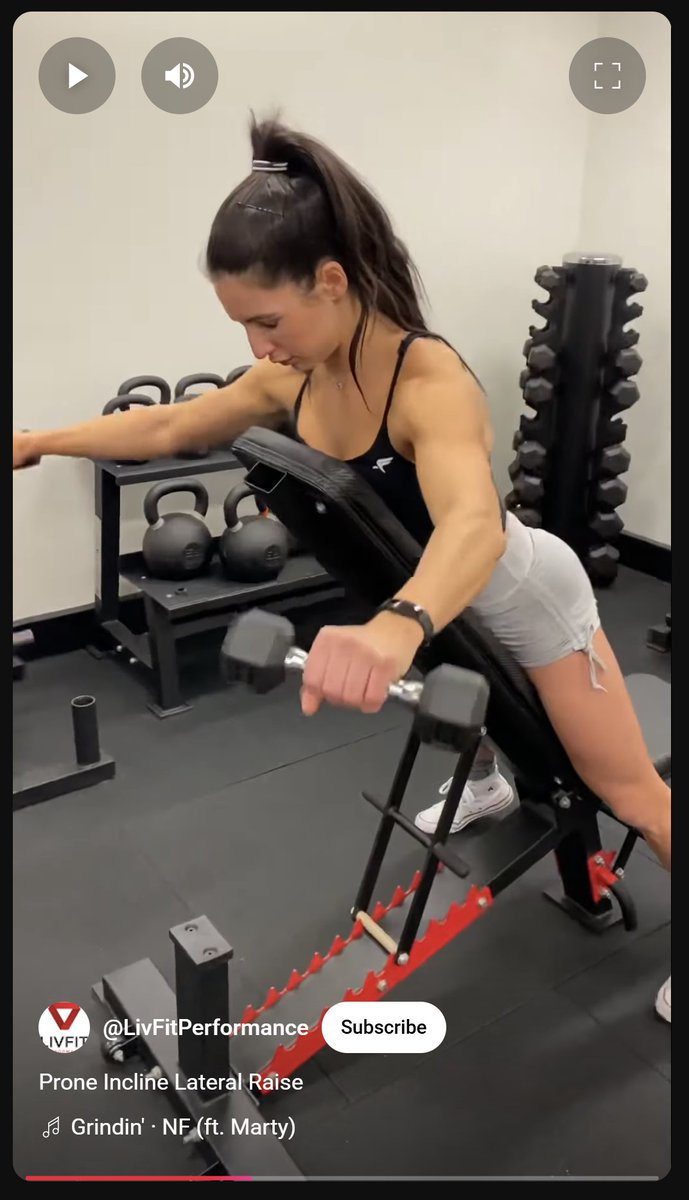
Most people need to strengthen their lower traps as they are what keep the scapula congruent with the rib cage. Here are a few exercises that can help them:
youtube.com/shorts/RwQmtml…
youtube.com/shorts/GgnZjUJ…
youtube.com/shorts/RwQmtml…
youtube.com/shorts/GgnZjUJ…

• • •
Missing some Tweet in this thread? You can try to
force a refresh